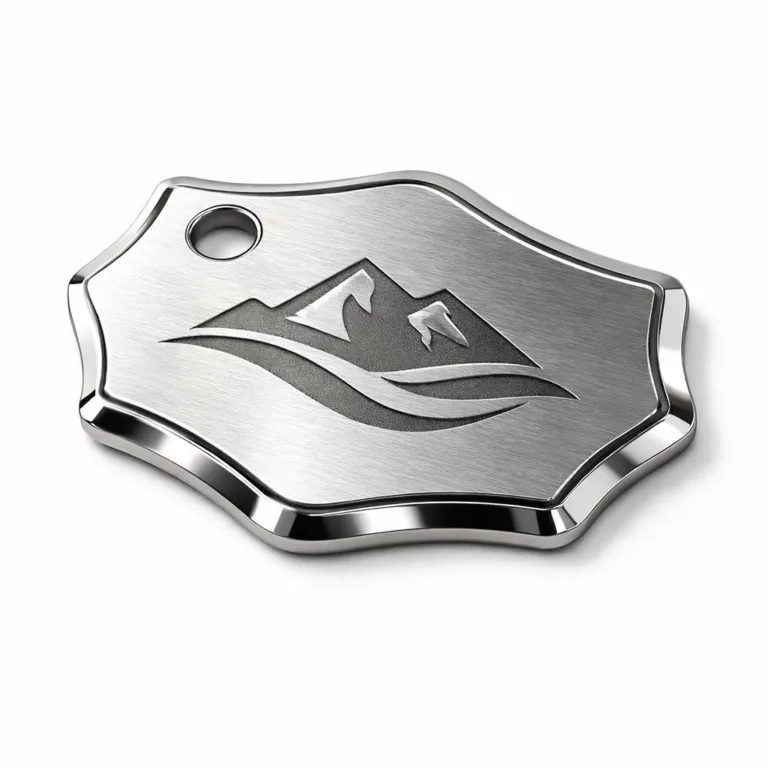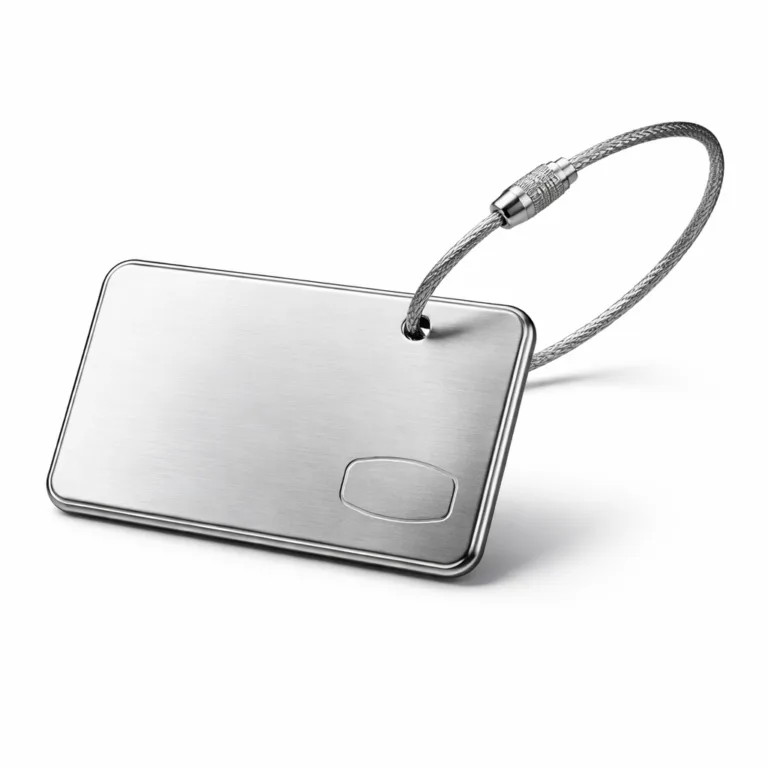
Introduction: Why UV Printing Is Transforming Metal Customization
In the world of product branding, signage, and industrial design, one technology is rewriting the rulebook: UV Printing: The New Standard for Full-Color Customization on Metal. As brands and makers chase sharper details, richer colors, and new creative possibilities, UV printing has become a clear front-runner. This breakthrough enables vivid imagery that simply isn’t achievable with older techniques on tough metal surfaces. Let’s dive into what makes UV printing so important, how the process works, real-world examples, and what it means for anyone looking to create durable, jaw-dropping metal pieces.
What Is UV Printing? A Quick Primer
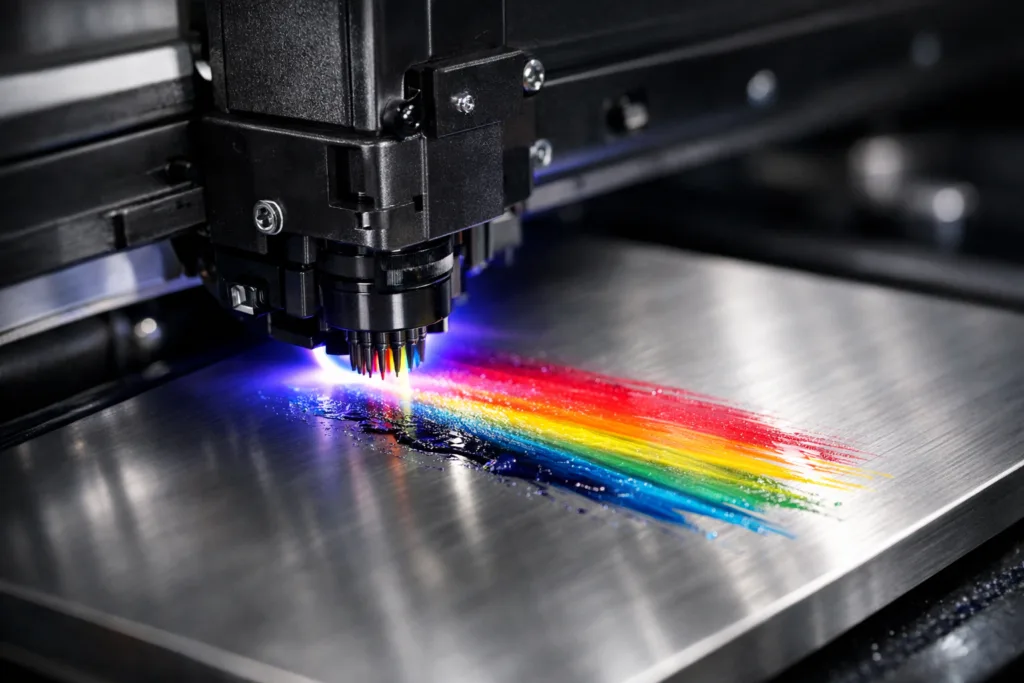
UV printing is a digital method that instantly cures specially formulated ink using ultraviolet (UV) light. The ink is sprayed directly onto a metal surface and hardened in seconds, locking in colors, details, and textures that resist wear and tear. This technique opens the door to stunning, photo-quality designs that last far longer than traditional prints.
Key Features of UV Printing
- Instant curing for durability
- Vivid, precise color application
- Adhesion to tough, non-porous metals
- Supports intricate, custom designs
Traditional Printing on Metal: Where It Falls Short
Before UV printing, manufacturers relied on offset, screen, or pad printing. These older methods work for basic graphics or text but can struggle with:
- Limited color vibrancy
- Lower resolution
- Vulnerable finishes prone to scratches and fading
- Time-consuming processes and longer drying times
If you want more insight into offset/photo-quality printing methods, our expert guide to photo-quality metal printing explores where those techniques excel and where UV now surpasses them.
How Does UV Printing Work on Metal?
The UV printing process begins with detailed artwork preparation in a digital format. The metal substrate (aluminum, stainless steel, brass, or zinc alloy) is carefully cleaned, sometimes even sandblasted, to improve ink adhesion. The UV printer sprays a thin layer of ink onto the surface, and strong UV lamps blast the print with light to cure each layer instantly. This rapid hardening sets the ink deep into the metal, creating a robust, scratch-resistant surface.
Steps in the UV Printing Workflow
- Design file preparation (ensure line weights and vector graphics meet substrate limitations)
- Surface cleaning: removing oils, dust, or oxidized layers
- Optional surface treatments (e.g., sandblasting for modern matte contrasts)
- Ink application via inkjet print heads
- UV curing for instant hardening
- Final inspection for clarity and durability
UV Printing: The New Standard for Full-Color Customization on Metal.
What makes UV printing the gold standard for custom metal tags, nameplates, and branding hardware? Its combination of speed, sharpness, and creative freedom is unmatched. Whether it’s a subtle gradient, fine micro-text, or multi-layered artwork, UV renders these beautifully—especially on challenging substrates.
Color Reproduction: Vivid, Sharp, and True
Unlike older silkscreen or sublimation processes, UV inkjet offers near-photographic clarity with Pantone-level color consistency. Brands can match exact hues, artwork details, and logo shapes, ensuring their metal tags are always on-brand. Want perfect gradients for collectibles or luxury tags? UV printing is the answer.
Durability and Protection
Because the ink bonds instantly and deeply, UV-printed metal stands up to abrasion, chemicals, sunlight, and weather. Often, a clear protective topcoat or an epoxy dome is applied for even stronger resistance, especially on items exposed to frequent handling.
Design Versatility and Limitless Customization
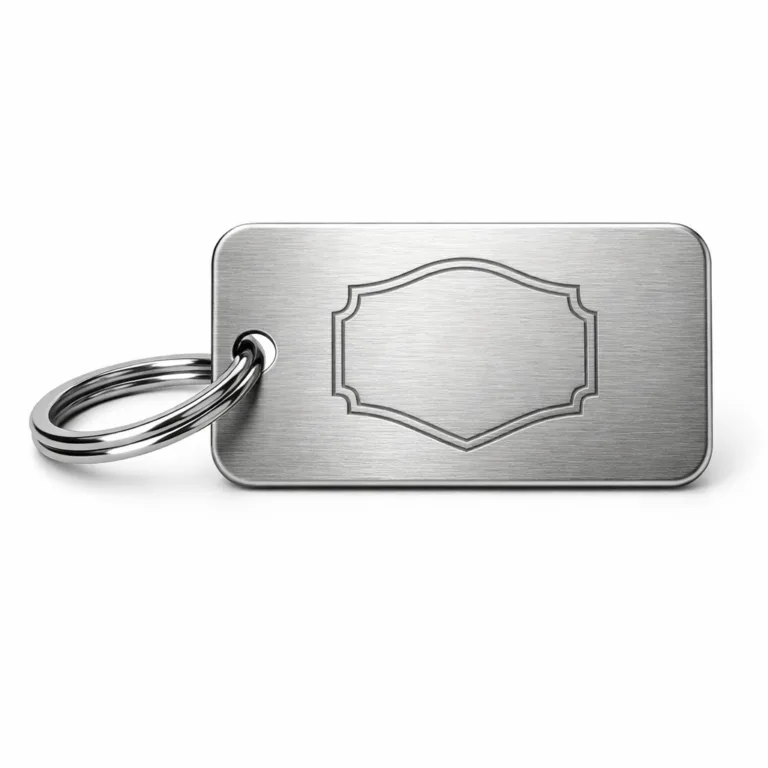
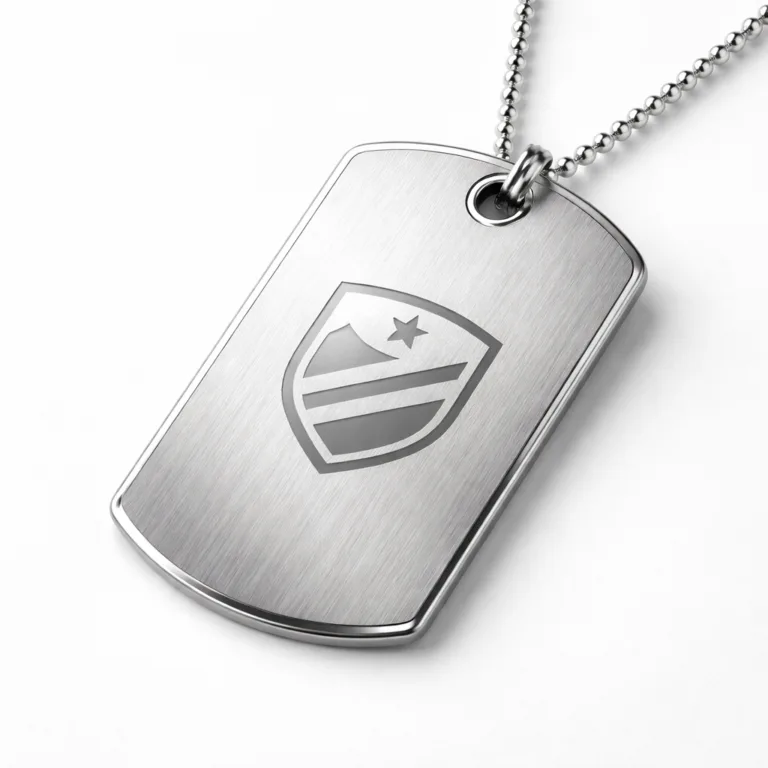
Designers aren’t limited to simple shapes or colors. UV print lets you add QR codes, variable serial numbers, photographic finishes, and fine detailing—on surfaces as small as dog tags or as large as industrial signage.
UV Printing vs. Other Metal Marking Techniques
| Technique | Color Range | Durability | Detail | Lead Time |
|---|---|---|---|---|
| UV Printing | Full color, gradients | High (with topcoat) | Photographic, micro-text | Short |
| Offset Printing | Good, softer gradients | Medium | Fine (artwork-dependent) | Moderate |
| Screen Printing | Solid colors only | Medium | Medium | Long |
| Laser Engraving | Monochrome only | Very high | Sharp lines | Short |
| Pad Printing | Limited colors | Medium-low | Basic | Moderate |
Applications: Where UV Printing on Metal Shines
From retail and hospitality to industrial labeling and fine art, UV printing supports a near-endless list of uses. Here are a few standout examples:
- Signage: Vibrant graphics on aluminum panels, directional signs, or building plaques.
- Product Branding: Custom logo tags for bags, garments, and tech accessories.
- Artwork: Limited-edition prints, bookmarks, and collectible plates.
- Industrial and Safety Labels: Chemical-resistant, legible markings for machines.
- Custom QR Codes: Interactive codes for smart labeling, access, or tracking.
Industry Examples
- Retail & Fashion: UV printing enables photo-real branding for bag tags and garment accessories—perfect for luxury or fast-fashion applications. Learn more about custom clothing logo tags and how UV can define your brand image.
- Art & Collectibles: Artists leverage UV for small-run collectibles with metallic effects and print-on-demand pieces like bookmarks or art panels.
- Industrial & Tech: Machine shops use UV printing for durable, color-coded asset tags and safety markers that stay bright under harsh conditions.
Material Choices for UV-Printed Metal Tags
Not all metals respond equally to UV printing. Materials like aluminum and stainless steel offer smooth, stable surfaces and excellent ink adhesion. Brass and zinc alloy can also work, but may require additional surface preparation or specialized primers to maximize durability. UC Tag, a metal tag manufacturer, recommends selecting thickness and finish based on intended use—whether scratch resistance, corrosion protection, or specialized branding effects are needed.
Tips from the Shop Floor
- Choose metal gauge to balance weight and print clarity
- Request a sample print for color and finish verification
- Use sandblasting or matte finishes for higher contrast and easier readability
Preparing Artwork for UV Printing Success
Detailed artwork makes or breaks the final print quality. Always provide vector files, clear layer separation, and correct color models. Avoid super fine lines or ultra-small fonts, especially for tactile or high-traffic items. Following best practices seen in the artwork prep for metal dog tags will deliver consistent results and stunning visuals.
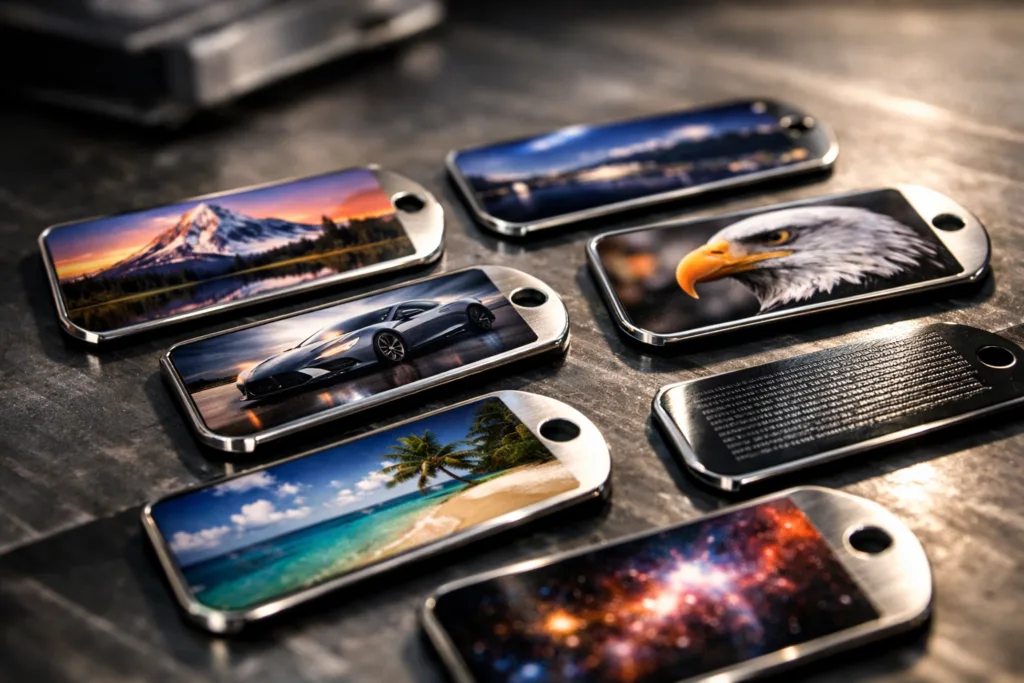
Pantone Matching and Gradients
To ensure your brands’ colors are precisely represented, use Pantone spot colors and check gradient smoothness. Good printers can provide hard proofs before mass production.
Finishing Touches: Protective Coating and Epoxy Domes
While UV-cured ink is robust, additional protective layers will improve longevity for high-wear items. Epoxy domes or clear coats are commonly added after printing, especially on tags that will see lots of contact—read more in our guide on when to use epoxy domes. These finishes shield color from scratches, UV fading, and chemical damage.
Benefits of UV Printing for Metal Customization
- Unmatched color performance—deeper saturation, perfect gradients
- Design flexibility—variable data, micro-detailing, custom shapes
- Durability—weather, chemical, and abrasion resistance
- Fast turnaround times—minimal drying, less rework
- Sustainability—low waste, eco-friendly inks
Differentiating Your Brand with UV Printed Metal
UV printed tags and labels allow brands to create products that truly stand out. From shimmering, full-color logos to interactive QR code plates, high detail and reliable durability put your brand in a different league—whether on clothing, accessories, luggage or even in industrial applications. Explore the impact of Pantone-matched metal branding in our Pantone matching guide.
Challenges and Quality Control in UV Metal Printing
No technique is foolproof. Shop-floor experience reveals the importance of surface preparation, consistent ink layering, and batch-to-batch QC. Material imperfections, burrs, or uneven plating can affect adhesion and color clarity. Careful inspection, especially around cut-out detailing and logo edges, is crucial—more on this in the expert secrets for cut-out detailing blog.
When Should You Choose UV Printing Over Other Methods?
- When you need full-color branding (vs. just text or solid shapes)
- For high-detail artwork or photo-realistic graphics
- On mixed substrate runs (metals, engineered plastics)
- If turnaround speed or environmental factors are critical
Industry Trends: The Growth of UV Metal Customization
With the rise of personalization, smart labeling, and eco-friendly manufacturing, UV printing continues to gain ground. Innovations in ink chemistry and printer hardware are enabling even finer detail, more vivid colors, and more robust finishes—making it a smart choice for forward-thinking product teams.
Case Study Highlights: Winning with UV Printed Metal
From a luxury handbag line needing metallic logo plates to a tech company launching serialized QR code asset tags, brands are investing in UV for reliability, aesthetics, and innovative branding. UC Tag’s recent projects have leveraged this technology for photorealistic event souvenirs and durable luggage tags with bold graphics and scratch-resistant coatings.
UV Printing: The New Standard for Full-Color Customization on Metal. (Summary Section)
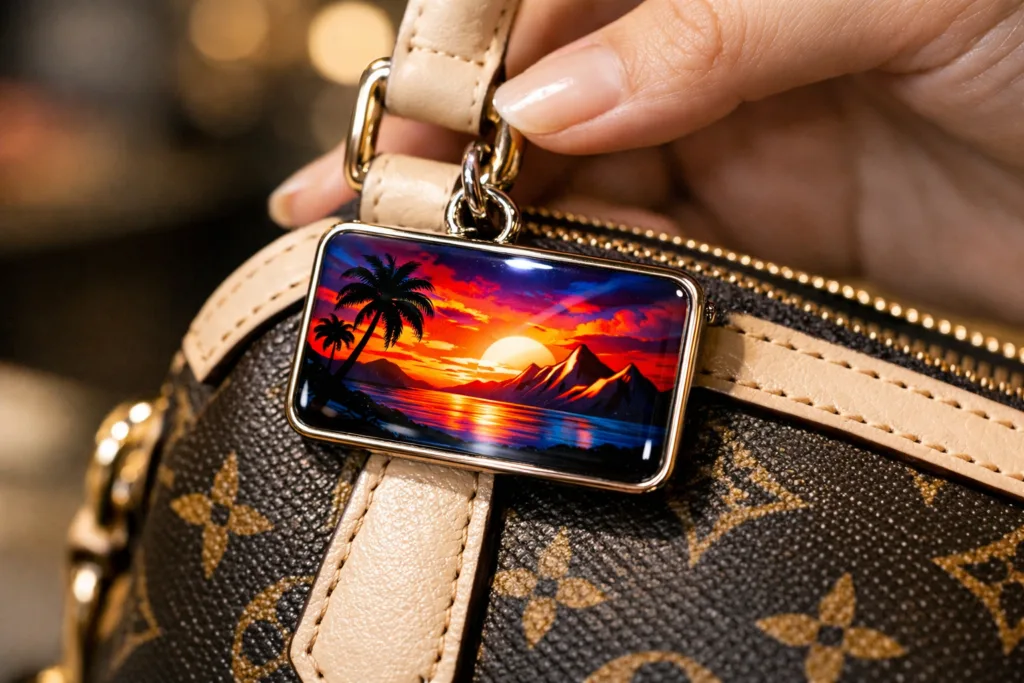
Across industries, UV printing is resetting expectations for color, performance, and speed in the world of custom metal products. By bringing together artwork flexibility, color fidelity, and real-world durability, it has become the preferred method for creating standout, truly personalized metal tags, plates, and signage.
Frequently Asked Questions
What types of metal can be UV printed?
Aluminum, stainless steel, brass, and zinc alloys are commonly used. Surface treatment and primer may be required for certain metals to maximize ink adhesion.
Does UV printing fade in sunlight?
UV-cured inks offer strong resistance to fading in sunlight. For extra UV stability, a clear topcoat or epoxy dome provides further protection for outdoor items.
Can I print small details and serial numbers?
Yes, UV printing excels at micro-text and variable data like QR codes and serial numbers, making it ideal for complex, data-driven designs on metal.
Is UV printed metal scratch-resistant?
While UV ink is robust, adding a clear protective layer or epoxy dome greatly increases scratch resistance, perfect for tags or labels subject to heavy handling.
How is UV printing different from screen or pad printing?
UV offers full-color, photographic detail, instant curing, and superior durability compared to the flat, limited-color, and slower drying of traditional screen or pad printing.
Is UV printing eco-friendly?
Yes, many UV inks are low-VOC and generate less waste than other methods. Faster curing also improves energy efficiency in production environments.