Introduction: Why Titanium Tags Stand Out
When durability, safety, and longevity matter, few materials rival titanium. Titanium tags, celebrated for being both hypoallergenic and virtually indestructible, are rapidly gaining traction across industries—from industrial labeling to personal accessories and pet identification. In this guide, we’ll explore what sets titanium apart, compare it with traditional tag materials, and explain how to choose and care for titanium tags to ensure a lifetime of performance. Whether you’re sourcing for an industrial project, a sensitive pet, or high-use personal items, this guide will help you understand the critical benefits of titanium tags: the ultimate hypoallergenic and indestructible solution.
What Are Titanium Tags?

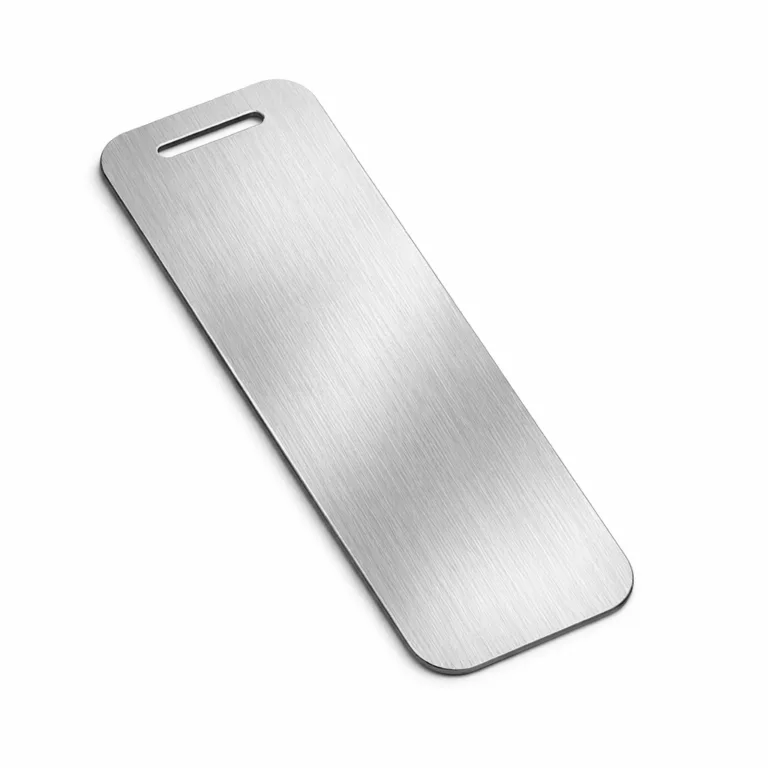
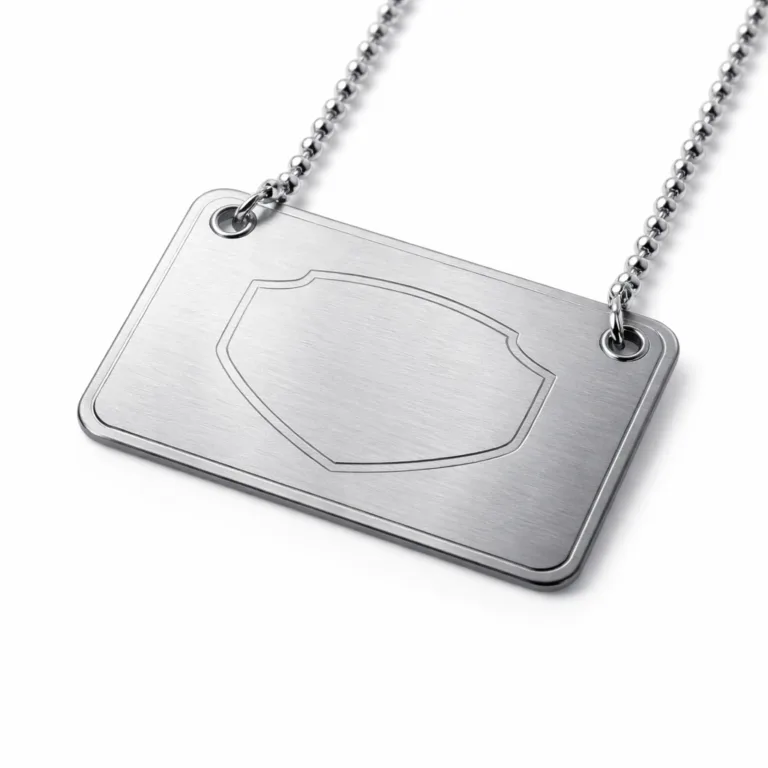
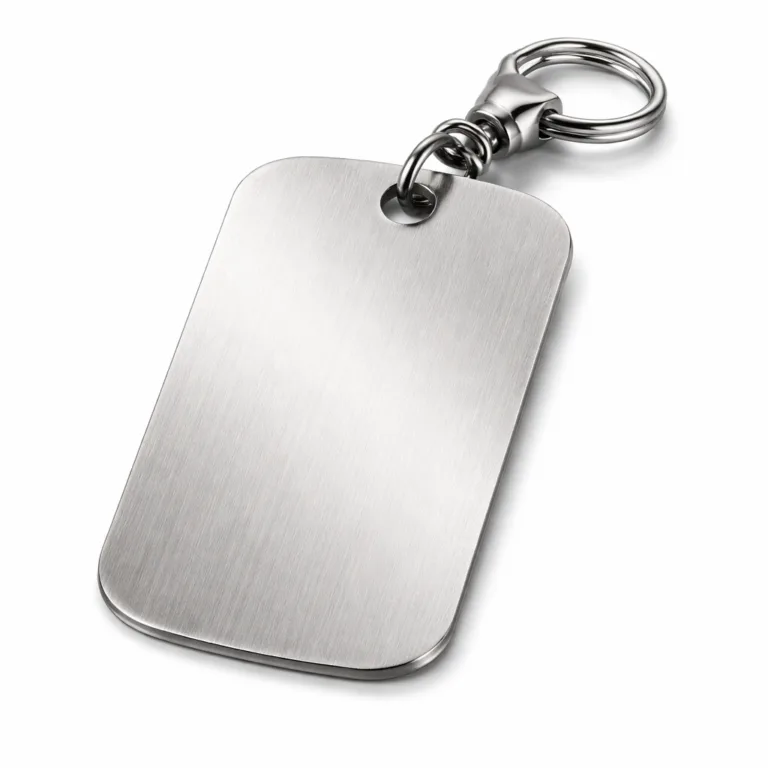
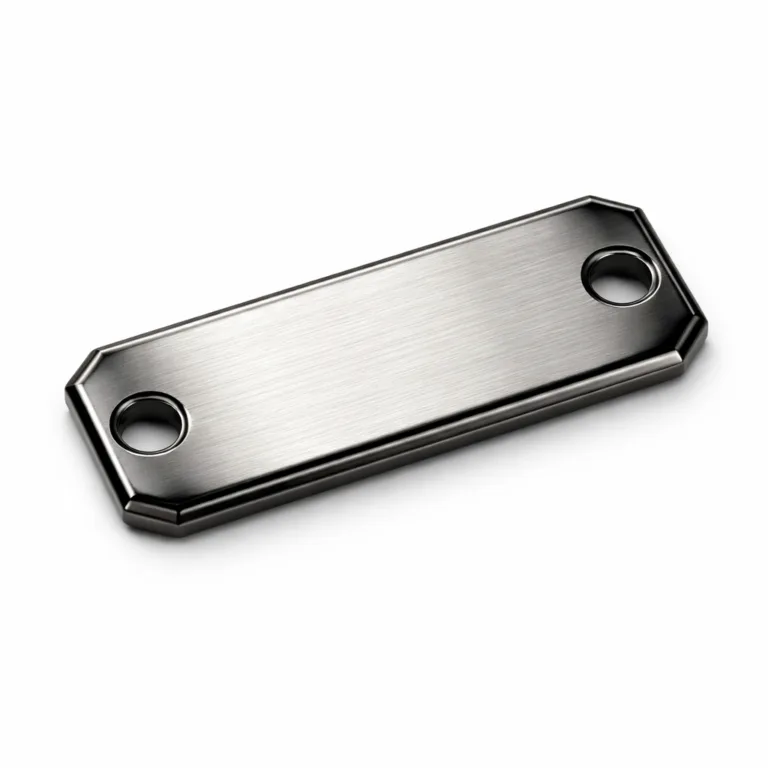
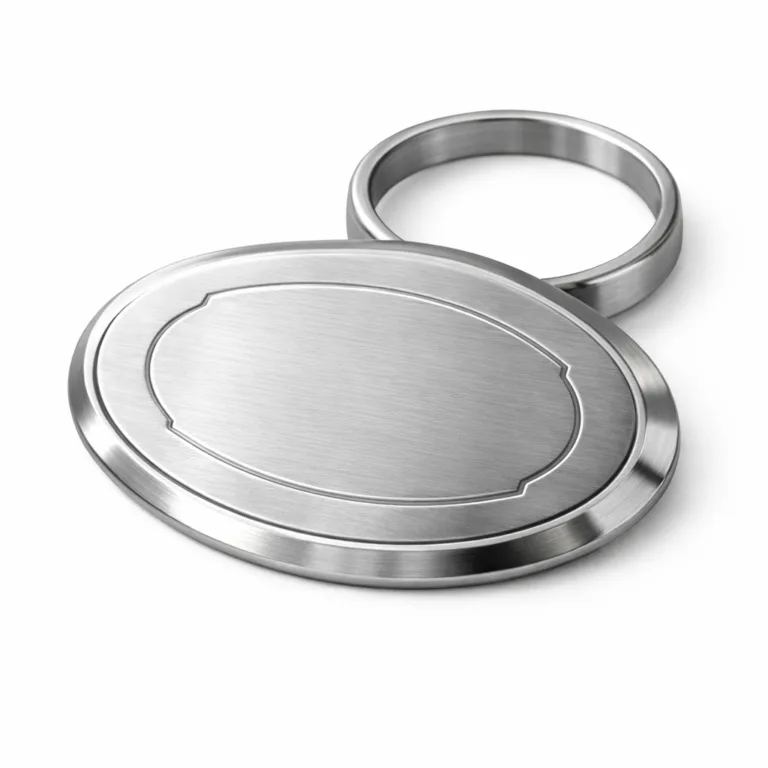
Titanium tags are identification or labeling pieces crafted from solid titanium or high-grade titanium alloys. These tags are known for their unique properties: strength, corrosion resistance, and exceptional biocompatibility. They come in diverse shapes, sizes, and finish options to suit applications ranging from asset tracking to designer keychains.
The Science Behind Titanium: Hypoallergenic & Indestructible
Titanium’s status as a hypoallergenic material comes from its chemical stability. It naturally resists corrosion, even in saltwater or acidic environments. Unlike nickel, brass, or even certain grades of stainless steel, titanium does not react with skin oils or sweat, causing zero allergic reactions in people and pets. Mechanically, titanium boasts an excellent strength-to-weight ratio—it’s as strong as steel yet nearly 45% lighter. Combined, these characteristics make titanium virtually indestructible for practical use, especially compared to plastic or aluminum tag options.
Key Benefits of Titanium Tags
- Unmatched Strength: Titanium tags resist bending, breaking, and physical impacts.
- Corrosion Resistance: Unlike ordinary metal tags, titanium withstands exposure to water, chemicals, and harsh climates without rusting or tarnishing.
- Hypoallergenic Nature: Safe for direct contact with even the most sensitive skin—ideal for personal accessories or pets with allergies.
- Long-Term Readability: Laser-engraved markings stay crisp for years, reducing the risk of faded or illegible IDs.
- Weight Advantage: Lighter than steel and much tougher than aluminum, reducing the burden for pets, equipment, or luggage.
Who Should Consider Titanium Tags?
Titanium tags are ideal for anyone seeking reliability, safety, and enduring value. Specific groups include:
- Industrial professionals in harsh, corrosive, or wet environments
- Pet owners whose animals have skin sensitivities
- Luggage and bag manufacturers aiming for premium, lasting branding
- Medical equipment suppliers needing non-reactive identification
- Outdoor enthusiasts and emergency responders demanding ruggedness
How Titanium Compares: A Material Comparison Table
| Property | Titanium | Stainless Steel | Aluminum | Plastic |
|---|---|---|---|---|
| Hypoallergenic | Yes | Not always | No | Yes |
| Strength | High | High | Moderate | Low |
| Corrosion Resistance | Excellent | Good | Variable | Poor |
| Weight | Low | High | Lowest | Lowest |
| Durability | Top | Good | Fair | Poor |
| Allergy Risk | None | Some | Moderate | None |
Titanium Tag Applications Across Industries
Industrial & Commercial Uses
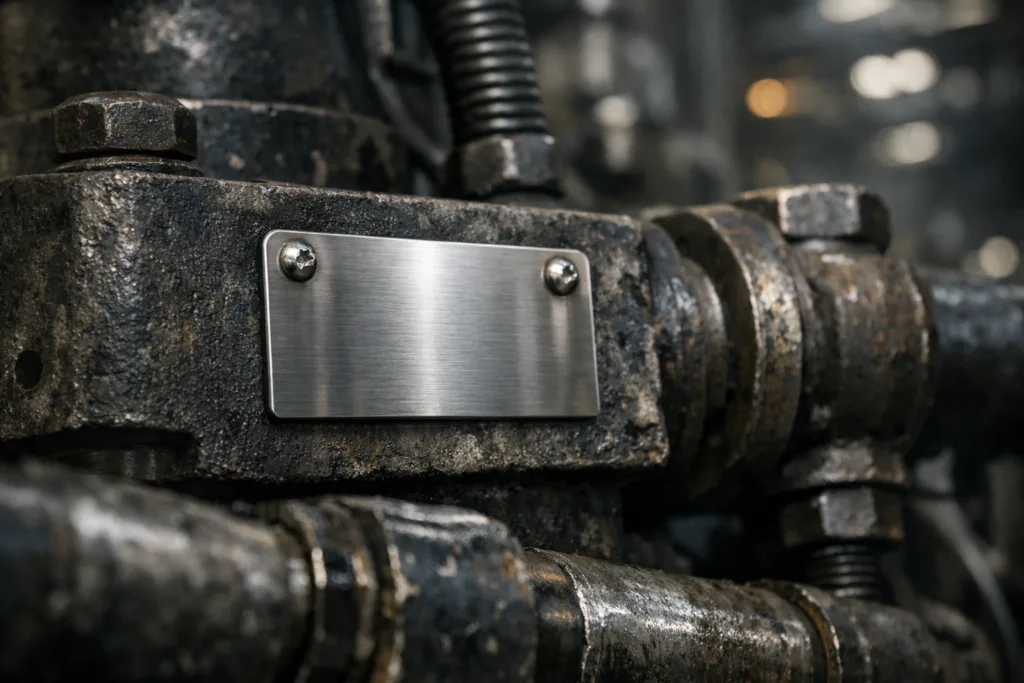
For chemical plants, heavy machinery, or marine assets, titanium tags outlast even stainless steel. Their corrosion resistance is especially valuable where salt, humidity, or cleaning agents are an issue. Manufacturers often use titanium for critical machinery plaques, valve identification, or electrical panel tags—where failure isn’t an option.
Pet Identification & Animal Tags
Pets with metal allergies or irritated skin benefit dramatically from hypoallergenic titanium tags. They remain readable even after years of rough play, water exposure, or extreme weather. For additional information about pet tags, check this Best Dog Name Tags guide.
Luggage, Travel, and Everyday Use
Luggage tags made of titanium are an ideal solution for frequent travelers thanks to their lightweight, impact resistance, and stylish look. For privacy and aesthetic features, consider reading about protecting your privacy with modern luggage tags.
Specialized Uses: Medical, Aerospace, and Military
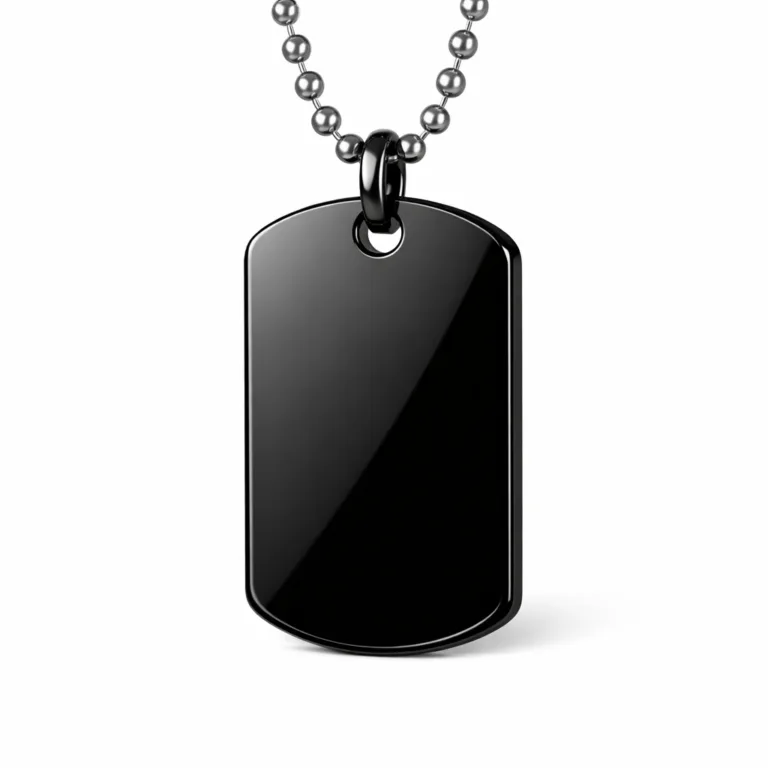
Medical equipment often specifies titanium for implantable parts and instrument tags. In aerospace, titanium labeling tolerates wide thermal ranges and vibration without fatigue. Military dog tags increasingly favor titanium for the same reasons: indestructibility and non-reactivity.
Common Types of Titanium Tags Available
- Blank or custom-engraved flat tags (rectangular, round, oval, etc.)
- Embossed or debossed tags for high-readability
- Laser-cut logo tags for garments or bags
- Heavy-duty attachment tags for industrial asset management
Engraving and Marking: Legibility for Life
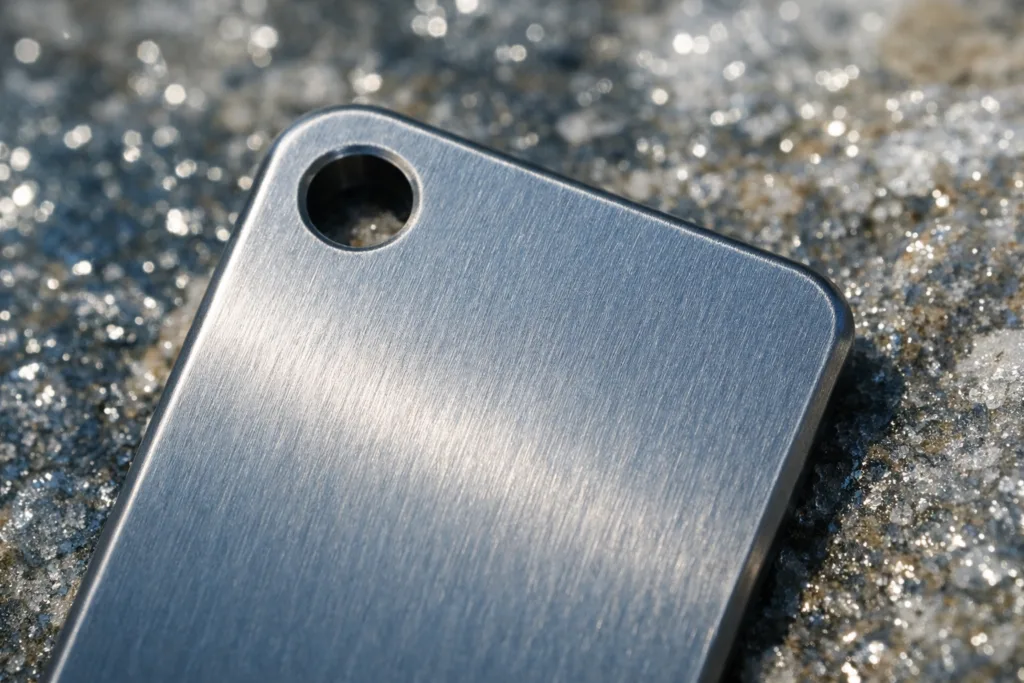
Titanium tags support a range of marking options, but laser engraving is the gold standard for durability and clarity. Laser marks become part of the metal surface, ensuring information stays legible even after years of abrasion or exposure to chemicals. CNC-milled relief or deep indentation is also possible for specialty applications requiring ultra-robust identification. For greater detail on durable markings on metal, see UC Tag’s Engraved Metal Name Tags guide.
Hypoallergenic Testing: How Safe Is Titanium?
Medical studies consistently confirm that pure titanium and grade 5 (Ti-6Al-4V) alloy do not provoke skin reactions. This is why titanium is the preferred material for surgical implants and body jewelry. In UC Tag’s manufacturing practice, we verify material batches using XRF spectrometers to confirm grade and purity before production—even a small trace of nickel is unacceptable for our hypoallergenic applications.
Choosing the Right Titanium Tag for Your Needs
Application Environment
Assess where the tag will be used: harsh chemicals, outdoor weather, constant water contact, or food preparation all favor titanium. For less demanding environments, alternatives like aluminum tags may suffice but will not match longevity.
Attachment Method
Options include drilled holes for screws or rivets, notched edges for cable ties, or integrated split rings for pet use. The right method depends on vibration, pull forces, and the risk of accidental detachment.
Thickness & Size Selection
Standard thicknesses range from thin (0.5mm) for lightweight keys to 2mm or more for heavy-duty gear. Tag size should balance readability and unobtrusiveness.
How to Order: Custom or Stock Titanium Tags
When seeking a manufacturer, verify their expertise in both material sourcing and fabrication. Ask for thickness ranges, engraving depth specs, and options for batch traceability. UC Tag, for example, often advises on minimum radius for sharp corners to avoid cracks under mechanical stress—especially for aerospace or military applications.
Care & Maintenance Tips for Titanium Tags
- Clean with mild soap and water; avoid abrasive pads
- If a tag is exposed to saltwater, rinse with fresh water
- Inspect attachment points annually in heavy-use settings
- No need for anti-corrosion spray or coatings
Debunking Common Myths About Titanium Tags
“Titanium Is Too Expensive for Everyday Use”
While high-end, titanium’s extreme durability means replacements are rarely needed. Its total lifetime cost can be lower than steel or plastic.
“Titanium Will Turn Dark or Rust”
Titanium forms a stable oxide layer, never rusting. Only extreme chemical exposure can alter its appearance, which is rare in tagging.
“Titanium Tags Are Only for Industry”
Today, personal accessories and pet IDs use titanium as a premium and health-conscious choice.
Practical Design & Manufacturing Insights
From a craftsman’s perspective, producing titanium tags requires carbide tooling or laser cutting due to the material’s hardness. Edges must be deburred for safe handling, and holes should feature a minimum fillet radius to prevent splitting under high stress. For color branding, titanium can be anodized for subtle hues, though not as vivid as aluminum. In bulk production, consistent quality depends on careful control of material lot, tool wear, and post-process cleaning—a lesson learned through years of hands-on experience at UC Tag.
Sustainability and Recyclability of Titanium Tags
Unlike coated plastics or painted metals, titanium is 100% recyclable without harmful byproducts. Scrap can be repurposed into new parts with minimal energy input. This makes titanium tags a responsible option for companies prioritizing eco-friendly identification solutions.
Titanium Tags: The Ultimate Guide to Hypoallergenic & Indestructible Tags.
As we’ve seen, the unique blend of safety, longevity, and resilience makes titanium tags a standout for demanding users. Their value is not just in their appearance or initial cost, but in the decades of hassle-free performance, safety, and clarity they deliver. Whether for an industrial facility, a prized pet, or premium gear, titanium offers a solution that truly lasts a lifetime.
Frequently Asked Questions
Are titanium tags suitable for pets with sensitive skin?
Yes, titanium is hypoallergenic and non-reactive, making it the safest choice for pets prone to irritation from other metals.
Will titanium tags ever rust or corrode?
No, titanium forms a protective layer that permanently resists rust, corrosion, and tarnishing—even in harsh or wet environments.
How should I clean and maintain a titanium tag?
Simply wash with mild soap and water. Avoid abrasive scrubbers, and rinse with freshwater if exposed to salt or chemicals.
Are there colored or decorative options for titanium tags?
Titanium can be anodized for soft blues, golds, and grays, though not as vibrant as aluminum. Designs usually stay minimal for clarity.
Is laser engraving the only marking method for titanium tags?
Laser engraving is most common for durability, but deeper CNC engraving or embossing is also possible for special use cases.
Can titanium tags be recycled?
Yes, titanium is fully recyclable and can be reused with low environmental impact, making it a sustainable tagging solution.