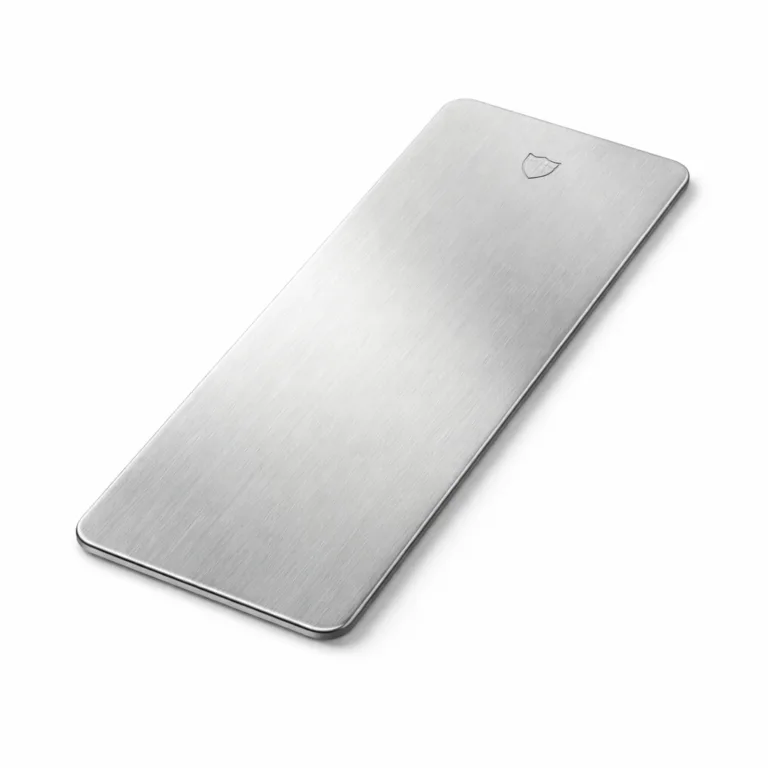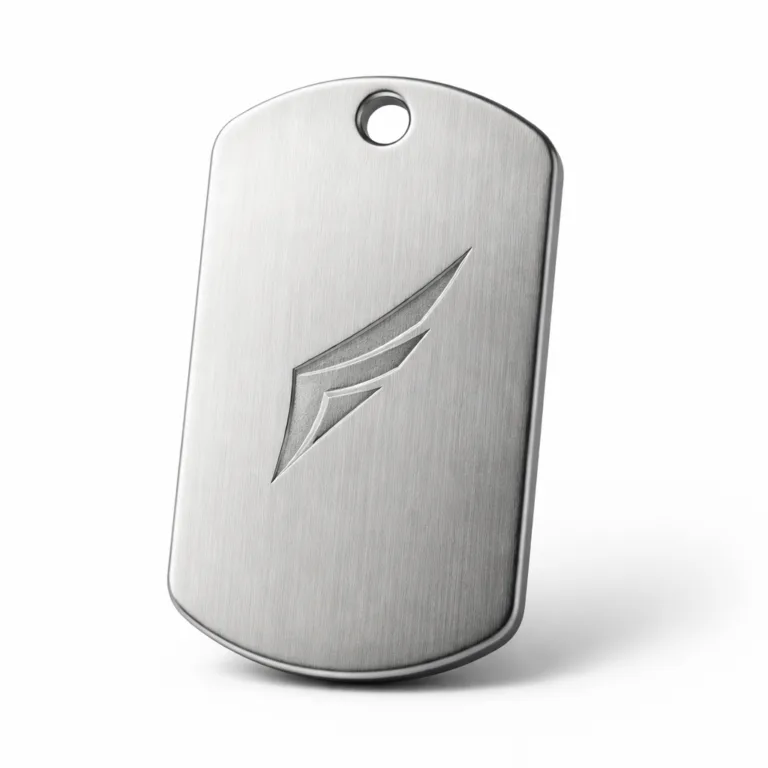
Introduction to Sublimation Blanks
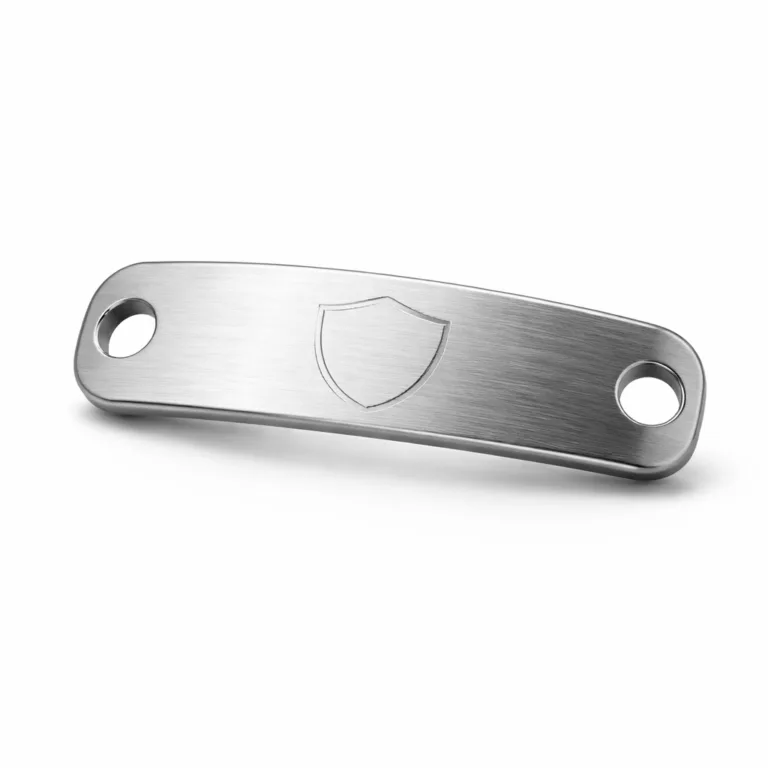
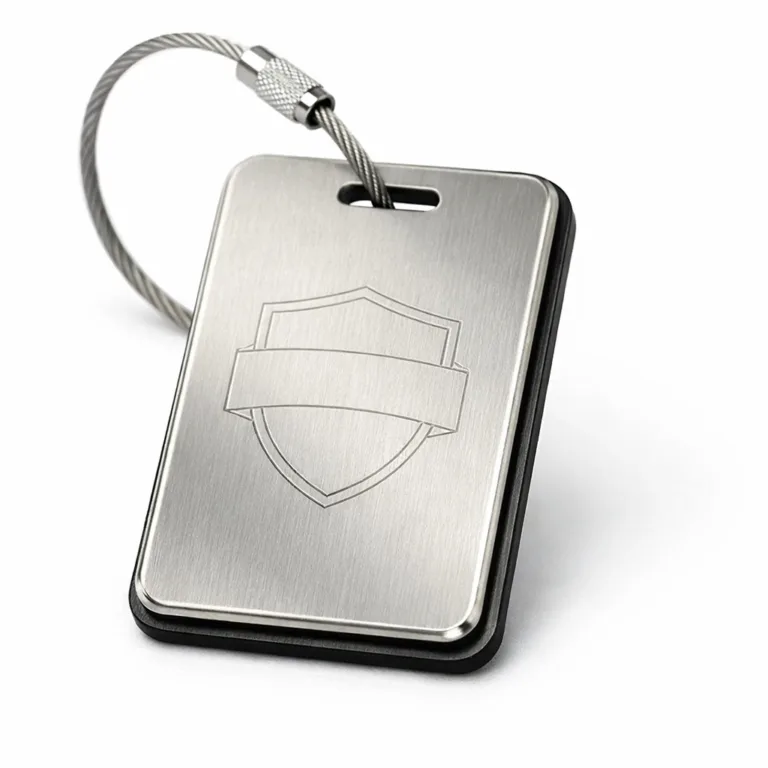
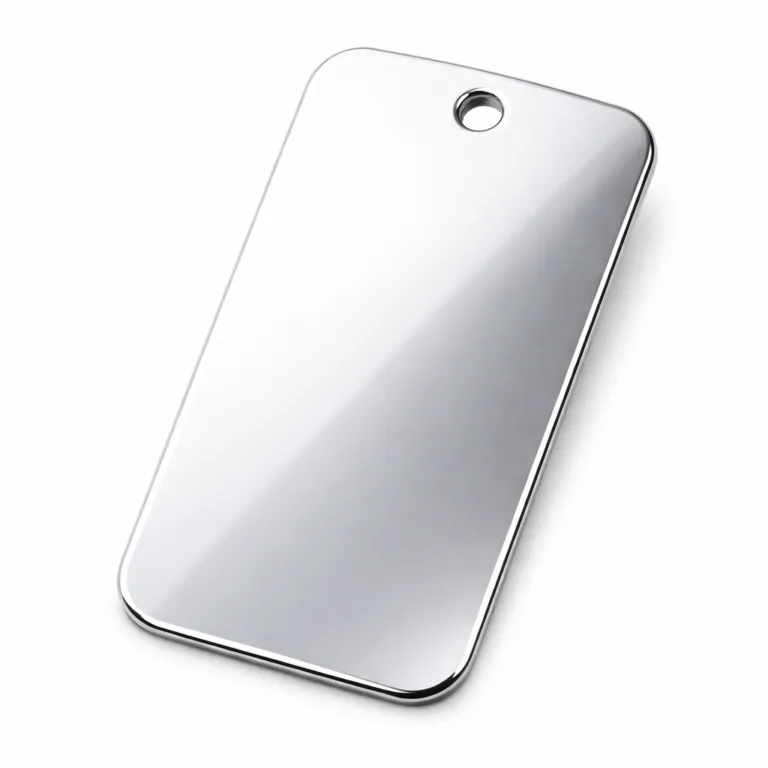
Sublimation blanks are specially prepared objects, such as metal tags, that are designed to receive vivid, permanent images through heat press printing. Sublimation printing works by transforming solid dye into gas at high temperature, allowing it to embed into the surface coating of these blanks. For metal tags, this process delivers crisp, durable graphics that are ideal for industrial, commercial, and creative uses.
There is a growing market demand for customizable metal tags—ranging from asset tracking in factories to promotional giveaways. Sublimation blanks play a central role because they allow precise branding, traceability, and identification. Preparing metal tags correctly for sublimation ensures designs are bright, legible, and resilient to the harshest environments.
The key benefits of using sublimation blanks include unmatched customization, resistance to fading, and the ability to produce high-detail prints even in mass production. However, success hinges on properly prepping each metal blank before printing, ensuring the coating and surface are ideal for dye transfer.
Understanding Materials for Metal Tags
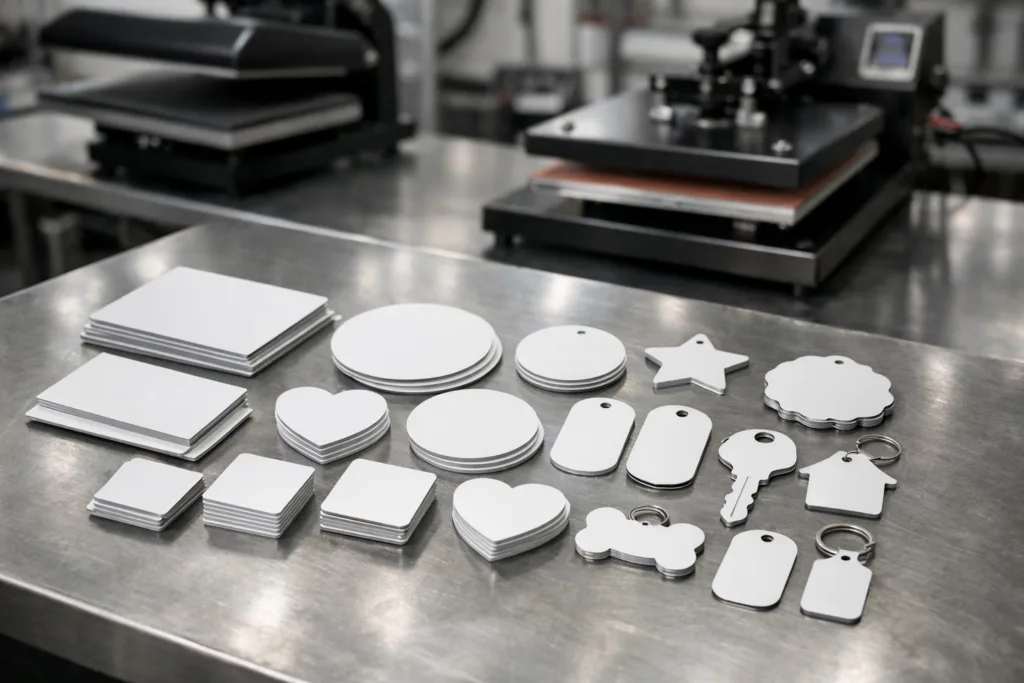
Choosing the right base material is crucial for both the performance and cost-effectiveness of your sublimation blanks. The three primary metals used are aluminum, stainless steel, and brass, each with distinct advantages for metal tag applications.
Aluminum is lightweight, cost-effective, and highly receptive to sublimation when coated properly. It offers excellent heat resistance and is naturally corrosion-resistant, making it a popular choice for both indoor and outdoor tags. Aluminum is ideal for asset tags, luggage tags, and branded keychain tags where weight and surface finish are important considerations.
Stainless steel offers superior strength, making it suitable for heavy-duty or outdoor applications. However, stainless surfaces require a specialized polymer coating for sublimation blanks as the metal itself has lower dye receptivity. Its natural corrosion resistance and durability make it a go-to for industrial ID tags or high-abuse environments, albeit at a higher cost.
Brass stands out for its unique gold-like appearance and strong wear characteristics. It is primarily used for luxury items, vintage reproductions, and decorative metal tags. Like stainless steel, brass requires an appropriate coating to ensure successful sublimation printing.
When selecting materials, consider both cost and durability: aluminum is generally the most affordable and widely used for large batches, while stainless steel and brass are chosen for specialized needs or premium branding. Environmental factors matter, too—aluminum and stainless steel are both recyclable, and UC Tag emphasizes sustainable sourcing in bulk manufacturing when possible.
Manufacturing Methods Overview
The method used to manufacture your metal tags—engraving, stamping, etching, or direct printing—has a direct impact on the sublimation process and overall tag quality. Each technique creates different surface textures and tolerances requiring specific preparation steps for optimal sublimation results.
Engraving produces precise details, making tags ideal for sequential numbering or small text. However, deep engravings can create uneven printing surfaces, so they’re best used on the non-printing side of sublimation blanks, or combined with printing for enhanced security.
Stamping and debossing create physical relief, increasing the tag’s tactile qualities. For sublimation, it’s recommended these treatments are done before applying the polymer coating, otherwise pressure can cause coating cracks during production.
Chemical etching provides extremely smooth surfaces, optimal for image clarity with sublimation. Direct printing on metal tags, especially with complex graphics, often combines etching and sublimation to achieve both depth and vibrant color. Cost-wise, stamping is efficient for high volumes while etching and engraving, though pricier, allow for intricate or variable data tags.
Ultimately, precise surface preparation is essential. Any method that introduces surface inconsistencies can impact dye transfer, so working with experienced manufacturers like UC Tag ensures consistent quality from blank fabrication to final printing.
Preparing Metal Tags for Sublimation
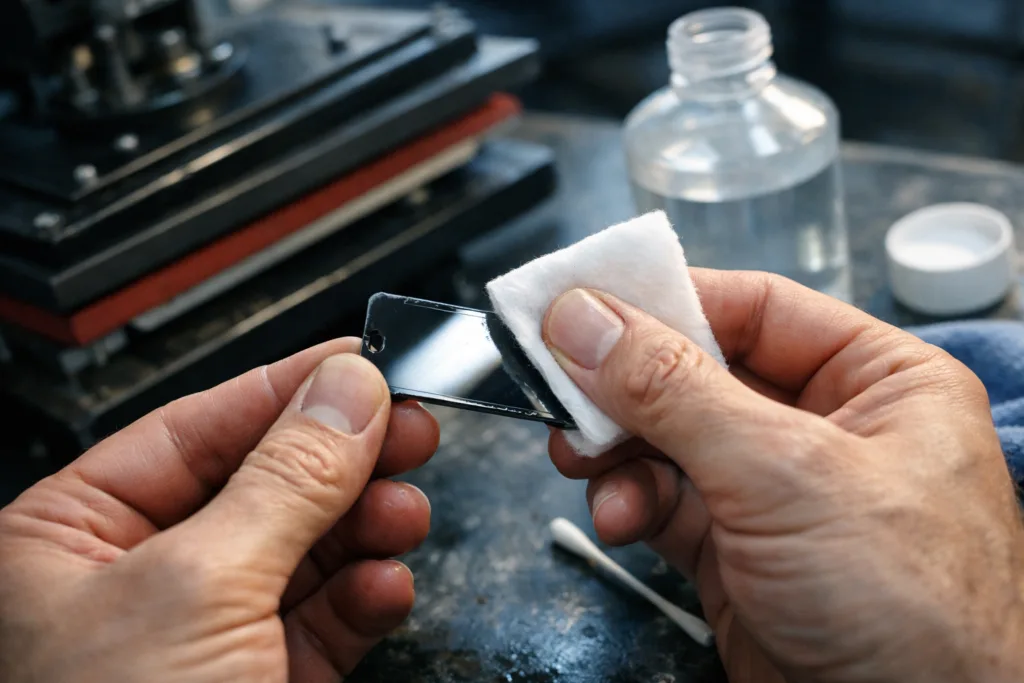
Proper preparation of sublimation blanks is essential for flawless, long-lasting results. Begin with a meticulous cleaning process to remove dust, oils, or residues from each metal tag. Use lint-free cloths and isopropyl alcohol or an approved metal cleaner for an ultra-clean surface. Avoid touching the prepared surface with bare hands—finger oils can lead to print defects.
The next step is coating. Sublimation printing requires a polyester-based coating on the metal to enable dye absorption and bonding. Commercially prepared sublimation blanks are typically pre-coated, but if custom shapes or sizes are required, ensure your supplier applies an even, compatible coating cured at manufacturer-recommended temperatures.
Depending on your process, further surface treatments such as micro-abrasion or anodizing can enhance dye retention. Always verify the coating’s thickness and smoothness, as inconsistent layers can cause streaking or faded spots.
For best results, invest in quality preparation tools such as compressed air for final dust removal, precision calipers to check tag flatness, and protective film to shield the surface until heat pressing. The right preparation steps ensure that your sublimation blanks consistently produce high-quality, resilient images.
- Always handle sublimation blanks with gloves to avoid oil transfer.
- Inspect each tag for scratches before coating or printing.
- Store prepared tags in a dust-free container until use.
- Test clean a few blanks to validate the preparation process before full production.
Achieving High-Quality Prints
Sublimation blanks demand strict control over temperature and pressure during heat press printing. For aluminum tags, common heat press settings are 180–200°C (356–392°F) at 40–60 seconds and medium pressure, but always follow the coating provider’s data sheet for best results. Too little heat leads to faded colors, while excess pressure or time can blister the coating.
Select a sublimation printer and ink system designed for hard substrates. Brands like Sawgrass or Epson (with dye-sub inks) are trusted in the industry. Ensure artwork is mirrored and precisely aligned using templates or jigs, preventing off-centered prints on tags with holes or cut-outs. Proper fixture alignment is especially important for mass production runs.
To boost color vibrancy, use high-resolution files and avoid excessive compression. A white or light finish enhances color and detail, while different materials and coatings may affect ink absorption and print quality. Test each new batch of sublimation blanks for consistency.
Common Mistakes and Troubleshooting in Sublimation
Common pitfalls in the sublimation process include unreadable text, poor contrast, color mismatches, or prints peeling off the metal tag’s surface. Many of these issues stem from improper tag preparation, incorrect heat press settings, or compatibility problems between coating and ink.
If you notice misprints or uneven colors, check for dust, debris, or an uneven coating first. Adjust temperature or pressure settings incrementally; small tweaks often resolve fading or over-blown colors. Peeling prints typically signal an incompatible or poorly cured coating—always confirm your sublimation blanks are rated for high-temperature dye transfer.
In rare cases, tags develop corrosion spots or rapid wear, especially for outdoor or harsh-use tags. Upgrading to a more robust material, like stainless steel, or using stricter post-press quality checks can mitigate this. It’s wise to perform a test print before large-scale production to catch mistakes early and tweak your setup.
Applications of Sublimated Metal Tags
Sublimated metal tags find use across an incredible spectrum of industries and creative projects. Keychains, pet tags, and promotional items are popular choices, but industrial applications—like asset tracking and equipment ID—benefit greatly from the durability and clarity of these tags.
Businesses leverage sublimated tags for branding, putting logos, QR codes, or vibrant artwork on products, uniforms, and club or event merchandise. Personalization is on the rise: tags for weddings, sports awards, or luxury bags add unique customer appeal.
Industries such as hospitality, retail, transportation, and manufacturing are driving new designs and applications, seeking tamper-proof, fade-resistant solutions. For anyone requiring secure traceability and easy information access, custom sublimated metal tags have become an essential tool.
Design & Specification Checklist
When planning your sublimation blanks, use this specification checklist to avoid costly oversights. Choose size and shape based on application—round tags for pets, rectangles for asset IDs, custom die-cuts for branding. Material thickness impacts not only strength but printability; tags between 0.5–1.2 mm are generally optimal for most applications and ensure consistent dye penetration.
| Specification | Recommendation | Notes |
|---|---|---|
| Size | Custom per application (typ. 25–60 mm) | Check fit with intended hardware or attachment method |
| Thickness | 0.5–1.2 mm | Thicker for durability; beware press limitations |
| Finish Type | Gloss, matte, brushed | Gloss boosts color; matte hides fingerprints |
| Attachment | Pre-punched holes or adhesive | Specify exact size/location for holes |
| Tolerance | ±0.1 mm typically | Essential for fixture alignment and fit |
| Readability | Clear, high-contrast layouts | Minimum 1.0 mm text height recommended |
Consider finish types for both aesthetics and function—glossy coatings make colors pop, while brushed or matte finishes reduce glare and fingerprints. Specify hole placements for easy attachment, or options like 3M adhesive for stick-on tags. Ensuring tight dimensional tolerances and readable text sizes prevents issues in both production and daily use.
Test your design with a pre-production sample and confirm compatibility with your workflow. For buyers sourcing large runs, communication with your manufacturer about design tolerances and coating specs is critical for flawless results.
Durability Testing for Metal Tags
The durability of sublimated metal tags is a direct function of their resistance to corrosion, abrasion, and UV exposure. For industrial, outdoor, or marine applications, these metrics can make or break a project’s success.
Corrosion resistance is assessed through salt spray testing, simulating years of exposure in a matter of hours. Abrasion resistance is checked using taber or falling sand testers, measuring how well the print and coating withstand repeated wear. For tags exposed to sunlight, accelerated UV testing is essential to ensure color stability and legibility over years.
Typical outdoor performance metrics include surviving 500+ hours of salt spray and 3–5 years in direct sunlight without significant fading or substrate damage. Standards such as ASTM B117 (for salt spray) or ISO 15187 (for abrasion) offer benchmarks to compare different tags. Always request these test results before approving large orders—at UC Tag, we routinely share durability data to help engineers evaluate real-world performance.
Ordering Guide for Sublimation Metal Tags
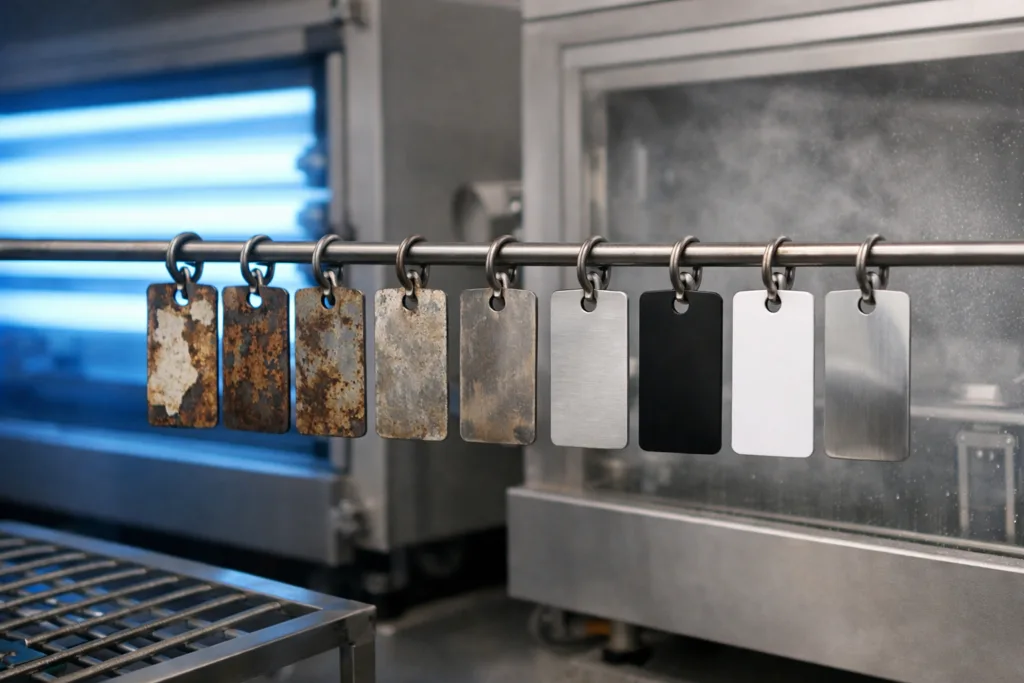
A streamlined ordering process for sublimation blanks saves time, reduces errors, and delivers better outcomes. Review typical minimum order quantities (MOQs)—often 100 or 500 pcs depending on size and materials—and consider standard lead times of 2–4 weeks for custom runs. For urgent requirements, rush order solutions might be available for a premium.
Artwork should be submitted as high-resolution, vector files (AI, CDR, or SVG), and a detailed proofing process will allow you to review design placement, color, and finish before committing to production. First-time buyers are encouraged to request samples to assess coating quality and print compatibility.
Discuss packaging options—bulk, retail, or custom—especially if tags are for resale or distribution. Check shipping terms and insurance for international orders; you can read more tips in our guide to mastering international metal shipping. Most importantly, maintain clear communication with your tag provider at every step, outlining key specs and deadlines for a smooth procurement experience.
Frequently Asked Questions
What are the best materials for sublimation blanks in metal tags?
Aluminum is the most popular for its cost, lightweight, and excellent print results, but stainless steel and brass are options for demanding or decorative uses if properly coated.
How long does sublimation printing last on metal tags?
Sublimation prints typically last many years without fading if the right coating is used, and the tag is not abraded or exposed to harsh chemicals, with UV resistance ensuring outdoor longevity.
Can I create multi-color or photographic designs on sublimation blanks?
Yes, sublimation supports full-color and photographic prints as long as you use high-resolution artwork and a coating compatible with dye sublimation on your metal tags.
What should I do if my sublimation print is uneven or comes off?
First, check for surface contamination, insufficient heat, or problems with coating compatibility; test print and adjust your process before full production runs to resolve these issues.
Is there a minimum order quantity for custom sublimation blanks?
Most manufacturers require an MOQ, typically between 100 and 500 pieces, but sampling options are often available to confirm material and print quality before bulk orders.
How should I care for sublimated metal tags to maximize their lifespan?
Wipe gently with a soft, damp cloth, avoid strong solvents or abrasive cleaners, and store in a dry place to preserve both the coating and print quality long-term.
Related Reading
- How to Choose the Perfect Blank Tag Material for Your Project
- Ways Metal Asset Tags Boost Tracking and Inventory Control
- Ensuring Readable Text: Expert Font Size Advice for Metal Tag Customization
- Ultimate Guide to UV Resistance: Keep Outdoor Metal Tags Bright for Years
- How to Find Reliable Metal Tag Manufacturers in China
- Understanding Metal Tag Pricing: What Drives Your Final Cost