Introduction to Sourcing from China
For businesses worldwide, sourcing components and finished goods from China is more than a cost-saving measure—it’s a catalyst for project scalability and fast time-to-market. Over the last three decades, China has developed the largest and most diversified manufacturing landscape on the planet. This global prominence touches everything from electronics to industrial components, including custom metal tags used in demanding B2B environments.
Whether you’re a procurement officer or an engineer responsible for identification solutions, sourcing, vetting manufacturers, and China’s production strengths fundamentally shape your outcomes. While the allure of lower prices and vast supplier choices is real, there are both benefits and serious considerations you must weigh. Factors like quality control, compliance, and supply chain reliability are just as essential as sticker price. This article unpacks the upsides, the possible pitfalls, and actionable methods for vetting manufacturers—ensuring you get consistent, durable, and compliant tags tailored for your industry.
Benefits of Sourcing from China

China’s manufacturing sector is renowned for its cost-effectiveness. Competitive raw material procurement, advanced automation, and lower labor costs combine to make producing custom tags and industrial parts affordable, even in small-to-medium runs. For example, metal tag buyers often find unit pricing from China up to 30%–50% less than domestic alternatives, especially when scaling orders. For deeper insights, see our advice on mastering bulk discounts and quantity thresholds.
Another major advantage is scalability and production flexibility. Chinese factories are accustomed to handling everything from boutique batches (hundreds of units) to mass production (hundreds of thousands). This flexibility allows procurement officers to trial custom designs or iterate specs with minimal friction.
- Wide material options, including aluminum, stainless steel, and brass
- Access to technologies such as laser engraving, chemical etching, and UV printing
- Robust supplier ecosystem supporting everything from prototyping to packaging
- Efficient inland logistics and major port access for global exports
The established supply chain infrastructure in China further reduces lead times. Sourcing components or complete tag assemblies can be streamlined through mature port logistics, consolidated shipping, and direct manufacturer-to-warehouse programs. With large pools of suppliers, businesses are also able to source specialized processes or surfacing options not always available locally—think color anodizing or dual plating for metal tags.
Challenges and Risks of Sourcing from China
Despite its many advantages, sourcing from China does pose notable risks—especially for businesses that neglect proper vetting manufacturers. The most common challenge is ensuring consistent quality. Production standards and QC processes can vary widely between factories, and what seems like a bargain can become a headache if tags arrive with blurred engraving or uneven plating.
Another big concern involves intellectual property (IP) protection. While many suppliers honor designs and brand confidentiality, some may replicate unique tag features or even your company’s logo for other clients. Robust NDA agreements and selecting manufacturers with a verified track record mitigate this risk.
Other hurdles include:
- Language and communication barriers, leading to misunderstandings in specs or timelines
- Time zone challenges that slow iteration cycles
- Cultural differences that may influence negotiation styles or issue resolution
- International tariff fluctuations impacting total landed cost
Finally, compliance is non-negotiable. Buyers must verify that manufacturers meet both local Chinese regulations and all relevant international standards. Missing this step could result in customs delays, rejected shipments, or products that cannot be legally sold or used in your target market.
Key Considerations When Vetting Manufacturers
Effective supplier selection extends far beyond simple price comparison. When vetting manufacturers, procurement officers and engineers should systematically review the following:
- Production Capabilities: Does the factory offer all needed processes (stamping, laser, etching, etc.) and support both prototyping and scale production?
- Certifications: Seek ISO 9001, CE, and/or other regulatory certifications relevant to your sector. Certificate scams exist—ask for current, verifiable documentation.
- Testimonials & Case Studies: Request references from previous buyers with similar tag applications. Reputable manufacturers should have documented successes, especially for industrial or rugged-use tags.
- Compliance: Ensure all materials and processes meet international standards for safety, labeling, and import/export.
- Factory Audits: Whenever possible, arrange a physical visit or a trusted third-party video audit. Observing real production lines uncovers workflow, cleanliness, and QC rigor.
Navigating these steps carefully protects your brand from costly disruptions and upholds your product’s integrity—a principle echoed by experienced shops like UC Tag, where repeatable quality and clear communication anchor every supplier relationship.
Understanding Manufacturing Methods
Choosing the right manufacturing method is essential for sourcing metal tags that perform reliably in their end-use environment. The main processes include physical methods (stamping, CNC engraving), chemical (etching), and digital (UV/full-color printing). Each comes with trade-offs regarding lead time, detail, and long-term durability.
For instance, stamping produces deep, robust markings ideal for asset tags on machinery, while laser engraving excels at fine detail on smaller logo or branding elements. Chemical etching provides a crisp mark with moderate depth, commonly used in industrial or consumer branding, whereas UV printing enables vivid, multi-color graphics but may require a protective topcoat outdoors.
| Method | Durability | Detail | Lead Time | Best For |
|---|---|---|---|---|
| Stamping | High | Medium | Fast | Industrial, harsh environments |
| Laser Engraving | High | High | Medium | Branding, serial numbering |
| Chemical Etching | Medium | High | Medium | Logos, custom designs |
| UV Printing | Low–Medium | Very High | Fast | Colorful branding, consumer tags |
Have a candid discussion with your supplier about their specific process capabilities. Understand which method aligns with your design, target environment (indoor vs. outdoor), and anticipated order quantity. Faster methods may come with setup fees or mold charges, so clarify all upfront.
Material Comparisons for Metal Tags
Material selection is critical in sourcing high-performing tags. Aluminum, stainless steel, and brass dominate most use cases, but each material has unique strengths and limitations. The right choice ensures not just durability but also optimal cost, weight, and appearance.
| Material | Corrosion Resistance | Weight | Strength | Recyclability | Best Applications |
|---|---|---|---|---|---|
| Aluminum | High (anodized) | Light | Medium | Excellent | Indoor/outdoor, luggage, branding |
| Stainless Steel | Very High | Medium–Heavy | High | Excellent | Industrial, equipment, harsh conditions |
| Brass | Medium–High | Medium | Medium | Good | Decorative, branding, tradition |
When evaluating suppliers, ask how each material option influences the final outcome: Will anodizing or painting improve long-term readability? Does salt air or chemical exposure demand stainless steel? Is a decorative look paramount, making brass preferable? Also, consider the environmental footprint—recyclable metals often align better with sustainability goals. For a closer look at material performance and cost, check our cost analysis guide on unit pricing.
Design and Specification Checklist
Design clarity is essential to avoid delays or rework when vetting manufacturers and launching new tag orders. Use a checklist to capture all specs before sampling or mass production:

- Final size and thickness—balance readability and weight
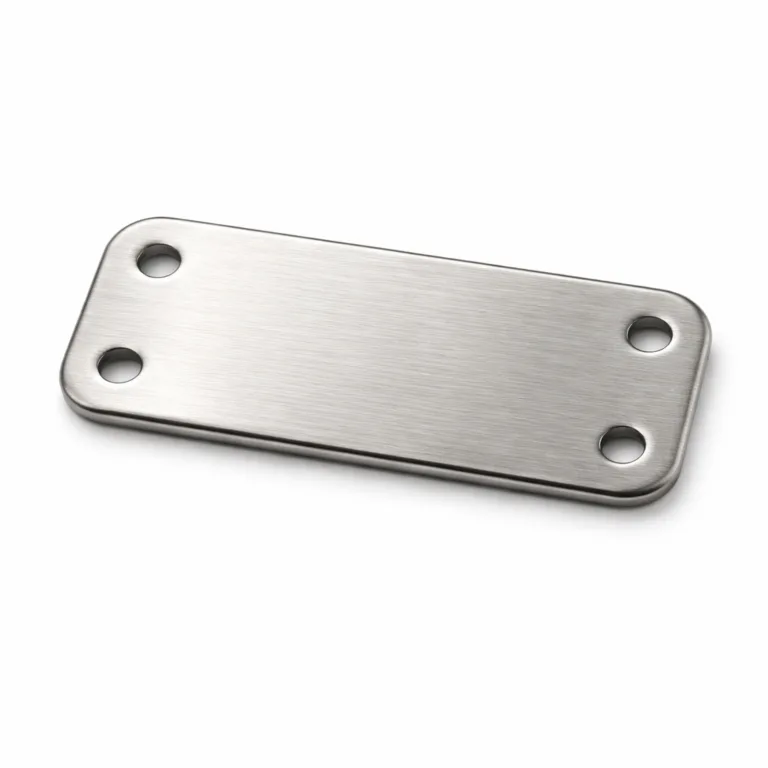
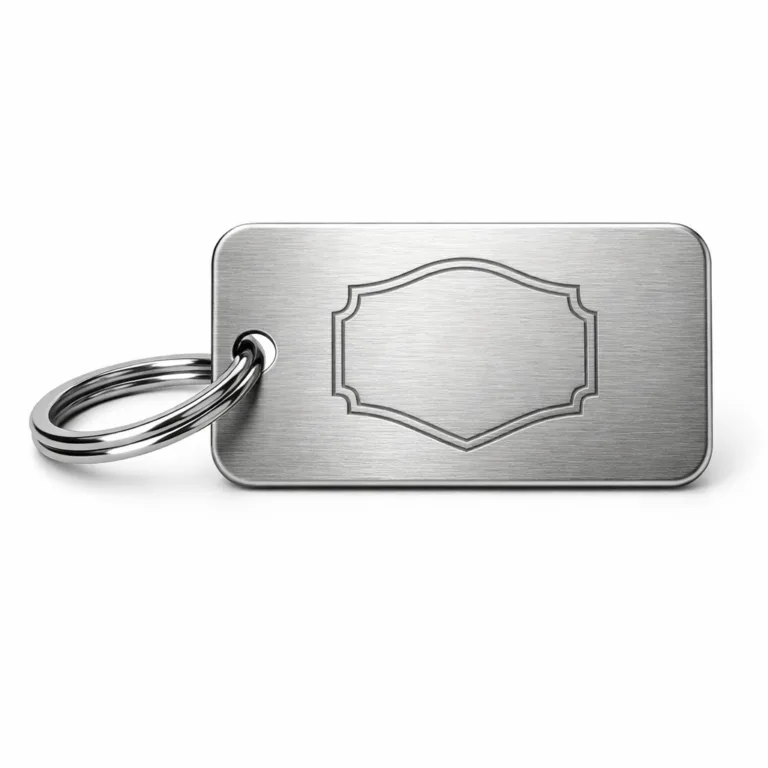
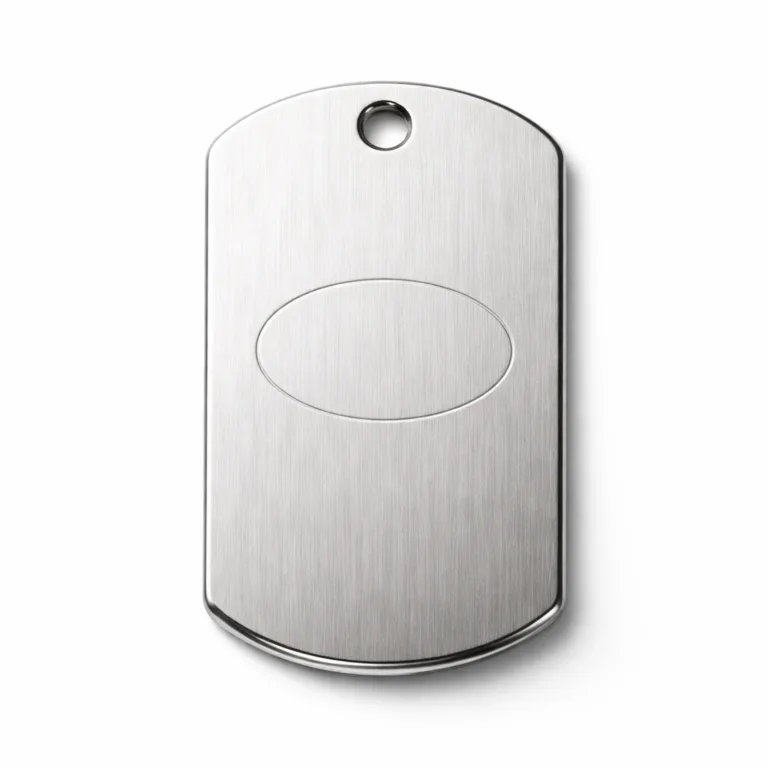
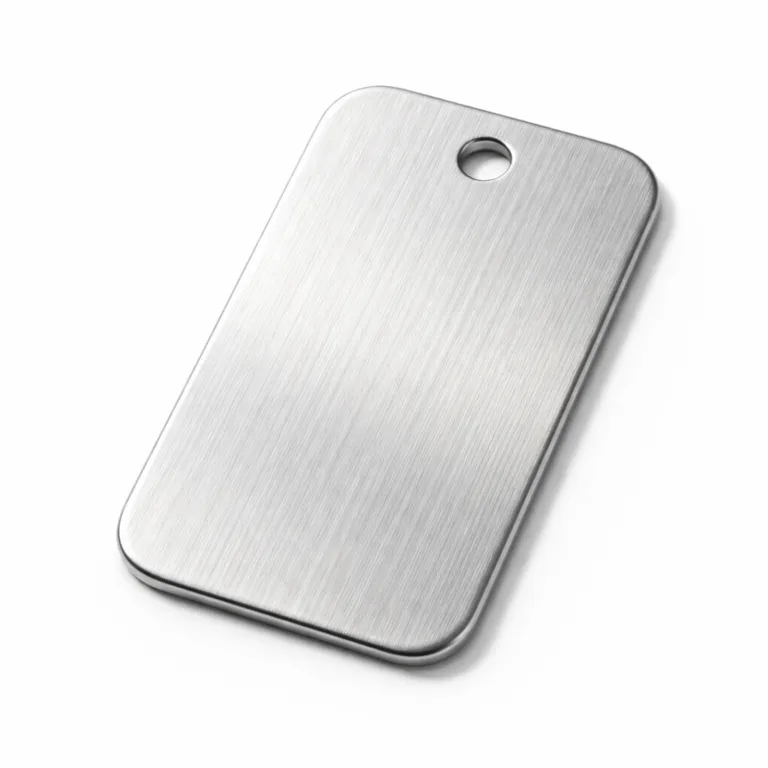
- Finish—choose for both corrosion resistance and surface appearance (e.g., matte, gloss, brushed)
- Attachment method—clarify hole size, location, or specify self-adhesive backing (like 3M adhesive backings)
- Readability—select clear fonts, sufficient contrast, minimum font size (see our expert guide on font size)
- Custom shapes—provide vector art and outline tolerances (read more on why vector art files are vital)
Comprehensive design specs speed up supplier quotes and reduce risk of costly mistakes. For complex requirements, a robust sample approval process (covered in our sample vs mass production article) ensures alignment before committing to full order runs.
Ensuring Durability and Conducting Testing
Durability is non-negotiable for industrial and outdoor tags. When sourcing, confirm your manufacturer’s in-house or third-party testing protocols. Key tests include corrosion resistance (salt spray), abrasion, impact, and UV exposure. Reviewing salt spray and outdoor test data is especially important for marine or exposed assets—see our guide to salt spray testing for marine tags.
Industry standards such as ASTM B117 for salt spray or MIL-STD-810 for environmental durability often define minimum acceptable benchmarks. Ask for test reports and relevant certificates as part of your vetting manufacturers process. Keep copies of these records for your own compliance audits or for downstream customers.
Documenting and requesting detailed test data helps you spot corners being cut or overblown claims—saving major headaches over product recalls or failures.
Industry Applications and Fit for Metal Tags
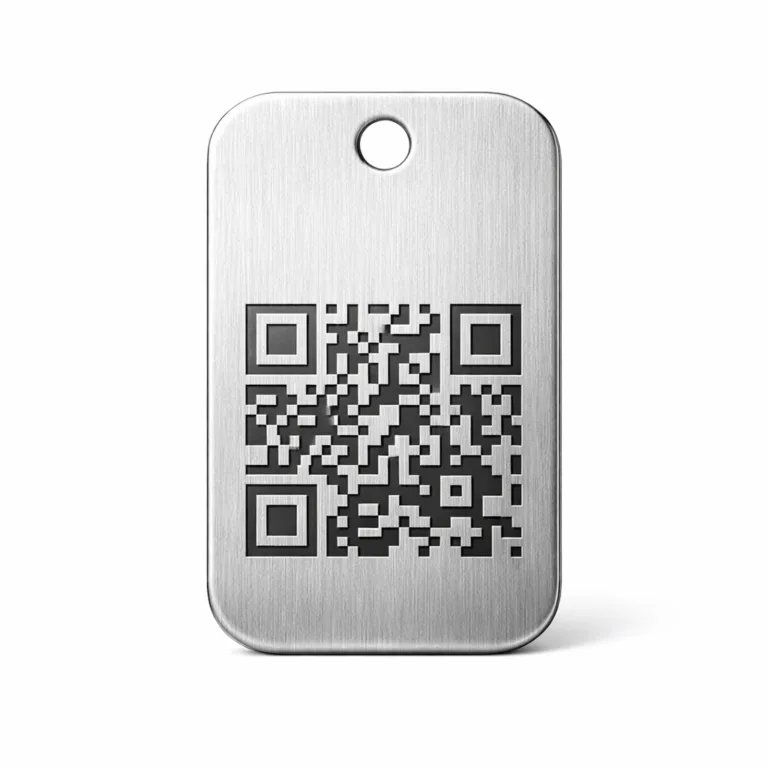
Metal tags sourced from China support a wide spectrum of scenarios. In industrial settings, they provide rugged identification and asset management for machinery, pipes, and control panels. Consumer brands use metal logo plates to enhance product value and support anti-counterfeiting, while logistics and warehousing depend on serialized or QR-coded plates for traceability.
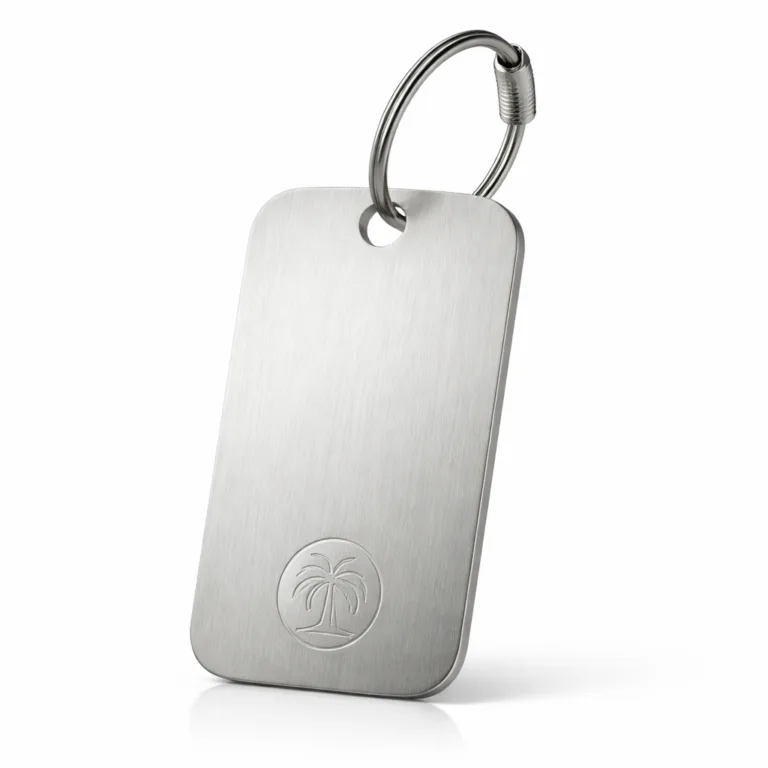
Pet tags, luggage markers, and garment nameplates extend the use case to safety and branding for personal items or apparel. For each application, vetting manufacturers is essential—capabilities must align closely with your durability, compliance, and aesthetic targets. Discuss your unique use cases upfront, as experienced partners like UC Tag can anticipate and address downstream challenges before they become expensive fixes.
Regardless of industry, custom applications demand careful specification, robust sampling, and a reliable support network for post-shipment adjustments or reorders.
Common Mistakes to Avoid When Sourcing
Many first-time buyers run into costly missteps when sourcing custom metal tags. Often, the mistakes are basic but with severe operational consequences.
- Poor text legibility or incorrect graphics due to missing vector files or insufficient font size guidance
- Selecting inappropriate adhesives or attachment hardware, leading to tag detachment
- Skipping sample approval or tolerancing steps—resulting in mismatched colors, thickness, or edge finishes on arrival
- Lack of clarity in communication, causing delays and project risk
- Assuming all suppliers understand your expectations without written, visual documentation
Avoid these pitfalls by starting with a detailed checklist, engaging in diligent communication, and never bypassing the proofing stage. For more tips, see our actionable guide on design mistakes that stall custom orders.
Comprehensive Ordering Guide

Navigating the ordering process efficiently is essential for long-term success. Begin by understanding the Minimum Order Quantity (MOQ) — Chinese manufacturers often batch production runs to achieve cost savings, meaning small orders may incur higher unit costs or setup fees (see our MOQ buyer’s guide).
Establish clear expectations around lead times, which vary depending on method, quantity, and factory workload. Confirm shipping mode—express courier, air freight, or sea cargo—then determine how packaging will protect tags in transit and align with your inventory processes. Many issues can be resolved at the artwork proofing and pre-production sample stage, as experienced by shops like UC Tag: approve physical samples before full runs to lock in quality and fit.
Document all costs upfront, including any custom duties, taxes, or mold/setup fees. For more, review our breakdown of hidden costs in metal tag orders. Thoughtful ordering supports predictable project timelines and budget compliance.
Frequently Asked Questions
How long does production and shipping take when sourcing from China?
Production lead times for custom metal tags average 2–4 weeks, with shipping adding 3–10 days for express or up to several weeks for ocean freight; confirm timelines with your supplier as both design complexity and order size will impact delivery.
What are the most durable materials, and how do I select which is best?
Stainless steel offers the highest durability and corrosion resistance, while anodized aluminum is lightweight yet tough; match your material choice to the environment and desired appearance, and consult with your manufacturer for trade-offs.
How do I ensure a manufacturer meets international compliance standards?
Request up-to-date ISO, CE, or other required certifications, review materials/test reports, and conduct remote or on-site audits—never rely on a supplier’s word alone when vetting manufacturers for regulated industries.
Is it possible to reorder the exact tags or make adjustments after the first order?
Yes, reputable manufacturers will retain mold, artwork, and production records; clarify reorder policies and keep your approved samples/art files ready for quick repeat runs or modifications.
What should I do if tags arrive with defects or vary from approved specs?
Immediately document the issue with clear photos, reference your sample/spec approval records, and contact your supplier—most reputable vendors will offer a return, replacement, or corrective action after review.
Can I order custom shapes, colors, or special features?
Custom options are widely available, including die-cut shapes, color enamels, dual plating, QR codes, and serialized numbering; provide vector designs and clear instructions during sourcing to avoid miscommunication.
Related Reading
- Avoid Unexpected Metal Tag Fees: Duties, Taxes, and Extra Setup Costs Explained
- Master the Art of Saving: How Bulk Discounts and Quantity Breaks Lower Your Sourcing Costs
- Why Pre-Production Samples Prevent Costly Mass Production Errors in Metal Tag Sourcing
- Legibility That Lasts: Pro Buyer’s Guide to Font Selection for Engraving and Stamping
- Salt Spray Testing Made Simple: How to Guarantee Corrosion Resistance for Outdoor Tags