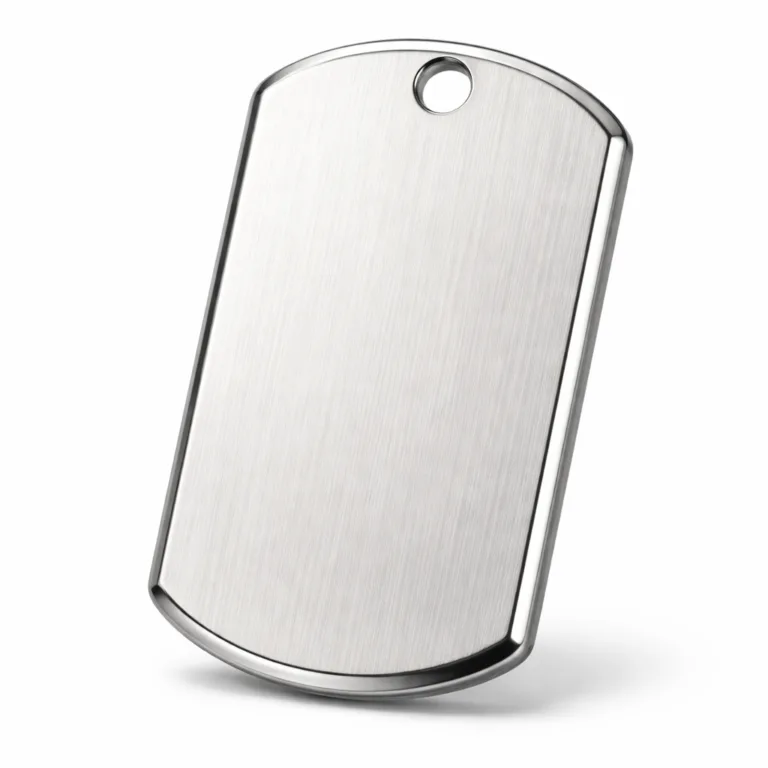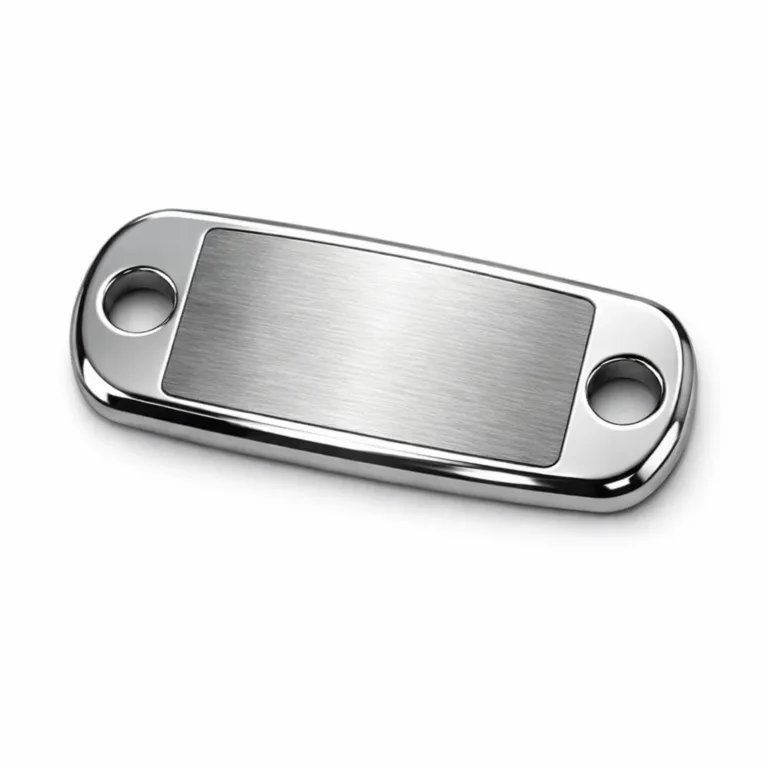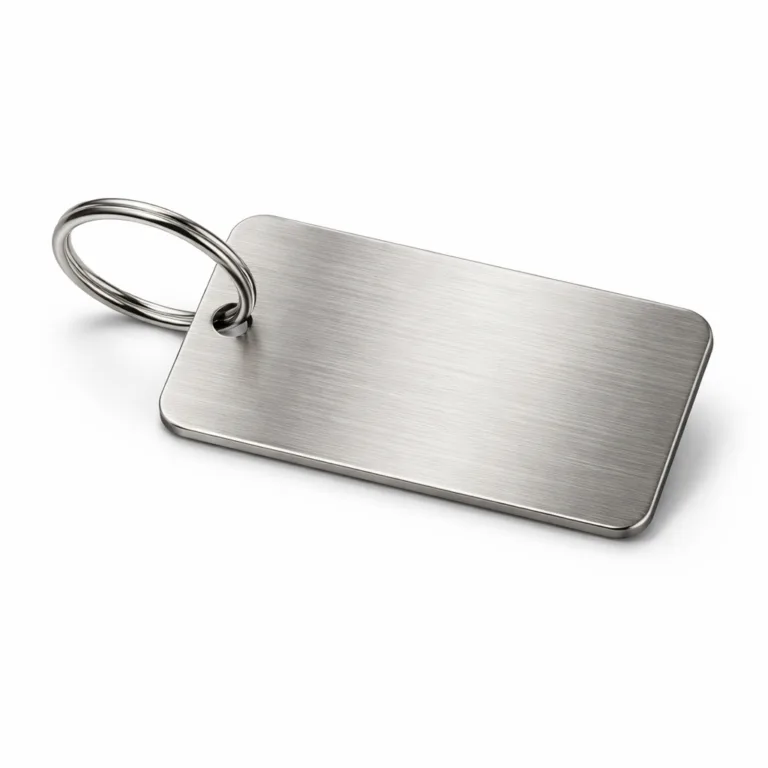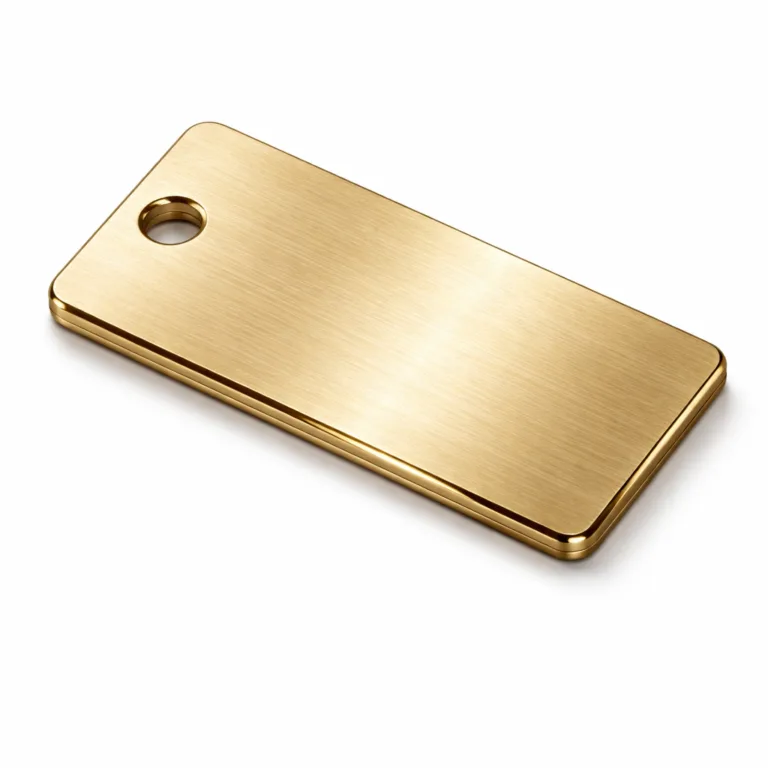
Introduction: Why Compare Soft and Hard Enamel?
When searching for the perfect look and finish in metal tags, enamel pins, or custom logo items, the choice between soft enamel and hard enamel is crucial. Both methods create vibrant, long-lasting products, but each offers unique benefits. This guide—Soft Enamel vs. Hard Enamel: The Definitive Visual Comparison Guide.—will help you understand the fundamental differences through visuals, hands-on insights, and practical manufacturing advice.
Understanding Enamel: What Is It and How Is It Used?
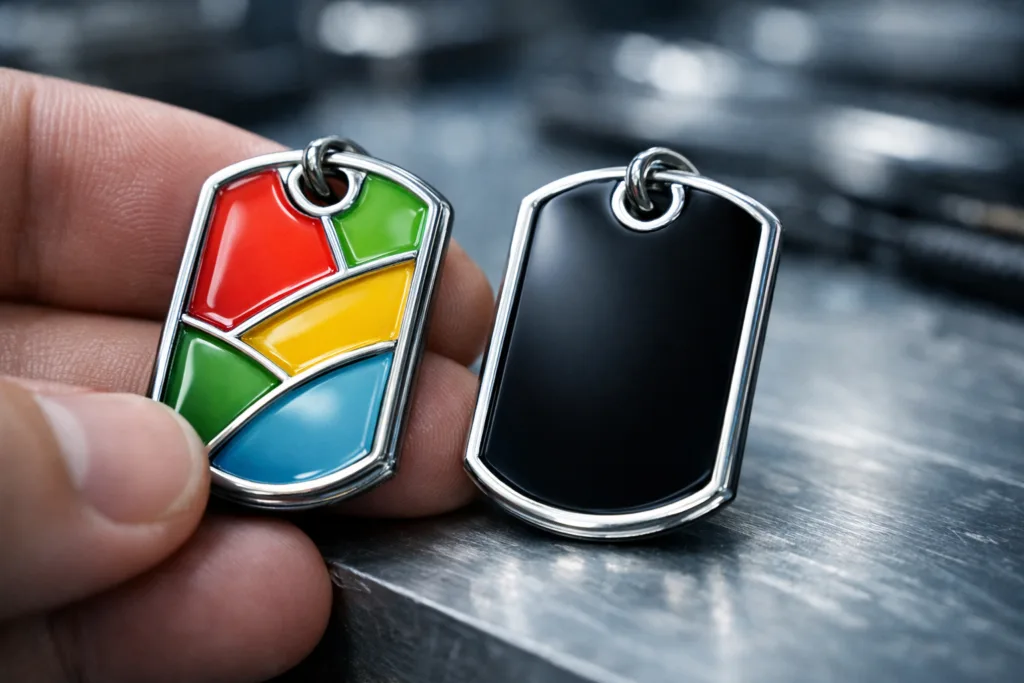
Enamel is a decorative surface coating applied to metal objects, bringing vibrant color and durability to items like custom pins and name tags. Whether you’re creating a collector’s item, a promotional product, or a brand identifier, enamel adds both visual appeal and protection to your design. In modern applications, enamel is widely used for branding tags, recognition pins, and award badges.
Soft Enamel: Definition and Key Features
Soft enamel is a color-filling process where liquid enamel is poured into the recessed areas of a stamped or cast metal base. After baking, the enamel hardens, leaving a textured finish where metal lines are higher than the colored areas. This technique creates a tactile, dimensional result with visible ridges between colors.
Hard Enamel: Definition and Key Features
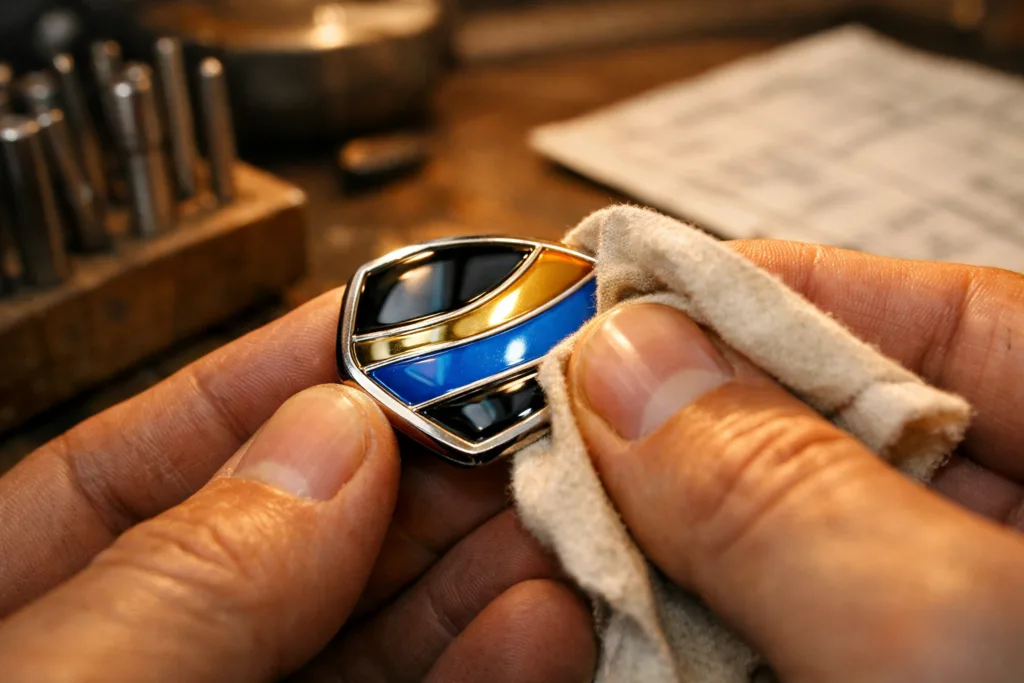
Hard enamel, also known as cloisonné, involves adding powdered glass pigment into metal cavities, then firing the product at high temperatures. After multiple polishing stages, the surface is smooth and even with the metal lines, resulting in a sleek, jewelry-like finish. Hard enamel is celebrated for its high durability and vibrant, glossy appearance.
Production Techniques: How Soft Enamel Is Made
Soft enamel production starts with a metal blank, which is stamped or die-cast to create raised and recessed areas. Enamel paint is then flowed into each recessed section, one color at a time, and baked to cure. Because the metal remains higher than the enamel, designs have a 3D feel and colors are divided by shiny or plated metal borders.
Production Techniques: How Hard Enamel Is Made
Hard enamel begins with a similar process, but uses glass-based powder pigments. Each color is layered and fired, melting the enamel flush with the metal lines. The item is then ground and polished repeatedly, ensuring the surface is perfectly flat. This labor-intensive process provides a premium, long-lasting result.
Texture and Touch: Visual and Physical Differences
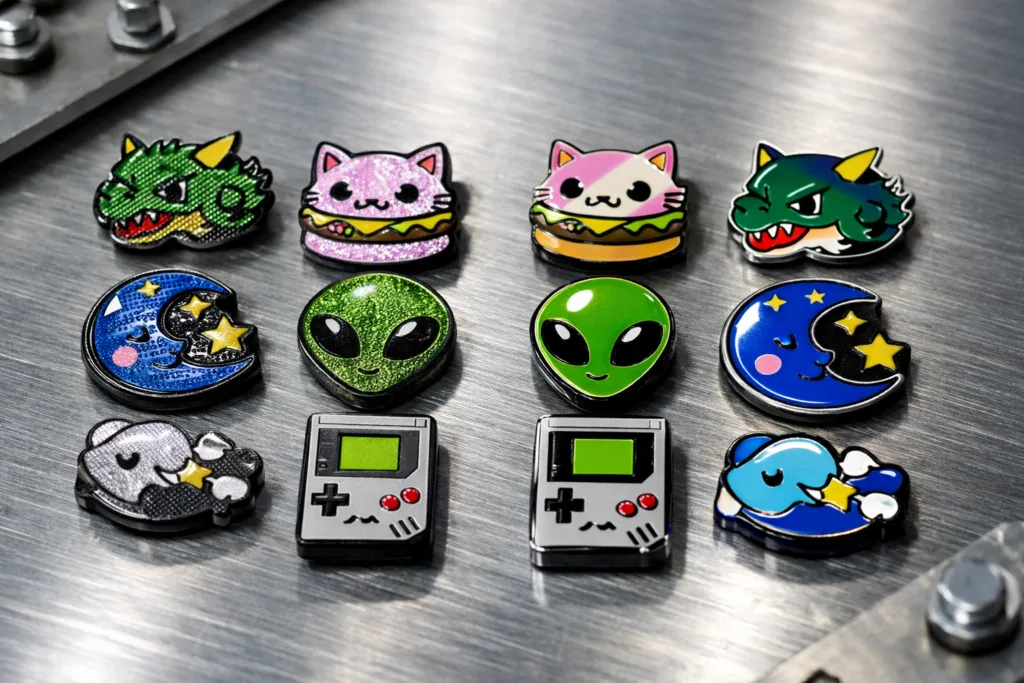
The most noticeable difference between soft and hard enamel is the feel. Soft enamel has a dimensional, textured surface—you can feel the dips in color and raised metal edges. Hard enamel, by contrast, has a completely smooth, glassy feel with no ridges, almost like a watch face.
Color Vibrancy: Which Method Stands Out?
Soft enamel often produces bright, bold colors due to less polishing, but can appear slightly matte or textured. Hard enamel is known for deeper, richer colors with a glossy finish, thanks to high-temperature firing and polishing. If your project needs a brilliant shine, hard enamel is the gold standard.
Durability and Wear Resistance Compared
Hard enamel is more resistant to scratches, fading, and chemicals due to its glass-like surface. It’s ideal for items subject to frequent contact—like keychains or metal tags on bags. Soft enamel, while still durable, is more vulnerable to scratches since the enamel sits below the metal lines.
Cost Factors: What Influences Your Price?
Soft enamel pins and tags often cost less due to simpler production and fewer polishing steps. Hard enamel is more expensive, reflecting the additional materials, labor, and quality control required. When budgeting for large custom orders, the choice between soft and hard enamel can significantly impact your final price.
Visual Comparison Table: Soft Enamel vs. Hard Enamel
| Feature | Soft Enamel | Hard Enamel |
|---|---|---|
| Texture | Textured, raised metal lines | Smooth, flush with metal lines |
| Color Finish | Bright, slightly matte | Glossy, rich, deep |
| Durability | High, but prone to scratches | Very high, glass-like resistance |
| Cost | Lower | Higher |
| Ideal Uses | Event/promo pins, casual tags | Luxury labels, daily-use |
Aesthetic Appeal: Choosing Your Visual Style
If you prefer a tactile look with rich details, soft enamel is an excellent choice. For sleek, jewelry-like results, consider hard enamel. The decision greatly influences how your design interacts with light and touch.
Applications: Metal Tags, Enamel Pins, and More
Soft enamel dominates event pins, collectible badges, and novelty tags due to its affordable vibrancy. Hard enamel shines in brand logos, premium nameplates, and luxury gift tags. When durability meets style, your application tips the scale.
Soft Enamel for Branding: Where It Excels
Soft enamel offers a dimensional effect that draws the eye to complex artwork or bold text. Its lower cost, plus quick color matching, make it a favorite for promotional campaigns, limited runs, or projects with intricate logos. Many brands rely on soft enamel for short-term projects where tactile texture matters.
Hard Enamel for Prestige: Stand-Out Quality
Finely polished and resistant to everyday wear, hard enamel excels when a pristine look is critical. It is often chosen for VIP recognition pins, luxury luggage tags, and high-use branding elements, where gloss and smoothness signal quality.
Case Study: Custom Pins in Different Industries
For event souvenirs or charity runs, soft enamel pins allow colorful, affordable designs with fast turnaround. Corporate identity badges and product labels for high-touch surfaces are more often hard enamel, where durability and professional finish matter. Leading manufacturers like UC Tag share that the decision often comes down to the target end-use and the frequency of handling involved.
Metal Choices for Enamel Pins and Tags
The choice of base metal—such as brass, iron, zinc alloy, or aluminum—affects both finish and durability. Hard metals provide crisp detail and lasting shine. Learn more about specific metal strength and longevity in our comparison of brass vs. stainless steel for pet tags and other applications.
Plating and Finishing Options: Not Just About Color
Both enamel types allow varied finishes—nickel, gold, silver, antique effects—changing how light hits your design. Plating choice influences not just style, but scratch resistance and color vibrancy over time. A high-quality finish also makes a difference for custom pins ordered in bulk, as covered in our guide on gold & silver plating.
Thickness, Gauge, and Edge Treatments
Tag or pin thickness affects how sturdy the final piece will be. For Enamel designs, a range of 1.0mm–1.5mm is common, but fine edges or laser-cut holes require extra factory care. Avoiding overly sharp edges and ensuring clean deburring is vital—something industry veterans like Rain Chen of UC Tag emphasize during QC checks. Explore more on gauge and material thickness for different applications.
Small Text and Fine Detail Limits
With soft enamel, finer lines below 0.3mm may blur or fill in. Hard enamel allows for slightly finer details post-polishing, but small fonts or intricate marks must still follow production rules for legibility. Preparing artwork correctly—for example, with the right line weights—matters for both processes.
Color Matching Accuracy: Pantone and Beyond
Soft and hard enamel manufacturers try to match Pantone colors as closely as possible, but subtle shifts can occur due to firing or paint type. Critical branding jobs should always include color swatch approvals. For expert tips, see our Pantone color matching guide.
Attachment Methods and Customization
Both enamel types work with a range of attachments: butterfly clutch, magnets, adhesives, holes for stitch or rivet. Some, like soft rubber backs, pair better with lighter pins, while heavy items demand sturdy metal fixings. For custom logo bags or garment solutions, review custom metal logo tag solutions.
Soft Enamel vs. Hard Enamel: The Definitive Visual Comparison Guide.
To visually choose between soft and hard enamel, think about your priorities: tactile feel vs. smooth finish, budget vs. premium quality, fast delivery vs. luxury perception. Both techniques offer unique strengths, but seeing and handling real samples is invaluable. For manufacturers, internal tests often compare surface flatness, plating durability, and color fastness to help clients decide.
Material Sustainability and Eco-Friendly Choices
Demand is growing for recycled metals and low-VOC finishes. Both enamel techniques can use sustainably sourced metals, but clear coat choices and plating methods influence total environmental impact. Interested in eco-friendly options? Take a look at our post on recycled metal tags.
Troubleshooting Common Defects and Quality Checks
Avoiding pits, air bubbles, or misaligned color fills requires expert tooling and steady hands. Soft enamel is prone to underfilled areas; hard enamel occasionally shows micro-chips post-polishing. Consistent batch QC and skilled pressure settings minimize such risks—insights that production leads like Rain Chen frequently share in internal operator training.
When to Choose Each: Decision-Making Checklist
- Choose soft enamel for bold, textured artwork and budget-friendly runs.
- Pick hard enamel if you need a smooth, high-gloss finish that stands up to daily wear.
- Factor in target audience, projected handling, and brand requirements.
- Consult your supplier for real samples whenever possible.
Conclusion: Finding Your Perfect Fit
Both soft enamel and hard enamel have earned their place in the world of custom metal branding. By understanding their differences—in feel, finish, cost, and durability—you can make an informed decision tailored to your exact needs. The best choice balances your aesthetic vision with the high quality your application demands. Whether personalizing tags, awards, or pins, let this guide and visuals steer your next project toward professional, lasting results.
Frequently Asked Questions
Which is more durable, soft or hard enamel?
Hard enamel is generally more durable, offering better resistance to scratches and fading because of its glassy, polished surface.
Can soft enamel pins be used for everyday wear?
Yes, soft enamel pins are suitable for everyday wear, but they may show scratches over time, especially in high-contact areas.
How do I choose a base metal for my enamel pin?
Choose based on your color, durability, and price needs. Brass and zinc offer strength, while aluminum gives lightweight options.
Are soft and hard enamel colors the same?
The colors can be similar, but hard enamel shades often appear more vivid and glossy due to the firing and polishing process.
Is hard enamel always better for logos?
Not always—soft enamel can be ideal for designs featuring bold lines or textures. Choose your finish based on the visual effect you want.
Do both enamel types allow for metallic gold or silver?
Yes, both support various plating options including gold, silver, nickel, or antique finishes to customize your piece.
Related Reading
- Essential Gauge Guide: Choosing the Best Metal Thickness for Durable Tags
- Pantone Color Matching Decoded: Achieve Flawless Brand Colors on Metal
- Switch to Green: Using Recycled Metals for Eco-Friendly Tags
- Gold & Silver Plating Explained: Make Luxury Tags Affordable
- Brass vs. Stainless Steel: Pick the Metal That Fits Your Tag Best