Introduction: The Power of Sandblasting for Modern Metals
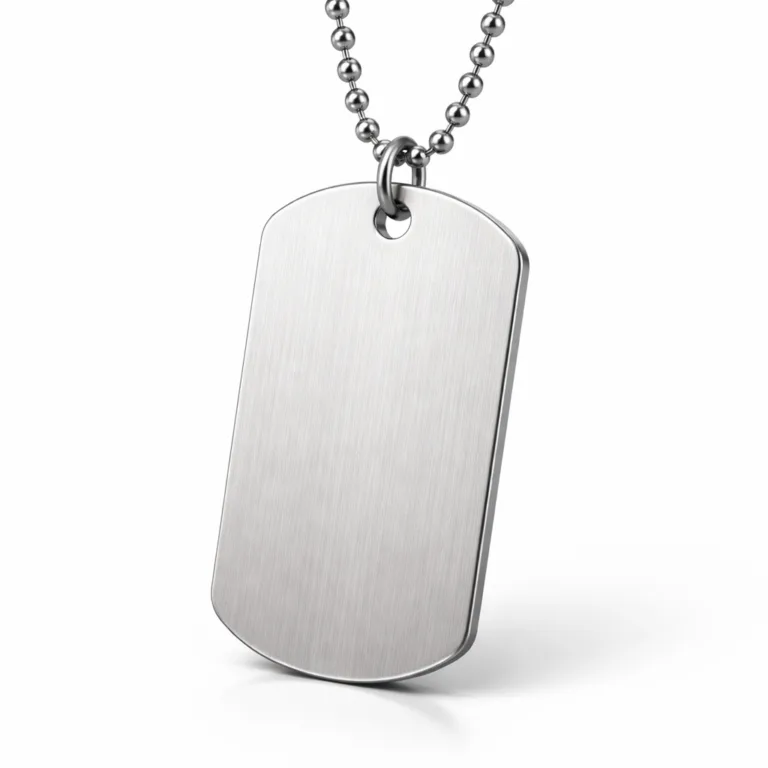
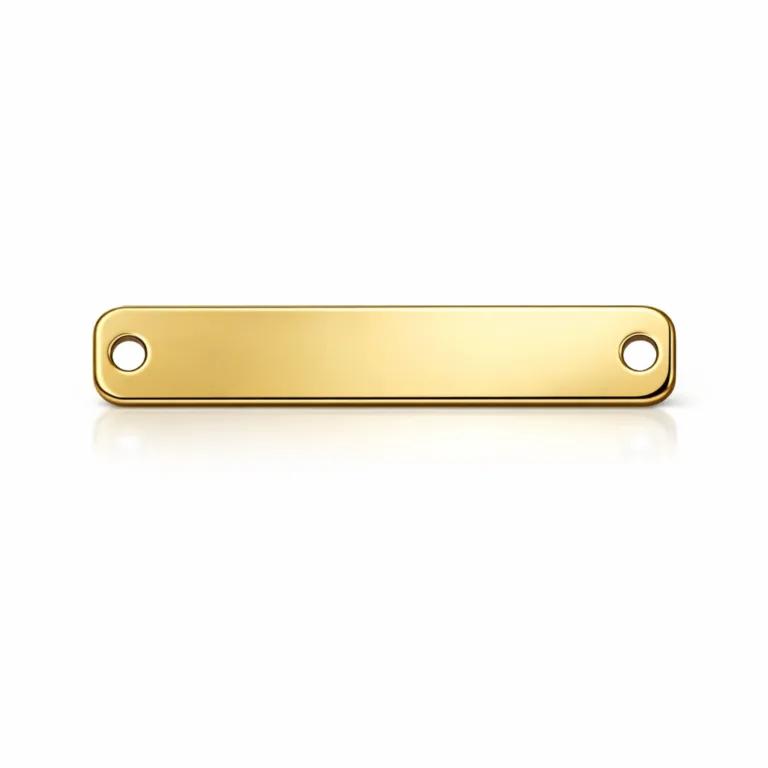
Creating a striking matte contrast on shiny metal is more than a visual statement—it’s a functional leap forward in industrial design. Sandblasting: Creating a Modern Matte Contrast on Shiny Metal covers how this powerful surface treatment transforms gleaming surfaces into contemporary matte masterpieces, bridging art, engineering, and practicality. If you’ve ever wondered why car parts, architectural panels, or high-end furniture sport that soft-glow look, sandblasting is often at the core, providing both style and substance.
Understanding Sandblasting: The Basics
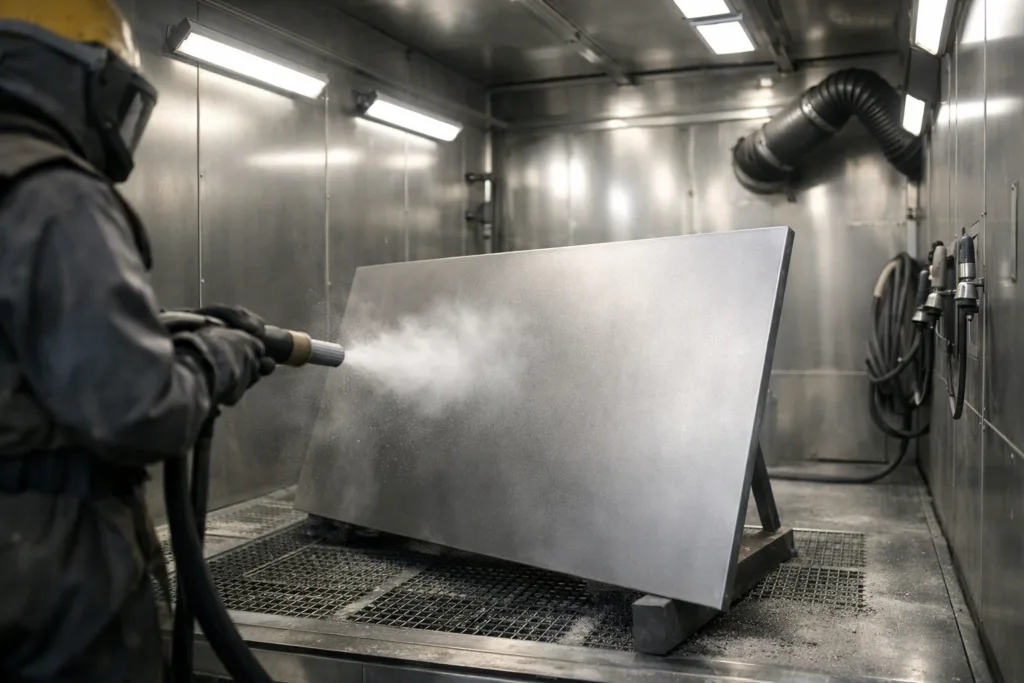
Sandblasting is an abrasive process where high-speed particles strike a metal surface, removing its shine and imparting a uniform matte finish. The method relies on controlled pressure, abrasive material choice, and careful direction to achieve predictable results. Industries from automotive to luxury packaging use sandblasting for its ability to mask imperfections, improve adhesion, and give metals a tactile presence that flat polishing can’t achieve.
How Sandblasting Works
The procedure involves propelling abrasive media—such as sand, glass beads, or aluminum oxide—at metal surfaces using compressed air. The impact roughens the surface, removing gloss and creating an even matte texture.
Why Matte Contrasts Matter in Industrial Design
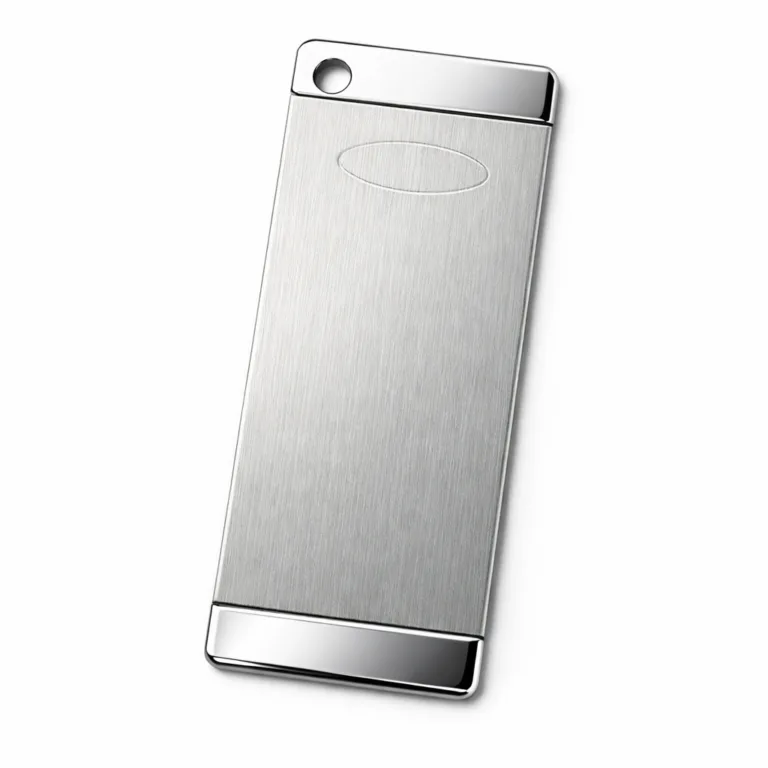
In industrial design, contrasts often separate premium products from ordinary ones. Matte surfaces diffuse light, reduce glare, and create visual depth, especially when set beside polished sections. Automotive panels, brushed steel furniture, and luxury hardware often leverage matte contrasts to highlight shape and craftsmanship, making sandblasting a go-to technique for designers and manufacturers alike.
Comparing Sandblasting to Other Surface Treatments
| Method | Finish | Best Uses | Pros | Cons |
|---|---|---|---|---|
| Sandblasting | Matte, uniform | Automotive, architecture | Versatile, fast | Requires dust control |
| Brushing | Satin, lined | Appliances, hardware | Distinct grain | Less uniform than blasting |
| Polishing | High-gloss | Jewelry, decor | Reflective | Shows fingerprints easily |
| Chemical Etching | Matte, intricate | Labels, logos | Fine detail | Slower, hazardous chemicals |
Benefits of Sandblasting: Form Meets Function
- Aesthetic Control: Precise matte textures, variable roughness
- Functional Gains: Improves paint/powder coat adhesion, hides scratches
- Maintenance Made Easy: Reduces surface glare, minimizes fingerprint visibility
- Batch Consistency: Ideal for production lines and mass-produced metal tags
Choosing the Right Abrasive for Matte Effects
The choice of blasting media shapes the final look. Glass beads create a soft matte glow, sand yields a rougher finish, while aluminum oxide can produce a deep, tactile surface. Rain Chen, a veteran at UC Tag, notes that for metal tags intended for high visibility on luxury bags, selecting fine glass beads and controlling air pressure prevents unwanted pitting or discoloration.
Common Abrasive Options
- Sand: Standard, economical, creates rougher matte
- Glass Beads: Fine, gentle glow, used for precision tags
- Aluminum Oxide: Aggressive, deep matte, durability focus
- Plastic Beads: Softer finish, suitable for delicate metals
Prepping Metals for Sandblasting
Surface preparation sets the stage for a flawless outcome. Ensure metals are degreased and free from existing coatings or oxides before blasting. This prevents patchiness and supports even abrasion. For intricate logo tags, masking areas that must remain shiny provides crisp contrasts between matte and gloss, a popular approach at custom metal logo tag solutions.
Pressure, Distance, and Angle: Achieving Uniform Matte
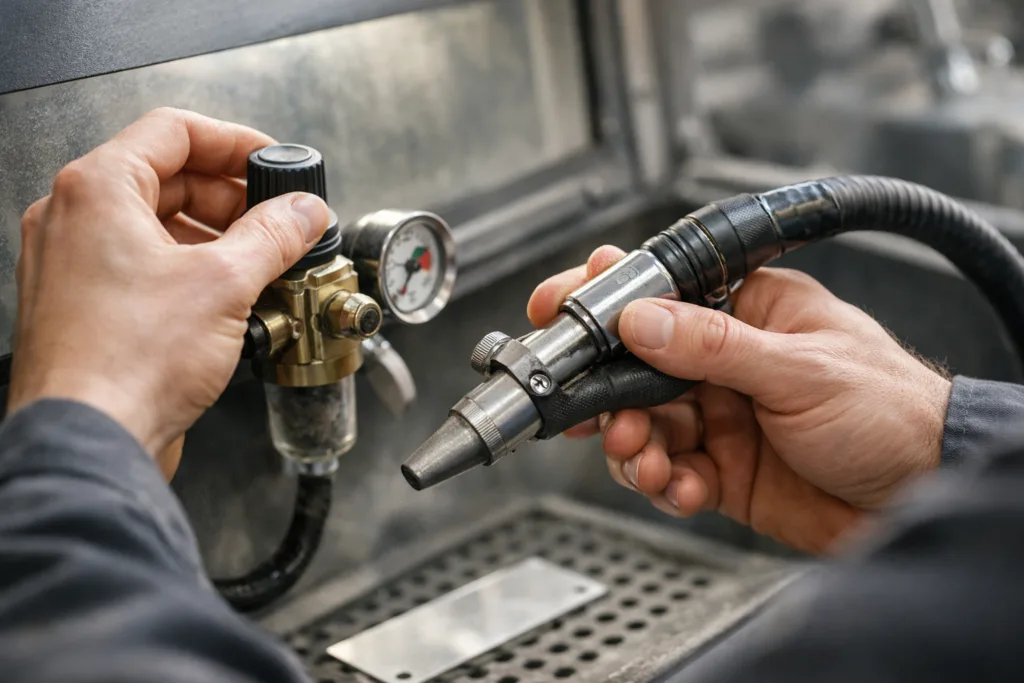
Consistency comes down to three details: air pressure, nozzle distance, and angle of attack. Lower pressures and a shallow angle produce subtle matte effects; higher pressures and perpendicular angles create a deeper, more textured finish. A controlled environment, such as a dedicated sandblasting booth, is essential for batch jobs like dog tag or luggage tag manufacturing.
Operator Technique
- Keep nozzle moving to avoid hotspots
- Test on scrap before production runs
- Regularly check surface roughness
Matte Finish Quality Control: What to Look For
After sandblasting, inspect surfaces under strong lighting for uniformity, color consistency, and absence of streaks or pitting. Manufacturers like UC Tag often measure matte roughness using a reflectometer, ensuring results meet design specs for items such as branding plates or product labels.
Sandblasting in Automotive Design
From custom car panels to gear shift knobs, sandblasted matte finishes signal sophistication and tactile comfort. Many high-end vehicles adopt matte contrasts to reduce cabin glare and match the overall luxury aesthetic. Body shops favor sandblasting for prepping before powder coating, which improves paint adhesion and longevity.
Architectural Applications: Building with Texture
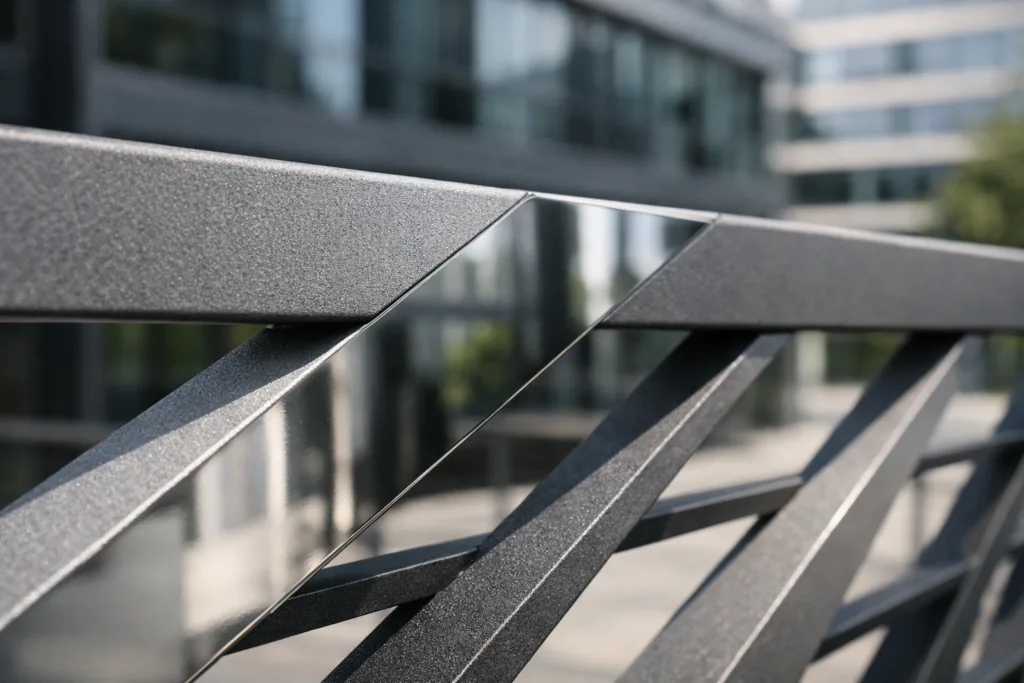
Modern architecture uses sandblasted stainless steel and aluminum for cladding, fixtures, and railings. Matte finishes accentuate surface geometry while providing resistance to fingerprints and stains—key for high-traffic spaces. The process also helps architects achieve harmony between metallic and natural material palettes.
Furniture Design: The Modern Matte Edge
Furniture makers deploy sandblasting for items like tables, chairs, and decorative panels. Matte metal frames create inviting looks, reduce visible wear, and blend effortlessly with contemporary interiors. For boutique brands, using sandblasted tags or hardware can infuse subtle branding right into the physical piece.
Case Study: Sandblasting in Tag and Logo Manufacturing
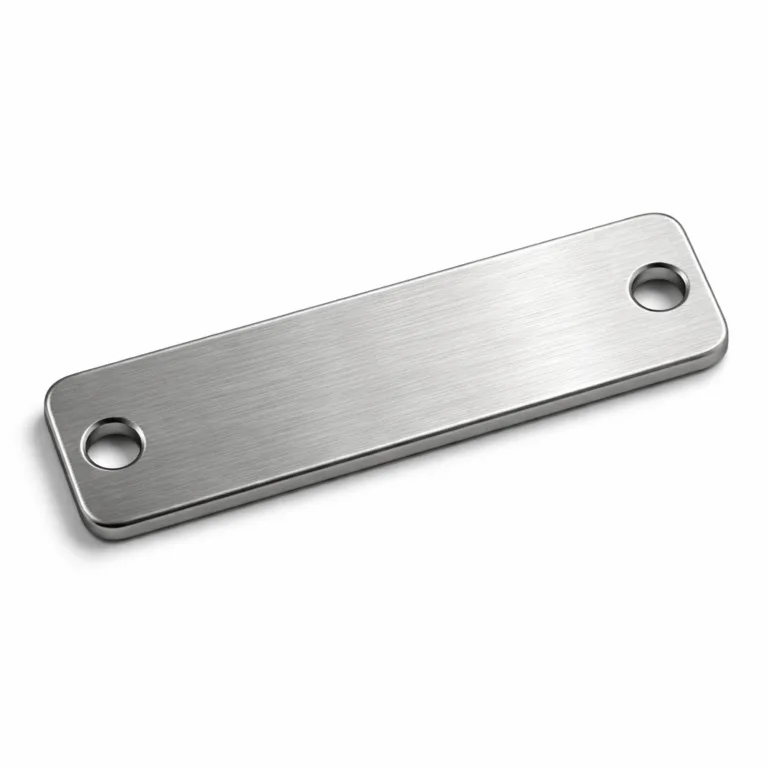
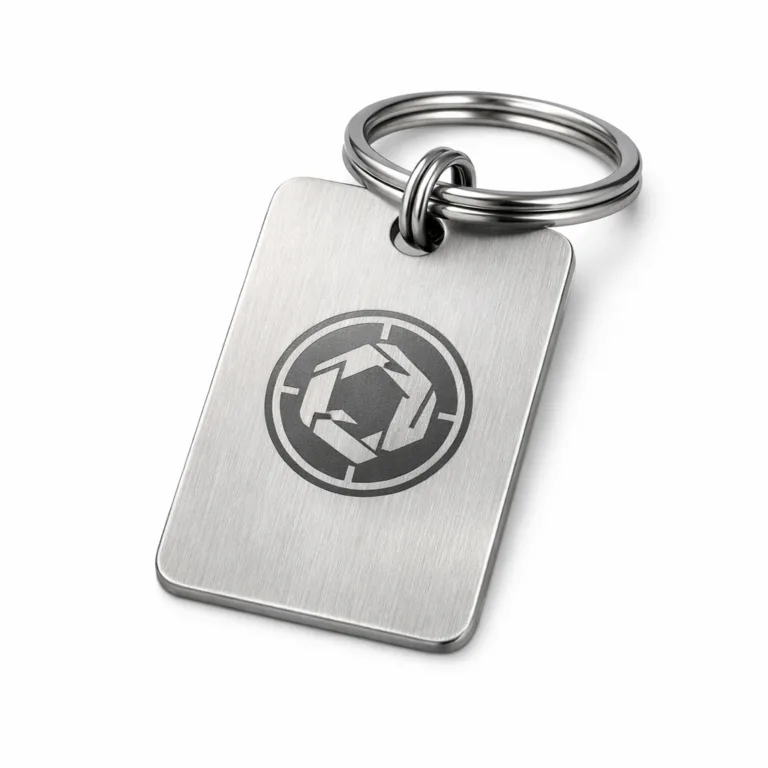
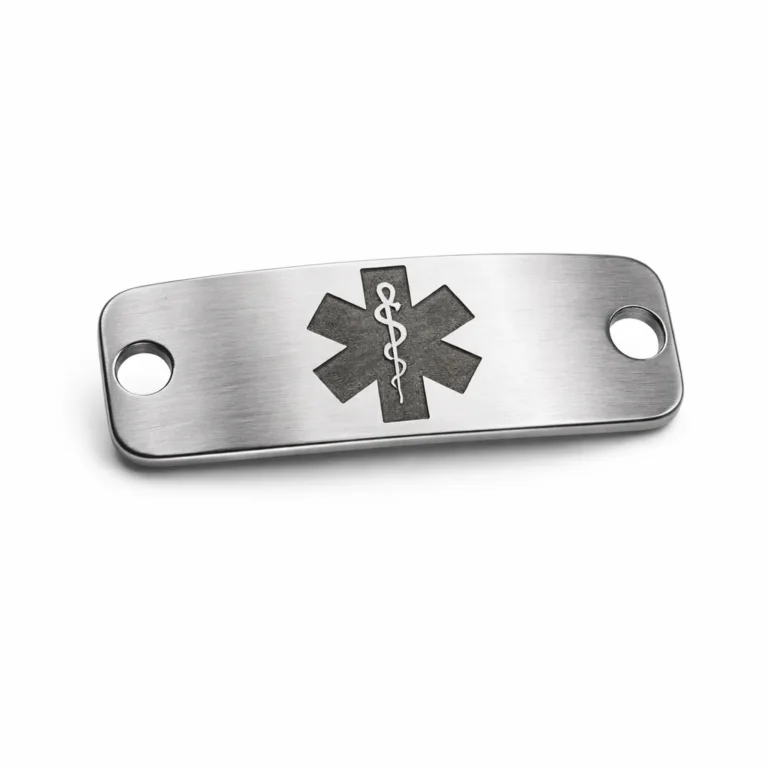
Manufacturers such as UC Tag routinely sandblast metal tags destined for fashion, luggage, and pet applications. This technique delivers the crisp, non-reflective style preferred by designers, while also increasing the durability of printed or etched details. For instance, sandblasted backgrounds make laser-engraved text easier to read and add tactile luxury to every tag. To learn more about the interplay of surface treatments, check out the metal tag marking comparison guide.
The Role of Sandblasting in Label and Nameplate Production
Labels and nameplates often incorporate sandblasted zones for both practical and decorative reasons. Matte contrast surrounds logo elements, making details pop, while the roughened surface can anchor enamel fills or screen-printed colors more securely. Find out how color matching works on these products at this Pantone matching guide for metal finishing.
Combining Sandblasting with Other Techniques
Designers look beyond standalone matte finishes by blending sandblasting with brushing, chemical etching, or anodizing. The hybrid approach yields multi-dimensional surfaces—crucial for luxury branding and hardware that must withstand both visual scrutiny and physical handling.
Common Mistakes in Sandblasting Shiny Metals
- Over-blasting leads to deep pitting—test media and pressure first
- Inadequate masking causes uneven contrasts
- Poor cleaning prior to blasting results in streaks or adhesion issues
- Using improper abrasive for the metal type encourages rapid wear
Safety and Environmental Considerations
Sandblasting generates dust and fine particles. Operators should use protective gear and ensure proper ventilation. Many facilities employ recovery systems to recycle blast media and filter air, making the process safer and more sustainable for workers and the environment.
Industry Insights: Expert Tips for Achieving the Perfect Matte
Rain Chen at UC Tag recommends calibrating equipment for each batch, especially when switching metal alloys. Aluminum, for example, requires different media and pressure compared to stainless steel for optimal result. “A quick test run is worth hours of rework,” Chen says. For reference on material selection, this guide to material thickness is helpful.
Sandblasting in Eco-Friendly Branding
Sustainable brands value sandblasting for its ability to prep recycled metals without harsh chemicals. Matte finishes made from reclaimed materials show intentionality and sustainability, as discussed in ways recycled metals are used in tags.
Tips for Designing with Matte Contrasts
- Sketch color and texture zones before prototyping
- Choose compatible coatings for sandblasted bases
- Consult fabrication experts early in the process
Modern Trends: Matte in Product and Packaging
From consumer electronics to bespoke wine tags, matte metal is in vogue. Brands value tactile finishes for premium unboxing experiences and lasting visual allure—proof that functional surfaces are integral to modern marketing strategies. For ideas, explore how wine tag manufacturers blend aesthetics and durability.
Sandblasting: Creating a Modern Matte Contrast on Shiny Metal
To sum up, sandblasting stands as the cornerstone technique for producing refined matte contrasts on shiny metal. Its versatility underpins innovation across automotive, architecture, furniture, and branding sectors. By selecting the right abrasives, prepping surfaces meticulously, and maintaining strict quality control, designers and manufacturers unlock both artistic and functional value from every metal piece they create.
Conclusion: Key Takeaways for Sandblasting Success
Matte contrasts are more than a style choice—they add practical benefits and lasting appeal. Sandblasting continues to define how shiny metals can adapt to modern needs, providing design freedom and technical advantages in every industry. Whether you’re aiming for visual drama or durable performance, choosing sandblasting means leveraging a proven method for reliable, repeatable results. With expert insight and careful technique, the matte revolution is set to continue shaping the look and feel of tomorrow’s metal products.
Frequently Asked Questions
What metals work best for sandblasting to achieve a matte finish?
Aluminum, stainless steel, brass, and some zinc alloys respond well to sandblasting, producing distinct matte surfaces suited for industrial and design uses.
Is sandblasting safe for intricate logos and text on metal tags?
Yes, with precise masking and moderate pressure, sandblasting can create crisp matte backgrounds without damaging fine logo details or small text.
How does sandblasting affect paint or coating adhesion?
Matte surfaces from sandblasting increase surface area and promote stronger adhesion of paints, powder coats, and protective finishes.
What’s the difference between glass bead and sand abrasives for matte finishes?
Glass beads produce a soft, glowing matte, while sand yields a rougher, more pronounced texture; choice depends on the desired appearance and metal type.
Can sandblasting be used on recycled metals for sustainable design?
Absolutely—sandblasting is chemical-free and works well on recycled metals, making it a favorite for eco-friendly brand tags and packaging.
Does sandblasting require special cleanup or maintenance after finishing?
Yes, blasting dust must be removed thoroughly, and regular equipment cleaning helps maintain quality, especially for mass production runs.
Related Reading
- Choosing Between Laser Engraving and Diamond Drag for Deep Durable Markings
- How Recycled Metal Elevates Eco-Friendly Brand Tag Design
- Material Thickness Explained: Making Smarter Choices for Metal Tags
- Pantone Matching Secrets for Vibrant and Consistent Brand Colors on Metal
- Modern Wine Tag Manufacturing: Where Elegance Meets Durability
- Designing Custom Metal Logo Tags: A Step-by-Step Manufacturing Guide