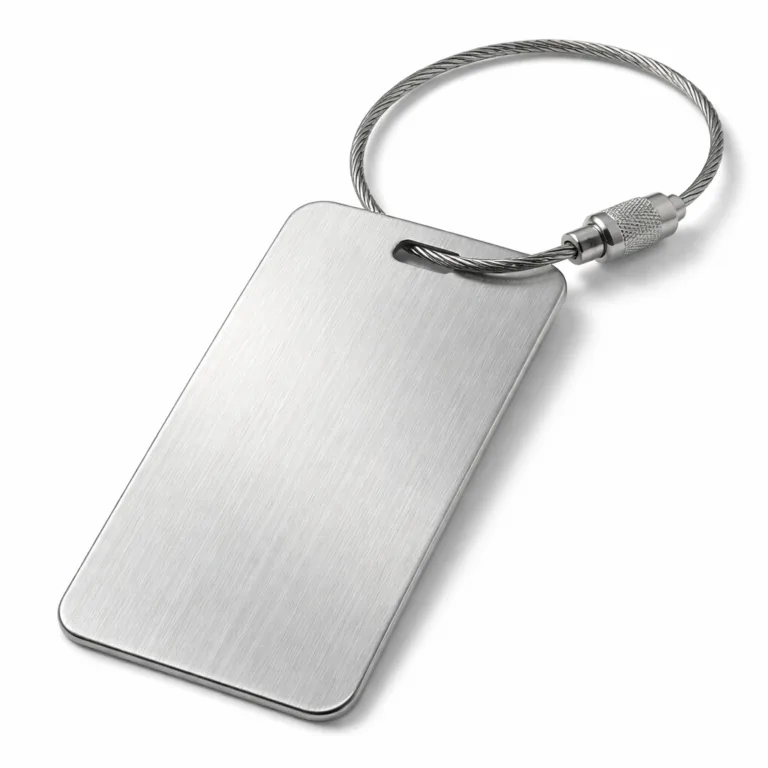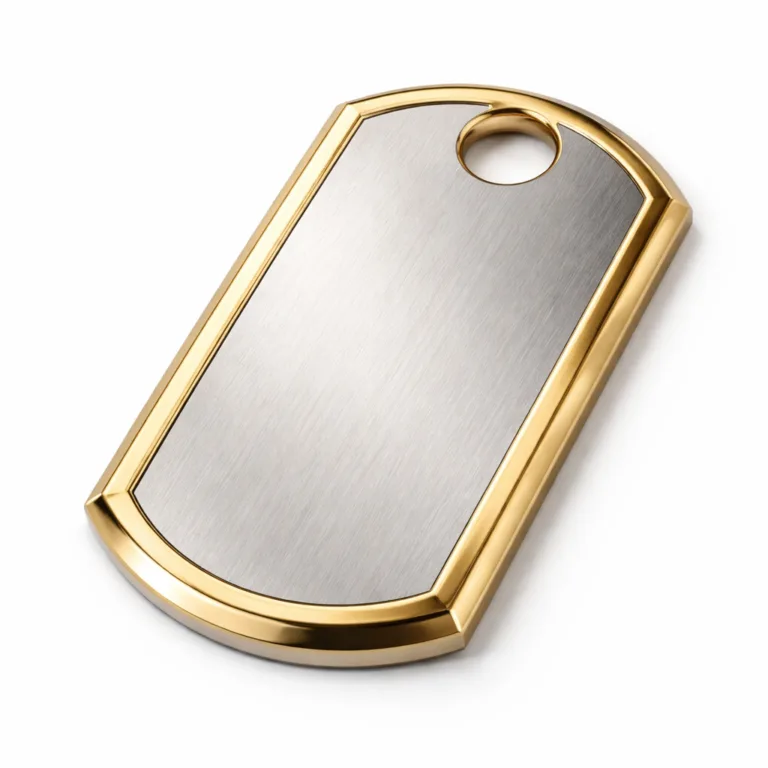
Introduction to Salt Spray Testing
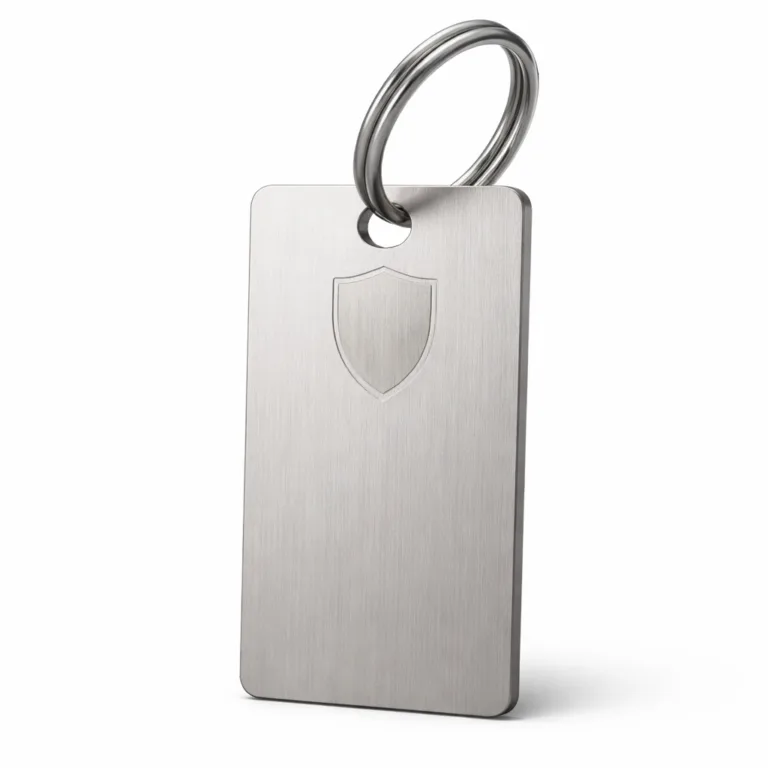
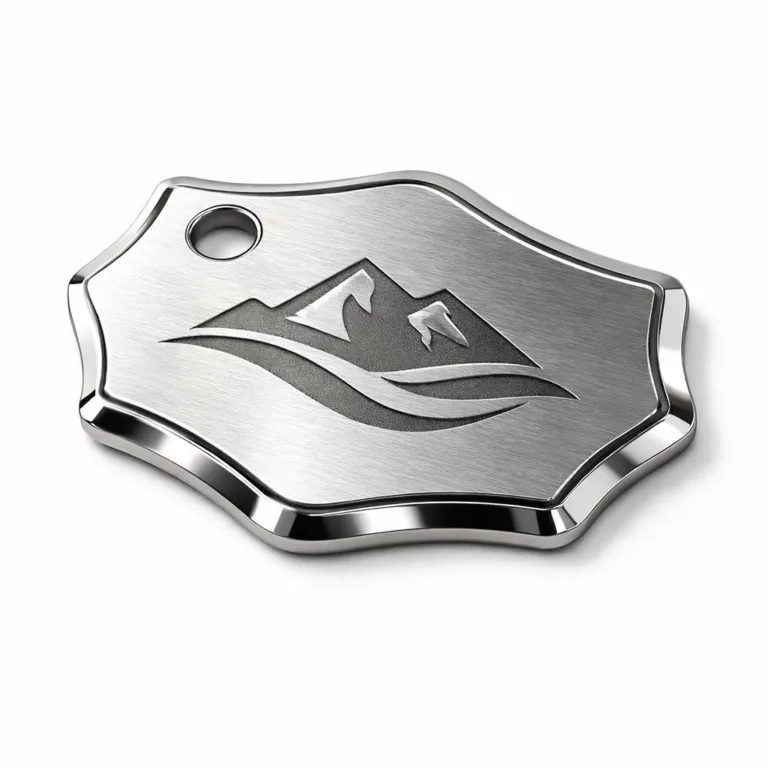
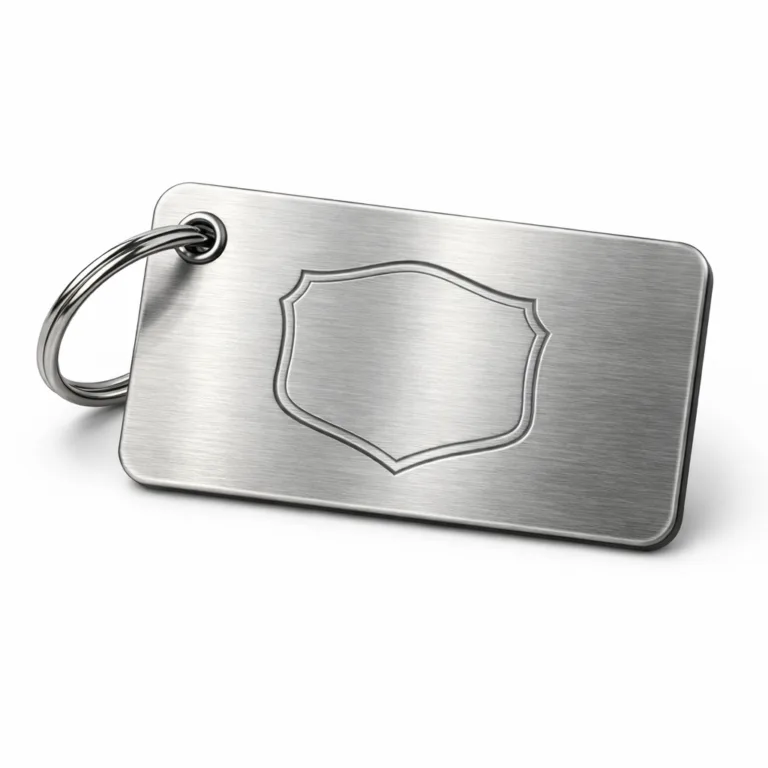
Salt spray testing is a critical process for assessing the longevity and resilience of metal tags exposed to harsh environments. Particularly for applications involving marine operation or constant outdoor exposure, this testing is designed to simulate the real-world effects of salt water, humidity, and corrosive atmospheres. The most recognized protocol for these tests is ASTM B117, which exposes metal samples—including identification or branding tags—to a continuous salt-laden mist for a set period. This controlled corrosion test helps manufacturers evaluate the corrosion resistance of their products before they are delivered to the field, adjusting materials or finishes if required. Industries with strong demands for tag endurance, such as maritime shipping, offshore oil, industrial equipment, utilities, and outdoor asset management, frequently specify tags that have passed salt spray testing.
Ensuring high corrosion resistance is not just a bonus—it’s often a base requirement for reliable asset tracking and regulatory compliance. Salt spray testing results inform both engineering teams and procurement managers, giving them hard data on product performance in conditions that mimic rain, sea air, and road salt. In short, salt spray testing acts as a warranty of durability, establishing a reliable benchmark for marine tags and outdoor tags that need to last for years in unforgiving environments.
Importance of Corrosion Resistance in Marine and Outdoor Tags
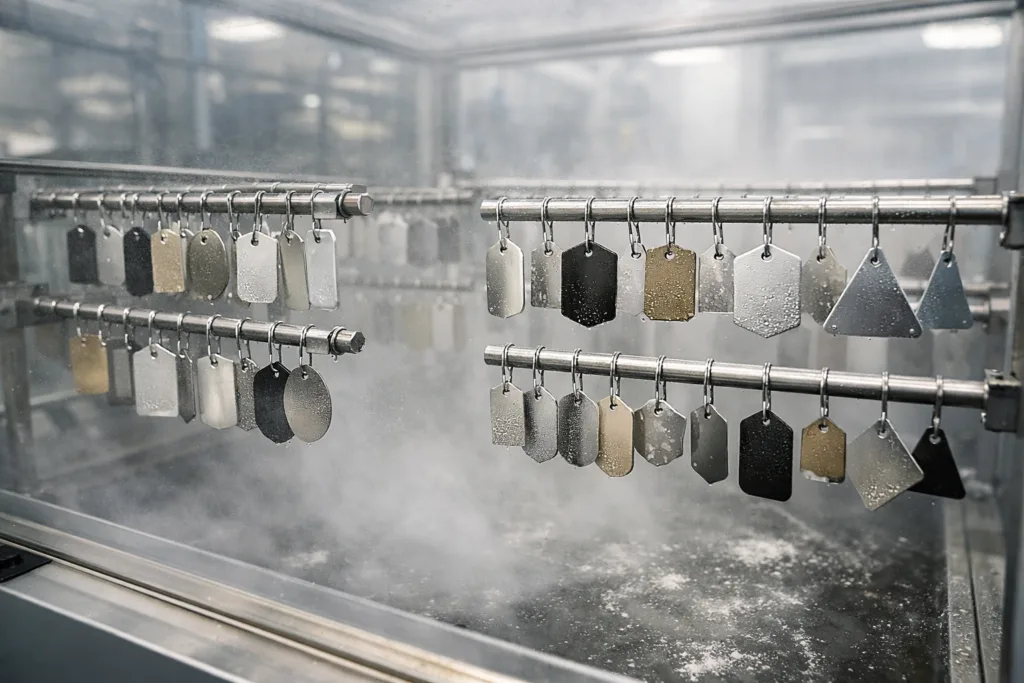
Corrosion resistance is the number-one factor influencing marine and outdoor tag selection. Corrosion takes many forms: uniform corrosion, pitting, crevice corrosion, and galvanic corrosion are all threats, especially in salty or humid climates. For example, stainless steel may resist uniform corrosion but is not immune to pitting in chloride-rich environments, while aluminum can suffer from pitting or galvanic reactions when attached to dissimilar metals. Salt water and persistent humidity dramatically speed up these forms of metal degradation. In fact, data from industrial maintenance teams suggest that unprotected metal tags can fail in as little as 6–12 months in marine environments, leading to costly asset misidentification or regulatory issues.
Industry standards for marine tags expect corrosion resistance that goes well beyond standard indoor use. Many asset managers reference salt spray testing times (commonly 24, 48, or even 1,000 hours) as a quality benchmark—a tag that passes for 100–500 hours is often seen as fit for most outdoor deployments. Failure to meet such standards is not theoretical: there are frequent case studies where corroded tags have become illegible, leading to lost inventory and warranty disputes. In one real-world example, a municipal waterworks had to replace hundreds of asset tags prematurely when a low-alloy brass was used, demonstrating how initial savings can become long-term losses.
Salt spray testing is not only a predictor of tag longevity, but it also helps suppliers like UC Tag ensure their products meet the rigorous standards enforced by industries such as utilities, ship maintenance, or heavy outdoor equipment management. In effect, it reduces unexpected field failures and costly replacements, adding measurable value for procurement professionals looking to avoid downtime or regulatory headaches.
Materials Comparison for Outdoor Tags
The choice of tag material has a more profound effect on corrosion resistance and practical durability than almost any other specification. Aluminum, stainless steel, and brass are three of the most widely used metals for outdoor and marine tags, each with distinct advantages:
- Aluminum Tags: Lightweight, cost-effective, and naturally resistant to corrosion, aluminum tags are especially suited for temporary outdoor use, large asset fleets, and areas where tag weight is a concern. With an anodized finish, their surface becomes even more robust, resisting both oxidation and wear. Read more on the advantages aluminum tags offer for weatherproof identification.
- Stainless Steel Tags: Offering the highest corrosion resistance, stainless steel tags are the go-to for marine, chemical, or heavy-industry environments. Grades like 316 are known for their exceptional performance in saltwater, though they come at a higher cost and are heavier. This material is relied upon for long-term labeling, safety signage, and compliance marking—particularly where replacement cycles must be minimized.
- Brass Tags: Characterized by excellent machinability and a classic appearance, brass can be a strong choice for less aggressive outdoor settings—such as valve marking in plumbing or decorative exterior applications. However, brass is more susceptible to tarnishing and dezincification in salty or acidic air, making salt spray testing crucial before deployment. See the comparison of brass versus stainless steel for long-term tag use for further insight.
Material selection should be made according to specific environmental and budgetary needs. For example, outdoor amusement equipment often utilizes aluminum tags with anodized finishes, while marine power plants or navigation assets benefit from engraved stainless steel tags. Finishing treatments, including anodizing for aluminum or mirror polishing and PVD for other metals, further boost durability. Anodized finishes, in particular, lock in color and prevent surface pitting.
Manufacturing Methods and Their Impact on Tag Durability
Durability isn’t just a matter of material—it’s also about how a tag is made. The four primary manufacturing methods for metal tags are stamping, laser engraving, chemical etching, and UV printing. Each approach offers unique benefits for corrosion resistance and field performance:
- Stamped Tags: Mechanically robust with deeply pressed lettering or designs, stamped tags shrug off abrasion but require precise finishing to prevent exposed edges from corroding. They are ideal for outdoor environments where vibration and impact are common, such as on machinery or construction equipment. Designs are less likely to fade, but raw edges can invite localized corrosion if not properly sealed.
- Engraved Tags: Both laser and rotary/dot-matrix engraving create precision markings that penetrate the surface. Laser engraved tags are highly legible and can maintain detail even under heavy wear. For optimal performance, engraving should be paired with passivation or anodizing as a finish, which helps close micro-pores on the metal’s surface and boosts corrosion resistance.
- Chemical Etching: This method allows for extremely fine detail but creates slightly rougher microstructures that may hold contaminants if not appropriately finished. Adding a topcoat—such as a clear epoxy dome or powder coating—can help prevent corrosion at the etched surfaces. Learn more about protective domes in using epoxy domes for extra protection.
- UV Printing: UV-cured inks bring full-color branding and information to metal tags but should always be paired with a weather-resistant base, such as anodized aluminum or pre-passivated steel. For prolonged durability outdoors, especially against sunlight and physical abrasion, consider encapsulating the print beneath a clear protective layer or dome. Explore how UV printing revolutionizes custom branding in this guide.
Manufacturing consistency further guarantees mass-produced tags perform identically—important for large-scope projects like infrastructure labeling or fleet management. UC Tag’s veteran team notes that neglecting edge finishing, inconsistent depths, or improperly applied coatings are frequent causes for premature failure after salt spray testing, so rigorous process control is essential.
Best Practices for Designing Marine and Outdoor Tags
Designing tags for outdoor and marine environments is all about building resilience and maintaining readability. The first consideration is legibility: large, high-contrast fonts or markings stand up best to fading, abrasion, or corrosion. For example, black laser-filled engraving on a brushed stainless or anodized aluminum base is highly effective for outdoor tags. Proper thickness—often 1.0 mm or more for heavy-duty applications—helps resist bending or warping from impacts or wind, while larger tag sizes increase visibility from a distance.
Surface finishes are crucial: anodizing for aluminum substantially increases both corrosion resistance and color retention, while high-polish or matte finishes for stainless steel can reduce dirt buildup. To further enhance tag performance, choose adhesives rated for temperature swings and humidity, or opt for mechanical fasteners (such as rivet holes or slots) for permanent attachment. Attachment options are described in this reference guide on tag solutions. Also, design with real-world use in mind—taking care to select readable, sans-serif fonts and adequate letter height to maintain clarity even after years outdoors. Avoid fine lines or low-contrast artwork for situations with high wear or exposure.
Design & Specification Checklist for Durable Tags
Ensuring that your tags meet real-world conditions starts with a solid design and specification checklist. Size matters: larger tags (30–60 mm across) are easier to identify, while increased thickness prevents accidental bending or breakage. Shape choices can affect field longevity—rounded corners reduce stress points and lower the risk of edge corrosion. For optimal corrosion resistance, finishes such as anodizing (for aluminum), passivation (for stainless), or powder coating (for brass or steel) are standard practice.
Don’t overlook attachment options: specify holes, slots, or strong, weatherproof adhesives matched to your mounting surface. Clearly define readable text requirements, setting a minimum font size and choosing bold, simple fonts to maintain legibility after exposure. Industrial tag tolerances—such as +/– 0.1 mm for thickness or cut—ensure compatibility with automation and repeat orders. By following a step-by-step checklist, you minimize the risk of missing details that could lead to premature tag failure from wear or corrosion. Consult the UC Tag standard samples gallery for design inspiration that balances performance and practicality.
Durability & Testing: Beyond Salt Spray
Salt spray testing is essential, but not the only benchmark for true field durability. Tags exposed to marine and outdoor environments are also tested for abrasion resistance and UV stability to ensure lifetime performance. Abrasion tests simulate contact with cables, machinery, or environmental debris, while UV testing evaluates how intense sunlight impacts finish and readability. Total exposure tests (where products face cycles of salt spray, humidity, sunlight, and freezing) give a more complete picture of real-life conditions.
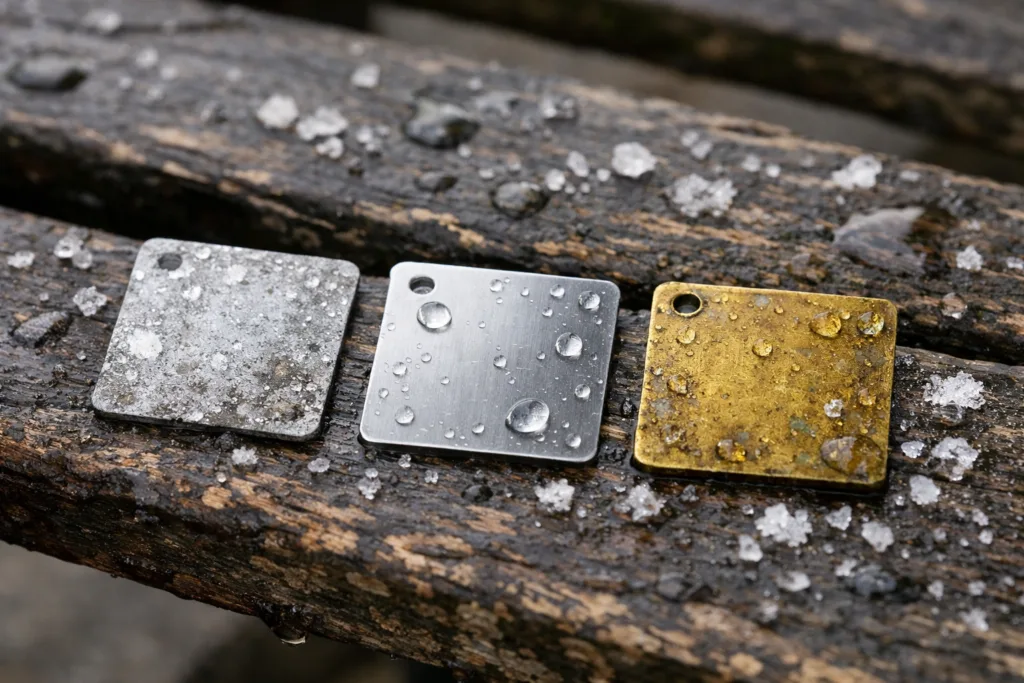
Best practices in tag testing and certification include sampling from full production runs, maintaining strict lot traceability, and repeating tests annually or with each major design change. Field comparisons consistently show that tags subjected to rigorous, multi-factor testing outperform non-tested equivalents—sometimes lasting several times longer. For instance, a batch of high-grade stainless steel tags paired with laser engraving and passivation remained completely legible after three years of bridge deployment, while an untested painted aluminum competitor failed after just one rainy season.
Rigorous durability testing, backed by proper engineering, delivers lasting field performance and lower replacement costs over a tag’s lifecycle—your best assurance of long-term value, whatever the application. For more on surface finishing’s effects on performance, see how brushed finishes impact tag longevity.
Applications and Industry Fit for Marine and Outdoor Tags
Tags that pass salt spray and durability tests are found in diverse industries, each with stringent requirements. In shipping and marine transport, engraved stainless steel marine tags help ensure compliance with vessel safety, equipment ID, and asset tracking. Energy and utilities sectors rely on corrosion-resistant outdoor tags for pipeline or powerline marking, often integrating serial numbers or QR codes for digital asset management. Manufacturing and heavy equipment companies require robust branding and identification tags—such as anodized aluminum or stainless models—for machinery that operates year-round outdoors.
Outdoor equipment brands depend on fade-proof, weatherproof tags for their products, leveraging special finishes and adhesives to maintain brand image despite sun, rain, or abrasion. Some industries, like logistics, have begun integrating QR or barcode data directly on weatherproof tags for seamless inventory tracking and loss prevention. New design variations, such as cut-out or high-contrast laser-engraved barcodes, are also finding rapid adoption. Discover more about QR-ready metal tags in this guide to QR code luggage tags. Regardless of industry, these tags enable clear, permanent identification and enhance system efficiency.
Common Mistakes in Metal Tag Specification and Ordering
Even experienced buyers can make errors when specifying or ordering marine tags. One frequent issue is poor text contrast—choosing polished tag surfaces with subtle etching or pale paint fills, leading to unreadability after weather exposure. Another is using inappropriate metals: brass tags in harsh marine settings, for instance, may corrode quickly without special coatings, causing identification failures. Many failures result from unsuitable adhesives or attachment methods, where moisture or vibration causes tags to peel or detach. For some outdoor tags, mass production without consistent spec sheets leads to variance in finish or fit, resulting in audits and rework for large projects.
Troubleshooting involves clear communication of environment, finish, and attachment needs at ordering. Field examples show that specifying a brushed or matte finish can reduce reflectivity and aid readability in strong sunlight—a detail explored further in this post on surface finishes. When failures are detected, manufacturers recommend switching alloys, upgrading to salt spray tested metals, or adopting mechanical fastening over adhesives for improved reliability and long-term performance.
Ordering Guide: Ensuring Your Tags Are Right for the Job
To secure tags truly suited for outdoor or marine duty, pay close attention to practical ordering considerations. Minimum order quantities (MOQs) can impact cost, especially for highly customized projects—balancing design flexibility against manufacturing efficiency. Production lead times also vary, influenced by complexity, finish, and whether special durability testing is required. Supplying error-free artwork or data files ensures your branding and information are faithfully reproduced; misaligned submission can cause production delays or reproofs.
The proofing process offers a critical step for catching font, finish, or attachment issues before mass production—investing in a physical or digital proof can save substantial costs and avoid field failures. Depending on destination and environmental risks, request packaging options that provide extra tag protection during shipping, such as poly bagging, bubble wrap, or rigid boxes. For comprehensive options, see the custom metal tag solutions overview. Taking the time to clarify these aspects upfront ensures your tags arrive ready for the toughest jobs.
Frequently Asked Questions
What is the typical duration of salt spray testing for marine and outdoor tags?
Salt spray testing durations can range from 24 to 1,000 hours, with typical benchmarks at 48, 96, or 500 hours depending on application requirements and industry standards.
How well does salt spray testing predict real-world performance of metal tags?
Salt spray testing is designed to replicate harsh environments and, while not a perfect match to every outdoor condition, provides a reliable indicator of a tag’s corrosion resistance and expected field durability.
Which materials are most suitable for marine tags in extreme environments?
Stainless steel (especially grades like 316) and anodized aluminum are most frequently chosen for marine tags due to their superior corrosion resistance and proven performance in saltwater.
Can metal tags be customized for added UV protection as well as corrosion resistance?
Yes, metal tags can be upgraded with UV-resistant coatings, anodized finishes, or clear domes to boost both outdoor durability and color retention alongside corrosion resistance.
How often should outdoor or marine tags be re-tested to ensure long-term performance?
It’s usually recommended to re-test new materials or major design changes, and to conduct verification tests at least annually for high-stakes or critical outdoor applications.
What are the best steps to take if my tags fail salt spray testing?
If tags fail salt spray testing, work with your manufacturer to adjust material selection, improve finishes, or refine manufacturing methods to meet the desired corrosion resistance standards.
Related Reading
- 7 Surprising Benefits of Anodized Aluminum Tags for Weatherproof ID
- How Brass and Stainless Steel Compare for Long-Term Tag Durability
- Unlock the Power of UV Printing for Enhanced Outdoor Readability
- When to Use Epoxy Domes for Extra Tag Protection
- How Brushed Texture Boosts Readability and Tag Maintenance
- QR Code Metal Tags: Connecting Durability and Smart Asset Tracking