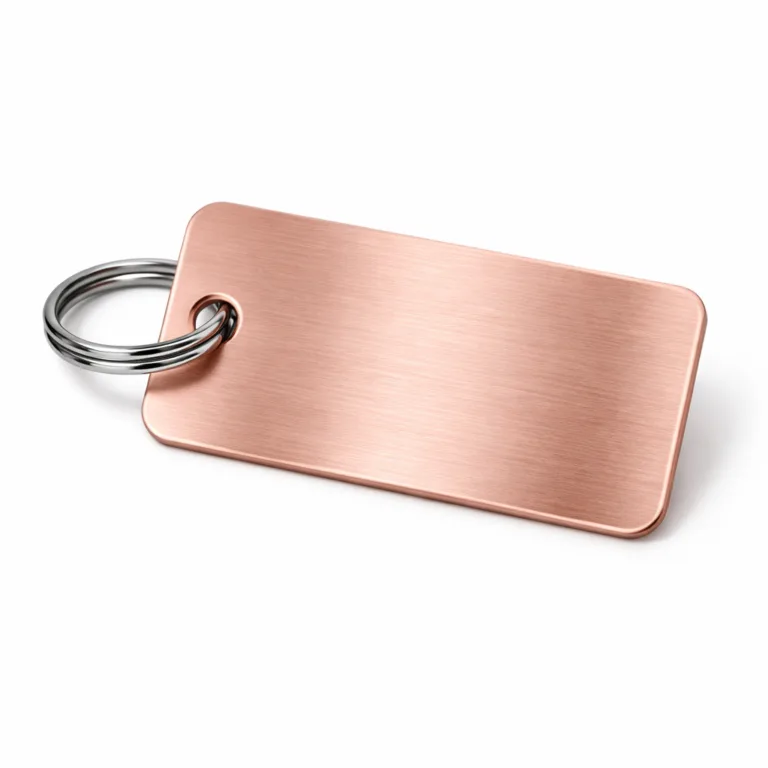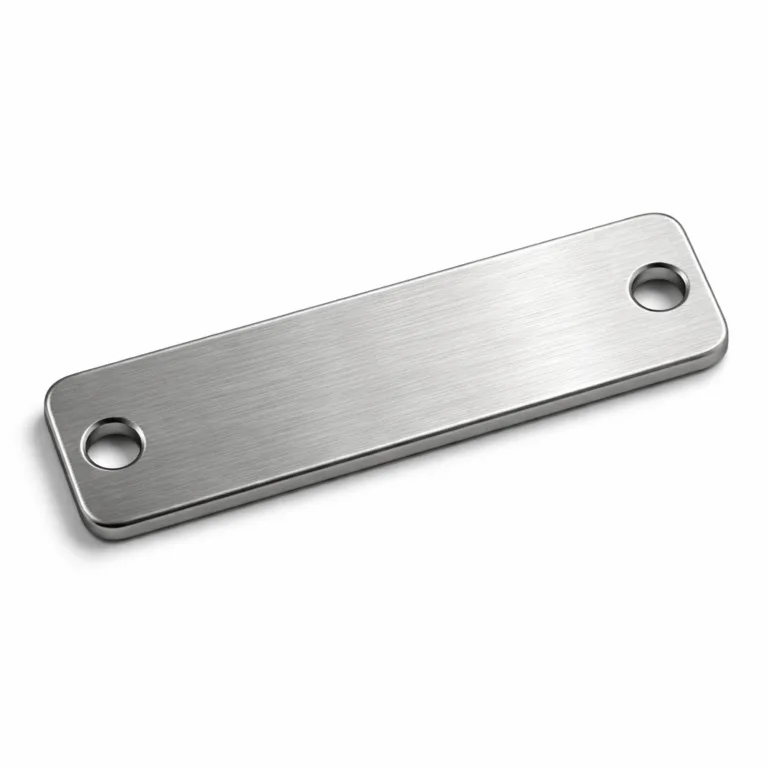
Introduction to S-Hooks and Pet Tags
The use of S-Hooks in pet care dates back decades, with these simple but effective components providing a secure way to attach pet tags to collars and harnesses. S-Hooks are shaped like the letter ‘S’, making them easy to link tags to a variety of attachment points without tools or complicated mechanisms.
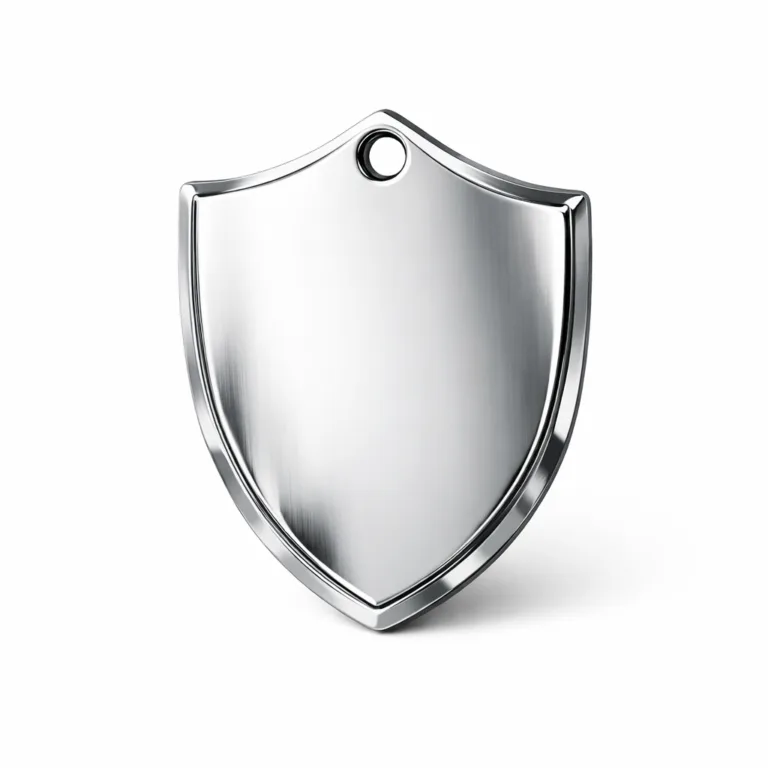
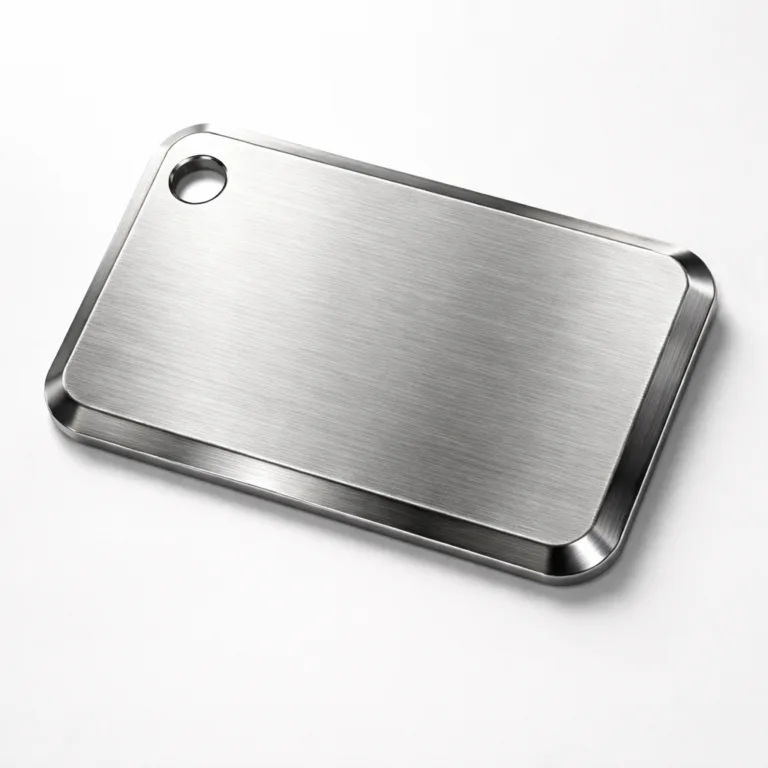
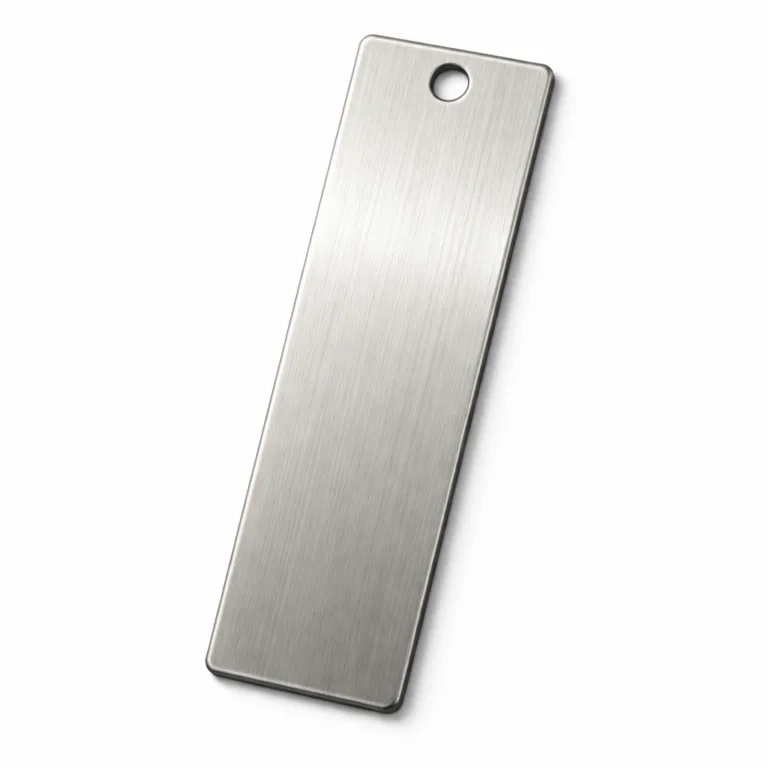
Pet tags, whether for dogs, cats, or other animals, play a vital role in identification and safety, making it easy for owners and shelters to reconnect lost pets with their families. Over time, S-Hooks have become a staple method for attaching these tags, especially for metal tag varieties like stainless steel, aluminum, and brass.
The practicality of S-Hooks lies in their straightforward application—owners can loop them through a tag’s hole and onto a collar’s D-ring, providing lasting fastening. This method supports the trend toward durable solutions: metal pet tags are increasingly preferred for their resistance to wear, corrosion, and extreme conditions.
UC Tag’s experience shows that S-Hooks offer reliability in mass production, maintaining consistency, and ensuring that each tag remains readable and secure during real-life use. This historical and practical approach continues to meet the evolving needs of pet owners and the professionals who support them.
- S-Hooks offer a traditional, reliable solution for pet tag attachment.
- Pet tags are essential for identification and safety.
- Durable materials like stainless steel and aluminum enhance longevity.
- S-Hooks allow for easy removals and replacements.
The Benefits of Using S-Hooks for Pet Tags
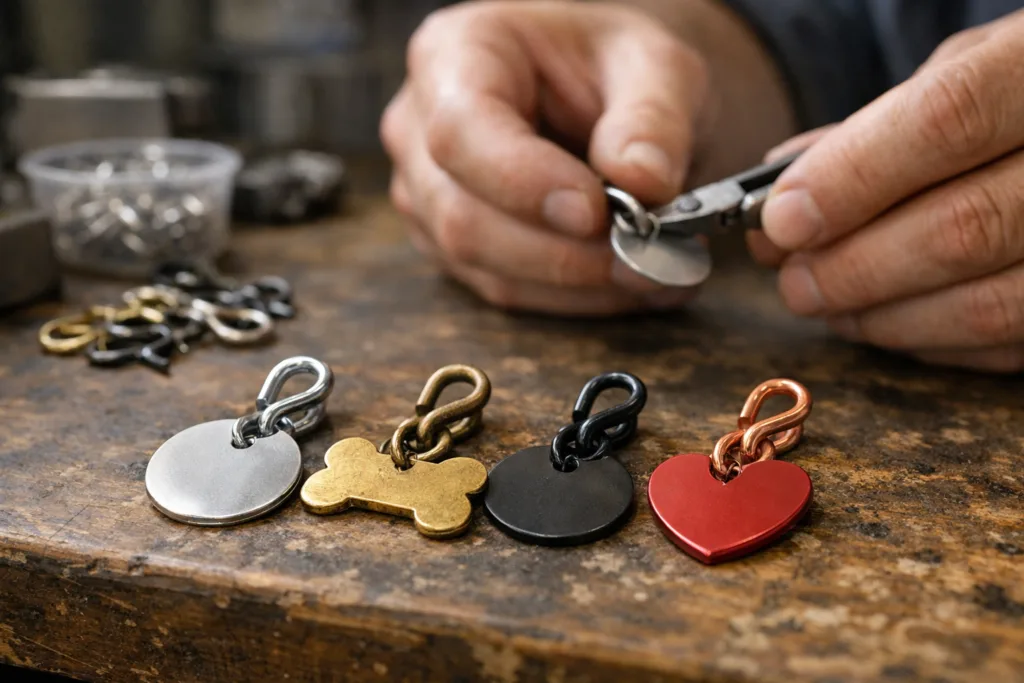
S-Hooks stand out among attachment options for pet tags due to their secure fastenings that can withstand daily wear and tear. The doubled curves of the S-Hook keep tags from falling off, even when pets are active outside or indoors.
Another benefit is ease of removal versus more permanent fixtures. Unlike rivets or welded attachments, S-Hooks allow pet owners to quickly switch, replace, or clean tags without specialized tools. This flexibility supports the use of temporary tags—such as travel IDs or event tags—making it simple for pet owners and professionals alike.
S-Hooks also have the advantage of being versatile, fitting a wide range of tag sizes and types. Whether you have a thick gauge metal tag or a thin aluminum plate, S-Hooks accommodate these variations seamlessly.
The dependability of S-Hooks is rooted in tradition. They have been a cost-effective, trustworthy solution for decades, serving both individual consumers and large-scale operations—in veterinary clinics, pet retailers, and animal shelters.
How S-Hooks Secure Pet Tags
S-Hooks are designed to grip both the tag and collar securely. If closed properly, an S-Hook is nearly impossible to detach accidentally, reducing the chance of losing tags during play, walks, or rugged activities.
Material Comparisons for S-Hooks and Pet Tags
The materials used for S-Hooks and pet tags dramatically impact performance, durability, and aesthetics. For pet tags, metal options are often the most sought-after for their resilience.
Aluminum S-Hooks and pet tags are lightweight and corrosion-resistant, making them suitable for both indoor and outdoor pets. Aluminum is also economical and easy to customize, supporting laser engraving and stamping processes.
Stainless Steel is the preferred choice for outdoor use. Its strength and resistance to rust ensure tags and S-Hooks withstand harsh weather, frequent washing, and exposure to chemicals. Stainless steel also maintains its shine for years, helping preserve the look of the tag.
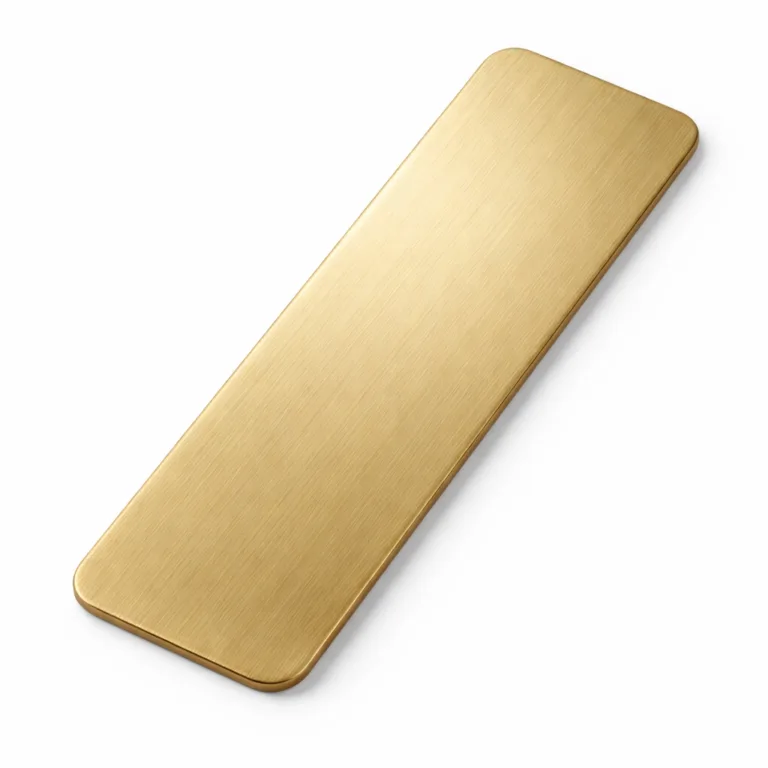
Brass is chosen for its classic, decorative appearance—often paired with high-end pet tags. Brass S-Hooks offer weight and substance, though they may tarnish over time. For aesthetic-focused applications, brass is ideal, but it requires more maintenance to prevent discoloration.
| Material | Weight | Corrosion Resistance | Longevity | Aesthetic |
|---|---|---|---|---|
| Aluminum | Light | High | Medium | Modern, Colorful |
| Stainless Steel | Medium | Very High | High | Shiny, Industrial |
| Brass | Heavy | Medium | Medium | Classic, Decorative |
Material choice affects not only tag longevity but also the comfort for pets and safety for owners. Matching tag thickness and weight to S-Hook type ensures the best performance over time.
For deeper comparison on brass versus steel tags, see Brass vs. Stainless Steel: Which Pet Tag Metal Lasts Longer and Looks Better?.
Manufacturing Methods for Pet Tags and S-Hooks
Manufacturing plays a crucial role in the durability and detail of pet tags and their S-Hook attachments. Common methods include engraving, stamping, chemical etching, and printing.
Engraving: Precision engraving, especially laser or CNC, allows for detailed information—like micro-text or QR codes—on pet tags. This technique ensures crisp readability and customization for mass batches.
Stamping: Stamping is favored for high-volume production, producing consistent results quickly and cost-effectively. It’s ideal for classic military dog tags and thick gauge plates.
Chemical Etching: Chemical etching delivers durability, especially for tags exposed to outdoor elements. It allows for deep, wear-resistant marks that survive abrasion, weather, and cleaning.
Printing: UV printing provides colorful, attractive finishes for consumer tags. While less permanent than engraving or etching, printing can be overcoated for improved longevity.
Each method comes with trade-offs. Engraved tags offer maximum personalization and resilience, but may be costlier than stamped tags. Chemical etching is optimal for harsh environments, while printed tags excel with branding and aesthetics for indoor use.
For detailed advice on engraving depth and lasting legibility, see How Deep Should Metal Engraving Go? A Practical Buyer’s Guide for Lasting Legibility.
Design & Specification Checklist for Pet Tags and S-Hooks
Choosing Sizes and Thicknesses
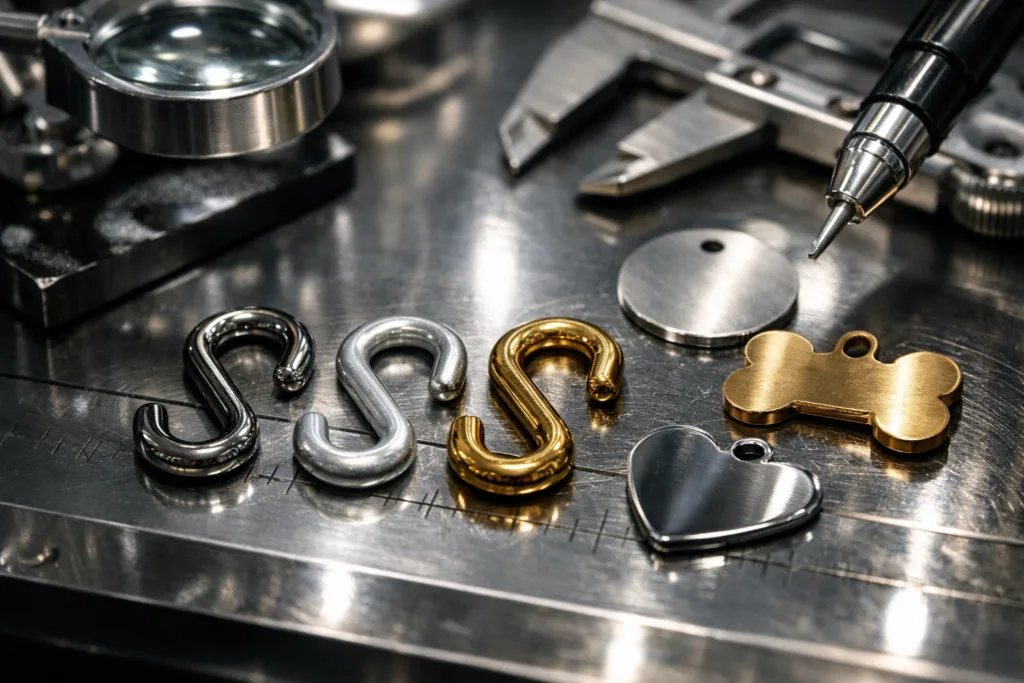
Proper sizing of S-Hooks and pet tags is crucial. Tags typically range from 1.0mm to 2.5mm thick, ensuring durability yet manageable weight. S-Hooks vary from 15mm to 25mm in length, with wire diameters matching the collar’s ring and tag hole.
Recommended Finishes for Durability
Brushed, polished, or anodized finishes extend the lifespan of pet tags. Brushed finishes resist scratches, while polished ones provide shine. Anodizing adds color and boosts corrosion resistance, especially for aluminum tags.
Attachment Features
Options include extra holes for dual fastening, adhesive backing for non-traditional applications, or embossed/debossed shapes for additional strength. S-Hooks work best with tags featuring clean, round holes sized to accept the wire gauge.
Readability and Tolerances
Ensuring information is legible on the tag—contrasting text, clear spacing, and proper font size—is key. Tolerance levels matter: tags and S-Hooks should fit snugly with collars but allow for easy installation.
| Specification | Recommended Range | Notes |
|---|---|---|
| Tag Thickness | 1.0mm – 2.5mm | Balance weight and durability |
| S-Hook Length | 15mm – 25mm | Match collar and tag hole size |
| Finish | Brushed, Polished, Anodized | Extra protection, aesthetics |
| Hole Diameter | 2mm – 4mm | For smooth S-Hook attachment |
| Tolerances | ±0.2mm | Ensures proper fit and closure |
For guidance on adhesive backings, see Stick-On Metal Logo Tags: How 3M Adhesive Backings Supercharge Durability & Branding Performance.
Durability Testing for Pet Tags and Attachments
Testing for durability is essential before choosing the best pet tag and S-Hook material. Corrosion resistance is evaluated by exposing tags to salt spray or chemicals, simulating wet or humid conditions common for pets.
Abrasion resistance testing ensures markings stay readable after exposure to dirt, rough surfaces, and frequent handling. UV resistance evaluates whether colors and text will fade when tags are used in sunny environments.
Salt spray testing reveals how tags hold up in coastal areas or on pets who spend a lot of time outdoors. By simulating years of exposure in days or weeks, this method helps select the most resilient materials.
Rain Chen from UC Tag notes that the choice of metal is critical: stainless steel and anodized aluminum offer excellent protection in harsh conditions, while brass tags require ongoing maintenance and periodic testing to maintain their appearance.
For in-depth rust-proofing strategies, check How to Maximize Tag Durability: Rust Proofing Strategies for Humid Environments.
Industry Applications for S-Hooks and Pet Tags
S-Hooks and metal pet tags are used in a range of industry applications. Veterinary clinics rely on S-Hooks for quick attachment and removal of pet tags during check-ins, surgeries, or in recovery rooms.
Pet stores utilize tags for product organization, branding, and identification during sales events. Animal shelters deploy S-Hooks and tags for rapid tracking and sorting of rescued pets, improving efficiency and safety.
Beyond pet care, industries use S-Hooks for asset tracking, tool labeling, and inventory management—demonstrating their versatility. Manufacturers customize S-Hooks and tags for specific pet accessories, such as harnesses, carriers, and smart collars.
If your needs include tags for assets or luggage, browse the Tag Solutions page for possibilities across various industries.
Common Mistakes and Troubleshooting with S-Hooks and Pet Tags
Several common mistakes can compromise the effectiveness of S-Hooks and pet tags. Choosing the wrong size S-Hook may lead to tags slipping off or failing to close tightly, resulting in lost identification.
Poor engraving choices, such as thin fonts or inadequate depth, can render tag information unreadable. Using improper adhesives can result in peeling, particularly on tags exposed to moisture or heavy handling.
Lack of color contrast between tag background and engraved text may decrease legibility, particularly outdoors. Failing to thoroughly test tags for outdoor durability can cause premature wear, fading, or corrosion.
For best results, select materials and finishes that match your pet’s lifestyle, and follow manufacturer guidelines for sizing and closure. See Split Rings vs. Jump Rings: The Secure Tag Attachment Guide Every Engineer and Crafter Needs for additional insights on avoiding attachment failures.
Ordering Guide for S-Hooks and Metal Pet Tags

Ordering S-Hooks and pet tags in bulk involves several key steps. Minimum order quantities (MOQs) depend on material, finish, and customization—aluminum tags often have lower MOQs, while stainless steel may require higher volumes for efficiency.
Typical production lead times run from two to six weeks, with delivery depending on geographic location and order complexity. Artworks for custom tags should be provided in vector formats (AI, SVG, PDF) to ensure sharp, accurate engraving, stamping, or printing.
The proofing process is vital: manufacturers send digital or physical samples for client approval, minimizing errors before mass production. Packaging and shipping considerations depend on material—stainless steel tags may require more padding, while lightweight aluminum tags are easier to ship in bulk.
- Ensure your artwork files are high-resolution and in vector format.
- Request proofs to verify text and layout before production.
- Check lead times and communicate required delivery dates.
- Specify packaging requirements for safe transport.
- Review order quantities to optimize cost and minimize waste.
For sample orders and classic styles, see Standard Samples.
Frequently Asked Questions
What size S-Hook is best for my pet tag?
The best size S-Hook depends on the thickness of your pet tag and the collar’s ring; generally, 15–25mm in length works for most tags, but always match the wire diameter to the tag hole for a secure fit.
How do I choose the right material?
Select aluminum for lightweight, economical options; stainless steel for maximum durability and rust resistance; brass when aesthetics matter but maintenance is acceptable—consider your pet’s environment and activity level.
Can S-Hooks be used with any collar type?
S-Hooks are compatible with most collar types that have a D-ring or similar attachment, but may not work as well with very thick or uniquely shaped rings—verify fit before purchase.
What are the best finishes for outdoor tags?
Brushed or anodized finishes are recommended for outdoor tags, as they offer extra resistance against scratches, fading, and corrosion; polished stainless steel is also suitable for harsh conditions.
How do I care for and maintain my metal pet tags?
Clean tags regularly with mild soap and water, avoid abrasive cleaners, and inspect periodically for signs of corrosion or damage; replace S-Hooks if bent or worn to maintain security.
What information should my pet tag include?
Include your pet’s name, phone number, and any critical medical info; ensure all text is readable and properly engraved, stamped, or printed for quick identification by strangers or professionals.
Related Reading
- Engraving Depth Secrets: How to Keep Your Pet Tag Readable for Years
- Brass or Stainless Steel? Trade-Offs for Longevity and Pet Safety
- Secure Tag Attachments: Choosing Between Split Rings and Jump Rings
- Rust-Proof Strategies for Metal Tags in Humid Environments
- 3M Adhesive Tips: Boost Pet Tag Durability and Reliable Branding