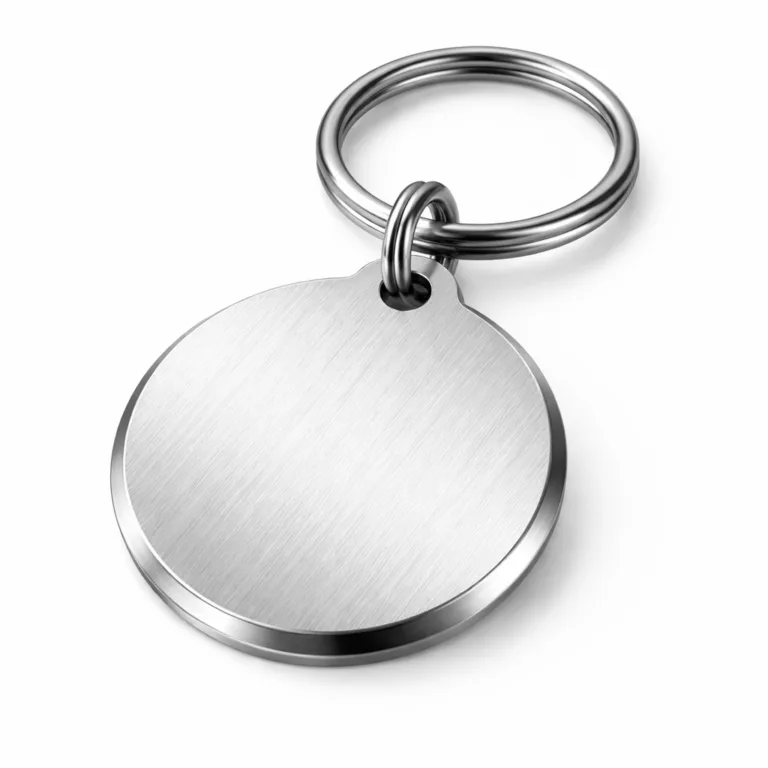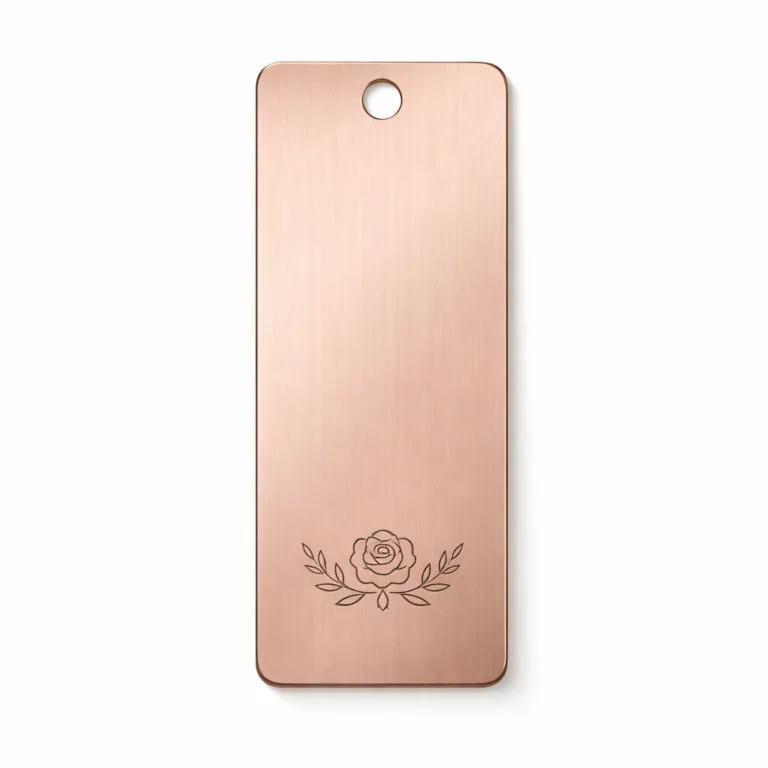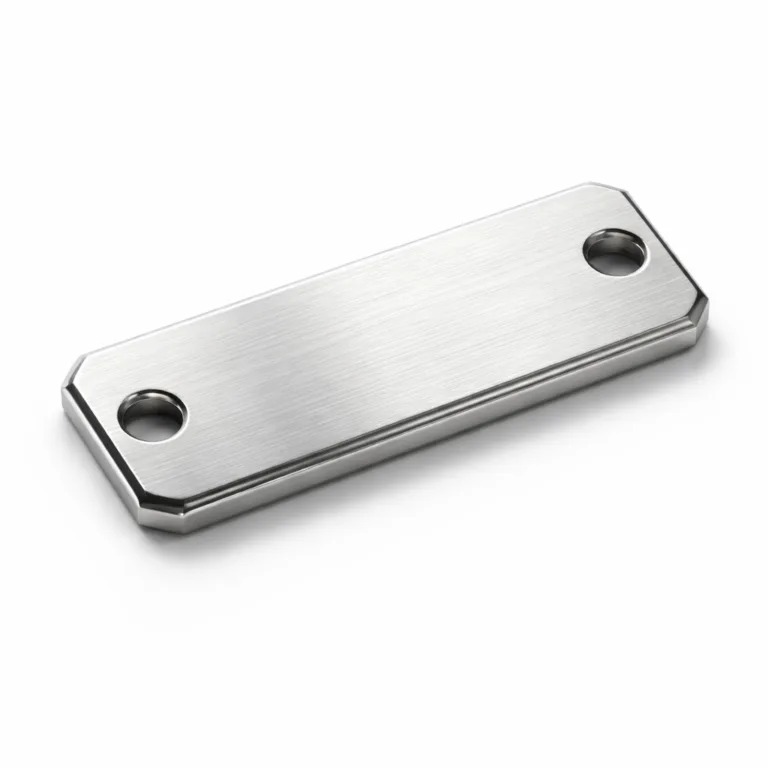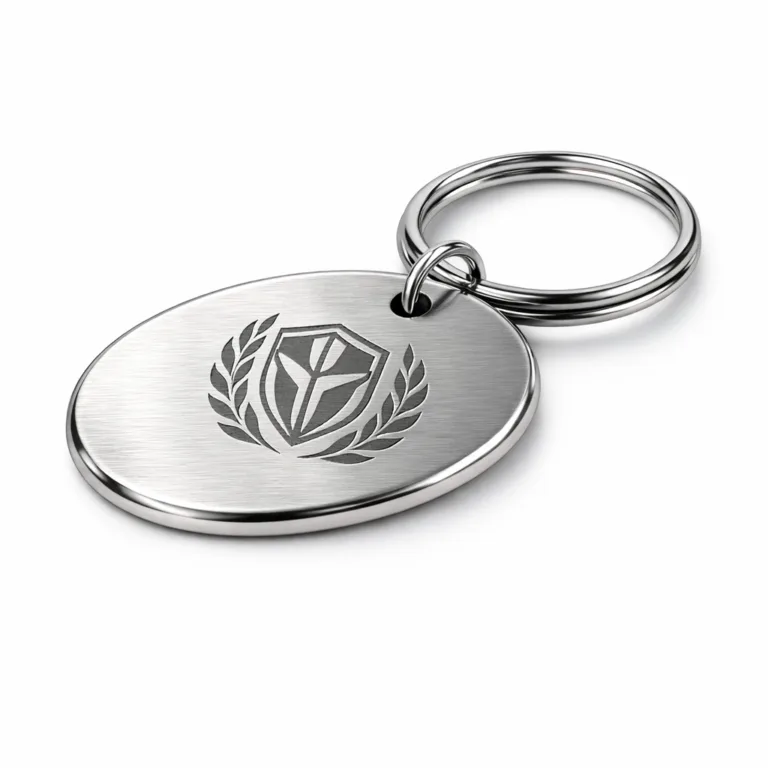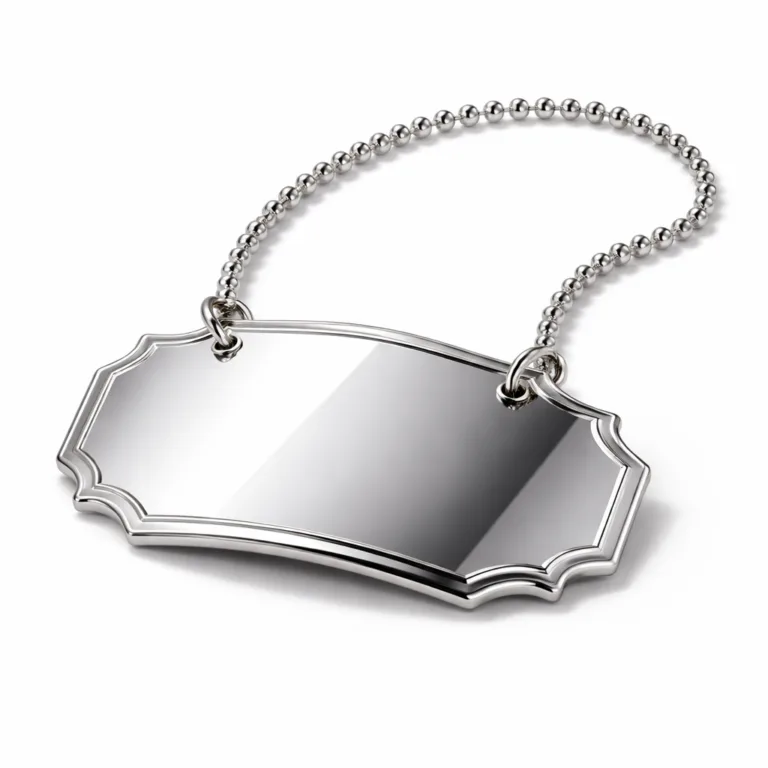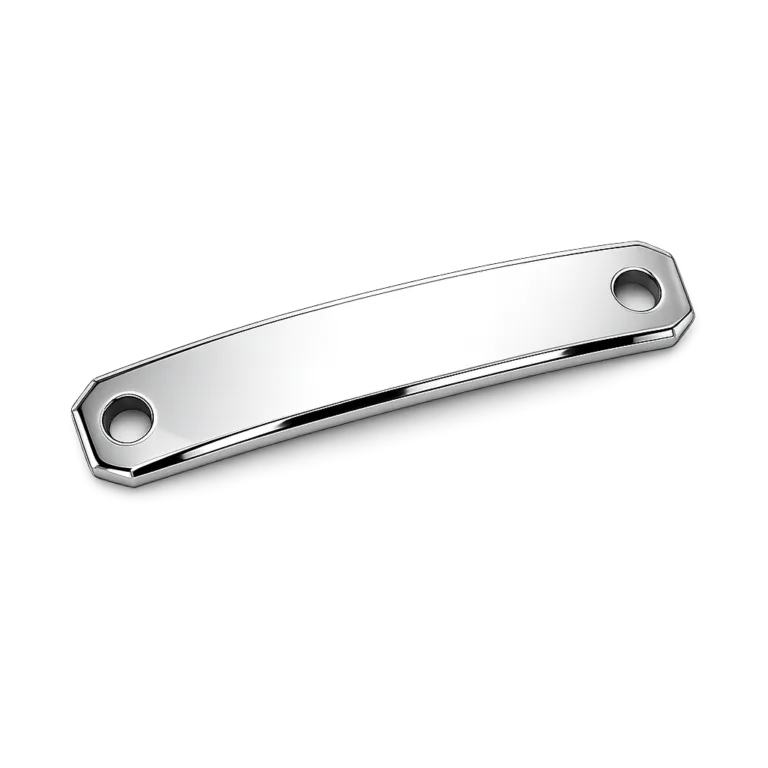
Introduction to Rust Proofing for Metal Tags
Rust proofing is the process of protecting metal tags from corrosion, particularly in humid environments where moisture accelerates wear. Whether you’re labeling machinery, assets, or equipment, the choice of rust proofing methods directly impacts the durability and legibility of your tags.
For industrial, commercial, and consumer applications, metal tags play a key role in identification, branding, and traceability. Their performance under challenging conditions—such as tropical climates, manufacturing plants, or marine environments—relies heavily on effective rust proofing.
Rust occurs when metals oxidize due to exposure to air and moisture, dramatically shortening tag lifespan and reducing readability. Tags that fail prematurely may compromise safety or compliance. To combat this, manufacturers rely on materials like stainless steel, anodized aluminum, and specially coated metals, setting the stage for reliable identification in wet or corrosive settings.
This article dives into the best practices, from proven materials and protective coatings to design considerations—all essential for optimal rust proofing and long-lasting metal tags.
Understanding the Basics of Rust Formation
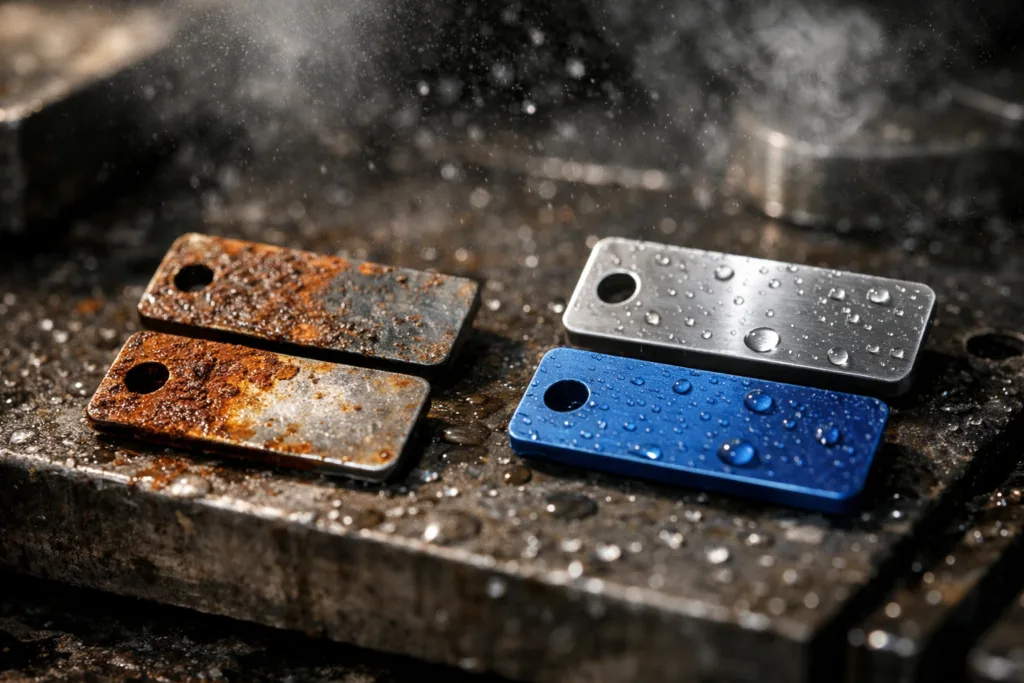
Rust is the visible result of corrosion when metals such as iron or steel react with oxygen and water. This chemical reaction—known as oxidation—causes reddish-brown flakes or patches to form on the tag’s surface. In humid conditions, the combination of high moisture and temperature speeds up this process.
The severity of rusting depends on several factors. Frequent condensation or splashes, salty air, and temperature swings amplify corrosion risks. For example, tags near coastal areas or industrial plants see continuous exposure to corrosive agents, leading to faster rust development.
Visual cues include dulling, pitting, or flaking on metal tags. At first, rust is superficial, but it gradually undermines structural integrity. Surface rust can usually be cleaned, but deeper corrosion impacts the whole tag.
For plain carbon steel, rust may appear in days under humid conditions. Stainless steel and coated metals often withstand rust for years, especially with proper manufacturing and maintenance. Understanding these mechanics is crucial for effective rust proofing and tag longevity.
Material Comparison for Rust Resistance
Choosing the right material is critical for rust proofing metal tags. Let’s compare common options:
- Stainless Steel: Highly resistant to corrosion due to its chromium content. It’s ideal for harsh conditions where rust proofing can’t be compromised.
- Aluminum: Lightweight, won’t rust, but can oxidize or corrode in salty environments. Anodizing enhances its resilience, making it good for humid areas.
- Brass: Popular for its antique look, but more susceptible to tarnishing instead of true rust. Less suitable for highly humid or marine applications.
- Coated Metals: Steel or zinc tags can be powder coated or plated for extra protection. Quality coatings form a barrier, adding years to tag life.
Here’s a quick reference table for choosing materials based on environment:
| Material | Rust Resistance | Weight | Cost | Best Applications |
|---|---|---|---|---|
| Stainless Steel | Excellent | High | $$$ | Marine, Industrial, Outdoor Assets |
| Aluminum (Anodized) | Good | Low | $$ | General Outdoor, Lightweight Items |
| Brass | Medium | Medium | $$ | Aesthetic, Indoor Use |
| Powder-Coated Steel | Good* | High | $ | Budget, Indoor/Moderate Outdoors |
*Powder coating often slows rust but requires periodic inspection for chips or scratches. For a deeper dive on material hardness and scratch resistance, see How to Choose the Right Tag Material: Expert Insights on Scratch Resistance and Hardness.
Ultimately, consider tag location, required lifespan, and budget when selecting your material for rust proofing. Stainless steel is the go-to for environments demanding uncompromising durability, while anodized aluminum provides a balance of lightness and resilience for many industrial tags.
Manufacturing Methods and Their Impact on Rust Resistance
Manufacturing techniques can impact how well metal tags resist rust, even if you’ve picked the right material. Let’s explore some common methods:
Laser Engraving: This method vaporizes the surface layer, resulting in precise, permanent markings. On stainless steel and anodized aluminum, it doesn’t compromise base corrosion resistance, making it ideal for rust proofing applications.
Stamping: Tag designs are pressed into the metal, typically with high force. Stamped stainless steel tags perform well, but stamping can expose raw edges on softer metals—areas vulnerable to moisture and rust if not finished or coated.
Regarding etching, chemical techniques use acid or electrolytes to create detailed graphics. Mechanical etching (like diamond drag) is best for hard metals. While both can affect surface coating integrity, proper sealing or overcoating restores rust-proof properties.
Protective coatings applied during or after manufacturing—including powder coating, anodizing, or even wax—seal exposed surfaces and improve longevity. Consider manufacturing in sync with your rust proofing goals, and consult tag specialists when in doubt. Rain Chen, from UC Tag, notes that pre-anodizing aluminum before CNC engraving yields consistently rust-resistant tags for outdoor use.
For more details comparing laser engraving and diamond drag, see Metal Tag Marking Showdown: Laser Engraving vs. Diamond Drag for Depth and Durability.
Finishing Techniques for Enhanced Durability
Proper finishing is the frontline of rust proofing. Each finish offers different levels of protection, appearance, and maintenance ease.
Galvanization: Steel tags are coated in zinc, offering an affordable, highly effective shield against corrosion. Galvanized tags are common in high-humidity and marine industries for their proven record.
Anodizing: Anodized aluminum not only looks sharp but creates a durable oxide layer, improving scratch resistance and rust proofing. It’s ideal for color-coded tags.
Powder Coating: This process creates a thick, hard shell that resists chips and scratches. Tags with powder coating remain legible, but choose contrasting colors for maximum readability.
Protective Sprays and Waxes: These are useful for tagging in aggressive environments but require re-application as part of routine maintenance.
- Select galvanization for outdoor assets exposed to rain or splashes.
- Use anodized finishes for tags needing color and corrosion resistance.
- Powder coating works where visibility and robust handling are priorities.
- Sprays and waxes are last-resort buffers or for maintenance touch-ups.
For detailed strategies on finishing for color retention and corrosion, see UV Resistance Masterclass: Stop Color Fading on Outdoor Metal Equipment Tags and How Salt Spray Testing Secures Durable Marine & Outdoor Tags.
Environmental Factors to Consider
Tag environment dictates how quickly corrosion can strike. Metal tags used near the sea face higher risks due to salt, which accelerates rusting. High humidity, rain, and splashing raise the stakes in tropical climates and heavy-duty industrial plants.
Temperature swings cause condensation, and if a tag’s surface remains damp, rust forms faster. Marine, chemical, and manufacturing facilities are critical environments needing enhanced rust proofing.
UV exposure not only affects paint and coatings but also weakens surface treatments intended to protect against corrosion. Choose UV-resistant finishes for tags that see full sun.
Recommendations: Always match metal tags to actual location demands. For marine and outdoor assets, select stainless steel or anodized aluminum with sealed edges. Regular inspection catches early damage—don’t skip this step if your tags operate in hostile environments.
For tips specific to high-salinity and UV situations, reference The Shining Standard: 17 Practical Ways High Polish Mirror Finish Transforms Luxury Tags.
Design and Specification Checklist
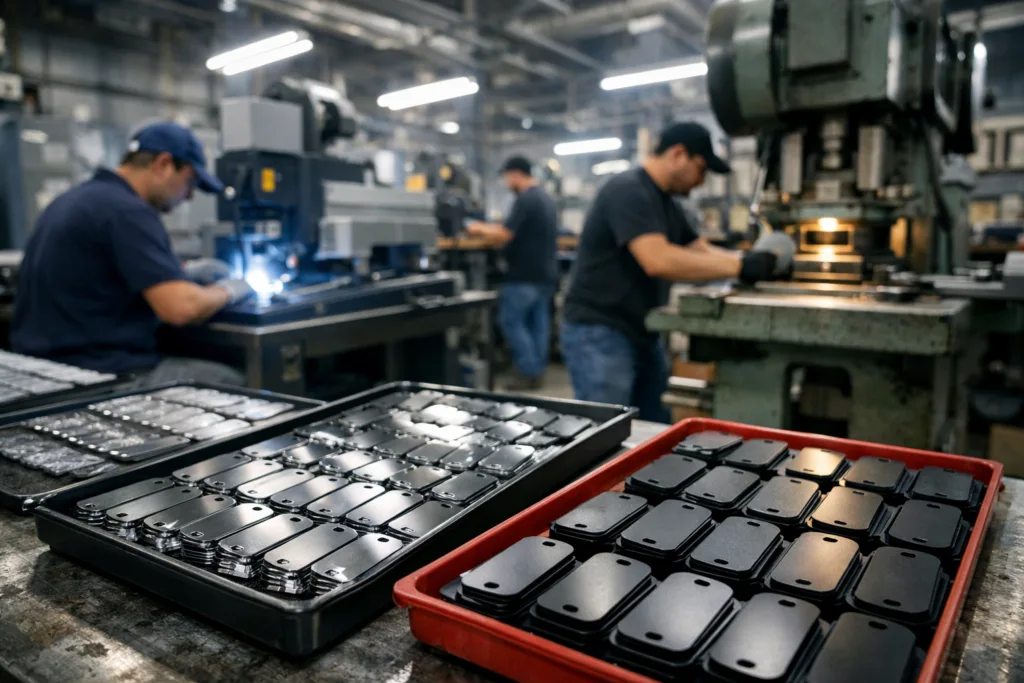
Effective rust proofing starts with smart design. Use this checklist to optimize your metal tags for humid environments:
- Thickness: Prefer 0.8mm or higher for outdoor/tough environments to resist bending and pitting.
- Finish: Choose rust-resistant coatings like anodized aluminum or powder coating for maximum lifespan.
- Readability: Opt for laser-engraved or deep-stamped fonts to keep identification clear as tags age.
- Attachment: Consider rivet holes or industrial-grade adhesive for secure mounting, tailored to your location and application.
- Tolerances: Specify ±0.05mm for high-precision applications, ensuring tags fit securely and resist vibration-induced separation.
Here is a design specification comparison table to guide your choices:
| Feature | Recommendation | Rationale |
|---|---|---|
| Material | Stainless Steel or Anodized Aluminum | Best for resistance in humid/salty environments |
| Thickness | ≥ 0.8mm | Structural durability, corrosion resistance |
| Finish | Powder Coat, Anodize, Galvanize | Extended lifespan, improved aesthetics |
| Font | Sans-serif, bold, laser-engraved | Long-term readability, minimal fading |
| Attachment | Rivet holes, 3M adhesive | Secure fixing, minimizes moisture ingress |
The right spec avoids premature corrosion and supports compliance. For more about tag thickness and its impact on durability, read How to Find the Perfect Luggage Tag Thickness: Durability, Material Choices & the Ultimate Bend Test.
Best Practices for Maintaining Metal Tags
Even the best rust proofing needs active maintenance. Regular cleaning removes moisture, grime, or salt deposits that could undermine coatings.
Inspect tags monthly for sign of rust—especially around edges, attachment points, and cutouts. Early detection lets you clean or re-coat before serious damage sets in.
For outdoor tags, rinse with fresh water and soft cloth after prolonged exposure. Indoor tags still benefit from dusting, as particulates can attract condensation.
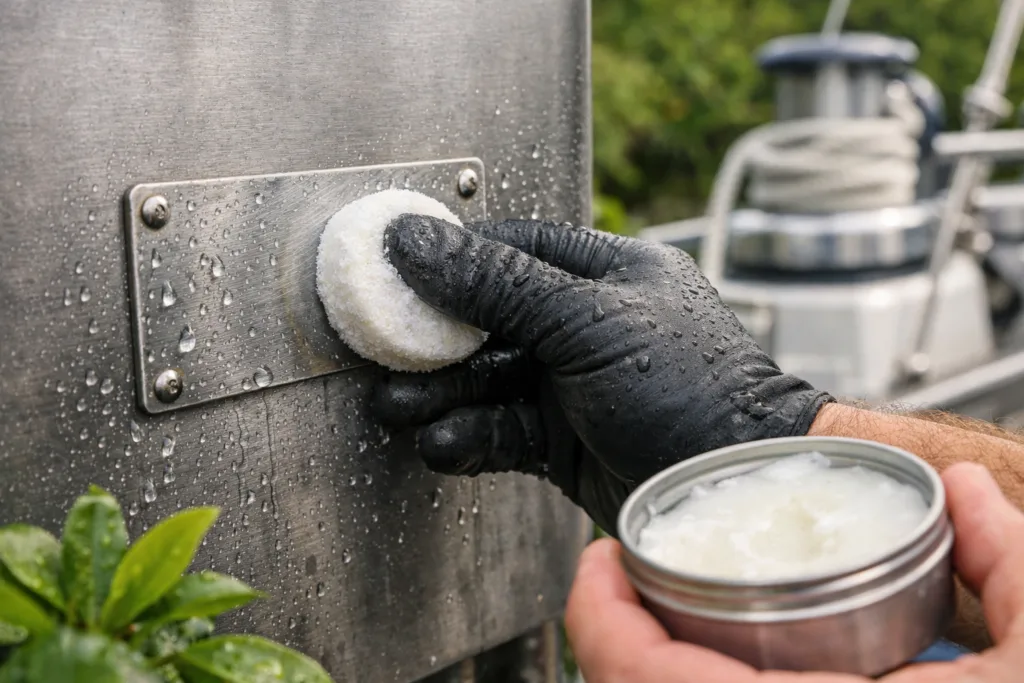
Apply wax or protective spray annually in marine, chemical, or tropical settings for an extra buffer.
Maintain a simple record of cleaning and inspections. This proactive approach supports warranties and compliance auditing. For maintenance reminders and tips, see Expert Guide: Which Waterproof Metal Tags Survive Swimming and Washing Machines?.
Common Mistakes to Avoid
When specifying metal tags, certain errors can lead to corrosion and early failure. Avoid these pitfalls:
- Poor readability from intricate fonts or matte finishes that obscure text after weathering.
- Choosing adhesive not rated for wet or salty settings; only use proven adhesives like those recommended here.
- Material and finish mismatches—like steel tags with thin paint in marine locations—which accelerates rust.
- Overlooking tolerance specs, resulting in loose tags vulnerable to vibration or ingress.
- Neglecting to address peeling, chipping, or fading by skipping scheduled inspection and touch-up.
Ensuring consistent QA keeps metal tags functional and readable for years. For more about secure attachment, see rivet-on garment tags.
Industry Applications and Use Cases
Industries operating in humid environments rely on rust proofing for their metal tags. Here’s how:
Marine and boating sectors need tags that comply with identification regulations. Stainless steel serial number tags stand up to salt spray and frequent immersion.
Manufacturing plants use metal tags for asset tracking. For high-moisture settings, anodized aluminum QR/barcode tags provide readable, corrosion-resistant identification—especially useful for automated systems.
In agriculture, tags label machinery and livestock. Durable coating is crucial to withstand rain, humidity, and routine washing.
Warehousing, logistics, and shipping operations require asset and package tags that endure repeated handling and variable climates. Tags with powder coatings deliver optimal performance for equipment, crates, and tracking devices.
Rain Chen from UC Tag shares, “Clients in marine and outdoor industries often select deep-stamped stainless steel tags with mirror polish for long-haul reliability. This combination guarantees legibility and rust proofing despite years of harsh exposure.”
For additional real-world examples, see classic military dog tags and brushed metal logo tags.
Ordering Guide for Custom Metal Tags
When ordering custom metal tags designed for rust proofing, keep these key steps in mind:
MOQ: Minimum order quantities differ by material. Stainless steel often starts around 100 pieces; aluminum may be flexible from 50 units upward.
Lead Times: Expect 10–20 business days for standard tags, or up to 30 days with complex finishes like dual plating or intricate cutouts. Laser engraving typically delivers the fastest turnaround.
Specifications & Proofing: Clearly communicate artwork, dimensions, and finish requirements. The proofing stage lets you confirm details—UC Tag provides digital proofs for review before production begins.
Packing & Shipping: Tags are typically polybagged or boxed with protective liners. For international delivery, specify customs paperwork needs and preferred courier.
To streamline sample selection, visit custom metal tag samples.
Frequently Asked Questions
What is the best material for tags in humid environments?
Stainless steel and anodized aluminum are top choices—they offer superior rust proofing and can last for years in wet or corrosive environments without loss of readability.
How can I prevent rust on my metal tags?
Choose materials with proven resistance, apply protective finishes like powder coating or anodizing, and perform regular cleaning and inspection to catch early signs of corrosion.
What finishes provide the best rust resistance?
Galvanization for steel, anodizing for aluminum, and high-quality powder coatings all provide excellent rust proofing, especially in outdoor or marine applications.
How do environmental factors affect tag longevity?
Humidity, salinity, temperature swings, and UV exposure all accelerate wear. Matching the tag’s material and finish to its location is the simplest way to ensure long service life.
What maintenance is required for metal tags?
Clean tags regularly, inspect monthly for rust or damage, reapply protective sprays annually if needed, and keep documentation of maintenance for compliance and warranty support.
Can I order custom sizes and shapes?
Yes, most manufacturers—including UC Tag—offer custom dimensions, die-cut shapes, unique hole placements, and various finishes to meet specific application requirements.
Related Reading
- Boost Marine Tag Lifespan: Salt Spray Testing Shows What Survives
- Stop Fading and Save Your Tags: Master Outdoor UV Resistance Strategies
- Choose Tags That Last: Expert-Approved Materials for Scratch Resistance
- Never Lose a Tag: Find the Perfect Thickness for Maximum Durability
- Engraving Showdown: Get Sharp, Rust-Resistant Metal Tag Markings