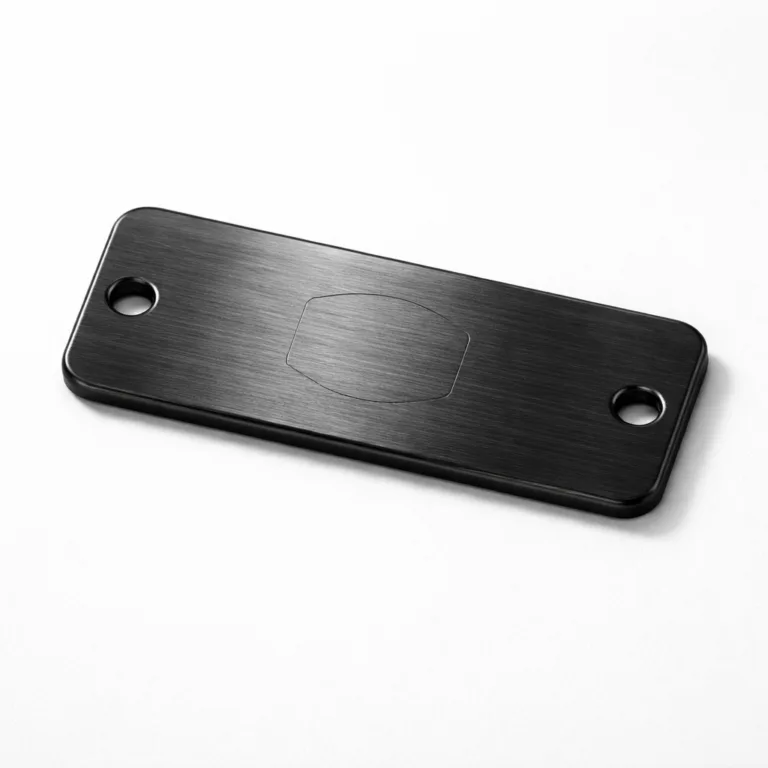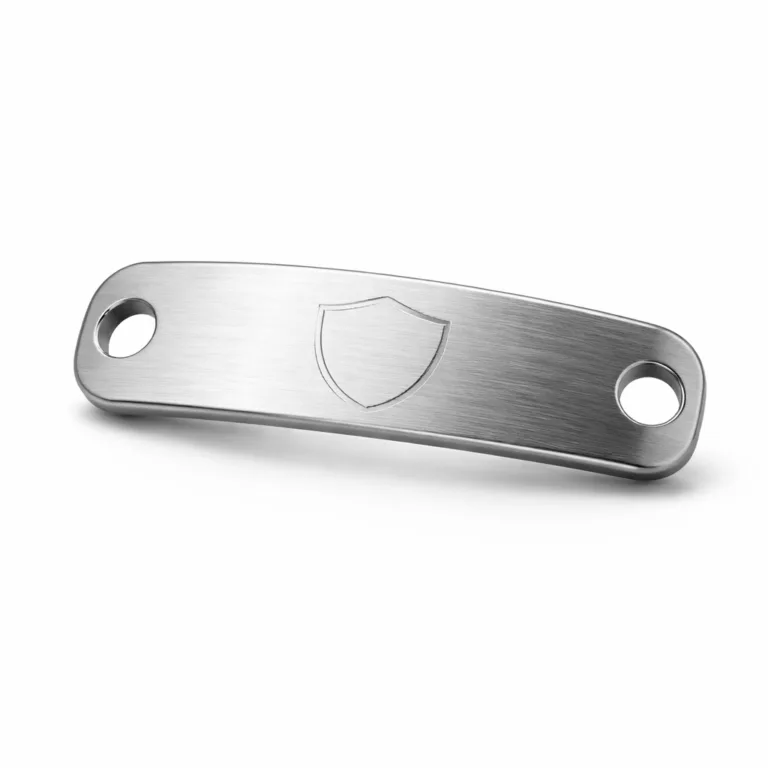
When stakes are high and deadlines are looming, businesses often turn to Rush Orders and Expedited Production to get custom metal tags manufactured faster than standard lead times. This article explores exactly what’s at play—timelines, costs, and trade-offs—so B2B procurement professionals and engineers can make smart, cost-effective decisions without compromising durability or clarity.
Understanding Rush Orders
Rush orders in metal tag manufacturing refer to requests where production and delivery must be prioritized ahead of standard queues. These are critical tools for procurement managers and engineers when project timelines change unexpectedly or urgent compliance issues arise.
Common scenarios for rush orders include last-minute asset identification before audits, urgent rollout of new branding on finished goods, or fulfilling safety requirements after process changes. In these cases, an expedited timeline can mean the difference between compliance and costly delays.
Industry standards for rush orders vary. While standard production windows are typically 2–4 weeks, rush orders can compress this to 2–7 business days, depending on manufacturer capacity, the complexity of the tag, and material availability. Always clarify what constitutes a “rush” timeline with your supplier—definitions of ‘fast’ differ between shops and project types.
Fast-tracking a metal tag order changes the entire workflow. Design revisions, material prep, and finishing steps are moved up the queue. This level of urgency demands accurate, finalized specifications upfront to minimize back-and-forth—a critical difference compared to routine orders where minor adjustments are possible mid-process.
- Short-notice compliance requirements
- Out-of-stock or lost asset tags that must be replaced immediately
- Brand launches or special events needing identified items
- Sudden scale-up in inventory requiring rapid traceability
Defining expectations—and what ‘expedited’ means for your specific job—should be your first step when discussing rush orders with any metal tag manufacturer.
Typical Timelines for Expedited Production
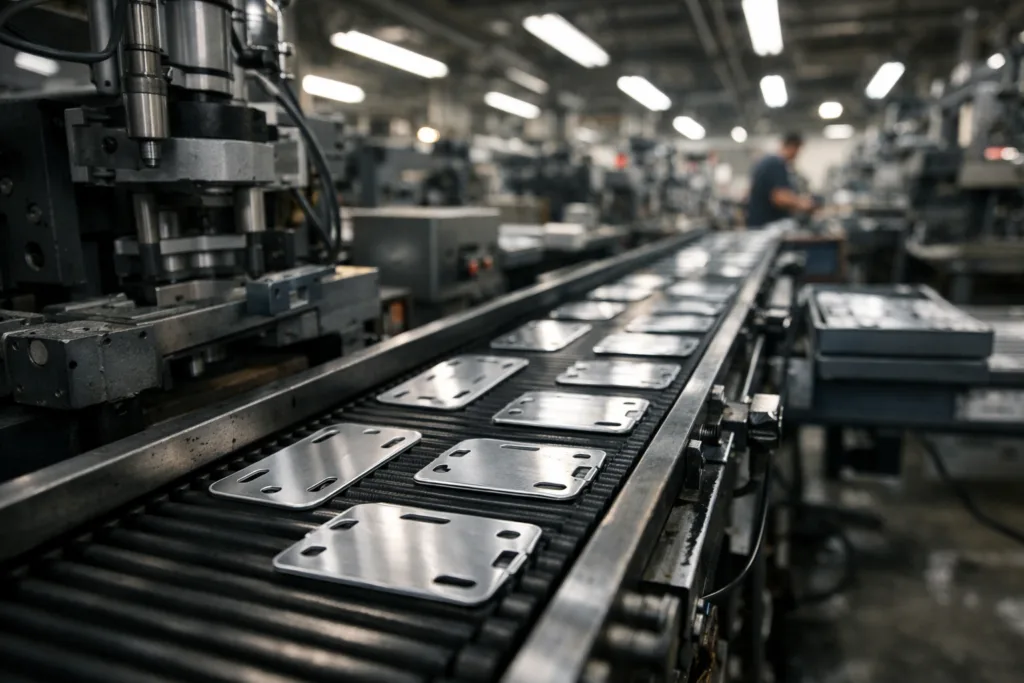
Understanding the true time requirements for expedited production helps procurement and engineering teams set realistic targets. For metal tags, timelines are shaped by three main stages: design approval, manufacturing, and finishing/packaging.
Benchmarks vary by type. Laser-engraved aluminum asset tags, for example, can often be produced in 2–4 business days. Stainless steel nameplates with stamping or etching may require 5–7 days, due to extra prep and finishing. Custom shapes, color fills, or added adhesives can extend production time further.
Here’s how typical production stages break down on a rush timeline:
- Design/Proof Approval: 1 business day (if artwork is press-ready)
- Material Cutting/Prep: 0.5–1 day for common metals in stock
- Marking (engraving/etching/stamping): 1–2 days, depending on complexity
- Finishing/Backing/QA: 1 day for basic finishes, up to 3 days for advanced plating, colors, or adhesives
- Packing & Shipping: Next-day for overnight options
The exact timeline for expedited production depends on several factors:
- Material / Thickness: In-stock aluminum tags are fastest; custom alloys or thick brass may require sourcing time
- Manufacturing Method: Simple engraving or laser marking is quickest; deep stamping or chemical etching increases turnaround
- Quantity: Small batches (under 500 pieces) move faster than high-volume orders
- Special Features: Custom shapes, cut-outs, or special adhesives add finishing steps
- Proofing Delays: Errors or changes at the proof stage can stall even the best-planned rush order
Example timelines from industry experience:
- Simple 100-piece run of laser-engraved aluminum tags: 2–3 business days
- 300 stainless steel logo plates (chemically etched): 4–7 business days
- Custom-shaped brass tags with color enamel: 7–10 business days
Factors that can lengthen rush production: unavailable raw materials, incomplete vector artwork, and last-minute design changes. If you’re on an urgent schedule, clarify stock status and submit finalized designs to minimize bottlenecks.
Extra Costs Associated with Rush Orders
Rush Orders and Expedited Production almost always come with additional costs beyond the base price of standard production. It’s crucial to understand where these extra charges come from—and how they can be managed.
Typical markups for rush orders in metal tag manufacturing range from 20% to 100% over standard rates, depending on how dramatic the lead time reduction is and how much overnight labor or workflow disruption is required. For very tight deadlines (same-day or 24-hour turnaround), a flat fee or a per-unit surcharge is often added.
| Cost Factor | Description | Typical Impact |
|---|---|---|
| Rush service markup | Premium on labor/overtime & workflow disruption | 20–100% increase |
| Expedited shipping | Overnight/priority carrier charges | $40–$300+/order |
| Material upcharges | Procurement of rare/specialty metals on deadline | 5–20% increase |
| Design changes | Last-minute artwork modification or proof edits | $25–$100/change |
| MOQ surcharges | Waiving or lowering minimum quantities | $50–$200/order |
Hidden costs can sneak up as well. Overtime labor during nights/weekends, machine recalibration for odd-sized tags, and expedited material shipping may not be obvious in your initial quote. Some suppliers also charge priority-line fees to bump your project to the front.
Material choice impacts costs: standard-thickness aluminum is the most affordable and available for rush; thick brass or multi-step plated steel not only costs more, but also takes longer to process, increasing your actual rush premium.
Design complexity is another multiplier. A simple rectangular asset tag with laser text is far cheaper to rush than a die-cut, color-filled logo plate with multiple processes. Approvals delayed by unclear specification or missing vector files will further inflate the bill.
Real-world example: A customer requested custom serial number plates with embossed numbering and a custom cut-out within 5 days. Because tooling for embossing needed overnight machine time and the metal had to be imported, total rush fees reached 1.5x the standard quote. Advance planning and simplified design could have halved that rush cost.
Materials Comparison for Rush Orders
Material selection is critical in expedited production. Aluminum, stainless steel, and brass are standard choices, but their suitability under tight timelines varies greatly.
| Material | Production Speed | Cost Impact | Recommended Uses |
|---|---|---|---|
| Aluminum | Fastest (stocked sheets, cuts/engraves quickly) | Lowest rush cost | Asset tags, equipment IDs, QR/barcode labels |
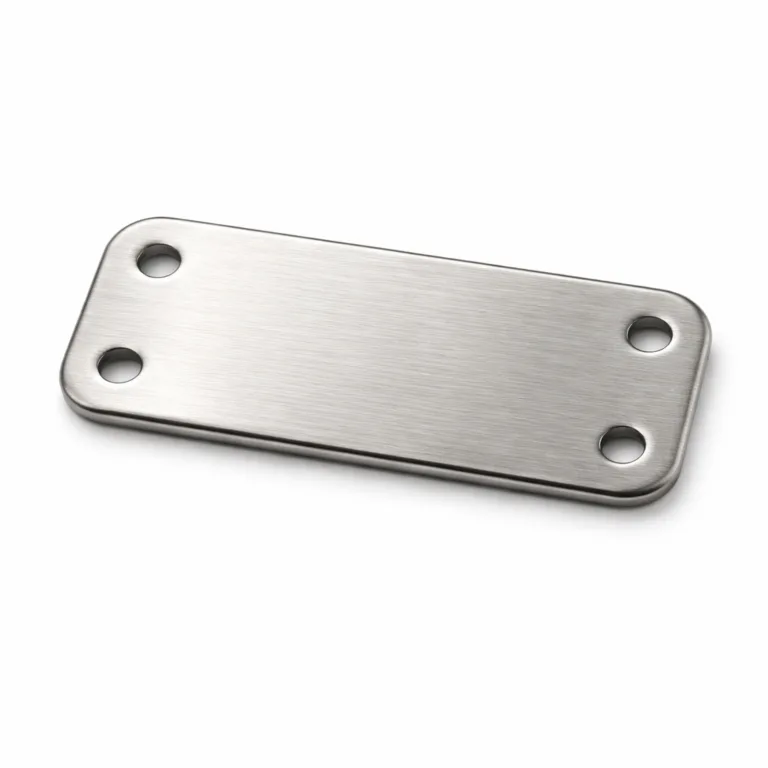
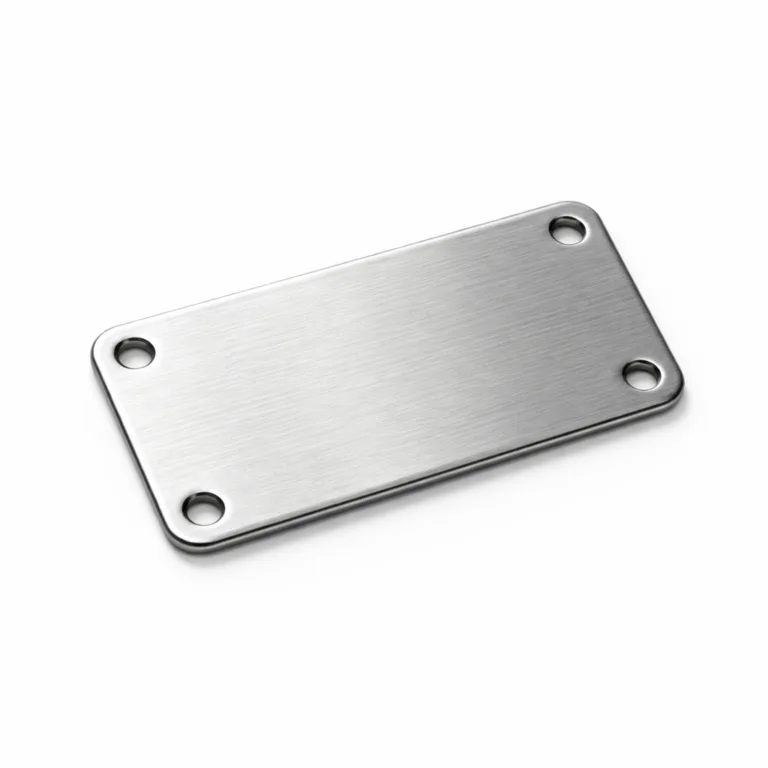
| Stainless Steel | Moderate (slower to cut/mark, harder) | Higher labor | Outdoor, high-abrasion, branding plates |
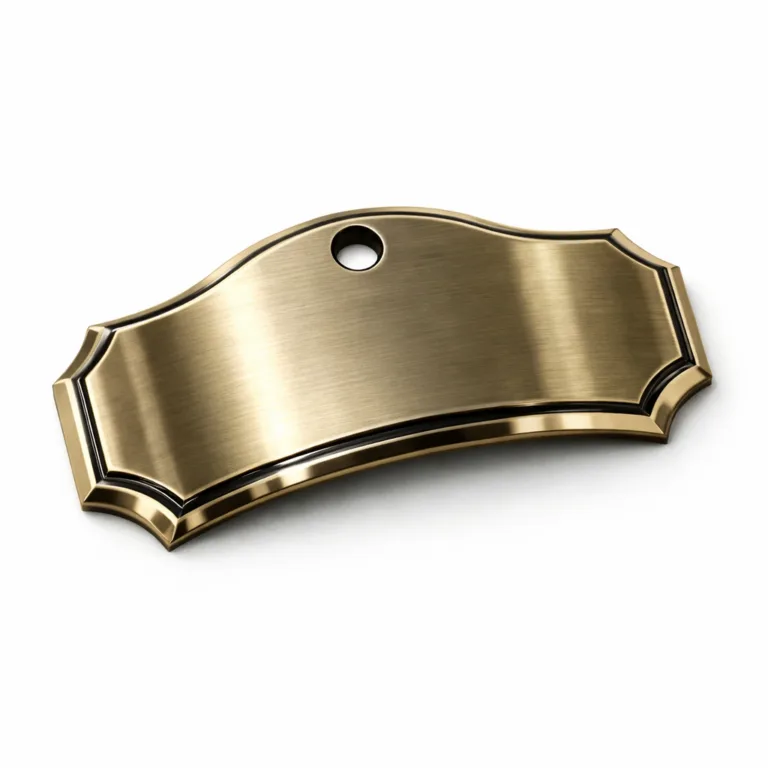
| Brass | Slowest (limited stock, needs polishing) | Premium pricing | Decorative, luxury or vintage tags |
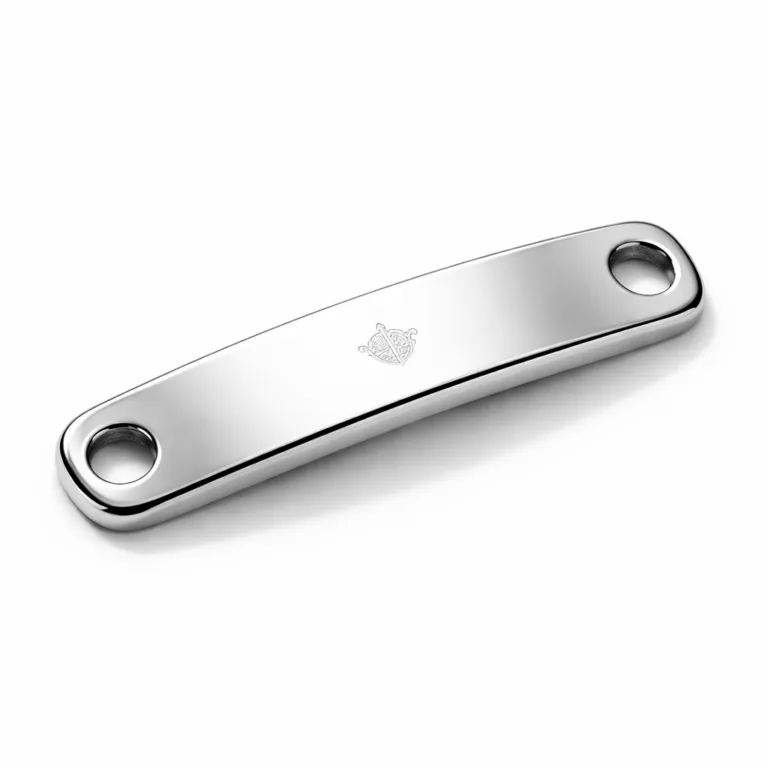
Aluminum tags lead for warehouse programs, inventory labeling, and rapid asset marking projects. Stainless steel, while costlier and a bit slower to process, delivers long-term resilience for harsh industrial applications. Brass is best reserved for when appearance is paramount and lead time is more flexible.
Finishing options (such as anodized colors for aluminum, or embossed finishes on stainless) also influence turnaround. Anodizing adds a day or two, while stock satin finishes or matte laser marks can often ship same or next day.
Finding the right trade-off between speed, cost, and application requirements is essential. Need help choosing the right metal + finish? UC Tag can recommend options for your application.
Manufacturing Methods: Implications for Timing and Costs
The production method chosen for your expedited order greatly impacts both delivery time and total cost. Not all methods scale equally for rush orders.
- Laser Engraving: Fastest setup and marking—most suitable for simple ID or asset tags; supports same-day to 2-day turnaround
- Stamping: Efficient for high-volume, simple shapes, but requires tooling (adds 1–2 days for custom dies or changeovers)
- Chemical Etching: Adds durability and detail; requires mask prep and chemical handling—average timeline is 3–5 days, not ideal for ultra-rush jobs
- UV Printing: Supports full-color graphics, best for branding plates—quick print setup allows for 2–4 day completion if base metal is prepped
Specialized methods, such as die-casting for 3D emblems or multi-step plating (e.g., rose gold), cannot be truly expedited—they require longer curing, plating, or finishing time. If your rush job demands these finishes, expect trade-offs or consider fallback options like simple laser text or basic anodizing for the first run before full-feature production.
Required tooling changes (for custom shapes or unique logo cut-outs) add anywhere from 1 to 5 days, especially if supplier queue is already backed up. Communication about final specs is critical to avoid extra cycles due to inadequate initial artwork. The right choice depends on your tag’s intended use, needed durability, and how much you can sacrifice on custom features vs. speed. For tips on design and attachment, see 5 Costly Design Mistakes That Stall Your Custom Tag Order.
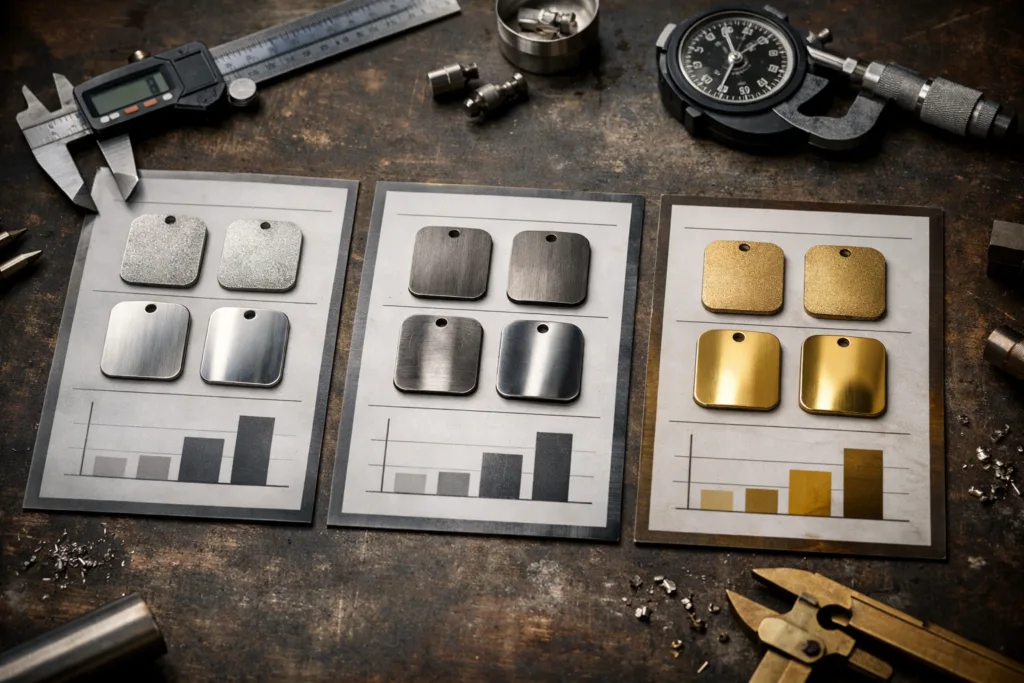
Remember, some methods prioritized for speed (such as basic engraving) may limit your design or color options compared to complex stamping or etching. Weigh urgency against long-term performance—a rushed, low-contrast mark may create downstream readability or compliance issues.
Design & Spec Checklist for Rush Orders
For rapid production, clear design and specification are non-negotiable. Use this checklist to ensure your rush order flows smoothly and avoids time-consuming errors.
| Spec Item | Optimal for Rush? | Notes/Trade-off |
|---|---|---|
| Size/Shape | Standard rectangle/circle | Custom shapes require new tooling/time |
| Thickness | Standard (0.5–1.0mm for alu/steel) | Thicker options need additional prep |
| Finish | Stock matte/satin/anodized | Specialty finishes add days |
| Artwork | Vector, proof-ready | Editable files prevent wait-time |
| Readability | High-contrast, simple fonts | Small or ornate text delays proofing |
| Attachment/Backing | Standard holes/3M adhesive | Custom adhesives or hardware = extra time |
Prioritizing readability is vital. Use the minimum font size for your process—see Expert Font Size Guide: Choosing the Minimum Legible Text for Metal Tag Engraving and Stamping—and avoid ornate logos that slow down proof approvals.
For rush jobs, submit artwork in vector format; avoid JPEGs or low-res files that require conversion. For a fast, reliable transition from design to production, check out Step-by-Step: Transform JPEG Logos Into Dynamic Cut-Out Designs for Metal Tags.
Ensure all specs are clear—dimensions, hole placement, finish, and text formatting. Communicate proactively and respond quickly to supplier questions to avoid delays.
Durability Testing & Performance Criteria
One concern with expedited production is maintaining long-term tag durability. Even in rush scenarios, it’s important not to skip critical performance checks.
Key tests your supplier should perform include:
- Salt spray/corrosion resistance (especially for outdoor or marine tags)
- Abrasion/impact testing for industrial environments
- UV/fade-resistance for color or plated finishes
Rapid production doesn’t necessarily mean skipping quality checks—but it may mean using proven, standard finish options that have a record of passing these criteria. In production at UC Tag, Rain Chen emphasizes: “We select pre-qualified finishes for rush orders. Custom or experimental coatings may not clear performance tests in a compressed timeline, so we recommend stock finishes for mission-critical tags.”
For applications requiring extra longevity, work with suppliers to review pass/fail examples, especially for jobs needing chemical or sunlight resistance. Standard aluminum asset tags with anodizing or laser-marked stainless steel are preferred for fast-turn jobs in industrial contexts, as these finishes have a consistent record in testing.
For sector-specific needs (like resisting chemical washdown in food or pharma), clarify all environmental exposures early—custom testing may add days, so opt for materials/finishes with established test results whenever possible. See How to Choose Industrial Tags That Survive Chemicals: A Practical Engineer’s Guide.
Industry/Application Fit for Rush Orders
Rush orders and expedited production are not rare in critical industries. The most frequent use cases include emergency inventory relabeling, urgent equipment replacements, special event branding, or immediate compliance demands.
Examples:
- Inventory Management: Periodic stock audits may reveal missing or worn-out metal asset tags (see Tag Solutions); rapid relabeling avoids data disruptions.
- Branding Launches: Retail or OEM clients may need high-speed logo plate production before unveilings.
- Safety Compliance: Industrial sites require immediate replacement of corroded or illegible warning plates before inspections.
Sectors such as aerospace, defense, automotive, and oil & gas often run on tight schedules and cannot wait for standard production cycles. In these fields, proven materials and designs are prioritized over custom finishes to ensure deadlines can be met without sacrificing critical specs.
Case study: An automotive supplier urgently needed serialized stainless steel tags for engine assemblies after a last-minute contract amendment. Standard shape and high-contrast stamping were chosen to enable 72-hour delivery. The client traded off decorative plating for absolute durability and speed.
Balancing speed with specification—and sometimes flexing on customization—will help you meet both project urgency and quality goals. Ready to streamline your order process? Request a quote or sample today to get started!
Common Mistakes and Troubleshooting
When time is short, mistakes in rush orders can snowball. The most common issues include overlooking material properties, choosing finishes unfit for weather exposure, and failing to clarify font sizes or barcode readability.
- Incorrect material selection: Using non-anodized aluminum for outdoor use leads to premature corrosion; always match alloy/finish to environment.
- Unreadable text or logos: Overly small fonts or low-contrast marks can render tags unusable—prioritize clarity over decorative effects.
- Wrong attachment/adhesive: Specifying the wrong backing (e.g., adhesive on textured surfaces) leads to poor adhesion or peeling. For attachment tips, see Stick-On Metal Logo Tags: How 3M Adhesive Backings Supercharge Durability & Branding Performance.
- Skipping corrosion or durability checks: Rushing to shipment without proofing or proper finish selection can cost twice as much in reorders.
Troubleshooting tips: Always get proofs and samples, even for small runs. Use checklists to confirm specs. Lean on supplier expertise for material/finish recommendations under deadline pressure. Awareness and preparation can prevent risky errors—and keep your project on track.
Effective Ordering Guide for Rush Orders
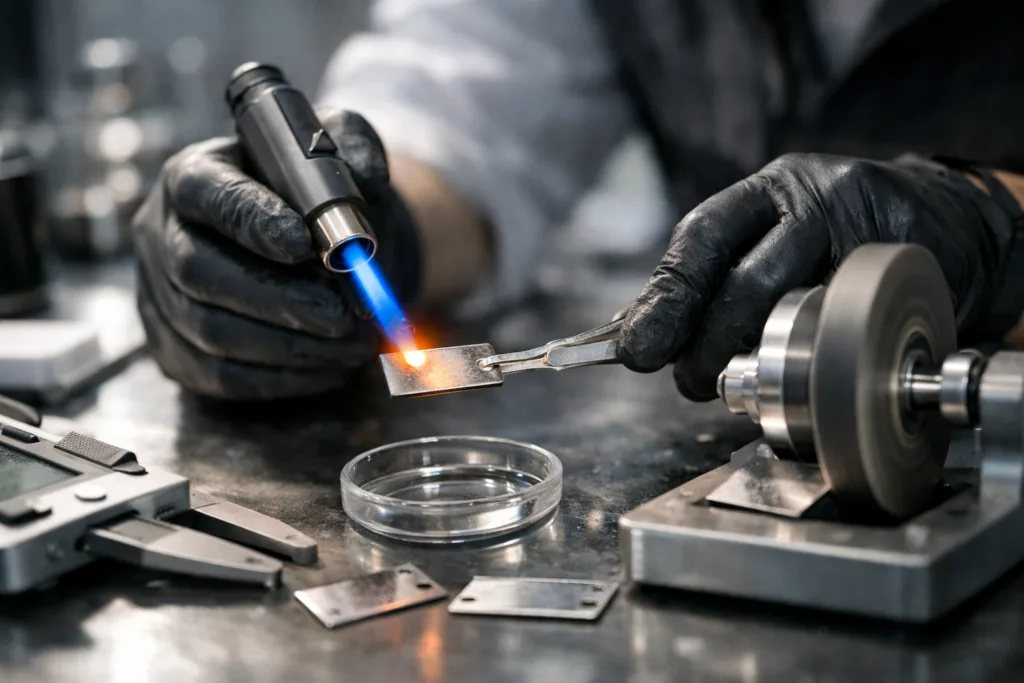
A structured approach is key to successful rush orders. Here’s a step-by-step guide for expedited production of custom metal tags:
- Confirm Minimum Order Quantities (MOQ): Some processes have fixed MOQs; others allow waivers for a surcharge. For more, check Why Custom Metal Tags Require Minimum Order Quantities: Practical Guide for Buyers and Engineers.
- Submit Finalized Artwork/Specs: Use editable vector files and complete specification lists. Revisions after submission extend lead time.
- Define Required Delivery Date: Communicate shipping deadlines and in-hands requirements clearly.
- Request a Proof/Sample: Approve physical or digital proofs to catch issues early. Full approval speeds up production queue entry.
- Review Packaging Needs: Specify if tags should be grouped, bagged, kitted, or labeled—special packaging may add 1–2 days.
- Plan for Shipping: Confirm availability of expedited shipping options and clarify delivery address accuracy.
- Maintain Clear Communication: Respond rapidly to supplier questions, design clarifications, or approval requests.
By taking a systematic approach to expedited production, buyers can greatly reduce the risk of last-minute errors and ensure the fastest possible delivery without cost blowouts.
Frequently Asked Questions
How fast can I get a rush order produced and delivered?
Lead times for rush orders range from 2 to 7 business days for most metal tags, depending on complexity, material, and manufacturer workload—be sure to clarify timelines with your supplier before placing the order.
What extra fees should I expect for expedited production?
Rush orders can include service markups (20–100% over standard), priority shipping charges, overtime labor, and possible minimum quantity surcharges; always request a full breakdown in your quote.
Which materials allow the quickest turnaround for metal tags?
Aluminum is almost always the fastest for expedited production due to stocked sheets and fast processing; stainless steel tags take a bit longer, while brass may add days to the timeline.
How do design changes impact rush order timing and cost?
Any last-minute design modifications or unclear specifications can cause major delays and added fees, so prepare finalized artwork and detailed specs before submitting your rush order.
Will a rush order compromise durability or performance?
If standard, proven materials and finishes are selected, rush orders can still meet high durability standards—but opting for untested coatings or skipping testing may risk long-term performance.
Can I get a proof or sample for a rush order?
Most suppliers offer digital proofs and quick samples for rush orders, but final approval must be fast; allocating extra time for this up front helps ensure accurate results and avoids production errors.
Related Reading
- Avoid Hidden Pitfalls: Design Mistakes That Slow Down Your Custom Tag Order
- Unlock Savings: Why MOQs Matter for Custom Metal Tags
- Boost Legibility: Expert Font Size Tips for Metal Tag Engraving & Stamping
- Secure Your Tags: How to Choose Durable, Chemical-Resistant Industrial Tags
- Transform Artwork Fast: Converting JPEG Logos Into Production-Ready Metal Tag Designs
- Achieve Stronger Bonds: How 3M Adhesive Backings Improve Metal Logo Tag Performance