Introduction to Reordering Manufacturing Batches
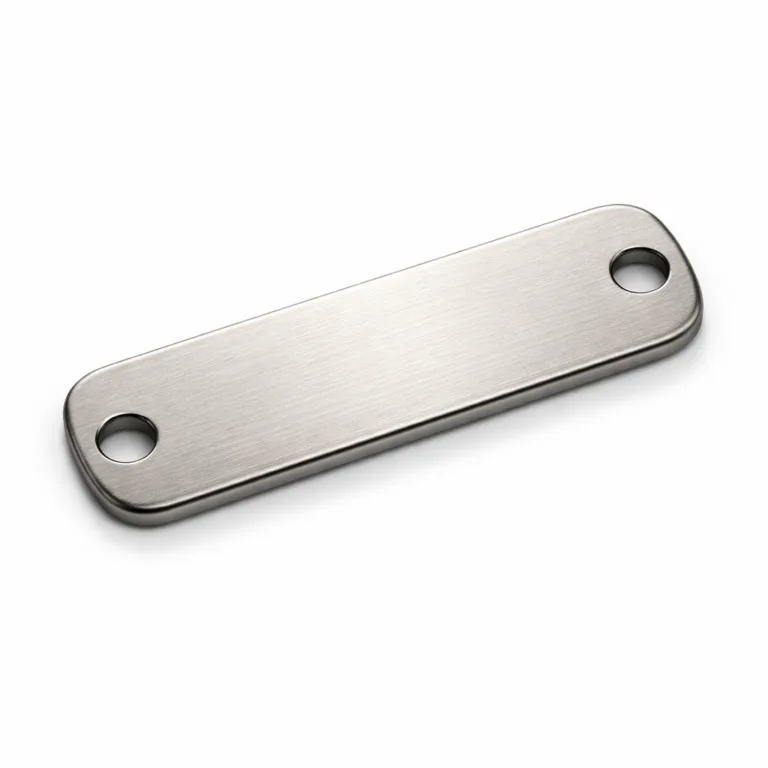
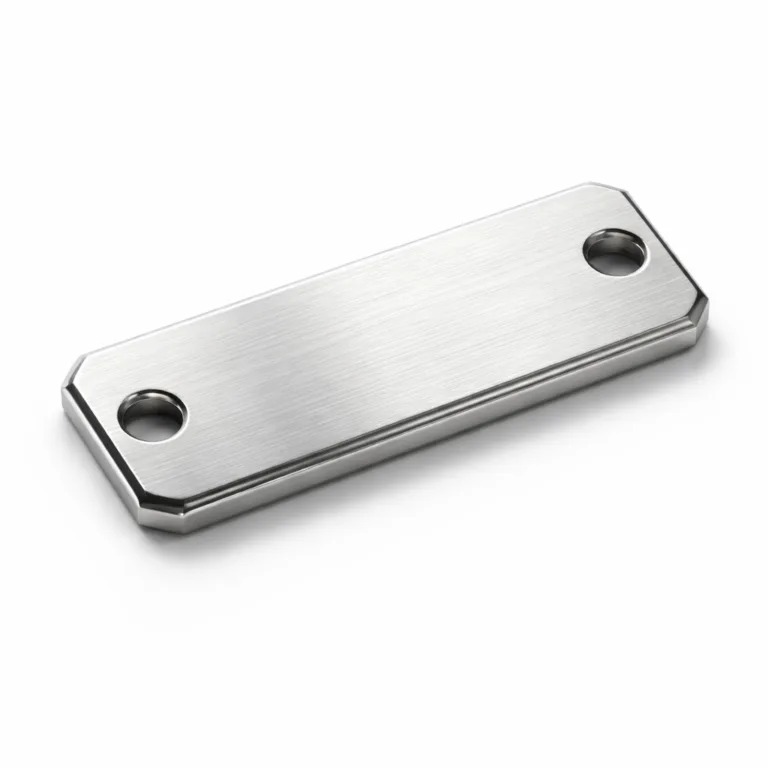
Reordering in manufacturing means placing a repeat order for a product whose design, specifications, and tooling have already been established. For procurement managers and engineers, this is more than a repeat purchase—it’s a strategic move with real financial benefits. The most significant cost advantage comes from skipping mold fees, an expense typically applied to only the first manufacturing batch. These one-time charges cover the production of custom molds, dies, or tooling necessary to fabricate unique parts, such as metal tags or identification plates.
On an initial order, mold fees can make up a significant portion of your total, especially for short runs or new product launches. However, once the initial batch is complete and the mold is ready, reordering eliminates this upfront cost, leading to considerable cost savings. In today’s competitive manufacturing environment, understanding how mold fees impact budget planning is essential for anyone looking to optimize spending and supplier relationships. Recognizing the dynamics of reordering, cost savings, mold fees, and manufacturing is vital for smarter sourcing decisions and long-term value.
Understanding Mold Fees and Their Impact

Mold fees refer to the one-time costs manufacturers charge for creating the custom tooling or molds used in the production of bespoke parts. These tools shape, form, or emboss the raw material—metal, plastic, or other substrates—into your specified design. The initial investment is often necessary to ensure quality and repeatability in mass production.
Mold fees are calculated based on factors like mold complexity, material type, size, and labor required. For simple stamped aluminum tags, the fee may be modest, but for 3D logo plates or deep-etched stainless-steel nameplates, costs can become substantial. Mold fees typically only apply to the first batch because the tooling remains reusable for all subsequent orders of the same design.
For startups or those testing a new product, this extra charge can be a major hurdle. For example, a mold fee could be $250 to $800 for a new metal tag. In the plastics industry, custom injection mold tooling may range from a few thousand to tens of thousands of dollars. Businesses ordering only 100 tags for prototyping may find these costs restrictively high, sometimes making short runs economically unviable.
Industries like electronics, automotive, and industrial goods—where unique branding and serialization are required—encounter mold fees for metal enclosures, badges, or component ID tags. In metal tag manufacturing, mold fees have similar implications, particularly for custom shapes or deep 3D features. This is why many manufacturers, such as UC Tag, advise clients to plan ahead, especially when batch size and prototype volume are still being determined. Skipping or minimizing mold fees is key to scaling up efficiently and freeing up capital for other areas.
Benefits of Reordering Without Mold Fees
When businesses reorder custom-manufactured goods, the biggest cost-saving comes from not paying mold fees again. Since the tooling is already made and owned—either by the buyer or the manufacturer—repeat production skips a major line item, instantly lowering per-unit costs.
This direct cost reduction means your second and third batches (and beyond) are cheaper and easier to justify financially. Many suppliers pass on even more savings through economies of scale: when you reorder in bulk, unit prices may drop further as setup time is reduced and materials can be purchased in larger, cost-effective lots.
Reordering contributes to easier budgeting and better forecasting. Without the unpredictability of new mold fees, procurement managers can accurately project spend and negotiate improved bulk rates. For instance, a manufacturer of industrial asset tags may save 20% or more on subsequent orders by leveraging previous investments in molds and process set-up.
- Direct price reduction per reorder
- Smoother approval for high-volume projects
- Better control over cash flow and return on investment
Consistent reordering also leads to improved quality—production teams fine-tune processes with each run, reducing errors and ensuring your tags remain uniform batch after batch. That reliability is valuable in industries like logistics, where asset labels must remain consistent over years of use. Documented case studies show how recurring orders for serial number plates in automotive plants lead to cost savings and uncompromised traceability standards.
Material Comparisons: Choosing the Right Metal for Tags
The material you select for your tags has a direct influence on cost savings, durability, and suitability for reordering. Aluminum, stainless steel, and brass are the most common metals, each bringing unique characteristics to finished tags. Your choice should consider weight, corrosion resistance, wear, and overall project costs.
| Property | Aluminum | Stainless Steel | Brass |
|---|---|---|---|
| Weight | Light | Medium-Heavy | Medium |
| Corrosion Resistance | Good (with anodizing) | Excellent | Good (may tarnish) |
| Strength | Moderate | High | High (softer than steel) |
| Cost (raw material) | Lowest | Higher | Moderate |
| Outdoor Use | Yes (with finish) | Yes | Limited |
| Engraving Details | Sharp | Sharp, deep | Smooth, rounded |
| Visual Finish | Matte/Glossy | Brushed/Mirror | Gold tone |
Aluminum is a popular choice for reordering when lightweight tags are preferred, like luggage tags or key fobs. Its natural oxide layer provides decent corrosion resistance, but anodizing further improves durability, especially for outdoor use. Stainless steel offers superior longevity and holds up well in harsh environments (chemicals, salt, UV), but it’s heavier and often pricier. Brass excels when visual richness is important—luxury branding or decorative nameplates—but it can tarnish over time without proper coating.
When considering cost savings, aluminum often provides the best unit economics for large runs. Stainless steel justifies its premium price in mission-critical, high-wear, or corrosive applications. Brass, while more specialized, adds a premium look in smaller quantities and is often seen in high-end retail branding. Carefully weigh your functional needs against the total landed cost, especially if your reordering plan covers multiple environments or lifecycle needs.
- Lightweight aluminum for travel or serialized asset tags
- Stainless steel for harsh chemicals, outdoor assets, or industrial utilities
- Brass for upscale retail, decorative plaques, or environments with limited abrasion
For additional metal-specific advice, see UC Tag’s analysis: Brass vs. Steel Tags: Which Lasts Longer?
Manufacturing Methods: Finding the Best Fit
The way your tags are fabricated will determine not only design capabilities, but also overall manufacturing cost, lead times, and potential for reordering at scale. Common manufacturing methods for metal tags include stamping, laser engraving, chemical etching, and UV printing—each with unique strengths and trade-offs.
- Stamping: Best for high-volume runs, produces raised or recessed features and can create unique shapes. Upfront mold fees can be high, but unit costs plummet in larger batches or on reorders.
- Laser Engraving: Delivers crisp detail without molds. Flexible for variable data (like serial numbers), but might cost more per unit and may be slower for bulk orders.
- Chemical Etching: Excellent for logos or text too fine for stamping. Setup is more involved, but features are highly durable. Suitable for intricate or multi-depth details.
- UV Printing: Allows full-color images, logos, and QR codes. Fast turnaround, but less durable in outdoor or abrasive environments without additional coatings.
Adjusting for your priorities—speed, cost, tactile features, or color—can help you select the best process. If you anticipate regular reordering, investing in stamping molds often yields the lowest per-tag cost over time despite the initial mold fee.
For procurement teams balancing urgency with quality, keep in mind that processes like stamping require upfront approval of artwork and production proofs, whereas laser engraving and UV printing are more agile for small updates. For more details on lead times and when expedited production is worthwhile, see: Rush Order Metal Tags: What to Expect.
Design & Specs Checklist for Metal Tags
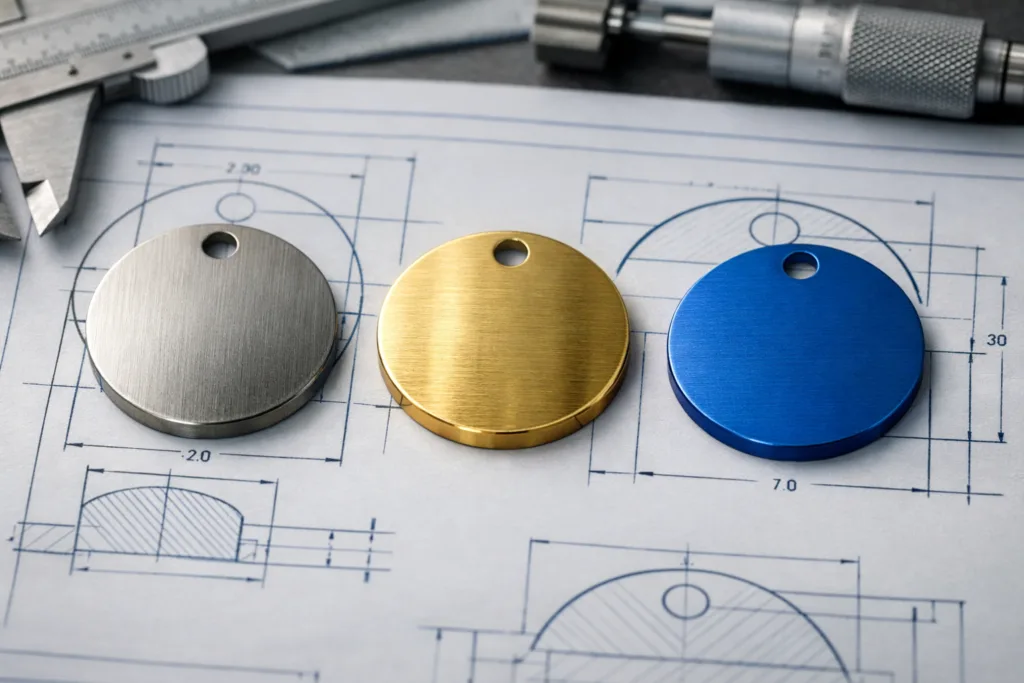
A precise and practical specification is the best foundation for durable, cost-effective manufacturing and reordering. Here’s a checklist to guide your conversations with suppliers:
| Specification | Details & Considerations |
|---|---|
| Size | Length x width (mm/inch); impacts cost and function |
| Thickness | Standard: 0.5mm–2.0mm; heavier tags for extreme use |
| Finish | Brushed, mirror, matte, anodized, or painted—affects appearance and durability |
| Attachment | Holes (diameter, position), adhesive backing (3M, etc.) |
| Readability | Font size, contrast, clear text (see: Expert Font Size Guide) |
| Tolerances | Essential for tight fits; discuss allowable deviation |
- Determine if sequential numbering, variable data, or QR codes are needed.
- Clarify any special coatings or treatments based on environmental exposure.
- Review artwork compatibility (vector files preferred for mold creation).
End-use scenarios drive many of these choices. For example, outdoor asset tags need maximum corrosion protection, while luggage tags benefit from rounded corners and abrasion resistance. Specifying correctly the first time saves future costs and makes reordering seamless. UC Tag’s production experts, led by Rain Chen, note that overlooking readability and attachment options is one of the most common pitfalls in first-run manufacturing—a mistake easily avoided with a thorough checklist.
Durability Testing: Ensuring Long-Term Performance
Reliable long-term performance starts with understanding and verifying durability standards. Cost savings and effective manufacturing depend on tags surviving the real-world challenges they’ll face—corrosion, abrasion, UV rays, and more. For metal tags, several standard tests should be discussed when specifying or reordering:
- Corrosion Testing (including salt spray exposure for marine/outdoor tags)
- Abrasion Resistance (simulated wear from physical contact)
- UV Exposure (testing color fastness, particularly for printed or painted tags)
- Temperature Cycling (important for industrial/freezer tags)
Durability test results help clarify the right combination of base material and protective finish. Industries such as oil & gas or maritime often require salt spray and UV resistance certifications before approving production, especially for applications subject to extreme weather.
When evaluating test results, look for third-party reports or standardized metrics (e.g., number of hours in salt spray with minimal change). If a tag fails to meet standards, manufacturers may recommend a thicker gauge or enhanced surface coating. For buyers seeking references, Salt Spray Testing Secures Durable Marine Tags offers a closer look at these protocols. Vetting durability at the outset ensures smoother, cost-saving reordering without surprises down the road.
Industry Applications: Real-World Examples
Metal tags are used across manufacturing, logistics, retail, and beyond—anywhere robust identification and traceability are vital. Reordering, cost savings, and mold fee management are critical in each scenario.
In manufacturing plants, asset tags track equipment for maintenance and audits. Once molds for these tags are made, periodic reordering saves thousands annually by skipping design and setup fees. In logistics, serialized barcoded tags on pallets or crates streamline supply chain visibility. A logistics operator reported that precise forecasting and reordering from a single mold cut their asset labeling costs by 30% year-over-year.
Retailers leverage reordering by using branded logo plates and bag tags that reinforce their identity across seasonal collections, ensuring visual and material consistency. Reordering from established molds keeps unit costs predictable, even when color or text elements change.
- In hospitality, luggage and keychain tags for hotels benefit from quick reorders as guest counts fluctuate.
- In electronics, serial number and compliance plates made in recurring batches allow for traceability from production to field service.
ROI figures underscore strategic reordering: studies show that over 24 months, skipping repeated mold fees can double the budget available for expansion or upgrades. For further insights tailored to quantity-driven cost optimization, explore: How to Master Bulk Discounts for Metal Tag Sourcing.
Common Mistakes and Troubleshooting Tips
Even experienced buyers occasionally fall into common traps with design, manufacturing, or managing mold fees. Here are typical errors and how to address them:
- Poor Readability: Using fonts that are too small or intricate can lead to illegible engraving or stamping. Confirm minimum text sizes with your supplier and verify contrast levels—especially on darker finishes.
- Incorrect Adhesive or Attachment: Choosing an adhesive backing not suited for the tag’s environment (like using standard adhesive on an oily or uneven surface) compromises performance. Always specify attachment options based on use—see Stick-On Metal Logo Tags: How 3M Adhesives Supercharge Durability.
- Insufficient Specifications: Omitting tolerance and finish details can cause batch rejections or accelerated wear.
- Overlooking Mold Details: Not retaining clear ownership and records of mold designs can result in unnecessary repeat mold fees. Review your supplier’s policies on mold storage and ownership (see: Demystifying Mold Fees and Ownership).
If issues arise post-production, address them in your next order: update artwork, change attachment types, or consult an experienced manufacturer. Early expert guidance and production samples (see: Should You Pay for a Pre-Production Sample?) help catch potential pitfalls before they affect the main batch.
Ordering Guide: Efficient Procurement Practices

A streamlined ordering process is essential for maximizing reordering and cost savings. Here’s a practical guide to ensure efficiency from first inquiry to final delivery:
- Request a detailed quote, specifying size, shape, material, finish, and all design elements.
- Confirm minimum order quantities (MOQ) and how they impact pricing tiers. See: Why Custom Metal Tags Require MOQs.
- Ask about mold fees upfront and clarify policies for future reorders.
- Provide accurate, production-ready artwork—vector files (AI, EPS, PDF) are strongly preferred for quality and accuracy.
- Insist on digital proofs or pre-production samples. Review carefully for dimension, readability, and finish.
- Consider logistics: request secure packaging to prevent tag scratching, and discuss shipping options for speed and cost optimization.
- Engage in transparent dialogue about lead times and flexibility for urgent orders.
For ongoing projects, maintain clear records of all production specs and agreements related to molds or tooling. This enables fast, frictionless reordering. When in doubt, UC Tag’s team recommends early engagement with engineers to identify hidden cost-saving opportunities—especially regarding artwork, MOQ, and shipment batching.
Frequently Asked Questions
What are mold fees and why are they charged for manufacturing metal tags?
Mold fees cover the one-time setup costs for creating tools or dies necessary to manufacture your custom tags, ensuring they match your exact design and specifications.
Can I avoid mold fees entirely by reordering?
You avoid mold fees for identical repeats of a previous order; however, changes to design or size may require a new mold and thus a new fee.
Which material offers the most cost savings for my application?
Aluminum typically offers the best cost savings for large batches and lightweight needs, while stainless steel is worth the investment for enhanced durability in harsh conditions.
How do I ensure my metal tags pass durability testing before reordering?
Request third-party or supplier test reports on corrosion, abrasion, and UV resistance, then review results to verify suitability for the intended environment.
What if I discover a design or specification error after production?
Contact your manufacturer immediately, update your design files, and include new instructions with your next order; some corrections may require a new mold or setup.
Why do some manufacturers charge mold fees again, even after a first production run?
This often happens if the mold is lost, damaged, or owned by another supplier—clarify mold ownership and storage terms upfront to avoid unnecessary extra fees.
Related Reading
- Stop Paying Double: The Truth Behind Mold Fees & Ownership Rights
- Get the Real Cost Breakdown: How Material & Design Choices Impact Your Metal Tag Quote
- Mass Production Without Surprises: Why Pre-Production Samples Are a Smart Investment
- Unlock Bulk Discounts: Sourcing Strategies for High-Volume Metal Tag Orders
- Avoid Ordering Delays: The Top Design Mistakes That Stall Metal Tag Production