If you are comparing a qr code dog tag with a traditional engraved tag, the real question is not which idea sounds newer. It is which setup helps someone contact the owner quickly when a pet is found. In real life, pet recovery depends on speed, visibility, durability, and how easily a stranger can act in the moment. Some finders will scan a code. Others will only read what is visible on the tag. That is why buyers should compare digital convenience with immediate readability rather than assuming one format automatically replaces the other.
For brands, retailers, shelters, and private label pet product buyers evaluating custom dog tag manufacturing support, the important details usually go beyond shape and appearance. We look at material choice, engraving depth, code contrast, ring strength, noise preferences, sample approval, scan testing, and bulk consistency so the final tag works not just on a product page, but on an active pet collar in daily use.
What a QR code dog tag is and how it works
A QR code dog tag uses a machine-readable code that links to digital pet and owner information. After scanning the code with a smartphone, the finder may see the pet’s name, owner contact details, address preferences, medical notes, or recovery instructions depending on the system used by the brand or pet owner.
The biggest advantage is information flexibility. A small tag can connect to more data than can fit on a standard engraved surface. That makes QR formats attractive for owners who want backup contacts, medication notes, or travel-specific information without overcrowding the tag face. In custom production, we also see interest in QR code dog tag options for promotional pet brands and subscription-based ID systems because the code can be tied to a digital profile rather than fixed text only.
However, the code itself must remain easy to scan. That means adequate size, good contrast, clean edge definition, and a surface that does not wear into a reflective blur too quickly. A QR tag can be modern and useful, but only when the marking method, finish, and layout are chosen carefully.
What traditional engraved dog tags are and why they still matter
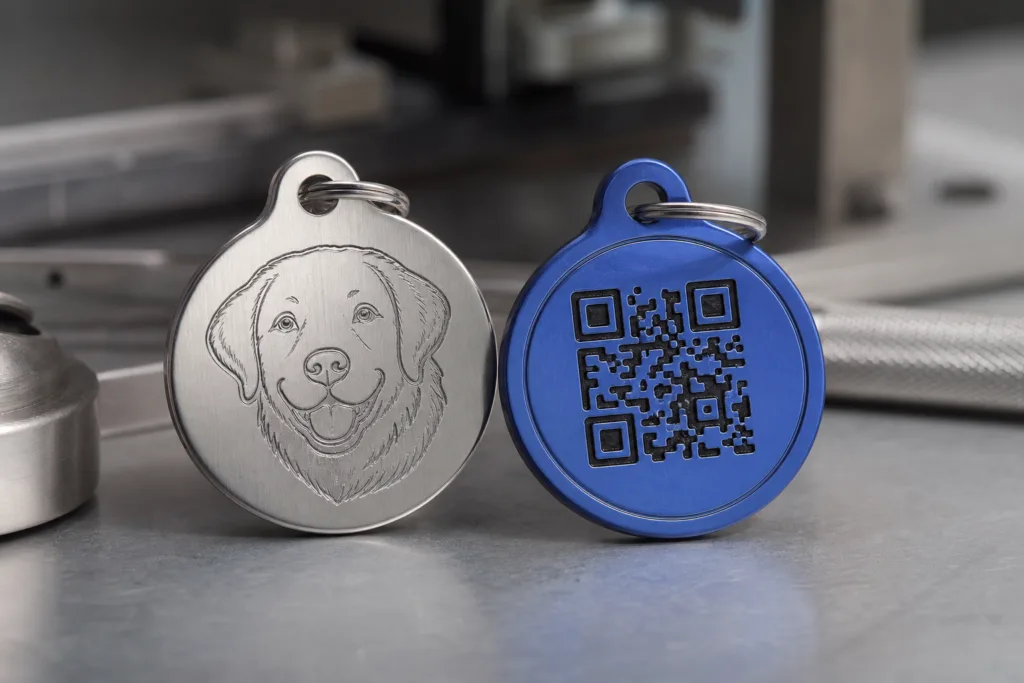
Traditional engraved dog tags display the essential information directly on the tag. Usually that means the pet name, one or two phone numbers, and sometimes a short address line or health note. This format still matters because it removes several steps from the recovery process. A person can read the number and call immediately without a phone camera, app behavior, or internet access affecting the outcome.
In our production work, engraved tags remain a strong choice because they are simple, understandable, and practical across age groups and situations. If a dog slips out of the yard, gets found near a road, or wanders into a store, visible information can shorten the response time. Many buyers still prefer double-sided engraved dog tags because they balance clarity and capacity without requiring digital action from the finder.
Engraving also adapts well to different metals. When line depth, font size, and spacing are set correctly, a readable engraved tag can stay useful through scratches, moisture, and collar movement better than low-contrast printed alternatives.
QR code tags vs engraved tags: the core difference in pet recovery
The core difference is simple: engraved tags provide immediate visible contact information, while QR code tags provide expandable digital information. In a real recovery situation, those are not equal functions. One is faster to read at a glance; the other can carry more detail after scanning.
This matters because finders do not all behave the same way. Some will inspect the collar and call the number right away. Others may scan if they are comfortable doing so. A published study on how owners recover lost dogs supports the practical value of fast identification methods in real-world recovery behavior, which is why visible contact details remain so important even when digital tools are available.
From a manufacturer perspective, we usually advise buyers to think in layers. The visible side should solve the immediate contact problem. The digital side should add depth, updates, and contingency information. When one method fails or is skipped, the other can still help.
Benefits of QR code dog tags
More information in a small format
A QR code can connect to more than a name and phone number. This is especially useful for pets with medical needs, multiple household contacts, travel routines, boarding instructions, or reward information. Instead of shrinking text until it becomes unreadable, the tag can keep the surface cleaner while the linked profile carries the detail.
Easier updates over time
Traditional engraving is static. If the owner changes phone number, address, or emergency contact, the physical text does not update unless the tag is remade. A QR-linked profile may allow faster updates without replacing the tag itself. For pet brands or service providers, this can be a meaningful feature in a subscription or account-based ID system.
Useful for layered identification
QR tags fit well in a layered setup that includes visible text and microchipping. Veterinary guidance consistently supports the idea that microchips don’t replace tags. We see the same logic in product selection: a permanent embedded ID and an external collar tag serve different jobs, and a QR code can strengthen the external ID layer when used well.
Limitations of QR code dog tags
Scanning dependency
The finder must notice the code, decide to scan it, and have a phone available. That is an extra step compared with simply reading a phone number. If the code is tiny, low contrast, scratched, or placed where the collar hardware covers it, the chance of successful scanning drops.
Connectivity and device variables
Some QR systems work smoothly offline until opening a stored contact page, while others depend more heavily on data access or a specific landing page behavior. Buyers sourcing pet ID tags for resale should test the full user flow, not just whether a camera recognizes the code. If the profile takes too long to load or looks confusing on mobile, the practical recovery value decreases.
Wear concerns on lower-quality surfaces
Not every code survives daily collar friction equally well. Printed coatings can fade. Shallow marking can lose edge definition. Highly reflective surfaces can reduce scan reliability under sunlight. The code area should be treated as a functional marking zone, not decoration. Material, finish, and marking method affect whether the code is still useful after months of use.
Benefits of engraved dog tags
Instant readability
An engraved tag is the shortest path from finder to owner. No app, no scan, no login, no interpretation. If the text is visible and the phone number is current, the finder can act immediately.
No device needed
This is one of the strongest reasons engraved tags still matter. A finder may be elderly, rushed, outdoors, low on battery, or simply not interested in scanning a code on an unfamiliar pet item. Visible text removes that friction.
Strong durability when made correctly
Deep engraving on suitable metal can stay legible through daily movement, light impacts, and routine outdoor wear. At UC Tag, we pay close attention to line width, font size, edge cleanliness, and metal thickness because readability is not just about what gets marked on day one. It is about whether the information still reads clearly after the tag has been on a collar for a long time.
Limitations of engraved dog tags
Limited space
The tag face can only hold so much before the text becomes crowded. Owners often want to include name, two numbers, address, health notes, and a message, but too much text can reduce legibility. In practice, a short, high-priority message works better than trying to fit every detail.
Static information
If the owner’s details change, the tag may need to be replaced. That is manageable for individual users, but for large programs, shelter systems, and retail buyers, it matters when planning stock models versus personalized production.
Which tag type works better in different real-life situations
City pets
For pets in dense urban areas, visible contact details are extremely valuable because recovery often depends on a quick interaction with a neighbor, security guard, shop worker, or passerby. A QR feature can still help, but visible text should not be sacrificed.
Outdoor and adventure dogs
Dogs that hike, run trails, or spend time around water need strong materials and markings that remain usable after abrasion and exposure. In these cases, engraved visible details usually deserve priority, with QR used as a secondary layer.
Puppies
Puppies grow fast, owner routines change, and training situations can be unpredictable. QR-linked information can be convenient if contact details are likely to change, but visible text should still carry the primary callback number.
Senior dogs
For older pets, fast human-readable information is often the safer choice, especially if the tag needs to communicate a simple medical note or immediate owner contact without delay.
Escape-prone dogs
For dogs known to slip collars, bolt through doors, or jump fences, the best setup is usually redundant: visible contact text plus QR access to expanded details, and ideally a microchip as backup.
The best real-world setup is often a combined tag strategy
In most real situations, the strongest setup is not QR alone or engraving alone. It is a combination of visible engraved contact details and a QR code that adds deeper information. The visible side helps in the first few seconds. The QR side helps when the finder wants more context, alternate contacts, or handling instructions.
When we help buyers plan layouts, we normally recommend that the first priority remain human-readable. Owners can follow best practices for visible contact details by putting the most actionable information where a finder can read it instantly. The digital layer should support that core function, not replace it.
A practical example is a double-sided tag with the pet name and phone number on one side, and a QR code plus short scan prompt on the other. This preserves speed and adds depth without overcrowding either face.
Material and manufacturing factors that affect durability
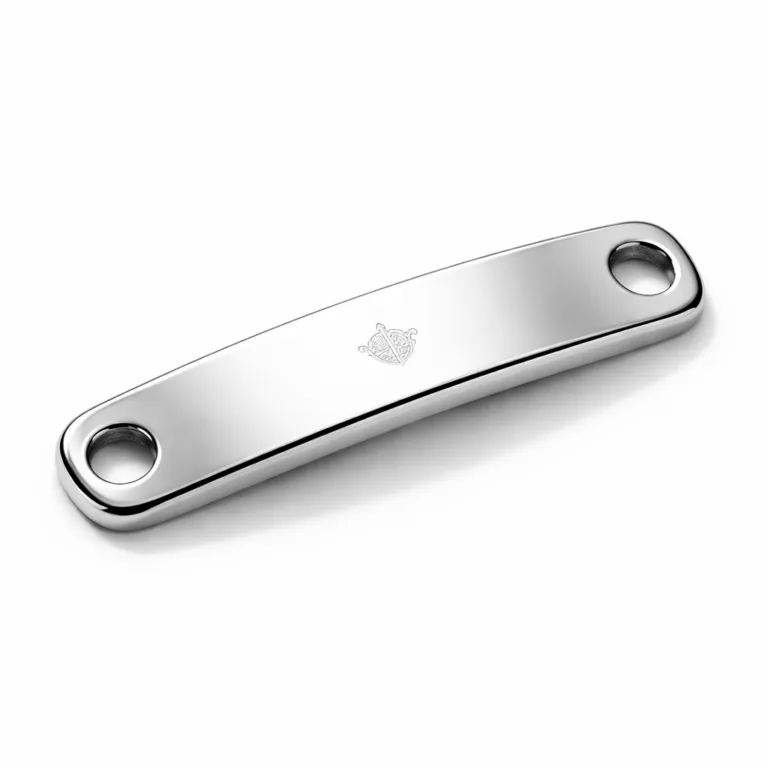
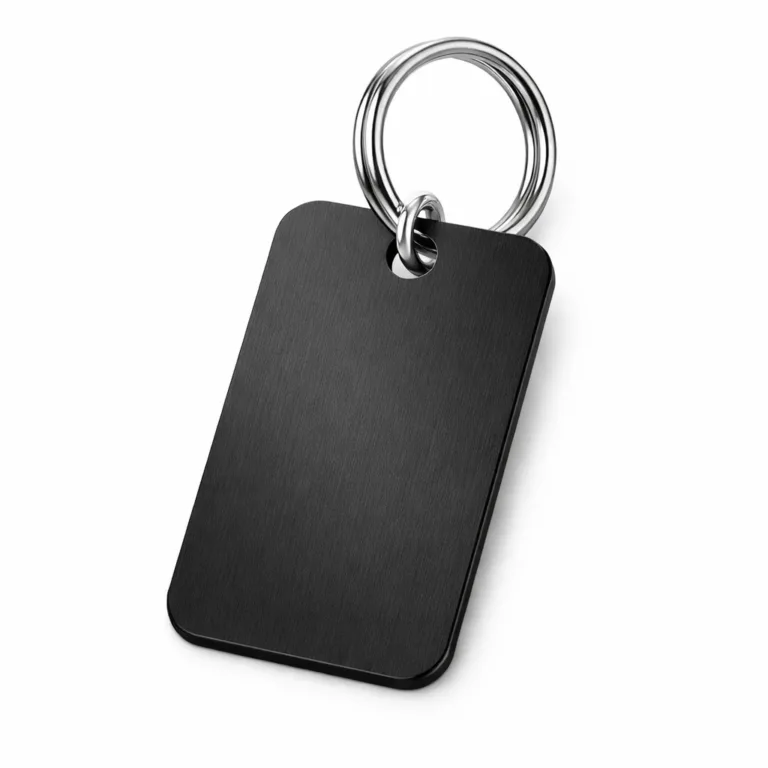
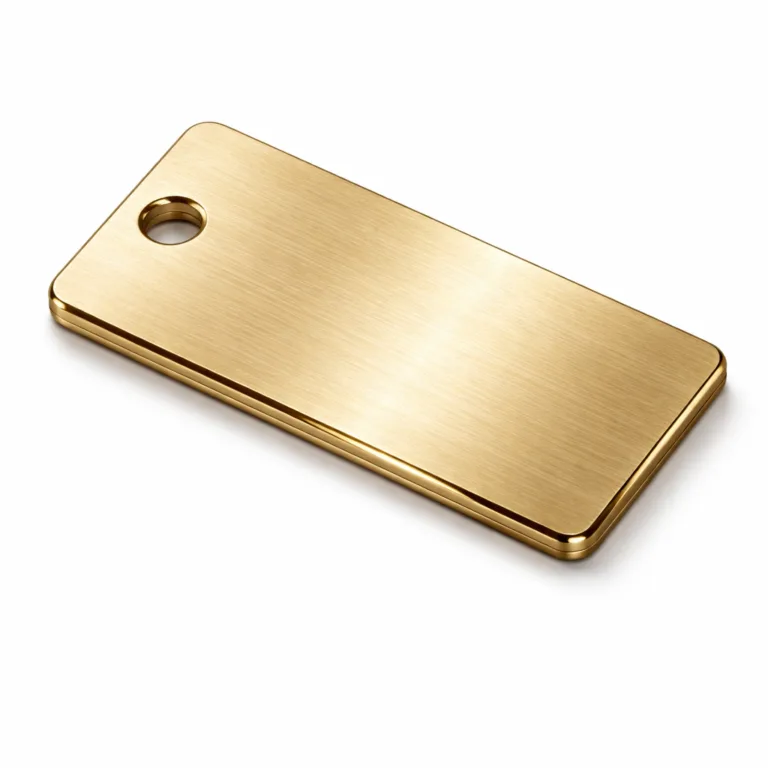
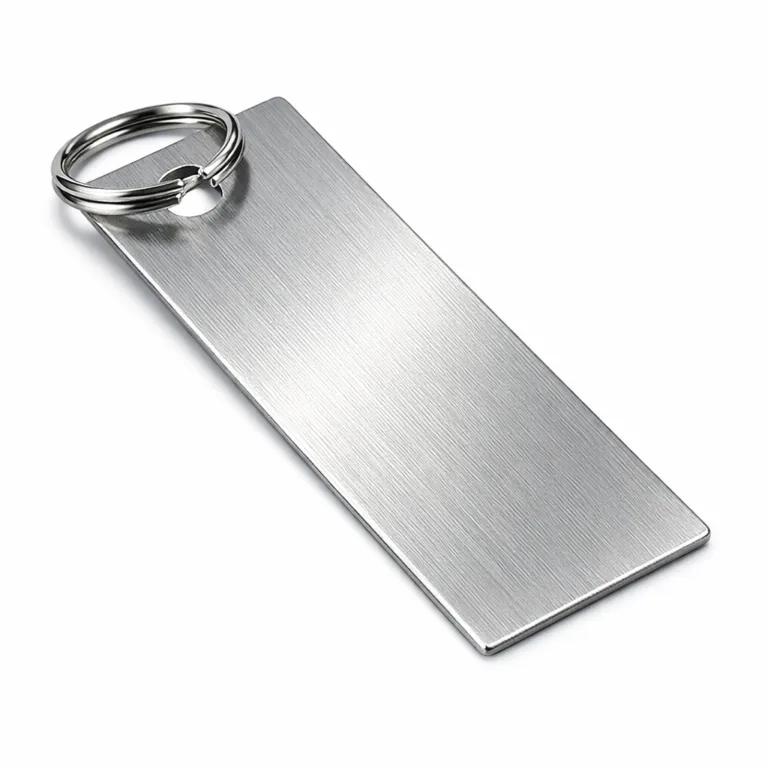
Material choice affects weight, corrosion resistance, scratch behavior, edge feel, and marking clarity. For pet tags, the most common choices are aluminum, stainless steel, and brass.
| Material | Advantages | Potential Trade-Offs | Best Fit |
|---|---|---|---|
| Aluminum | Lightweight, easy to color, comfortable for small pets | Can scratch more easily than steel if finish is basic | Small pets, colorful retail lines, lighter collars |
| Stainless steel | Strong, durable, good long-term wear resistance | Heavier than aluminum, usually more industrial look | Active dogs, outdoor use, long-service tags |
| Brass | Classic appearance, solid feel | Heavier, may develop patina over time | Premium traditional styles |
| Anodized aluminum | Color options, improved surface performance, good contrast for some layouts | Still requires careful marking choice for long-term readability | Retail pet tags, coded color systems, branded collections |
For a QR code dog tag, smoothness and contrast matter more than many buyers expect. If the surface is too reflective, too textured, or too soft for the chosen marking process, scan reliability can suffer. For engraved text tags, line depth and character spacing often matter more than decorative styling.
Marking methods and readability
Not all markings behave the same in daily pet use. Buyers comparing tag styles should evaluate the production method, not just the artwork preview.
Engraving
Engraving creates recessed characters. It is a strong choice for visible text because the information stays physically cut into the metal. Deeper is not always better, but adequate depth, line width, and font simplicity usually improve long-term readability.
Laser marking
Laser marking can work well for text and QR patterns, especially where fine detail is needed. However, the outcome depends heavily on metal type and finish. A sharp code on one alloy and finish may perform very differently on another.
Printed methods
Printing can produce strong contrast and branding flexibility, but surface-only marks may wear faster in high-friction applications unless protected by suitable finishing and use conditions. For pet tags, that means buyers should be realistic about how often the tag will knock against hardware, food bowls, crates, and the ground.
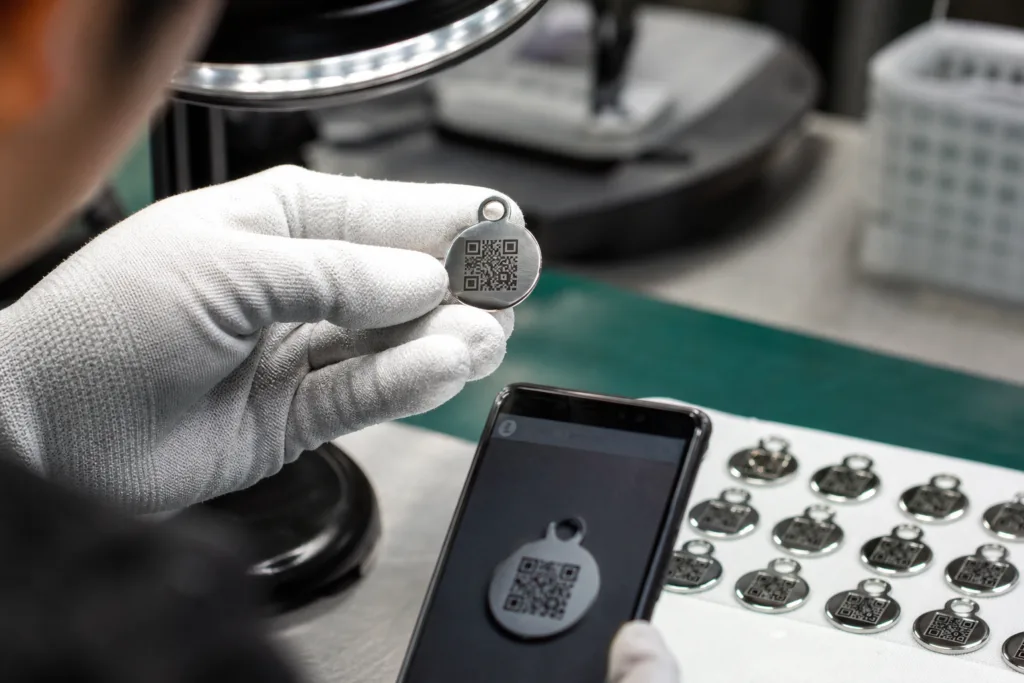
For QR production, we recommend sample scan testing under different lighting angles and with several phones before approving bulk manufacturing. A code that scans perfectly in a studio photo but inconsistently outdoors is not ready.
Size, layout, and information hierarchy
Good pet ID design starts with deciding what the finder needs first. The tag should not try to display everything at the same visual level.
- First priority: primary callback number
- Second priority: pet name or short identifier
- Third priority: secondary number or brief note
- Fourth priority: QR code for expanded details
On smaller tags, the temptation is to shrink everything. That usually harms function. A larger tag or a two-sided design is often a better answer than forcing tiny text and a tiny code into one face. The finder should know where to look in under a second.
Attachment choices and everyday usability
The tag itself may be durable, but the setup fails if the attachment hardware bends, opens, rattles excessively, or catches on gear. Buyers should match the tag design to the attachment method and pet behavior.
Common options include split rings, ball chains, quick-attach clips, and fixed riveted setups for specific harness or collar designs. If you are comparing hardware for different dog sizes and use cases, these dog tag chain and attachment choices can help clarify the trade-offs between security, convenience, and movement noise.
- Split rings: common and affordable, but quality matters
- Ball chains: familiar look, but not ideal for every active dog
- Rivets or fixed mounts: useful where low movement or low noise is required
- Silencers or edge buffers: helpful for reducing metal noise and impact marks
Attachment should be reviewed as part of the whole product, especially for bulk programs. A strong tag on weak hardware still creates field complaints.
How to avoid common mistakes when choosing a pet ID tag
- Relying on QR alone: if no visible number is shown, recovery may slow down.
- Using too much text: crowded tags reduce readability.
- Choosing size by appearance only: small fashionable tags may not fit useful information clearly.
- Ignoring wear patterns: active pets need more durable materials and hardware.
- Skipping scan tests: QR tags should be checked on multiple phones and in outdoor light.
- Underestimating edge quality: smooth edges improve comfort and reduce the cheap feel of the finished product.
What to check before ordering pet ID tags in bulk
Bulk buyers, pet brands, shelters, and distributors should review more than artwork approval. A functional QC plan reduces returns and inconsistency.
Sample review checklist
- Is the engraved text readable from arm’s length?
- Does the QR code scan quickly on different phones?
- Are the edges smooth enough for collar use?
- Is the hole position balanced so the tag hangs correctly?
- Does the hardware match the tag weight and pet size?
- Is the finish too reflective for code scanning?
Data and production checks
If the order includes variable QR links, serial numbering, or custom owner data, file handling accuracy becomes critical. We typically recommend a locked approval process for spelling, phone format, code mapping, and side allocation before mass production begins. For private label buyers, packaging and style grouping should also be confirmed early so finished tags remain organized through fulfillment.
From our manufacturing side, consistent code placement, mark alignment, thickness tolerance, and attachment hole quality are all worth checking during pre-production and final inspection. Small pet tags leave little room for correction after the fact.
Conclusion
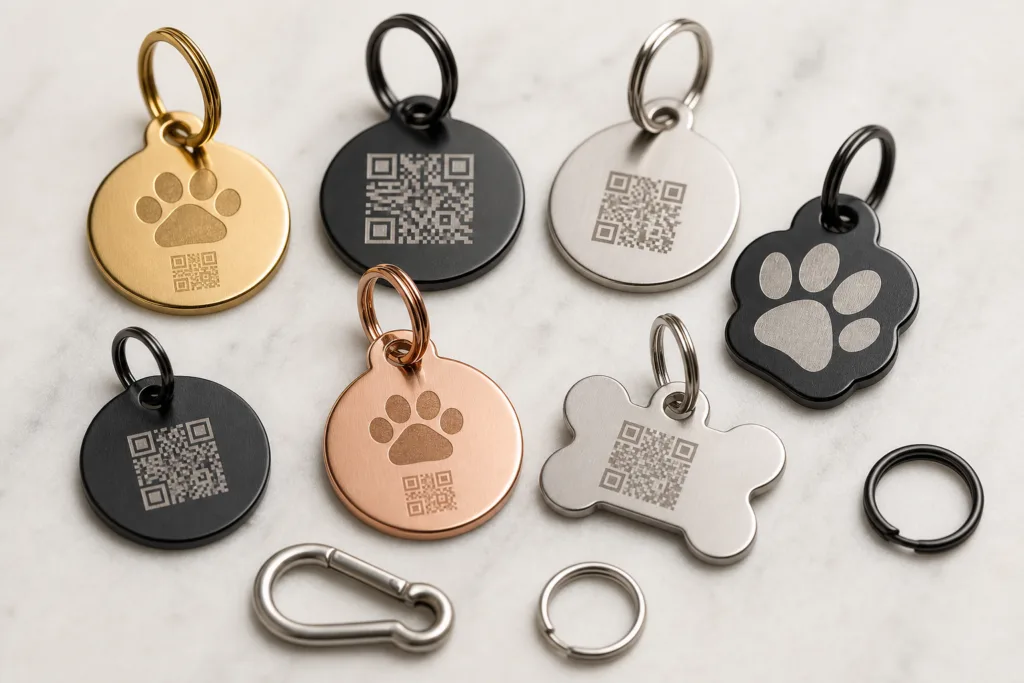
When buyers ask us whether a qr code dog tag or a traditional engraved tag works better, the most honest answer is that each solves a different part of the identification problem. Engraved tags win on immediate readability and speed. QR tags win on expandable information and easier updates. In real life, the most dependable setup is usually a visible engraved contact line supported by a QR code for additional details. That approach respects how people actually find and help lost pets while still taking advantage of digital convenience.
Frequently Asked Questions
Are QR code dog tags better than engraved tags?
They are not automatically better; they are better at carrying more information. Engraved tags are usually better for immediate contact because the finder can read a number right away. In practical use, a combined setup often works best, with visible engraved details supported by a QR code for extra information.
Will a QR code still work if the tag gets scratched?
It depends on the material, finish, and marking quality. A well-made code with proper contrast and enough size can remain scannable after routine wear, but low-quality printing or a heavily scratched surface can reduce performance. That is why scan testing and material selection matter before bulk production.
What information should be visible on a dog tag even if it has a QR code?
The most important visible item is a primary callback number. After that, the pet name and possibly a second contact can be added if space allows. The visible side should communicate the fastest action a finder can take, while the QR code can hold deeper profile information.
Which metal is best for a durable pet ID tag?
There is no single answer for every pet, but stainless steel is often chosen for strength and long-term wear resistance, while aluminum is popular for lighter weight. Anodized aluminum can also work well when color and lower weight matter. The right choice depends on pet size, activity level, finish preference, and marking method.
Should I order single-sided or double-sided pet tags?
Double-sided tags are usually more practical when you want both visible text and a QR code, or when you need to separate priority contact information from secondary details. Single-sided tags can work for simpler setups, but they run out of space quickly if you try to include too much.
What should bulk buyers check before approving dog tag production?
They should review readability, scan performance, edge quality, metal thickness, hole placement, finish consistency, and attachment strength. If the order includes custom data or QR mapping, buyers should also verify file accuracy and sample approval procedures before full production begins.