Introduction: PVC vs. Metal—Which Luggage Tag Material Makes Sense?
When choosing luggage tags, travelers are often torn between PVC, metal, and soft rubber options. Factors like durability, practicality, comfort, and even aesthetics play a key role in making the right decision. This guide will break down the advantages and drawbacks of each, while focusing on when soft rubber might be your best bet. Let’s help you find the tag that measures up to your journey and your preferences.
Luggage Tag Materials: An Overview
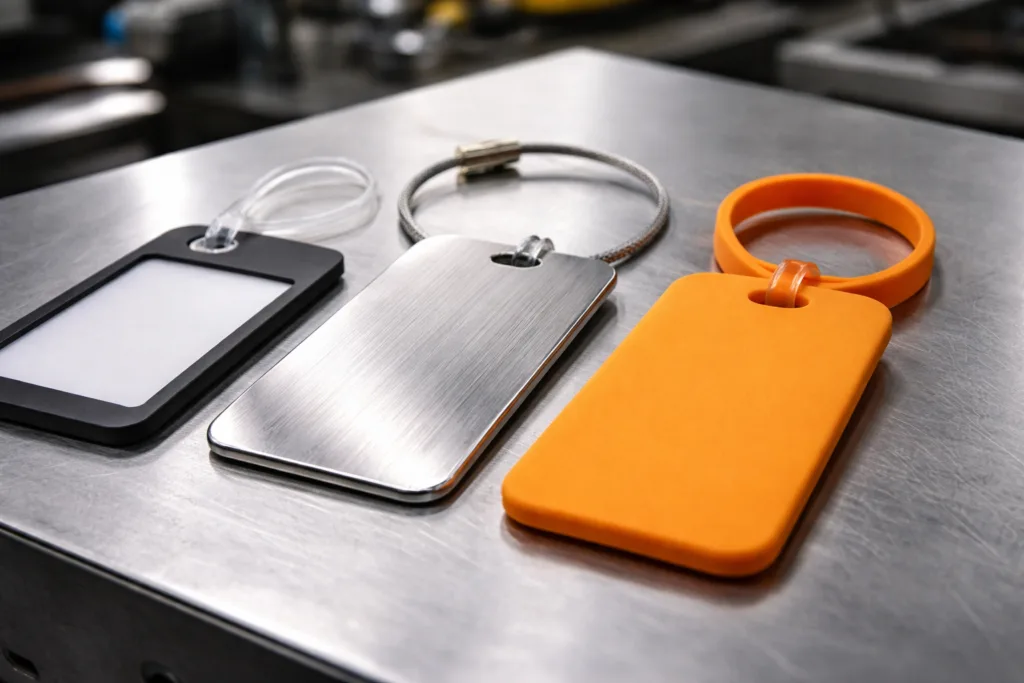
Luggage tags come in a variety of materials. The most common include PVC (polyvinyl chloride), different metals (aluminum, brass, stainless steel, zinc alloy), and soft rubber. Each brings a unique set of characteristics to the table. Understanding these foundational differences helps travelers make practical and purposeful choices.
PVC Tags: Flexible and Affordable
PVC tags are known for their flexibility and wallet-friendly price point. They’re lightweight, colorful, and resistant to minor scratches, making them great for casual travel and kids’ bags. The material is less rigid than metal, which gives it excellent resilience against bending and impact.
Metal Tags: Strength and Sophistication
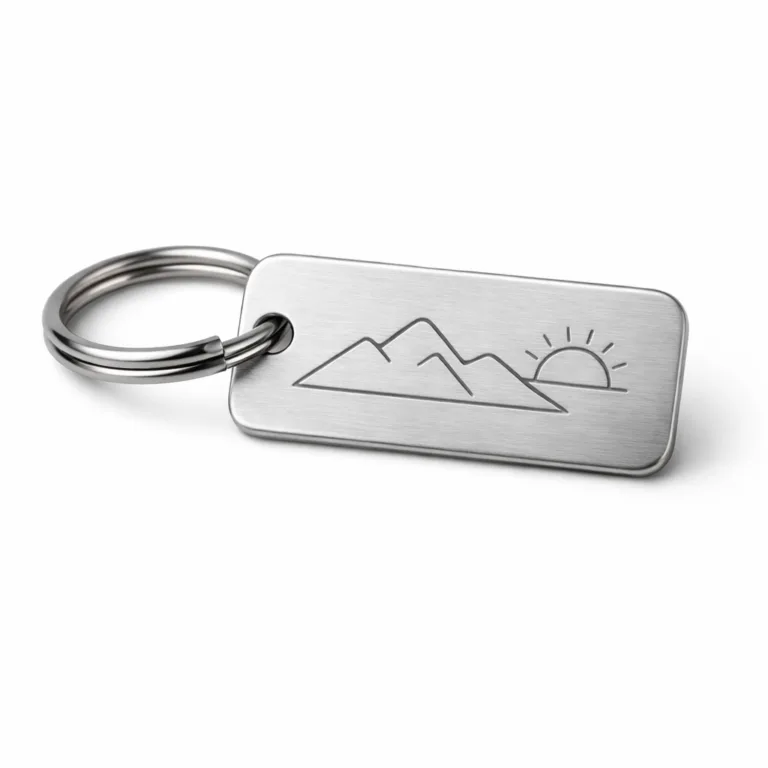
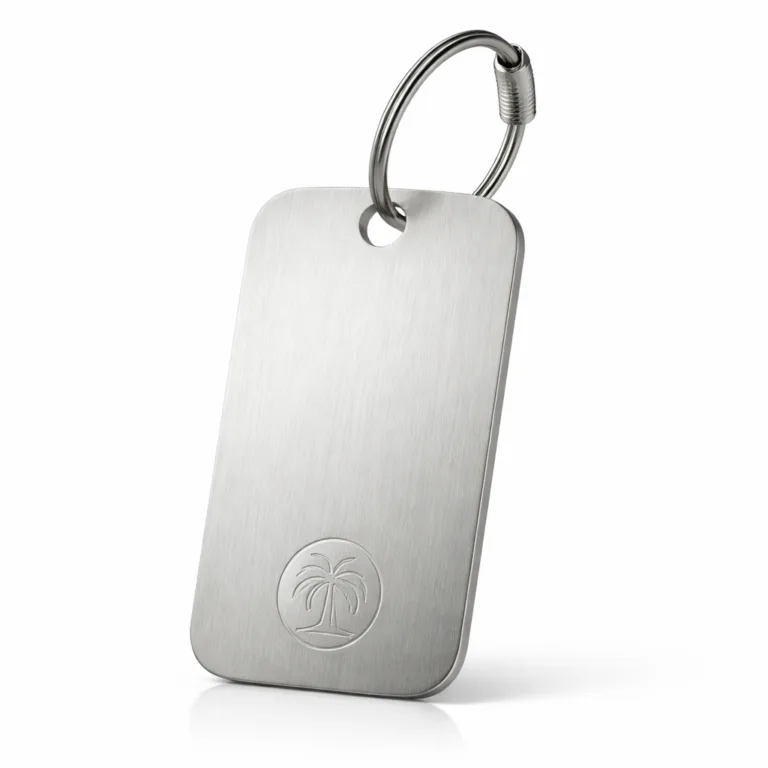
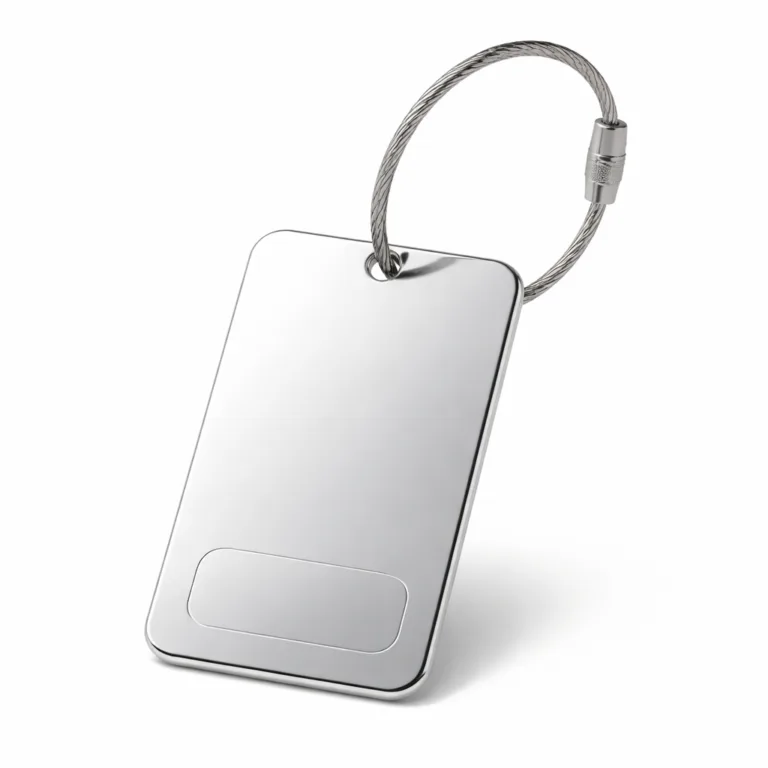
Metal tags, such as those made from stainless steel, brass, or aluminum, offer unmatched durability and a professional look. These are ideal for frequent travelers, business professionals, or those seeking extra longevity. The sleek finish, whether brushed or anodized, signals premium quality. As custom metal tag solutions evolve, so do the possibilities for shape, color, and engraving.
Soft Rubber Tags: The Easygoing Contender
Soft rubber luggage tags provide a gentle, flexible alternative for those looking for comfort and uniqueness. Vibrant colors and intricate designs are easily achievable, making them a popular pick for brand promotion or personal touches. The smooth texture and pliability mean less risk of damage to luggage or injury from sharp edges.
Durability: Which Luggage Tag Lasts the Longest?
Durability is a critical criterion for luggage tags. Metal tags outlast others, easily resisting bumps, pressure, and outdoor elements. Stainless steel and aluminum are especially good for high-wear travel. However, soft rubber, while less indestructible, is surprisingly robust against drops, flexing, and compression. PVC offers moderate durability—less than metal, but typically more than paper or fabric options.
Comparing Weather Resistance
Weather affects tag integrity. Metal tags (such as those offered in anodized aluminum varieties) tolerate rain, sun, and exposure far longer than most plastics. PVC is fairly waterproof, but UV rays can cause fading over time. Soft rubber retaliates with flexibility—it won’t crack in cold or warp in heat, making it highly reliable for unpredictable conditions.
Weight, Portability, and Travel Comfort
Metal tags add weight, especially if thick or engraved, while PVC and soft rubber tags are lighter by design. Soft rubber excels for travelers who don’t want extra grams in their kit. If you’re concerned about suitcase weight limits, soft rubber makes a noticeable difference.
Attachment Mechanisms Across Materials
The way tags attach matters. Most metal tags use a strong wire loop or split ring. PVC and soft rubber may feature flexible straps or integrated loops. UC Tag, for instance, advises that split rings suit metal tags—while reinforcing holes and edge radii prevent tearing in softer materials. Smooth attachment equals more freedom of placement across bag handles, zippers, or odd-shaped carriers.
Aesthetics: Customization and Brand Identity
Visuals matter, especially for business travelers or branded luggage. Metal tags offer clean engraving, logo etching, vibrant anodized colors, or even enamel fills for distinctiveness. PVC can mimic metal appearance or go for bright, printed graphics. Soft rubber, however, wins in terms of color saturation and tactile shapes—it’s easy to mold into mascots, logos, or playful motifs. This makes it a favorite for corporate giveaways and children’s products.
Color Options and Pantone Matching
With soft rubber and PVC, Pantone matching is straightforward. Metal tags need special processes—electroplating, powder coating, or anodizing—sometimes requiring tight color tolerance, as explained in Pantone matching for metal finishing. Soft rubber and PVC allow intricate color details without complex surface treatments.
PVC vs. Metal: When to Choose Soft Rubber for Luggage Tags.
Travelers often ask: When is soft rubber best for luggage tags instead of PVC or metal? Here’s where soft rubber stands out:
- Child-Friendly Luggage: Soft rubber avoids sharp edges and is fun for kids’ bags.
- Travel in Crowded Environments: Bus, school, or urban commute—rubber bends without breaking, with minimal noise.
- Reusable Promotions: Pop logos, mascots, or event graphics in rubber for attention and longevity.
- Lightweight Packing: Frequent flyers who count ounces will love how little weight rubber adds.
- Customization Needs: Rubber’s moldability means creative designs, big colors, and tactile shapes—all with durable attachment mechanisms.
Safety and Comfort Factors
Metal tags can have sharp corners if not properly finished—an issue UC Tag combats with strict burr control. Soft rubber is naturally safe and comfortable, never cold to the touch, and won’t catch on delicate fabrics.
Cost Effectiveness: Which Tag Offers Better Value?
For travelers on a budget, PVC and soft rubber dominate. Rubber costs less to produce than metal and supports high-volume custom designs affordably. Metal tags, although pricier, offer lifelong durability and professional branding—great for companies, less so for mass tourist events. For eco-minded buyers, recycled or green options are available in metal and soften the value equation, as explained in eco-friendly metal tag solutions.
Real User Experiences: Soft Rubber vs. Metal and PVC
Travelers who use soft rubber tags praise them for versatility—especially parents, event organizers, and casual tourists. PVC users mention robust day-to-day performance but warn against prolonged sun exposure. Metal tag enthusiasts enjoy the confidence of indestructibility and zero maintenance, though some report discomfort from added weight or cold touch in winter conditions.
Noise, Loss, and Damage in Practice
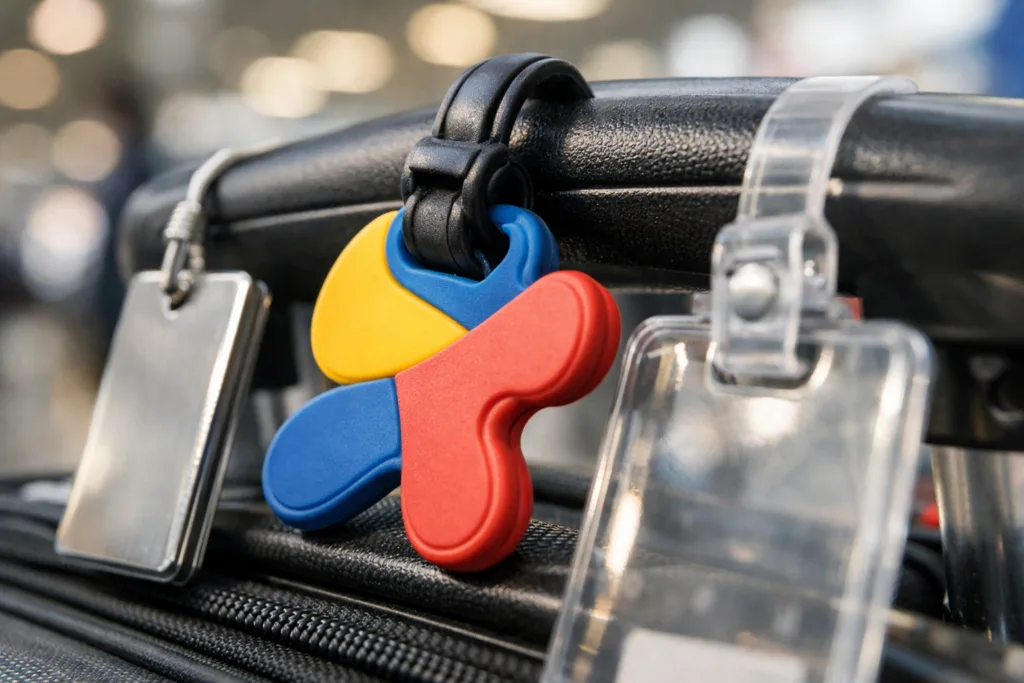
One practical difference: metal tags can jingle and knock against hard surfaces; soft rubber remains silent and unobtrusive. Loss generally results from poor attachment, not material—ensure closures are tested. Tag damage is more common with hard falls for brittle plastics; rubber rebounds and metal resists bending, but may dent.
Sustainability: Eco Impact of Each Material
Eco-minded travelers should consider lifecycle and recyclability. Metal, especially recycled aluminum or brass, offers better reusability and low-VOC options. PVC presents recycling challenges, though some manufacturers now offer improved eco formulas. Soft rubber can be recycled if sourced well, but check for environmental certification.
Green Innovations in Tag Manufacturing
Some brands, including UC Tag, have piloted low-VOC finishes and recycled alloys to meet eco standards. Look for responsible sourcing and batch consistency if sustainability is key to your decision.
Practical Tips for Tag Selection: Match Material to Travel Need
- Frequent Business Travel: Opt for engraved metal tags for clarity and durability.
- Family Vacations and Kids: Choose soft rubber for safety, color, and flexibility.
- Adventure Sports & Cruises: Pick PVC or rubber—easy to spot, lightweight, and resilient.
- Bulk Corporate Giveaways: Rubber tags maximize visual impact and cost efficiency.
- Specialty Branding: Metals with custom finishes stand out for premium campaigns.
Attachment Styles and Their Impact
Attachment method matters as much as material. Metal tags work well with wires or split rings; rubber tags favor molded loops or flexible straps. Carefully chosen, these make the difference in retention and bag compatibility. UC Tag recommends reinforcing fixation points based on each material’s expected stress, whether in production or customization.
Comparison Table: PVC, Metal, Soft Rubber Luggage Tags
| Feature | PVC | Metal | Soft Rubber |
|---|---|---|---|
| Durability | Moderate | High | Moderate-High |
| Weight | Light | Varies (medium-heavy) | Light |
| Cost | Low | High | Low-Medium |
| Noise | Silent | Possible | Silent |
| Custom Shapes | Simple | Advanced (CAD, CNC) | Easy, highly flexible |
| Aesthetics | Printed, glossy | Brushed, anodized, engraved | Colorful, tactile |
| Weather Resistance | Fair | Excellent | Excellent |
| Eco Options | Limited | Growing (recycled) | Possible |
Brand and Event Customization Possibilities
Soft rubber tags are especially suited to promotional events and brand launches. Their tactile appeal, custom shapes, and vivid colors enhance recognition value. Metal tags can be laser-engraved or include color fills for sophisticated branding. PVC delivers quick turnaround for simple prints. Consider your event scale, expected lifetime, and desired impression when picking the right material for customization.
Maintaining Luggage Tags for Longevity
Keep tags clean and check attachments regularly. Metal tags may need polishing or brushing to remove travel grime, as detailed in UC Tag’s custom metal tag sample handling guides. PVC and rubber tags can be wiped down with mild soap and water—avoid chemical solvents to preserve graphics. Always inspect reinforced edges after trips.
Addressing Privacy and Information Security
Modern luggage tags often hide personal data with flaps or sleeves. Metal and rubber tags can easily integrate these privacy features, helping protect addresses and contact details during travel, as explored in travel privacy with luggage tags. Choose a tag that fits your info security comfort zone.
Common Mistakes: What to Avoid with Luggage Tags
- Picking brittle materials for high-impact routes (metal or rubber recommended)
- Using weak attachment loops—test before travel
- Ignoring label clarity—engraved or bold graphics are best
- Choosing sharp corners—especially for kids’ gear
- Overlooking eco considerations for mass events
Expert Insights: Manufacturing Realities
Rain Chen at UC Tag shares: “Proper deburring and plating thickness are essential for metal tags. For soft rubber, check mold accuracy and loop strength; colors can vary batch-to-batch if quality control slips. High contrast engraving ensures legibility in both metal and rubber tags—don’t underestimate small details. Attaching holes should be reinforced regardless of material.”
The Future of Luggage Tags: Trends and Innovations
Smart luggage tags featuring QR codes and NFC technology are rising, especially in metal and rubber formats. Enhanced privacy, faster identification, and more eco-friendly materials are shaping the next generation. Think touchless scanning and traceability, even for custom tags—mixing durability with tech.
PVC vs. Metal: When to Choose Soft Rubber for Luggage Tags.
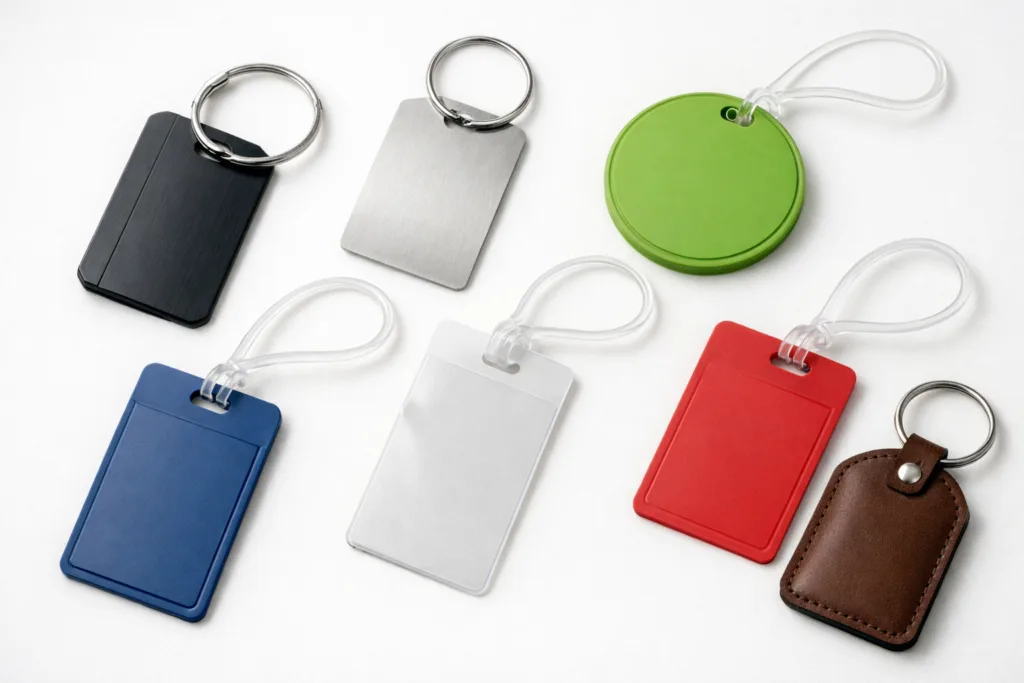
To wrap up, the decision between PVC, metal, and soft rubber depends on your specific travel environment, durability needs, design preferences, and budget. Soft rubber tags come into their own when safety, playful branding, or lightweight utility matter most. Metal wins for longevity and professional aesthetics, while PVC strikes a balance for everyday or budget travel. Carefully consider how often you travel, how tough your luggage’s journey will be, and what style fits your identity as a traveler. Informed choice leads to happier travels—and fewer lost bags.
Frequently Asked Questions
Are metal luggage tags better than PVC and soft rubber?
Metal tags last longer and look premium, but can be heavier and pricier. If longevity and professional branding are priorities, metal is ideal. For lightweight comfort or playful designs, opt for soft rubber or PVC.
How do soft rubber luggage tags handle rough travel?
Soft rubber tags are flexible and silent, rebounding from drops and compression. They suit crowded environments and are unlikely to cause injury or catch on other bags, making them resilient for everyday travel.
Can luggage tags be recycled?
Recycled metal options are increasingly available. PVC and soft rubber recycling depend on local facilities and batch composition. Look for eco certifications or recycled content labels when possible.
What is the safest material for kids’ luggage tags?
Soft rubber is safest for children’s luggage due to its lack of sharp edges, light weight, and bright colors. It reduces the risk of injury and makes identification simple for young travelers.
How should I secure my luggage tag to avoid loss?
Use strong attachment mechanisms—wires for metal, reinforced loops for rubber/PVC. Test before travel and periodically check connection points to ensure your tag remains with your bag.
Is custom engraving possible on soft rubber tags?
Soft rubber tags are typically molded, not engraved. Raised or recessed designs, vibrant colors, and unique shapes are possible, but for precise text, metal engraving offers better legibility and detail.
Related Reading
- Lightweight, Colorful Aluminum Tag Designs for Travelers
- How Modern Luggage Tags Help Protect Your Privacy on the Go
- Eco-Friendly Metal and Wood Tag Innovations for Brands
- Discover Metal Tag Solutions for Custom Applications
- Caring for and Comparing Custom Metal Tag Samples
- Pantone Matching Solutions for Metal Finishes