Understanding the Privacy Risks of Traditional Luggage Tags
Traveling brings excitement and adventure, but it also exposes you to new risks—especially around personal privacy. Most travelers never realize that their luggage tags could be quietly revealing sensitive information to strangers. When your address or full contact details are displayed for anyone to read, you’re making it easier for would-be thieves to target your home or attempt identity theft while you’re away. Privacy Matters: Luggage Tags That Hide Your Address is about recognizing this overlooked vulnerability, and learning how to travel safer and smarter.
What Information Is Usually Shown—and Why Is It a Risk?
Old-school luggage tags often include everything: your name, home address, phone number, and even email. In reality, showing your full address is rarely required. If someone sees it, they know you’re out of town and your home might be empty. The risk adds up if your bag is lost in transit or handled by many people.
Innovative Luggage Tag Designs for Enhanced Privacy
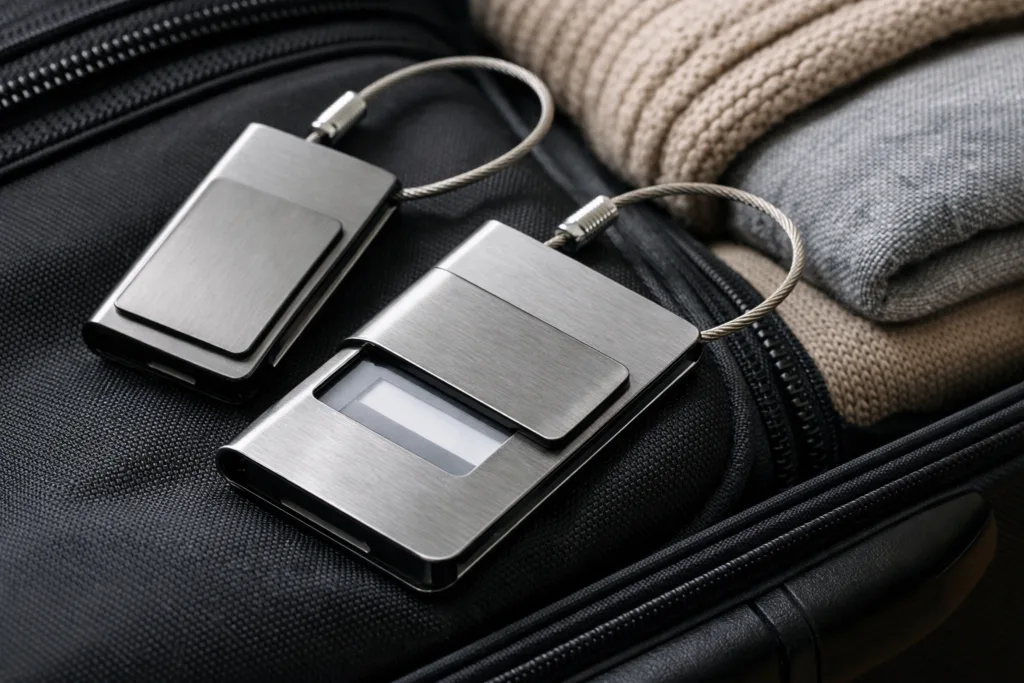
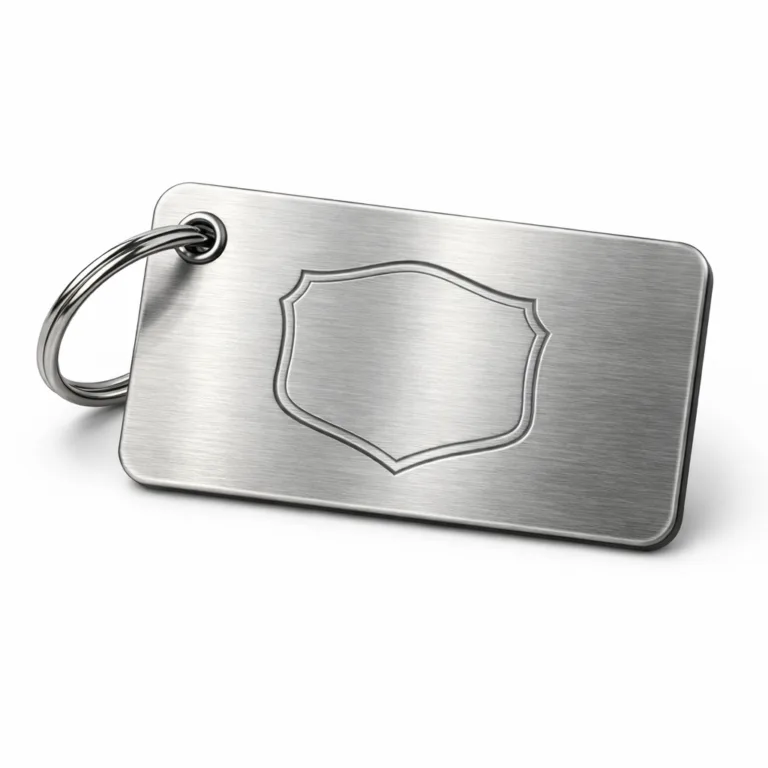
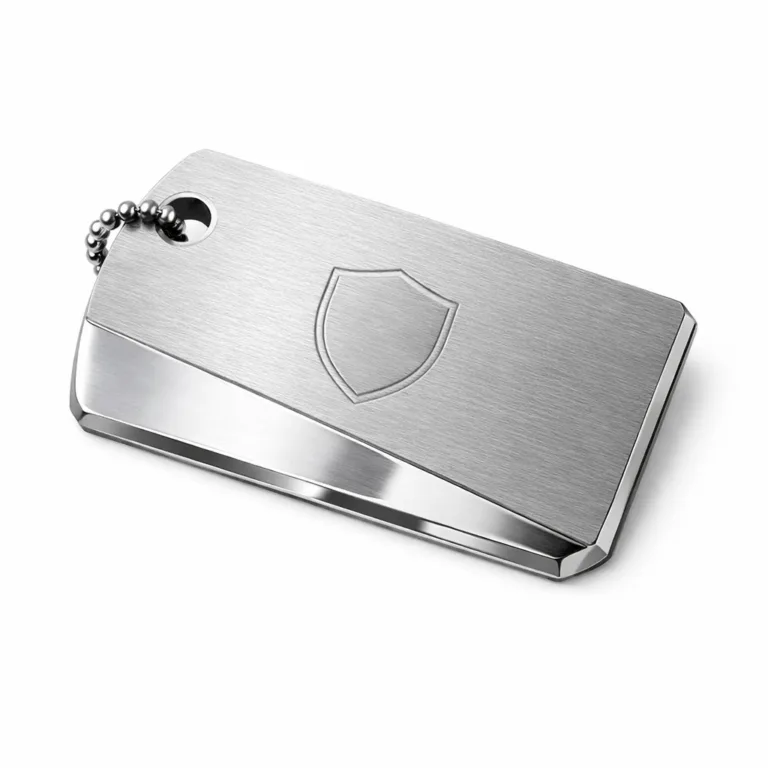
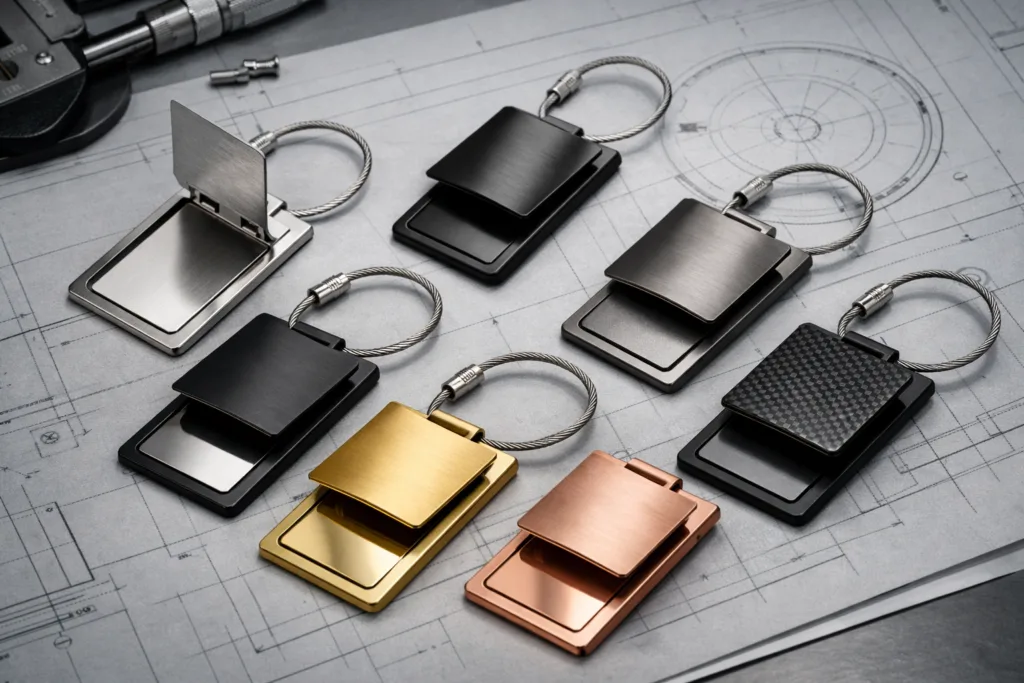
Modern luggage tags are changing, prioritizing privacy without sacrificing style. Designs now feature covered address windows, flaps, or sliding mechanisms that only reveal your info when truly needed. Some use adjustable slots for displaying just your name and phone number, keeping your street address hidden unless required by airport staff.
RFID-Blocking Technology: The Next Step in Data Protection
RFID-blocking luggage tags use special materials to shield embedded chips from unwanted scans. If you use electronic travel cards or have tags with digital IDs, RFID protection prevents skimmers from reading your information while your bags are in airports, hotels, or taxis.
Customizable Features—Style Meets Security
Whether metal, leather, or plastic, new luggage tag brands allow customization. You decide which fields to display and repeat, and many options let you swap inserts instead of reprinting entire tags. Manufacturers like UC Tag help users pick durable materials and secure attachment methods like split rings or reinforced rivets, ensuring your tags stay put while still keeping details private.
Why Privacy Matters: Luggage Tags That Hide Your Address
Concealing your address isn’t just about avoiding minor annoyances—it’s your defense against real-world threats. Thieves have targeted empty homes after reading travel tags; others use info for scams or phishing. Keeping your details private deters snooping, protects your identity, and ensures only travel authorities see what they need.
The Difference Between Required and Optional Info
Most airlines and railways need a name and phone number. Rarely do baggage handlers or lost-and-found teams need your full home address—unless a bag is truly lost internationally. Knowing which details are essential prevents oversharing.
Common Mistakes Travelers Make With Luggage Tags
- Leaving old address slips inside or visible
- Using tags with transparent windows for all details
- Forgetting to update emergency contact info
- Ignoring tag wear-outs, making info hard to read
- Choosing novelty tags over practical ones
Choosing the Right Privacy-Protecting Luggage Tag
When picking a luggage tag, consider these factors to enhance privacy and reliability:
- Covered Address Windows: Flaps or rotating covers that conceal details except when flipped or opened
- Minimal Info Display: Only show first name and a contact number
- RFID Materials: Especially useful for tech-enabled tags or smart ID holders
- Replaceable Inserts: Easy slip-in cards for changing details without re-ordering
- Durability and Security: Stainless steel, brass, or zinc-alloy tags resists wear-outs and tampering
Comparing Tag Materials for Privacy and Safety
| Material | Security | Durability | Privacy Feature | Style |
|---|---|---|---|---|
| Stainless Steel | High | Excellent | Covered slot, lockable flap | Polished, Modern |
| Leather | Medium | Good | Envelope cover, snap closure | Classic, Premium |
| Plastic | Low-Med | Moderate | Sliding window, limited details | Bright, Playful |
| Zinc Alloy | High | Excellent | Etched with custom fields | Industrial, Rugged |
Smart Options: QR Codes & Digital Tags
Some travel tags now offer scannable QR codes that link to private digital profiles. If your bag is lost, handlers scan the code and see only what you allow—usually a phone number or anonymized field—letting you update info remotely without sharing a permanent address.
Practical Tips for Traveling with Discreet Luggage Tags
Here’s how to immediately boost your travel privacy:
- Don’t display your home address unless absolutely necessary.
- Use a work address, PO box, or emergency contact when possible.
- Choose tags with a covered window or flap.
- Regularly check your tag’s condition; replace damaged covers.
- For cruises, see our guide on how to print cruise luggage tags at home and adapt the info before your trip.
Tips for International Travelers
- Check destination customs rules; some countries require more info on bags.
- Prepare multiple tag inserts for different legs of your journey.
- Consider multi-lingual tags or graphics for easy processing abroad.
Creative Alternatives for Safer, Stylish Bag Identification
You don’t have to settle for ugly, generic tags. Metal tags can be color-matched with your brand motifs or family logos; leather tags allow for stylish embossing and initials instead of full names. If you travel as a group, you might opt for custom logo luggage and bag metal tags to mark teammates while keeping actual details hidden inside a small covered slot. UC Tag has experience using Pantone-matched finishes and clearcoat techniques, so tags resist scratches even after frequent handling. Just remember—style never means sacrificing security.
Common Concerns: Style vs Privacy
Worried that privacy-focused tags look plain? Today, you can combine subtlety with flair by selecting colors, metal finishes, and graphics that make your luggage stand out without exposing vital details. Custom inserts, colored tassels, and sleek anodized metals give you both safety and personality.
Attachment Methods that Enhance Security
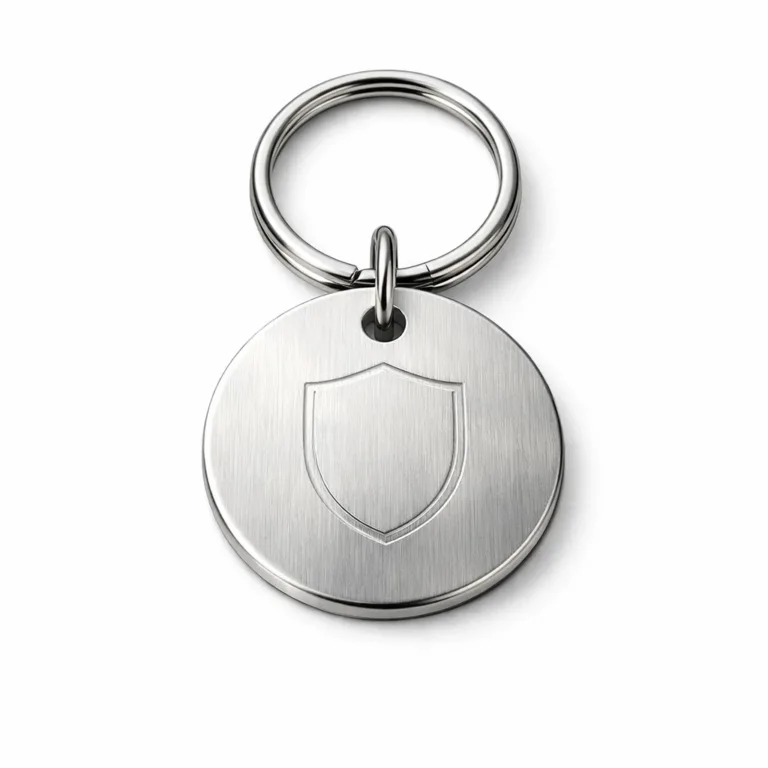
- Choose split rings over simple plastic ties for lasting strength.
- Look for rounded edge designs to prevent snags or injuries.
- Opt for riveted or reinforced holes so tags don’t fall off mid-trip.
How to Update Your Privacy Settings on Existing Luggage Tags
Already own classic tags? You can:
- Use marker pens to blackout unnecessary fields (especially addresses).
- Replace clear inserts with opaque paper cards, showing just your first name and emergency contact.
- Cover your details with a tape flap or a simple removable sticker.
- Upgrade your tags to ones featuring privacy-focused flaps or RFID shields.
What to Write on a Luggage Tag (Without Sharing Too Much)
For more ideas on what details to include, see our dedicated guide on what to write on a luggage tag. The more strategic you are with your info, the safer you’ll be—just remember to include enough for bag recovery.
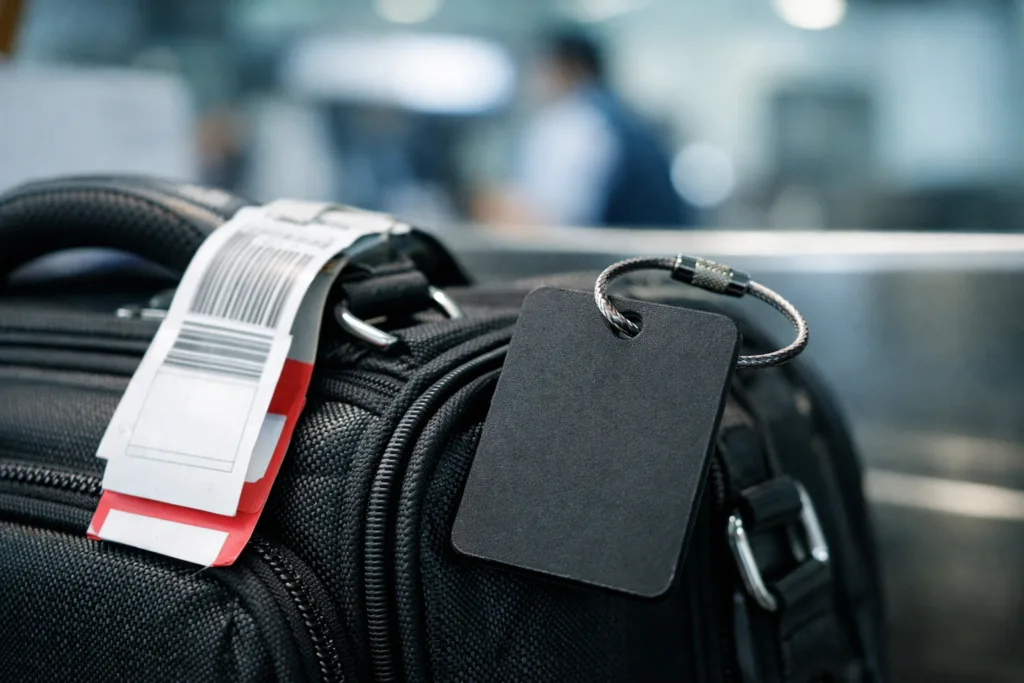
DIY Privacy Hack: Make Your Own Concealed Luggage Tag at Home
If commercial tags don’t suit your needs, try this straightforward solution:
- Use a small metal card or blank label.
- Write just your first name, cell phone, and perhaps your airline itinerary number.
- Fold over opaque tape, leaving only your name visible.
- Punch a hole and use a split ring for secure attachment.
This method ensures that only authorized people—lost-and-found staff or travel authorities—see sensitive data when needed. For inspiration, view examples from custom metal tag manufacturer catalogs to learn what professional travelers use for ultimate privacy.
Manufacturing Insights: Balancing Legibility and Privacy
From the production floor, balancing legibility and privacy comes down to tight tolerances for engraving and screen printing. Rain Chen from UC Tag notes, “We commonly choose a gauge for metal luggage tags that’s thick enough for debossing, yet thin enough for sliding covers. The trick is keeping lines crisp for first names and phone fields, yet making covered slots difficult to peek into unless opened intentionally.” Deburring and edge rounding are also essential, ensuring tags are safe to handle with small, precise flaps. Plating consistency matters too—uneven surfaces can let in moisture or cause address slips to warp. Material honesty, as always, means picking metals that resist corrosion while offering true privacy.
Luggage Tags and Data Privacy Laws
Travel regulations on personal data storage are evolving. The General Data Protection Regulation (GDPR) in Europe and similar rules worldwide emphasize limiting the personal data exposed publicly, even on bags. Always check your airline’s and destination’s latest policies to make sure your tag complies and minimizes risk.
Digital Luggage Tag Innovations
RFID tags, NFC chips, or digital QR codes make changing profile info simple. Just update your web profile or connected app; no need to re-engrave physical tags. Privacy comes from the ability to hide non-essential info while only authorized handlers scan for specifics.
Comparing Privacy-Focused Luggage Tag Brands
Several brands lead the industry with privacy-first luggage solutions. Look for those offering flapped covers, replaceable inserts for different journeys, and robust attachment designs. Some specialty manufacturers—such as those focusing on custom metal logo tags—offer advanced surface treatments and secure fasteners that withstand rough baggage handling and intentional tampering. For more, visit a tag solutions specialist to view full catalogs.
Best Practices: Maintaining Your Luggage Tag Over Time
- Inspect tags before every trip—look for loose covers or fading text.
- Clean tags regularly but avoid harsh chemicals that strip finishes.
- Replace or repair tags showing signs of wear, especially if the privacy flap no longer closes tightly.
- Adapt tag inserts to each journey; avoid permanent info for multi-use travel.
Lost Luggage: How Privacy-Focused Tags Help Quick Recovery
If your luggage goes missing, handlers appreciate clear phone numbers and names far more than addresses. A covered tag with updatable info gets routed faster. Read our guide to cruise luggage tags to learn about destination-recovery best practices.
Conclusion: Travel Confidently by Protecting Your Privacy
Travel is so much more enjoyable when you know your personal information is secure. Choosing luggage tags that hide your address is a simple, powerful step to safeguard your identity, possessions, and peace of mind. By understanding which details to share, selecting smart designs, and maintaining tags with care, you steer clear of needless risks. Whether you travel weekly or once a year, prioritize privacy and style—after all, both go hand-in-hand in today’s world.
Frequently Asked Questions
Should I include my home address on a luggage tag?
Most experts recommend using only your name and phone number. Your home address is usually unnecessary and could pose a security risk.
Do privacy-focused luggage tags cost more?
While innovative designs may cost a bit extra, the safety benefits far outweigh the minor price difference.
How do I update information on a covered luggage tag?
Many privacy-enhanced tags let you swap out or change inserts or cards inside the cover, requiring no special tools.
Is RFID-blocking necessary for travel tags?
If you use tags with smart features or embedded chips, RFID-blocking is highly recommended for added security.
Can I make a privacy tag myself?
Yes. Use opaque materials or homemade covers to hide sensitive details, ensuring only essentials are visible.
What materials are best for durable, privacy-protecting tags?
Stainless steel, brass, and reinforced plastics are commonly recommended for strength and secure coverings.
Related Reading
- Everything You Need to Know About Balancing Safety and Contact Info on Luggage Tags
- How Custom Logo Metal Tags Protect Your Bags—and Your Privacy
- Color Matching Secrets: Achieve Stylish Yet Secure Metal Luggage Tags
- Step-by-Step Guide to Printing Discreet Luggage Tags for Cruises
- Explore Privacy-Focused Luggage Tag Solutions