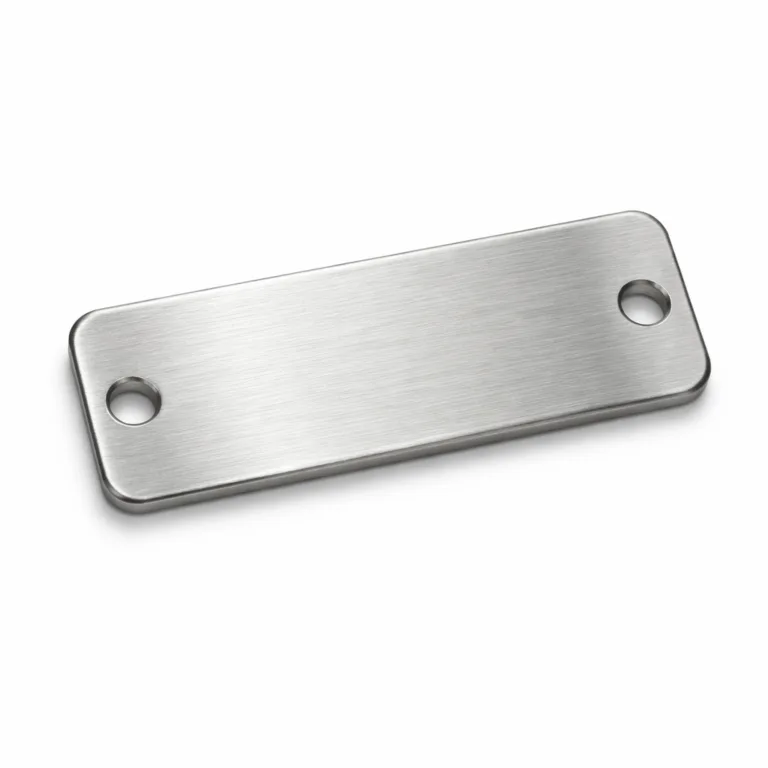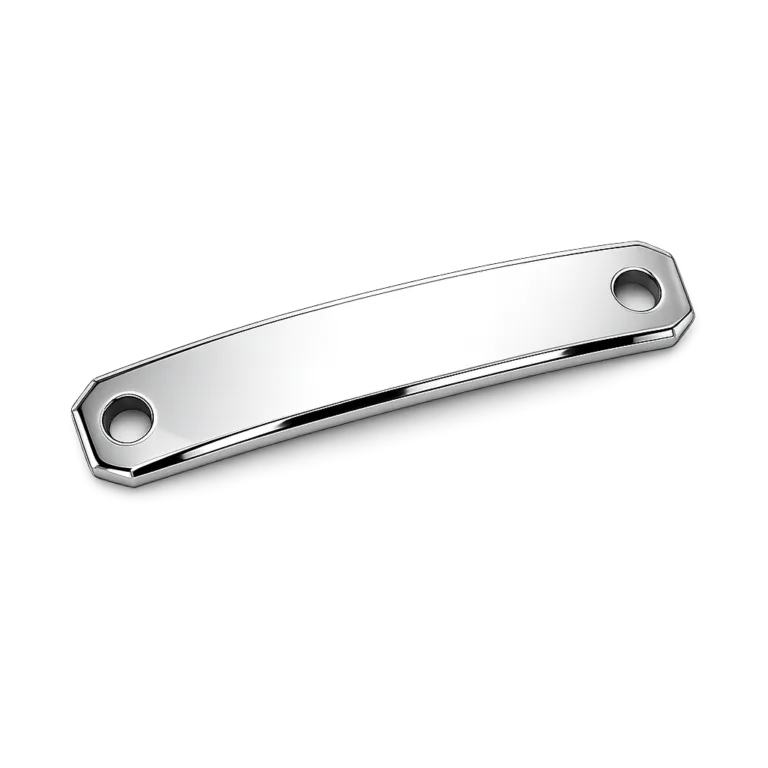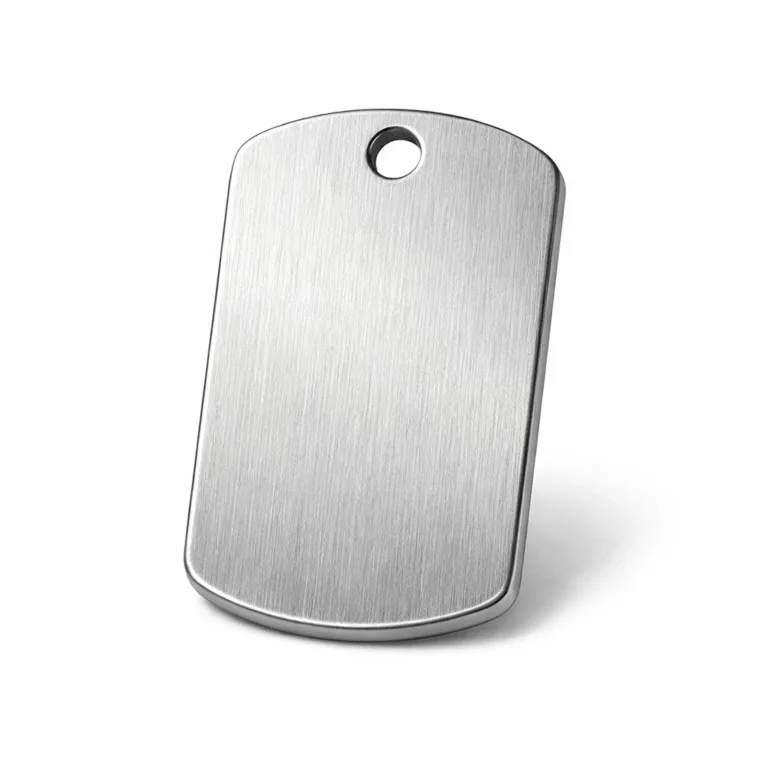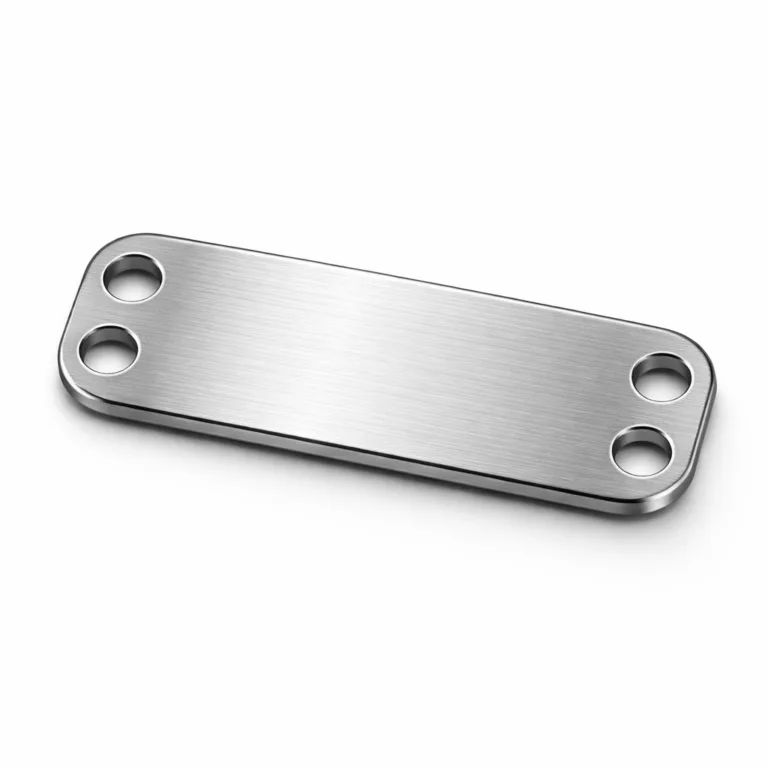
Introduction to Pre-Production Samples and Mass Production
When B2B buyers and engineers evaluate the best path for metal tag manufacturing, they often face a critical decision: whether to invest in a Pre-Production Sample or proceed directly to Mass Production. This choice can directly impact quality assurance, cost efficiency, and long-term risk management.
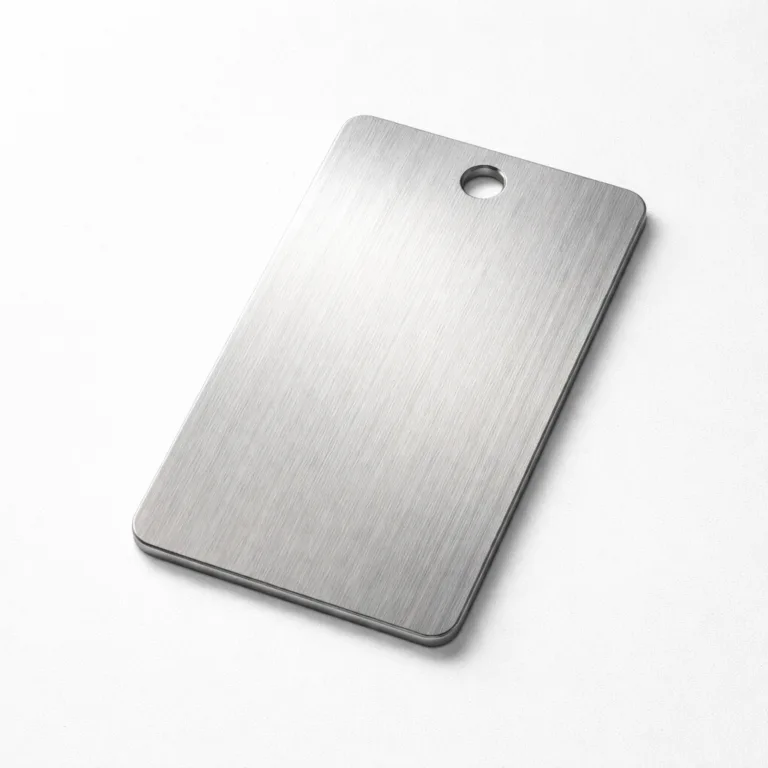
A pre-production sample is a physical prototype produced before full-scale manufacturing. It’s intended to validate the tag’s material, finish, shape, and overall spec under real-world conditions. Mass production, on the other hand, launches the full order based on approved digital proofs or artwork, aiming for volume efficiency and unit cost savings.
Both approaches are relevant for industries needing durable identification, branding, or compliance tags. Buyers often struggle with deciding whether the benefits of sampling justify the upfront investment and whether skipping samples could lead to costly misalignments or failures.
This guide dives deep into trade-offs between pre-production samples and mass production, analyzing quality assurance, potential cost savings, and risk mitigation. Readers will find actionable insights, real-world case studies, and practical checklists to inform their tag sourcing strategies.
The Benefits of Pre-Production Samples

Opting for a pre-production sample offers clear advantages in terms of quality assurance and risk control. Validating the actual product before committing to the entire batch has saved many procurement teams from unexpected errors and costly adjustments.
One major benefit is the confirmation of design intent. Samples allow buyers to inspect engraving depth, font legibility, and logo reproduction on the actual metal. This step is vital for complex custom tags such as those found in asset tracking or branded logo plates, where every detail must meet specs.
Material verification is equally important. A physical sample lets buyers evaluate alloys such as aluminum, stainless steel, or brass in their intended environment, confirming performance attributes like corrosion resistance or surface finish. Rain Chen, a veteran craftsman at UC Tag, often sees teams catch subtle issues during sample review—such as overly reflective finishes that hinder barcode scanning or adhesive failure on textured surfaces.
- Defect prevention: Sampling catches issues like incorrect shapes, unreadable text, or improper hole placement before they affect the whole batch.
- Cost containment: Early fixes avoid mass reworks, which can multiply cost and delay schedules.
- Real-life validation: Testing tags in their true application ensures suitability under vibration, exposure, or abrasion.
- Iterative collaboration: Sampling fosters transparent communication between buyer and manufacturer, creating room for feedback-driven refinements.
Visual confirmation is especially valuable for industries with strict compliance or branding needs. For instance, in aerospace and automotive, samples are field-tested against regulatory standards for engraving permanence and barcode readability.
Ultimately, investing in a pre-production sample streamlines project management—reducing uncertainty, providing a platform for tweaks, and securing confidence before mass production begins.
The Drawbacks of Pre-Production Samples
Despite clear benefits, pre-production samples are not always the most efficient path. They incur extra upfront costs, which can strain the initial project budget—especially for smaller orders or tight lead times.
The sampling process introduces extended timelines. Manufacturing and shipping a physical prototype adds weeks to a project, which might hinder urgent deployments or rush orders. For some B2B buyers, waiting for a sample can jeopardize product launches or time-sensitive contracts. For rapid turnarounds, see what to expect in the Rush Order Metal Tags guide.
There’s also risk of misalignment if samples aren’t made to full spec. Under-sampling—such as requesting a color sample without full hardware or backing—results in incomplete testing and potential surprises during mass production.
Some projects yield no valuable insights from sampling, especially when the product is low-risk or standardized (e.g., simple stamped dog tags in high volume). In these cases, production errors are unlikely and the cost of sampling might outweigh its value.
Buyers should reassess the need for sampling if their tag order involves straightforward materials, standard shapes, and non-critical applications. When previous production runs have established quality standards and mass uniformity, skipping sampling may be justified.
Ultimately, the decision depends on evaluating order complexity, timeline flexibility, and the potential impact of a defective batch.
Materials Comparison for Metal Tags
The choice of tag material affects quality assurance and suitability for both pre-production samples and mass production. Let’s look at the characteristics of common metals:
| Material | Strengths | Weaknesses | Typical Uses |
|---|---|---|---|
| Aluminum | Lightweight, corrosion resistant, cost-effective | Softer, prone to scratches | Asset tags, barcodes, outdoor ID |
| Stainless Steel | High durability, excellent corrosion resistance, aesthetic | Higher cost, heavier | Machine plates, compliance tags |
| Brass | Stylish finish, oxidation for vintage look, antimicrobial | Oxidizes over time, pricier | Luxury branding, wine, pet tags |
Aluminum tags are popular for mass production, especially in environments needing lightweight and cost-efficient solutions. They hold up against weather but may scratch more easily during shipping or use. Stainless steel stands out for long-term durability, asset security, and high-strength requirements. UC Tag often recommends stainless for heavy-duty gear or serialized industrial plates.
Brass tags deliver an elegant, timeless look suitable for premium branding. Industries like wine bottling and luxury luggage often select brass for its visual and tactile appeal. For real-world durability comparisons, see the Brass vs. Steel Tags Case Study.
Application context guides material choice. If tags face chemical exposure, humidity, or rough handling, prioritize durability tests. Surface finishes—such as anodizing, electroplating, or enamel filling—can further enhance resistance to wear and environmental deterioration.
In summary, material selection should align with both manufacturing goals and the tag’s expected operating environment.
Manufacturing Methods: Choosing the Right Approach
Metal tag manufacturing involves several key techniques, each with unique quality, speed, and cost implications. Understanding these will help buyers align process choice with project requirements—whether sampling or mass production.
Engraving—Laser or CNC engraving provides highly legible, permanent marks. It suits applications needing fine detail or depth, such as serial numbers or micro-text.
Stamping—Mechanical dies create embossed or debossed shapes. This is efficient for large runs and produces durable, tactile features. However, precise spec alignment is crucial for batch uniformity.
Chemical Etching—A controlled acid process creates crisp lines and logo detail, ideal for intricate designs where sharp contrast is needed.
Printing—UV or offset printing adds full color or photo-realistic detail to logo plates. It’s typically used for branding or QR/barcode tags where color accuracy matters. Learn more about UV printing’s transformative impact in Unlock the Power of Vivid Color.
Each method impacts durability and appearance. Engraving and stamping provide longevity and resistance, while printing offers versatile aesthetics. To choose the best approach, assess the required spec—such as depth for readable engraving, or colorfastness for branding tags. For help with legibility, see the Expert Font Size Guide.
UC Tag shop-floor teams emphasize matching manufacturing methods to end use: rugged environments favor deep engraving and stamping, while retail branding tags might opt for specialized finishes and precise printing for visual impact.
Design & Spec Checklist for Metal Tags
Ensuring your tag design is fully aligned before mass production is critical for avoiding costly errors. Here’s a practical checklist for buyers and engineers:
- Size and thickness: Confirm measurements to fit application hardware or branding requirements.
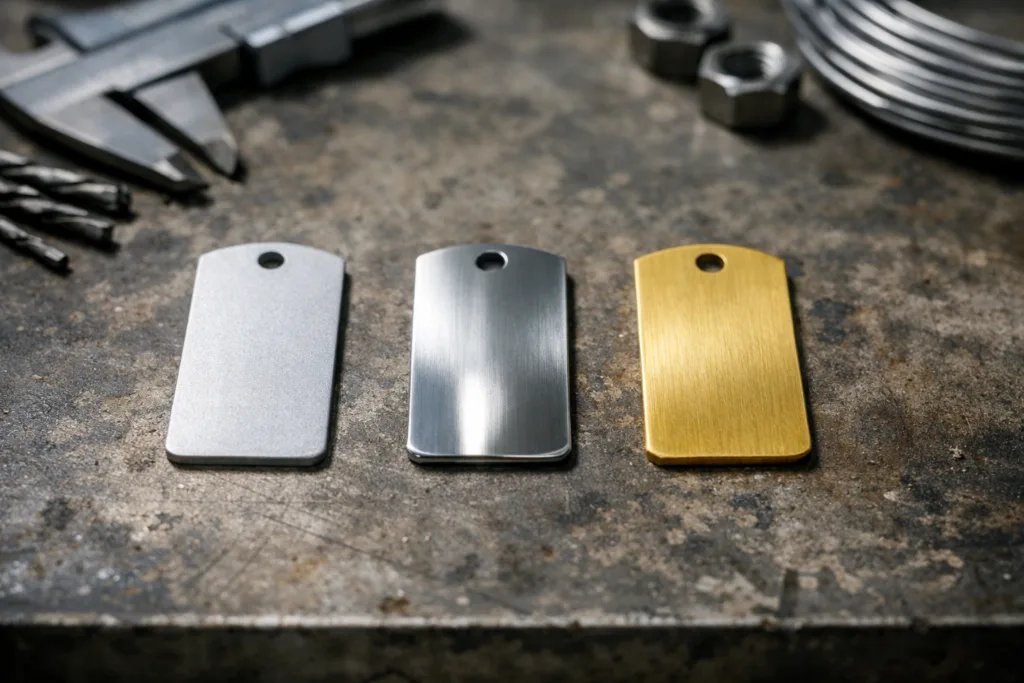
- Finish: Choose between brushed, glossy, matte, or specialty plating for durability and appearance.
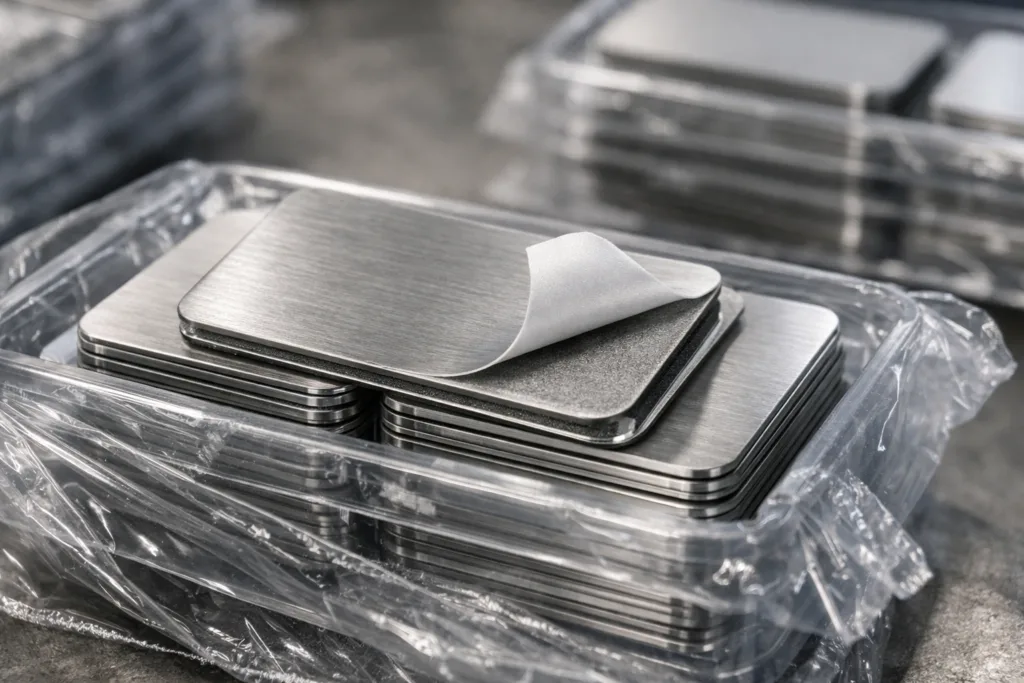
- Attachment method: Determine if holes, adhesive backing, or rivets suit your installation environment.
- Legibility: Test minimum font sizes and contrast, especially for engraved or stamped text.
- Batch uniformity: Specify tolerances for shape, thickness, and surface to ensure consistency.
- Custom shapes: Evaluate impact on branding and production complexity.
| Spec | Sample Validation | Mass Production Risk |
|---|---|---|
| Artwork Proof | Physical sample confirms real-world appearance | Errors can go undetected, leading to costly reprints |
| Holes/Backing | Attachment method tested in application | Incorrect placement affects usability |
| Text Contrast | Legibility verified on actual material | Poor contrast leads to unreadable tags |
| Custom Shape | Prototype checks tolerances and branding | Shape mismatch undermines fit and function |
Reviewing these factors during sampling ensures prototypes match design specs—and can prevent mass production headaches. UC Tag’s teams recommend requesting real samples even if designs seem straightforward.
For advanced cut-out or logo designs, explore step-by-step proofing in the Transform JPEG Logos Into Dynamic Cut-Out Designs guide.
Durability & Testing Considerations
Real-world durability is the backbone of successful metal tag sourcing. Testing spans corrosion resistance, abrasion, UV exposure, and salt spray—each vital for applications in harsh or demanding environments.
Corrosion tests simulate exposure to moisture and chemicals, predicting lifespan for outdoor or industrial tags. Abrasion resistance examines surface wear during handling or installation, critical for machine ID plates and serial number tags.
UV exposure testing checks colorfastness and readability in sunlight. Salt spray simulates marine or high-humidity conditions, ensuring tags don’t rust or degrade. Find marine testing insights in Salt Spray Testing Secures Marine Tags.
Forensic testing helps spot flaws tied to material or design—such as pitting, flaking, or fading. Neglecting these steps can result in costly recalls. One notable case involved a manufacturer skipping corrosion tests: their asset tags failed within six months, requiring total batch replacement and substantial financial loss.
UC Tag’s quality team recommends regular testing intervals for long-term projects, especially when environmental variables change or high-value assets are involved.
For asset or compliance tags, buyers should always request proof of durability tests with samples, then maintain ongoing QC checks during mass production.
Industry/Application Fit: When to Choose Samples
Certain industries and applications stand to benefit most from pre-production samples. Let’s look at practical cases:
Automotive and Aerospace: Both industries demand tags that meet strict regulatory and performance standards, with high stakes for identification accuracy. Field-tested samples validate specs before mass rollout.
Manufacturing Equipment: Industrial ID and serial plates require resilience against chemicals, vibration, and heat. Sampling ensures engraving and attachment methods endure real-world abuse. To master chemical resistance, see the Engineer’s Guide to Durable Industrial Tags.
Consumer Goods: Branding tags on pet collars and luggage call for premium finishes and lasting readability. Samples confirm color, finish, and mounting options before large-scale production. Check out expert tips for thickness in Find the Perfect Luggage Tag Thickness.
Regulated Industries: High-stakes environments with compliance, such as healthcare or utility tagging, benefit from prototyping since errors can compromise safety or traceability.
Ultimately, buyers should request pre-production samples whenever the target market expects flawless branding, long-term durability, or regulatory compliance. The extra investment reduces risk, maximizes customer satisfaction, and secures standards alignment.
Common Mistakes and Troubleshooting on Metal Tags
Buyers frequently encounter pitfalls during production—from unreadable text to poor adhesive selection and incorrect finishes. These mistakes impact usability and appearance, but can often be resolved quickly with best practices.
Unreadable text usually stems from insufficient font size or low contrast. Review minimum legible sizes in the Expert Font Size Guide. Adhesive failures are common when backing types don’t match surface finishes; for durability insights, see Stick-On Metal Logo Tags with 3M.
Improper material selection can cause peeling or corrosion. For instance, using soft aluminum for heavy-duty applications often results in premature wear. Shop-floor teams at UC Tag troubleshoot by tracing issues to batch specs, then making corrections in subsequent production runs.
Poor quality control in mass production can lead to uniformity issues across hundreds or thousands of tags. Regular batch inspections and enforcing spec checklists ensure consistent output.
Buyers should devise quick troubleshooting steps—such as cross-checking proofs, validating finishes, and testing attachment methods. Ongoing compliance reviews help maintain production standards and avoid costly fixes.
Ordering Guide: A Step-by-Step Process
A streamlined ordering process improves clarity and minimizes sourcing delays. Here’s a step-by-step guide for effective ordering:
- Determine minimum order quantities (MOQ): These impact unit costs and manufacturing viability. For practical MOQ insights, read Why Custom Metal Tags Require MOQ.
- Evaluate expected lead times: Pre-production samples add time, but reduce risk; mass production with no sampling moves faster but may amplify defects.
- Submit clear artwork: Detailed proofs enable accurate production and reduce errors.
- Review packaging and shipping: Proper packaging guards against transit damage and ensures tags arrive ready for installation.
- Maintain ongoing communication: Follow up with suppliers, request progress updates, and clarify specs as needed.
Establishing these steps creates predictable outcomes and supports a hassle-free sourcing experience.
Frequently Asked Questions
How do pre-production samples help reduce risks in metal tag manufacturing?
By allowing buyers to validate material, finish, and design before mass production, pre-production samples catch defects and specification mismatches early, reducing costly errors and ensuring the final tags meet intended requirements.
Are pre-production samples necessary for simple, standardized metal tags?
For basic or high-volume tag orders with established specs, pre-production samples may be unnecessary, but they are recommended for complex designs, branding, or environments with strict compliance standards.
What are common mistakes when ordering metal tags without samples?
Frequent mistakes include unreadable engraving, improper adhesive selection, inadequate finishes, and batch inconsistencies; these are easily prevented by validating a sample before mass production.
How can buyers ensure durability in mass-produced metal tags?
Buyers should request evidence of material and environmental testing, such as corrosion and UV resistance, and maintain regular quality control checks throughout production to ensure long-term tag performance.
Does requesting a pre-production sample significantly extend the project timeline?
Yes, sampling can add weeks to the timeline, but it also reduces risk and prevents larger delays caused by defective mass-produced batches, so buyers should weigh urgency against quality assurance.
What is the role of artwork proofs in mass production orders?
Artwork proofs provide a visual reference for manufacturers, ensuring design accuracy and helping prevent errors in engraving, stamping, or printing; they are crucial for both sampling and full-scale production orders.
Related Reading
- Speed Up Tag Delivery: What to Expect with Rush Orders and Expedited Production
- Smart Choices: How Tag Size, Colors & Materials Shape Your Project Cost
- Avoid Delays: The Top Design Mistakes That Stall Your Metal Tag Orders
- Get It Right: The Proven Guide to Minimum Legible Text for Metal Tag Engraving & Stamping
- 5-Year Wear & Tear Insights: Brass vs. Steel Metal Tags in Real Industrial Settings
- Vivid Custom Branding: Unlocking the Power of UV Printing on Metal Tags