Introduction to Pet Product Shapes
When bringing new items to market, successful pet product brands know that every detail matters—even the shape. The most iconic and effective pet shapes, such as bones, hearts, and circles, do more than just look good. They play a crucial role in how pet products are perceived and purchased.
Shapes instantly signal the product’s purpose and emotional value. Pet owners look for designs that reflect their bond with their pets, and the shape is often the first cue they notice. For manufacturers and distributors, aligning chosen pet shapes with brand identity isn’t just about branding but about building an emotional bridge between the product and the end-user. Aesthetic appeal determines shelf impact and can influence split-second buying decisions. This article explores why bone, heart, and circle remain dominant in pet shapes and how each affects market results.
The Appeal of the Bone Shape
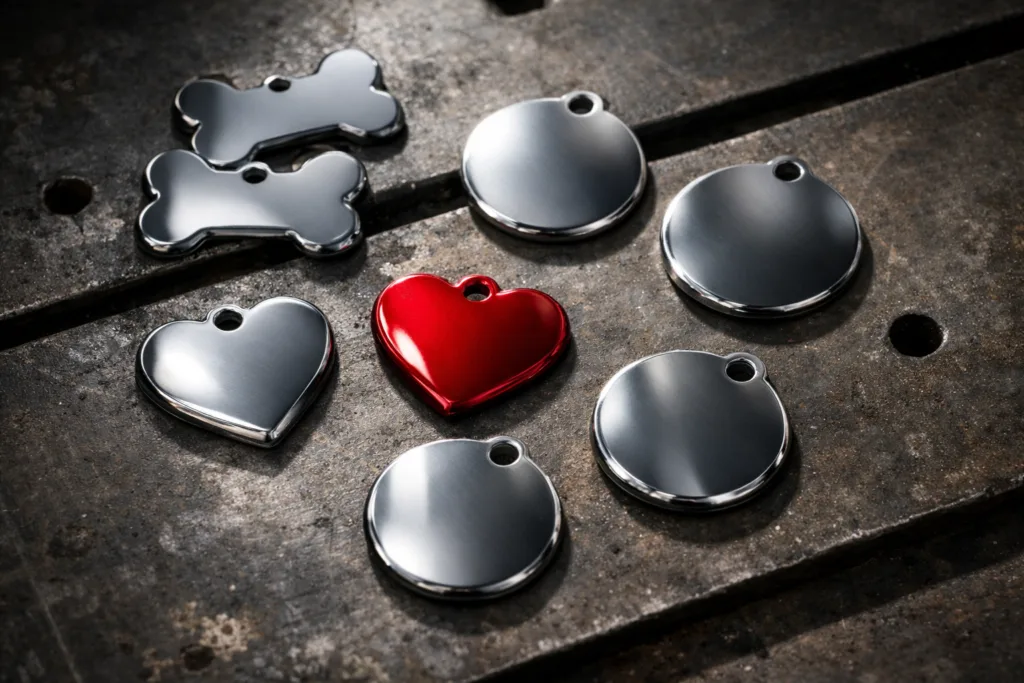
The bone shape is almost synonymous with dogs and pet ownership. Its instantly recognizable outline sparks associations with treats, play, and classic canine joy. For many people, bone-shaped pet products recall images of a dog’s favorite chew toy or reward from a training session. Culturally, the bone shape stands as a symbol of canine happiness, trust, and playfulness.
Looking at market trends, the bone shape leads in categories like dog tags, toys, and even plush accessories. Recent consumer surveys show that nearly 40% of dog owners gravitate toward bone-shaped pet products, citing a “fun,” “friendly,” or “authentic” connection. This nostalgia factor appeals to multi-generational buyers and influencers alike.
Bones also lend themselves easily to a variety of pet products, such as ID tags, because they feature flat surfaces for engraving and practical attachment points—making them a smart choice for durability and design. At UC Tag, Rain Chen notes the enduring popularity of stamped bone-shaped tags, explaining, “Clients trust the bone shape for its balance of surface area and playful recognition factor. It’s satisfying to produce tags that people and pets connect with instantly.”
- Popular in dog tags, chew toys, treats, and apparel accents
- Easy to manufacture with clear, symmetrical lines
- Strong nostalgic and playful associations for pet families
The Heart Shape’s Influence on Buying Decisions
No other pet shapes stir feelings quite like the heart. This design instantly signals love, care, and affection, and has become a top seller in the world of pet products—a direct emotional appeal to owners wishing to celebrate their connection with their pets. Hearts are commonly seen in ID tags, charms, and customizable accessories given as gifts, especially during holidays or special occasions.
Gift-giving trends reveal a particular preference for heart-shaped tags and ornaments. Many customers opt for the heart when creating a commemorative or “in memory of” piece, and more brands target this shape in campaigns aimed at women, families, and the artisanal gift market. Market data indicates a consistent increase in demand for heart-shaped products for lifestyle or luxury positioning.
Choosing the heart shape can help brands carve out distinctiveness in a crowded market. Products that combine the visual softness and emotional symbolism of the heart often fetch premium attention—especially if finished with custom engraving or colored enamel. This differentiation, paired with the heart’s universal positive associations, means pet shapes are a strategic asset for both small crafters and large pet product manufacturers.
The Versatility of the Circle Shape
Among all pet products, circles may be the most adaptable. The circle shape is timeless—its classic simplicity complements nearly any design style or branding palette. Circles are found everywhere in the pet world: as traditional ID tags, bowls, collars, pendants, and even interactive toys. Their symmetrical nature not only looks elegant but offers manufacturing efficiency, reducing complexity and waste when cut from sheet metals like aluminum or stainless steel.
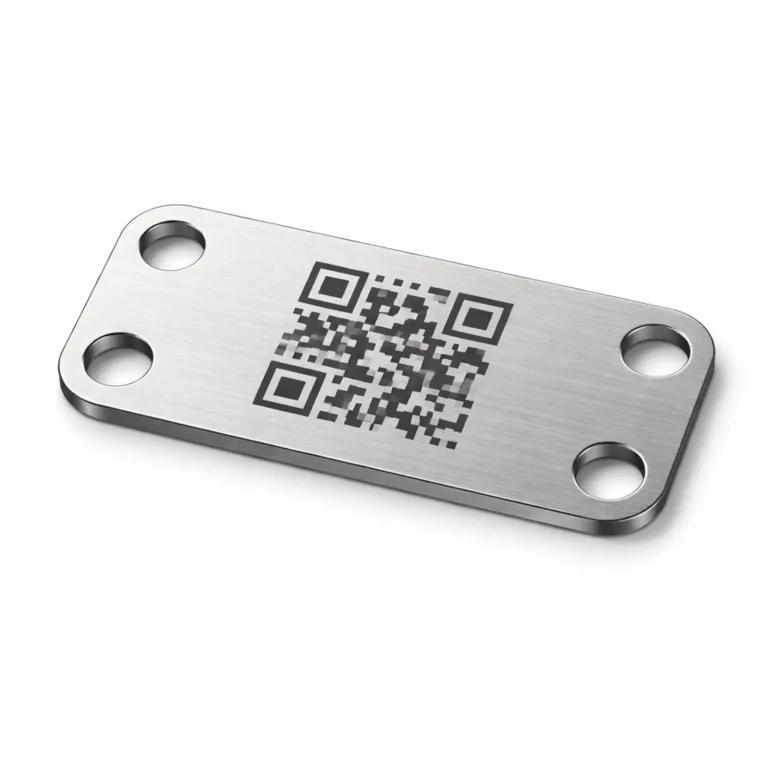
Circular tags allow for maximum engraving space for vital information, QR codes, or branding without awkward corners. This makes the shape a go-to for both function and aesthetics. Target markets that value understated elegance, such as premium or minimalist pet accessory lines, naturally gravitate toward the circle.
Circle shapes remain prevalent because they transcend fluctuating design trends and age groups. Their usability spans everything from rugged outdoor gear for adventure pets to refined boutique accessories. If you’re producing high-volume pet products for varied audiences, the circle delivers a balance of style and practicality.
Materials Comparison for Pet Products
Selecting the right material is essential when designing pet shapes for different pet products. Aluminum, stainless steel, and brass each have unique properties that determine suitability based on application, durability, and aesthetics.
| Material | Durability | Weight | Corrosion Resistance | Outdoor Suitability | Finish Options | Shape Flexibility |
|---|---|---|---|---|---|---|
| Aluminum | Medium | Lightweight | Excellent (anodized) | High | Color, Anodize, Print | High (easy cut, engrave) |
| Stainless Steel | High | Medium/Heavy | Outstanding | Very High | Polish, Etch, Laser | Medium (precision stamping) |
| Brass | Medium | Medium | Good | Medium/High | Antique, Polished | Medium (some shape limits) |
Designers should consider corrosion resistance if the pet shapes will face outdoor conditions—stainless steel excels here, especially for rugged dog tags or gear. Weight and thickness affect both comfort and production cost; aluminum is best for large tags that must remain light, while brass offers a classic look for gifts or collectibles. Certain materials also take to specific finishes better than others (for example, anodized aluminum for vibrant colors or etched stainless for crisp branding). Ultimately, the product’s environment and function direct the optimal material choice.
Manufacturing Methods for Custom Shapes
Choosing a manufacturing technique impacts the cost, speed, and look of pet products. Methods like stamping, laser engraving, chemical etching, and UV printing serve different needs and budgets.
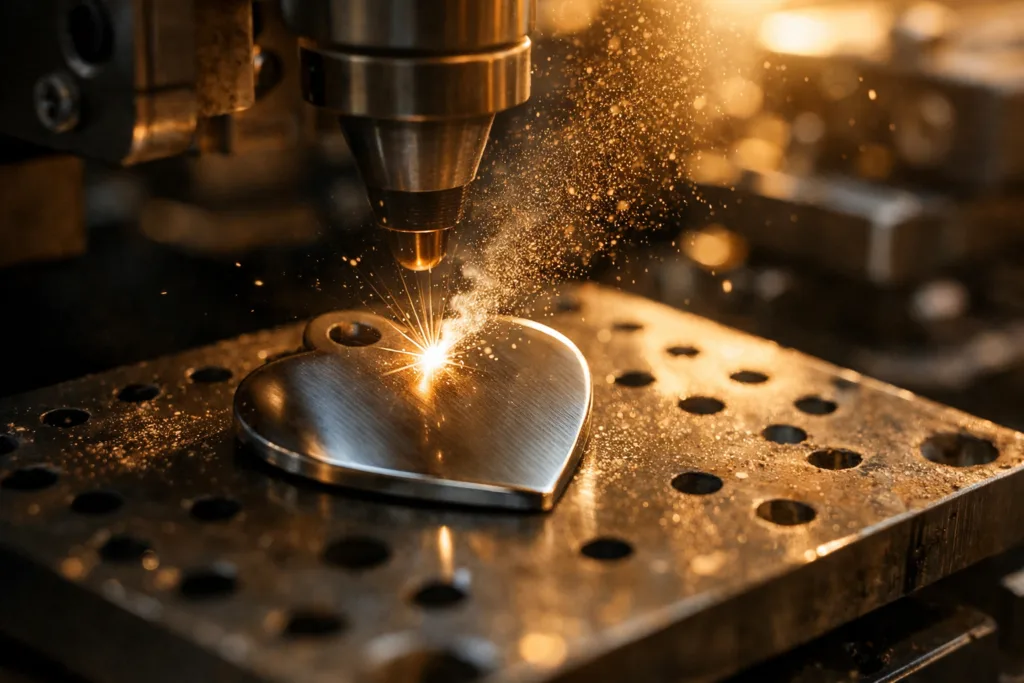
Stamping is excellent for batch runs of shapes like circles or bones, delivering uniform results and quick turnaround. Laser engraving allows for high-precision customization—ideal for intricate details on heart or bone tags. Chemical etching achieves subtle textures for premium pieces, while UV printing adds full-color artwork for unique branding.
Manufacturers should weigh not just the visual outcome, but also batch size and repeat order consistency. For example, UC Tag frequently advises clients on when deep stamping or laser is best for durability versus detail level. Cost and lead time also vary: stamping offers efficiency on large lots, while customization typically increases both price and production timeline. Selecting the right method balances aesthetics, long-term wear, and logistics, ensuring pet products meet both buyer and owner expectations.
Design & Specification Checklist
The right foundation for effective pet shapes is a clear, manufacturing-ready specification. Well-designed pet products minimize production issues and maximize both appeal and function. Use the checklist below for a streamlined process:
- Confirm dimensions (size & thickness) for the intended use and user comfort.
- Choose the most suitable shape (bone, heart, circle) for emotional impact and functionality.
- Select appropriate finishes (anodizing, plating, enamel) for aesthetics and durability.
- Determine optimal hole placement or adhesive backing, depending on attachment method (keyring, collar, 3M tape).
- Ensure all engravings or text meet minimum readability standards, considering lighting and vision needs.
- Specify tolerances tailored to stamping or engraving methods to avoid production mismatches.
Gather all artwork files in a vector format for best translation into molds or machine code. Conduct a test or sample run if possible to address any fit-and-function issues early, helping avoid costly design mistakes. For more on sizing, check out Military vs. Pet Dog Tag Sizes: Specs, Materials, and Buyer Guide for Industrial Applications.
Durability & Testing of Pet Products
Durability is a top priority in the pet industry, as owners expect products to withstand daily wear and unpredictable environments. Robust materials don’t just look good—they meet safety and brand promises. Key tests for pet products include corrosion (especially for outdoor tags), abrasion (against fur or hardware), UV resistance for colored finishes, and salt spray to simulate harsh climates or pets living near the ocean.
Standard tests set longevity expectations and ensure performance under tough conditions. Most brands aim for compliance with material and safety benchmarks, helping build consumer trust and lower warranty claims. Tips for choosing based on test results include prioritizing stainless steel for coastal applications or anodized aluminum where lightweight matters but color is needed. Rain Chen at UC Tag shares, “Testing is the difference between a tag that disappoints after a season and one that survives the dog’s whole adventure lifespan.” For further assurance, consistent quality checks before shipment are essential.
Common Mistakes & Troubleshooting
Designing and manufacturing custom pet shapes comes with avoidable challenges. One major pitfall is selecting a popular shape, like a heart or bone, without considering whether it fits the function or target market. Sometimes the shape can limit engraving space, causing information to be cramped or illegible—especially on smaller tags for cats or toy breeds.
Adhesive choices are another source of trouble. Using low-grade adhesive on metal pet products often causes peeling and shortens product lifespan. Environmental factors—like exposure to mud, salt, or snow—can corrode or fade finishes if not properly accounted for. Neglecting these may result in costly returns or negative reviews.
To avoid these issues, invest in real-world testing, align shape with function, and work with specialty manufacturers who provide artwork proofing and suggest proven attachment methods like rivets, S-hooks, or 3M backings. For a deeper dive on avoiding costly missteps, see 5 Costly Design Mistakes That Stall Your Custom Tag Order (and How to Avoid Them).
Ordering Guide for Custom Pet Products
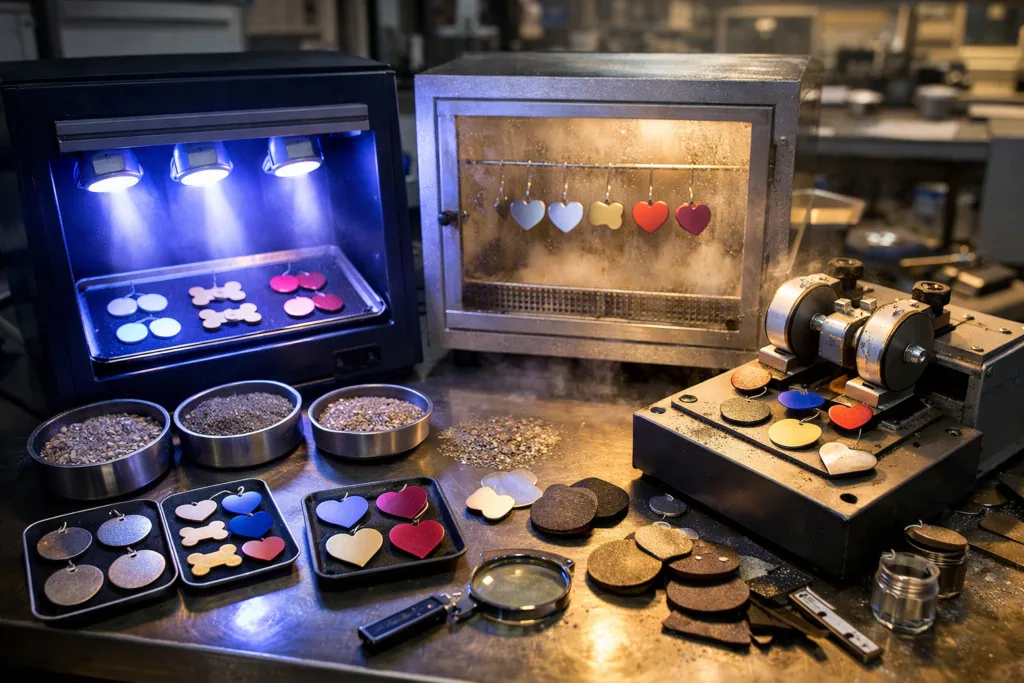
A streamlined ordering process is vital for B2B buyers sourcing custom pet shapes in pet products. Start with clarifying your minimum order quantities (MOQs)—these vary by manufacturing method and complexity. Planning ahead ensures you meet both production requirements and budget.
Lead times change based on order size, shape intricacy, and finishing choices, ranging from 2–6 weeks for common shapes to 8+ weeks for new, highly customized designs. Early and accurate artwork submission, preferably in vector format, ensures manufacturability without delays. Always proof designs and request physical or digital samples to spot potential issues before full production runs.
- Clarify shipping and packaging needs, particularly for delicate finishes or bulk orders.
- Account for custom arrangements (engraving, color fill, QR codes) in both spec sheets and order agreements.
- Check lead time specifics for each manufacturing method and location; for global buyers, review Mastering International Metal Shipping: Minimize Costs, Avoid Customs Delays.
Buyers interested in variety or prototyping should take advantage of sample request procedures (like UC Tag’s standard samples offering), allowing stakeholders to validate pet shapes and quality before committing to high-volume orders.
Frequently Asked Questions
Are bone, heart, or circle the only viable pet shapes for pet products?
No, while bone, heart, and circle shapes are most common for pet tags and accessories, other custom die-cut shapes can be produced to reflect unique branding or special functions; however, these three shapes are proven for broad market acceptance and manufacturing efficiency.
What material is most durable for outdoor pet shapes?
Stainless steel offers outstanding durability, corrosion resistance, and longevity for outdoor pet shapes, making it the preferred choice when tags or accessories must endure harsh weather or rough play.
Does the shape of a tag affect manufacturing cost?
Yes, simple shapes like circles and bones cost less due to easier tool setup and less waste, while intricate designs (such as custom hearts with cutouts) often increase setup costs, lead time, and per-unit price.
How can I ensure branding stands out on pet shapes?
Choose a shape that complements your logo and color palette, consider finishes that highlight engraving or print, and use readable font sizes; requesting a pre-production sample ensures branding visibility before full-scale manufacturing.
What is the typical lead time for custom pet products with unique shapes?
Lead times vary, but standard bone, heart, and circle tags often ship 2–6 weeks after artwork approval; more complex or completely custom shapes may require 8+ weeks due to tooling or proofing adjustments.
How important is shape for pet safety and comfort?
Very important—rounded corners and snag-free profiles on circles or bones protect pets from sharp edges, while lighter materials and balanced hole placement improve comfort and minimize risk during active use.
Related Reading
- Discover Why Hexagons and Diamonds Are Revolutionizing Modern Metal Tag Design
- How Unique Die-Cut Shapes Can Instantly Elevate Your Branding and Packaging
- Avoid the Top 5 Costly Design Mistakes When Ordering Custom Tags
- Choosing the Right Dog Tag Size: Specs and Materials for Maximum Durability
- Expert Guide: Ensure Legible Text on Engraved and Stamped Metal Tags Every Time