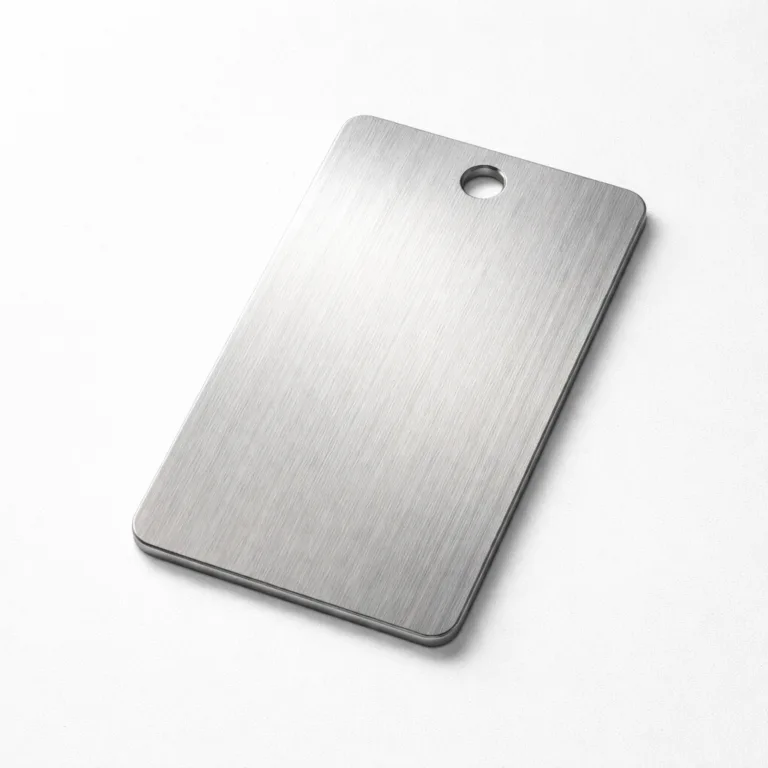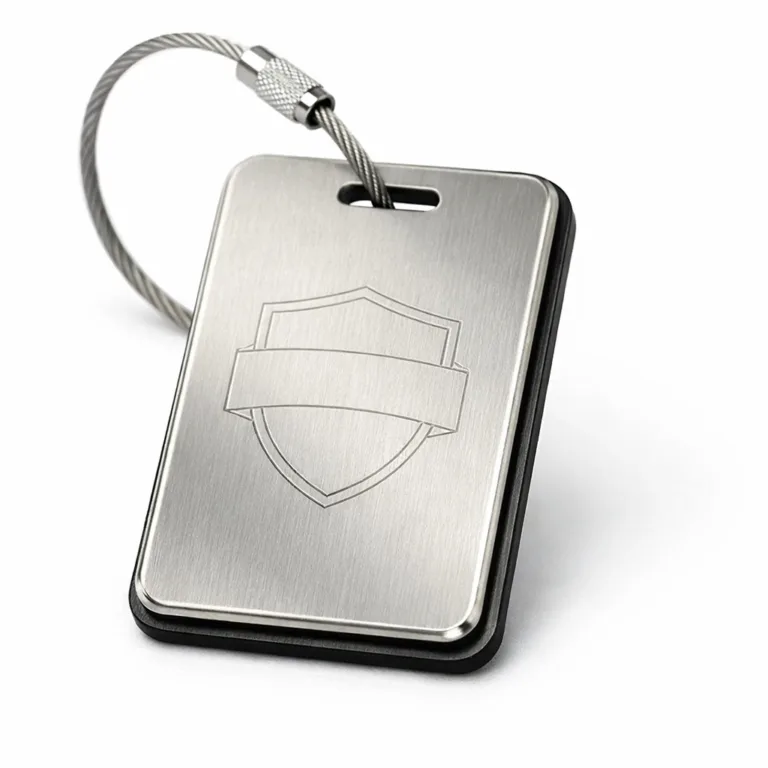
Introduction to Pet Identification Solutions
When it comes to pet safety, few topics are as vital—or as debated—as effective identification. With lost pet return rates rising for those properly identified, businesses and engineers sourcing pet solutions need to know: What works best? Among today’s options, the classic pet tag and the modern microchip for dogs remain at the forefront of practical discussion. Each method holds a crucial place in protecting pets and ensuring quick reunification with owners.
This article explores the real-world differences between traditional dog tags and advanced microchips. We’ll also touch on newer dog tracker chip technologies, plus examine the unique strengths and realistic limits of each ID method. While some see microchips for dogs as technology’s answer, visible tags still offer unmatched instant recognition. Understanding where the pet identity chip and the pet tag fit in your identification strategy helps maximize safety—and peace of mind.
Definitions and Basics of Dog Tags and Microchips
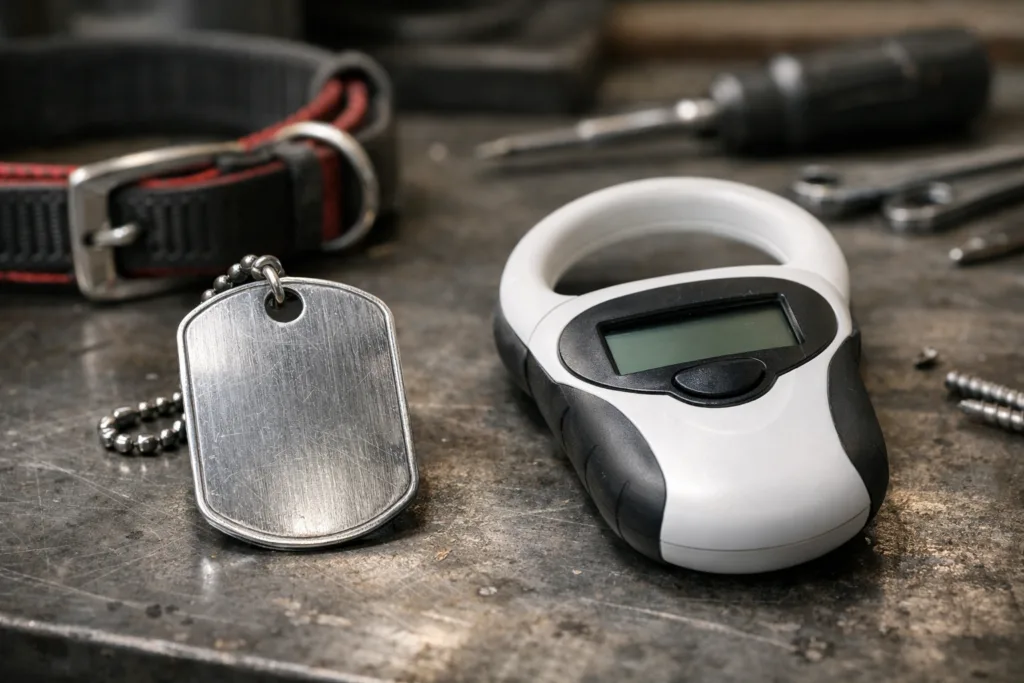
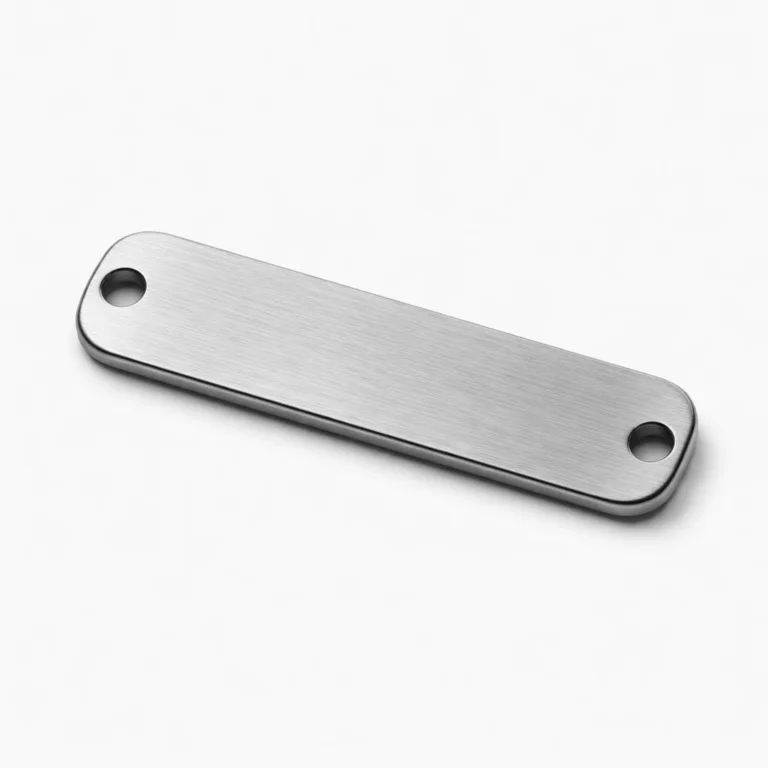
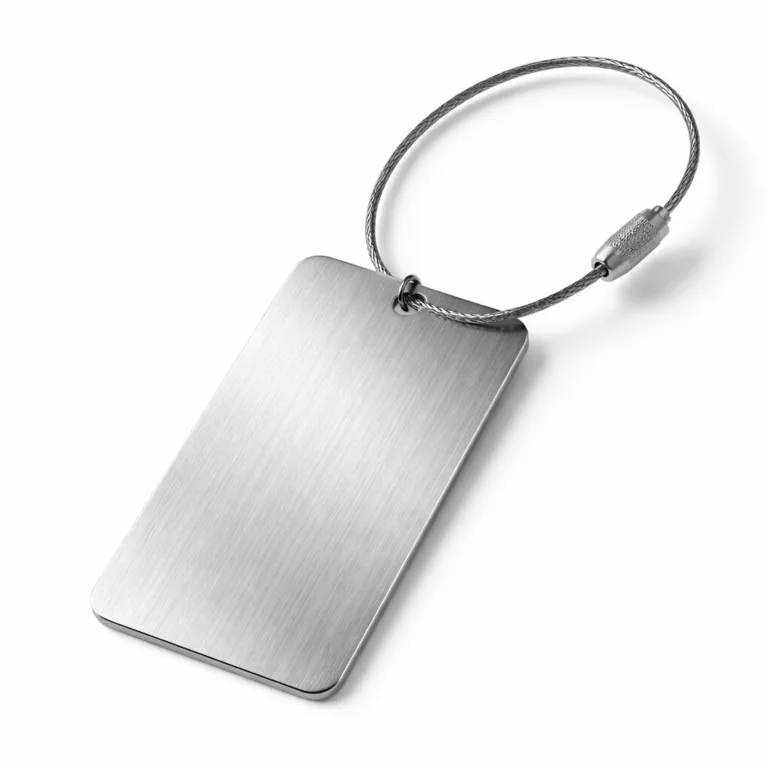
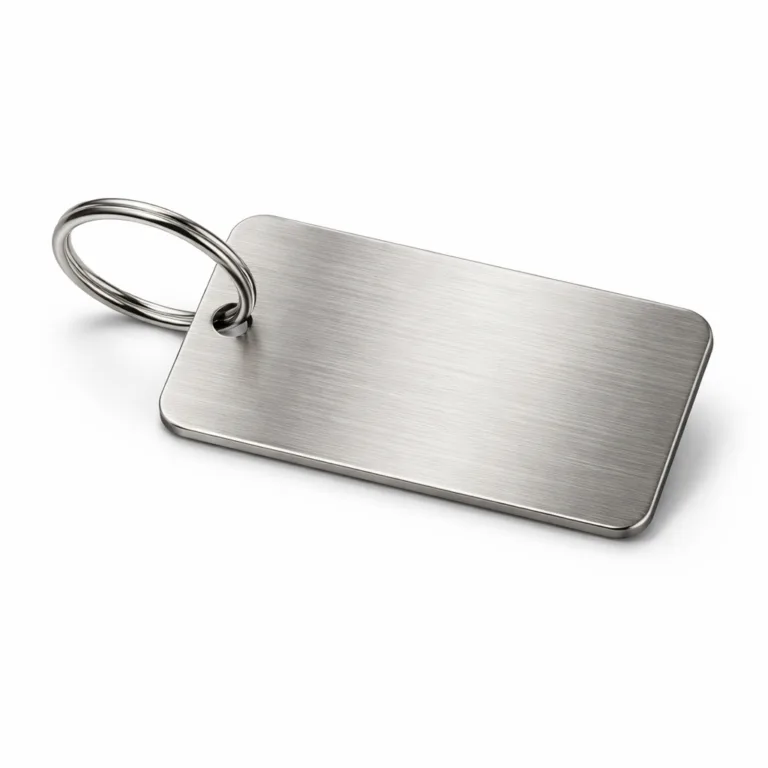
A dog tag is a visible, physical pet tag—usually metal—attached to a collar. Typically engraved, laser marked, or stamped, these tags display vital information like the pet’s name and the owner’s contact number. Dog tags are easy to read and provide an immediate point of contact for anyone who finds the animal.
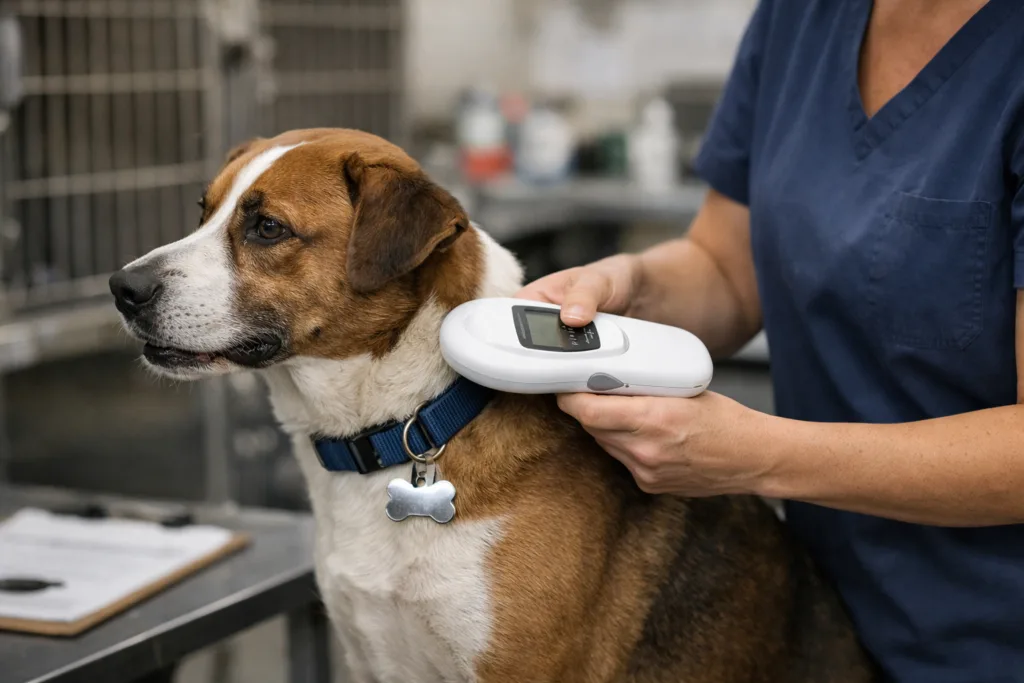
In contrast, microchips for dogs are tiny electronic devices—smaller than a grain of rice—implanted beneath a pet’s skin, usually by a veterinarian. Each pet identity chip holds a unique ID number readable by a compatible scanner. This number links to the owner’s details in a database. Microchips for dogs don’t use GPS, so they’re not dog tracker chips but are still highly effective for long-term animal identification and recovery, especially through clinics and shelters equipped with scanners.
Both technologies work under different conditions. While a pet tag acts as a first line of defense—instantly visible and actionable—a microchip supplements this by offering a permanent, tamper-proof backup if the collar or tag is lost. Many responsible owners and professionals combine both solutions to cover every scenario.
Advantages of Engraved Dog Tags
Engraved pet tags offer immediate visibility, which can save precious time if a pet is lost. Finders quickly see the pet tag and call the number without needing special tools or waiting for a shelter scan. This speed is essential for pet recovery in busy or unpredictable environments.
Dog tags never run out of battery and require no technology to access the information. Engraved tags can be customized with the pet’s address, a secondary emergency contact, or even medical alerts. This customization adds versatility and utility for a variety of applications, from dogs to working animals, cats, or even livestock.
Durability is another strong suit—especially for tags manufactured from stainless steel, anodized aluminum, or brass. These materials withstand outdoor weather, water exposure, and the rough play common with active pets. Additionally, tags are multi-functional, easily adapted for different animals, environments, or even as branded promotional items for pet-related businesses.
- Instant visual contact for quick owner notification
- Customizable data: name, phone, address, medical info
- No batteries or maintenance needed
- Wide choice of materials for durability
- Multiple applications: from pets to livestock
Benefits of Microchips for Dogs
Microchips for dogs offer a permanent solution that cannot easily be removed or lost, unlike collars. The dog tracker chip is embedded beneath the skin, carrying a unique identification number that links to a secure owner database. This makes the microchip for dogs particularly valuable in high-turnover or high-risk environments, where pets might slip out of their collars or tags get damaged.
One of the main advantages is that microchips for dogs enable identification even if a pet’s tag or collar is lost. They are highly valuable for shelters, rescue centers, and veterinary professionals using compatible scanners to retrieve information. Microchips require virtually zero maintenance—no need for battery replacement or routine checks.
Even in cases where a pet doesn’t wear a collar at all (for instance, cats or certain working dogs), the dog tracker chip provides an essential layer of permanent, silent identification.
Materials Comparison for Tags
Choosing the right material for a pet tag is crucial for balancing cost, durability, and readability. The most common options are aluminum, stainless steel, and brass—each with its own strengths and considerations.
| Material | Durability (1–5) | Corrosion Resistance | Readability | Outdoor Suitability | Cost |
|---|---|---|---|---|---|
| Stainless Steel | 5 | Excellent | Sharp, lasts longest | Excellent | Medium |
| Anodized Aluminum | 3–4 | Very Good | Can dull over time | Good | Low |
| Brass | 4 | Good (may patina) | High contrast | Good (may tarnish) | Medium–High |
Stainless steel is often recommended for harsh outdoor environments due to its superior corrosion resistance and wear strength. Anodized aluminum is lightweight—ideal for small pets—but may lose detail after prolonged exposure. Brass is valued for readability, especially with deep engraving, but can develop a natural patina that may require occasional upkeep.
Surface treatments, like UV printing or chemical etching, affect both cost and performance. For clients with strict durability requirements, consulting with experienced manufacturers like UC Tag can help identify the ideal blend of longevity and legibility to fit the application.
Manufacturing Methods: Tag Creation Explained
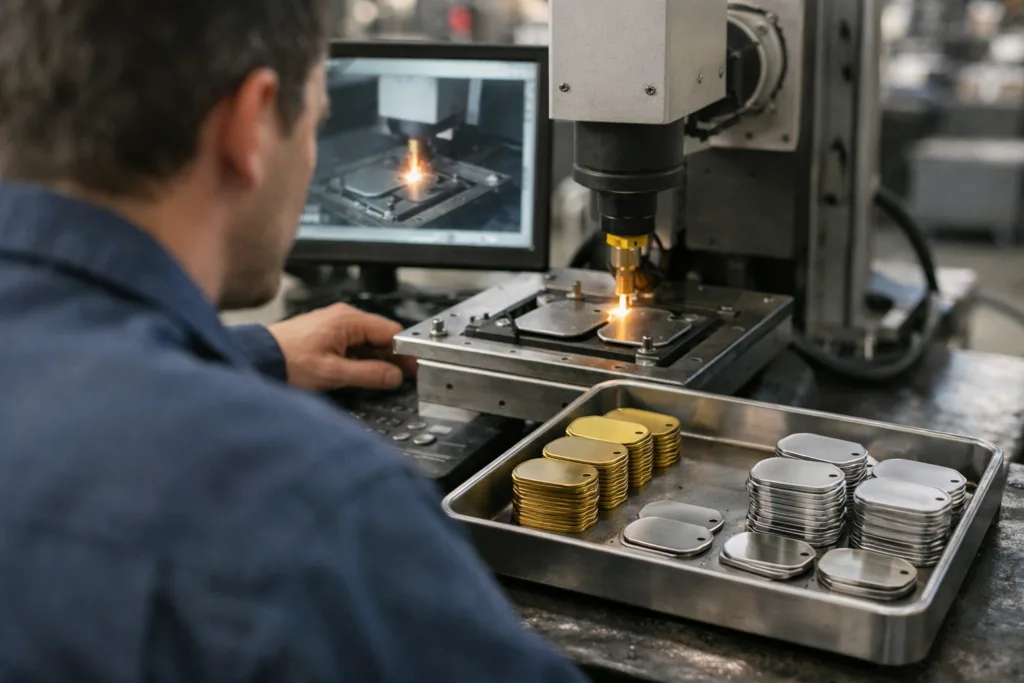
Dog tag manufacturing includes a variety of processes, each impacting the final durability, aesthetic, and application. The primary methods are engraving, stamping, chemical etching, and UV printing.
- Engraving: Offers clean, deep lines—exceptional for readability and long service life. Laser or CNC methods are common.
- Stamping: Compresses metal to create raised or recessed text. Fast, economical for large batches, somewhat less detail than engraving but very tough.
- Chemical Etching: Enables very fine, intricate designs ideal for logo plates or special graphics. Slightly more prone to wear unless protected with a finish.
- UV Printing: Adds color and custom detail. Best for promotional or short-term tags, as durability under abrasion may be limited depending on coating.
Finishing techniques—like anodizing, electroplating, or enamel filling—extend weather resistance, enhance visibility, and reduce scratching.
Quality control in custom manufacturing is critical. At UC Tag, for example, each batch undergoes visual inspection for clarity and edge quality, plus tolerance checks against specifications, ensuring consistent performance in real-world conditions. The right process depends on your use case and durability demands; high-wear or outdoor roles often favor engraved or stamped tags over alternatives.
Design & Specification Checklist for Tag Orders
Designing an effective pet tag starts with key specifications. Always confirm the correct size, thickness, and finish, based on the target animal and environment. Clarity matters—select readable, high-contrast fonts and finishes.
| Spec Item | Considerations |
|---|---|
| Size | Match breed/animal; 25–38mm typical for dogs |
| Thickness | 0.9–2.0mm for balance of weight and sturdiness |
| Finish | Brushed, mirror, matte, anodized, etc.—per environment & branding |
| Text | Legible font, sufficient contrast, consider medical info |
| Hole Placement | Centered for collars; holes or slots for rivets/adhesive |
| Shape | Classic, custom shapes—aligns with your branding |
Consider options like adhesive backing for gear without collars, or oversized tags for visibility. Confirm dimensions, hole diameter, and tolerances with your vendor; consistency is key for large-scale orders. Custom shapes make tags stand out in the pet retail space—detailed in this guide to best-selling pet tag shapes. Sampling ahead of full production helps ensure your chosen design performs as expected.
Durability and Testing Standards
The durability of a pet identification tag is a non-negotiable factor for buyers supplying active, outdoor, or service animals. Reputable suppliers subject materials and finishes to comprehensive tests including corrosion (salt spray), UV exposure, abrasion, and even immersion in water or cleaning solutions.
Heavy-duty lines—especially stainless steel or brass with robust finishes—are designed to resist high humidity, extreme temperatures, and constant movement. Testing confirms long-term legibility of pet tag markings and attachment points under rigorous field conditions.
Material and finish ratings vary. Aluminum may fade faster under sun or abrasion, while double-plated brass resists tarnish for many years. Reliable testing data helps determine expected lifespan so procurement teams can balance up-front cost with product lifecycle—critical for B2B contracts.
Industry Applications and Use Cases
Deciding between a dog tracker chip and a visible pet tag often hinges on your operating environment—and combining both offers the greatest security. For urban scenarios, visible tags allow quick ID if a dog slips out in a park or crowded street; the finder can call the number on the spot. In contrast, rural settings or remote trails increase the risk of collars catching or being pulled off, so a microchip or tracker chip ensures longer-term recovery if the pet reaches a shelter or clinic.
Veterinarians and animal shelter workers see both technologies daily: a pet tag enables instant calls, while a microchip provides definitive ID for animals without tags. Working and therapy dogs may need specialized info—handler, emergency instructions, or additional tracking capability—customized on both forms of tag for unique recovery or compliance needs.
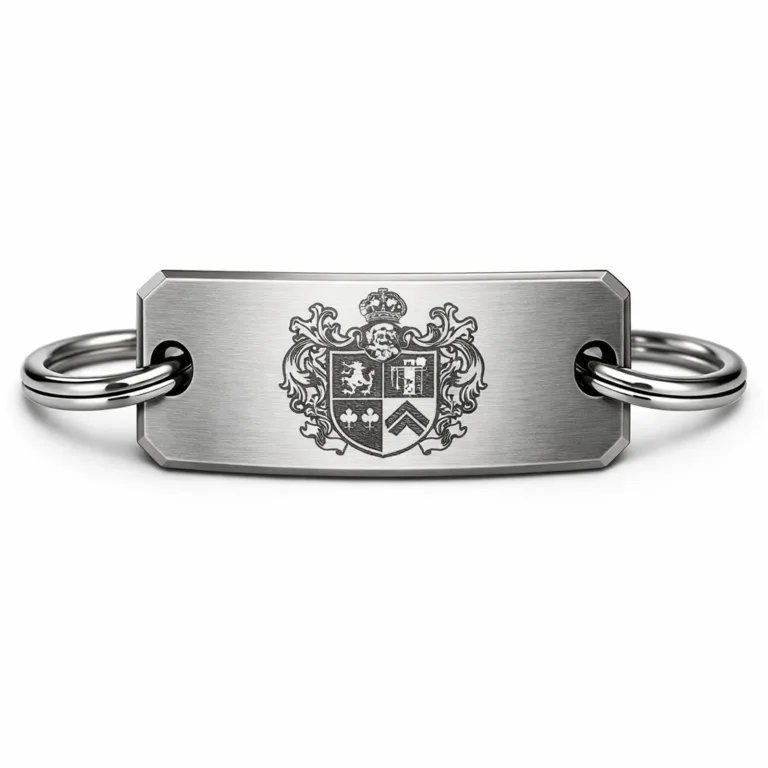
Branding is also a growing trend. B2B buyers increasingly specify unique tag shapes, such as bones, hearts, or shields (see shield crest trends), to reinforce their identity in the market, or promote clubs, adoptions, and pet events as part of customer retention strategies.
Common Mistakes and Troubleshooting Tips
Many buyers underestimate the importance of clear, readable engraving or high-quality printing on pet tags. Illegible fonts or insufficient contrast make a tag useless in an emergency—always request samples and review artwork at proofing to catch errors early.
Selecting the wrong material for an intended environment (for example, plain steel in coastal cities) leads to premature corrosion and eventual data loss. Likewise, adhesive-backed tags not rated for outdoor use can peel off and vanish.
Crucially, always double-check that all contact and medical info is included. Overlooking key details is a preventable failure. For buyers focusing on branding, never ignore the tag’s aesthetic—poor design can reflect negatively on business perception. Finally, don’t forget to align the pet tag approach with the microchip for dogs, so each system acts as a practical backup for the other.
Ordering Guide for Pet Identification Tags
Ordering custom pet tags is straightforward when approached step by step. Start with Minimum Order Quantity (MOQ)—common thresholds range from 100 to 500 units. Confirm standard lead times, which can vary from 10–25 days for bespoke production, depending on complexity and finish.
Clear, vector-based artwork is essential for precise engraving, cutting, or printing. Review proofs thoroughly before approving mass production. For peace of mind, consider requesting physical samples—a service outlined in the UC Tag standard sample process.
Work closely with your manufacturer to coordinate packaging and shipment, ensuring tags arrive ready for distribution or direct sale. Packaging details—such as bulk vs. individual bags—can significantly affect logistics and branding presentation.
Frequently Asked Questions
What are the best materials for durability in tags?
Stainless steel and thick-gauge brass offer the highest durability for pet tags, with excellent corrosion resistance, clarity, and suitability for harsh outdoor use.
Can microchips be read by all scanners?
Most modern microchip scanners are universal, but some very old or proprietary chips may not scan everywhere; check compatibility before purchase or implantation.
How often should dog tags be replaced?
Replace tags if they become unreadable, corroded, or after major contact changes; routine inspection every 6–12 months keeps information up to date and legible.
Can I customize the information on the chip?
Pet identity chip data usually includes only an ID number; owner information is updated in the registration database, not directly on the chip itself.
How long do microchips last after implantation?
Microchips for dogs are designed to last the pet’s lifetime and do not require replacement or battery changes, barring rare technical defects.
What happens if a microchip fails or is affected by weather?
Microchips rarely fail and are not affected by weather since they are sealed and inert under the skin; always use a visual ID tag as backup for maximum safety.
Related Reading
- Unlock Security: How to Personalize, Order, and Upgrade Dog Identification Tags
- Design Like a Pro: Minimum Legible Font Sizes for Engraved and Stamped Metal Tags
- Ensure Reliable Scanning: The Smart Approach to QR Codes on Metal Pet Tags
- Avoid Design Pitfalls: Five Costly Tag Mistakes and How to Prevent Them
- Stand Out with Style: Guide to Best-Selling Pet Tag Shapes That Catch the Eye