Personalized tags can do more work in influencer kits than many brands expect. They are small, but they shape first impressions, reinforce campaign identity, and give creators something specific to show on camera. In unboxing content, details that feel personal often get more attention than broad brand messaging. For brand owners, the key is not just adding a tag with a name on it. The real value comes from matching the tag format, material, message, and production workflow to the campaign goal, the creator profile, and the way content will be shared.
If your campaign needs premium presentation, better creator recognition, or more camera-friendly kit details, our custom metal tag manufacturing solutions can support that process in a practical way. We help brands think through material choice, personalized engraving or printing, hole or attachment options, packaging fit, sample review, and bulk fulfillment planning so the tag is not just decorative, but aligned with real influencer kit production and rollout needs.
What personalized tags in influencer kits are and why they matter
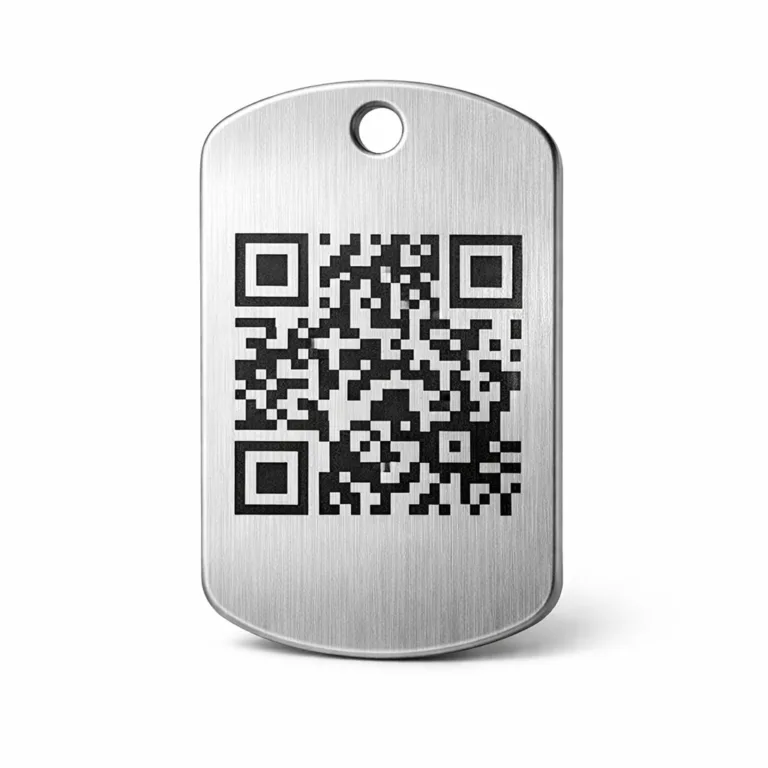
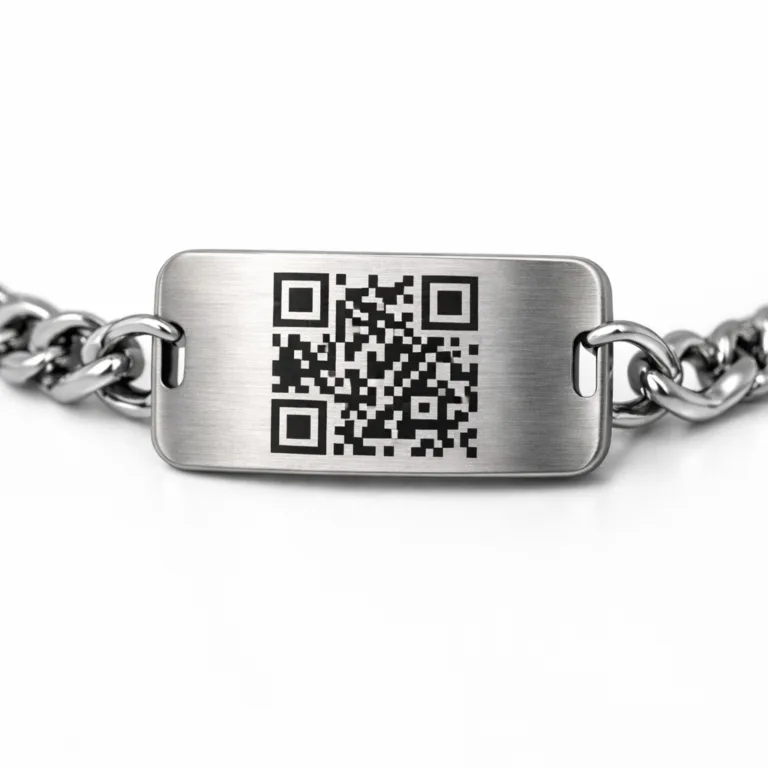
In this context, personalized tags are custom identification or branding elements made for a specific influencer, creator segment, event drop, or campaign wave. They may include the recipient’s name, social handle, campaign title, a limited-edition message, a launch theme, a QR code, or a short callout that makes the kit feel intentionally assembled rather than mass packed.
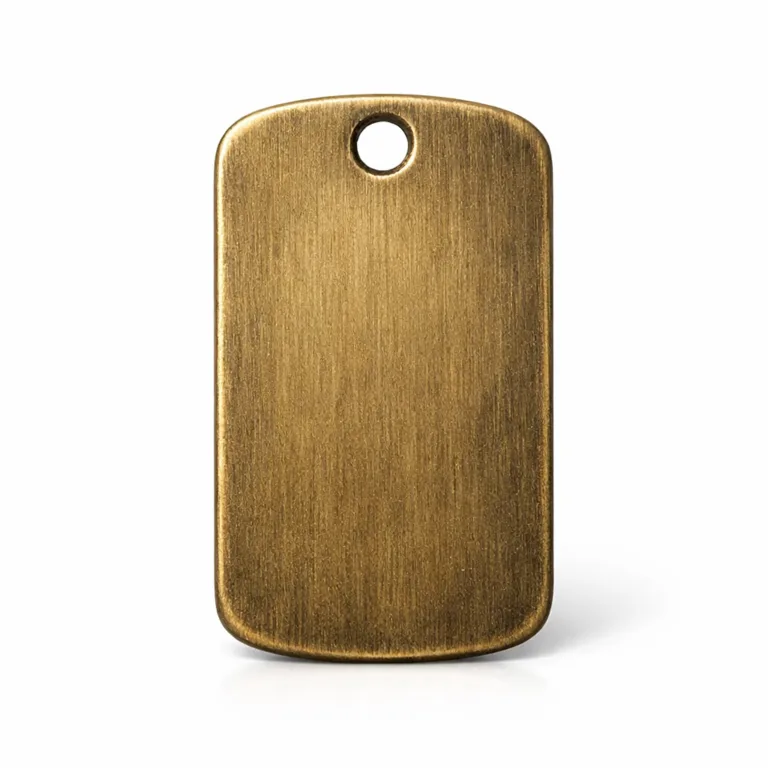
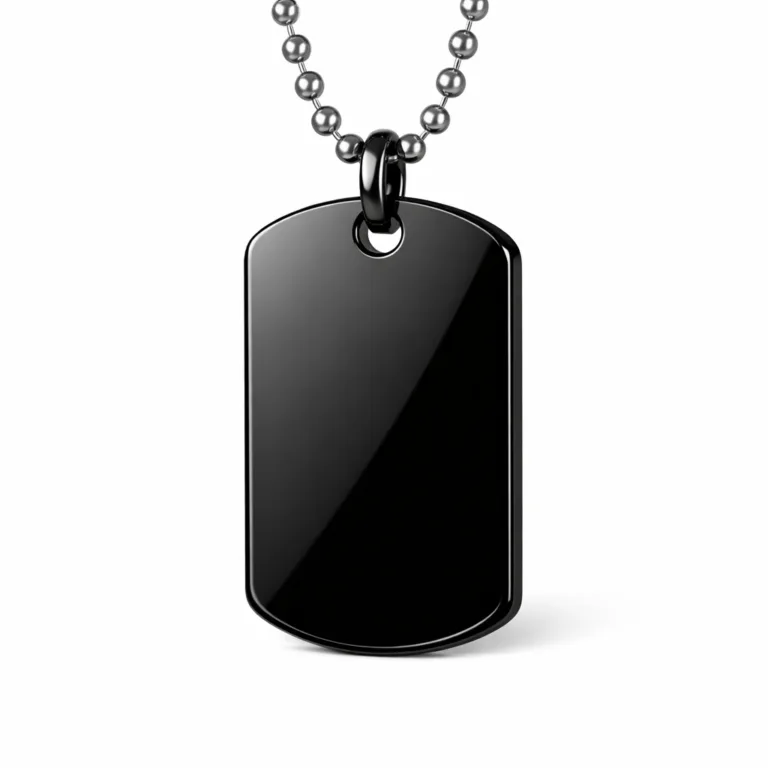
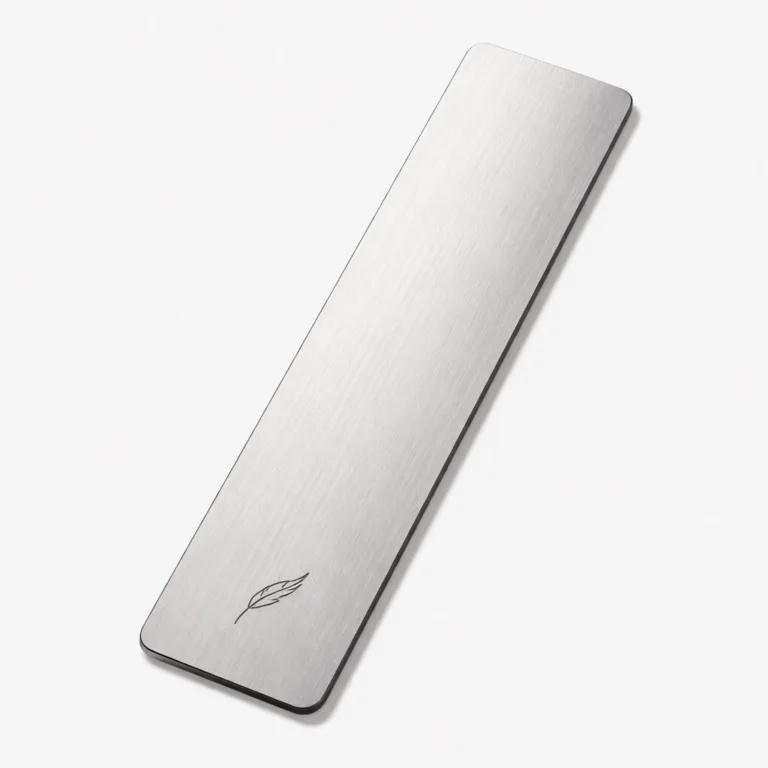
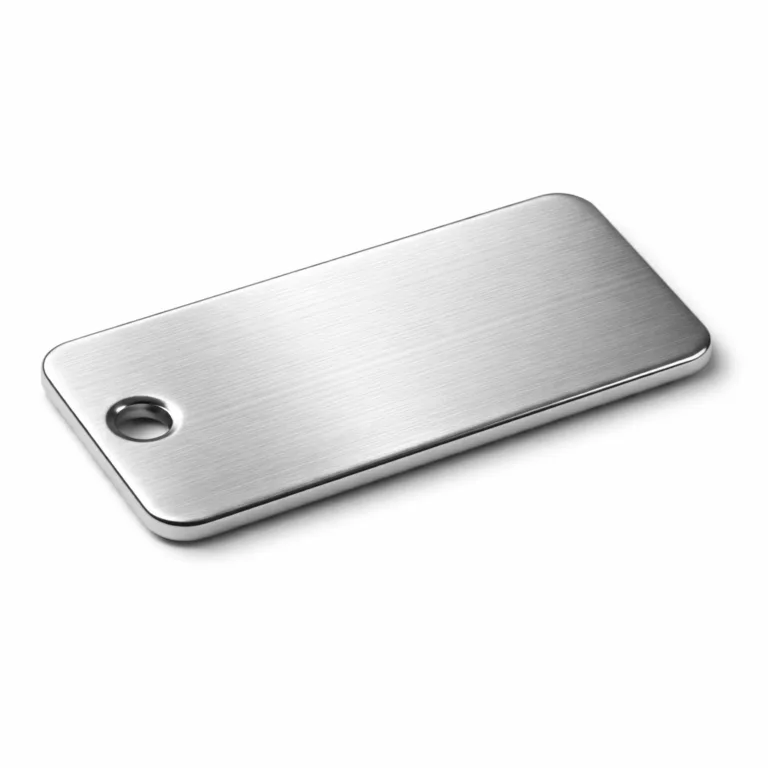
From our manufacturing perspective, personalized tags can be made as engraved or printed metal tags, hang tags, branded inserts, luggage-style tags, key tags, mini plates, or hybrid pieces attached to boxes, pouches, bottles, apparel, or premium gift components. The format should depend on how visible the tag will be during unboxing, how durable it needs to be, and whether the recipient is likely to keep it after the campaign.
This detail matters because influencer kits are not judged only by what is inside them. They are judged by how the story unfolds on camera. A personalized tag gives that story a starting point. It tells the creator, and the audience, that this package was prepared with intent.
How personalized tags change the unboxing experience for influencers and audiences
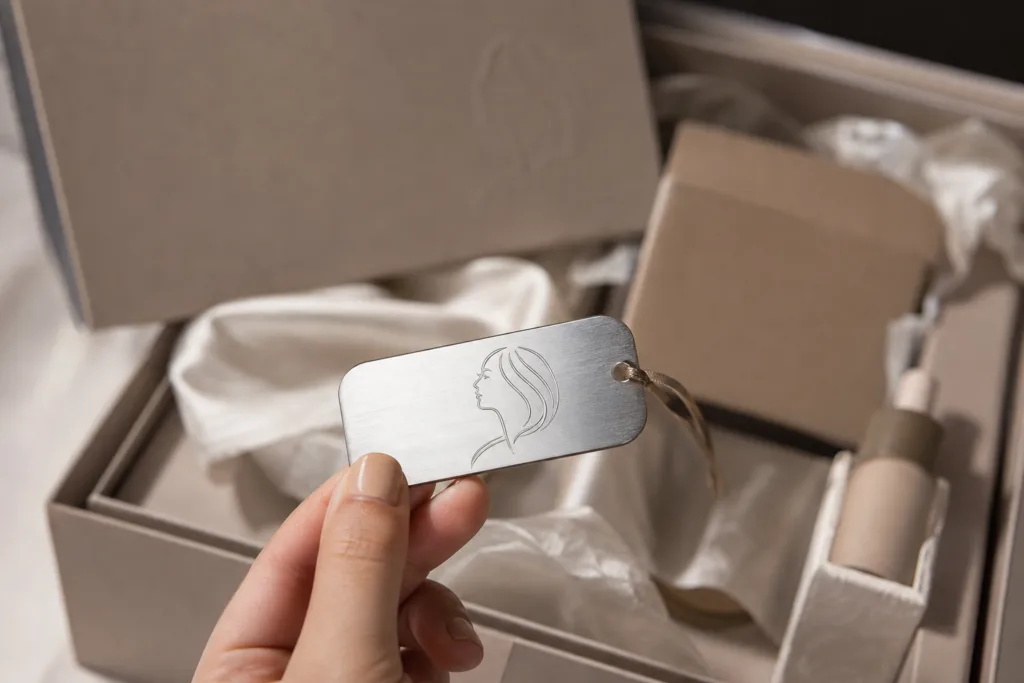
Unboxing content works because it creates sequence, suspense, and visual reward. Packaging layers, reveal moments, and personal details all increase attention. Research around unboxing psychology and shareable reveal moments helps explain why small presentation details can become memorable parts of the viewing experience. When a creator sees their name, handle, or a campaign-specific message on a tag, the kit instantly feels less generic and more worth showing.
For the audience, this changes the perceived value of the brand interaction. The product may be the same, but the presentation signals care, exclusivity, and relevance. In practical terms, personalized tags can create three useful effects:
- They slow down the unboxing moment in a good way, giving the creator a reason to pause and comment.
- They create a close-up detail that works well in stories, reels, and thumbnails.
- They improve the chance that the creator mentions the brand experience, not just the product item.
This detail may look small, but it can create a measurable difference in content quality. In many campaigns, the issue is not product weakness. The issue is that the kit lacks any personalized touchpoint that helps the creator narrate the experience naturally.
Brand-influencer connection and perceived value
Personalization increases perceived value because it confirms that the brand sees the recipient as more than a shipping address. That matters especially in campaigns where many creators receive similar products at the same time. When the package feels individualized, the creator has a stronger reason to describe the experience as thoughtful rather than standard PR outreach.
We often see this distinction in custom projects. A generic insert can communicate information, but a personalized tag can communicate intent. That is useful for launches, ambassador onboarding, media mailers, seasonal drops, VIP tiers, and segmented gifting where brands want the kit to feel selected rather than broadcast.
It also supports retention of the physical object. A metal name tag, engraved mini plate, or durable branded tag may be kept on a desk, bag, shelf, or storage box after the campaign. That extends visibility beyond the initial unboxing window.
Design principles for high-impact personalized tags
The most effective personalized tags are not overloaded. They are clear, camera-readable, and consistent with the campaign identity. For buyers, the key is to design for actual use, not only for mockups. A beautiful layout that looks crowded on a screen or too small in hand can lose impact fast.
We usually suggest checking the following design points early:
- Readability: The name or key message should be visible in handheld video, not only in studio photography.
- Hierarchy: Put the most personal detail first, then brand, then campaign or supporting line.
- Contrast: Finish and marking method should make the text legible under different lighting conditions.
- Size: Small tags can look premium, but the message area must still fit the required data.
- Attachment logic: The way the tag hangs, sits, or opens affects how it appears on camera.
Where a brand wants a stronger identity element, branded logo tag production can be combined with recipient-level personalization, so the kit feels both consistent and one-to-one rather than generic with a printed sticker added at the end.
Choosing the right format for influencer kit personalization
There is no single correct format. The right choice depends on the campaign concept, product type, budget range, and whether the tag is meant to be temporary, collectible, or reusable.
| Format | Best Use | Main Strength | Watch-Out Point |
|---|---|---|---|
| Name tag or mini plate | Premium PR kits and creator gifting | Strong personalization and keepsake value | Need enough space for readable names |
| Metal hang tag | Bags, boxes, apparel, accessories | Durable and visually premium | Attachment method must suit packaging |
| Insert card | Large-volume campaigns | Low cost and easy to update messaging | Often less memorable than a physical tag |
| Luggage-style tag | Travel, lifestyle, event, outdoor themes | Useful object that extends campaign life | Heavier structure can affect packing |
| Hybrid packaging element | Complex reveal experiences | Integrates tag into the unboxing sequence | Needs early structural planning |
For premium campaigns, metal tags often perform well because they feel substantial in hand and catch light in a way that works on camera. For larger outreach programs, a hybrid approach may make more sense, such as a printed insert for instructions plus a smaller personalized metal or rigid tag as the hero detail.
Material and finish considerations for premium-looking tags
Material choice affects both appearance and feasibility. In influencer kits, the goal is usually not industrial durability for harsh environments, but surface quality, consistency, weight, edge feel, and visual finish still matter a lot.
Common choices include aluminum for lightweight color flexibility, stainless steel for a cleaner premium feel, and brass for warm, gift-oriented presentation. Anodized aluminum can be useful when a brand wants color coding by creator tier, region, or campaign segment. Brushed, matte, glossy, or etched surfaces each change how the tag reflects light on camera.
Let us look at what actually affects the result:
- Weight: Heavier tags feel premium, but can affect shipping, attachment, and box balance.
- Color consistency: Important when kits are shipped in waves and content appears over time.
- Scratch visibility: Some glossy surfaces look strong at first but show handling marks more easily.
- Edge quality: Sharp or rough edges can hurt perceived value immediately.
- Mark compatibility: Not every finish supports every printing or engraving result equally well.
In our custom metal tag production work, a simple finish with strong contrast often performs better for social content than a more decorative finish with weaker readability.
Messaging strategy for maximum engagement
What goes on the tag matters as much as how it looks. Many kits fail here because the message tries to do too much. A tag is not a brochure. It should carry one primary communication job.
Useful message structures include:
- Recipient name plus brand mark
- Creator handle plus campaign title
- Short phrase tied to launch theme
- VIP, founder, partner, or early-access designation
- QR code linked to a landing page, reveal page, or creator-specific activation
Good tag messaging is short enough to read in seconds and specific enough to trigger a reaction. A creator is more likely to say, “They made this for me,” than to read a dense sentence on camera. That spoken reaction is often more valuable than extra copy on the object itself.
Layout also matters. Early planning around logo placement and tag layout guidance can prevent common problems like logos fighting with names, QR codes getting too small, or the personalized field ending up in a weak visual position.
How personalized tags encourage social sharing and user-generated content
Creators share what helps them tell a story quickly. Personalized tags do that in a very efficient way. They give the creator a ready-made talking point, a close-up detail, and a proof-of-consideration moment. This is especially useful in short-form content, where every visual cue must work fast.
In stories and reels, tag details can become:
- the opening frame before the box is fully revealed
- a close-up transition shot between packaging layers
- a caption moment where the creator tags the brand
- a still image used later in a recap carousel or event roundup
For the brand, this means the tag is not just packaging support. It is a content asset. The more distinctive and personal it is, the higher the chance it appears in earned media rather than staying hidden in the box.
Best practices for matching tag design to audience and platform behavior
Different audiences respond to different levels of personalization and finish. A luxury beauty campaign may benefit from minimal metal detailing and refined engraving. A gaming or creator merch campaign may benefit from bolder typography, color accents, and more obvious display value. Outdoor, travel, or wellness campaigns may work better with tags that feel useful after unboxing.
Platform behavior matters too:
- Instagram Stories: clear, high-contrast details that can be recognized in seconds
- Reels and TikTok: tactile moments, movement, shine, reveal hooks, and short readable messages
- YouTube: stronger packaging sequencing and collectible details that support longer commentary
- LinkedIn creator or executive gifting: cleaner branding, understated personalization, and polished finish quality
In many projects, the problem is not that the buyer chose the wrong category. The problem is that some production details were not clarified before sampling or bulk production. If the tag is designed for close-up studio photography but the campaign depends on fast handheld video, the result can feel weaker than expected.
Campaign planning workflow from concept to fulfillment
A smooth influencer kit program usually starts with six questions: who receives the kit, what level of personalization is needed, where the tag will sit, what the creator should notice first, what timeline the campaign requires, and how variable data will be managed.
Our typical workflow thinking is practical:
- Confirm campaign objective and personalization logic.
- Select tag type, material, finish, and marking method.
- Define variable data fields such as names, handles, codes, or region markers.
- Review artwork, attachment method, and packaging integration.
- Approve a sample before scaling.
- Lock data, packing logic, and QC checkpoints for mass fulfillment.
This is where custom tag sampling options become important. A sample helps confirm not only appearance, but also readability, scale, handling feel, attachment behavior, and whether the tag actually improves the kit experience the way the brand expects.
Production considerations for bulk influencer kits
Bulk influencer campaigns often involve more complexity than the tag itself. You may have multiple recipient names, segmented packaging, timed ship dates, market-specific messages, or creator tiers. That means production planning should address both manufacturing quality and fulfillment accuracy.
Where personalized names, serial style identifiers, or QR elements are used, clean data handling matters. This links closely to labeling standards and fulfillment accuracy because machine-readable and human-readable marking practices reduce confusion when kits are assembled at scale. Even if the campaign is creative, the workflow still needs operational discipline.
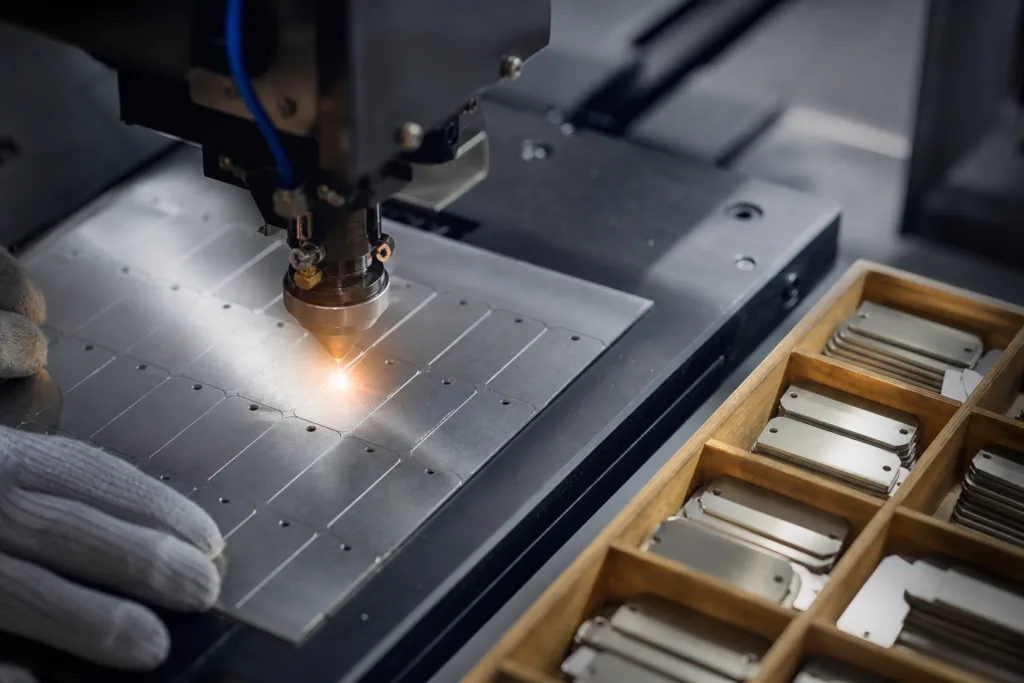
At UC Tag, we look at bulk consistency through practical checkpoints: text accuracy, mark position, finish consistency, edge condition, attachment holes or backing, count verification, and packaging separation by batch or recipient list. These details reduce the risk of a wrong name, reversed layout, mixed finish, or missing attachment piece showing up in a creator’s unboxing video.
Common mistakes that reduce unboxing impact
Several avoidable mistakes come up again and again:
- Using personalization that is too small to be seen on camera
- Choosing a finish that reflects too much light and hides the text
- Adding too much copy to a small tag
- Attaching the tag in a way that tangles, twists, or blocks product access
- Rushing variable-data setup and creating name errors
- Treating the sample only as a color check instead of a use-case check
One of the most important safeguards is proper pre-production sample approval for bulk runs. That step should confirm not just design, but real-world execution: how the tag looks in hand, how it fits the kit, whether the variable fields are correct, and whether fulfillment teams can pack the item consistently.
ROI framework for influencer kit tag performance
Brands should not evaluate personalized tags only by unit cost. The more useful question is whether the tag improves content output, audience reaction, and asset reuse enough to justify the added production step.
A practical ROI framework includes four layers:
Visibility
Did the tag appear in stories, reels, thumbnails, stills, or unboxing frames? A tag that never appears has limited media value, even if it looks good physically.
Engagement
Did viewers comment on the packaging, mention the personalization, or react to the reveal detail? Research related to measuring unboxing video engagement supports the idea that attention and response signals matter more than simple content delivery counts.
Earned reach
Did the personalized detail help the content get reposted, stitched, saved, or used by the brand in later campaign edits?
Content reuse value
Did the tag improve the quality of visual assets the brand can reuse in paid social, email, landing pages, launch decks, or future case materials?
When viewed this way, a personalized tag is not just a packaging cost. It can be a small media multiplier.
Case study patterns brands should pay attention to
Across successful influencer kit projects, a few patterns tend to repeat. The kits that perform well usually do not rely on complexity alone. They rely on one memorable personal touch, one clear visual cue, and one clean message hierarchy.
We often see stronger outcomes when:
- the tag is visible early in the opening sequence
- the personalization is instantly readable
- the material feels intentionally chosen for the brand category
- the tag can be kept or repurposed after unboxing
- the campaign team plans content capture around the tag, not after the fact
On the other hand, weaker campaigns often bury the personalized element at the bottom of the box or treat it as an afterthought in fulfillment.
Checklist before launching a personalized influencer kit program
Before launch, brands should confirm:
- What the personalized element is supposed to achieve
- Whether the tag will be seen clearly on the intended platform
- How names, handles, or codes will be supplied and checked
- Whether the material and finish fit both the brand and budget
- How the tag attaches to the kit without hurting presentation
- What sample approval criteria will be used
- How bulk packing will prevent recipient-level errors
- Which campaign metrics will be used to judge success
If these points are clear early, the campaign usually runs more smoothly. If they are not, production delays and content disappointment become much more likely.
Conclusion
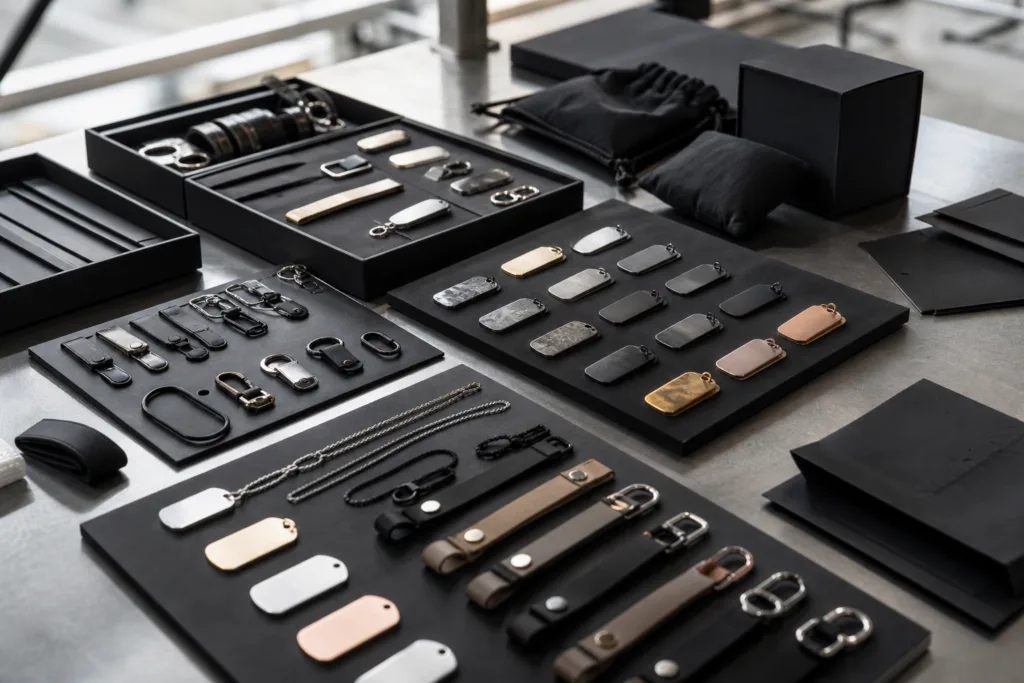
Personalized tags give influencer kits a practical advantage because they turn a broad campaign package into a more individual experience. For brands, that helps with creator response, social shareability, and content value. For production teams, the key is balancing creativity with execution: readable design, suitable material, clear data handling, proper sampling, and realistic fulfillment planning. When those details are managed well, personalized tags can become one of the most efficient small-format upgrades in influencer kits.
FAQs
Are personalized tags worth adding to influencer kits?
Yes, when the goal is to improve unboxing quality, creator reaction, and branded content detail. A personalized tag can give the creator a natural talking point and make the package feel more intentional, which often helps the kit stand out in social content.
What type of tag works best for premium influencer kits?
For premium presentation, metal tags often work well because they feel substantial, photograph cleanly, and can be kept after the campaign. The best format still depends on the product, packaging structure, message length, and whether the tag should be decorative, useful, or collectible.
What should be printed on personalized tags for influencer campaigns?
The most effective tags usually keep the message simple: the recipient’s name or handle, the brand name, and one short campaign-related line if needed. Some campaigns also add a QR code or limited-edition note, but the layout should stay easy to read on camera.
How do brands avoid mistakes with variable names and personalized data?
Start with a clean recipient file, define exact text fields early, and review spelling, capitalization, and special characters before sampling and before bulk production. A pre-production check is important because small data errors can become very visible when creators share the kit publicly.
Do personalized tags need a sample before mass production?
In most cases, yes. A sample helps confirm not just color or finish, but also readability, size, attachment behavior, and how the tag appears in real packaging. This step can prevent expensive problems later, especially when the campaign includes many unique names or different creator segments.
How can brands measure whether personalized tags improved campaign performance?
Track whether the tag appears in creator content, whether viewers react to the personalized detail, and whether the brand can reuse those visuals in later marketing. The useful question is not only the tag cost, but whether it increased visibility, engagement, and the overall media value of the influencer kit.