Understanding Perceived Value
What makes us feel that one product is worth more than another? The answer often lies in perceived value, a core concept in consumer psychology. Perceived value isn’t just about numbers or function—it’s shaped by subtle cues like weight, thickness, material, and feel.
The impact of perceived value, weight perception plays a crucial role. When consumers pick up an item, the heft and solidity often trigger strong psychological associations. Heavier, thicker, or denser items frequently feel more valuable and trustworthy, even when the difference is purely physical. This is especially true in industries like electronics, luxury goods, and durable goods packaging, where weight is purposefully engineered for effect.
There’s a historical precedent for this. High-value coins, prestigious medals, and ornate jewelry have always been made thicker and heavier to reinforce their status. Similarly, packaging for luxury goods often includes layered or rigid materials to amplify that initial impression of quality.
Various studies back up these intuitions. In one notable experiment, researchers found that participants rated the same USB drive as higher quality when the casing was heavier. Another study revealed that consumers often equate thickness in printed materials or packaging with durability and reliability.
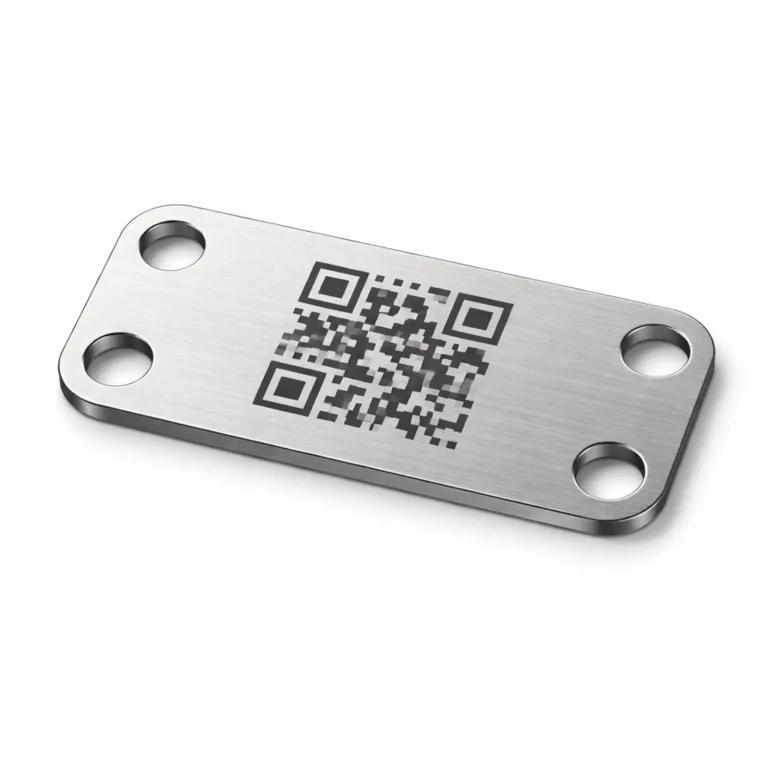
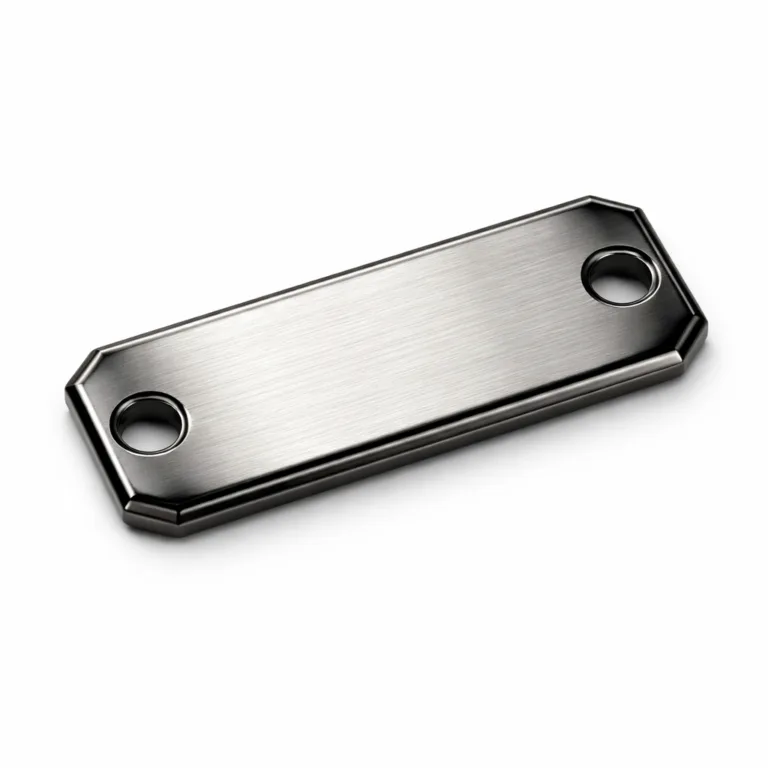
- Thicker metal nameplates signal ruggedness and lasting power.
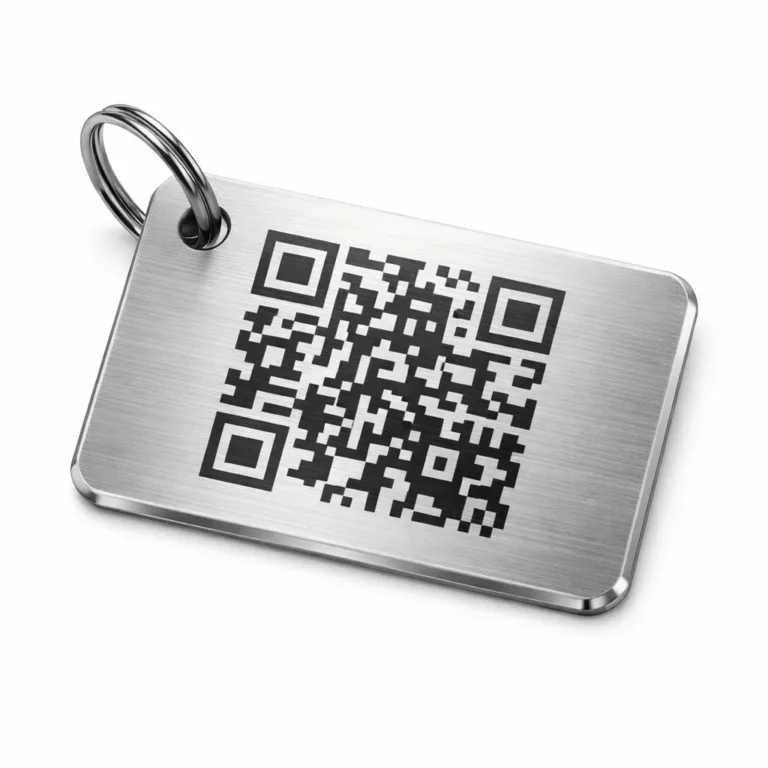
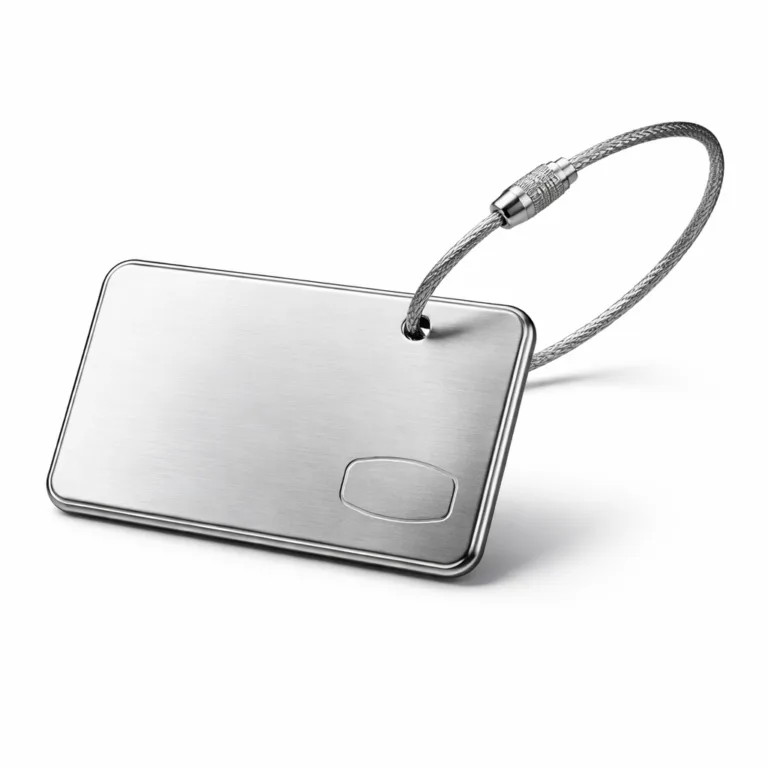
- Heavier keychain tags reduce loss and underscore security.
- Premium electronics often use metal casings to evoke trust and worth.
Clearly, perceived value, weight perception is no accident—it’s a powerful combination of design signals companies use to stand out.
The Psychology of Weight Perception
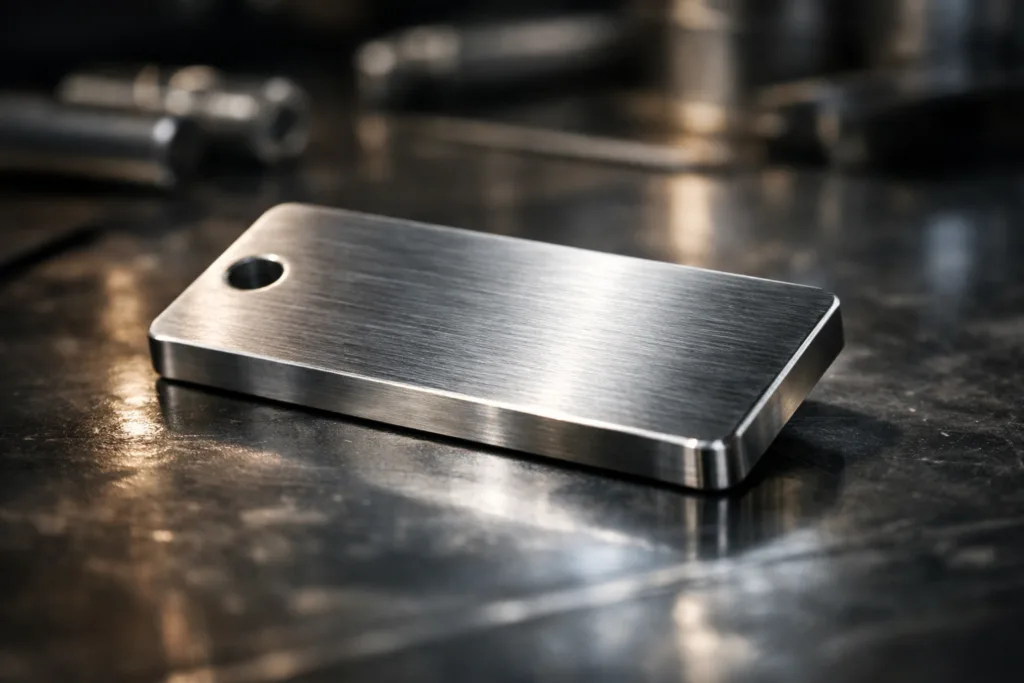
Consumers are not entirely rational when evaluating product quality. Weight perception activates automatic responses linked to trust, authenticity, and authority. This cognitive bias means that a slightly heavier object can quickly outcompete a lighter alternative in side-by-side comparisons, regardless of function or price.
Why does this happen? Psychologists suggest that weight acts as a proxy for substance and durability. For example, medical equipment that feels too light may incite doubts about safety, whereas moderately heavy machines imply reliability. Likewise, a luxury watch with a solid metal band feels more substantial, and thus more luxurious, than an ultra-lightweight model.
Real-world case studies drive the point home. Consider premium smartphones. Leading brands add thin steel frames or glass backs not just for strength, but to create a carefully balanced heft in the hand. In fashion, the use of thick brass or stainless steel logo plates on designer bags is a deliberate choice—they communicate value instantly, even before a customer reads the brand name.
Yet, cultural differences also play a part in weight perception. Western buyers often associate weight with value, especially in hardware and financial goods, whereas some Asian markets value lightness for portability and modernity. Understanding these nuances helps global brands tailor offerings by region.
The psychological triggers can be boiled down to:
- Heft as a positive cue for importance and quality
- Excessive weight as a potential downside for wearability and ergonomics
- Ultra-lightness sometimes signaling innovation, but risking perceptions of fragility
For B2B engineers and brands, mastering weight perception means finding a sweet spot between substance and practicality, matching the psychological needs of their customers.
Materials Matter: A Comparative Analysis
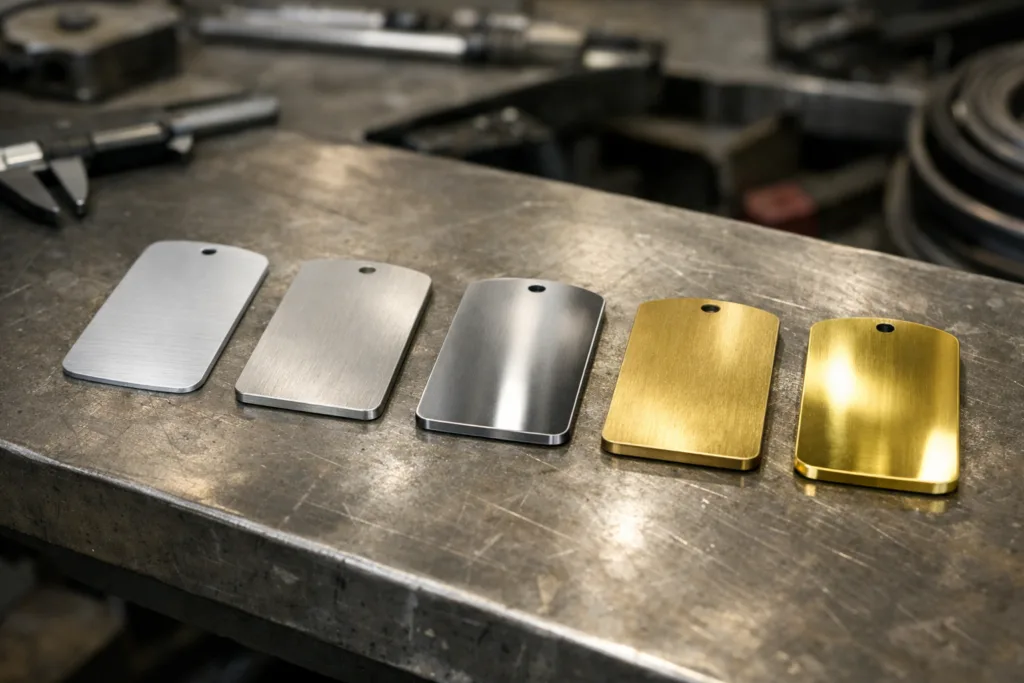
Choosing the right metal for your product isn’t only about engineering; it’s a strategic decision affecting perceived value. Aluminum, stainless steel, and brass are the most common choices for industrial and branding tags. Each brings a unique blend of look, feel, and function.
Aluminum is prized for its lightness and corrosion resistance. It’s ideal for tags where weight minimization is critical—like aviation or wearable IDs—but can sometimes be perceived as less ‘premium’ due to its lower heft. Stainless steel offers a higher density and cool, industrial shine, sending signals of strength and endurance. Brass stands out for its classic, gold-like appearance and satisfying weight, making it popular for awards, luxury branding, and prestige labels.
How do these differences stack up? Consider this material comparison table for metal tags:
| Material | Heft/Weight | Corrosion Resistance | Durability | Typical Use Cases |
|---|---|---|---|---|
| Aluminum | Light | Excellent | High | Asset tags, outdoor ID, aviation |
| Stainless Steel | Heavy | Exceptional | Very High | Industrial ID, marine, luxury goods |
| Brass | Moderate-Heavy | Good | High | Luxury nameplates, awards, fashion |
Corrosion resistance and durability further influence perceptions. For example, stainless steel tags are used in harsh industrial environments because they resist rust and wear, communicating reliability. Aluminum’s anodized finish or brass’s patina can both heighten perceived value, so surface treatment should also guide your decision.
Industry standards—like ASTM for strength and ISO for traceability—often dictate minimal thicknesses for compliance. However, exceeding these can offer a premium touch for high-end branding or demanding applications. Expert manufacturers, such as UC Tag, regularly consult with buyers to balance these qualities for optimal perceived value in projects ranging from automotive ID plates to jewelry and tech accessories.
Manufacturing Methods: Influencing Perception through Production
Methods like engraving, stamping, etching, and UV printing do more than mark information—they decide critical aspects of surface depth, feel, and overall mass. Each process imparts a distinct impression that can amplify or diminish perceived value.
Engraving (CNC or laser) produces precise text and logos. It allows for variable depths, which can create pleasing tactile effects. Engraved tags often appear denser and sturdier, enhancing quality impressions.
Stamping deforms the metal into raised or recessed designs in a single forceful strike. Stamped tags using thick blanks communicate ruggedness, which is why heavy-duty asset or serial-number tags often opt for this method. Electroplated or anodized finishes on stamped surfaces increase durability and aesthetic value.
Chemical Etching uses controlled acids to dissolve selected areas, enabling intricate patterns and fine detail at modest depths. While not as tactile as deep engraving, it pairs well with color-fills or enamel for showpiece branding plates.
Printing (UV, pad, dye-sublimation) sits on the surface instead of cutting into it. Printing is cost-effective for high-volume or decorative customization but usually works best on thicker tags, so the result doesn’t feel flimsy.
Each method aligns differently with industry needs:
- Stamped or laser-engraved tags for industrial, machinery, and outdoor use
- Chemically etched or electroplated plates for fine branding (e.g., logo tag solutions)
- Printed, lightweight tags for retail promotions or temporary applications
Manufacturing choices impact costs, lead times, and minimum runs. Deep stamping or engraving usually requires higher initial tooling but produces more rugged and visually compelling tags, supporting higher perceived value. Conversely, short runs and lightweight tags might be laser-engraved on pre-made blanks (see the essential guide to blank tag materials).
Design and Spec Checklist for Metal Tags
Specification choices have a powerful impact on perceived value. Thickness, size, finish, attachment method, and readability must align with the brand image and end use—whether for industrial asset tracking, retail branding, or promotional items.
Here’s a practical spec checklist for metal tags:
| Feature | Recommended Option | Benefit |
|---|---|---|
| Thickness | 0.7–1.5 mm (standard) | Sturdy, tactile, resistant to bending |
| Finish | Anodize, electroplate, brushed, mirror | Enhances durability and appeal |
| Attachment | Hole, rivet, adhesive, chain | Secures to substrate, customizes look |
| Readability | Deep engraving, bold font, contrast fill | Legible at a glance, resists wear |
| Customization | Shape, logo, color infill | Boosts unique brand identity |
Think about where the tag will live. For luggage, a tag with a 1.0 mm plate, rounded edges, and durable attachments avoids snagging and enhances user confidence (see our luggage tag manufacturing solutions). For asset ID on machinery, bolder, thicker plates with deep-engraved serials last longer—even in harsh conditions.
Finish options matter, too. Anodized aluminum is excellent for outdoor exposure; electroplated brass provides a premium look for luxury branding. Readability shouldn’t be compromised; always choose the highest feasible contrast for text, or consult the font size best practices for engraving and stamping.
Custom shapes, die-cut logos, and infill colors add brand distinction and increase perceived value. Confirm attachment methods suit intended usage—S-hooks for pet tags (see expert attachment solutions), adhesive for logo plates, or pre-punched holes for nameplates.
Durability Testing and Its Importance
Durability isn’t just a technical requirement—it’s foundational to perceived value. If a metal tag fails in the field, the product—and the brand—can take a hit. Quality tags undergo extensive testing to ensure performance matches expectations.
Common tests include:
- Corrosion resistance (salt spray, humidity chamber)
- Abrasion cycles (Taber, sandpaper tests)
- UV exposure (outdoor simulation)
- Mechanical stress (bending, impact, pull tests)
Industry benchmarks vary. For example, asset tags for marine environments often demand 200+ hours in salt spray chambers, whereas fashion branding plates focus on abrasion and colorfastness. A thicker, more robust tag will routinely outperform thinner competitors in demanding scenarios.
Here’s how common tag materials compare after standardized testing:
| Material | Corrosion (Salt Spray) | Abrasion | Outdoor UV |
|---|---|---|---|
| Stainless Steel | Excellent | Excellent | Excellent |
| Aluminum (Anodized) | Very Good | Very Good | Excellent |
| Brass | Good | Good | Good |
Material and thickness must be chosen according to application demands, factoring in the local environment, attachment method, and duration in service. As Rain Chen of UC Tag notes, “Over-engineering thickness can boost perceived value but can sometimes introduce installation or cost barriers—balance is key.”
Proactive durability testing safeguards against recalls and strengthens user trust in every market, from asset management to personal accessories.
Industry Applications: Real-World Examples
Theories about weight and value come alive in practical industry usage. Metal tags influence everyday impressions in sectors as varied as manufacturing, promotions, logistics, pet safety, and travel.
In manufacturing, rugged asset ID tags with deep-engraved serials enable traceability even after years of service. Many plants prefer thicker stainless steel for this reason—weight perception alone signals equipment-grade reliability and deters tampering. In the promotional sector, branded tags serve as pocket jewelry for luxury gifting, where solid brass or custom-plated surfaces provide a satisfying ‘click’ on contact and foster perceived significance.
Shipping and logistics rely on metal nameplates, barcode, or QR code tags that must survive handling, weather, and transit. Here, the balance is critical: too lightweight and they risk detachment; too heavy and they burden packaging costs. Luggage tags combine both worlds—visual branding and travel-ready ruggedness. Companies source options like heavy-duty luggage tags for VIP clients and minimalist slim versions for affordable giveaways.
The pet industry demonstrates evolving consumer taste: thick, smoothly finished tags reassure pet owners their ID tags won’t shatter during play, while light anodized aluminum tags remain popular for small breeds needing minimal added weight.
Industry trends spotlight a global shift: consumers are demanding higher perceived value, weight perception in everything from pet ID to business-class baggage. Premium retailers now specify custom gauge and finish options for every order (explore custom tag solutions), reflecting the understanding that the right feel drives long-term brand loyalty.
Common Mistakes and Troubleshooting
Enhancing perceived value is not just about adding material or going thicker. Engineering and design errors can sabotage even the best materials or finishes. Here are some common pitfalls and how to address them:
- Unreadable Text: Choosing font sizes or depths that are too small can render tags illegible. Always test with a physical proof or high-res sample.
- Poor Adhesive Selection: Not all surfaces bond equally. Use high-strength options like 3M VHB tape for tough metals, and run real-world tests for your application.
- Corrosion Issues: Specifying brass or plain steel in corrosive environments without proper plating can lead to unsightly decay fast. Opt for anodized, plated, or stainless finishes in high-risk zones.
- Color/Contrast Problems: Low-contrast text blends in during low light or after wear. Use dark infills or high-reflective surfaces for essential information.
- Tolerance and Fit: Tags cut too close to the mounting spec can warp or break during installation. Build realistic tolerances based on the line weight and tensile strength guidelines.
Proactive, scenario-based testing will resolve most failures before mass production. Ask for production proofs and prioritize durability over superficial finish if reliability holds greater brand value for your use case.
Ordering Guide for Custom Metal Tags

Sourcing custom tags that reinforce perceived value and weight perception is straightforward with the right process. First, clarify your minimum order requirements; most suppliers have thresholds for custom shapes or finishes (e.g., 100–500 units). Budget for higher per-unit costs on short runs or heavily customized options versus standard shapes.
Lead times fluctuate by manufacturing method: stamped and plated tags usually require more setup and batch scheduling, while laser engraving on ready blanks can be fulfilled faster. Artwork submission is critical—always supply vector art and specify desired thickness, surface finish, and attachment features to minimize back-and-forth and avoid miscommunication.
Sampling is best practice. Request pre-production or digital proofs (should you pay for a pre-production sample?) to confirm dimensions, finish, and readability. Packaging options range from bulk-packs to individual sleeves—choose according to retail or industrial distribution needs.
Work closely with your vendor. Share your application and quality benchmarks, and be open to their recommendations for enhancing perceived value. Keep communication clear and decisions documented to prevent last-minute changes that could impact timelines or quality.
Frequently Asked Questions
What materials are best for outdoor usage?
Stainless steel and anodized aluminum are excellent for outdoor environments due to their corrosion resistance and durability, making them suitable for asset tracking and identification in harsh conditions.
How does thickness affect pricing?
Increased thickness means more material used and potentially more labor, so thicker tags typically cost more; however, they often deliver higher perceived value and better long-term performance.
What is the lead time for custom orders?
Lead times can range from 1–4 weeks depending on complexity, order quantity, and processes such as stamping or plating; digital proofs and confirmed specs accelerate the process.
How should tags be attached for maximum durability?
Mechanical methods like rivets, screws, or welded studs are most secure for industrial use; strong adhesives such as 3M VHB work for smooth, clean surfaces and lighter applications.
What finishes enhance corrosion resistance?
Anodizing aluminum and electroplating stainless or brass greatly improve corrosion resistance while also allowing for color and texture customization that boost the tag’s perceived value.
Why is weight perception essential for my brand?
Weight perception sends a powerful nonverbal signal about quality, reliability, and luxury, directly influencing buyers’ trust and willingness to pay more for your branded items or identification products.
Related Reading
- How to Avoid Thin Tag Failures: Mastering Metal Gauge & Strength Selection
- Unlock Modern Branding: Why Unconventional Tag Shapes Catch Consumer Attention
- Personalization Power: Ensuring Every Dog Tag Delivers Enduring Value and Security
- Get More for Less: Smart Strategies When Sourcing Bulk Metal Tags
- Don’t Skip Samples: The Simple Step That Avoids Production Surprises