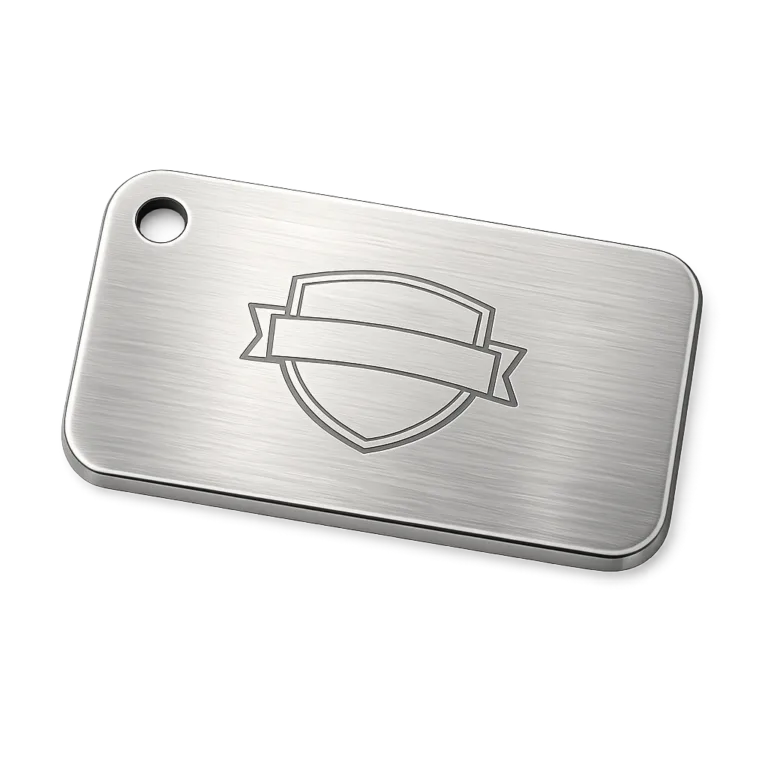
Introduction to Oversized Tags
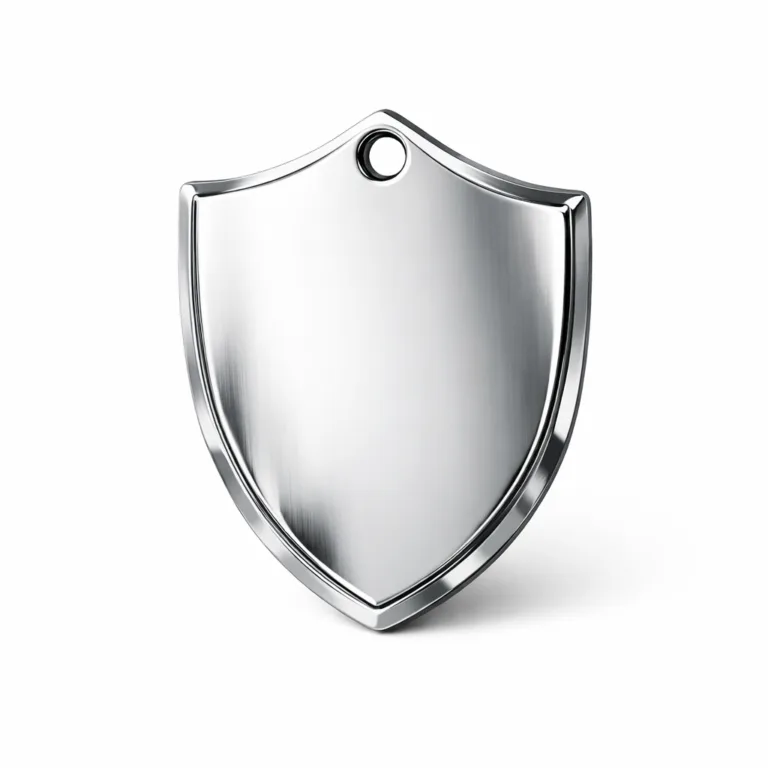
Oversized tags have emerged as powerful statement pieces in both streetwear and handbag design. Unlike traditional, purely functional tags, these large-format markers are intentionally exaggerated in scale and finish to catch the eye and command attention.
The integration of oversized tags as statement pieces does more than elevate aesthetics—it carves out a unique identity for brands and becomes an instant visual cue for consumers. Now an essential design element, oversized tags communicate exclusivity, storytelling, and status at a glance.
In both the streetwear scene and the world of luxury handbags, oversized tags are now used not just for branding, but as part of the product’s DNA. From metal plaques swinging from the handles of designer totes to bold, stamped tags on jackets, the use of these large-scale details has become a trend embraced by both iconic fashion houses and innovative newcomers. As a result, oversized tags, statement pieces are appearing across mainstream and high-end collections alike, reflecting the modern appetite for bold, visible branding and product personalization.
The Fashion Impact of Oversized Tags

Tags have evolved far beyond their original utilitarian role. Once serving as simple product identifiers, they’re now powerful statement pieces, defining the visual and emotional identity of a garment or handbag. In the world of streetwear, brands have championed the use of oversized tags to create focal points, often using vibrant materials, layered logos, and even industrial hardware to direct the gaze and reinforce their message.
Oversized tags hold significant psychological weight. Consumers are drawn to statement pieces because they exude confidence and originality. A bold tag not only grabs attention in public but also signals affiliation with a certain style or community. For many buyers, the decision to choose one product over another is directly tied to the distinctiveness these tags represent.
Several global brands have set the pace for this trend. Off-White, for instance, gained recognition for its signature zip tie tags, turning a mundane component into a defining feature. Balenciaga’s use of large, metal logo tags on handbags doubles as both decorative hardware and proof of authenticity. These tags help brands tell stories—conveying their values, collaborations, or the inspiration behind a collection.
By placing oversized tags front and center, fashion brands turn standard accessories into statement pieces, making apparel and bags instantly recognizable and desirable. This trend also underscores the deeper importance of design details in fostering emotional bonds between brands and their fans.
Material Options for Oversized Tags
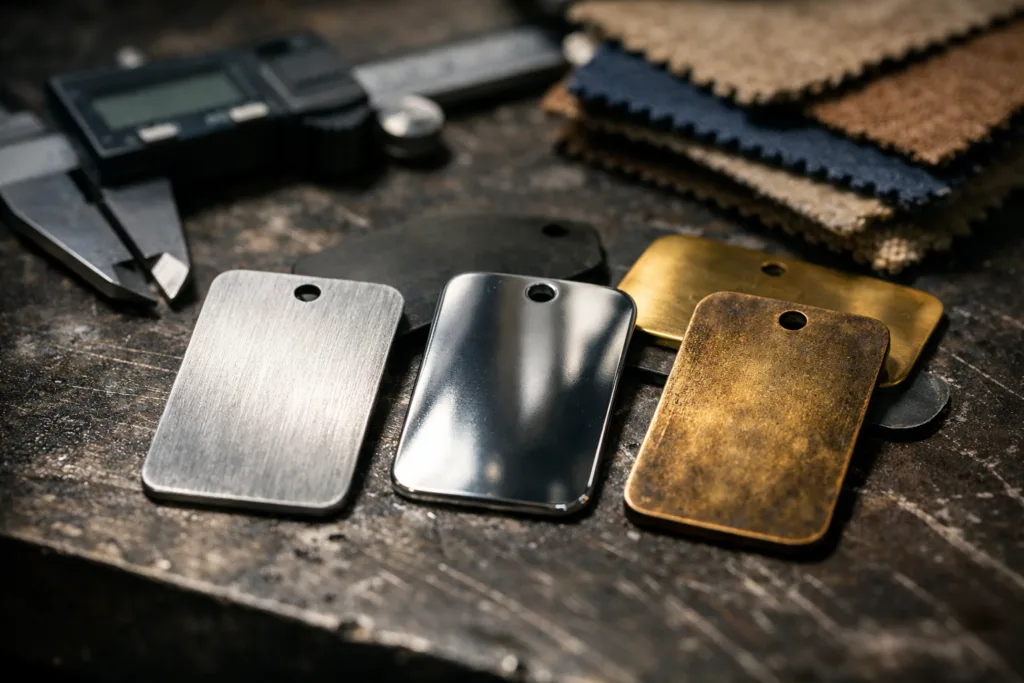
The choice of material plays a central role in the function and longevity of oversized tags. Common metals like aluminum, stainless steel, and brass each offer unique benefits.
Aluminum is popular for oversized tags due to its remarkable lightweight nature, which allows for larger surfaces without adding unnecessary heft. It’s also cost-effective and offers excellent options for anodizing, resulting in a wide palette of colors.
- Aluminum: Lightweight, cost-efficient, easily colored, best for everyday urban styles and quick-turn fashion drops.
- Stainless Steel: Superior strength, corrosion resistance, and a modern feel. Ideal for outdoor use or brands requiring extra durability.
- Brass: Timeless aesthetic, natural patina, perfect for vintage looks or luxury items seeking an antique finish.
Each of these metals can be selected based on intended application, end-user environment, and branding direction. For example, aluminum works well for mass-market streetwear, stainless steel suits rugged or technical brands, and brass distinguishes products with a sense of heritage or elevated luxury.
| Material | Weight | Corrosion Resistance | Finish Options | Best Suited For |
|---|---|---|---|---|
| Aluminum | Very Light | Good (with anodizing) | Anodized colors, matte, brushed | Streetwear, casual bags |
| Stainless Steel | Moderate | Excellent | Mirror polish, matte, etched | Outdoor, activewear, premium |
| Brass | Heavy | Fair (improves with coating) | Antique, polished, brushed | Luxury handbags, vintage lines |
Fashion buyers can match their oversized tags to their collection’s needs. Rain Chen of UC Tag often notes, “Don’t underestimate aluminum for oversize designs—it keeps the experience premium without the weight.”
Manufacturing Methods for Custom Oversized Tags
The process used to manufacture oversized tags will sharply impact the tag’s look, tactile feel, and perceived value. Classic methods include stamping, engraving, and chemical etching:
- Stamping: Ideal for raised or recessed logos; cost-effective for large runs, but limited to less intricate designs.
- Engraving: CNC or laser allows deep or detailed imagery, perfect for personalized tags and low to mid-volume batches.
- Etching: Chemical or laser etching is excellent for capturing fine detail and complex graphics on metals.
- UV Printing: Provides full-color, photo-quality artwork atop metal; suitable for intricate, multi-color designs though may be less abrasion resistant on high-wear items.
Choosing a manufacturing method often hinges on your expected batch size and desired level of customization. Stamping is economical at scale, while engraving or etching better serve limited editions or runs requiring individualized text or graphics. UV printing expands design freedom, but it’s vital to balance complexity with the possible need for protective coatings to safeguard statement pieces in heavy-use scenarios.
Practical factors like tooling setup, minimum order quantities, and lead time all play a role in deciding the right process. Each step comes with its own trade-offs on speed, cost, and design translation—so communicate your goals early and request samples whenever possible.
Design & Specification Checklist for Oversized Tags
Designing impactful oversized tags requires careful planning to guarantee both visibility and longevity. Below is a practical checklist to guide your specification process:
- Size/Scale: Ensure tag dimensions stand out on products but don’t hinder usability. Typical oversized tags range from 60–100mm in length or width.
- Thickness: For strength, thickness of 1.0–2.0mm is recommended. Thicker tags (2.5mm+) add perceived value, but may require reinforcement for delicate fabrics.
- Finish: Matte, brushed, polished, or antique finishes can transform perception. Select based on design intent and how the tag will be handled.
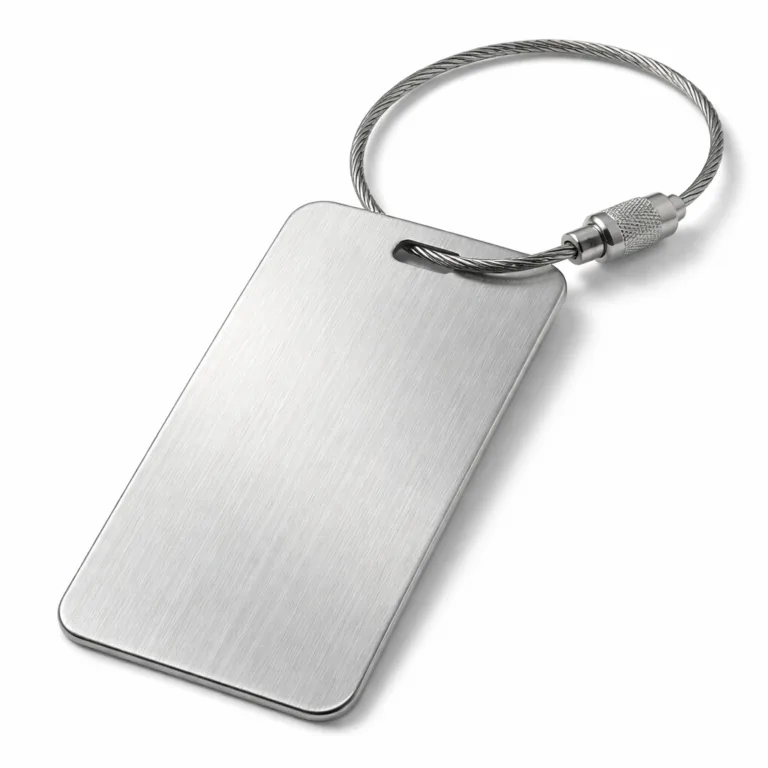
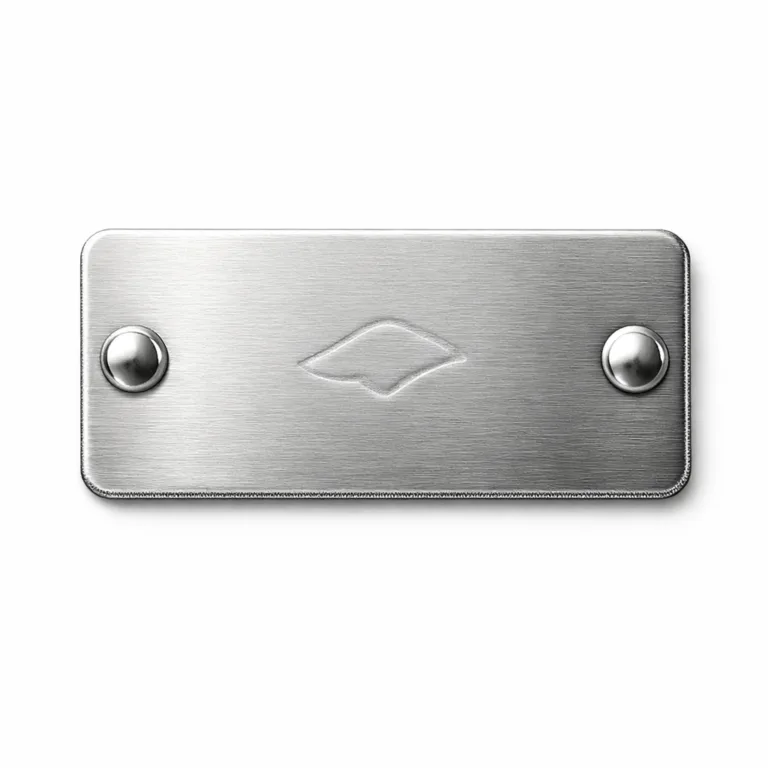
- Attachment: Choices depend on application: adhesive for flat, clean surfaces (adhesive backing), rivets for secure placement, key rings or chains for removable tags. See more industry attachment guides at hand stamping techniques.
- Readability: High-contrast text and well-defined logos ensure information is legible even at a distance. Minimum recommended text height: 4–6mm for oversized formats.
Consulting manufacturing experts, like those at UC Tag, can uncover practical improvements—such as adjusting line weights or opting for color infills to enhance contrast and longevity. The right design specs can maximize the attention-grabbing effect of oversized tags in any collection.
Durability & Testing of Metal Tags
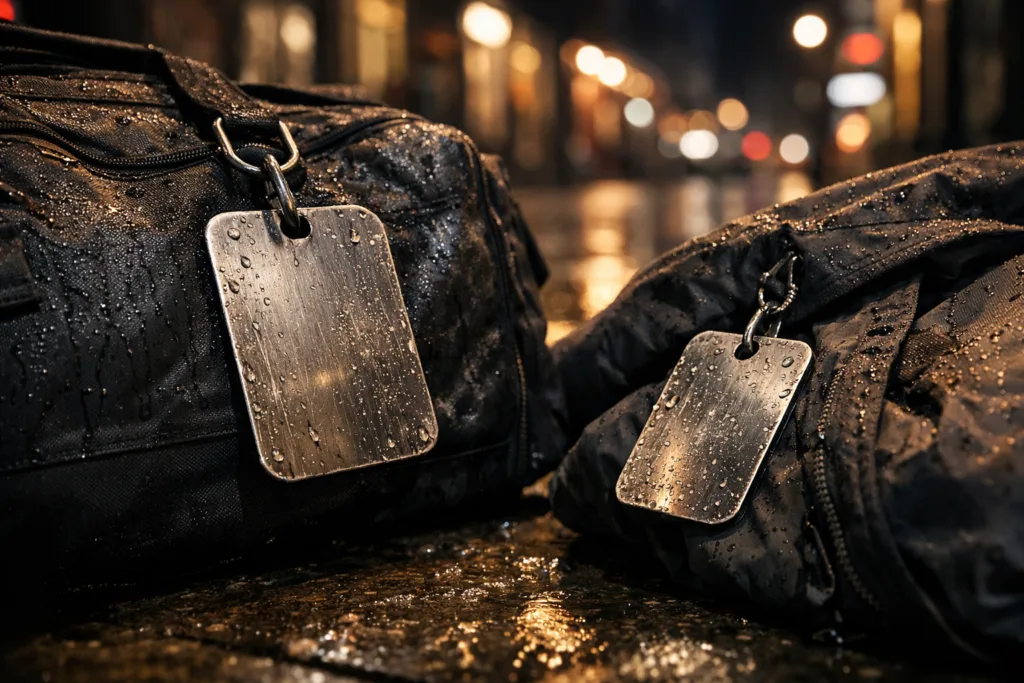
For oversized tags to function as true statement pieces in demanding environments, durability must be proven through rigorous testing and smart material selection. Corrosion resistance is a top concern, especially for brands whose bags and apparel face regular exposure to sweat, rainfall, or cleaning chemicals.
Industry-standard corrosion resistance tests, such as salt spray or neutral salt fog, simulate years of outdoor use in a matter of days. These are especially vital for products shipped to coastal or humid regions where failure could quickly erode brand value.
Another priority is abrasion and UV testing. Abrasion assessments check how well surface finishes resist scratches and wear, while UV testing forecasts how colors and finishes will hold up against fading. Statement pieces on the outside of a bag or jacket need finishes capable of withstanding both urban and outdoor challenges.
Recommendations for maximizing tag performance include using passivated stainless steel for best corrosion resistance or anodized aluminum for lightweight, fade-resistant designs. Protective lacquers or clear coats can also shield against scratches and moisture.
UC Tag’s shop-floor protocols require every batch of oversized tags to undergo spot checks for finish uniformity and edge smoothness, minimizing the risk of premature wear or user discomfort in real-world use.
Industry & Application Fit for Oversized Tags
Oversized tags have found their niche across a spectrum of industries—but are especially transformative in streetwear and luxury accessory markets. Streetwear brands, for instance, use bold, machined tags to make their products pop in crowded retail spaces or social feeds. Highly polished or colored plaques, often stamped with oversized logos, serve as walking advertisements and create instant brand recognition.
Luxury handbag designers elevate their goods with engraved, debossed, or antique brass tags. These tags not only confer a sense of quality but also become collectibles in their own right. For distributors and importers, incorporating such tags allows for exclusivity in limited releases and collaborative projects.
Promotional and event industries are also embracing oversized tags as statement pieces. Whether as commemorative keychain tags or event swag, these items add perceived value to company giveaways. For challenging environments—think tactical gear or rugged luggage—materials like stainless steel and robust attachment options guarantee the tags will hold up.
Explore creative applications for oversized tags through bag tag nameplates or see how other industries solve for durability with UV-resistant finishes.
Common Mistakes and Troubleshooting
While oversized tags hold major visual appeal, design and production pitfalls can undermine their impact as statement pieces. One recurring issue is insufficient text or logo contrast—leaving even large tags unreadable. Always choose finishes and color infills that maximize clarity in practical lighting.
Another common failure: improper adhesive or weak attachment methods. Using the wrong adhesive on textured fabrics or slick surfaces can cause premature detachment. Instead, select attachment solutions validated for your use environment, such as rivets for heavy-duty items or tested adhesives for smoother substrates.
Corrosion on tags is a risk in humid or salty climates—avoiding this begins with choosing the right base materials and specifying corrosion-resistant finishes. When trial products show unexpected wear, work with your manufacturer to adjust design parameters before scaling to mass production. For further guidance on avoiding design pitfalls, refer to this checklist: 5 Design Mistakes That Stall Orders.
Ordering Guide for Oversized Tags
Sourcing custom oversized tags is a strategic process that starts with understanding your Minimum Order Quantity (MOQ). MOQs protect workflow efficiency and material yields, so clarify requirements with your manufacturer early. For more on MOQs and ordering, see this practical guide.
Be mindful of production lead times—intricate designs and special finishes can extend timelines, which is critical for aligning launches. Art submission should follow vector-based formats to guarantee clarity and manufacturing consistency. Most suppliers offer digital proofs for approval. For best results, submit artwork in the format requested by your supplier, and allow time for adjustments or sampling.
Consider packaging and shipping. Oversized tags may require extra padding or custom cartons to prevent scratches and deformation in transit. For packing recommendations and sample options, visit custom tag samples.
Frequently Asked Questions
What materials are best for outdoor oversized tags?
Stainless steel and anodized aluminum are most effective for outdoor oversized tags due to their exceptional corrosion resistance and ability to withstand UV exposure and moisture.
How does manufacturing technique affect tag quality?
Manufacturing technique impacts clarity, edge finish, and durability; precision methods like engraving and etching yield crisp details, while stamping is efficient for high volumes but offers less design intricacy.
What is the average lead time for custom oversized tags?
Lead times vary by batch size and complexity but generally range from 2 to 6 weeks, with longer durations for intricate finishes, large orders, or custom shapes.
Can designs include multiple colors or intricate logos?
Yes, designs can feature multiple colors or detailed graphics through UV printing, enamel infill, or layered etching; confirm feasibility with your manufacturer before production.
What type of finishes promote durability?
Durable finishes include anodizing for aluminum, mirror polish or brushed for stainless steel, and clear lacquers for brass; these options protect against scratches and corrosion.
How to ensure legibility in large-scale designs?
Maintain high contrast between foreground and background, use bold fonts, and verify artwork at actual size; request pre-production samples to assess legibility under real conditions.
Related Reading
- Expert Tips for Perfect Bleed & Borders on Custom Shaped Metal Tags
- 5 Design Mistakes to Avoid When Creating Custom Tags
- Stop Color Fading: Master UV Resistance for Outdoor Metal Tags
- MOQ Secrets: How Order Quantity Impacts Tag Sourcing and Pricing
- How 3M Adhesive Backings Boost Metal Tag Durability and Brand Impact
- Choose the Perfect Metal for Engraving: A Comprehensive Buyer’s Guide