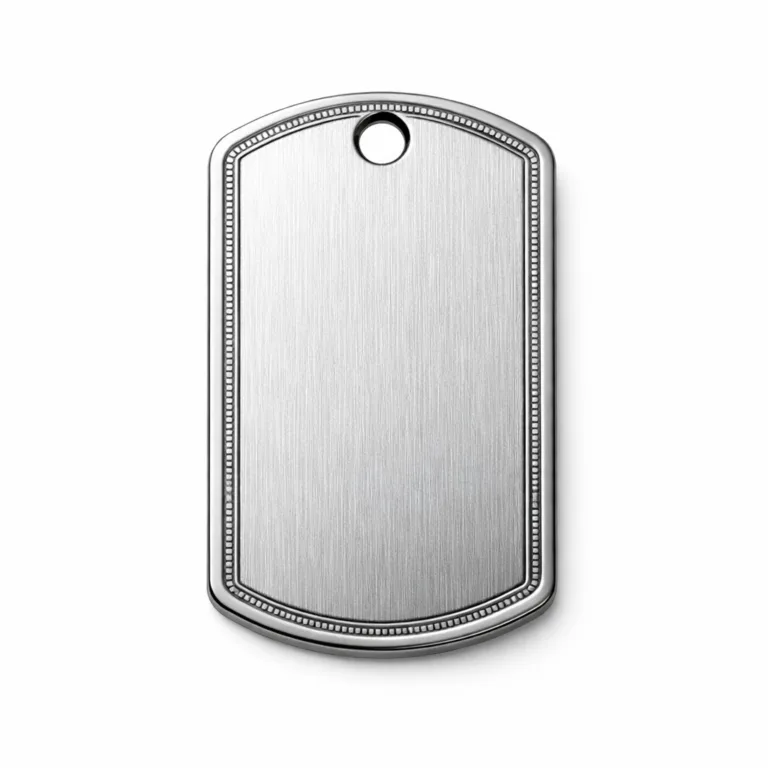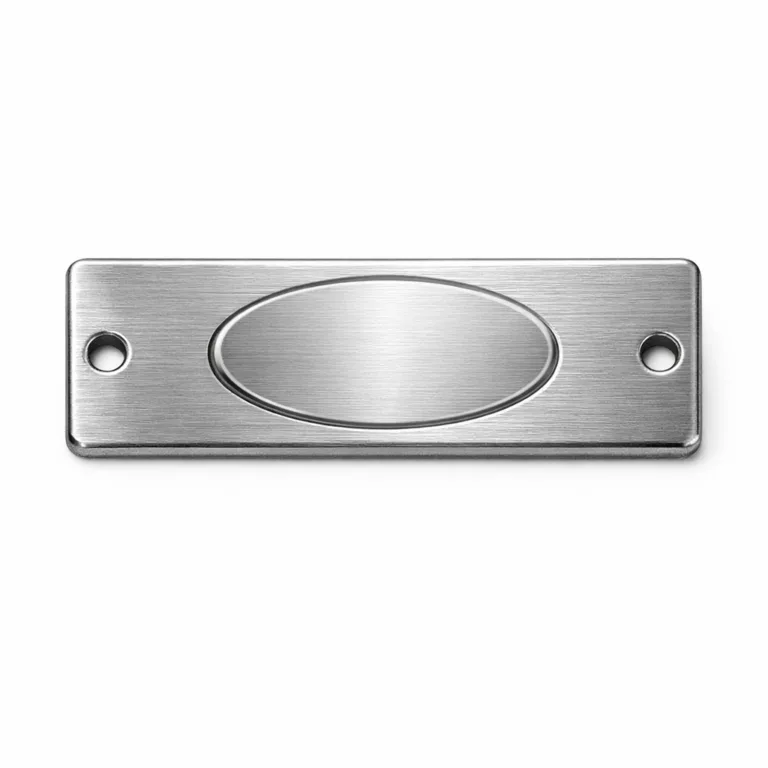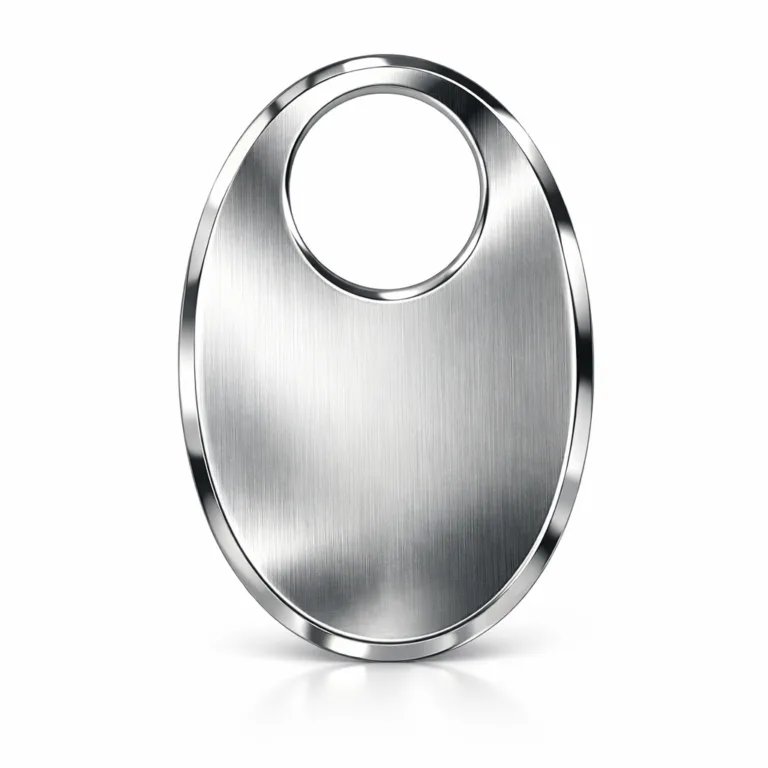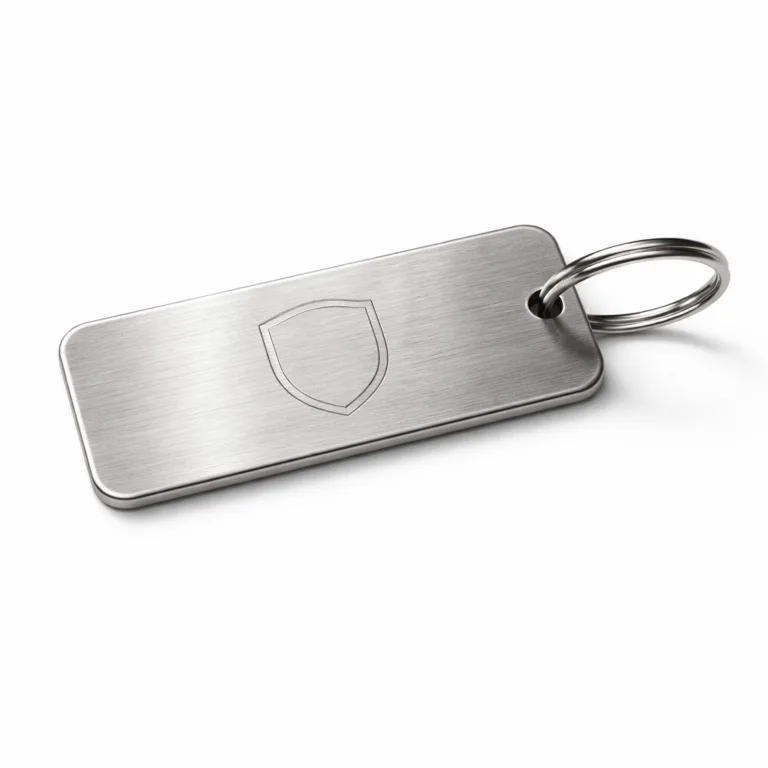
OEM ODM Custom Tags Overview
OEM ODM custom tags are essential elements in manufacturing and branding, helping products stand out and enabling businesses to offer unique solutions. The terms OEM (Original Equipment Manufacturer) and ODM (Original Design Manufacturer) reflect vital production partnerships. OEM involves making products as designed by the client, while ODM means the supplier is involved in both design and production. Understanding these options is crucial for companies seeking custom tags that meet their technical and branding needs.
Introduction to OEM and ODM Concepts
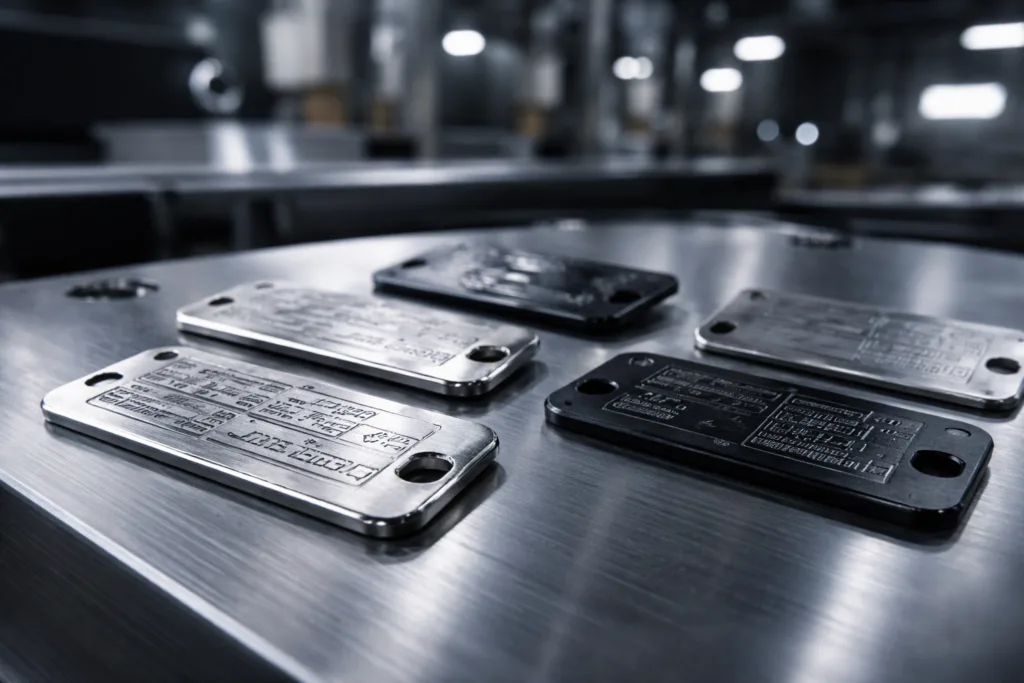
OEM stands for Original Equipment Manufacturer, a model where the supplier fabricates items to exact customer specifications and designs. You send in your artwork, material requirements, and desired shape, and the OEM produces your custom tags to match. In contrast, ODM (Original Design Manufacturer) takes a more active role, offering pre-existing designs or collaborating on new ones. ODM suppliers can help tweak or fully create custom tag designs and then manufacture the product for market.
These production models have shaped the custom tag industry, from basic branded nameplates to complex, decorative metal tags used on handbags, machinery, or electronics. The choice between OEM and ODM for custom tags depends on a company’s design expertise, control needs, budget, and risk comfort.
OEM ODM Custom Tags: Definitions and Key Differences
Let’s define these terms more precisely. An OEM custom tag is made by a supplier according to your supplied design, using your technical drawings, logos, or specifications. The supplier’s job is to follow your requirements and deliver tags with consistency and quality. This model is popular for businesses with in-house designers and strict brand requirements.
Meanwhile, ODM custom tags involve the manufacturer’s own design capacity. ODM suppliers usually offer a catalog of designs for clients to select and customize or work with clients on fresh designs. This model is useful for smaller businesses or those seeking quick products without a dedicated design team.
| OEM | ODM | |
|---|---|---|
| Design Ownership | Client | Manufacturer |
| Customization Level | Full | Partial/Full (with manufacturer input) |
| Best For | Brands with unique design needs | Fast launch, limited design resources |
When Should You Choose OEM for Custom Tags?
OEM custom tags are best for companies with very specific branding and technical requirements. For instance, a luxury handbag brand might need tags with exact color matching, material selection, and embossed logos to stay true to their identity. OEM also benefits engineering-oriented businesses — say, machinery manufacturers — needing technical data etched or laser-marked on metal nameplates.
- Strict control over design
- Established brands protecting IP
- Complex product specifications
- Unique material requirements
The OEM model ensures that suppliers act as “builders,” following customer directives closely. It’s ideal for those prioritizing uniqueness and intellectual property protection. However, designing everything in-house means you must have expert staff to avoid delays or errors.
When Should You Choose ODM for Custom Tags?
ODM custom tags are ideal for companies lacking detailed designs or wanting to streamline product launches. New businesses and smaller brands often turn to ODM suppliers who provide a range of pre-set templates or designs. ODM manufacturers can also help develop a unique style for your tags, supporting you through design iterations.
- Speed to market is crucial
- Limited in-house design resources
- Lower minimum order quantities
- Seeking affordable, ready-made solutions
For example, a startup launching a new accessory line may browse ODM catalogs, pick shapes and finishes, and then request logo placement or subtle tweaks. ODM suppliers often provide industry insight to help avoid design missteps. While this model sacrifices some uniqueness, it is a practical approach with reduced risk and fast turnaround times.
Industry Applications for OEM ODM Custom Tags
OEM ODM custom tags are found in a variety of sectors — fashion, electronics, industrial equipment, furniture, and promotional merchandise are a few. Their main function is labeling, branding, and communicating essential product information.
- Fashion & Apparel: Decorative metal tags, embroidered labels, and hangtags
- Industrial: Laser-engraved data plates, asset identification tags
- Electronics: Rating plates, model labels
- Furniture: Brand identity plates, manufacturing labels
- Promotional Items: Custom keychains, logo tags
Different industries have different priorities — some focus on aesthetics, while others require tags that withstand extreme environments. Understanding your industry’s needs will help you determine whether OEM or ODM is your best production route.
Who Benefits Most from OEM ODM Custom Tags?
The groups most commonly seeking OEM or ODM custom tags include product-based businesses, manufacturers, importers, brand managers, and startups. Larger organizations usually prefer OEM partners to maintain complete control over their product’s appearance, technical features, and branding. Startups or smaller companies may leverage ODM solutions, since they’re easier and quicker to integrate.
Even experienced firms sometimes shift from one model to another. If their design needs outgrow internal resources, or they want to cut costs, they might switch from OEM to ODM or vice versa. As business needs evolve, choosing the right custom tag solution ensures flexibility and competitiveness.
Customization Options for OEM ODM Custom Tags
From materials to finishes and shapes, both OEM and ODM custom tag suppliers offer a wide variety of options. OEM partners usually deliver advanced customization, while ODM provides preset choices with selective tweaks.
- Material choice: stainless steel, brass, zinc alloy, aluminum, silicone
- Surface treatment: plating, painting, laser etching, printing
- Attachment methods: rivets, screws, adhesives, sewing
- Engraving styles: embossing, debossing, digital printing
- Shapes and sizes
For OEM, the buyer specifies every detail. For ODM, you select from a broader menu and then request logo integration or small design tweaks. Either way, the possibilities allow your custom tags to reflect your brand and product purpose.
OEM ODM Custom Tags: Materials and Durability
Choosing the right material is important for tag durability and performance. OEM partners will fabricate the tag according to your selected material — whether it’s sturdy metal for machinery or soft silicone for wearable accessories. ODM suppliers typically offer the most common materials but can often support custom requests for special orders.
| Material | Features | Common Uses |
|---|---|---|
| Stainless Steel | Corrosion-resistant, strong | Industrial, machinery |
| Brass | Elegant, durable | Fashion, jewelry |
| Zinc Alloy | Malleable, affordable | Decorative, furniture |
| Aluminum | Lightweight, printable | Electronics, identification |
| Silicone | Soft, flexible | Wearables, promotional |
Material selection will affect not only tag appearance and tactile feel, but also longevity under harsh conditions. Consider whether you need weatherproofing, rust resistance, color stability, or other features suited to your product’s environment.
Risk Factors in OEM ODM Custom Tag Partnerships
No production model is risk-free. For OEM partnerships, risks include IP theft, production delays, or mismatches between designs and actual output. Thorough vetting and clear contracts can mitigate these issues. For ODM, risks include lack of uniqueness (other customers may use similar designs) and reduced control over product features.
- OEM Risks: Complexity, requires detailed management, potential for miscommunication, IP leakage
- ODM Risks: Less exclusivity, limited customizability, design changes may incur extra costs
It’s important to ask about confidentiality, production capabilities, and previous client testimonials before choosing a supplier. Reliable communication and sample approvals help minimize problems.
How to Choose Between OEM and ODM for Custom Tags
Making the right choice depends on your business goals, timelines, budget, and product uniqueness. Here’s a practical approach to decision-making:
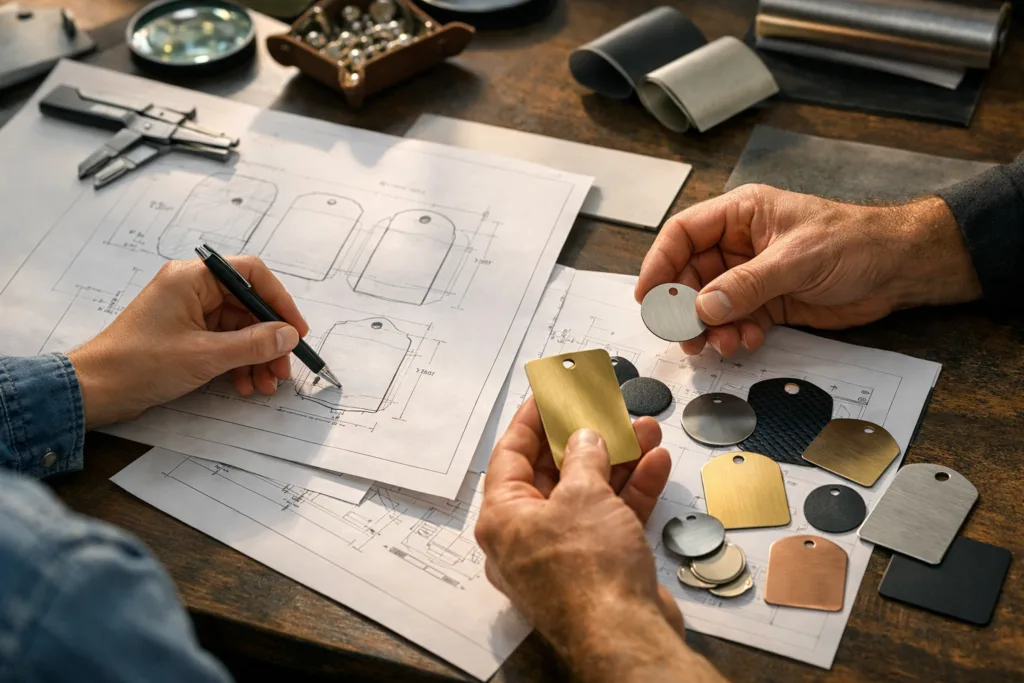
- If you have a unique product design and want strict brand control, OEM is preferable.
- If you prioritize cost-effectiveness and speedy launch, ODM offers more flexibility.
- For highly technical tags and unique functions, OEM partners can deliver advanced engineering solutions.
- ODM is ideal for routine, decorative tags supporting many product lines at once.
Talk to potential suppliers, review their capabilities, analyze sample products, and weigh your budget against customization needs. Engaging early with either partner and setting clear expectations ensures a smoother process.
OEM ODM Custom Tags: Cost Considerations
Pricing varies widely between OEM and ODM custom tag solutions. OEM models, where the supplier follows specific requirements, often cost more upfront due to setup, tooling, and prototype cycles. ODM suppliers tend to work with established processes, leading to lower minimum order quantities and cheaper unit prices.
| Model | Setup Cost | Unit Cost | MOQ | Lead Time |
|---|---|---|---|---|
| OEM | High | Medium–High | High | Longer |
| ODM | Low | Low–Medium | Low | Quicker |
Don’t forget to budget for shipping, packaging, and quality testing. While OEM benefits from reduced risk of brand confusion, ODM helps keep costs manageable, especially for pilot product launches.
Quality Control in OEM ODM Custom Tags Production
Both OEM and ODM suppliers must implement strict quality control to avoid defects and disappointment. OEM partners follow detailed checklists based on client specifications, performing inspections at every stage. ODM providers often use standardized, repeatable procedures to ensure batch consistency.
- Incoming material inspection
- In-process checks for dimensions and finish
- Function and durability tests
- Final sampling and approval
Clients should request samples early and document all requirements. Spot-checking before mass production helps catch issues ahead of time, saving both money and reputation.
Intellectual Property Protection in OEM ODM Custom Tags
Intellectual property (IP) protection remains a top priority, especially in OEM partnerships. When you share proprietary designs or brand logos, it’s vital to demand non-disclosure agreements and ensure your supplier follows legal safeguards. ODM models involve less risk since the manufacturer owns or shares designs, but check if other companies might use similar tags. Ask suppliers about their IP handling processes, and consult legal experts if necessary.
Communication and Collaboration with Suppliers
Clear communication bridges gaps between design intent and actual output. For OEM models, buyers need to prepare thorough technical drawings, written requirements, and regular feedback cycles. ODM works best with active collaboration on design tweaks and batch approvals. Regular updates, progress reports, and photo samples keep both sides aligned, reducing costly misunderstandings or delays.
Trends in OEM ODM Custom Tags
The custom tag industry keeps evolving. Recent trends include sustainable materials (like recycled metals), advanced laser marking (for extra detail), RFID-enabled tags (for tracking and security), and flexible low-order manufacturing. As branding needs change, suppliers invest in new tooling and surface treatments to offer even more aesthetic options. Both OEM and ODM partners now collaborate on eco-friendly solutions to meet regulatory and customer expectations.
Brand Voice: UC Tag’s Manufacturer Perspective on OEM ODM Custom Tags
As a manufacturer of custom metal tags and nameplates, UC Tag is experienced in both OEM and ODM models. OEM clients approach us with unique artwork, materials, and specifications, seeking high fidelity to their brand vision. Our engineering and quality control teams ensure every custom tag matches the provided documentation, using metals like brass, stainless steel, or aluminum.
For ODM customers, UC Tag maintains a library of existing decorative metal tag designs, offering options for immediate customization. Our designers work with clients to tweak shapes, finishes, and logo placements, streamlining sample approvals and reducing launch times. We pride ourselves on transparent communication, consulting on materials and production feasibility from initial inquiry to shipment.
Whether you’re seeking exclusive OEM tags or flexible ODM solutions, UC Tag adapts to your brand’s needs. Interested in exploring a custom metal tag manufacturing partnership?
Sourcing and Vetting OEM ODM Custom Tag Suppliers
Choosing the right supplier is no small feat. Start with online research, look for supplier certifications (like ISO 9001), and check client reviews. Request physical samples, review production capacity, and confirm if their expertise matches your needs. Visiting factories (locally or virtually) helps assess their capabilities, while third-party inspection services bring extra peace of mind.
- Verify manufacturing standards
- Request real samples
- Check communication responsiveness
- Consult references or previous clients
Suppliers with demonstrated success in custom tags for your industry often prove more reliable and flexible when facing technical challenges.
OEM ODM Custom Tags: Compliance and Standards
Tags, especially for industrial or safety-critical products, must meet relevant standards. OEM models allow you to impose your own requirements, while ODM suppliers often pre-test designs for compliance. Common standards include RoHS (Restriction of Hazardous Substances), UL labeling (for safety equipment), or specific chemical resistance for harsh environments. Make sure your supplier documents testing procedures and can provide certifications if needed.
Supply Chain Considerations for OEM ODM Custom Tags
Global supply chain dynamics affect lead times, costs, and overall reliability. OEM tags typically require longer cycles due to setup and tooling, while ODM is usually more agile. Consider proximity to the supplier, logistics options, and contingency plans for raw material shortages. Contracting with backup suppliers is wise if your business depends heavily on custom tag inventory.
- Lead time planning
- Shipping and freight tracking
- Contingency for order delays
Efficient supply chain management is a competitive advantage for businesses relying on timely delivery of branded tags and labels.
Case Studies: Successful OEM ODM Custom Tag Partnerships
Real-world examples showcase the benefits and challenges of both models. One household appliance giant used OEM solutions to ensure their serial number tags matched strict safety requirements, successfully avoiding recall risk. A startup accessories brand grew fast with ODM tags, choosing templates to launch products affordably and on schedule. Each case highlights the value of clear expectations, diligent supplier selection, and ongoing quality checks.
OEM ODM Custom Tags: Environmental and Sustainability Factors
Environmental responsibility is gaining traction in custom tag manufacturing. Both OEM and ODM suppliers now offer recycled metals, non-toxic finishes, and eco-friendly packaging. Brands may request life-cycle data, hazardous substance testing, or participate in sustainability audits. Suppliers who adopt greener manufacturing earn trust and positive brand image as consumers and regulators demand more responsibility.
Future Outlook for OEM ODM Custom Tags

The custom tag market will stay dynamic, fueled by digital printing, modular designs, and expanded customization. As industries grow more competitive and personalization trends continue, buyers will increasingly seek flexible suppliers who blend OEM precision with ODM speed and creativity. Innovations like smart tags and biodegradable materials may very well be commonplace in coming years.
Conclusion: Making the Informed Choice for OEM ODM Custom Tags
The decision between OEM and ODM custom tag models calls for self-reflection about your design needs, risk tolerance, budget, and production capacity. OEM ensures exclusivity and full brand control, while ODM offers affordability and fast launches. Consider your goals, consult reliable suppliers such as UC Tag, and always insist on transparent communication and quality assurance. The right partnership can elevate your products and captivate your target market.
FAQs About OEM ODM Custom Tags
- What is the main difference between OEM and ODM custom tags?
OEM tags are fully designed by the client and manufactured by the supplier according to exact requirements, while ODM tags use pre-existing manufacturer designs that can be slightly customized. - Who should use OEM for custom tags?
Companies with strict branding and technical needs, like luxury brands or industrial manufacturers, benefit most from OEM. - When is ODM the better choice for custom tags?
ODM works best for businesses seeking affordable, quick-to-market solutions without dedicated design or engineering teams. - How do I protect my design IP with OEM ODM suppliers?
Always sign NDAs, clarify ownership, and ask about supplier practices for handling confidential designs. - What materials are common in custom tags?
Popular choices include stainless steel, brass, zinc alloy, aluminum, and silicone, depending on use case and durability needs. - How do I ensure quality in OEM ODM custom tag production?
Request detailed samples, document all requirements, maintain regular communication, and conduct independent quality checks when needed.