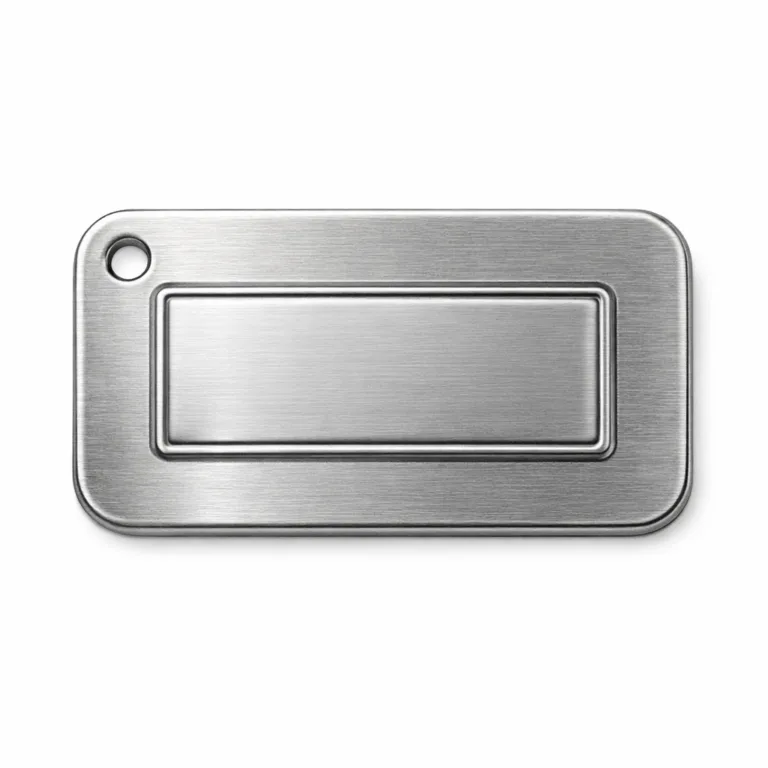
Introduction to NFC Technology in Metal Tags
NFC, metal tags, embedded technology, and smart tags are rapidly transforming how manufacturers, logistics professionals, and brands approach identification, tracking, and engagement. Near Field Communication (NFC) is a short-range wireless communication standard that lets compatible devices exchange data simply by tapping them together or bringing them very close. By embedding NFC chips inside traditional metal tags, ordinary identification solutions are now supercharged with interactive and data-driven capabilities.
With embedded technology, metal tags are no longer passive—smart tags can now store and transmit detailed item data, enable personalized experiences for customers, and streamline operations. Think about walking into a warehouse and scanning racks with your phone for instant stock information, or tapping a product’s metal logo plate with your phone to access unique content or warranty registration. NFC metal tags fit naturally into existing inventory, branding, or asset management systems, acting as a bridge between the physical world and the digital realm.
This fusion comes with tremendous benefits. From improved tracking and loss prevention to enhanced product authentication and secure access, NFC metal tags are suited to any industry that needs robust, interactive identification. In this article, we’ll break down why embedded NFC technology is reshaping the future of smart tags and how B2B buyers can harness these tools for sustainable, competitive advantage.
The Benefits of Integrating NFC with Metal Tags
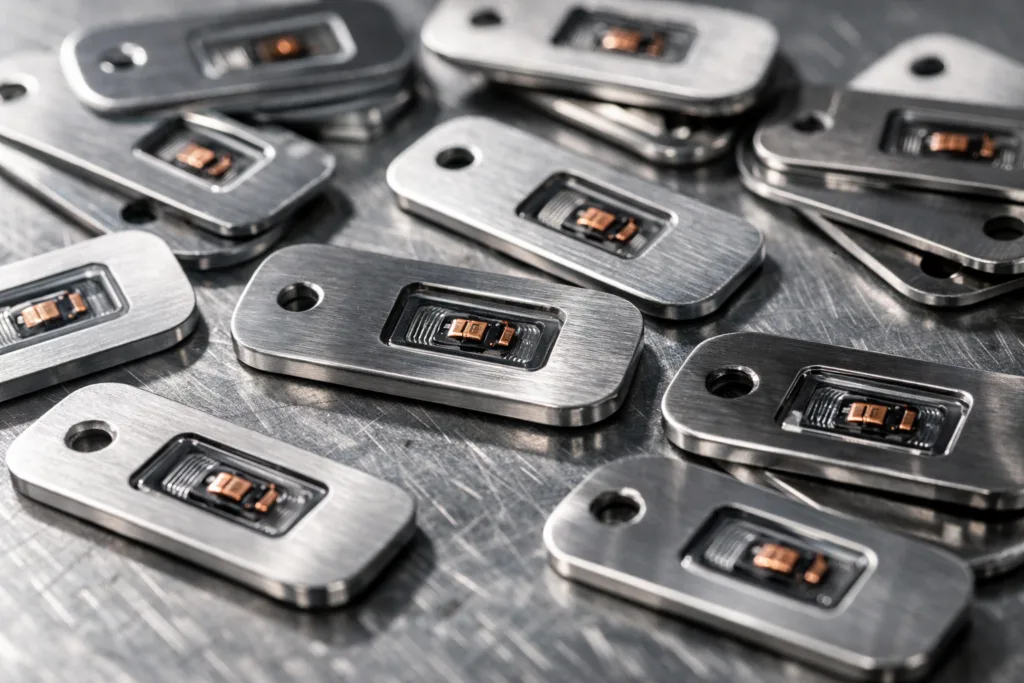
Combining NFC with traditional metal tags unlocks clear advantages for industrial and commercial applications. Smart tags provide contactless data access, eliminating manual scanning or error-prone inventory sheets. With a simple tap, the right user can access asset histories, part IDs, maintenance records, or even secure control systems.
- Improved data accessibility: NFC-enabled smart tags can transmit data directly to handheld devices, cloud inventory platforms, or point-of-sale tablets. This means faster stock checks, rapid batch validation, and seamless synchronization with ERP and MRP systems.
- Enhanced personalization: Marketers and brand managers can use NFC to deliver tailored content at the moment of interaction—whether it’s a personalized message, warranty registration, or promotional link hidden behind a metal logo plate.
- Increased durability: Metal tags with embedded technology resist abrasion, moisture, and harsh chemicals much better than stickers or plastic labels. NFC chips are hermetically sealed inside the tag, protecting both the chip and the data.
- Traceability and reduced human error: Integrating smart tags in inventory and asset management supports traceability throughout supply chains, reducing manual entry mistakes and improving recall responses if they arise.
The potential for interactive applications is vast. For instance, warehouses equipped with NFC smart tags report a significant decrease in lost items and interrupted audits, while customer engagement teams love the ability to gamify everyday objects or provide instant how-to videos at the tap of a tag.
Choosing the Right Materials for NFC Metal Tags
Material selection plays a critical role in the performance, lifespan, and user experience of metal tags with embedded technology. Not all metals are equal for NFC applications—each offers distinct advantages and trade-offs depending on operational environments and budget priorities.
| Material | Corrosion Resistance | Weight | Finish Options | NFC Read Range | Typical Use Case |
|---|---|---|---|---|---|
| Aluminum | Good (especially anodized) | Light | Matte, colored, brushed | Medium to high | Asset tags, outdoor panels |
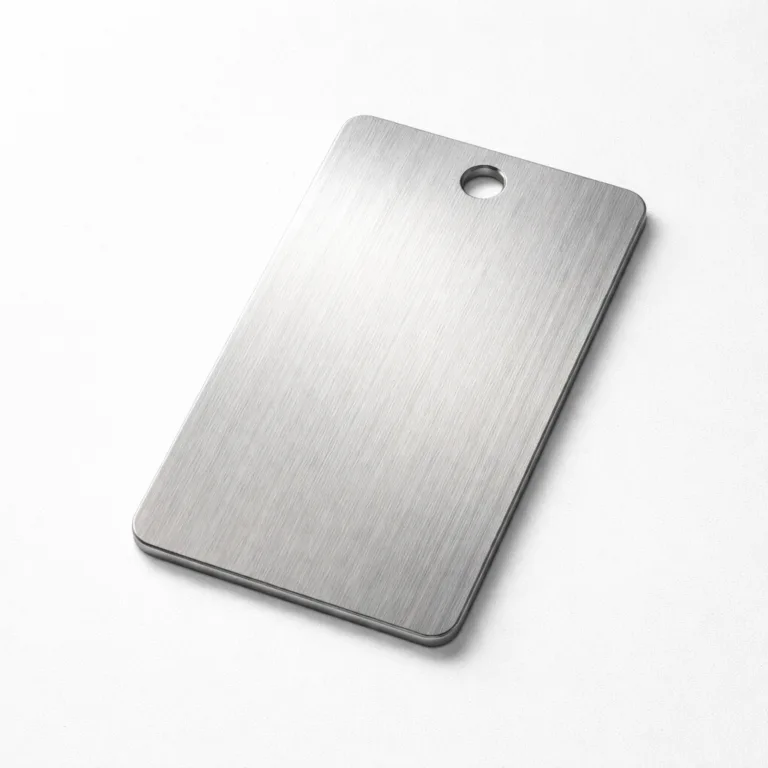
| Stainless Steel | Excellent | Medium to heavy | Mirror polish, matte, laser etch | Medium | Industrial nameplates, harsh env. |
| Brass | Good | Medium | Antique, bright gold, brushed | Medium | Branding plates, premium tags |
Aluminum is lightweight, easily shaped, and boasts excellent outdoor performance when anodized, but it may have a slightly longer NFC read range compared to dense metals if designed correctly. Stainless steel stands out for maximum durability and scratch resistance, essential for heavy industrial sites. Brass brings attractive finish possibilities for premium products or branding but can add weight to the tag.
Environmental resistance is non-negotiable in demanding settings. Anodized aluminum and stainless steel withstand UV, salt spray, and chemicals, while brass excels where aesthetics matter as much as resilience. It’s important to note, as Rain Chen of UC Tag points out, “Tag thickness and the type of backing, like 3M adhesive, can change NFC performance—always test prototypes in your intended environment.” Lifespan expectations also guide material choice: for multi-year outdoor deployments, opt for corrosion-proof alloys and proper sealing around the embedded technology.
One trade-off is that denser metals may slightly reduce NFC read range, especially if the chip and antenna are not carefully positioned or isolated. When read range is mission-critical, discuss exact requirements with your manufacturer and ask for read-range validation on sample tags before full production.
Manufacturing Methods for NFC-Embedded Metal Tags
Embedding NFC chips into metal tags requires precision at every step. Common manufacturing methods include engraving, stamping, and chemical etching—each impacting the outcome differently.
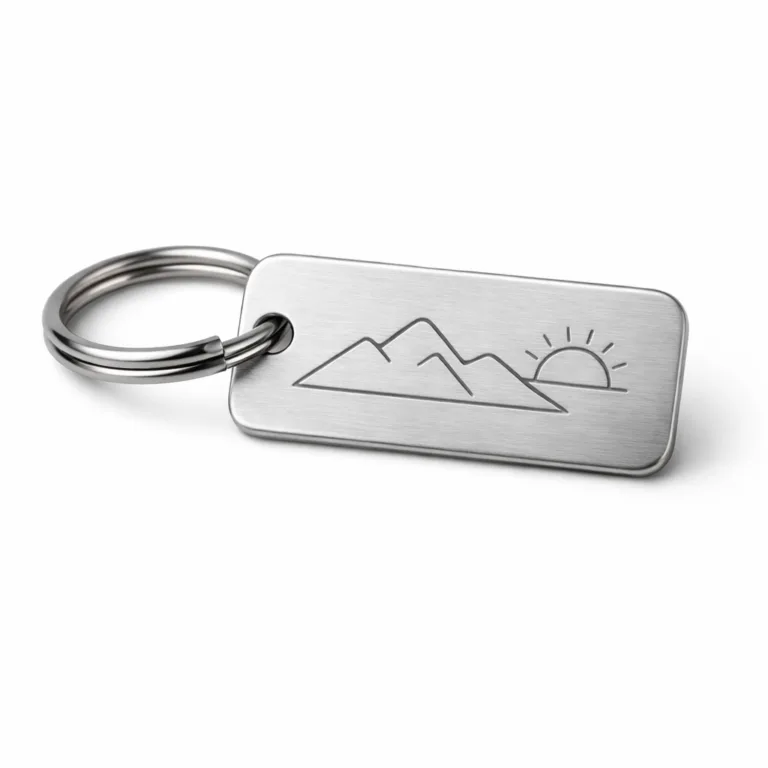
Engraving: This method, especially deep CNC or laser engraving, creates a pocket in the tag that secures the chip and antenna array before sealing with an overlayer or cap. It’s ideal for custom shapes and ensures the NFC inlay is isolated from the metal, maintaining signal clarity. Learn more about engraving techniques at UC Tag.
Stamping: Cost-effective for high volumes, stamping can form recesses or shells to house embedded technology. However, precise alignment is critical—misaligned chips risk poor readability or accidental damage during stamping.
Chemical etching: This is well-suited for intricate designs, shallow recesses, or multi-layer tags. Etched cavities can accept NFC inlays without distorting surface branding—key for logo tags and luxury plates, though durability can depend on the sealant used.
Production challenges include avoiding signal blockage (especially with thick or unshielded metal) and handling delicate electronics. Manufacturers must also balance the need for ruggedness against the NFC’s functional layer—meaning the tag’s top finish must not interfere with wireless function. As always, custom-shaped tags require unique approaches to both tag body geometry and chip encapsulation, so be candid with your suppliers about application and durability goals.
Design Specifications and Checklist for Smart Tags
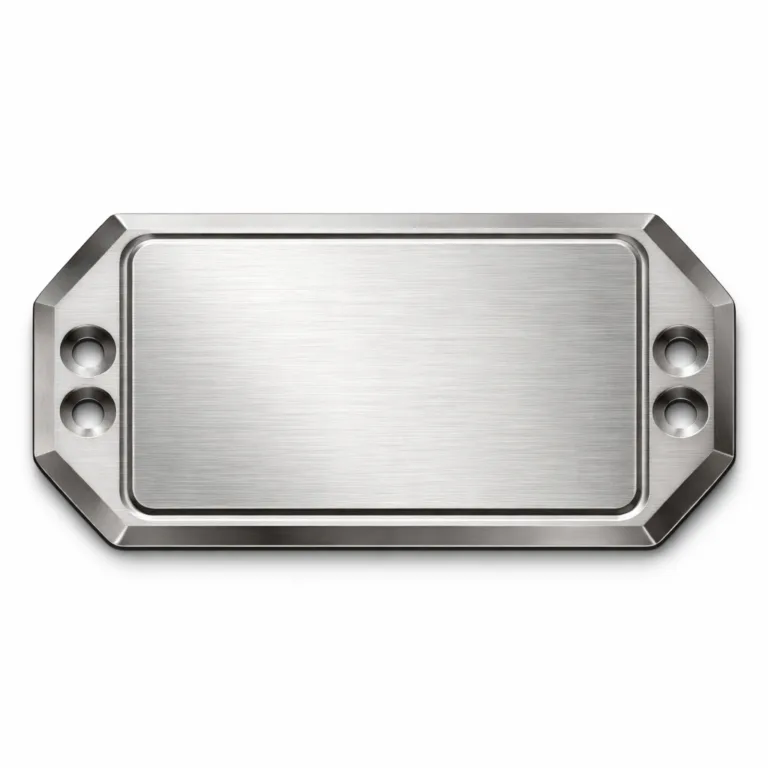
Designing NFC-embedded smart tags calls for a careful checklist to ensure both performance and aesthetics. Start with recommended sizes—most NFC chips fit within tags just 20–40mm across, but ensure enough border to protect the chip. Thickness plays a direct role in durability; aim for at least 1.5–2.0mm for industrial tags unless your application requires slimness.
- Finish types matter—matte for anti-glare outdoor use, glossy or brushed for branding, all while maintaining text and NFC chip readability.
- Chip placement: Ideally, the NFC chip is embedded near the center or towards a read-optimized corner, away from metallic interruption or attachment holes.
- Attachment: Specify holes (diameter and location) or adhesive backings to match your installation process. For example, see how adhesive-backing choices can supercharge durability.
- Tolerance and communication: Allow at least 1–2mm buffer around the NFC chip pocket to avoid crushing or shorting. Industrial designers should confirm with the supplier which surface thicknesses and clearances their chip model requires.
| Spec | Recommended Value | Purpose |
|---|---|---|
| Size | 25–40mm diameter or edge | NFC module fits, easy tap zone |
| Thickness | 1.5–2.0mm | Durability and chip protection |
| Finish | Matte, brushed preferred | Readability and contrast |
| Chip Position | Centered or shielded edge | Signal clarity, avoids holes |
| Attachment | Hole/adhesive/rivet | Secure, suits application |
Durability and Testing of NFC Metal Tags
For smart metal tags in challenging environments, reliability means more than chip function—it’s about total tag durability. Testing protocols guarantee that every tag performs as expected over time. The most vital tests assess corrosion resistance, abrasion, and outdoor survivability.
Salt spray tests simulate years of marine exposure in days. A well-made stainless steel or anodized aluminum tag should pass 500–1000 hours with no corrosion or NFC malfunction. Read more on why salt spray testing is critical for durability.
Abrasion and UV resistance follow, especially important for outdoor logistics or manufacturing yard applications. UV chamber cycling ensures tag finishes won’t fade and NFC reading windows remain clear. Sand and dust exposure rounds out physical tests for abrasive environments.

NFC-specific testing is just as important. Each batch should be function-tested for wireless range, repeat reads/writes, and electromagnetic interference with production samples and final lots. Documented failure modes—like chipped antennas or delaminated overlays—can be mitigated by robust encapsulation and flexible mounting. For example, UC Tag’s process includes random sample pulls for destructive tests simulating years of daily handling, verifying both metal and embedded technology longevity.
Materials, finish, and installation environment all influence lifecycle. Industrial NFC tags usually last 5+ years, but extreme chemicals or impacts may require increased thickness or specialty finishes. Always validate your final product by field testing representative units under real conditions before mass deployment.
Industry Applications for NFC-Embedded Metal Tags
The integration of smart tags and embedded technology is revolutionizing operations and user experience in several industries:
- Inventory management: Warehouses and distribution centers use NFC metal tags on storage racks, pallets, and machinery. With a smartphone or NFC reader, staff instantly retrieve current counts, history logs, or audit trails—eliminating time-consuming manual entry and making compliance a breeze. Companies have reported up to 70% faster stock audits after switching to NFC smart tags.
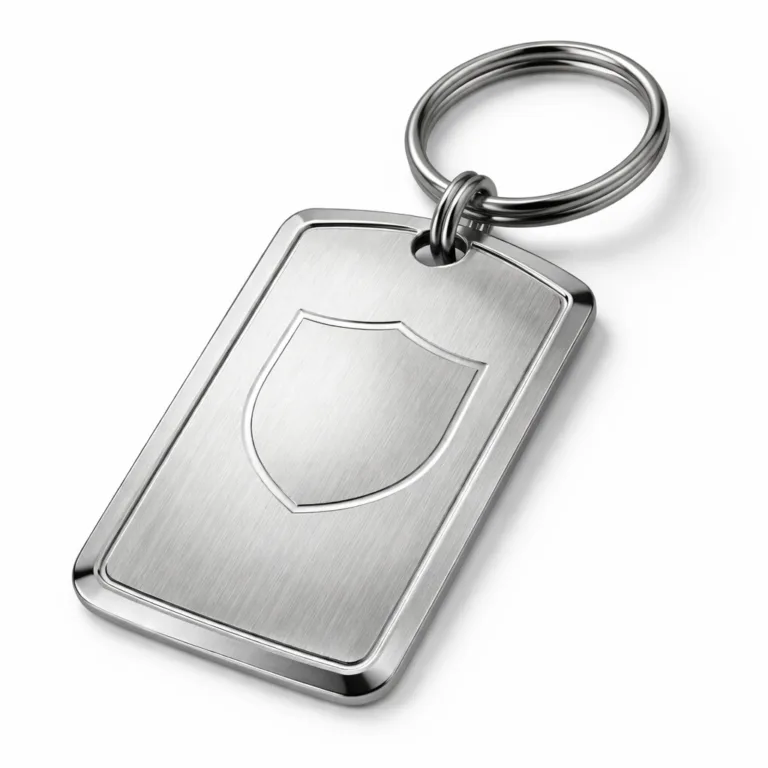
- Consumer engagement: For brands, NFC-embedded logo plates turn any product into an interactive touchpoint. Tap to access warranty registration, product authentication, exclusive marketing campaigns, or bonus content. For example, luxury suitcase tags equipped with NFC chips allow high-end customers to verify authenticity and download styling recommendations, all with a simple smartphone tap.
- Healthcare asset tracking: Hospitals use metal tags with embedded technology for high-value asset identification—wheelchairs, smart beds, and surgical kits. This approach supports maintenance cycles, reduces theft, and facilitates regulatory reporting.
- Logistics and shipping: Containers, bins, or heavy-usage utility assets carry robust NFC-embedded tags. Real-time traceability is as simple as holding a mobile reader near a container, streamlining check-in/out and chain-of-custody documentation, while reducing human error at every handoff.
- Pet tags and personal identification: Pet owners and shelters are adopting smart tags to house vital pet data that can be read with any NFC-enabled device. Medical info, contact details, and ownership status are just a tap away, offering peace of mind and quick reunification if the pet is lost.
Across these sectors, the role of embedded technology is evolving—from providing static ID to enabling real-time, secure, and interactive data transactions. As manufacturers innovate further, expect the market for smart tags to expand into smart cities, automotive components, and even retail loyalty programs, all built on the near-zero friction of NFC-embedded metal tags.
Common Mistakes to Avoid When Using NFC Metal Tags
There are pitfalls when integrating technology into metal tags. The most common issue is poor NFC chip readability, often due to incorrect chip placement or insufficient isolation from the metal. Always verify with your supplier how chips are shielded—and request read-range proofs before finalizing your design.
Attachment methods also matter. Inappropriate adhesive selections can lead to peeling, especially in high-humidity or outdoor settings. Choose adhesives tested for your environment (like high-bond 3M options) or opt for rivet holes when reliability is essential.
Tag placement is another source of trouble. Installing smart tags near strong electromagnetic fields or behind thick metal structures can block signals. Plan locations to avoid these interference points, and always test read ranges in their final installation.
Corrosion risk is real if base metals or finishes are not properly specified for the environment—use anodized or stainless options for outdoor or chemical exposure. Lastly, ensure sufficient contrast for readable text, especially if your tags combine visual IDs with NFC chips. For more on optimal tag readability, check out expert font size and contrast guidance for engraved tags.
Ordering Guide for NFC Metal Tags
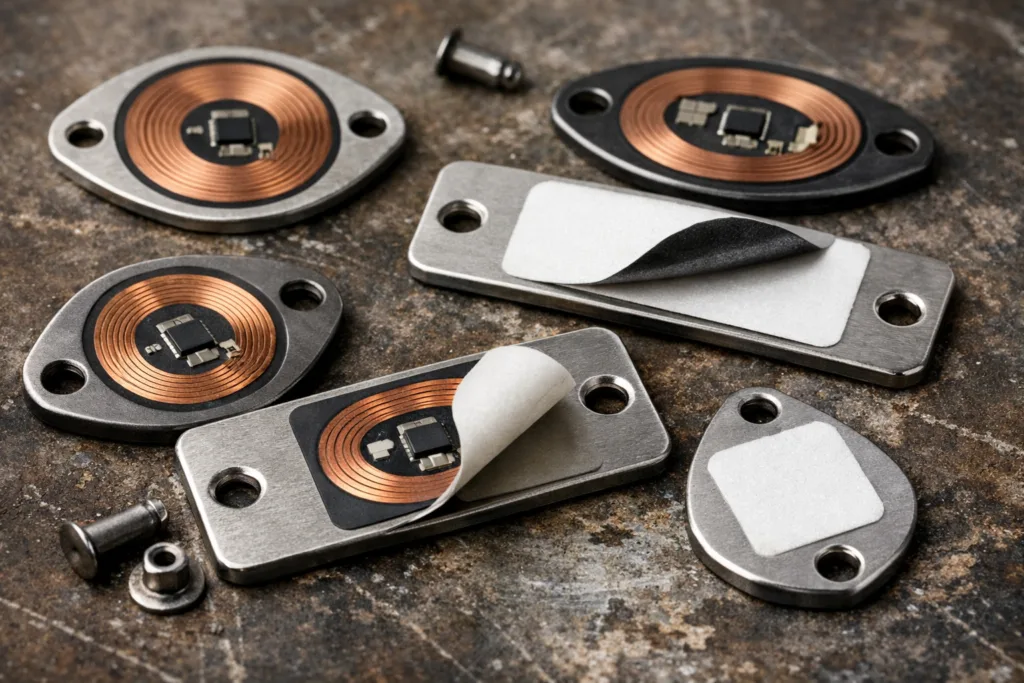
Ordering custom metal tags with NFC starts with understanding minimum order quantities (MOQs)—often ranging from 100 to 500 units depending on complexity. For scalable projects, check whether your supplier offers price breaks at higher thresholds. Master bulk quantity price thresholds here.
Lead time for custom NFC-embedded tags is usually longer than for standard metal tags. Precise die preparation, chip encapsulation, and rigorous testing often add 2–4 weeks beyond standard production. Early planning is essential for meeting critical deployment windows.
The artwork and proofing process is similar to regular custom tags, with an extra focus on the chip’s position, window marking, and any design impacts around the embedded technology zone. Request digital proofs or even physical samples before mass production; well-prepared projects nearly always include at least one pre-production approval sample.
Packaging and shipping require attention, too. NFC metal tags must be packed to avoid static discharge, bending, or impact—opt for foam trays or bubble-wrapped layers, and clarify labeling and batch codes as needed. For more packaging tips, see how to avoid shipping damage and customs delays.
Frequently Asked Questions
What is NFC technology and how does it work?
NFC (Near Field Communication) is a wireless technology that allows data transfer between devices at short distances, typically up to 4 cm, by tapping or holding them close together—ideal for secure, instant communication in smart tags.
How durable are NFC-embedded metal tags?
High-quality NFC-embedded metal tags are built for durability, resisting moisture, abrasion, and chemicals, and generally lasting 5+ years in most environments—particularly when made from stainless steel or anodized aluminum.
Can I customize the design of NFC metal tags?
Yes, design customization is available for most NFC metal tags, including shape, size, finish, branding, chip placement, holes, adhesives, and even interactive content stored on the chip, ensuring they fit specific applications.
What are the common use cases for NFC tags?
NFC tags are widely used for inventory management, asset tracking, customer engagement, product authentication, access control, pet identification, and logistics traceability, offering both identification and interactive digital features.
How do I ensure compatibility with other systems?
Ensure your NFC tags use standard NFC formats (such as NTAG or MIFARE), and confirm compatibility with your devices (phones, scanners) and software platforms through pre-production samples and clear technical specifications.
Can NFC tags be reused or reprogrammed?
Most NFC tags support reprogramming or rewriting, letting you update data or interactive functions; however, some tags are locked after encoding for security, so clarify requirements with your supplier before ordering.
Related Reading
- How Bulk Orders Unlock Major Savings on Custom Metal Tags
- Techniques for Engraving Names Rapidly on Metal Tags
- Boost Durability and Branding with 3M Adhesive Metal Tags
- Avoid Legibility Issues: Expert Font Size Tips for Metal Tags
- Minimize Shipping Risks and Customs Delays for Global Metal Tag Orders
- Ensure Corrosion Resistance with Proper Salt Spray Testing