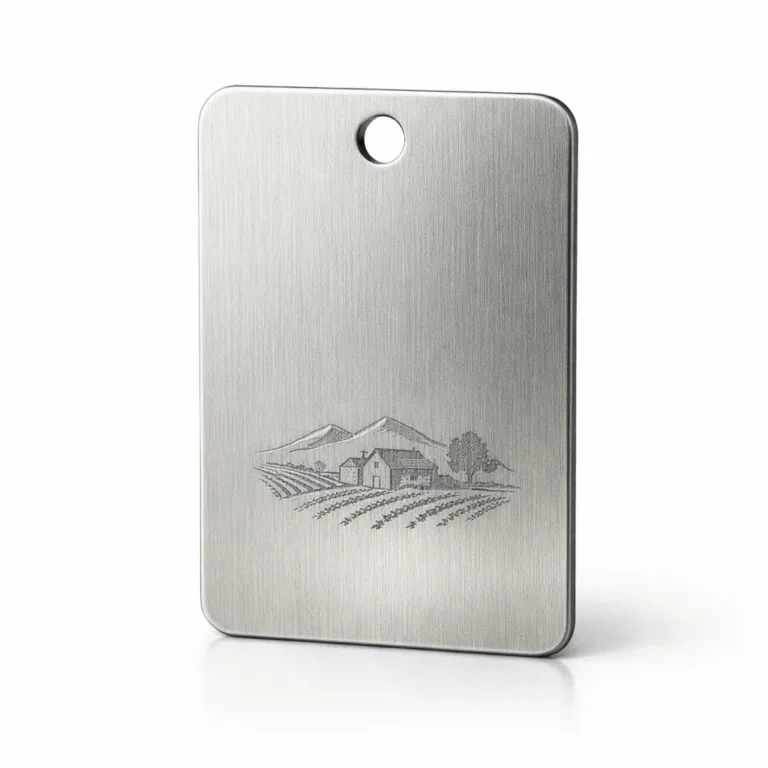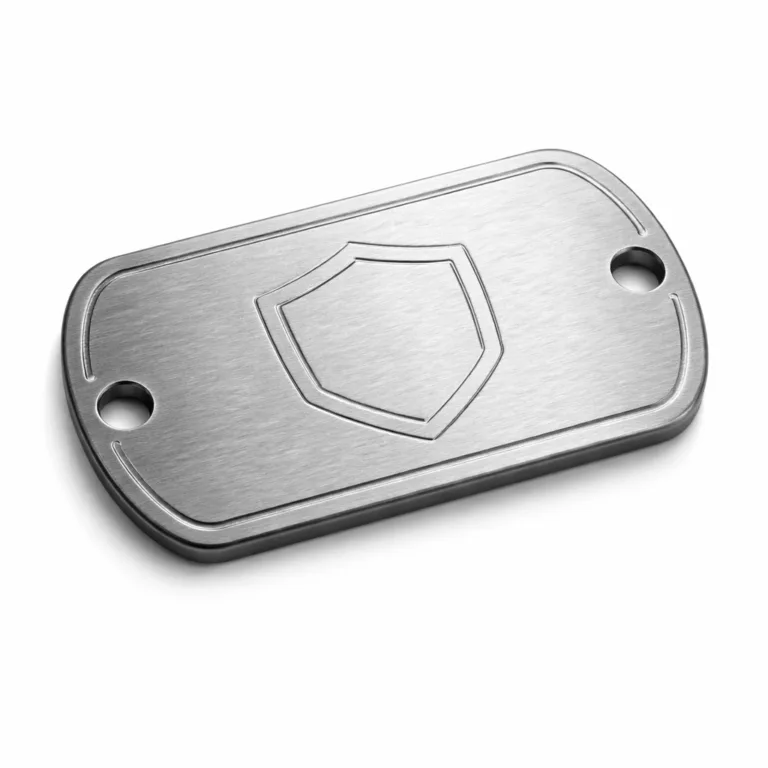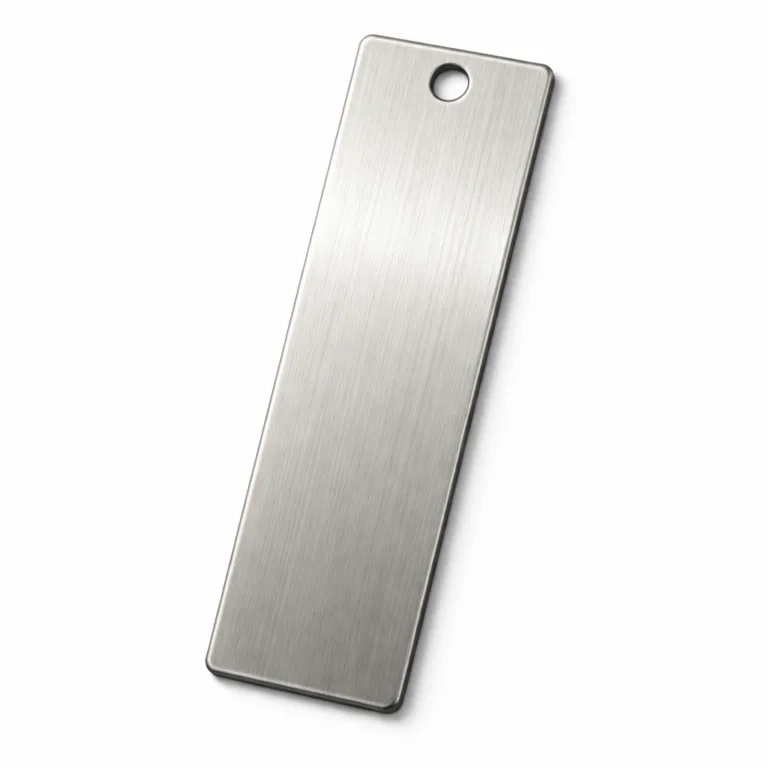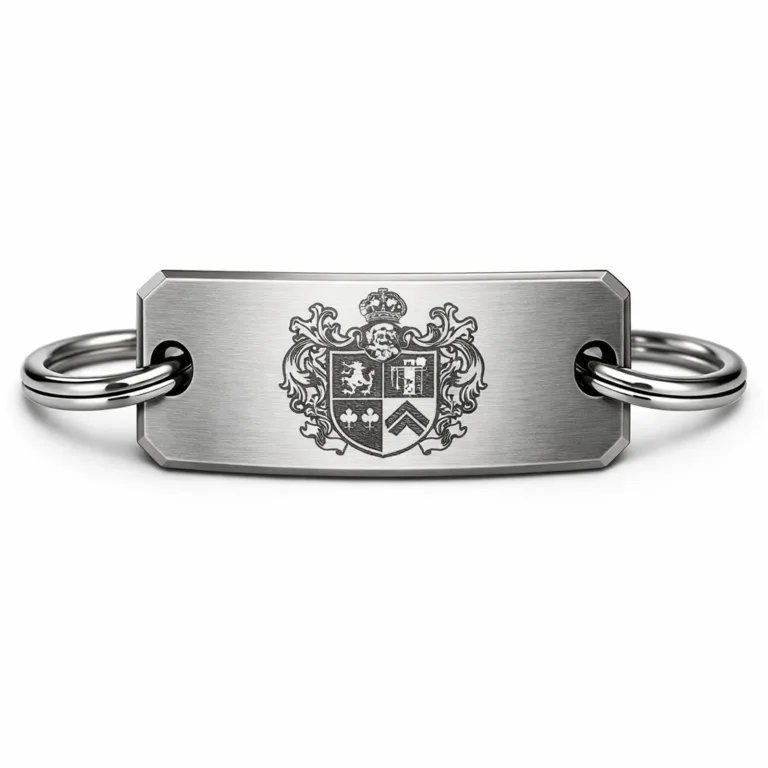
Metal tags can add branding, identification, size information, or a premium finish to garments, but they also change how clothing should be washed and dried. The short answer is that some garments with metal tags can go into the dryer, but not all of them should. From our manufacturing perspective, dryer safety depends on the tag material, thickness, attachment method, edge finishing, coating, and the fabric around it. A small stitched aluminum logo plate behaves very differently from a glued decorative tag, a plated charm, or a riveted stainless steel label on lightweight knitwear.
If your apparel project involves branded trims, washable identification pieces, or sewn metal hardware, custom garment tag manufacturing support matters early in development because dryer safety is usually decided before production, not after a damage complaint. We help buyers evaluate metal choice, edge quality, marking method, hole layout, sew-on or adhesive-backed construction, sampling, and wash-related risks so the final tag fits the garment’s care needs and bulk production plan.
What metal tags are and why they are used on clothing
Metal tags on garments are used for several reasons. Fashion brands may use them for logo badges, hem labels, neck tags, zipper pulls, or decorative identity pieces. Uniform suppliers may use them for durable identification. Workwear and branded apparel programs may need tags that remain readable after repeated cleaning. In each case, the tag has both a visual role and a performance role.
In our custom production work, common garment tag materials include aluminum, stainless steel, brass, and plated alloys. Some are engraved or etched for permanent branding. Others are printed for color impact. Some are stitched through holes, some are fixed with rivets, and some rely on adhesive. The care outcome in washing and drying depends heavily on these construction choices, not just on the fact that the part is metal.
Buyers sometimes assume that if the metal itself can tolerate heat, the whole tag is dryer-safe. That is often where problems begin. A tag may survive the heat while the plating dulls, the coating softens, the adhesive releases, or the surrounding fabric scorches, puckers, or snags during tumbling.
Can you put garments with metal tags in the dryer?
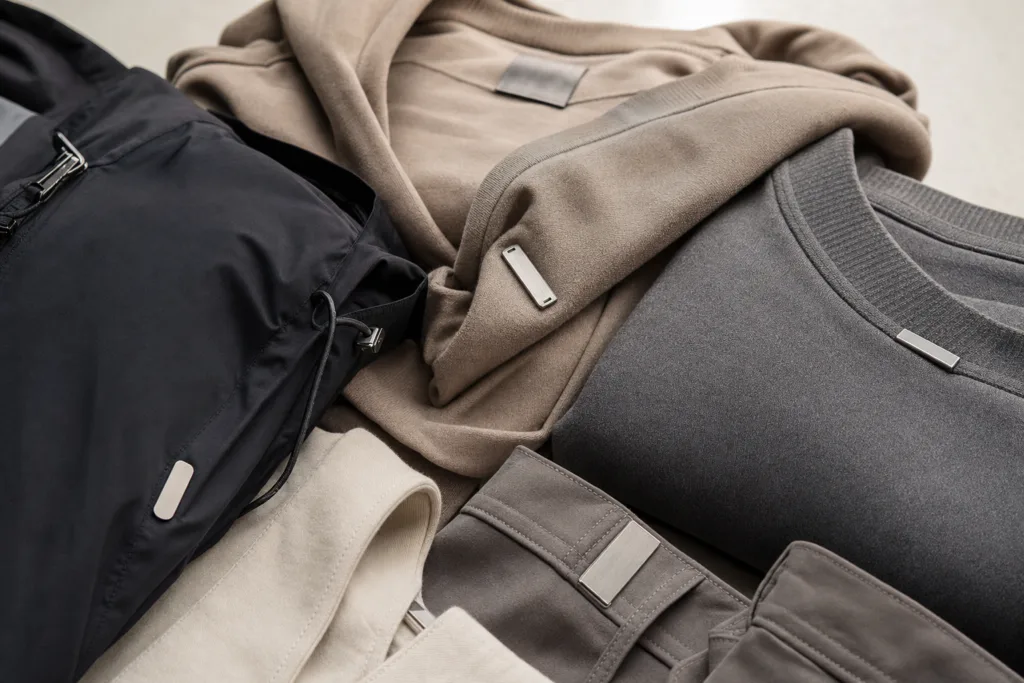
The safest answer is: only if the garment care label allows tumble drying and the metal tag construction is suitable for that level of heat and motion. Even then, low heat or air-only drying is usually safer than standard or high heat. Dryer risk comes from three combined forces: heat, repeated tumbling impact, and trapped moisture during the cycle.
For a heavy sweatshirt with a securely sewn rounded tag, low tumble drying may be acceptable. For a lightweight blouse with a glued-on decorative plate, air-drying is usually the better choice. For children’s wear, delicate knits, coated fabrics, or garments with plated decorative hardware, we recommend extra caution because the base fabric is often more vulnerable than the metal piece.
One practical rule helps: if you cannot quickly confirm the attachment style, finish, and care label meaning, do not default to the dryer. Check the label first, inspect the tag second, and choose the gentlest drying method that protects both the fabric and the metal part.
How heat, tumbling, and moisture affect metal tags and fabric
Heat can change more than the tag itself
Many buyers focus on whether the metal melts. In reality, melting is rarely the issue. More common heat-related problems include softened adhesive, damaged lacquer or color fill, plating discoloration, hot contact marks on synthetic fabric, and shrinkage tension around the stitch area. Thick or dark-finished tags can also retain heat longer than the fabric around them, which matters when the garment is removed and folded immediately after drying.
The tag’s thickness also affects how it behaves in wear and care. Heavier tags can strike the dryer drum and apply more stress to seams and knit structures. When brands are comparing decorative appeal with practical wash performance, early material thickness guidance for garment tags can prevent avoidable noise, fabric distortion, and long-term loosening.
Tumbling creates impact and abrasion
Dryers repeatedly lift and drop garments. A metal tag can hit the drum, zipper teeth, buttons, or other garments. Over time, that may scratch the surface, create burrs if the edge quality was poor, or snag open-weave fabric. Even a well-made tag can become a rubbing point if it is oversized for the garment placement.
Moisture and chemistry still matter after washing
If detergent residue remains in the garment, or if the metal finish is sensitive, repeated wet-to-dry cycling can contribute to staining or finish change. This is especially relevant when tags are made from plated materials, mixed-metal assemblies, or lower-grade hardware intended more for appearance than repeated laundering.
Common dryer and laundry problems with metal tags
| Problem | Likely Cause | What It Looks Like | Better Prevention |
|---|---|---|---|
| Discoloration | Heat, plating wear, detergent residue | Dulling, rainbow tint, dark spots | Low heat, mild detergent, rinse thoroughly |
| Snagging | Sharp corners, raised edges, loose placement | Pulled threads, catches, fabric damage | Rounded edges, laundry bag, turn garment inside out |
| Adhesive failure | Dryer heat and repeated moisture cycles | Tag lifting or falling off | Avoid tumble dry, use sewn or riveted construction |
| Rust or corrosion marks | Low-grade metal or damaged coating | Brown, green, or dark stains | Choose corrosion-resistant materials, dry promptly |
| Warping or bending | Thin soft metal plus impact | Tag no longer lies flat | Better thickness balance, protected placement |
| Loose hardware | Stress at holes, rivets, or stitching points | Rattling, spinning, detachment | Reinforced attachment and sample testing |
These are not rare theoretical issues. They show up when appearance-focused trims are used on garments that are later cleaned like workwear, or when brands approve a tag visually without checking laundry conditions in real use.
Which metal tags are most vulnerable in the wash and dryer
Not all garment tags carry the same risk. In general, the most vulnerable styles are adhesive-backed tags, plated decorative pieces with unclear base metal, tags with sharp corners, lightweight soft-metal tags that can bend, and parts fixed to delicate fabric without reinforcement. Tags with glued decorative stones, domed surfaces, or layered construction also deserve caution.
By contrast, properly designed sew-on metal labels are often more stable because the attachment is mechanical rather than adhesive-based. Buyers evaluating metal sew-on label options for apparel should still review hole size, hole placement, stitch area strength, edge smoothness, and whether the plate size suits the garment weight.
Stainless steel is usually chosen when long-term corrosion resistance matters. Aluminum can work well when weight reduction is important. Brass offers a distinctive look but may need extra finish consideration depending on the intended wash environment. For soft fashion garments, the safest result usually comes from matching tag structure to the fabric first, then choosing the finish.
How to read washing labels and drying symbols before laundering
Before washing any garment with a metal tag, read the care label for both washing and drying instructions. Standardized textile care symbols are designed to show the most severe treatment that the product can handle without irreversible damage. If the label says do not tumble dry, treat that as the final answer even if the metal piece appears sturdy. The meaning of tumble dry symbols is based on an established care-label system used to reduce avoidable damage.
| Common Symbol Meaning | What It Means for Garments With Metal Tags |
|---|---|
| Do not tumble dry | Use air-drying only; dryer heat or tumbling may damage the tag, finish, or fabric |
| Tumble dry low | Usually the safest dryer option if the tag is securely attached and the fabric can handle it |
| Tumble dry normal | Possible, but still inspect the tag and avoid over-drying when decorative hardware is present |
| Dry flat | Preferable for knits, shaped garments, and any style where the tag could pull the fabric |
| Line dry | Good choice for delicate trims, plated parts, adhesives, and specialty finishes |
Also watch for instructions related to ironing, decoration, or trim. A garment may allow machine washing but still require low-heat handling because attached components are more sensitive than the main fabric panel.
Best practices for washing clothes with metal tags
For hand washing
Hand washing is the lowest-risk option for delicate garments, plated tags, adhesive-backed pieces, or items with uncertain trim quality. Use cool or lukewarm water, mild detergent, and gentle squeezing rather than twisting. Rinse thoroughly so detergent does not remain around the tag base. Pat moisture away with a towel before air-drying.
For machine washing
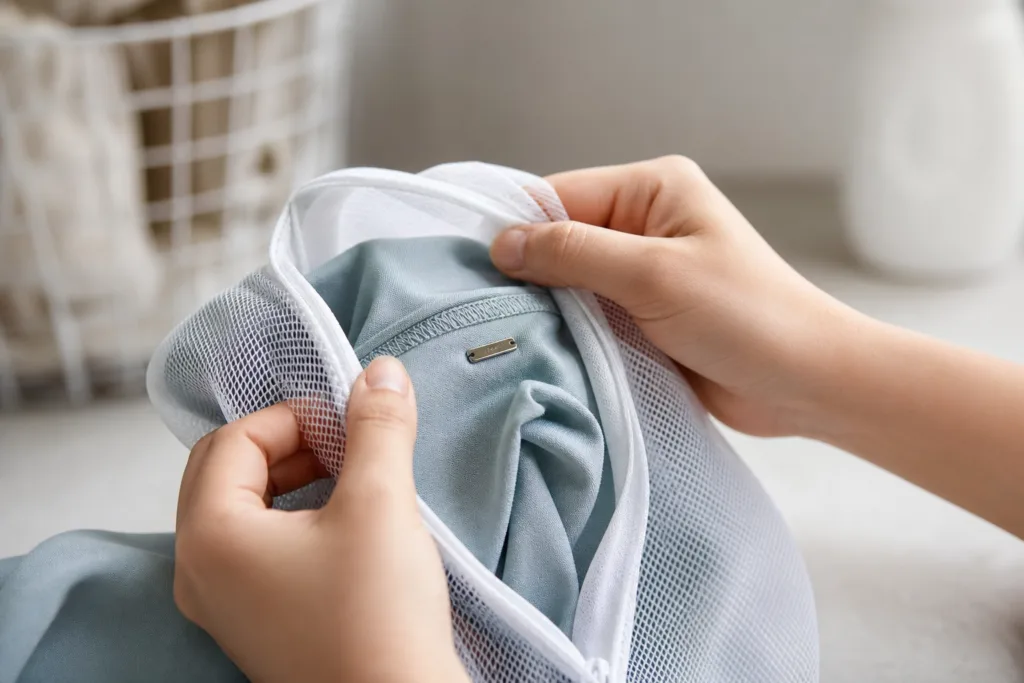
If the care label permits machine washing, turn the garment inside out so the tag faces inward. Use a mesh laundry bag for lighter garments or prominent metal parts. Select a delicate or gentle cycle when possible. Avoid overloading the washer because packed garments increase rubbing and impact between hardware pieces.
When garment branding must stay readable after repeated washing, the marking process matters almost as much as the metal itself. In our experience, understanding laser engraving vs. diamond drag durability helps buyers choose identification methods that hold up better when tags are exposed to cleaning, friction, and routine handling.
What to avoid
- Bleach unless the care label specifically allows it
- High-spin or aggressive cycles for delicate garments
- Washing garments with metal tags together with heavy items like jeans, shoes, or tools
- Leaving wet garments in the washer, which can increase the chance of staining or corrosion on poor-quality hardware
Air-drying vs. tumble drying
When in doubt, air-drying is safer. It eliminates drum impact and reduces the chance of heat-related adhesive failure, finish changes, and local hot spots where the metal contacts fabric. Air-drying is especially useful for garments with decorative branding plates, plated trims, domed details, or soft knits.
Tumble drying can still be workable for some garments if the care label allows it and the tag is mechanically secured, smooth-edged, and proportionate to the fabric weight. If you choose a dryer, use low heat, remove the garment promptly, and avoid extended cycles. Over-drying creates unnecessary stress on both the textile and the attached tag.
For brands designing washable apparel details, we often recommend balancing aesthetics with practical laundry behavior. Some applications are better served by lower-profile constructions or by formats closer to waterproof metal label performance principles, where readability and moisture resistance matter more than heavy decorative styling.
How to protect garments with metal tags before washing and drying
- Turn the garment inside out to reduce direct abrasion
- Use a mesh bag to limit drum impact
- Fasten zippers and hooks so they do not strike the tag
- Wash similar-weight garments together
- Place a soft cloth barrier around an especially prominent tag if hand washing
- Do not stack wet garments with exposed metal trims for long periods
If a tag feels rough, has lifted edges, or is already loose, stop machine laundering until it is repaired. Laundry will not improve a marginal attachment; it will usually accelerate failure.
What to do if a metal tag gets hot, stains fabric, or comes loose
If the tag gets very hot
Let the garment cool fully before handling the tag area. Do not pull or bend the piece while it is still warm. After cooling, inspect the nearby fabric for shine marks, distortion, or melted synthetic fibers. If damage appears only around the tag, future care should switch to air-drying.
If the tag stains the fabric
Do not scrub aggressively. First identify whether the mark looks like rust, plating transfer, detergent residue, or heat discoloration. Spot-clean according to the garment fabric’s care instructions. If the stain returns after another wash, the hardware itself may be deteriorating and may need replacement.
If the tag comes loose
Stop wearing and laundering the item until repaired. A partially detached tag can snag fabric, scratch other garments, or fall off completely. If the tag was adhesive-backed, consider whether the laundry method exceeded its intended use. If it was sewn or riveted, inspect whether the hole design, thread, or fabric reinforcement was adequate.
Real-life mishaps buyers and wearers often overlook
One common example is a fashion tee with a small decorative hem plate that seems harmless. It survives washing, then curls slightly after several dryer cycles because the fabric shrinks more than the tag area. Another is a plated neck label on a sweatshirt that starts darkening around the edges after detergent residue and heat repeatedly build up. We also see cases where a glued logo plate holds during sampling but fails in customer use because the approved sample was hand-washed while actual wearers used medium or high dryer settings.
Another overlooked problem is sound. Larger tags can strike the dryer drum loudly, which seems minor at first but often signals that the tag is too heavy, too loose, or badly placed for that garment category.
Special care for uniforms, workwear, and branded apparel
Uniforms and workwear need a different mindset from fashion trims. These garments may face repeated industrial-style home laundering, frequent drying, sweat, detergents, and rough handling. For these uses, durability should come before decoration. At UC Tag, we encourage buyers to define the real care environment early: home wash or commercial wash, low heat or unknown heat, occasional wear or repeated weekly cycles, and decorative branding or long-term identification.
For employee uniforms, school wear, hospitality apparel, and promotional garments, a lower-profile tag with permanent marking and secure attachment usually performs better than a bulky ornamental plate. If a garment must dry quickly in volume, sample approval should include real wash-and-dry testing, not only appearance approval on a new sample.
When to remove or cover a metal tag before laundering
Removal makes sense only when the tag is intentionally detachable, such as a removable charm, badge, or clip-on branding part. Do not remove fixed trims unless the garment was designed for that process. Temporary covering can help in some hand-wash cases, but it should not be used as a substitute for proper care. If a tag repeatedly causes problems, the better long-term fix is to change the laundry method or redesign the tag construction.
For development projects, we suggest asking practical questions before bulk production: Will end users machine dry this item even if advised not to? Is the fabric delicate, stretchy, or heat-sensitive? Is the tag there for branding only, or does it also carry data that must remain readable? Those answers guide safer material and attachment choices.
Expert tips for extending the life of clothing with metal tags
- Follow the care label first, especially for drying temperature
- Choose low heat over normal or high heat whenever tumble drying is allowed
- Turn garments inside out before washing and drying
- Use mesh bags for delicate or lightweight pieces
- Separate garments with metal trims from rough, heavy loads
- Inspect tags regularly for lifted edges, looseness, or finish wear
- Do not store damp garments with metal parts packed tightly together
- For branded apparel programs, approve samples after realistic wash-and-dry trials
The main lesson is simple: dryer safety is not just about whether metal can take heat. It is about whether the complete tag-and-garment system can tolerate heat, tumbling, moisture, and repeated use without damage.
Conclusion
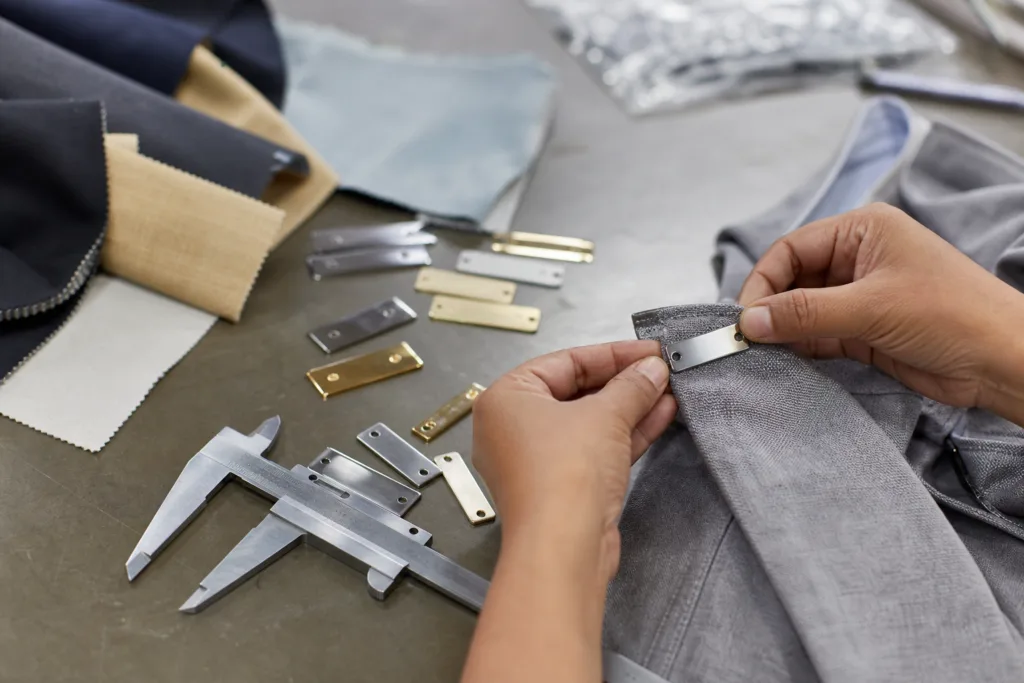
So, can you put metal tags in the dryer? Sometimes yes, but only with caution. The safest path is to read the garment care label, inspect the tag construction, and use low heat or air-drying when there is any doubt. Metal tags can be durable, but dryer safety depends on more than the metal alone. Attachment method, finish, thickness, edge quality, and surrounding fabric all matter. From our manufacturing perspective, the best outcomes come when brands and buyers treat wash care as part of product design, not as an afterthought after bulk production.
FAQ
Are metal tags machine-washable?
Some are, but not all. A securely sewn or riveted metal tag on a suitable fabric may handle machine washing well, while adhesive-backed or decorative plated tags may not. Always follow the garment care label first and use a gentle cycle when the construction looks delicate.
Are metal tags dryer-safe?
Some metal tags are dryer-safe on low heat, but many garments with metal tags are better air-dried. Dryer safety depends on the tag material, finish, thickness, attachment method, and the heat sensitivity of the surrounding fabric. If the care label says do not tumble dry, skip the dryer.
Can a metal tag damage fabric in the dryer?
Yes. A metal tag can snag knitwear, strike the dryer drum, rub against seams, or create stress around the attachment area. Poor edge finishing, oversized plates, and loose hardware increase the risk, especially on lightweight garments.
What should I do if a metal tag leaves a stain?
Stop using heat and inspect whether the stain looks like rust, plating transfer, or detergent-related discoloration. Clean the spot according to the fabric care instructions, and if the mark returns, the tag or hardware may be degrading and may need replacement or a gentler care method.
Is air-drying better than tumble drying for garments with metal tags?
In many cases, yes. Air-drying reduces heat exposure and eliminates tumbling impact, which makes it a safer option for decorative trims, adhesive-backed tags, plated finishes, and delicate fabrics. It is usually the best choice when you are unsure how robust the tag construction is.
When should a brand test garment tags before bulk production?
Testing should happen before production approval, especially for uniforms, fashion trims, and branded apparel that will be washed often. A realistic sample should be checked after actual washing and drying so buyers can confirm attachment stability, finish appearance, fabric interaction, and long-term readability.
Related Reading