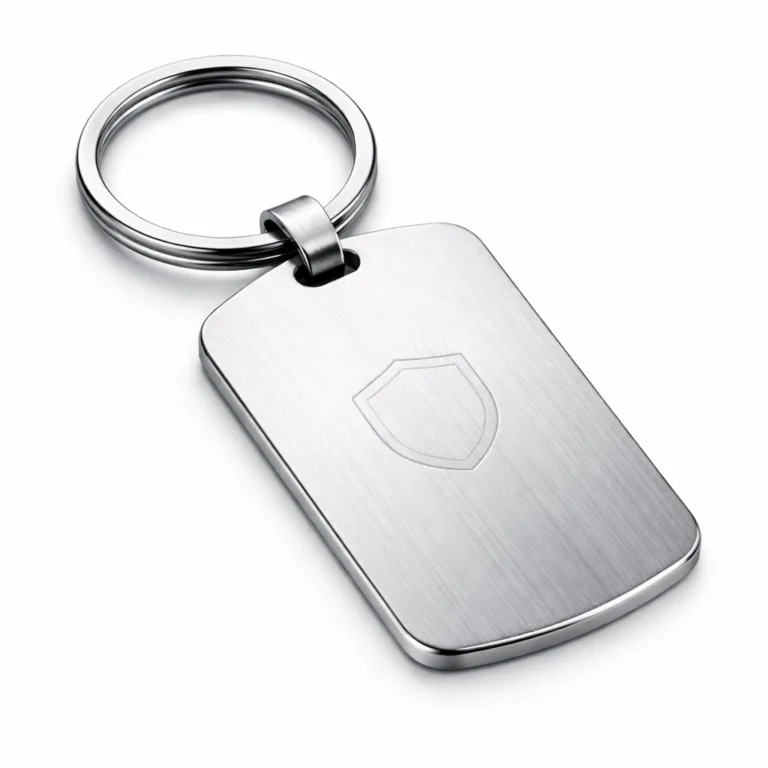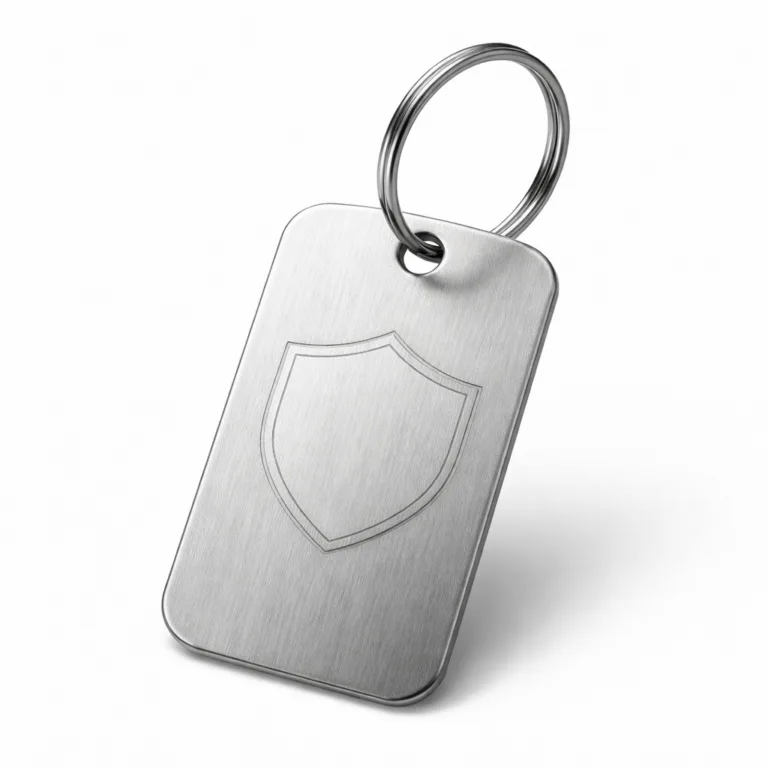
Introduction to Asset Tracking and Sequential Numbering
Asset tracking is essential for organizations operating in manufacturing, logistics, healthcare, and many other industries. It ensures that physical assets—such as tools, machinery, fleet vehicles, IT equipment, and medical devices—can be quickly identified, located, and audited. With the constant movement and volume of assets, companies require a robust system to reduce losses, prevent theft, and streamline their operations.
One of the most reliable and efficient ways to control and monitor assets is by implementing sequential numbering using metal tags. This approach assigns each asset a unique, traceable identification number, allowing for accurate inventory counts, maintenance records, and compliance documentation. Metal tags offer a powerful advantage in asset tracking, thanks to their durability, clarity, and performance in harsh environments.
Unlike paper or plastic tags, metal tags maintain their legibility over years of use. Various manufacturing methods, including laser engraving, stamping, and etching, enhance their readability and resistance. The selection of metals—such as aluminum, stainless steel, and brass—further contributes to their effectiveness in both indoor and outdoor settings. This article delivers practical guidance for buyers and engineers seeking to implement or upgrade their sequential numbering and asset tracking systems using metal tags.
Understanding Metal Tags
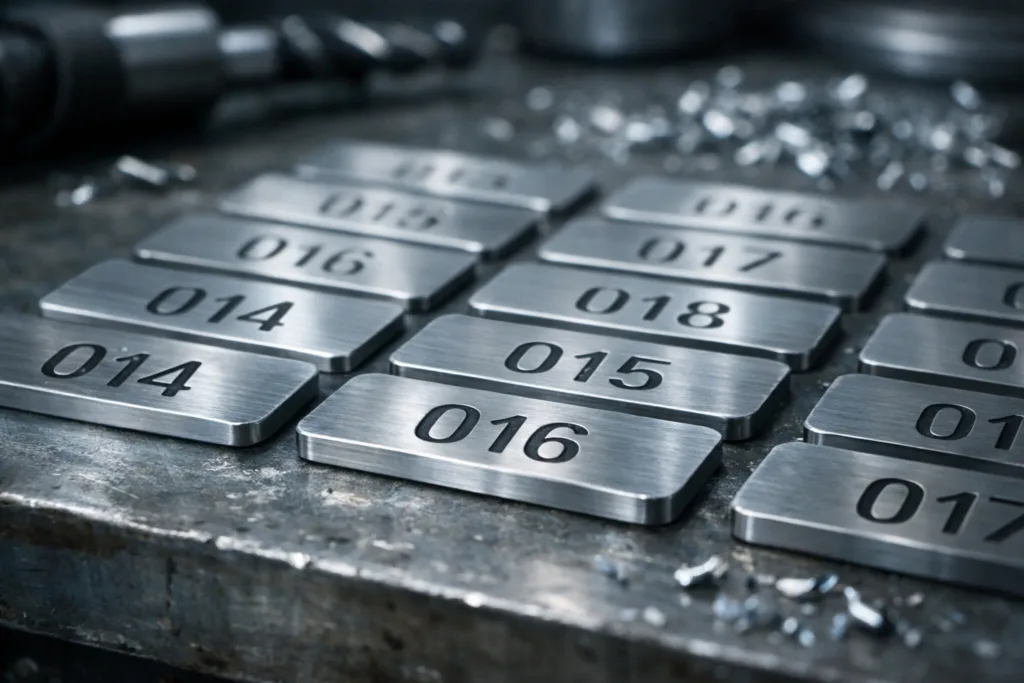
Metal tags are engineered to withstand challenging work environments, making them a top choice in asset-rich industries. Key characteristics include resistance to corrosion, high readability, and robust attachment options, which ensure lasting identification even in demanding settings.
Compared to plastic and paper alternatives, metal tags outperform in terms of physical resilience and readability. Plastic tags may warp or discolor under heat or UV exposure, and paper tags often fail when exposed to moisture or abrasion. Metal tags, on the other hand, maintain their structure and legibility in tough conditions, reducing the risk of misidentification and asset loss.
The lifespan of metal tags greatly surpasses non-metal alternatives. Stainless steel tags, for instance, can endure mining, chemical plant, or marine environments for years without degradation. In addition, aluminum and brass tags resist most environmental threats—like extreme temperatures, cleaning chemicals, and UV sunlight—which commonly affect weaker materials.
Common applications span asset tracking for manufacturing plants, inventory management in logistics centers, compliance labeling on medical and laboratory equipment, and even the identification of reusable transport cases. In every case, metal tags support continuous, reliable asset organization and control.
- Withstand exposure to chemicals, weather, and abrasion
- Remain legible after repeated cleaning or contact
- Offer a secure foundation for sequential numbering and barcodes
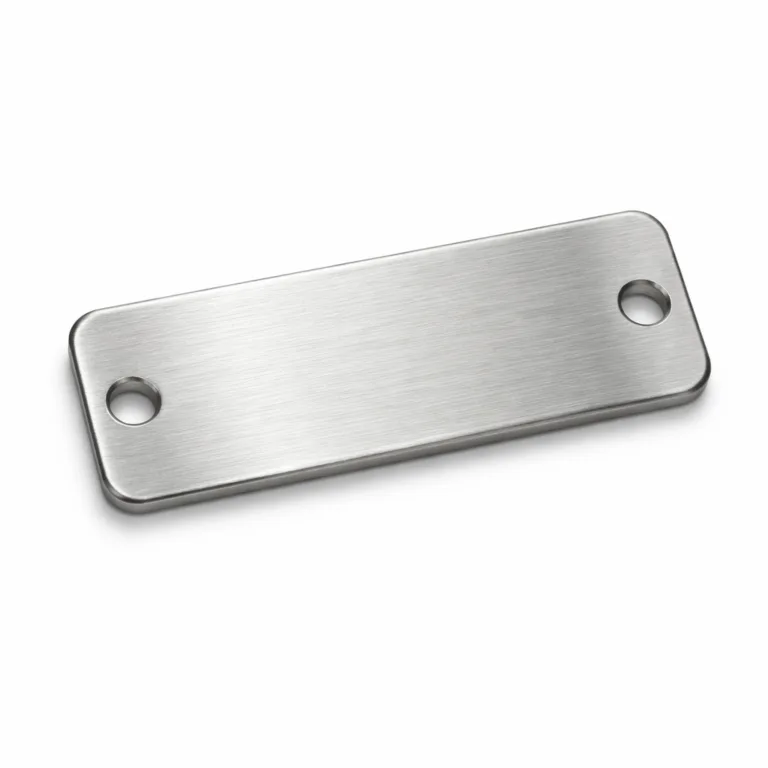
- Support a range of attachment methods—rivet holes, adhesive backings, or wire cables
- Can be customized with logos or QR codes for expanded asset tracking
For practical techniques to engrave unique names or IDs on large orders, see this in-depth guide to metal tag engraving.
Comparison of Metal Materials for Tags
The selection of a metal material affects cost, performance, and service life of your asset tracking system. Let’s compare the main types: aluminum, stainless steel, and brass.
| Material | Cost | Weight | Corrosion Resistance | Durability | Typical Applications |
|---|---|---|---|---|---|
| Aluminum | Low | Lightweight | High (especially anodized) | Moderate to High | Indoor/outdoor, logistics, general manufacturing |
| Stainless Steel | Medium | Heavy | Very High | Very High | Marine, chemical, high-abrasion sites |
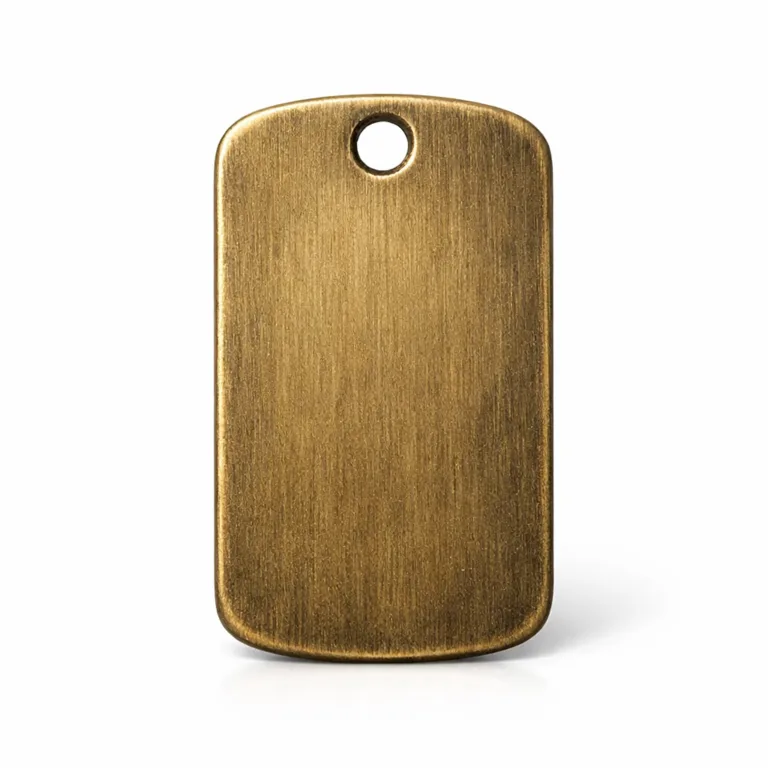
| Brass | High | Medium | Good (may tarnish over time) | High (soft metal, good for engraving) | Luxury branding, aesthetic tags, tradition-bound sectors |
Aluminum tags are widely used for their light weight and cost efficiency. They can be anodized for improved hardness and color versatility. Stainless steel tags are chosen for harsh, corrosive environments—think oil rigs or coastal locations—where only the toughest tags will survive. Brass tags strike a compromise, offering high durability and a classic look, but may require maintenance to avoid tarnish.
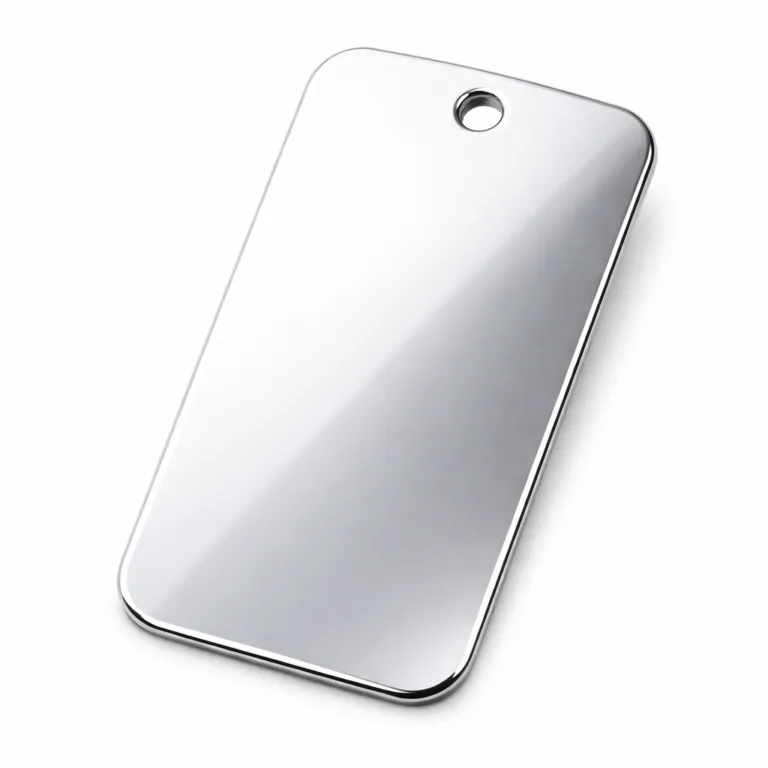
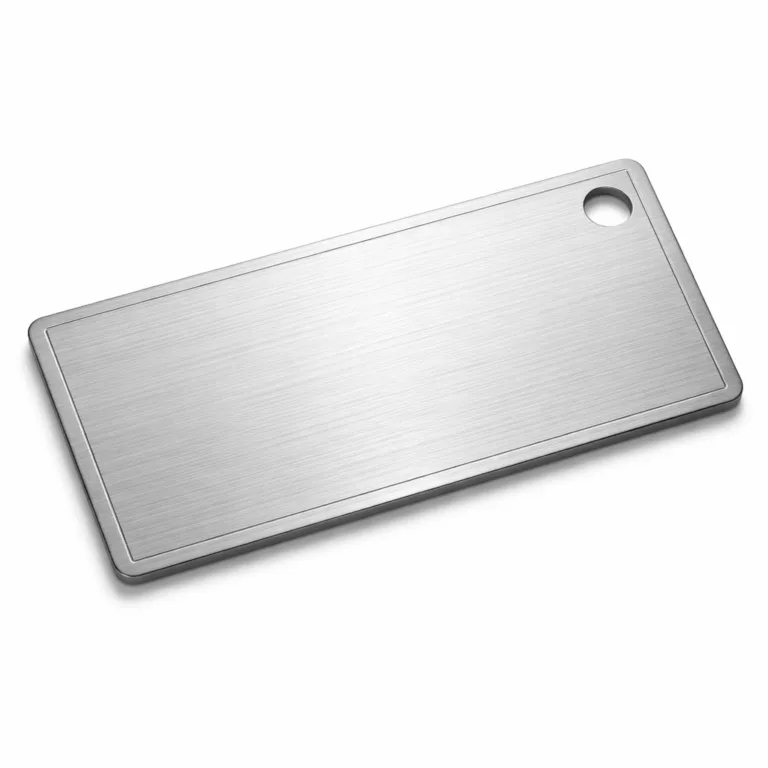
Finishes can further boost tag performance. Anodized aluminum resists corrosion and fading, while mirror-polished or matte nickel-plated finishes on stainless steel optimize tag aesthetics for branding in public-facing applications.
For instance, a logistics provider switched from plastic to stainless steel tags for asset tracking after several lost shipments were traced back to destroyed or missing tags. Their new metal tags, each with sequential numbering, stayed intact and legible, significantly reducing losses and audit times. In another case, a manufacturing plant chose anodized aluminum for its asset tags—the right balance of durability and cost for their mainly indoor operation. Practical observations from shops like UC Tag show that clear communication of intended application (e.g., chemical exposure, outdoor use) ensures the right material is specified the first time, reducing remakes and downtime.
Manufacturing Methods: Choosing the Right Process
How metal tags are produced impacts both their performance in asset tracking and the cost per unit. Common manufacturing methods include engraving, stamping, etching, and UV printing.
| Method | Clarity | Durability | Cost | Sequential Numbering Suitability |
|---|---|---|---|---|
| Engraving | High | Very High | Medium | Excellent |
| Stamping | High | High | Low (for large runs) | Very Good |
| Chemical Etching | Sharp, Precise | High | Medium | Excellent |
| UV Printing | Full Color | Moderate (may scratch) | Low to Medium | Good — for indoor assets |
Engraving (laser or CNC) creates deep, clear characters that won’t wear off, making it ideal for sequential numbering that must last. Stamping presses numbers into the tag, and while less customizable than engraving, it’s highly cost-effective for high-volume production. Etching (with acid/chemicals) allows precise, semi-recessed details perfect for barcodes or fine sequential numbering. UV printing offers visual flair but is best reserved for non-harsh or indoor conditions, as the surface can scratch over time.
Production volume affects process choice. Large-scale orders (thousands of identical tags) often use stamping for per-piece savings, while custom or varied sequential numbering favors engraving or etching. Trade-offs include up-front mold fees for stamping and longer lead times for deep engraving. Always consider the asset’s exposure: a stamped tag may be perfect for general manufacturing, while laser-engraved stainless steel is a must for oilfield tools.
For a deeper dive into design pitfalls and how to avoid them, read this expert guide on custom tag design.
Designing Your Metal Tags: A Specification Checklist
Customizing metal tags for asset tracking starts with careful specification. Size, thickness, and shape dictate attachment methods and visibility; common sizes range from compact 25mm x 10mm labels to large machine plates. Thickness varies—thicker tags (1mm+) resist bending but cost more and may require special tooling.
The finish balances branding, readability, and environmental risks. Matte finishes reduce glare in bright areas, while mirror or polished tags suit luxury or high-profile equipment. Attachment options—such as 3M adhesive backings, rivet holes, or wire loops—depend on both tag size and substrate material.
Readability is paramount for sequential numbering. Font size should never drop below the industry recommendation (check the font size engraving guide), and sans-serif, bold typefaces generally perform best. Outline your numbering requirements up front: are tags single- or double-sided, and do you require barcodes or QR codes?
- Confirm size, thickness, and shape to match asset dimensions
- Select finish for optimal readability and brand presentation
- Specify attachment (adhesive, rivets, cable) and test on asset material
- Choose font style and size for unmistakable sequential numbering
- Include barcodes, QR codes, or logo if needed
- Request a production sample or proof before full run
Here’s a quick checklist for custom metal tags used in asset tracking:
| Specification | Options | Checklist |
|---|---|---|
| Material | Aluminum / Stainless / Brass | ☐ |
| Size/Shape | Custom (mm/inches) | ☐ |
| Finish | Matte / Polished / Anodized / Plated | ☐ |
| Numbering | Sequential / Barcode / QR | ☐ |
| Font | Bold / Sans-serif / Custom | ☐ |
| Attachment | Adhesive / Rivet / Wire / Magnet | ☐ |
| Sample | Digital proof or physical sample | ☐ |
For more tips on choosing the right attachment, see the adhesive backing guide or explore serial number tags options.
Durability and Testing of Metal Tags
Metal tags designed for asset tracking are put through rigorous tests to ensure performance in all real-world scenarios. Key durability metrics include resistance to corrosion, UV light, abrasion, and cleaning chemicals—each critical for maintaining readability and data integrity over time.

Salt spray testing is widely used to simulate marine or industrial environments where high humidity and salt exposure may cause lesser materials to fail. Anodized finishes on aluminum greatly improve their resistance in these tests, while stainless steel surfaces typically show almost no corrosion, even after weeks of constant salt exposure.
UV resistance is tested by exposing tags to intense artificial sunlight. The best metal tags, especially those with industrial anodizing or high-quality plating, display minimal fading or degradation. Abrasion resistance is also tested by repeated contact with tools, machinery, or cleaning pads. Deep-engraved or stamped tags remain legible long after printed alternatives have worn away.
Common scenarios demanding extreme durability include oilfield kits subject to solvents, outdoor utility poles, or healthcare assets that undergo daily sterilization. Manufacturers recommend periodic visual inspections and, for mission-critical assets, annual testing including sample pulls for additional salt spray or chemical resistance tests.
For business owners, aligning your metal tag specification and finish with the intended exposure conditions can mean the difference between seamless asset tracking and costly mislabeling errors. For example, see this practical review on salt spray testing for marine tags.
Industry Applications and Use Cases of Metal Tags
Asset tracking with metal tags underpins operational control and regulatory compliance in an array of sectors. In manufacturing, machines and hand tools fitted with sequentially numbered tags are easy to inventory, assign, and service. Barcode or QR code metal tags further speed audits and replacements.
In logistics, high-mix warehousing, and third-party transport, the challenge is often the high volume and mobility of assets. Metal tags—riveted, cable-tied, or bonded—ensure that containers, racks, and transport units remain traceable and compliant, streamlining check-in/out routines and reducing loss. Compliance with standards such as ISO 9001 is made easier with permanent, legible asset tracking records.
Healthcare relies on asset tracking for patient safety and cost control. Stainless steel tags on diagnostic devices, wheelchairs, or high-value sets survive daily sterilization, while sequential numbering simplifies recall, maintenance, and usage tracking. For example, a regional hospital deployed engraved aluminum tags on all infusion pumps, reducing loss rates and meeting Joint Commission audit standards.
The technology sector has innovated further, pairing laser-engraved metal tags with RFID and database integration. High-value servers, for example, often bear both sequential numbering and QR codes for instant digital cross-reference. UC Tag has documented customer projects replacing unreliable barcode stickers with deep-engraved asset tracking tags—resulting in nearly 30% fewer scanning errors and asset write-offs over a 12-month rollout.
Common Mistakes in Asset Tagging and Labeling
Despite their benefits, asset tracking efforts can falter due to design and specification errors. One frequent mistake is using font sizes or colors with poor contrast, resulting in unreadable sequential numbers or codes. This can cripple audits and repairs, especially in low-light or high-glare workspaces.
Choosing the wrong adhesive or attachment method is another pitfall. For example, standard adhesive metal tags often fail on rough or oily surfaces. In these cases, switching to riveted or mechanical attachment ensures that the tag remains with the asset for years.
Material selection errors are also common. Specifying a basic aluminum tag for marine equipment can lead to premature corrosion; stainless steel or anodized aluminum is required for true long-life outdoor asset tracking. Untested designs, or skipping proof samples, may result in sizing errors or incompatible formats—delaying rollout and increasing per-unit costs.
The best practice: always pilot your chosen design in the field, confirm specifications with an experienced supplier, and follow a checklist for material, finish, readability, and attachment. For a practical engineer’s take on error-proofing, see this font and contrast guide for engraving.
Ordering Guide for Metal Tags

Buying metal tags for asset tracking can be streamlined by following a few essential steps. First, clarify your Minimum Order Quantity (MOQ) requirements. Custom tags often require a MOQ (sometimes as low as 100–200 pieces) to keep production costs reasonable. Higher order volumes usually lower unit costs due to set-up amortization and batch efficiencies—for details, see bulk order strategies.
Providing clear artwork (preferably vector files) and digital proofs reduces errors in production. If you’re requesting sequential numbering, lay out your format and data file as early as possible. History shows that incomplete data files or ambiguous proofs are a leading cause of production delays.
Lead times vary by complexity, method, and order quantity. Engraved or stamped tags may be ready within 2–3 weeks, while highly customized or plated finishes may extend timelines. Plan for potential buffer time if you need samples, which are highly recommended. Shipping and packaging should also be discussed—whether you need tags in organized batches, with protective films, or special labeling. Communicating your asset tracking needs and field constraints helps suppliers optimize the entire process.
For global buyers, see UC Tag’s international shipping guide to minimize customs risks and ensure tags arrive on-site, ready for final asset tagging deployment.
Frequently Asked Questions
How long do metal tags last in asset tracking systems?
Most high-quality metal tags last 5–20 years in regular use, with stainless steel tags often surviving the full lifecycle of the asset itself, especially if proper finishes and attachment methods are selected for each environment.
Can metal tags be fully customized for sequential numbering and logos?
Yes, metal tags can be completely customized with sequential numbers, logos, barcodes, or QR codes using engraving, stamping, or etching; advanced requirements should be provided digitally to ensure precision.
Are metal tags compatible with digital asset management systems?
Absolutely—engraved or printed codes on metal tags are scannable and integrate with databases, ERPs, and asset software; always test the scanning capability for your system before full production.
How does the environment affect the performance of metal tags?
Harsh environments with chemicals, UV light, or saltwater require corrosion-resistant materials; an incorrect choice can reduce readability, so selecting the right metal and finish is essential for asset tracking reliability.
What is the best method for attaching metal tags to assets?
The ideal attachment depends on the asset surface and usage—adhesive for smooth indoor equipment, rivets or wire for outdoor or rough surfaces; always test a sample before broad deployment.
Are there legal requirements for asset tags in sensitive or regulated industries?
Some sectors, like healthcare or utilities, may require asset tags to meet specific standards (e.g., readability, permanence, or traceability); check applicable regulations during your planning stage.
Related Reading
- Pro Techniques for Engraving 1000+ Unique Names on Metal Tags
- How to Always Choose the Right Font Size for Maximum Metal Tag Legibility
- Avoid These Hidden Costs When Ordering Custom Metal Tags
- Master Quantity Discounts and MOQs for Smarter Metal Tag Sourcing
- Prevent 5 Costly Design Mistakes That Delay Metal Tag Orders
- Salt Spray Testing: Ensure Corrosion-Proof Marine & Outdoor Tags