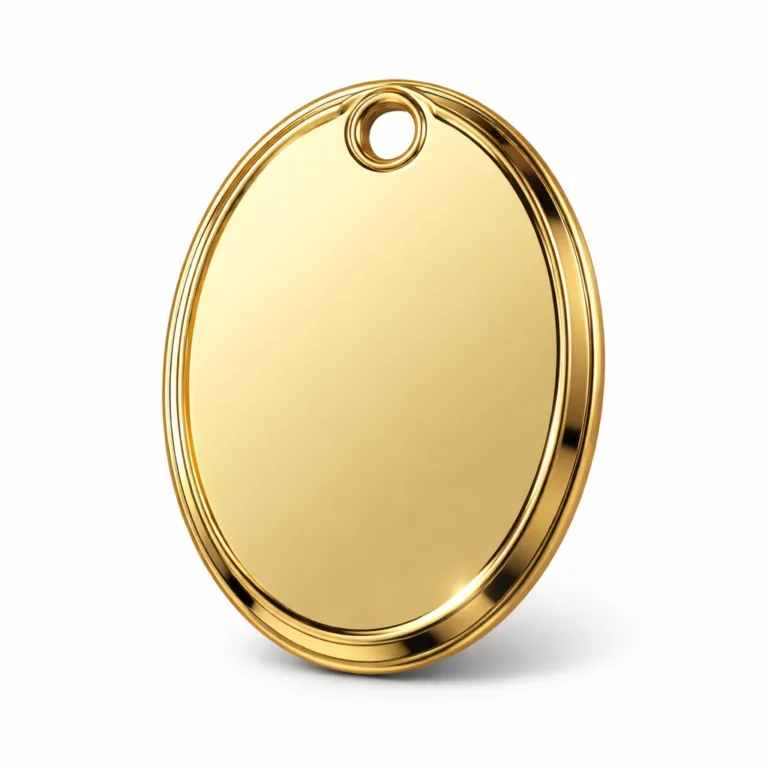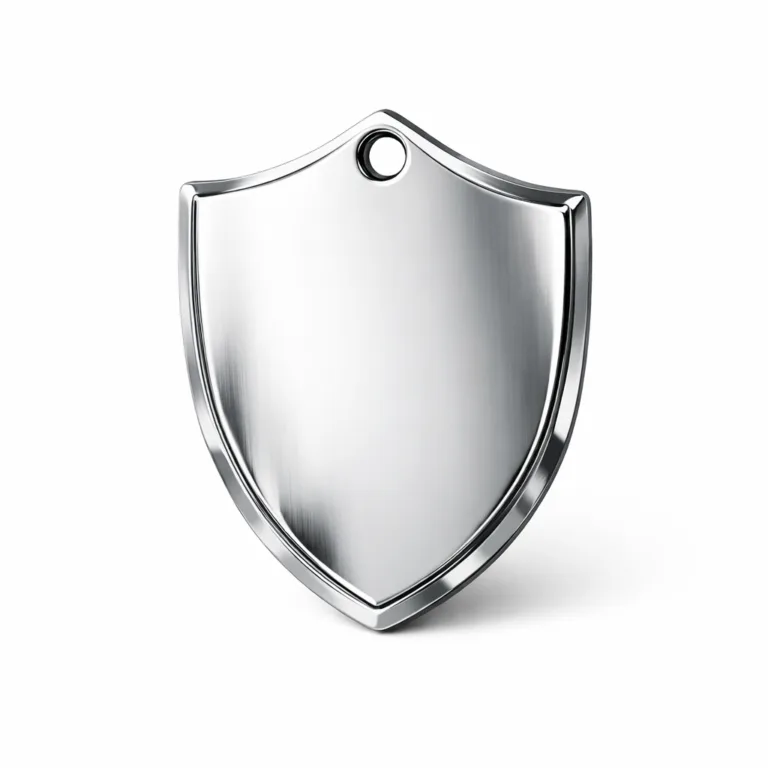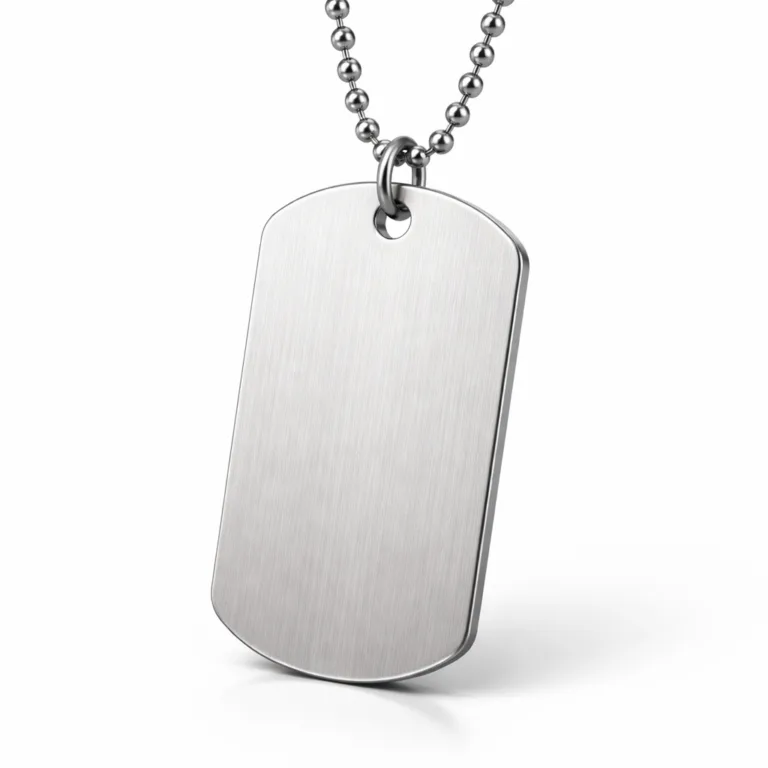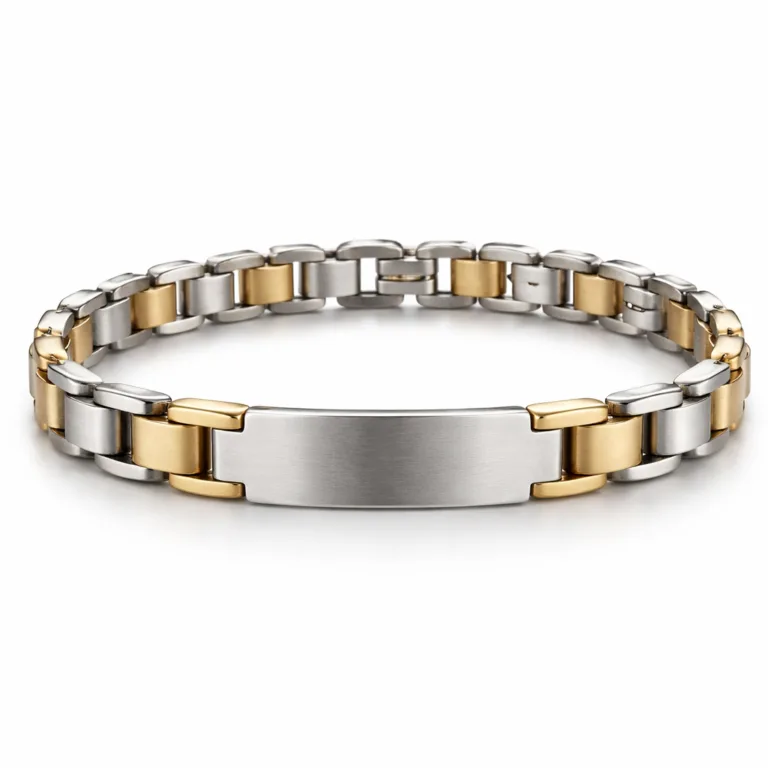
Introduction to Metal Garment Labels
Metal garment labels are durable tags crafted from robust metals such as aluminum, stainless steel, or brass, and attached directly to clothing or fabric products. They serve multiple purposes across both industrial and consumer markets—from enhancing brand visibility on high-end outerwear to streamlining identification and traceability for uniformed staff or serialized inventory.
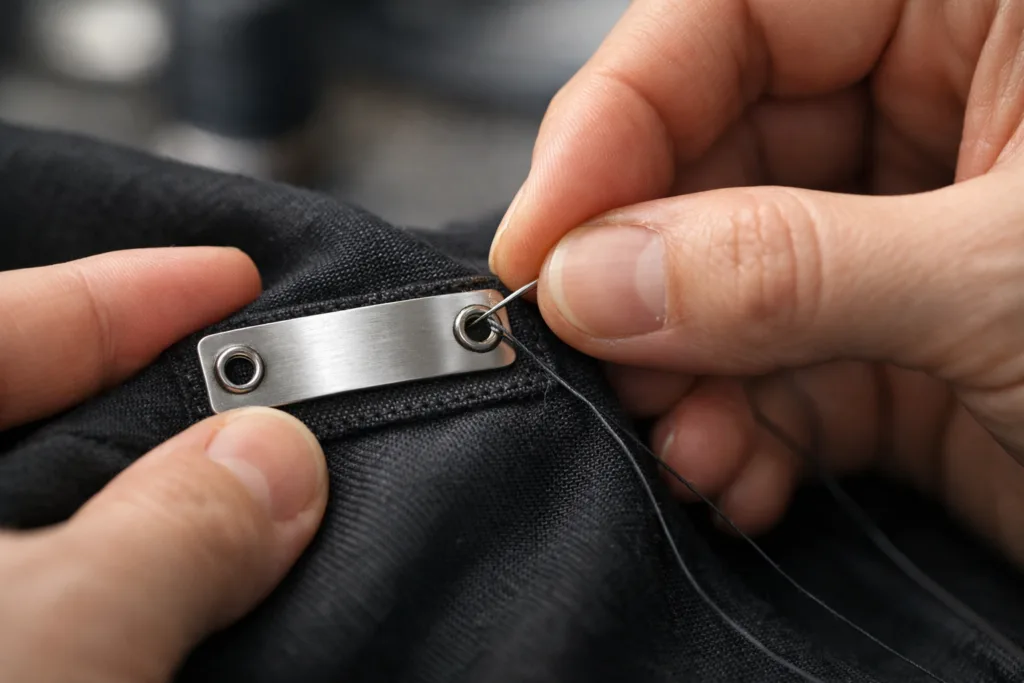
The inclusion of sew-on holes in metal garment labels is essential. These holes make it possible to securely stitch the label onto fabric, balancing functionality and appearance. Choosing the right design for sew-on holes helps ensure the label remains firmly attached during the product’s lifecycle without compromising the garment’s integrity or the brand’s visual standards. Commonly used materials for these labels include lightweight aluminum for casual wear, strong stainless steel for rugged environments, and decorative brass for premium aesthetics.
Functionality such as clear branding, permanent identification, and reliable traceability are core objectives for metal garment labels, large or small. Well-placed sew-on holes enable these tags to serve efficiently in harsh or high-wear conditions—making them a trusted solution in industries where label longevity and legibility are non-negotiable.
Understanding Sew-On Holes
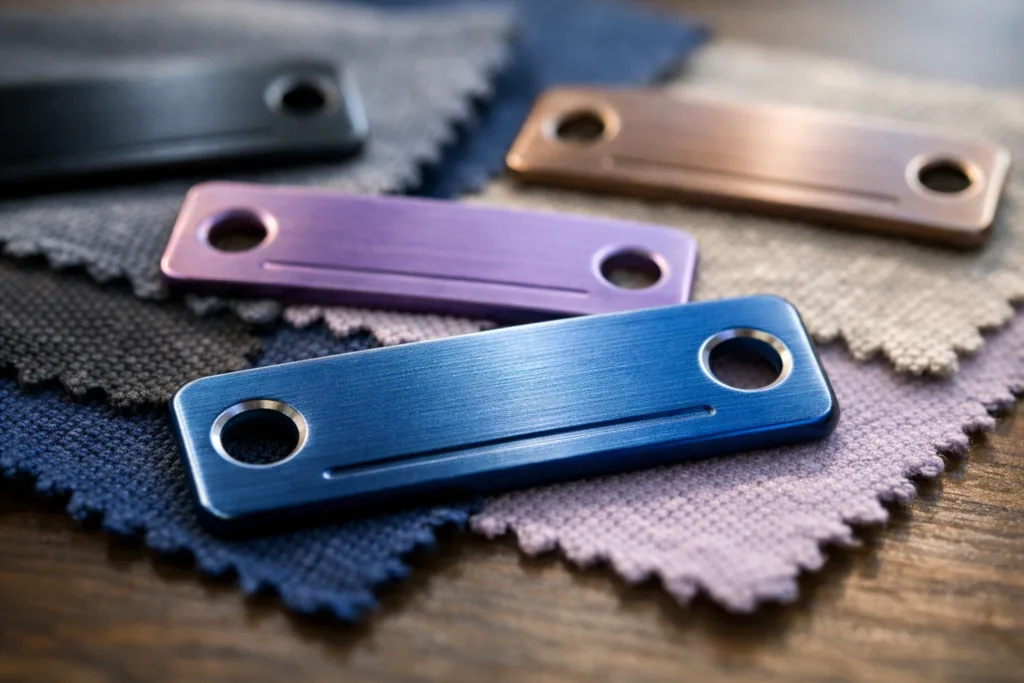
Sew-on holes are precisely engineered openings that allow metal garment labels to be stitched onto fabric surfaces. The ideal size for these holes often ranges from 1.5 to 2.5 mm in diameter, depending on the thread or yarn thickness. Sufficiently sized sew-on holes streamline installation, minimize fabric stress, and keep the overall look uncluttered.
Placement is a key consideration for both usability and aesthetics. Strategically positioning the holes, typically at corners or mirrored along long edges, ensures uniform load distribution and consistent label placement. For branding-focused labels, symmetrical alignment is crucial for polished presentation, while off-center holes can offer a more creative twist for fashion applications.
- Proper spacing: Maintain at least 3–4 mm from the label edge to prevent tearing.
- Reinforcement: Beveling or rounding around sew-on holes helps avoid sharp edges that can cut threads.
- Thread choice: Use high-tensile polyester or nylon thread for excellent durability and resistance to abrasion.
Hole reinforcement is essential—rounded or chamfered edges prevent fraying and extend the life of the label-fabric connection. Spacing and alignment should be consistent across production batches, with tolerance ideally maintained within ±0.2 mm for precision sewing. The choice of thread also influences the assembly’s strength and longevity; thicker threads are often better for heavy fabrics, while fine threads suit delicate garments.
These physical and design factors combine to determine how well sew-on holes function—ensuring metal garment labels remain in place and maintain a professional appearance through repeated use and laundering.
Materials Comparison for Metal Labels
Material selection for metal garment labels impacts weight, look, cost, and end-use performance. Below is a comparison of common metals used for these labels, highlighting why the metal choice matters as much as the hole design itself.
| Material | Strength & Durability | Corrosion Resistance | Weight | Appearance |
|---|---|---|---|---|
| Aluminum | Moderate | Excellent | Lightweight | Matte or glossy, anodized colors |
| Stainless Steel | High | Superior | Heavier | Premium, brushed or polished |
| Brass | Good | Moderate (susceptible to patina) | Medium | Warm, premium gold tone |
Aluminum is often favored for its lightness and corrosion resistance—ideal for activewear, travel gear, or outdoor garments. Anodizing enhances aluminum’s durability and allows for vivid branding colors. Stainless steel stands out for unmatched strength and a sleek, modern finish, making it excellent for industrial uniforms where labels endure wash cycles and mechanical stress. It can, however, add noticeable weight.
Brass offers a unique vintage or luxury appeal, frequently chosen for upscale fashion branding. However, copper content can lead to corrosion or color changes (patina) in moist environments. For humid or coastal deployment, stainless steel or anodized aluminum are safer bets. Consider the end-use carefully: Will the garment be washed often or exposed to chemicals? Match the metal’s benefits to these needs for optimum label longevity.
Manufacturing Methods for Metal Labels
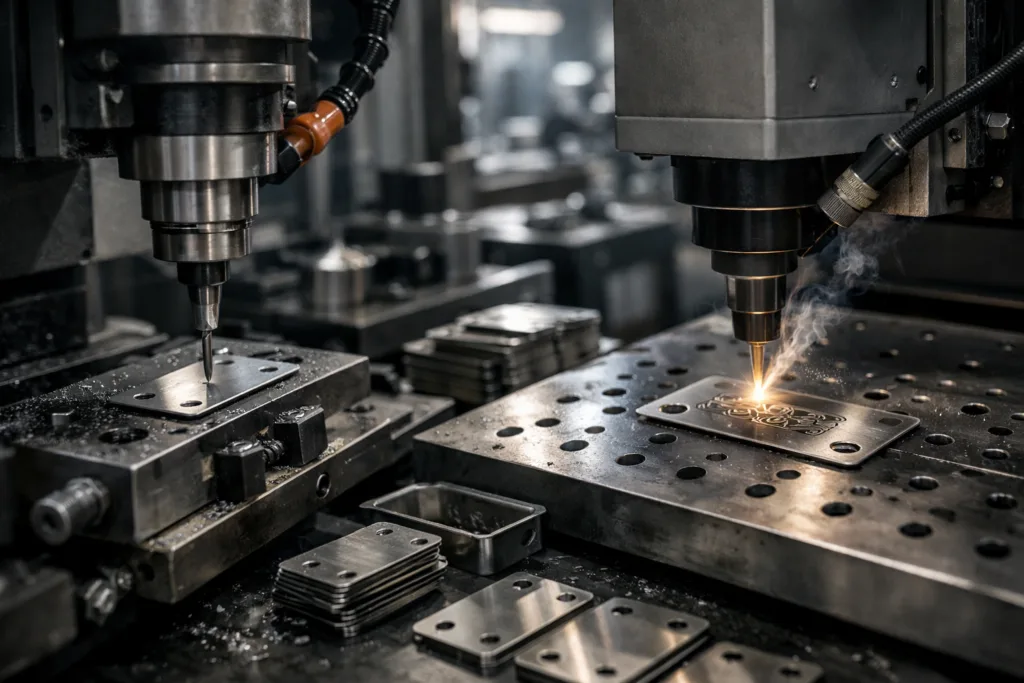
The process used to create metal garment labels affects both the look and function of sew-on holes. Engraving, stamping, and chemical etching are the core methods, each suiting different branding, design, and durability needs.
Engraving, often performed via CNC or laser systems, achieves deep, crisp text or logos with precise hole placement—ideal for intricate artwork or small batch production. Stamping is a high-efficiency method for high-volume runs and provides raised or recessed details but may introduce slight edge burrs if not properly finished. Chemical etching enables ultra-fine detail and creates smooth transitions, making it suitable for delicate text or complex branding elements.
Laser engraving stands out for cutting and marking around sew-on holes without warping thin metals. It also enables tight tolerance control, which is essential for consistent sewing alignment. Different finishes (anodized, brushed, plated, or powder-coated) affect both appearance and performance. Some, like powder coating, add extra protection; others, like mirror polish, are strictly for aesthetics, potentially requiring careful handling to prevent scratches during production and attachment.
Precision in manufacturing is critical—particularly for sew-on holes. Even a 0.2 mm variation can complicate machine or hand-stitching, which may lower yield and raise costs. Rain Chen at UC Tag notes that careful process selection can achieve both visual and functional success, but it pays to pilot test before large-scale production. Manufacturing choices also affect lead times and cost. Stamping is quickest for bulk, while custom etching or multi-step plating may extend turnaround by several days.
Design and Specification Checklist
Before engaging with a manufacturer, use the following checklist to design effective and durable metal garment labels:
| Design Factor | Recommended Spec | Consideration |
|---|---|---|
| Label Dimensions | 25–60 mm width, 8–20 mm height | Balance readability with garment size |
| Thickness | 0.4–1.2 mm | Thicker for heavy-duty, thinner for flexibility |
| Finish | Brushed, anodized, or plated | Impact branding and scratch resistance |
| Sew-On Hole Placement | 2–4 holes, min. 3 mm from edge | Symmetrical for stability; test for final position |
| Adhesive Option | 3M VHB, foam, or none | For non-sewn attachment, ensure compatibility |
| Readability | Sans-serif, min. 6 pt, high contrast | Optimize for quick visual recognition |
| Dimensional Tolerance | ±0.2 mm | Critical for batch consistency |
Ensure all design files specify the exact location and diameter of sew-on holes. Double-check all measurements—especially for multi-piece assemblies. For unique shapes, coordinate with the manufacturer to confirm feasible punch, laser, or CNC paths. It’s wise to request samples before finalizing a major run, so you can review finish, alignment, and tactile feel in person.
Durability and Testing of Metal Labels
Durability ensures metal garment labels withstand real-world abuse, laundering, and exposure. Key performance tests include:
- Corrosion resistance (salt spray test)
- Surface abrasion (rub tests, simulated laundering)
- UV exposure (fade resistance for colors or print)
- Mechanical stress (pull or flex tests on holes/edges)
Outdoor or industrial settings may involve sunlight, humidity, chemicals, or repeated cleaning. For these, select anodized or stainless finishes. Outdoor tags should be UV-stable and resist salt corrosion—refer to real-world test results and request relevant data sheets when available. Soft brass may develop patina within months in humid conditions unless adequately sealed, while stainless often endures years without visible wear.
For specialized uses, Rain Chen at UC Tag recommends requesting third-party test reports or small-batch field trials—especially for critical ID labels in medical, marine, or food service sectors. Testing protocols should match the environment of intended use. Strong initial performance in controlled tests often correlates with longer life in service.
Industry and Application Fit
Metal garment labels serve many industries. In logistics, sturdy labels support fast visual tracking and reduce inventory errors. Industrial equipment manufacturers rely on metal tags with sew-on holes to make sure each uniform, coverall, or protective gear is clearly marked for identification—even after years of washing.
In the fashion sector, metal garment labels add a luxury touch and reinforce premium branding. Designers can blend specific shapes, finishes, and strategically placed sew-on holes for maximum effect. In manufacturing, serial number tags allow for precise traceability from assembly to end-of-life, supporting safety audits and recall processes. Medical and military sectors prize custom metal tags for their resistance to harsh chemicals, heat, or moisture—sew-on holes make these suitable for environments where adhesives might fail or tags must never detach.
The placement, sizing, and number of sew-on holes directly impact ease of integration and end-user satisfaction. Industries requiring regular cleaning, chemical resistance, or zero-fail performance favor labels with precisely engineered sew-on holes for reliable long-term attachment, even in unpredictable conditions. For more attachment ideas, see How to Professionally Secure Metal Nameplates to Leather Bags with the Right Rivets.
Common Mistakes and Troubleshooting
Several design errors can undermine the effectiveness of metal garment labels. The most common is poor engraving or printing, which makes text unreadable. Always specify sufficient contrast—dark infills or anodizing on light metal, for instance. Selecting the wrong adhesive or relying solely on glue for high-stress or washable garments can result in premature label failure—use sew-on holes or mechanical fasteners in these environments.
Another frequent oversight is prioritizing design aesthetics at the expense of corrosion resistance, such as choosing raw brass or copper for items repeatedly washed or exposed to harsh conditions. Misaligned or inconsistently spaced sew-on holes make automated sewing difficult and may cause fabric tearing over time.
To fix or prevent these issues:
- Prototype with both finish and attachment method before committing to full scale production.
- Request enhanced contrast or filled engraving for critical information.
- Align sew-on holes with standard machine stitches when possible.
- Consult with your manufacturer if design or readability suffers at prototype review.
For more about metal and finish selection, Brass vs. Steel Tags: Which Lasts Longer Over 5 Years? Real-World Wear & Tear Insights provides real-world performance comparisons.
Ordering Guide for Custom Metal Labels
When ordering metal garment labels, especially those requiring custom sew-on holes, plan for the following purchasing steps:
Minimum order quantities (MOQs) usually start at 50–100 units for most processes. Bulk orders receive lower per-unit pricing, but even small batches benefit from proofing and sampling, especially with complex designs. Typical lead times vary: standard jobs can ship in 2–3 weeks, while intricate finishes or multi-process orders may take 4–6 weeks.
To place an order, first prepare final artwork files with clear settings for hole size, placement, and any custom cut-outs. Submit these for a manufacturer’s review, then request proofs—physical samples or digital renderings—to verify look and fit before mass production begins. Requesting samples is critical for catching issues early. Shipping and packaging are also important: ensure your supplier uses protective wrap and rigid boxes to avoid scratches or bending during transit. For sample inquiries and options, see custom-metal-tag-samples.
Frequently Asked Questions
What materials are best for metal garment labels?
Aluminum and stainless steel are preferred for their balance of durability, corrosion resistance, and weight, while brass is chosen for luxury but needs a protective finish.
How thick should my labels be?
Most metal garment labels are between 0.4 and 1.2 mm thick, with heavier fabrics requiring thicker labels for strength and thinner labels for flexibility on light garments.
What sewing techniques should I use with metal labels?
Use high-tensile threads like polyester or nylon, apply evenly spaced stitches, and reinforce at every sew-on hole to prevent rips and ensure the label stays flat.
How can I ensure my text remains readable?
Choose a minimum 6 point sans-serif font, ensure high color contrast between text and background, and opt for infill or anodized finishes for lasting legibility.
What design elements enhance durability?
Smooth or chamfered edges around holes, corrosion-resistant metals, proper hole spacing, and abrasion-resistant finishes all help keep metal garment labels intact longer.
Can I get samples before ordering?
Yes, reputable manufacturers such as UC Tag offer production samples or proof runs for review, letting you verify every detail before starting bulk production.
Related Reading
- How to Pick the Best Engraving Depth for Long-Lasting Metal Labels
- Choosing Metal Tag Materials for Superior Scratch Resistance
- Prevent Rust and Corrosion on Metal Garment Labels with Smart Coatings
- Waterproof Metal Tags That Survive Repeated Washing and Outdoor Use
- See Custom Garment Tag Options for Every Brand and Industry