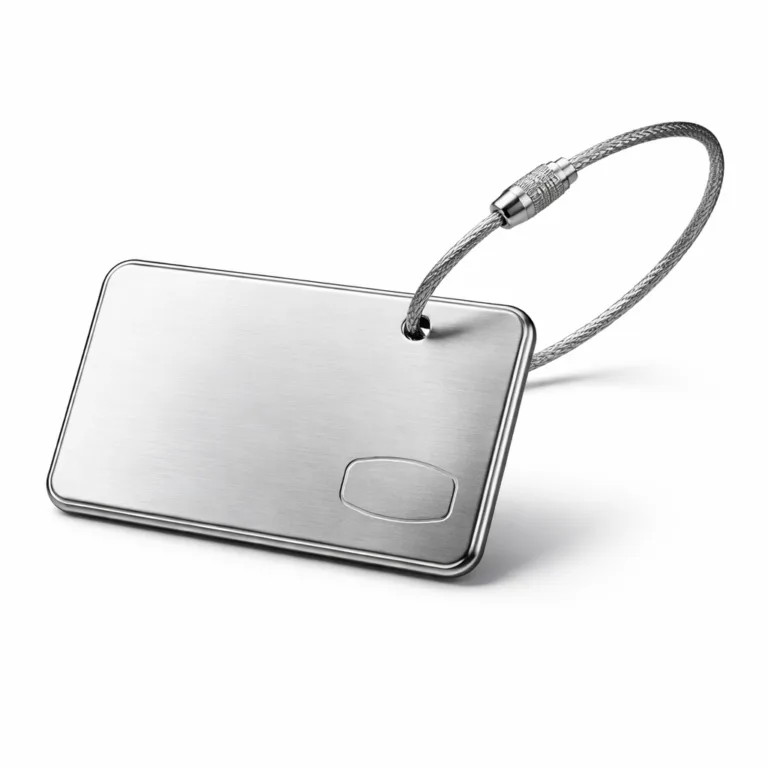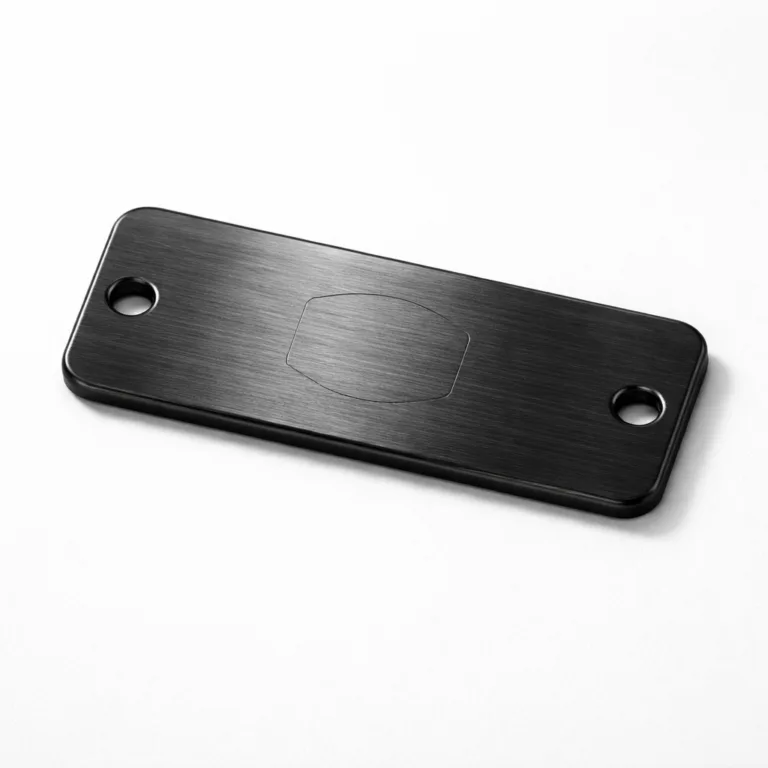
Introduction to Magnetic Name Tags
Magnetic name tags have rapidly become the preferred choice for professionals seeking an identification solution that’s both secure and gentle on clothing. Unlike traditional pin or clip attachments, which can puncture fabric, leave visible holes, or cause accidental snags, magnetic name tags rely on the attractive force between two magnetic surfaces or a magnet and a metal plate to hold the tag firmly in place on the garment.
This style of fabric-safe attachment is a smart upgrade for conferences, meetings, and daily work environments where uniforms or office attire must remain presentable. Besides protecting materials, magnetic backings make the process of wearing and removing name tags effortless, even for employees who need to attach their tags frequently throughout a busy day. The magnetic connection is completely concealed, eliminating the risk of pinholes or deformation in delicate fabrics.
The use of magnetic name tags not only prevents unsightly damage but also supports a crisp, uniform appearance—vital for brands that value professional presentation at major events or on the job site. By switching to magnetic, fabric-safe attachments, organizations can ensure staff look their best while badges stay securely in place.
Types of Magnetic Backings
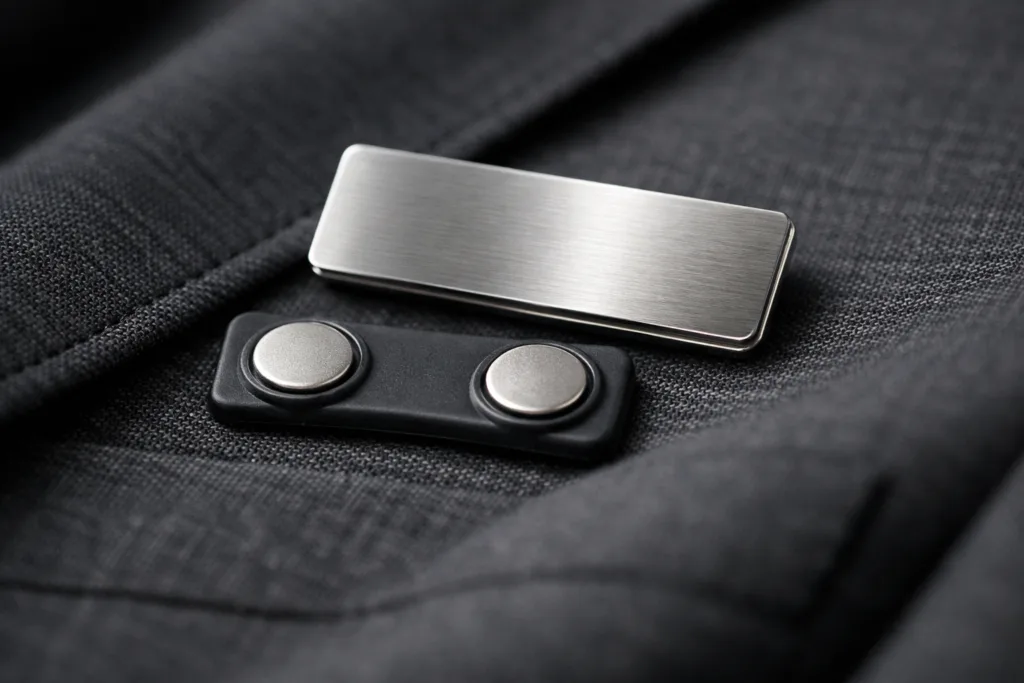
Not all magnetic name tags use the same backing hardware. The type of magnet, its size, thickness, and surface treatments all have a direct impact on performance and suitability for different professional settings.
Rare earth magnets, typically neodymium, are prized for their exceptional strength. This means even compact discs or bars can provide a secure fit through thick suit jackets or outerwear, making them ideal for industrial and field use. Standard ferrite magnets, while less powerful, are sufficient for thin fabric applications like conference lanyards or lightweight uniforms; they’re also more budget-friendly.
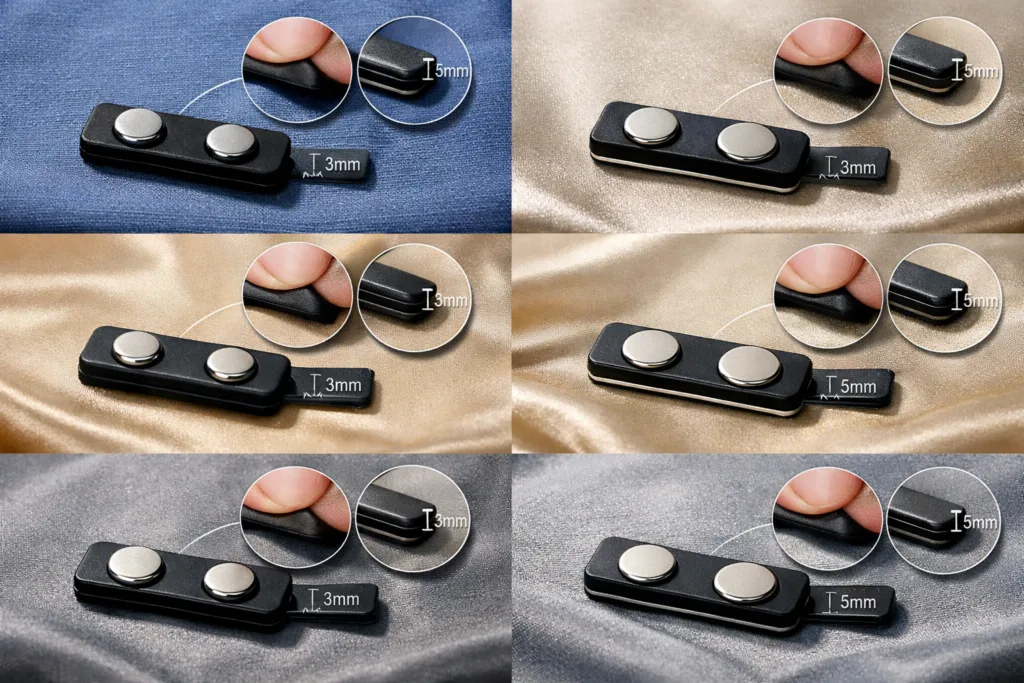
The grip of a magnetic backing can be modified by adjusting its diameter, length, and profile. Thicker or larger magnets increase holding force but can feel bulky or uncomfortable under thinner shirts. For maximum comfort and maximum holding strength, some suppliers add a thin layer of silicone coating. This innovation prevents friction, pilling, or marks, making the attachment truly fabric safe—even for chiffons or fine knits.
- Rare earth magnets: best for thick fabrics, fieldwork, durable industrial applications
- Standard ferrite magnets: suitable for thin materials, office wear, and conference badges
- Magnetic name tag holders: reusable, can transfer between tags
- Embedded magnets: flush with the name tag body, minimal profile
Magnetic name tag holders are separate bars that can be swapped between tags, adding flexibility for event use. Embedded magnets are fixed inside the name tag’s construction, offering a stable and slimmer profile but slightly less flexibility. Choosing the right magnet style also means considering tag weight: larger, heavier metal nameplates do best with higher strength magnets, while lightweight, anodized aluminum tags are secure with small standard options.
Advantages of Magnetic Attachments Over Traditional Methods
Modern workplaces are increasingly shifting to fabric-safe attachments, like magnetic name tags, for practical reasons. The foremost is the elimination of fabric damage. Pins and clips may be reliable, but they create permanent holes and can even cause garments to tear if they snag or pull suddenly.
Magnetic systems make it simple for every staff member to apply or remove their tag without having to locate small holes hidden behind lapels or risk piercing their finger. Each attachment is quick, intuitive, and comfortable, reducing prep time for teams—especially those managing temporary or rotating staff.
With fabric-safe attachments, there’s no hardware visible from the front, keeping every uniform clean and branding-focused. This is especially important in hospitality and retail or during public-facing events where image matters. Magnetic fasteners can be reused again and again, making them a more sustainable solution for companies needing frequent replacements. Whether for daily employee ID or one-off event credentials, the balance of secure holding and simple removal truly sets magnetic attachments apart from pins and clips.
Selecting the Right Magnetic Backings for Fabric Types
Choosing the correct magnetic name tag backing is as much about fabric compatibility as it is about strength. Common workplace materials like cotton and polyester are forgiving, easily supporting most standard-strength backings. However, more delicate or technical fabrics need careful planning.
For soft, thin, or delicate materials such as silk or fine knits, opt for magnetic name tags with fabric-safe silicone or polymer coatings and low-profile, less aggressive magnets. These help avoid creasing, stretching, or pilling. On the other hand, rugged uniforms, outerwear, or lab coats benefit from rare earth magnets, which provide more grip and stand up to thicker fabric layers and more active movement.
If dealing with special garment coatings (e.g., waterproof, stain-resistant), test the magnetic grip in advance. These finishes can sometimes reduce the effectiveness of a magnet—placing a sample on-site trial ensures the tag will not slip off unexpectedly. Always verify comfort: long shifts require backings that neither dig in nor pinch.
- Test grip on actual uniforms prior to major events
- Check for compatibility with coatings like weatherproofing or repellents
- Balance holding force and comfort for all-day wear
If you’re uncertain, request samples from the manufacturer, like UC Tag, to evaluate real performance across fabric types used at your workplace. Practical field testing with staff helps avoid dissatisfaction after rollout and ensures a universal fit.
Design and Specification Checklist for Magnetic Name Tags
When specifying magnetic name tags for procurement or branding, attention to detail makes the difference between a tag that stands out for the right reasons and one that quickly becomes an afterthought.
The ideal name tag size for clarity is often 70–90 mm wide and 25–30 mm high, with thickness ranging from 0.7 to 1.2 mm for most metal styles. This thickness is substantial enough for durability yet slim enough to sit flat against garments.
| Specification | Recommended Option | Benefit |
|---|---|---|
| Tag Size | 70–90 x 25–30 mm | Easy readability, professional look |
| Material Thickness | 0.7–1.2 mm | Sturdy, sits flat |
| Finish | Matte or Gloss | Matte reduces glare; gloss adds vibrancy |
| Backing Holes | Optional | For extra secure attachment if desired |
| Edge Profile | Rounded corners | Soft, less snagging |
| Branding Space | Logo + Name Field | Consistent branding, versatile use |
Matte finishes reduce glare and improve barcode or QR readability, while gloss finishes amplify colors and suit high-visibility branding. If a scenario demands double security—such as in high-movement zones—request holes for lanyards or pin-backs in addition to the magnet. Compliance with office or event style guides is non-negotiable, so ensure finish, color, and logo sizing meet those standards. Finally, review sample designs for potential readability issues: dark fonts on dark backgrounds or fussy typefaces can undermine clarity and brand perception.
For further refinement of material and finish, consult guides on durable metal garment labels or engraving process choices—both impact the longevity and visual appeal of your magnetic name tags.
Durability Testing for Magnetic Name Tags
High-performance magnetic name tags must withstand day-to-day abuse and environmental challenges, especially in demanding commercial or industrial settings. Rigorous durability tests are the key to quality assurance.
Standard industry tests include the salt spray (or salt fog) test for evaluating corrosion resistance, especially relevant for outdoor use or high-humidity environments. Abrasion testing checks the tag’s finish for resistance against scratches during routine wear, while UV exposure testing determines if the tag’s printing or coating fades under sunlight.
For magnetic backings, the effectiveness under moisture, heat, or temperature change is critical. Some rare earth magnets can lose strength if not properly plated or sealed. The best suppliers, including UC Tag, regularly perform in-house salt spray and real-world field trials—such as attaching tags to various uniforms for weeks in both indoor and outdoor jobsites—to ensure staying power and finish longevity.
Look for certifications on test standards, or request summaries of durability trials when submitting a procurement RFQ. Signs of robust quality control include product markings, batch consistency data, and willingness to supply test reports or field performance samples. For deeper insights, review case studies like metal tag wear and tear analysis and rust-proofing strategies in humid environments.
Applications and Industry Fit for Magnetic Name Tags
Magnetic name tags are now standard in environments where appearance and fabric longevity align with employee or brand experience. Their clean design and damage-free backing fit perfectly at conventions, expos, or trade shows—settings where interaction frequency is high and staff rotate through multiple garments in a day.
Hotels and hospitality venues rely on magnetic name tags to present polished staff who may need to change attire mid-shift or borrow uniforms between teams. Corporate offices use them for seamless ID, where any mark left on tailored suiting is unacceptable. Retail stores value quick, secure, and non-damaging name tags, especially for large teams or seasonal hires. For temporary events or staffing, the reusable—and instantly swappable—nature of a magnetic, fabric-safe attachment is invaluable.
Finally, those working in the field or undergoing regular uniform laundering (e.g., maintenance, security, educational institutions) benefit from the secure but gentle hold, reducing long-term wardrobe costs. When switching employee credentials or roles, magnetic name tags make adapting identification quick and easy without ever compromising garment integrity.
Common Mistakes and Troubleshooting Tips
Despite the advantages, a few predictable mistakes can trip up first-time buyers of magnetic name tags—most relate to not considering the interplay between fabric-safe attachments, tag size, and operational demands.
Using magnets that are too weak may result in tags slipping or falling off during use, especially on thicker clothing. Meanwhile, picking overly strong magnets can cause discomfort—wearers might experience pinching, especially on shirts or blouses. Not checking compatibility with specialty fabrics can lead to puckering or indentations, even with smooth magnetic surfaces. It’s also easy to overlook how critical font size and color contrast are for ensuring name tags can be read from a distance.
Failing to evaluate if tags need to be reused—or to swap between employees—can lead to excess cost and inconvenience. Lastly, skipping a staff-wide try-on or testing tags with all uniform types sometimes results in patches of dissatisfaction or lost tags during events.
- Choose magnets with sufficient but not excessive holding power for your fabrics
- Confirm compatibility and comfort across all uniform types before a full rollout
- Check that designs offer high contrast and legibility for all lighting conditions
Fabric-safe attachments mean thoughtful specifications and real-world testing, not just defaulting to a standard option. If issues arise, adjust magnet strength or add protective silicone pads and experiment with other backings before completing a bulk order.
Ordering Guide for Magnetic Name Tags
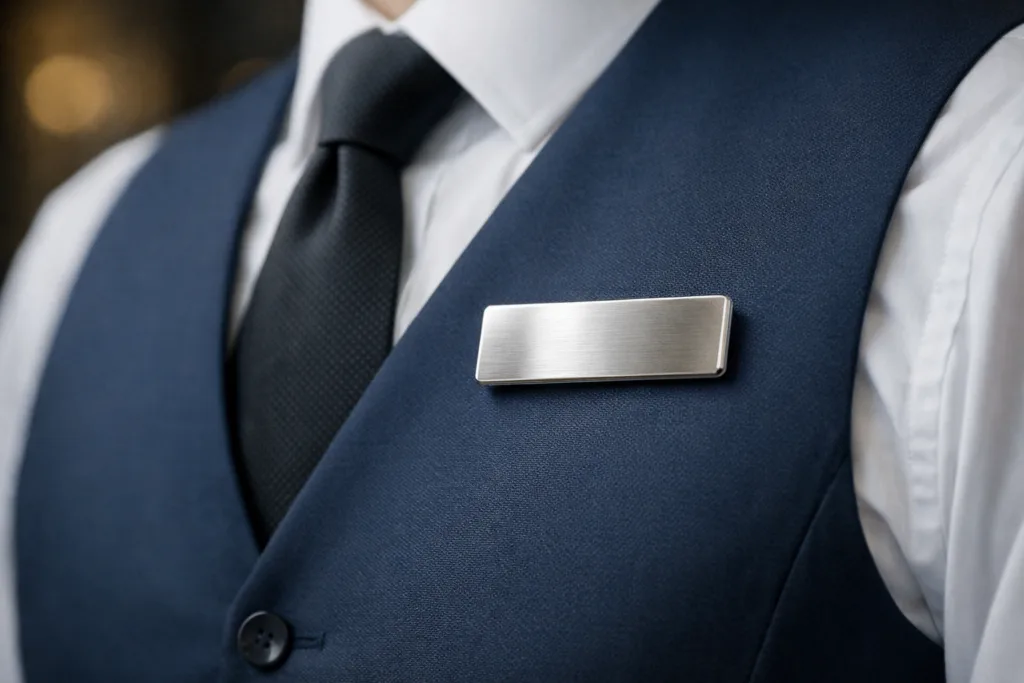
Securing magnetic name tags tailored to your application starts with a clear understanding of production timelines, customization steps, and quality checkpoints. Most manufacturers will set a minimum order quantity (MOQ), often as low as 50–100 units for standard tags, but higher for full custom shapes or larger branding areas.
Submitting artwork in vector formats (.AI, .EPS, or high-res .PDF) reduces back-and-forth and ensures crisp logo reproduction. Always insist on a proof—digital or physical—before the production run, so you can check alignment, color, and finish.
It’s wise to ask for samples, especially if you’ll be evaluating how the tag’s magnetic backing performs on specific uniform materials. Discuss packaging: standard options include bulk packs or individually bagged tags to prevent scratching during transit. Clarify shipping windows with your supplier, allowing extra time for large or highly customized orders.
| Order Step | Consideration |
|---|---|
| MOQ | Varies by supplier/design, typically ≥50 |
| Lead Time | Standard: 2–3 weeks, Rush: inquire specifically |
| Artwork Submission | Vector files preferred (.AI, .EPS, .PDF) |
| Proofing | Review sample for finish, accuracy |
| Sample Request | Test on actual fabrics before mass order |
| Packing/Shipping | Individual vs. bulk packaging, protective inserts |
| Custom Needs | Communicate logo, shape, color or special attachment instructions |
Effective communication of any special requests—such as the need for both magnetic and pin backings, or branded packaging—ensures the delivered tags meet every practical and visual standard you require.
Frequently Asked Questions
What fabrics are best for magnetic name tags?
Cotton, polyester, and most uniform fabrics work well with magnetic name tags; thin or delicate textiles like silk require silicone-coated, low-profile magnets to prevent damage or marks.
How do I ensure my design remains readable?
Choose high-contrast text and background colors, adequate font sizes (12–14 pt minimum), and clear typefaces to maximize readability—even in low lighting or at a distance.
Are there any weight limitations for using magnetic backings?
Yes, heavier tags (especially thick metal or large plates) require stronger rare earth magnets, while lightweight tags perform well with standard strength; always validate with a fit test.
Can I use magnetic name tags on outdoor gear?
You can, but select magnets with corrosion-resistant coatings and test grip on weatherproof or insulated materials; consider adding a backup attachment for high-motion activities.
What are best practices for maintaining magnetic tags?
Store tags with magnets separated from electronic devices, wipe with a soft cloth, avoid moisture or solvent exposure, and inspect for debris to ensure a reliable connection and long life.
Is there a risk of the magnets losing strength over time?
Modern rare earth magnets hold their strength well with proper use, but exposure to high heat or significant impacts can weaken them, so handle with care and replace as needed.