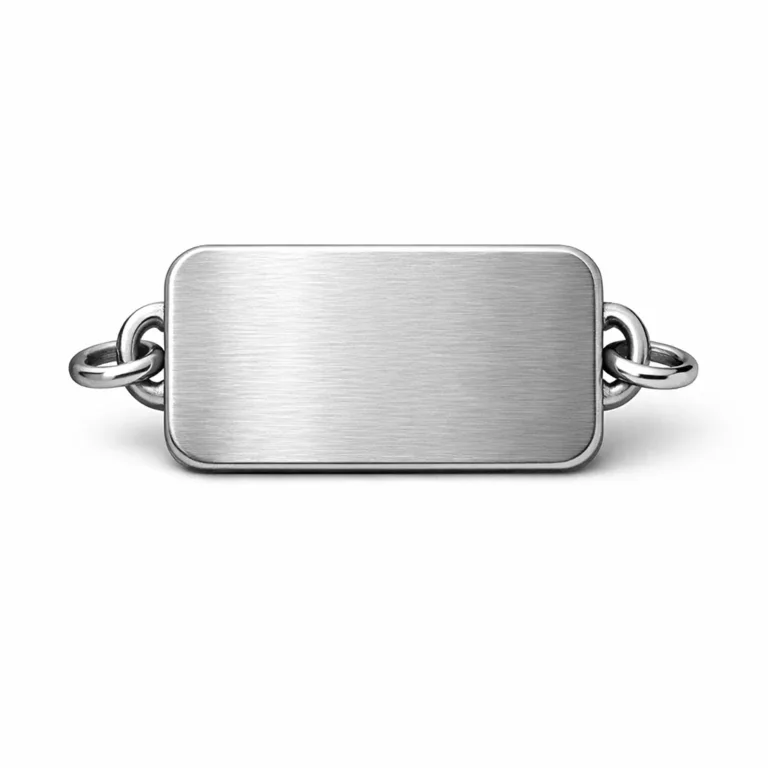
Introduction to Luggage Tag Thickness
When choosing a luggage tag, luggage tag thickness is a critical factor—especially for metal options. Thickness refers to how deep or substantial the material is, commonly measured in millimeters or gauge. Unlike lightweight plastic or vinyl, the thickness of a metal tag directly impacts its ability to resist warping, bending, and breaking during harsh travel conditions or industrial use.
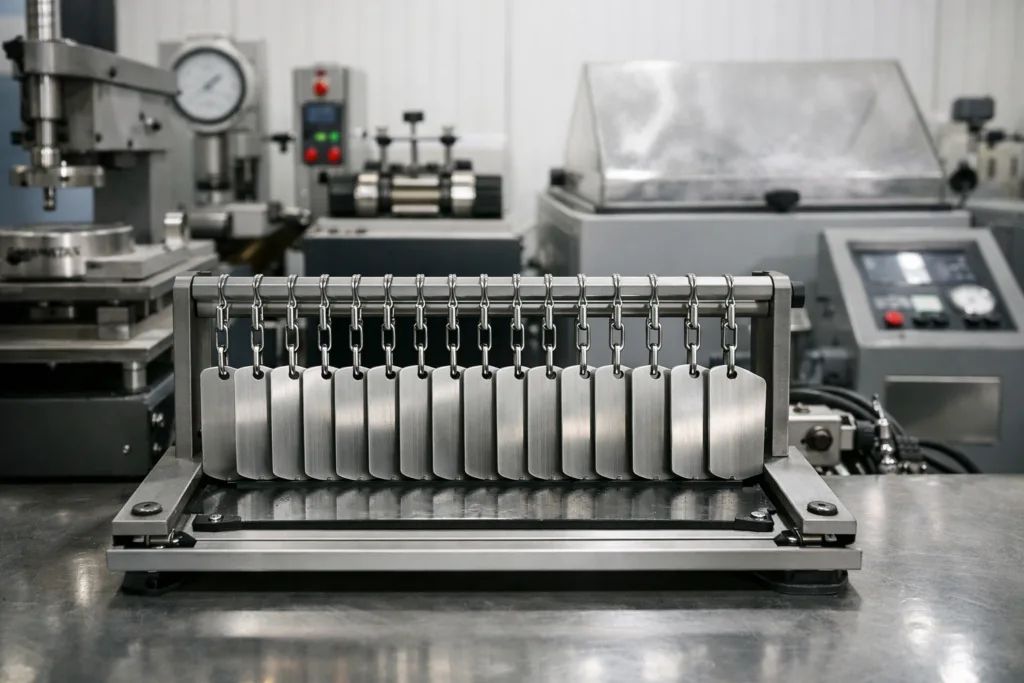
Tags are often made from materials like aluminum, stainless steel, or brass. The right thickness ensures not just durability, but year-round performance, protecting ID data in airports, hotels, or rugged field operations. At UC Tag, testing for strength and performance includes bend tests to validate both durability and ease of use. This article guides buyers and engineers in selecting the optimal luggage tag thickness for dependable results.
Understanding Metal Luggage Tags

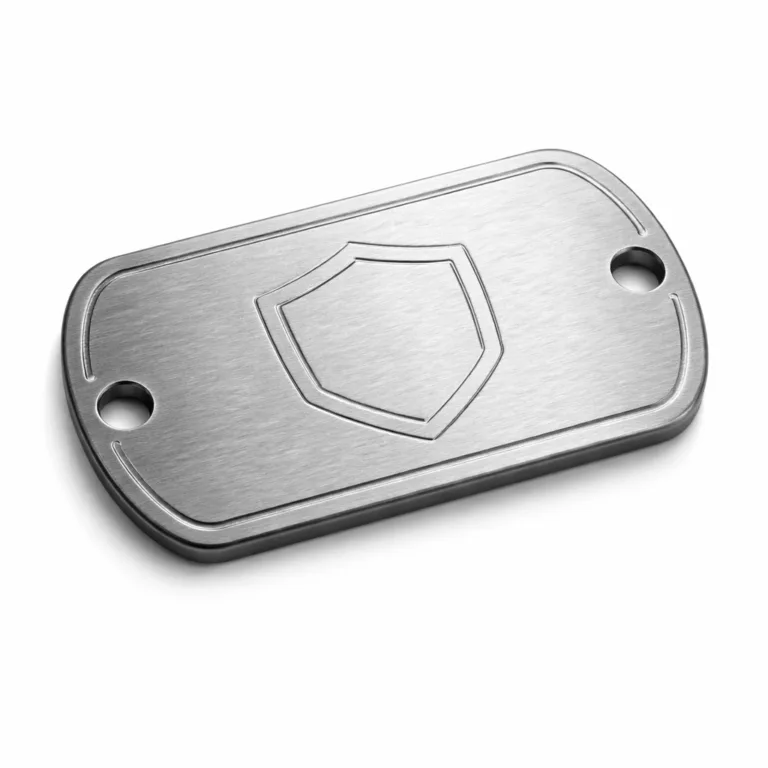
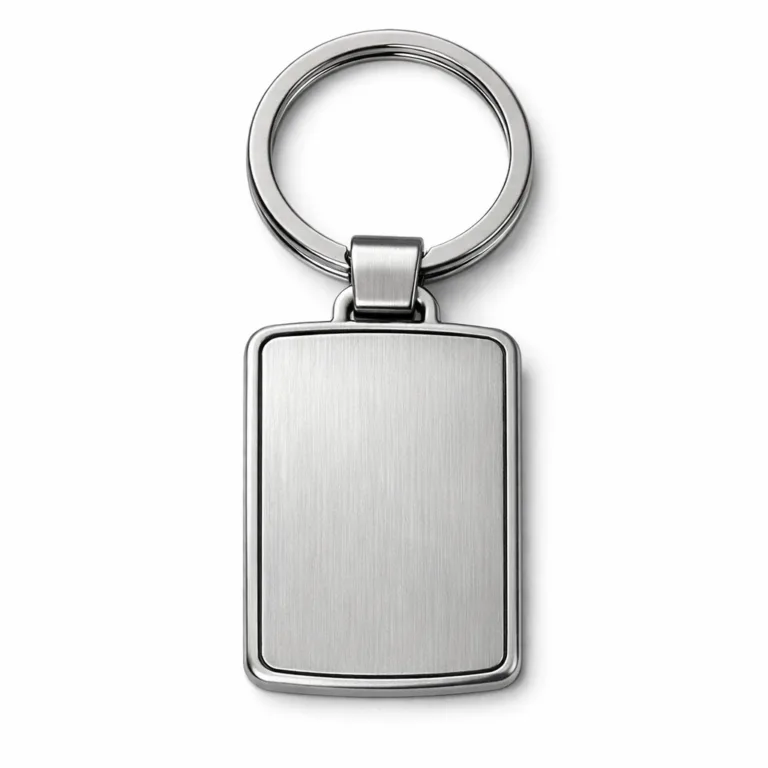
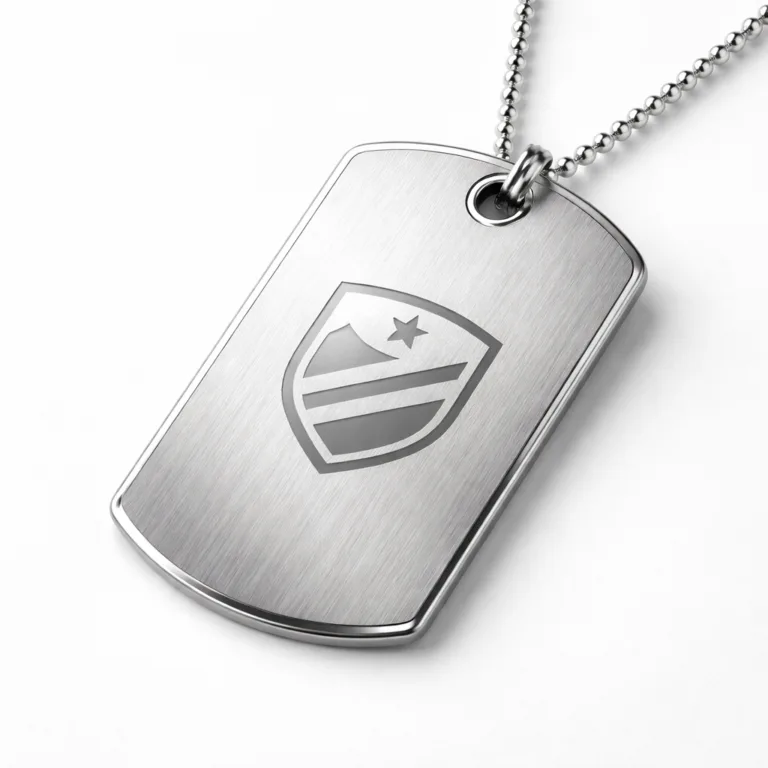
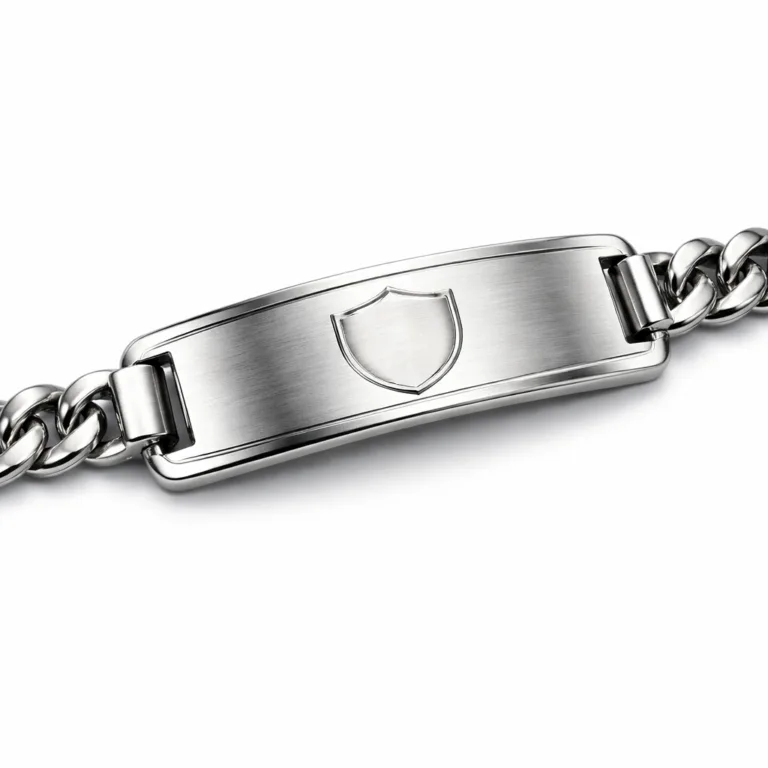
A metal luggage tag stands out from standard plastic tags in several ways. The main advantages are superior durability, enhanced corrosion resistance, and long-lasting readability—even when exposed to rough handling or exposure in outdoor settings.
Typical materials include lightweight aluminum—favored for air travel and consumer gear—robust stainless steel for freight or professional gear, and brass for upscale branding opportunities. Metal tags support industrial applications including asset tracking, logistics, and secure identification.
Other key benefits include:
- Corrosion resistance to moisture, salt, and UV exposure
- Capability for deep engraving or stamping, which enhances legibility over time
- Premium aesthetic options
- The ability to withstand cleaning, washing, and handling without fading or damage
For retailers, the aesthetic and tactile appeal of a metal luggage tag offers unique branding possibilities. Industrial buyers gravitate toward metal for consistent data readability, tracking, and compliance in tough conditions.
Materials Comparison: Aluminum vs. Stainless Steel vs. Brass
Choosing the right metal luggage tag means balancing weight, strength, and visual appeal. Here’s how popular materials compare:
| Material | Weight | Corrosion Resistance | Strength | Visual Appeal | Typical Applications |
|---|---|---|---|---|---|
| Aluminum | Very light | High (especially anodized) | Moderate | Vivid colors, fine finishes | Travel gear, keychains, outdoor equipment |
| Stainless Steel | Heavier | Excellent | High | Polished, matte, brushed effects | Industrial, aviation, heavy freight |
| Brass | Moderate | Good (can patina) | Moderate to high | Warm, luxury, antique looks | Luxury, retail, collectible items |
Aluminum’s light weight is ideal where tag size matters, but it may dent if too thin. Stainless steel, while heavier, provides top-tier hardness and corrosion resistance for demanding settings. Brass excels in upscale luggage tags, offering unique gold-toned finishes for branding and gifting.
Cost-wise, aluminum is typically more affordable in mass production, while stainless steel commands a premium thanks to its performance. Brass, meanwhile, sits between the two and is favored for custom high-impact retail or hospitality applications. Always match the metal to the use—frequent travel, outdoor exposure, or statement branding all influence the optimal choice.
Manufacturing Methods: Engraving, Stamping, Etching, and Printing
The process used to make a metal luggage tag shapes both its thickness needs and long-term performance. Each technique offers distinct advantages:
- Engraving: Laser or CNC engraving creates deep, permanent marks. It works best on medium-to-thick gauges, optimizing for legibility even after years of use.
- Stamping: Mechanical stamping presses designs into metal, with debossed or embossed effects. Thicker stock is often needed to avoid bending around stamped features.
- Etching: Chemical or laser etching enables intricate detail on thinner materials, though tags still require enough thickness to resist warping during handling.
- Printing (UV/Offset): High-resolution color printing applies directly to the tag surface. Protective coatings may be necessary, especially for outdoor or wash-prone uses.
The choice of method affects not just appearance, but longevity. Deeper marks or 3D stamping demand more substantial thickness than surface-printed tags. For tags carrying serial numbers or QR codes, fine laser engraving provides both durability and readability, but works best on metals 0.5mm and up.
Aesthetic preferences also play a part—mirror-polished branding tags or antique finishes require proper stock to avoid wrinkling or loss of detail. Some processes, like multicolor enamel filling, involve extra steps and longer lead times. When specifying luggage tag thickness, always factor in your chosen manufacturing method.
The Ideal Thickness: Balancing Durability and Weight
The heart of bend testing centers on luggage tag thickness. Industry standards suggest a range between 0.4mm and 1.5mm (roughly 26-16 gauge). Thinner tags offer minimal weight, but below 0.5mm, most metals risk easy bending and permanent deformation under pressure.
Rain Chen at UC Tag notes that, in durability trials, tags at 0.8mm–1.0mm best resist warping from repeated flexing, luggage drops, or vibration. Heavier stainless steel pieces hold shape in even the harshest checked baggage scenarios. But for consumer usage—where lightweight comfort matters—anodized aluminum offers strong results at around 0.6–0.8mm.
If tags will face salt spray, rough handling, or heavy industrial use, opt for the upper end of the thickness range. For retail or lightweight consumer items, a middle-ground ensures sufficient bend resistance without burdening the user. Always request sample tags and review test data, since attachment style and tag shape can also affect optimal thickness.
Design and Specification Checklist for Luggage Tags
Ensuring a durable luggage tag starts with a thorough specification review. Use this practical checklist to cover every critical design aspect:
- Choose the right size and shape: Consider project, brand, and attachment method.
- Specify appropriate luggage tag thickness (see table).
- Select finishes that support visibility and long-term brand appeal.
- Add rivet holes, slots, or adhesive backing for reliable attachment.
- Confirm legible font sizes and contrasting colors for clear text/data presentation.
- Define tolerances for mass production: thickness, shape, hole position, etc.
- Review samples in your preferred metal and finish before full order.
| Design Element | Recommended Spec | Sample/Checklist |
|---|---|---|
| Size | 50–90mm length; 25–40mm width | Confirm fits on target bag/strap |
| Thickness | 0.6–1.2mm (Aluminum); 0.8–1.5mm (Steel/Brass) | Bend test sample provided |
| Finish | Brushed, matte, mirror, antique, enamel, UV print | Request finish swatch |
| Attachment | Holes, slot, strong adhesive backing | Specify diameter or backing |
| Legibility | Font ≥2.5mm height, high contrast | Review proof and digital mockup |
| Tolerance | ±0.1mm thickness, hole position ±0.5mm | QC verified by manufacturer |
Consider custom colors, unique finishes (like brushed texture or glow-in-the-dark enamel), and advanced branding for added impact. Selecting the right custom metal tag solution helps ensure lasting performance and a confident brand image.
Durability and Testing Standards for Metal Tags
No quality metal luggage tag is complete without proven durability testing. The most common tests include corrosion resistance (often salt spray or humidity chamber), abrasion (simulating rubbing/wear), UV exposure, and temperature cycling.

Tags destined for extended outdoor use must pass salt spray and UV aging tests, ensuring finishes and structural integrity hold up in aggressive environments. Case studies from independent testing labs show that stainless steel tags, for instance, maintain their legibility and color after weeks of simulated marine exposure.
- Corrosion resistance under salt spray (ASTM B117)
- Scratch and abrasion testing for surface integrity
- UV exposure for colorfastness and enamel retention
- Temperature cycling for structural resilience
Testing not only validates manufacturer claims but is often essential for regulatory compliance in aviation, transport, and defense. Always specify your expected environmental conditions and request durability test data for your chosen tag. When in doubt, consider consulting resources like our Engineer’s Guide to Corrosion Resistance for deeper insights.
For marine or heavy outdoor applications, see our detailed guide on salt spray testing for marine tags.
Industry and Application Fit for Metal Luggage Tags
Metal luggage tag solutions are as versatile as they are tough. Transportation sectors—such as airlines and rail—use heavy-duty tags for checked luggage and operational asset tracking. Retailers take advantage of customizable shapes and finishes for branded gift sets or promotional travel gear.
Industrial applications rely on metal tags for long-term asset identification and regulatory compliance. Pet tag and keychain markets turn to metals like brass or stainless steel for readable, attractive ID plates that withstand daily use.
Specific industries (aviation, freight, hospitality) require compliance with local and international standards on data readability, attachment strength, and corrosion resistance. Regulations may dictate minimum letter height, visibility, and even attachment methods. Always review your sector requirements and consult with a luggage tag manufacturer for details.
Common Mistakes and Troubleshooting
When selecting tags, avoid common pitfalls related to luggage tag thickness. The most frequent issue is unreadable text caused by picking too thin a gauge, leading to warping or impression distortion after stamping. Likewise, incorrect font type or size may reduce legibility on mirror or brushed finishes.
Adhesive selection matters—low-grade adhesives can peel or fail, especially on curved or textured bag surfaces. Always match adhesive backing to your metal and intended attachment. Corrosion can arise from improper alloy choice or insufficient protective finishing in salty or humid environments.
Poor contrast is another trouble spot—high-gloss tags may reflect too much light, masking engraved details. Fixing this usually involves choosing a matte or brushed surface (see our guide on brushed texture luggage tags).
For troubleshooting, review samples under actual use conditions, verify test results, and consult with experienced production teams. Manufacturers like UC Tag can help identify solutions to common quality or performance issues.
Ordering Guide for Custom Metal Luggage Tags
To streamline your purchasing process for a metal luggage tag, clarify key factors up front:
- Minimum order quantities (MOQ): Typical production runs start at 100–500 pieces depending on custom features and metal.
- Lead times: Standard delivery is 2–5 weeks; complex finishes or deep engraving may add extra time.
- Artwork submission: Always submit vector files for proofing. Approvals and sample reviews are critical for confirming specifications.
- Packaging options: Choose simple bulk or branded retail packaging. Packaging type affects shipping costs, presentation, and storage.
- Sample requests: Requesting samples before final order ensures tag thickness, finish, and durability meet project needs.
Ask about options such as individually bagged or labeled tags, and check if expedited services are possible for urgent projects. Get insights on the ordering workflow at our tag solutions resource page.
Frequently Asked Questions
What thickness is best for luggage tags?
For luggage tags, a thickness between 0.8–1.2mm is optimal for balancing durability with manageable weight, especially for metal tags prone to bending or warping.
How do metal tags compare to plastic tags?
Metal tags offer much greater durability, corrosion resistance, and long-term readability compared to plastic tags, making them a smarter investment for tough conditions or branding.
What materials are most durable for frequent travel?
Stainless steel tags deliver the highest resilience against impacts and corrosion, while anodized aluminum tags combine strong performance and light weight for frequent travel.
Can I customize the design of my luggage tag?
Yes, custom shapes, colors, finishes, font types, and logo engraving are widely available for metal luggage tags through most manufacturers and specialty suppliers.
What is the lead time for custom tags?
Lead times generally range from 2 to 5 weeks depending on quantity, complexity of design, and chosen manufacturing method; artwork approval may affect timing.
How do I care for my metal luggage tags?
Clean gently with mild soap and water; avoid harsh chemicals, and store away from high humidity for best results—specialty finishes may require unique handling guidelines.
Related Reading
- How Salt Spray Testing Ensures Metal Tags Last in Marine and Outdoor Use
- Keep Your Luggage Tag Flawless with Brushed Texture Tips
- Choosing Metal vs. PVC: Smart Material Decisions for Luggage Tags
- Mastering Material Thickness: Your Essential Gauge Guide for Durable Tags
- Explore Custom Metal Tag Solutions for Your Next Project
- Expert Insights from a Luggage Tag Manufacturer