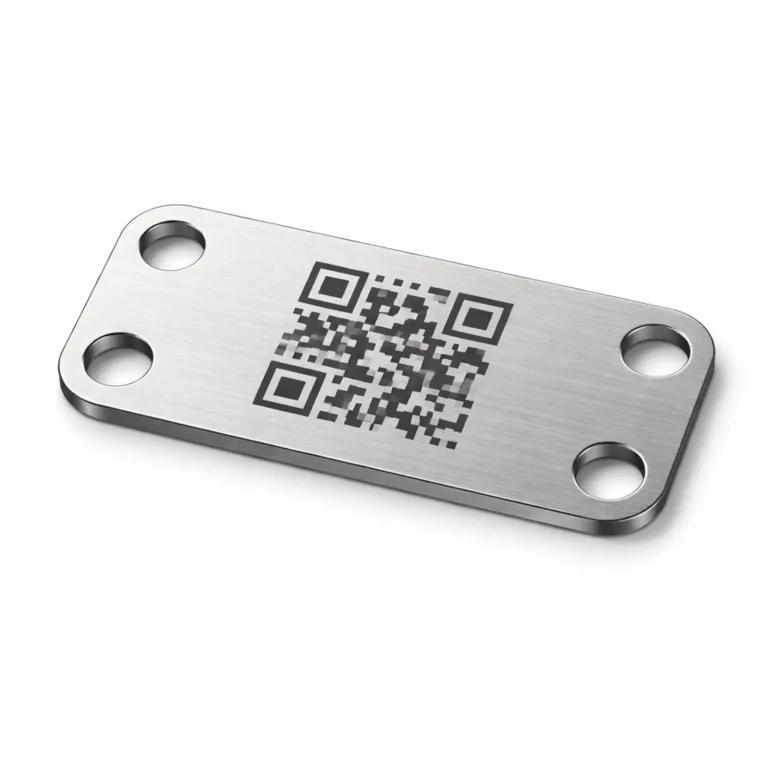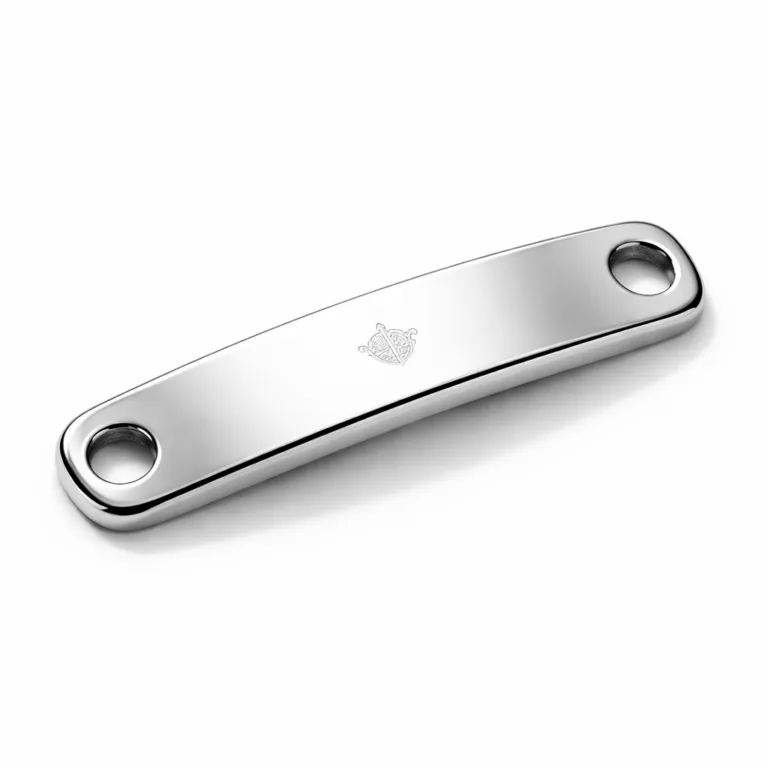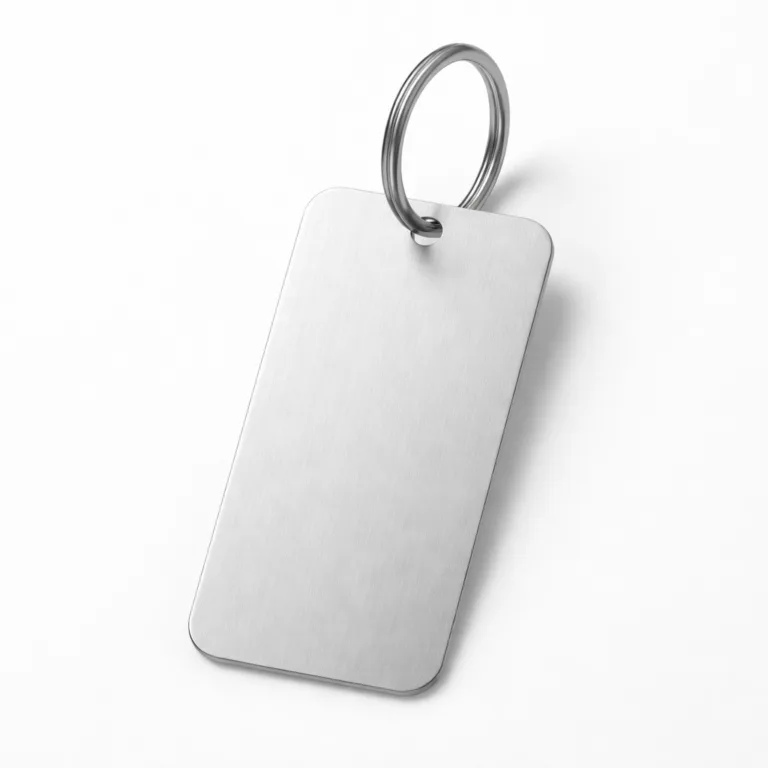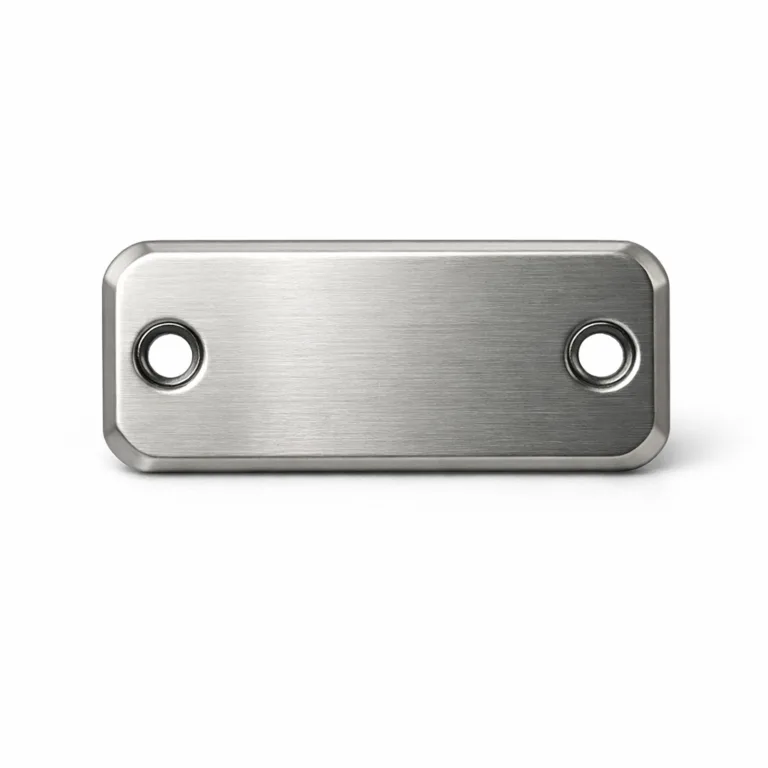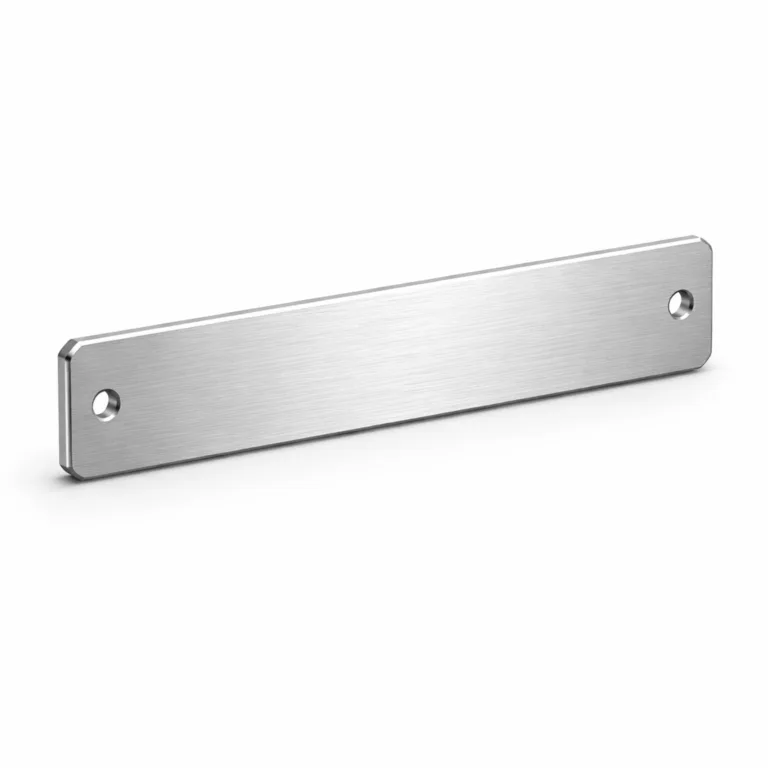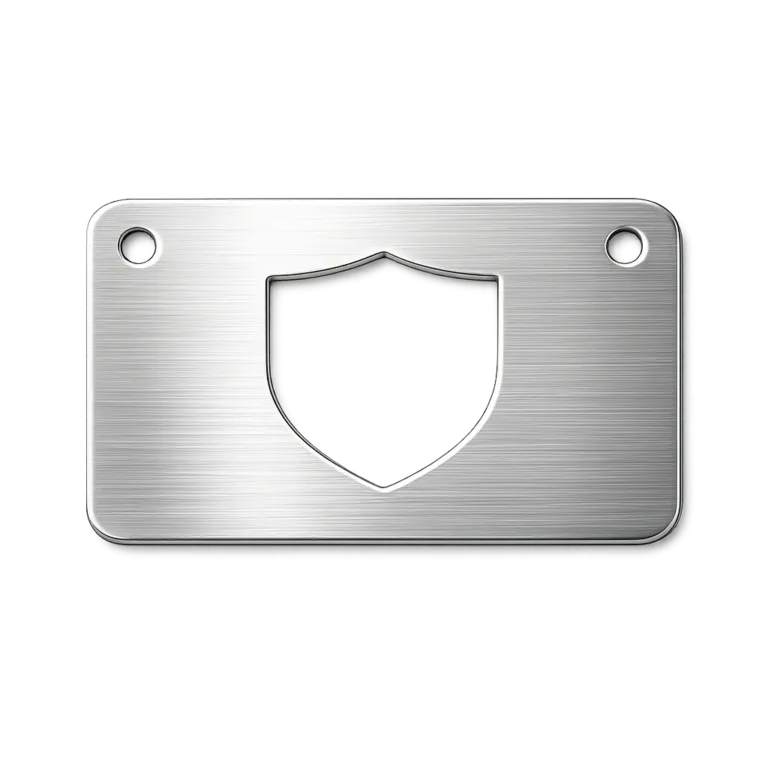
Unlocking the full potential of keychain tags starts with the right attachments. Retail buyers and engineers alike are seeking ways to make their products more appealing while maintaining durability and ease of use. Integrating lobster clasps with metal tags is a strategic upgrade that delivers improved functionality and elevated retail presence. In this guide, you’ll explore the practical advantages of lobster clasps, learn how they enhance metal tags, and discover smart solutions for B2B buyers seeking lasting value.
Understanding Lobster Clasps
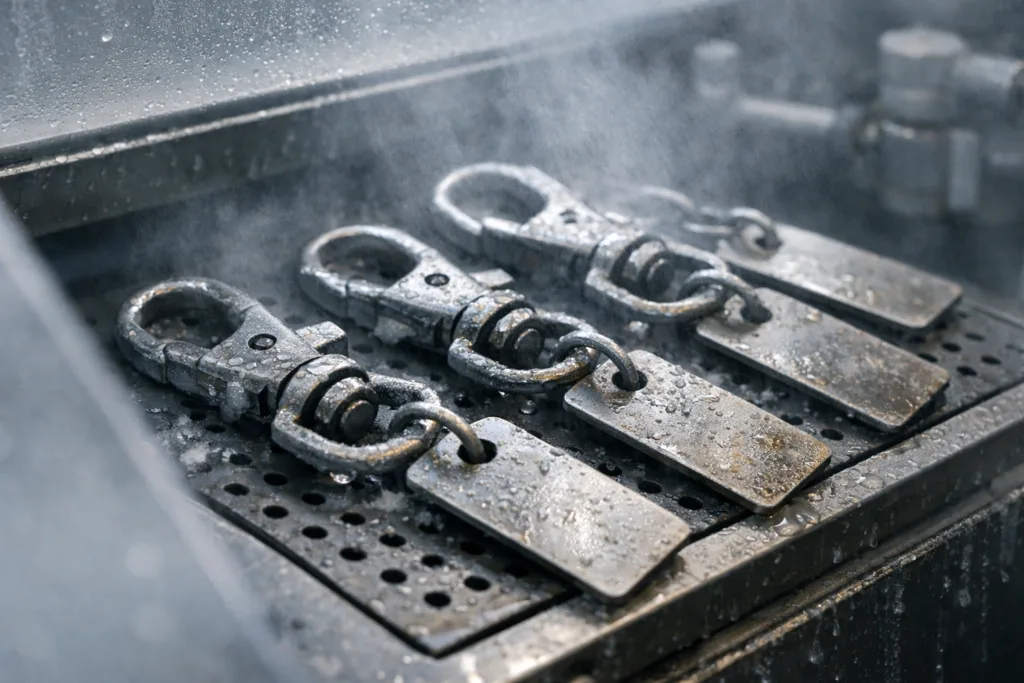
Lobster clasps are a staple in modern keychain design. These small, spring-loaded fasteners—shaped like a lobster’s claw—are engineered for effortless, secure attachment and detachment.
At the heart of the mechanism is a spring-loaded gate that opens when you press a lever, then snaps shut to prevent accidental release. This ensures keychain tags stay firmly attached to bags, keys, or lanyards during daily use.
Compared to split rings, jump rings, or basic hooks, lobster clasps offer superior reliability and user-friendliness. Their single-handed operation makes them especially popular for retail products and consumer accessories. Durability is another major perk; clasps crafted from quality materials resist abrasion and maintain smooth functionality even after years of use.
Lobster clasps come in various materials including stainless steel, brass, and aluminum. Each has its own merits for different retail and industrial use cases. Styles range from petite, minimalist designs to oversized utility clasps suited for heavy-duty asset tags.
- Spring-loaded operation for secure hold
- Supports quick release and reattachment
- Multiple sizes suit diverse applications
- Variety in shapes and finish options
Whether you need a sleek accent for luxury branding or a robust connector for industrial equipment, lobster clasps are adaptable, enhancing the value of metal tags in both settings.
Why Upgrade Your Keychain Tags with Lobster Clasps?
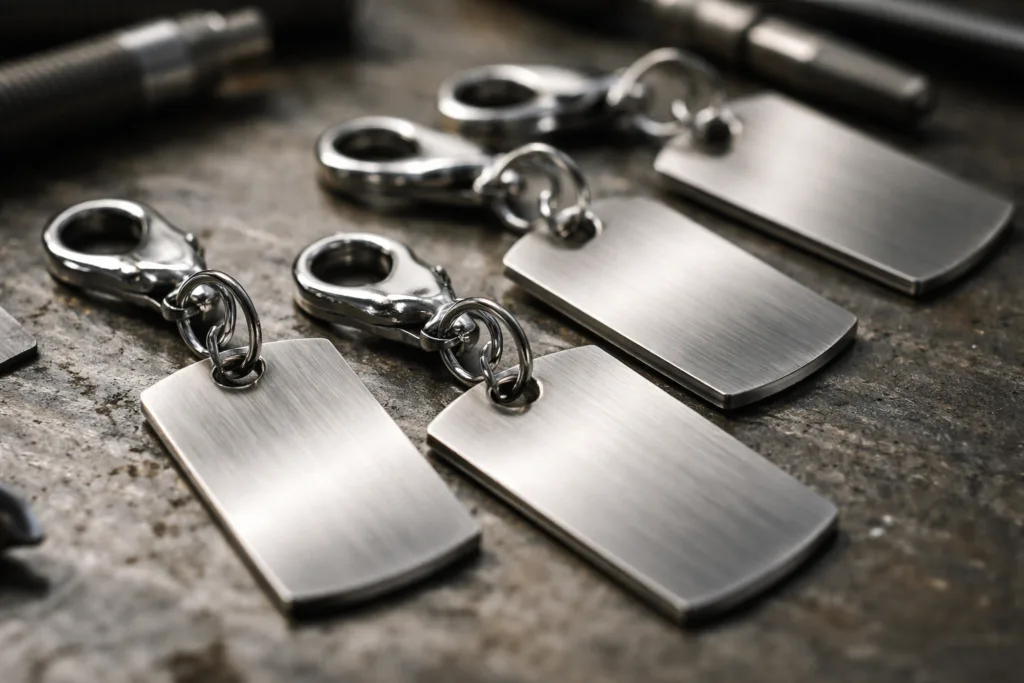
Retail competitiveness hinges on product quality, visual appeal, and user experience. Upgrading your keychain tags with lobster clasps checks all those boxes for both buyers and end users.
First, durability is dramatically improved. Metal tags paired with lobster clasps outlast those attached by basic rings or hooks. The clasp resists bending, corrosion, and mechanical stress, which translates to fewer returns and higher customer satisfaction.
Functionality is a major selling point—consumers can easily attach, detach, and reposition their metal tags without hassle. This convenience is particularly valuable for products used daily, such as luggage tags, pet tags, or branded promotional keychains. The ease of use directly impacts perceived product value.
Aesthetic enhancement is another compelling reason. Sleek lobster clasps elevate the entire look and feel of keychain tags, offering a professional touch that stands out on retail shelves. Polished finishes, matching materials, and harmonious design all contribute to desirability.
Upgrading also signals premium quality and craftsmanship, building brand trust and fostering repeat purchases. When customers notice that every detail—from the clasp to the engraved logo—has been thoughtfully designed, your brand’s reputation grows stronger. This is especially true for industrial buyers who prize reliability and robust performance in identification tags.
UC Tag’s production team, led by craftsman Rain Chen, often recommends lobster clasps for brands looking to differentiate with lasting, retail-ready metal tags. Thoughtful selection leads to fewer warranty claims and greater return on investment.
Materials Comparison for Lobster Clasps
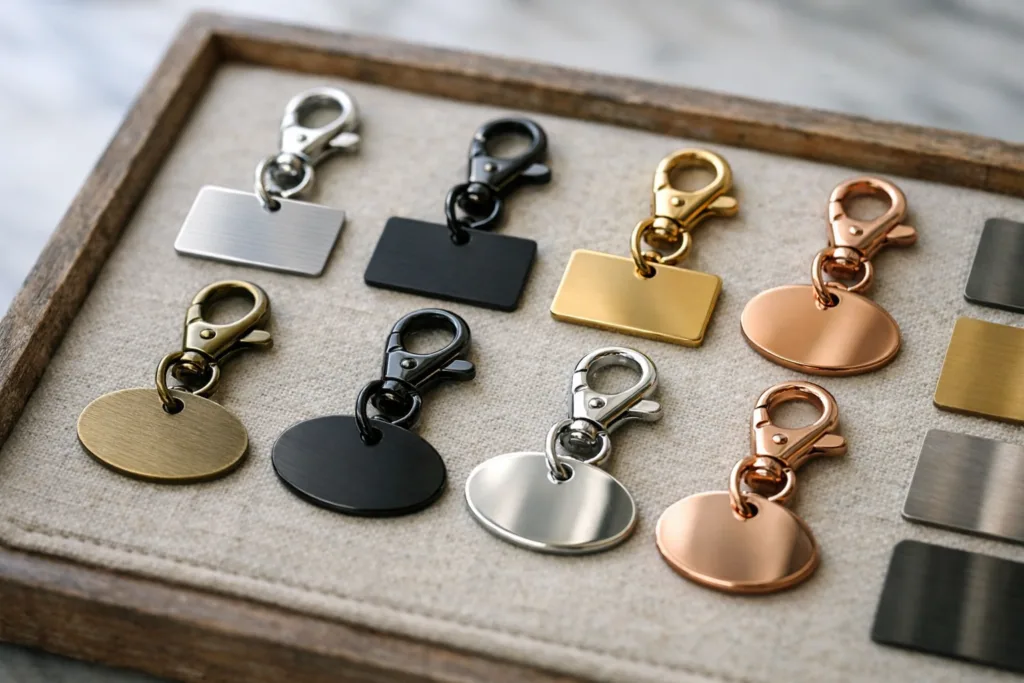
Material selection is vital in optimizing lobster clasps for different metal tags and retail environments. Aluminum, stainless steel, and brass are the most common choices, each delivering unique benefits.
Here’s a practical comparison table for lobster clasp materials:
| Material | Weight | Durability | Corrosion Resistance | Aesthetic | Retail/Industrial Fit |
|---|---|---|---|---|---|
| Aluminum | Lightweight | Medium | Moderate (may oxidize) | Matte, anodized colors, modern | Fashion, promo items |
| Stainless Steel | Moderate | High | Excellent (rust-proof) | Polished, brushed textures, rugged | Industrial tags, outdoor product |
| Brass | Heavier | High | Very good (may patina) | Classic, vintage look, luxury | Heritage brands, pet tags |
Aluminum lobster clasps are lightweight and affordable, ideal for fashion accessories or branded giveaways. However, they’re less likely to withstand harsh environments, especially compared to stainless steel.
Stainless steel offers maximal strength and rust resistance, perfect for outdoor use or products exposed to moisture and mechanical wear. Its finish complements modern, clean designs. Brass lobster clasps boast vintage appeal and longevity, often chosen for luxury pet tags or high-end promotional items.
Matching clasp material to the metal tag is critical for a cohesive appearance and consistent durability. For instance, anodized aluminum tags with aluminum clasps create a seamless, unified look. Conversely, pairing stainless steel lobster clasps with stainless steel tags ensures both elements endure rigorous environments.
For mixed materials, balancing aesthetics and function is key. Rain Chen from UC Tag notes that well-matched materials minimize warranty disputes and strengthen product value, particularly in industrial procurement.
Manufacturing Methods for Custom Keychain Tags
Manufacturing methods directly affect the performance, readability, and retail appeal of custom metal tags with lobster clasps. UC Tag leverages a range of processes to strike the right balance for B2B clients.
Engraving techniques—such as laser or CNC—provide crisp lettering and deep marks, resulting in highly readable metal tags. For detailed artwork or serial numbers, laser engraving offers precision.
Stamping is favored for mass production, delivering high consistency and tactile relief. Deep stamping creates robust tags that resist wear, while embossed designs add texture and perceived value. Etching methods—using chemicals or photolithography—enable intricate artwork and logo reproduction, well-suited for boutique retail or collector edition tags.
Printing methods, including UV and offset, bring vivid colors and gradients to metal tags. UV printing especially ensures durability and vibrant color retention, even in outdoor applications.
Integrating lobster clasps into the production line requires accurate hole placement and consistent assembly. Design must account for batch size, customization requests, and attachment method (rivet, adhesive, debossed slot). For smaller runs or ultra-custom products, careful prototyping is essential—avoid issues in clasp fit or tag alignment.
Manufacturing choices directly influence longevity, tactile feel, and retail impression. UC Tag’s shop-floor teams suggest rigorous samples and proofing cycles for customized orders, ensuring finished tags have flawless readability and secure lobster clasp integration.
For further insights into engraving depth and lasting legibility, see How Deep Should Metal Engraving Go? A Practical Buyer’s Guide for Lasting Legibility.
Design and Specification Checklist for Keychain Tags
A well-structured design checklist is essential for achieving consistent quality in keychain tags with lobster clasps. This boosts both manufacturing efficiency and retail appeal.
- Tag dimensions: Choose size and thickness based on end-use (e.g., 1–2 mm for standard tags, heavier for industrial).
- Shape: Rounded corners, custom contours, or geometric shapes—each affect usability and eye appeal.
- Finish: Specify anodized, engraved, brushed, or color-plated finishes compatible with the lobster clasp material.
- Attachment features: Placement and dimension of holes or slots must suit clasp size; adhesive backs offer extra versatility for non-mechanical attachment.
- Readability: Select high-contrast fonts, legible sizes, and durable markings for logo, serial number, or instructions.
- Tolerances: Set strict production tolerances for flatness, hole alignment, and surface finish.
Here’s a quick reference table for common design specs:
| Specification | Recommended Range | Trade-offs |
|---|---|---|
| Size | 20–45mm length | Smaller tags easier to carry; larger tags more readable |
| Thickness | 1–3mm | Thicker tags resist bending; thinner tags are lighter |
| Finish | Engraved/anodized | Engraving lasts; anodizing offers color |
| Font | Sans-serif, 7pt+ | Sans-serif increases readability; small fonts may fade |
| Hole Size | 2.5–4mm | Match to lobster clasp diameter; too large may wobble |
For more on selecting the right finishes, see How Brushed Texture Keeps Your Luggage Tags Looking Flawless—Travelers’ Aesthetic and Maintenance Guide.
Regular prototyping and batch inspection minimize production defects. Rain Chen recommends thorough proofing cycles for customized orders to confirm clarity and durability.
Durability and Testing Standards for Keychain Tags
Durability is the cornerstone of reliable keychain tags with lobster clasps. Environmental factors, such as UV exposure and salt spray, are critical when tags are used outdoors or in harsh workplaces.
Corrosion and wear resistance testing is essential. Methods include salt spray testing for marine and outdoor tags, abrasion tests for surface longevity, and UV resistance assessment for colorfastness. See How Salt Spray Testing Secures Durable Marine & Outdoor Tags: Engineer’s Guide to Corrosion Resistance for detailed insights.
Material choice heavily influences performance. Stainless steel generally leads for both lobster clasps and metal tags in tough environments, while brass offers a balance of strength, patina, and vintage looks. Aluminum is best for lightweight indoor applications.
Retail settings demand resilience against frequent handling, display, and transport. Best practices involve sample testing, batch QA, and specification documentation to ensure all metal tags and lobster clasps meet retail and industrial expectations.
Industry Applications and Fit for Lobster Clasps
Lobster clasps paired with metal tags excel in various industries due to their flexibility and reliability.
Retail applications abound: fashion accessories, branded promotional items, pet tags, and luggage tags all benefit from the secure yet user-friendly design. Fashion brands appreciate the sleek, minimalist appearance, while promotional buyers value ease of customization.
In industrial sectors, lobster clasps connect asset tags, safety identifiers, and equipment nameplates. Their ability to withstand outdoor and factory conditions ensures tags remain attached—reducing maintenance and loss risk.
Adaptability is a standout feature. Whether you’re selling luxury pet tags, functional gear ID, or commemorative souvenir tags, lobster clasps unify usability and durability, supporting both mass production and limited editions. UC Tag’s production experience shows differentiated products gain traction thanks to custom clasp selection and precise logo integration.
Here’s a real-world testimonial: A pet supply retailer observed lower breakage rates and fewer customer complaints after switching to brass lobster clasps and engraved metal tags. Enhanced attachment and durability translated directly to improved brand reputation.
For further comparison of tag materials, see Brass vs. Steel Tags: Which Lasts Longer Over 5 Years? Real-World Wear & Tear Insights.
Common Mistakes and Troubleshooting in Tag Design
Several avoidable mistakes can undermine the quality of keychain tags with lobster clasps.
Unreadable text is the most frequent issue. Using decorative fonts or small sizes may ruin readability, especially for serial numbers or instructions. Stick to high-contrast, sans-serif options, as outlined in the design checklist.
Adhesive missteps—misjudging the right adhesive or application method—lead to tags peeling off or detaching over time. Industrial buyers should specify adhesive performance standards suited to their environment.
Misalignment during clasp or tag assembly is another common pitfall. It affects usability and can result in premature failure. Careful prototyping helps identify such issues before mass production.
Choosing incorrect finishes, such as unprotected metal or poor plating, can cause corrosion or fading. Thorough testing and material checks are vital in preventing post-sale problems.
Finally, always test prototypes under real-world conditions. This practice uncovers hidden flaws and guides practical improvement for durable, attractive metal tags with lobster clasps.
For secure attachment tips, see Split Rings vs. Jump Rings: The Secure Tag Attachment Guide Every Engineer and Crafter Needs.
Ordering Guide for Custom Keychain Tags
Planning a custom order for keychain tags and lobster clasps involves several important steps.
Minimum order quantities (MOQ) can range from 100 to several thousand units, depending on materials and design complexity. Larger batch sizes often bring lower per-unit costs, but require forecasting demand.
Lead times are affected by material selection, finish requirements, and customization level. Standard lead ranges are 2–5 weeks, but unique specifications or rare materials may lengthen timelines.
Artwork submission and proofing are essential. Always provide high-resolution vector files for logos or graphics, and request digital proofs or sample tags for approval before full production. Sampling options usually range from a few finished pieces to a mini-batch, enabling QA and buyer confidence.
Packaging and shipping considerations include cost, protection, and branding. Boxes, polybags, or custom retail packs help minimize transit damage and improve consumer presentation.
For more details on industry sample solutions, browse custom-metal-tag-samples.
Frequently Asked Questions
What is the best material for lobster clasps in harsh environments?
Stainless steel is typically the best choice for lobster clasps exposed to moisture, salt, or rigorous mechanical wear, as it resists corrosion and retains strength.
Can metal tags with lobster clasps be customized for branding?
Yes, both metal tags and lobster clasps can be custom-branded using engraving, stamping, or color finishes to match corporate identity and enhance retail appeal.
How long does production take for custom keychain tags?
Lead times vary but usually range from 2–5 weeks depending on batch size, materials, and artwork review; complex designs or rare materials may require additional time.
Are lobster clasps compatible with most keychain attachment types?
Lobster clasps fit most standard keychain tag holes or slots; sizes should be matched for smooth assembly and secure performance across all tag styles.
How should metal tags and lobster clasps be maintained for longevity?
Regular cleaning and inspection help prevent corrosion; avoid harsh chemicals and ensure tags are kept dry, especially for non-stainless metals.
Do keychain tags with lobster clasps comply with retail safety standards?
Yes, quality manufacturers follow safety and material standards for all metal tags and lobster clasps, ensuring secure attachment and absence of sharp edges.
Related Reading
- How Brass or Steel Tag Material Affects Durability in Long-Term Use
- Optimize Tag Legibility and Longevity: Choosing the Right Engraving Depth
- Secure Tag Attachments: Designers’ Guide to Split Rings vs. Jump Rings
- Boost Quality Assurance with Metal Tag Samples Before Large Orders
- Achieve Flawless Retail Aesthetics: Brushed Finish in Metal Luggage Tags
- Protect Outdoor Metal Tags with Industry-Standard Salt Spray Corrosion Testing