Introduction: Laser Engraving vs. Diamond Drag—Why Depth and Durability Matter
When marking metal tags for identification, branding, or compliance, the choice of engraving method directly impacts the tag’s appearance, longevity, and performance. This article explores the key differences between laser engraving and diamond drag engraving, focusing on how each method affects engraving depth, durability, finish, and long-term usability—especially when it comes to metal tags.
Understanding Metal Tag Engraving Techniques
Two of the most popular ways to engrave metal tags are laser engraving and diamond drag. These processes may look similar at first glance, but their results and ideal uses could not be more different.
What Is Laser Engraving?
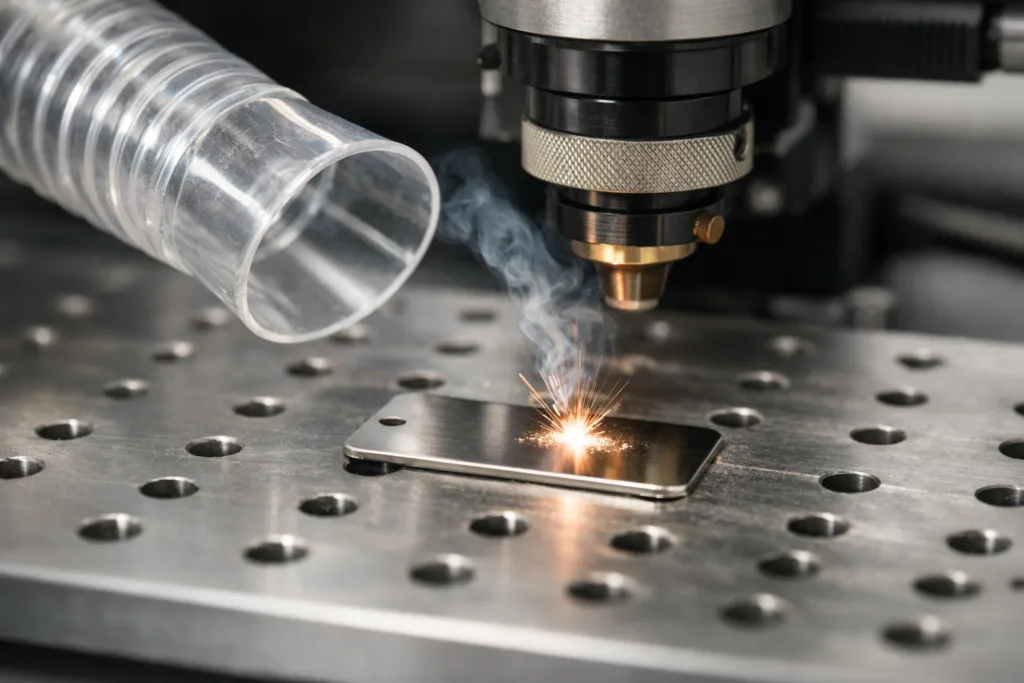
Laser engraving uses a focused beam of light to remove material and create precise marks, patterns, or text on the metal surface. The process is non-contact and highly programmable, making it suitable for complex graphics and variable data.
What Is Diamond Drag Engraving?
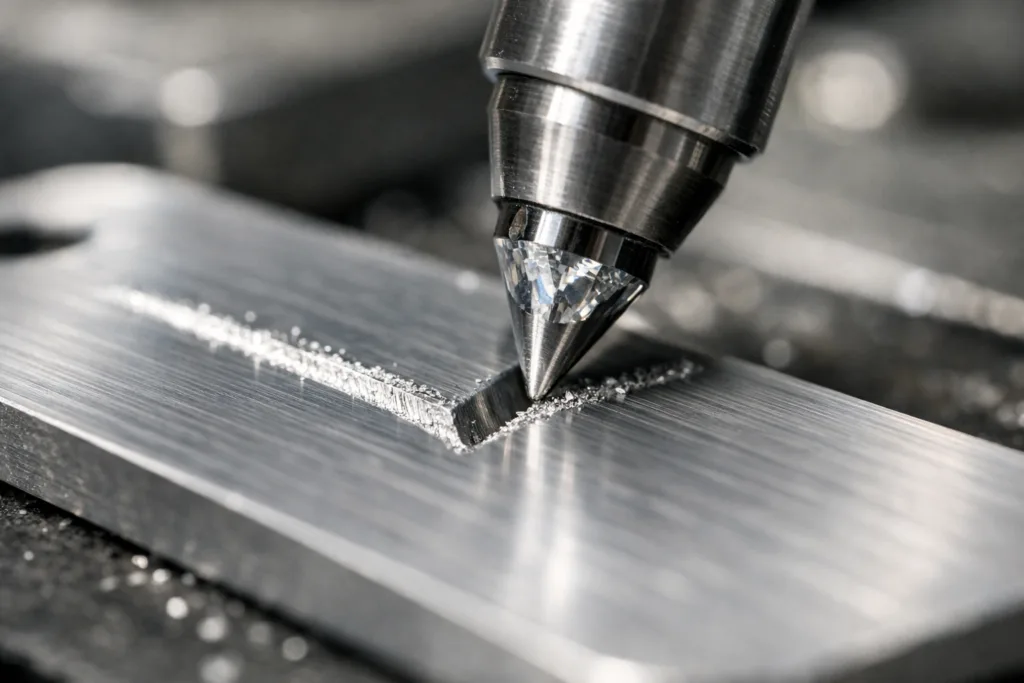
Diamond drag engraving, on the other hand, is a mechanical method that uses a diamond-tipped stylus to scratch or indent the metal. It physically removes or displaces material, creating a permanent groove or line.
Comparing the Fundamentals: Process and Principles
The core difference lies in how each technique interacts with metal. Laser engraving ablates (vaporizes) the surface with pinpoint heat, while diamond drag physically plows a groove, somewhat like an old-fashioned pen in soft metal.
Process Overview—Laser vs. Diamond Drag
- Laser Engraving: Uses a computer-controlled laser beam; works without touching the surface.
- Diamond Drag: Relies on a diamond-tipped stylus pressed and moved with physical force across the metal.
Speed and Efficiency
Laser engraving is usually faster, especially for intricate patterns, serial numbers, or bulk batches. Diamond drag can be slower, with each line etched individually, but can handle deep, simple marks reliably.
Depth and Durability: How Deep Does Each Go?
Depth and durability are at the core of this comparison. A deeper engrave often means more lasting marks, especially in harsh environments.
Laser Engraving Depth
Modern fiber lasers can engrave depths from just microns (for fine marking) up to around 0.5mm on some metals after multiple passes. However, most industrial laser marking is relatively shallow—sufficient for legibility but not always for extreme abrasion resistance.
Diamond Drag Depth
Diamond drag excels at creating physically deep grooves, depending on metal hardness and stylus pressure. On softer tags like aluminum, it can reach depths up to 0.2–0.5mm with a single pass, producing tactile, V-shaped lines.
Which Is More Durable?
Both methods create permanent marks. However, if subject to constant abrasion, diamond drag’s deeper grooves may persist longer, while laser marks can remain highly readable, especially on corrosion-resistant materials.
Visual Finish and Marking Quality
Laser Engraving Finish
Laser-engraved tags offer crisp detail, small text, and even photographic images thanks to the high resolution and narrow beam. The marking may be black, white, or simply contrast depending on the metal and process settings.
Diamond Drag Finish
Diamond drag produces bright, reflective lines that often catch the light. While not suitable for grayscale or shaded images, it makes clear, elegant text that you can feel with your fingertip.
Materials: What Metals Work Best?
Not all metals behave the same under each method.
Optimal Metals for Laser Engraving
- Stainless steel
- Aluminum (anodized, painted, or raw)
- Brass
- Titanium
- Coated metals—if proper laser wavelength is used
Best Metals for Diamond Drag
- Aluminum (especially softer grades)
- Brass
- Nickel-silver
- Engraving-specific plates with softer layers
Diamond drag struggles on very hard or brittle metals like stainless steel, which can resist stylus movement or cause tool wear. Laser, with tuning, can usually mark nearly any metal.
Application Spotlight: Creating Metal Tags
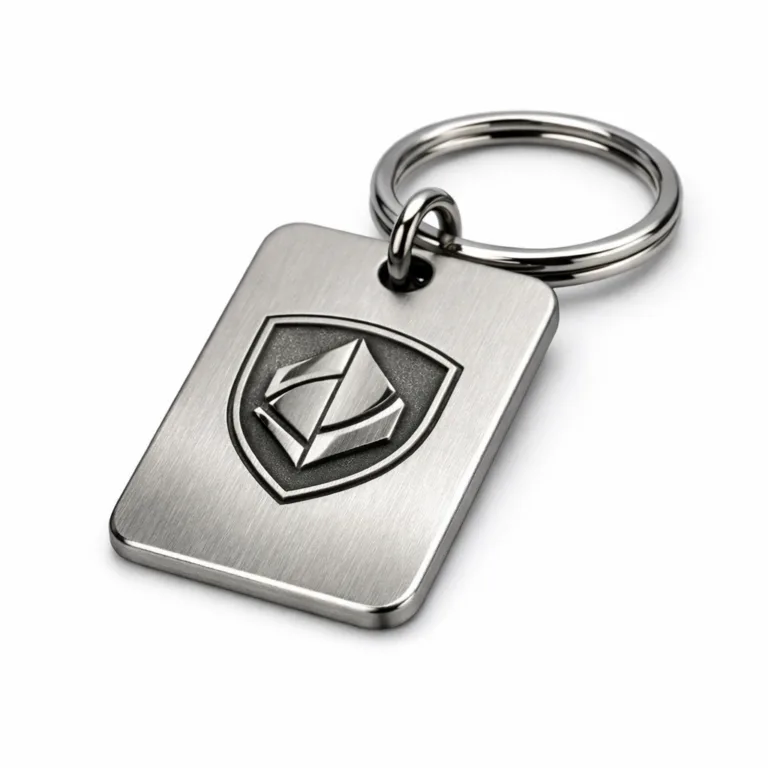
From dog tags to asset labels, both methods serve in the production of metal tags. For example, UC Tag crafts custom metal tags using both processes depending on project goals. Laser engraving shines for fine logos or variable data, while diamond drag is often chosen for traditional, deep-cut identification tags.
For bulk orders, automated laser engraving allows for fast serialization and intricate barcode application. Diamond drag, on the other hand, excels in tactile, reflective, classic nameplates where a physical groove is desired.
Cost Considerations: Laser vs. Diamond Drag
While both produce permanent results, their economic profile is distinct.
- Laser Engraving: Higher initial machine cost, lower maintenance, fast for complex or mass runs.
- Diamond Drag: Lower equipment cost, but stylus may wear or require replacement; suited for lower volume or deep-cut jobs.
For most metal tags beyond one-off custom plates, laser engraving is more efficient and cost-effective over time.
Design Flexibility and Customization
What Can You Engrave?
- Laser Engraving: Supports logos, tiny fonts, QR codes, and photos with a high level of detail.
- Diamond Drag: Best for bold text or vectors—the stylus limits sharp corners and small details.
Environmental and Maintenance Factors
Laser engraving is a non-contact, clean process with minimal waste or mess (a small amount of fume extraction may be needed on coated metals). Diamond drag produces minimal dust but may create tiny burrs along the groove, so deburring is sometimes necessary.
When Design Details Really Matter
For jobs demanding ultra-fine details—imagine a detailed photo etched on a thin metal bookmark—laser engraving is unmatched. You can see an example of photo etching on thin bookmarks in this detailed guide to photo etching for bookmarks.
Limitations of Each Method
Where Laser Engraving Struggles
- Cannot go extremely deep (economically) into very hard metals
- May leave shallow marks vulnerable to deep scratches on high-wear tags
Where Diamond Drag Falls Short
- Not ideal for stainless steel or other hard alloys
- Difficulties with fine details or very small text
Safety, User Experience, and QC Realities
Practical Considerations for Handling
Laser marking produces a smooth surface with no raised or sharp edges. Diamond drag, if not properly deburred, can leave micro-burrs or sharpness, which, in a mass-production scenario, requires rigorous quality control. At UC Tag, we emphasize regular stylus checks and edge deburring when using the diamond drag process—especially when making pet or luggage tags.
Integrating Color and Advanced Finishes
Can You Add Color?
- Laser marking can alter anodized or painted aluminum, revealing contrast below, but not add color.
- For more vibrant looks, consider enamel filling after diamond drag engraving, though this adds a layer of manual work and QC steps.
Production Throughput and Project Size
For batch jobs or where variable data is a must (e.g., serial numbers on hundreds of inventory tags), laser engraving is vastly more scalable due to programmable automation. Diamond drag is better suited for low to medium volume projects or where each tag gets a traditional, hand-finished touch.
Choosing the Right Method for Your Needs
Common Scenarios: Which Engraving Is Best?
- For deeply tactile, classic ID tags on soft metals: Diamond drag wins.
- For high-volume, rapid, variable, or high-resolution tags: Laser engraving is the top choice.
- For stainless steel or titanium applications: Fiber laser engraving.
- For cost-sensitive one-offs: Diamond drag or basic laser, depending on required detail.
Emerging Trends: Hybrid and New Engraving Technologies
Some tag manufacturers now offer hybrid engraving—combining laser for detail with diamond drag for durability. Advances in laser tech (like deep engraving and color marking) are growing, but tried-and-true diamond drag isn’t going anywhere for tactile tags.
Real-World Application: Custom Dog Tags and Luggage Labels
In high-stakes applications like industrial dog tags or travel luggage labels, durability and readability are non-negotiable. Learn more about how different finishes can impact durability in this overview of luggage tag material choices and dog ID tags vs. metal tags.
Case Study: Art and Branding on Metal
Laser engraving allows for crisp brand logos and even Pantone color matching (when followed by color filling or coating), which is crucial for business branding. See examples in this Pantone matching guide. Diamond drag brings a traditional, engraved look for signature items, classic identification plaques, and awards.
Pitfalls and Manufacturing Trade-Offs
Every technique has trade-offs. Laser engraving can reduce batch-to-batch variation since it’s digital and repeatable. Diamond drag’s tool can wear out, affecting consistency if not monitored. Experienced shops like UC Tag routinely check for stylus wear and adapt quality control accordingly.
Factors to Consider Before You Decide
- What environment will the tag face?
- What level of detail/logos/graphics do you need?
- How many tags are needed—one or thousands?
- Is cost-per-part or initial investment a priority?
- Will the tag be handled by people, machinery, or pets?
Laser Engraving vs. Diamond Drag: Differences in Depth and Durability.
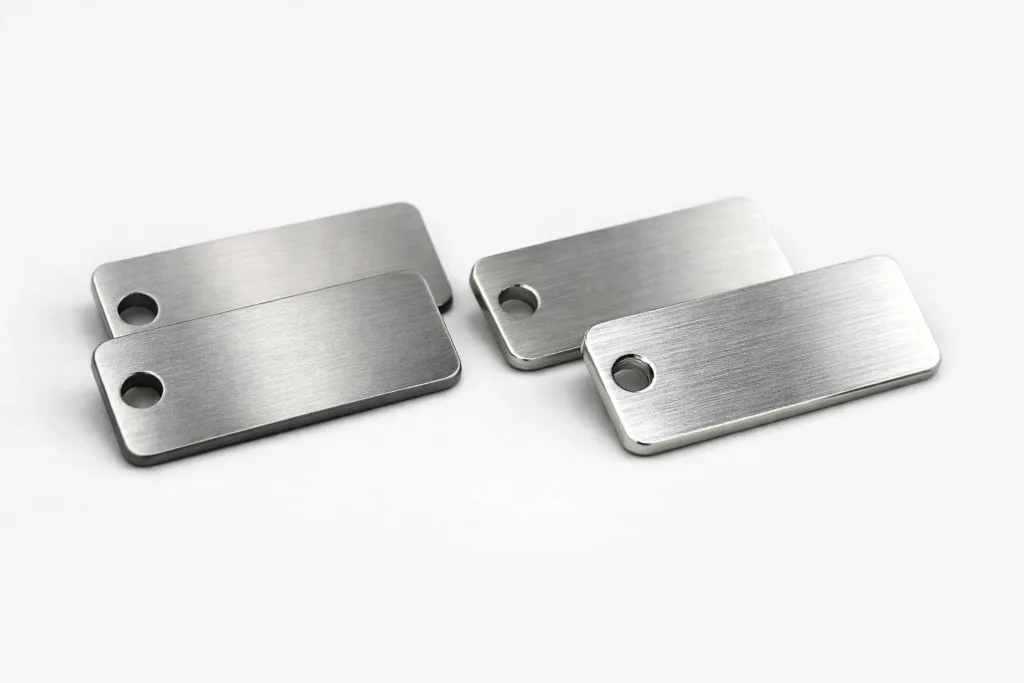
To sum up, laser engraving brings unmatched detail, speed, and flexibility to metal tag production, with marks that resist corrosion and fading. Diamond drag creates deeper, tactile marks for classic aesthetics—especially effective on softer metals. Choice depends on balance: detail vs. depth, cost vs. scale, and the intended use of your tag.
Frequently Asked Questions
What is the main advantage of laser engraving over diamond drag?
Laser engraving allows for high detail, rapid marking, and the ability to reproduce complex graphics, making it ideal for logos, barcodes, and mass serialization on metal tags.
Which process is more durable for harsh conditions?
Diamond drag produces deeper grooves that can withstand abrasion better on softer metals, but laser marks on stainless or titanium offer excellent resistance to corrosion and fading.
Can diamond drag engraving be used on all metals?
No, diamond drag is ideal for softer metals like aluminum or brass but struggles on very hard materials such as stainless steel, where stylus wear or damage can occur.
Does laser engraving add color to metal tags?
Laser engraving itself does not add color but can create dark or contrasting marks on some materials. For true color, secondary processes like anodizing or enamel fill are required.
What kind of designs are not possible with diamond drag?
Diamond drag can’t reproduce photos, tiny text, or complex logos—it’s best suited for simple text or bold vector designs due to stylus size limitations.
How do I choose between laser engraving and diamond drag for my metal tag project?
Consider your needs: for intricate detail or high volumes, choose laser engraving; for a deep, tactile feel on softer metals, go with diamond drag. Factor in application environment, cost, and required finish.
Related Reading
- How Photo Etching Achieves Stunning Details on Slim Metal Bookmarks
- The Durability Dilemma: Choosing the Right Luggage Tag Material
- Dog ID Tags vs. Metal Tags: Durability and Buyer Guide
- The Secret to Brilliant Brand Colors: Pantone Matching on Metal
- Expert Tips for Precision-Engraved Metal Dog Tags
- Custom Metal Logo Tags: A Step-by-Step Design and Manufacturing Guide