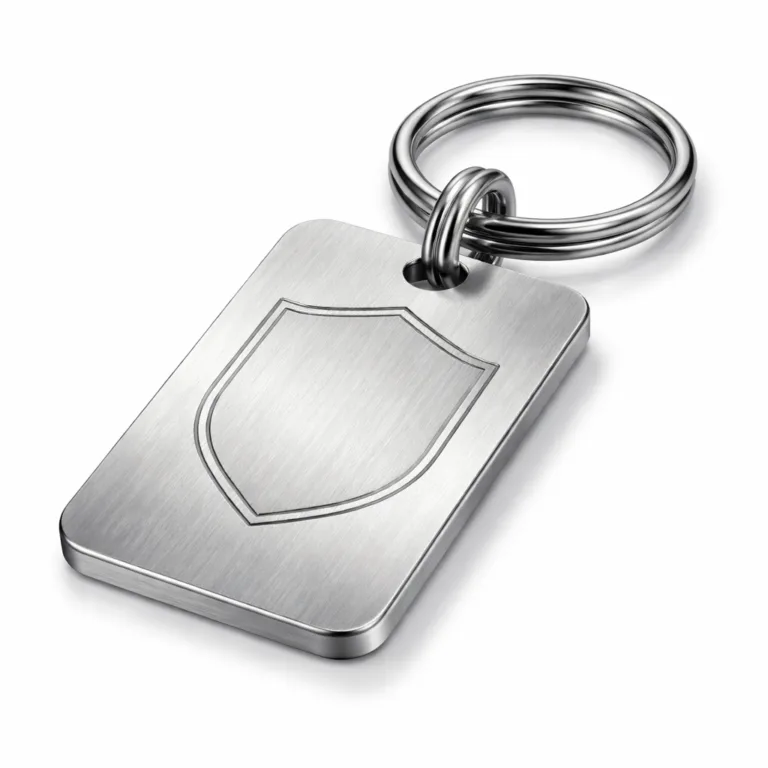
Introduction to Geometric Trends
Geometric shapes have made a striking comeback in modern aesthetics, shaping everything from architecture to industrial design. Their resurgence is especially visible in the field of product identification and branding, where metal tags now commonly display bold forms like hexagons and diamonds.
Why is this happening? Simply put, hexagons and diamonds offer a mix of visual harmony and distinctiveness. Brands use these shapes to stand out in a crowded market, boosting both recognition and emotional connection. Geometry provides a sense of order, strength, and trustworthiness—qualities consumers often associate with dependable products.
Tracing back through history, designers and engineers have embraced geometric shapes in industrial contexts for their efficiency and clarity. Today, those same principles drive the adoption of hexagons and diamonds in tags—combining proven practicality with contemporary flair to create memorable branding and functional solutions.
Within the PROMPT—hexagons, diamonds, metal tags—these geometric designs not only capture attention but also turn an everyday identification item into a point of visual engagement. Their structured symmetry supports easy display of key information while subtly communicating brand values through thoughtful design.
Definitions and Basics of Tag Design
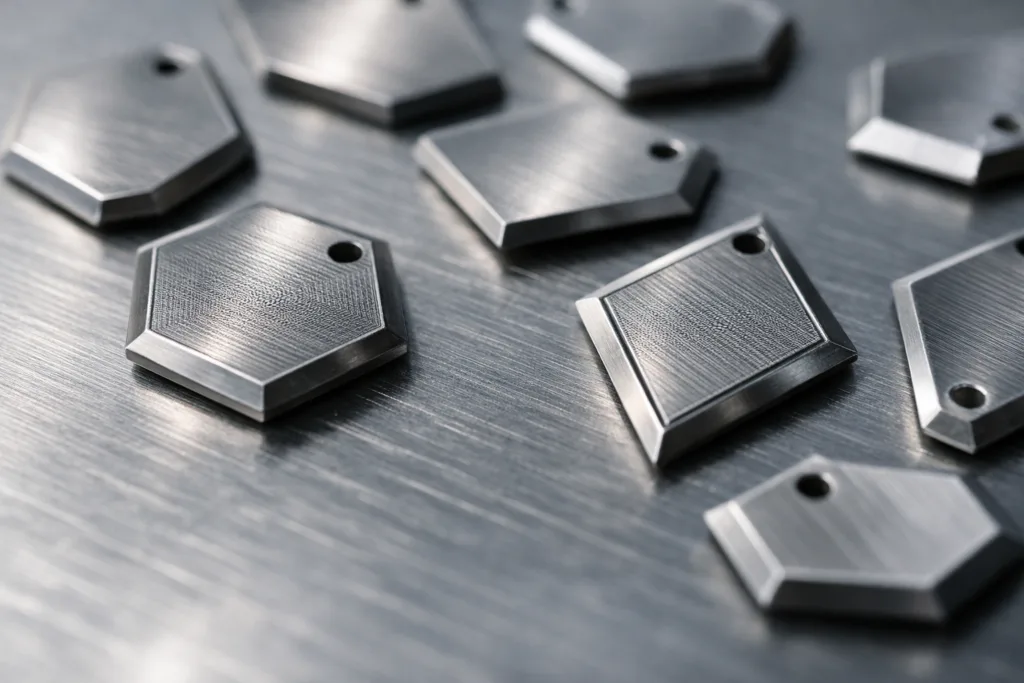
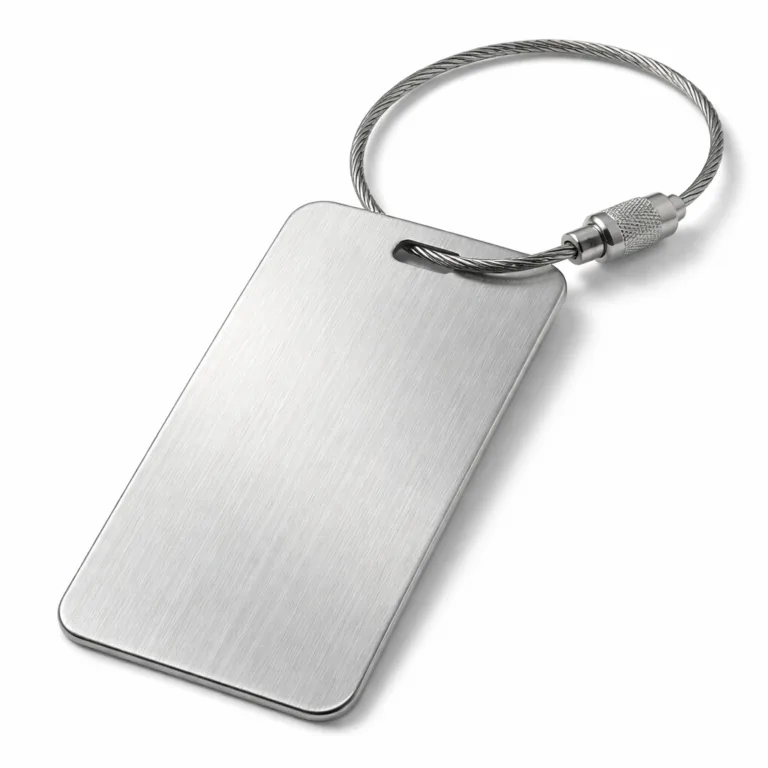
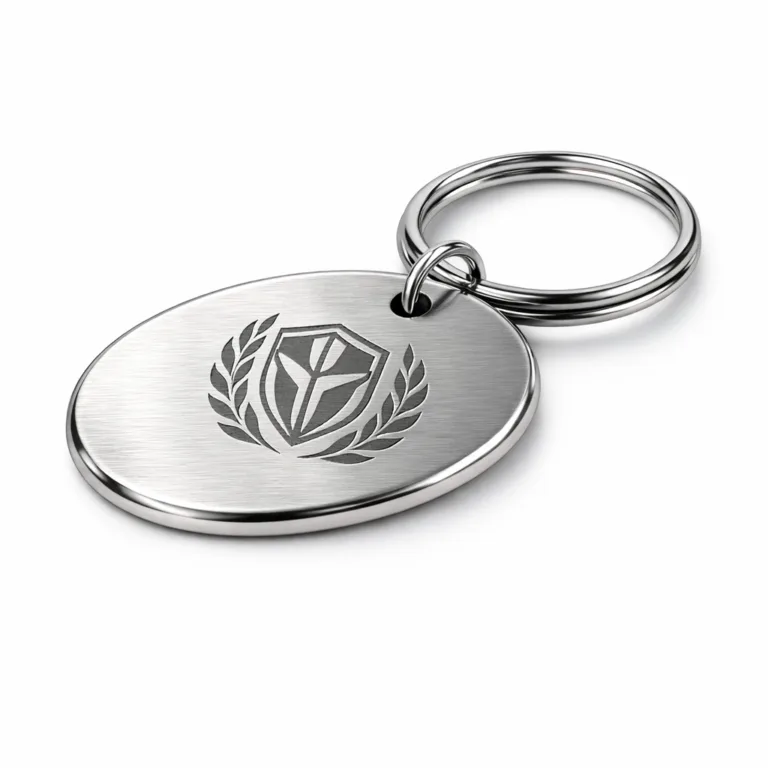
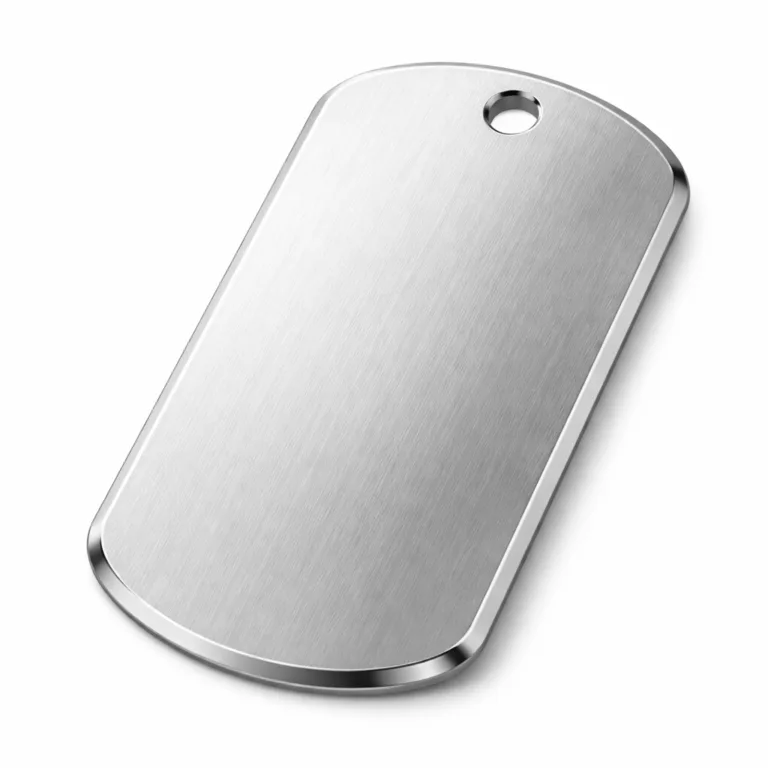
A metal tag functions as a durable identifier for a product, asset, or piece of equipment. Typical uses include nameplates, serial numbers, logos, or even custom messages on luggage, tools, or branded items.
Design has a direct impact on the tag’s readability and role. Well-chosen shapes like hexagons or diamonds don’t just add visual flair—they serve unique purposes. A diamond, for instance, channels focus towards its central area, emphasizing core information. A hexagon creates a compact and balanced look that is immediately recognizable while maximizing space efficiency.
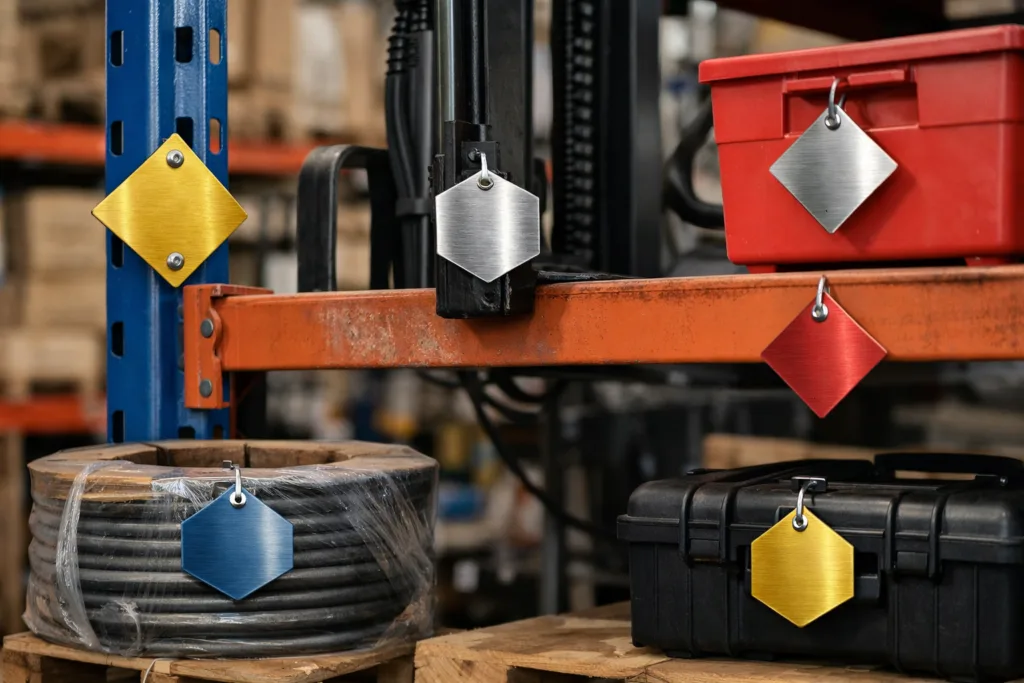
Metal tags with geometric shapes work well in diverse fields such as industrial equipment labeling, fashion accessories, luxury luggage, or even consumer electronics. Size and shape affect both visibility and touch recognition. In cluttered environments, geometric tags help users quickly identify assets, reducing operational errors and strengthening brand recall.
- Hexagons: Known for their symmetrical balance and adaptability to various mounting orientations.
- Diamonds: Offer a directionally focused silhouette that draws attention to center details.
- Rectangles & Circles: Common, but less distinctive compared to geometric focus shapes.
For procurement specialists and engineers, aligning the tag’s form to its function is key. A well-designed geometric tag ensures efficiency and clarity in the field—delivering both identity and reliability.
Materials Comparison for Hexagon and Diamond Tags
Choosing the right material for hexagons, diamonds, metal tags requires weighing several trade-offs between durability, aesthetics, manufacturing ease, and cost.
| Material | Corrosion Resistance | Weight | Aesthetic Appeal | Cost | Geometric Shape Manufacturability |
|---|---|---|---|---|---|
| Aluminum | Excellent (with anodizing) | Lightweight | Modern, versatile finishes | Low | High (suitable for sharp angles) |
| Stainless Steel | Superior | Heavier | Industrial, high-gloss or matte | Medium-High | Excellent (precise edges achievable) |
| Brass | Good (may tarnish) | Medium | Classic, premium look | Medium | Good (softer but holds shape well) |
Aluminum is favored for its low weight and adaptability—anodized finishes can enhance corrosion resistance for outdoor use. Stainless steel excels in harsh environments, especially if abrasion, salt, or chemicals are present. It’s the go-to for diamonds or hexagons on industrial machinery where maximum durability is critical.
Brass stands out in premium or decorative applications. While it may develop patina over time, many brands intentionally seek this effect on logo plates or nameplates. However, brass tags are heavier and require more frequent maintenance outdoors.
From a production perspective, manufacturing precision geometric tags is easier with metals that tolerate fine cutting, stamping, and finishing, like anodized aluminum and certain grades of stainless steel. According to Rain Chen of UC Tag, “We select metal based on the required detail and application. Stainless steel works best for aggressive environments, but aluminum wins where lightweight and mass production matter most.”
The choice affects both initial costs and long-term maintenance. Lighter metals lower shipping expenses, while corrosion-resistant finishes extend service life—both vital for procurement planning.
Manufacturing Methods for Custom Geometric Tags
Creating custom-shaped metal tags—especially precise hexagons or diamonds—means matching your design intent with the right production method.
Stamping is efficient for high-volume orders. Steel dies punch out geometric shapes with speed and accuracy, ideal for consistent hexagons or mass-produced diamond tags. However, die setup has upfront costs and less flexibility for design changes.
Engraving methods fall into two main types: mechanical and laser. Mechanical engraving offers deep cuts and pronounced textures, perfect for logos needing tactile emphasis. Laser engraving, meanwhile, achieves extreme precision and works especially well for small, detailed geometric tags. Both methods allow intricate marking within hexagon and diamond outlines.
Chemical etching is another option, suitable for delicate designs and shallow textures. It’s often applied to stainless steel or brass, letting designers achieve sharp contrasts and detailed graphics on metal tags. However, etching isn’t as durable under heavy wear compared to deep engraving.
For color graphics or branding, UV printing and enamel filling add depth and vibrancy. These are often combined with laser-cut or stamped hexagons and diamonds to amplify visual impact.
- Stamping: Fastest for large runs, but limited for ultra-fine detail.
- Laser Engraving: Best for accuracy and variable data (sequential numbers, names).
- Chemical Etching: Delicate textures, suited to steel and brass, but less impact-resistant.
- Printing & Infill: Custom color options but require robust underlying metal prep.
Production run and lead times depend on the chosen manufacturing route. Stamping is fastest in scale but requires tooling; laser and etching offer flexibility for smaller orders and deep customization. Planning your production method up-front ensures the shape’s distinctiveness sharpens, not diminishes, your brand message.
For more on artwork preparation and design for die-cut tags, see How Custom Die-Cut Shapes Elevate Branding, Packaging & Product Design.
Design & Spec Checklist
A well-executed hexagon or diamond tag balances form, function, and manufacturability. Use this checklist as a practical guide:
| Specification | Hexagons | Diamonds |
|---|---|---|
| Recommended Size | 18–30mm width | 20–35mm diagonal |
| Thickness | 0.8–2.0mm | 1.0–2.5mm |
| Finishes | Anodized, matte, brushed | Polished, satin, antiqued |
| Holes/Attachment | Rivet holes, adhesive, chain slots | Corner holes, 3M tape |
| Text/Logo Tolerance | ≥0.2mm stroke | ≥0.25mm stroke |
| Color Contrast | High-contrast fill/print | Polished vs. sandblasted zones |
| Edge Finish | Deburred, smooth (no sharp corners) | Micro-chamfered for comfort |
Other areas to watch:
- Always confirm contrast between design and background—vital for visibility at a glance.
- Test attachment methods for your use case; for rough environments, opt for rivet or deep slot holes rather than adhesive alone.
- Maintain clear legibility, even with micro-sized tags. See UC Tag’s Expert Font Size Guide for practical text sizing best practices.
These geometric shapes invite creativity—use paint infill, two-tone plating, or brushed textures to highlight contours, and remember that hexagons, diamonds, metal tags thrive on precision and smart visual impact.
Durability and Testing Requirements
To achieve reliable performance, every diamond or geometric tag must meet defined standards for durability. The operating environment, tag material, and surface treatment all affect how your tag will age under real-world stress.

Corrosion resistance is a primary test—tags intended for marine, chemical, or outdoor use benefit greatly from salt spray testing. This accelerates oxidation and pinpoints potential failure of finishes, especially if the tag is anodized or coated. For highly durable tags, abrasion and scratch resistance must be verified, as both diamonds and hexagons often highlight wear at their edges and corners due to their angular profiles.
UV resistance is a must for outdoor tags, especially for printed or colored finishes. Fading or degradation in sunlight quickly undermines both branding and legibility of key data.
Typical acceptable lifespans range from 3 to 10 years, depending on material and finish. Stainless steel diamond tags, for example, can often exceed a decade in harsh factory or outdoor settings. Lower-cost aluminum tags might require replacement sooner—unless upgraded with enhanced anodizing or UV-resistant infill.
Compliance with relevant industry standards—for example, ASTM B117 for salt spray (corrosion), or EN ISO 11998 for abrasion—provides peace of mind when specifying tags for regulated applications. Always demand real-world testing rather than relying solely on manufacturer claims; environmental stresses in the field reveal true durability.
For a practical guide on rust proofing and increasing metal tag longevity, visit How to Maximize Tag Durability: Rust Proofing Strategies for Humid Environments.
Industry/Application Fit for Geometric Tags
Where are hexagons, diamonds, metal tags most powerful? Applications stretch across both industrial and consumer fields. In manufacturing, geometric tags make equipment IDs, batch serials, or asset tracking both durable and easily distinguishable—think clear, laser-engraved hexagons riveted to control panels, or oil- and corrosion-proof diamond plates on tool cases.
In consumer branding, luggage and fashion brands turn to custom-cut hexagon and diamond tags for their instantly recognizable outlines. These elevate perceived value, reinforce luxury cues, and contribute to the tactile and visual impact at point of sale. Asset tracking in warehouses benefits as well—geometry-based tags are less likely to be mistaken or obscured, ensuring inventory management systems run efficiently.
Consider a UC Tag project for a European outdoor gear manufacturer: switchable hexagon tags engraved with QR codes helped integrate rapid tracking with a rugged, modern look—uniting design and data in one compact identifier.
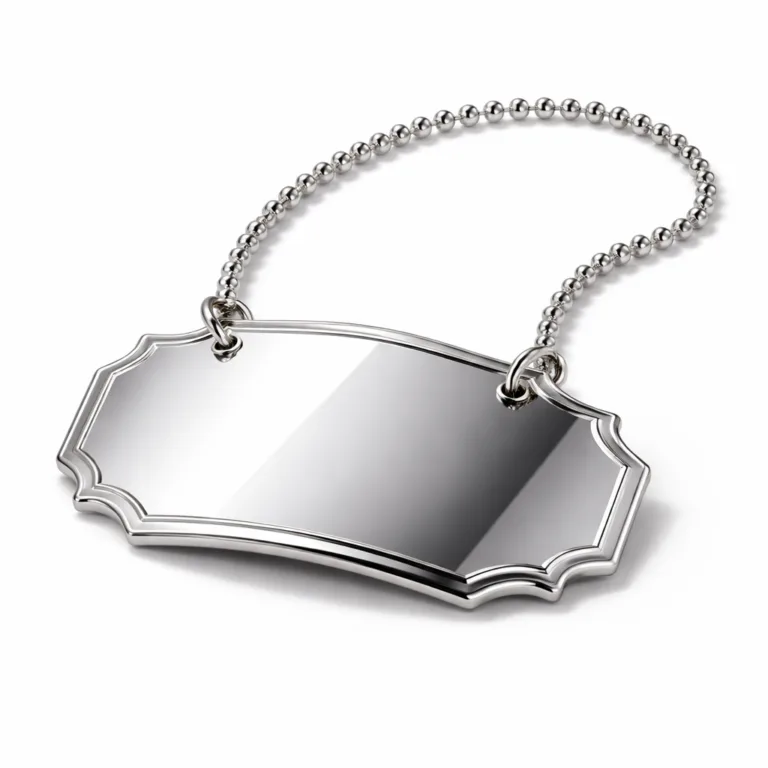
Custom solutions abound for healthcare, electronics, and wine industries. From diamond vintage wine tags for collectors to hexagonal tech asset plates, the right geometric match enhances both user interaction and brand differentiation.
Explore more about the use of custom shapes in luxury and promotional branding in How Custom Die-Cut Shapes Elevate Branding, Packaging & Product Design.
Common Mistakes and Troubleshooting
Designing and producing geometric tags isn’t without challenges. The most common mistake with diamond-based tags is poor text placement—key data squeezed into narrow corners or poor color contrast making details unreadable.
Adhesive selection often dictates long-term success. Using the wrong grade of 3M tape or surface prep for diamonds can cause tags to peel or fall off, especially in heat, moisture, or rough handling. Rain Chen of UC Tag notes, “We’ve salvaged jobs for clients where insufficient adhesive led to entire batches coming unglued—always match adhesive to both tag weight and application surface.”
Corrosion and finish failure can plague outdoor or industrial settings. Overly thin coatings, missed edge preparation, or non-compliant plating lead to premature rusting or pitting. Low-contrast designs—such as dark fills on dark metals—also undermine both branding and function.
- Triple-check artwork for minimum text size and margin distances.
- Specify environmental testing (salt, UV, abrasion) for your intended application.
- For adhesives, align tape grade and prep to surface type and stress loads.
For more on common design and production pitfalls, see 5 Costly Design Mistakes That Stall Your Custom Tag Order (and How to Avoid Them).
Ordering Guide for Metal Tags
Ordering custom hexagons, diamonds, metal tags involves a few critical steps. Minimum order quantity (MOQ) is the first consideration—most manufacturers require a start-of-production commitment due to custom die and setup costs. For common shapes, expect MOQs from 100 to 500 units per design.
Lead times typically range from 2 to 5 weeks, depending on these variables: production method (stamping vs. laser-cut), finish complexity, and QC/sampling requirements. Rush orders are sometimes available but often come with premium surcharges.
Artwork submission is vital for accuracy. Use vector-based files (AI, EPS, SVG) to guarantee shape precision for hexagons and diamonds—raster images (JPEGs, PNGs) can’t deliver the required line clarity. Request a digital proof and, for high-value runs or new suppliers, a physical sample before launching mass production. See more on this process in Should You Pay for a Pre-Production Sample?.
Shipping and packaging options adjust with order size—small runs may ship flat-packed, while larger quantities benefit from layer-protected cartons and anti-scuff films. Always specify handling for finishes like paint, enamel, or mirror polish. For a guide on optimizing bulk discounts, check out How to Master Bulk Discounts and Quantity Thresholds for Metal Tag Sourcing.
- Define shape, size, and finish before requesting a quote.
- Confirm MOQ, lead time, and sample process up front.
- Double-check file specs and approve proofs to ensure accuracy.
- Review packaging, shipping, and storage strategies for your finish and geometry.
For additional tips on cost-efficient sourcing, see UC Tag’s How Size, Colors & Material Choices Drive the Real Cost of Metal Tags.
Frequently Asked Questions
What are the benefits of using hexagons and diamonds in tag design?
Hexagons and diamonds offer high visibility, strong brand differentiation, and flexible space for logos or data, making tags easy to notice and remember.
How do material choices affect tag performance?
Material selection impacts durability, corrosion resistance, and appearance; aluminum is lightweight, stainless steel is most durable, and brass looks premium but may patina over time.
What manufacturing methods are best for durability?
Deep stamping and laser engraving enhance metal tag durability, especially for tags exposed to abrasion, chemicals, or harsh environments.
How can one ensure the readability of designs?
Use high-contrast finishes, minimum stroke widths, and clear margins around text and logos to keep information legible, even on small tags.
What testing should be conducted for outdoor tags?
Outdoor tags should undergo salt spray, UV, and abrasion testing to confirm resistance to corrosion, fading, and wear according to relevant industry standards.
What industries benefit most from geometric tags?
Industries such as manufacturing, asset tracking, fashion, electronics, and luxury branding utilize geometric metal tags for their blend of style and functional clarity.
Related Reading
- Unlock the Power of Custom Die-Cut Shapes for Standout Branding
- Choose Perfect Engraving Font Sizes for Maximum Tag Readability
- Maximize Tag Durability: Proven Rust-Proofing Solutions
- Avoid the Top 5 Tag Design Mistakes and Ensure Production Success
- Master Bulk Discounts for Smarter Metal Tag Sourcing
- Understand the Real Cost Factors in Metal Tag Projects