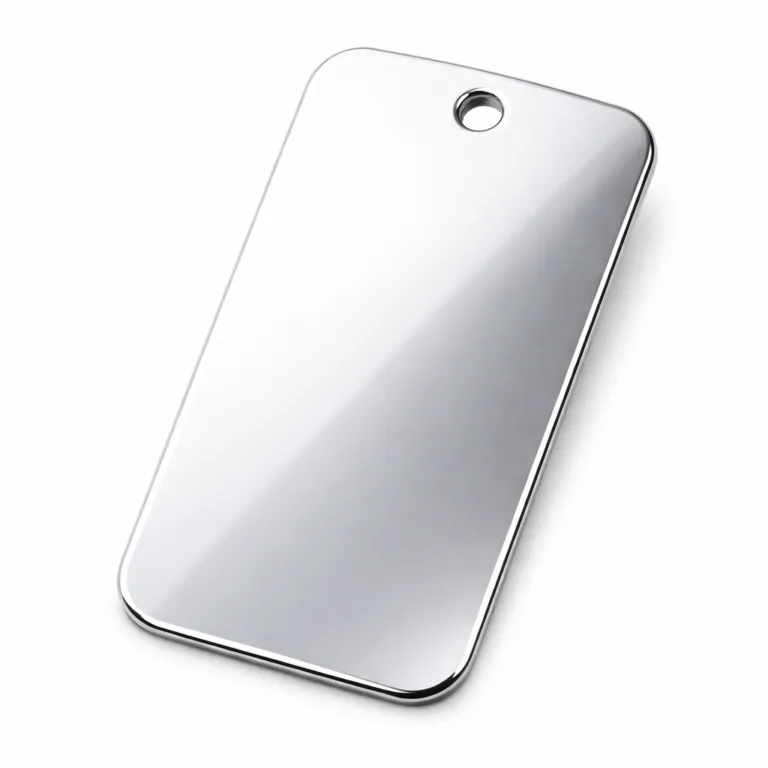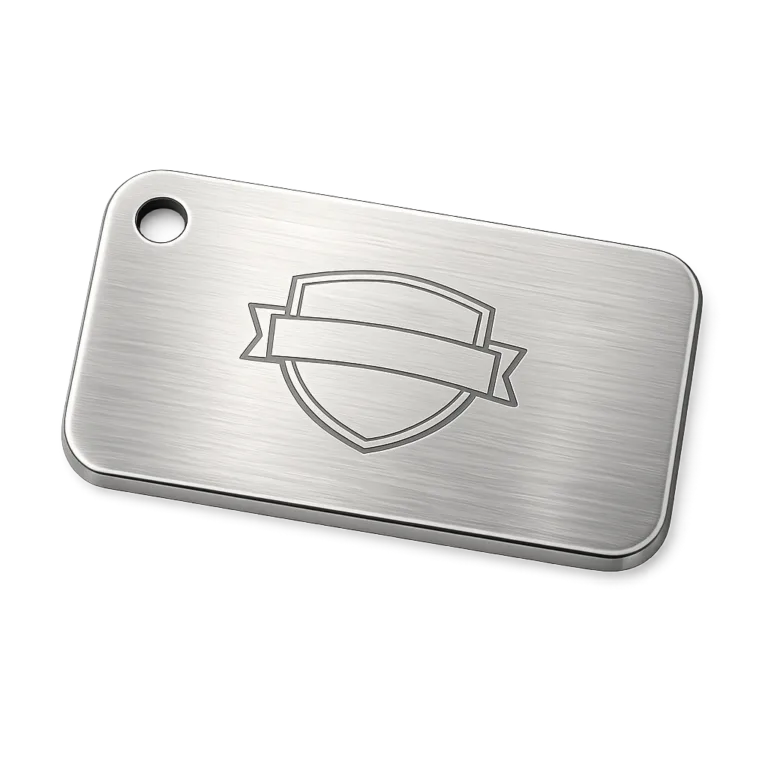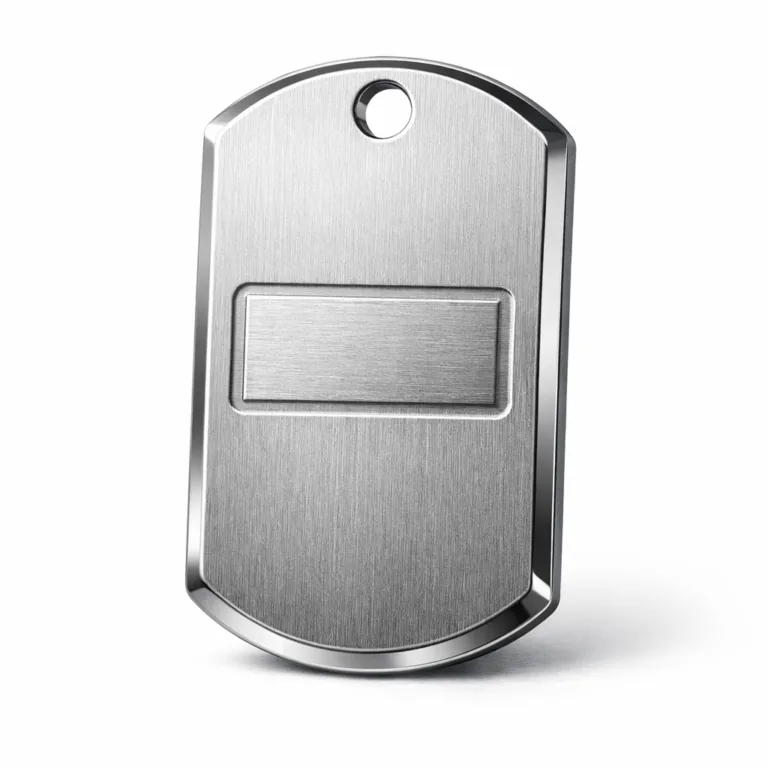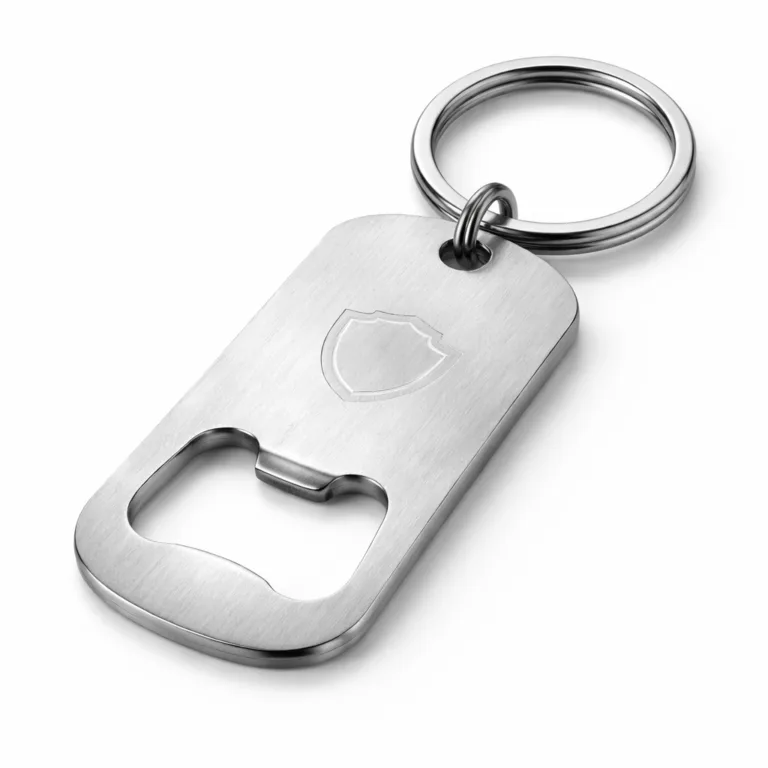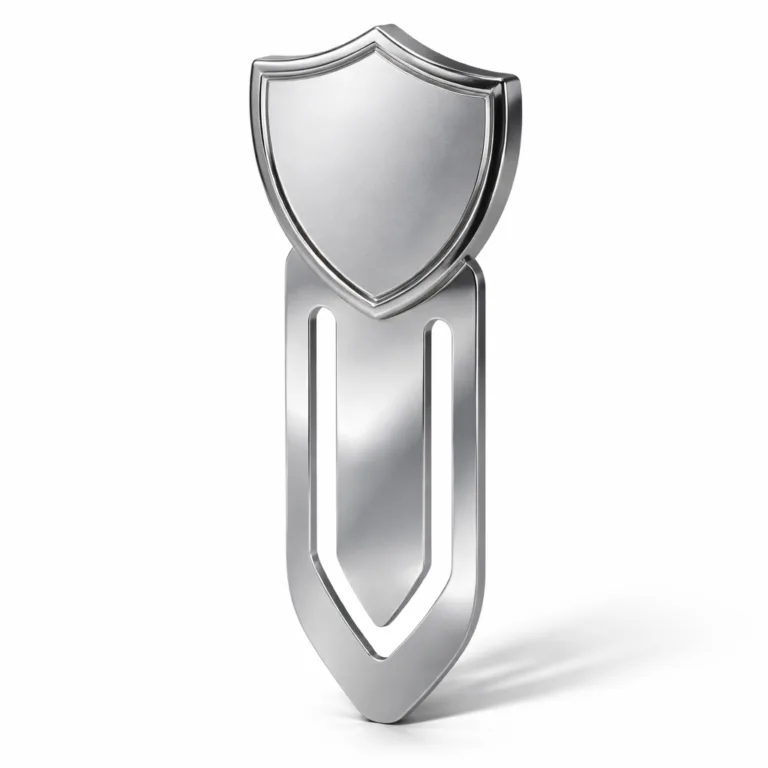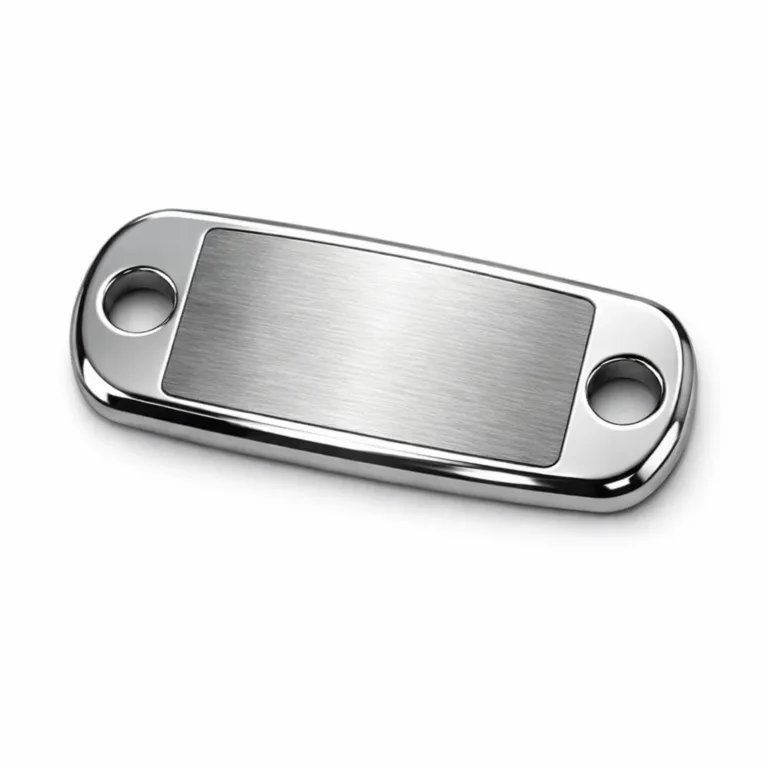
Shield shapes have played a key role in heraldry, crests, and identity markers for centuries. Today, design teams and engineers looking for distinctive logos, durable club tags, or custom awards are rediscovering the power of heraldry, crests, shield shapes to instantly communicate tradition, values, and strength across organizations of all kinds.
Understanding Heraldry and Its Importance
Heraldry is the ancient practice of creating armorial bearings, or coats of arms, using a unique set of symbols, colors, and shield shapes. Rooted in medieval Europe, heraldry began as a way for knights and noble families to identify themselves on the battlefield or in tournaments. Over time, it evolved into a complex system of graphic language that signaled lineage, achievements, and alliances.
Central to heraldry is the notion of conveying identity and establishing a legacy that endures through generations. Colors (known as tinctures), symbols (charges), and especially the shape of the shield itself all play distinct roles in telling a crest’s story. Each element carries rules and meanings—such as red (gules) for courage or lions for bravery—while shield shapes can reflect regional history or martial status.
Modern branding often borrows from heraldry by using logos, badges, and nameplates that evoke trust, prestige, or community. This practice bridges centuries-old traditions with today’s need for clear, authentic branding—whether for a club, company, or school. Understanding heraldic terminology, such as “escutcheon” (the shield itself), “chief” (top section), and “supporters” (flanking figures), helps designers and buyers communicate more precisely with manufacturers.
- Heraldry creates visual identity and narrative.
- Colors, symbols, and shield shapes are tightly regulated and deeply symbolic.
- Elements from heraldry can be adapted for product marks, tags, and club insignia today.
The Significance of Shield Shapes in Heraldry
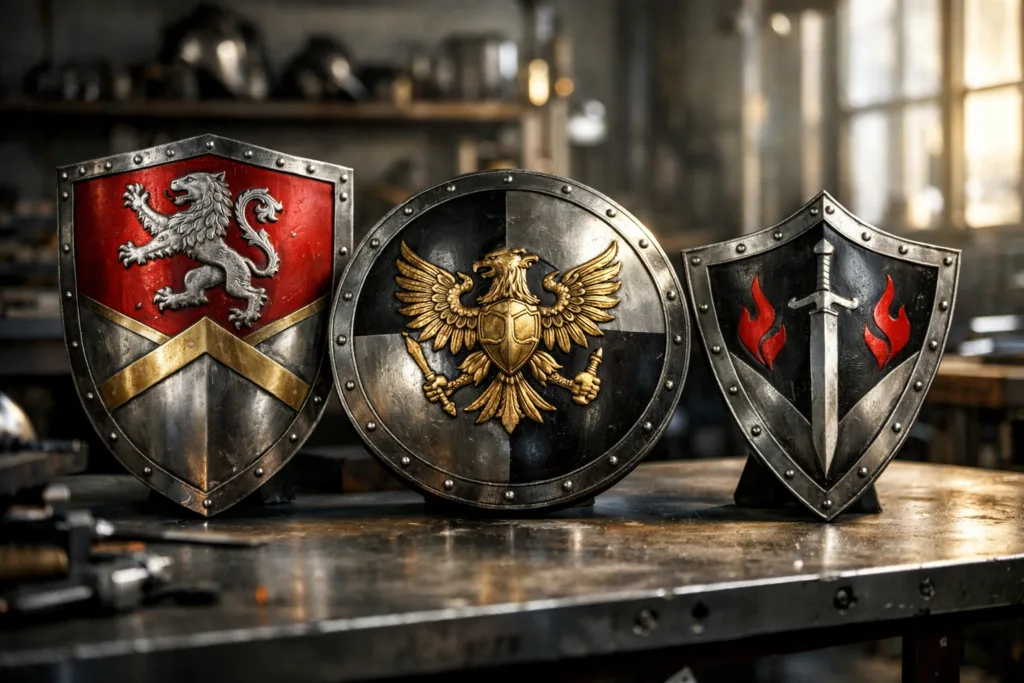
Shield shapes are perhaps the most eye-catching and foundational component in heraldic design. The ‘heater’ shape—with its rounded top and pointed bottom—became widely associated with European knights and remains the most recognizable type. Round shields date to earlier periods and symbolize unity and timelessness, while square or rectangular shields might hint at strongholds, foundations, and reliability.
Triangular shields, particularly the Italian ‘scutum’ or the Spanish ‘escudo’, represent agility and a forward-thinking spirit. The choice of shape can reflect not only geographical tradition but also subtle values: a group favoring innovation might pick a sharper, angular design to stand apart from organizations rooted in convention.
Culture influences every aspect of shield selection. For instance, classic British heraldry tends toward heater and oval shields, while Central European crests may favor a ‘targe’ shape. Even within modern organizations, these historic influences endure—universities might retain a medieval shield outline to signal tradition, while tech clubs adopt minimalist, geometric shields to capture modernity.
Real-world implementations abound: many sports teams choose heater shields for their crests to evoke resilience and a fighting spirit. Educational institutions often integrate rounded or spade-shaped shields that reflect inclusivity and legacy. When UC Tag works with clients needing custom crest tags, the team often guides them through historic shield reference libraries, pairing meaning and aesthetics in each project.
Selecting the Right Shield Shape for Your Organization
Choosing the right shield shape is both an artistic and strategic decision. The design should align with your organization’s values—whether honoring tradition, demonstrating adaptability, or embodying unity. Start by listing your organizational traits and matching them to historic meanings:
| Trait | Recommended Shield Shape | Historic Meaning |
|---|---|---|
| Tradition | Heater, Targe | Loyalty, endurance |
| Innovation | Triangular, Modern geometric | Progress, agility |
| Unity | Round, Oval | Wholeness, inclusion |
| Strength | Square, Scutum | Reliability, protection |
Think about your target audience and what cues will resonate. If your group serves a highly traditional demographic, adhering to historic shield profiles or family patterns may build trust and pride. Conversely, youth clubs may respond better to fresh, stylized outlines that break with expectation.
Brainstorming shield shapes can be collaborative—share sketches, review reference shields, and discuss which attributes of the shape remind you most of the group’s personality. Simplicity aids visibility and reproducibility, especially when mass-producing tags or crests, but sometimes a more complex edge or cut allows for a unique statement.
Clubs and schools occasionally refresh or modernize their marks. This must be handled with care. A notable example is when a longstanding debating society switched from a heater shield to a round shield to better reflect its open, inclusive policies—increasing member pride and visibility. When exploring updates, allow room for feedback and prototyping before final approval.
Materials for Heraldic Shields: A Comparison
The material of your shield tag has a profound impact not only on durability, but also visual appeal and symbolic weight. Aluminum, stainless steel, and brass dominate the market for club crests and industrial branding tags.
| Material | Pros | Cons | Ideal Use |
|---|---|---|---|
| Aluminum | Lightweight, corrosion resistant, affordable | Softer, less “heft” than steel/brass | Large quantities, outdoor awards, cost-sensitive badges |
| Stainless Steel | Extremely durable, rustproof, modern finish | Heavier, higher cost | Outdoor/exposed signage, heavy-use tags |
| Brass | Classic gold tone, engraves well, prestige feel | Higher price, potential tarnish over time | Luxury gifts, ceremonial crests, legacy applications |
In harsh outdoor environments, anodized aluminum is often the best choice for longevity and lightweight functionality. For ultimate longevity and a striking, modern look, stainless steel stands out—especially when combined with deep laser engraving or embossed details. Brass commands attention with its rich color and historic associations, making it perfect for award plaques or commemorative emblems.
The right choice will depend on whether your use case involves frequent handling, display conditions, and of course, budget constraints. Some applications may combine materials, such as a stainless steel base with a brass-plated crest for contrast and storytelling.
Manufacturing Methods for Custom Heraldic Shields
Once the shield shape and material are decided, selecting the manufacturing technique is key. Stamping, engraving, etching, and UV printing each offer distinct advantages and drawbacks depending on your goals.
- Stamping: Best for bulk runs of simple or bold designs. Creates crisp raised or recessed features but requires a custom die (affecting lead time and cost).
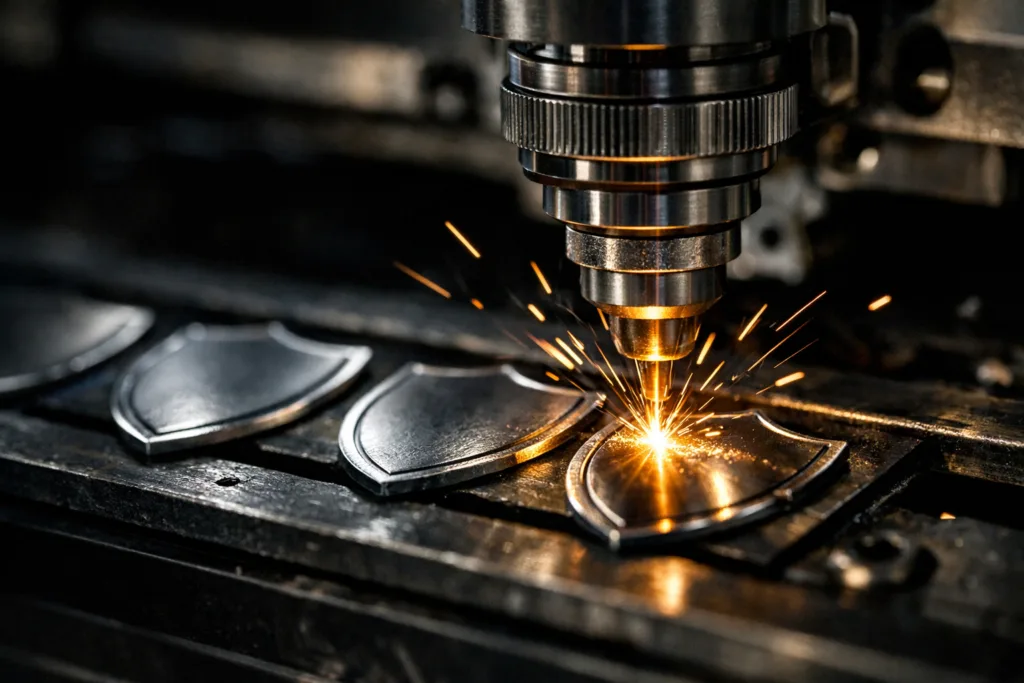
- Engraving: Ideal for fine detail, serial numbers, or variable data. Laser and CNC engraving work especially well on stainless steel and brass.
- Chemical Etching: Allows for highly intricate patterns and subtle shading effects. Good for multi-color infill and layered depth.
- UV Printing: Suitable for vibrant, full-color crests. Best for indoor applications or where fine photographic detail is needed.
Durability and final appearance are directly linked to both the method and the chosen material. For example, anodized aluminum shields etched with laser provide exceptional weather resistance and legibility, while a deep-stamped brass tag offers unmatched tactile quality but may require more post-process finishing.
Lead times and costs vary. Custom dies for stamping or embossing add upfront investment but pay off for high-volume orders. Engraving is efficient for personalization or small batches. At UC Tag, production lead time is influenced most by artwork approval and prototyping. Sharing vector files and approving samples early streamlines the path to a flawless finished product.
Design & Specification Checklist for Heraldic Shields
Moving from concept to production means nailing both design elements and manufacturing needs. Here’s a practical checklist to ensure your crest tags turn out exactly as intended:
- Determine shield size and thickness based on display requirements.
- Choose colors (enamel, UV print, anodization) that offer high contrast for readability.
- Select symbols and typography that reinforce your organization’s story.
- Specify attachment methods—like holes for screws/rivets, or adhesive (such as 3M backing adhesive backing).
- Account for recommended manufacturing tolerances (often ±0.1 mm to ±0.3 mm based on material and process).
- Conduct a final review of proofs for color accuracy and edge finishing.
Including these specifications on your technical drawing or order form helps manufacturers deliver consistent, production-ready crests. Even minor details—like specifying a brushed vs. polished finish—impact the final visual and tactile experience.
Ensuring Durability Through Testing and Quality Control
Long-lasting shield tags require rigorous testing, especially for outdoor or industrial environments. Common assessments include corrosion resistance (salt spray testing), abrasion/impact testing, and UV exposure trials to confirm that colors and finishes won’t fade or chip prematurely.
For outdoor crests, ensure standards like ASTM B117 for salt spray and ISO 4892-2 for UV resistance are met. Expected lifespan varies: anodized aluminum and 316-grade stainless steel can last decades with minimal corrosion, while plated brass needs periodic maintenance but excels in elegance for ceremonial applications.
Frequent failure points include fading due to poor surface prep, delamination when adhesives aren’t matched to substrates, or weak points where thin shield contours flex or bend. To combat these, Rain Chen from UC Tag recommends reviewing not only the design itself but also the assembly method and surface finish before committing to large production batches.
Robust quality assurance protocols monitor coloration, dimensional accuracy, and serial data before shipment, benchmarking against industry standards for consistent performance.
Real-World Applications and Industry Fit for Heraldic Shields
Heraldic shields and crests are far from outdated; they thrive in contemporary branding across industries. Sports clubs use shield-shaped logo plates as a symbol of unity on uniforms and equipment. Universities rely on distinctive crests to reinforce alumni loyalty on commemorative items and event medals. Corporate identities are often strengthened with anodized metal nameplates featuring updated, yet classically inspired, shield outlines.
Heritage plays a huge role in the decision-making process for buyers and designers: retaining a traditional shield shape or crest communicates continuity, while a modern twist can signal a new era or brand evolution. Creative applications go beyond uniforms and pins—awards, access control tags, and even custom wine club membership tokens use shield-shaped metal tags to combine function with heritage.
Local and community-focused organizations use heraldic elements to build belonging. A youth robotics club might opt for a stylized shield, enhancing solidarity and group pride. Many organizations looking to elevate their trust factor include complete crests on keychain tags (keychain tag manufacturer) or metal luggage tags (luggage tag manufacturer), offering members a portable symbol of identity wherever they go.
Common Mistakes to Avoid in Heraldic Shield Design
Pitfalls in heraldic shield design can compromise both aesthetics and performance. Poor color selection is a frequent issue—low-contrast combinations may render crests unreadable from a distance or in harsh lighting. Overly complex symbol arrangements, while impressive in digital designs, often lose clarity when reduced to tag size or mass-manufactured.
Material mismatches occur when the shield substrate isn’t fit for its intended environment: brass may tarnish quickly in oceanfront applications, while untreated aluminum could warp under extreme heat. Always specify use cases in every order.
Another overlooked issue is aligning shield shapes with brand values. A tech startup using a medieval heater shield may appear out of touch unless the heritage connection is clearly communicated. Finally, insufficient proofing—skipping a physical sample or ignoring technical tolerances—can lead to costly reworks. Always validate artwork and samples before the main production run.
Ordering Guideline for Custom Heraldic Shields
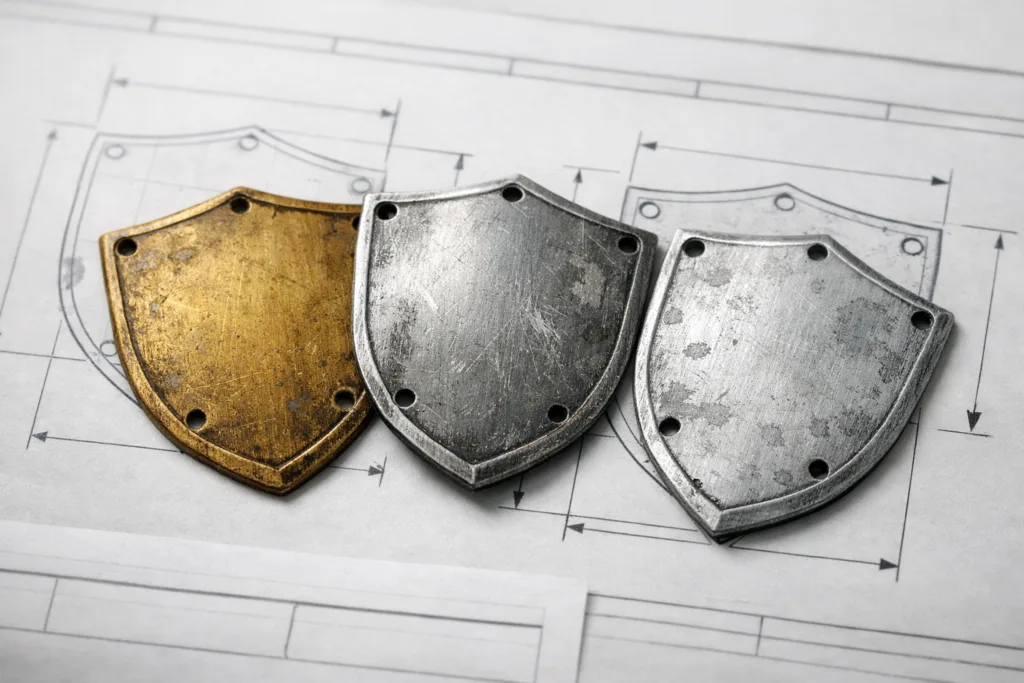
Ordering custom shield tags is a process that rewards attention to detail. Most manufacturers set a Minimum Order Quantity (MOQ) due to setup time for dies or fixtures; this ranges from a few dozen for engraved tags to hundreds for stamped or embossed designs. Lead times can run from two to six weeks depending on complexity and order size.
Prepare and submit vector artwork accurately and review digital proofs for layout and color. Sampling is highly recommended: request a pre-production sample or a standard sample (standard samples) to evaluate quality and finish. For packaging, options include individual organza bags, bulk bubble wrap, or branded boxes for awards and gifts.
Shipping methods range from courier express for urgent needs to economical sea freight for bulk orders. During production, stay in touch with your point of contact—timely communication of approvals or revisions accelerates the process. For more on efficient approvals, see how reordering metal tags and optimizing mold fees can benefit your bottom line (reordering metal tags).
Frequently Asked Questions
What materials are best for outdoor use?
Stainless steel and anodized aluminum are best for outdoor heraldic shield tags because they resist corrosion, fading, and wear in harsh environments.
How long does the customization process take?
Depending on the manufacturing method and order size, customization typically takes two to six weeks, including artwork approval and proofing steps.
Can you modify existing designs?
Yes, most manufacturers can update or adapt existing heraldry, crests, shield shapes to reflect new branding or requirements while preserving core elements.
What are the best attachment methods?
Attachment options include drilled holes for rivets or screws, industrial adhesives (like 3M), or custom fixtures depending on the end-use and material.
How do you ensure color accuracy in production?
Color accuracy is maintained through calibrated printing, enamel, or anodization processes, plus a physical sample approval stage before mass production.
Can you produce a single unit for a prototype?
Single prototype units are possible for engraved or printed shields, while stamped or molded designs may require a higher MOQ due to tooling costs.
Related Reading
- Discover How Geometric Tag Shapes Modernize Your Brand’s Image
- Boost Product Identity with Eye-Catching Custom Die-Cut Metal Tags
- Pro Tips for Engraving Unique Names on Bulk Metal Tags Flawlessly
- Avoid These 5 Mistakes That Often Derail Custom Tag Projects
- How 3M Adhesive Backing Can Skyrocket Metal Logo Tag Durability
- Cut Repeat Order Costs with these Smart Mold Fee Strategies