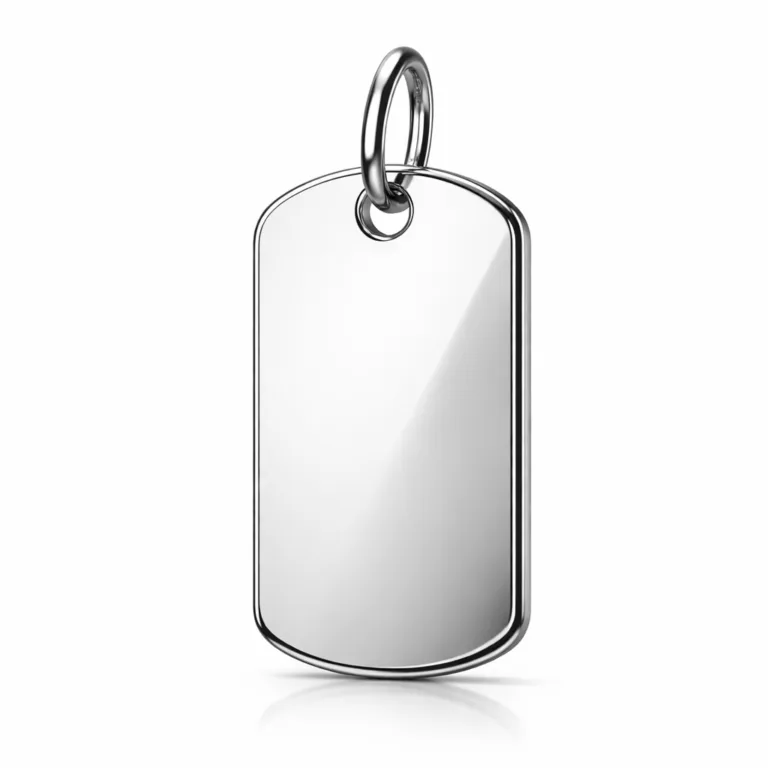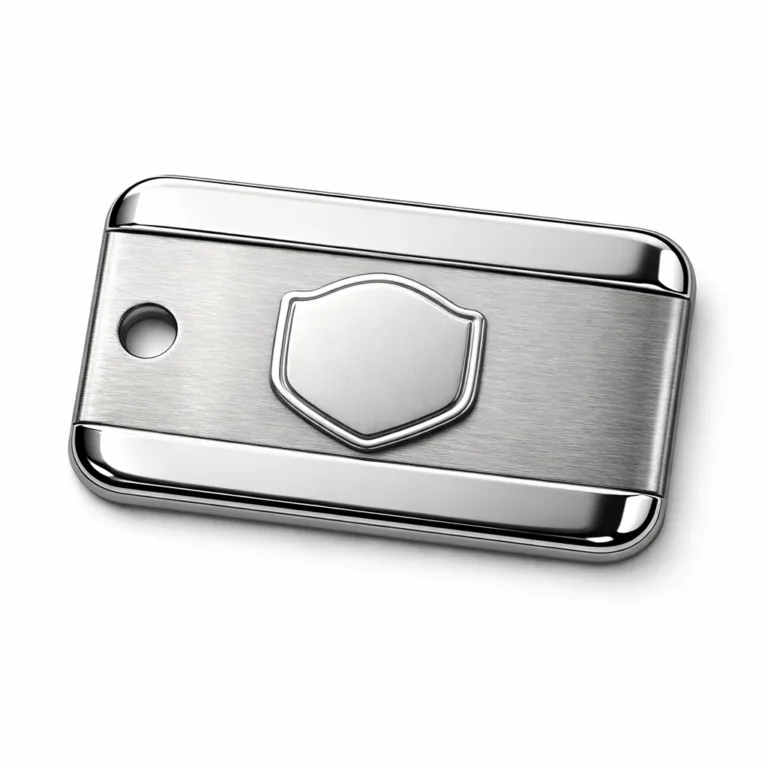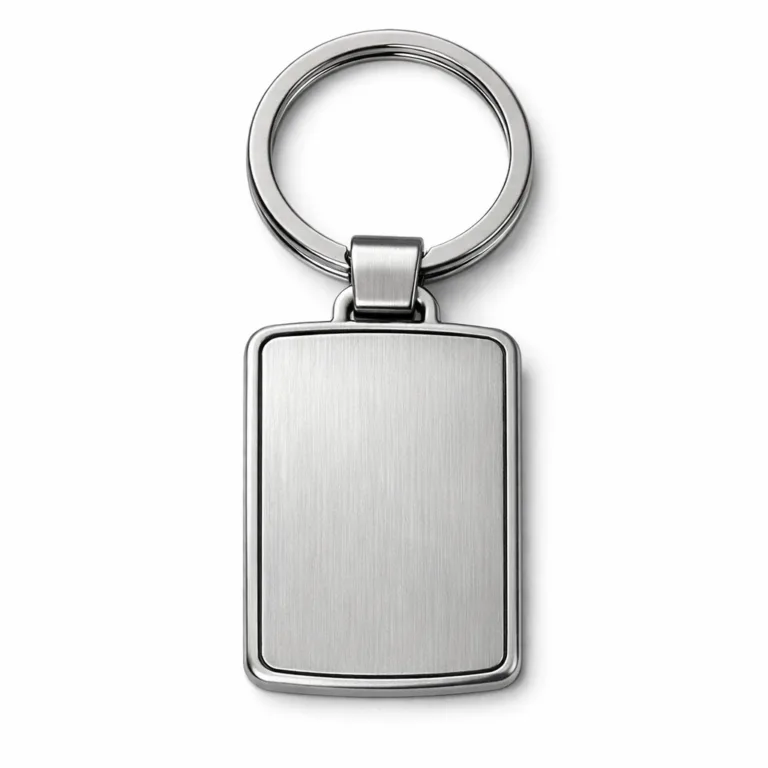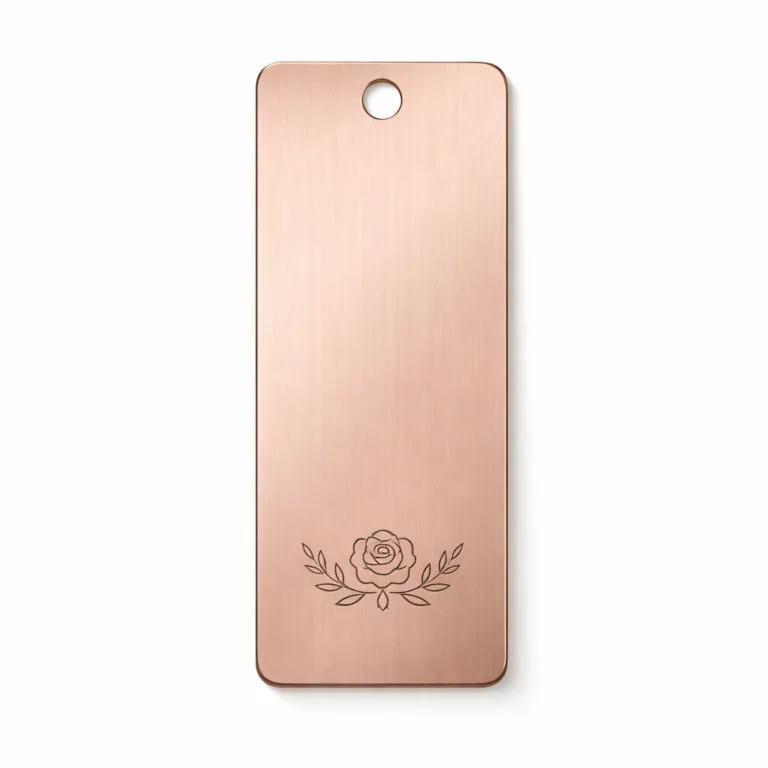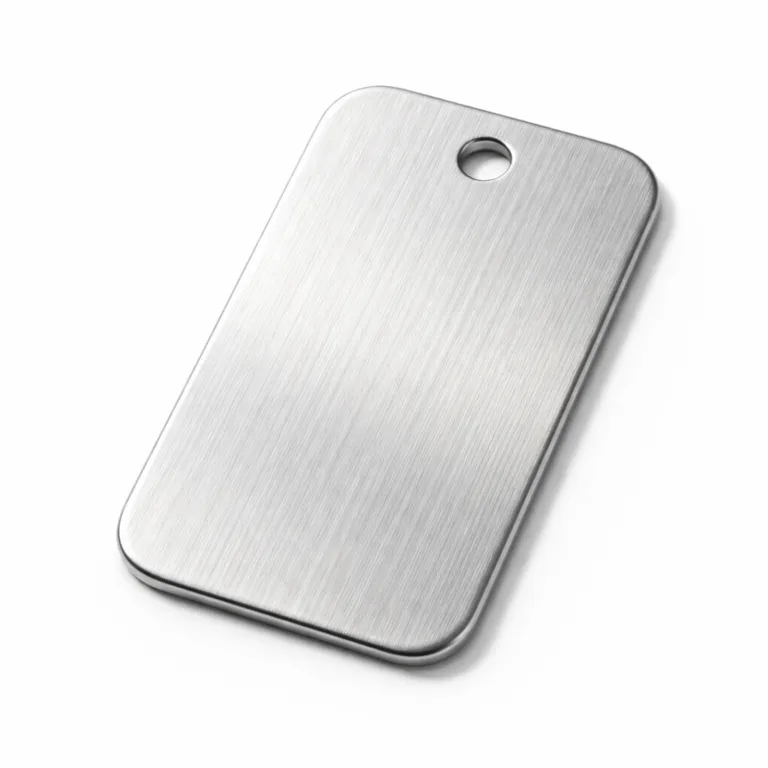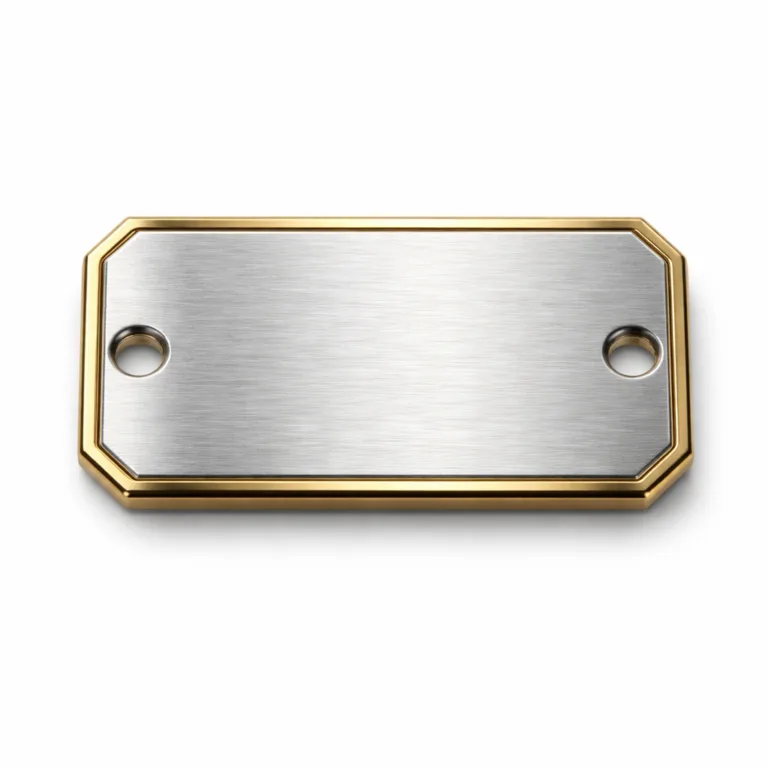
Heavy duty motorcycle tags are more than small pieces of metal with names or numbers on them. In club use, they can carry identity, chapter recognition, ride history, memorial meaning, role status, or event participation. From a manufacturing perspective, what matters is not only the visual design, but how the tag will be worn, handled, exposed to weather, and reproduced consistently across a club order. A ride tag that looks good in a mockup but scratches easily, reads poorly, or varies from batch to batch will not serve the club well over time.
For clubs that need durable member identification, event tags, chapter tags, or role-based metal badges, our custom dog tag manufacturing solutions are often a practical starting point. We can help buyers compare material options, choose suitable marking methods, confirm serial or member data, plan attachment details like chains or split rings, and review samples before bulk production so the final tags match the club’s style and real-world use.
What heavy duty motorcycle ride tags are and why clubs use them
In motorcycle club culture, ride tags often work as personal markers that carry meaning beyond basic identification. A tag may show the club name, member number, chapter, riding status, memorial dedication, anniversary year, or participation in a specific run or rally. Some clubs prefer a simple military-style profile. Others want heavier metal, deeper relief, dark finishes, or more symbolic artwork.
What actually makes a tag “heavy duty” is usually a combination of factors: stronger metal, practical thickness, durable marking, clean edge finishing, and an attachment method that matches the way the tag will be worn or carried. If the tag is expected to live on a key ring, vest attachment, saddlebag zipper, lanyard, or bike-related gear, the production details need to support repeated handling.
In many projects, the buyer already knows the visual direction. The missing part is usually manufacturing clarity. For example, should the information be engraved or stamped? Is aluminum enough, or is stainless steel more suitable? Does a black finish improve style but reduce contrast? These are the decisions that affect the result.
How metal ride tags support membership identity, unity, and club recognition
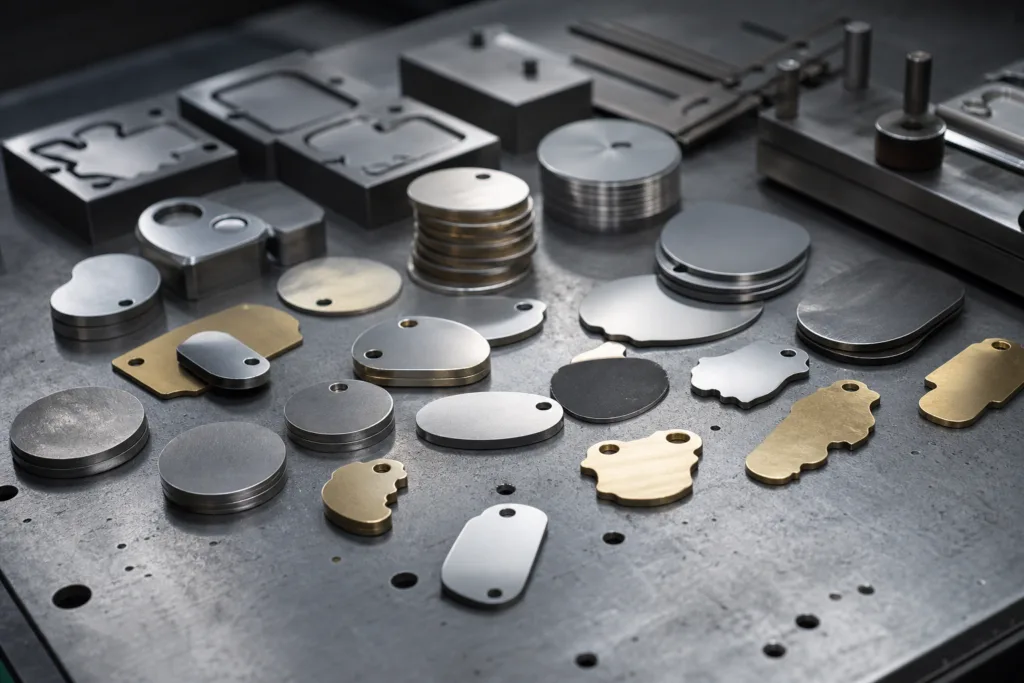
Ride tags often function as compact symbols of belonging. They help standardize how membership details are presented while still leaving room for hierarchy, chapter distinction, or special recognition. A well-made tag can feel personal without becoming inconsistent across the club.
For club leaders, consistency matters. If one batch has a different hole location, a lighter gauge, or a weaker finish than the last batch, members notice. That is why bulk club orders should be planned as systems, not just graphics. We usually suggest confirming the core structure first: base shape, size, thickness, finish family, text layout, and attachment style. Once those decisions are stable, personalization like member numbers or chapter names becomes much easier to manage.
Some clubs also want a stronger visual style that feels tougher and more rugged than a standard ID tag. In those cases, a tactical-style heavy duty tag design can be a useful reference for shape language, darker finishes, and bold visual balance, especially when the tags are intended to reflect club identity rather than simple utility.
Common uses for ride tags in motorcycle clubs, rides, events, and rallies
Not every motorcycle ride tag serves the same purpose. Understanding the use case helps determine how much durability, personalization, and finishing control is needed.
- Member identification tags for names, numbers, chapter, or role
- Ride participation tags for memorial rides, annual events, or chapter runs
- Status tags for officers, road captains, support crew, or special membership levels
- Commemorative tags for anniversaries, brotherhood milestones, or tribute events
- Fundraising or limited-edition tags that clubs distribute during rallies or gatherings
A participation tag for one event may prioritize visual impact and moderate durability. A long-term member tag usually needs stronger wear resistance and clearer permanent marking. This detail may look small, but it can create problems later if it is not confirmed early.
Material options for heavy duty motorcycle tags
For buyers, the key is not only the product name or price, but whether the material, structure, marking method, and application requirements match the real use case. Below is a practical comparison.
| Material | Typical Strengths | Best Fit | Watch Points |
|---|---|---|---|
| Stainless steel | Strong, corrosion resistant, solid feel, long wear life | Premium club tags, outdoor use, long-term member tags | Heavier and usually higher cost than aluminum |
| Aluminum | Lightweight, cost-efficient, easy to color and mark | Event tags, larger-volume orders, colored designs | Softer than stainless steel, can scratch more easily |
| Brass | Warm classic appearance, decorative character, good for vintage styling | Heritage look, memorial tags, prestige club designs | Finish choice matters if buyers want less surface change over time |
| Anodized aluminum | Lightweight with colored surface options and good visual contrast | Numbered tags, chapter color systems, lightweight wear | Color and engraving contrast should be tested in sample stage |
Stainless steel is often the safer option when the tag will be carried daily, rubbed against keys or hardware, or exposed to sweat, weather, and repeated impact. Aluminum works well when weight, cost control, or color options are more important. Brass is usually chosen for style and symbolic value rather than minimum cost.
For some club projects, thickness matters almost as much as material. If the goal is a stronger hand feel and better resistance to bending, a thick-gauge metal tag construction approach may be more important than moving to a more expensive metal without changing the structure.
Which marking method fits best
The marking method should match the design, expected wear, and level of personalization. In our custom metal tag production work, this is one of the most important decisions because it affects readability, visual style, cost, and long-term performance.
Laser engraving
Laser engraving is practical for serial numbers, names, member data, and small-batch personalization. It works well when clubs need variable information from tag to tag. It is also useful for clean logos and controlled detail, but the visual depth depends on material and process setup.
Chemical etching
Etching is a good choice for finer detail, more complex artwork, and controlled line quality. It works especially well for logos, crests, borders, and decorative layouts where stamping may be too bold. Etched tags can also support paint fill or contrasting finishes when needed.
Stamping
Stamping gives a more physical, tactile impression. It suits bold characters, strong identity marks, and a rugged look. Clubs that want a classic hard-use aesthetic often prefer stamped tags, especially when the design intentionally leans into impact and wear character. Where long-term readability and a deeper visual impression are priorities, deep-stamped tags for long-wear identification can be a strong direction.
Screen printing or UV printing
Printing is useful when the project needs colored emblems, larger graphics, or more decorative layouts. It can look sharp, but for hard-wear ride tags it should be chosen carefully. If the tag will rub constantly against metal objects or hardware, engraved, etched, or stamped marking is usually safer than relying only on surface print.
Design choices that matter in daily use
Many tag problems do not come from the wrong metal. They come from design details that were not fully considered before sampling.
Shape
Rectangular dog-tag profiles remain popular because they are familiar, easy to wear, and efficient for text layout. But clubs also request shield shapes, coffin shapes, rounded rectangles, crest-inspired silhouettes, and custom cut forms. Custom shapes look distinctive, but they can affect tooling, edge finishing, and lead time.
Size
A larger tag gives more space for club artwork, role titles, and chapter lines, but it also adds weight. Small tags are easier to carry, yet they can become hard to read if too much information is packed in. If a club wants logo, member name, number, chapter, and event date all on one piece, the layout needs to be planned with actual readability in mind.
Thickness
Thickness affects feel, rigidity, and perceived quality. Thin tags can work for lightweight event issues, but long-term club tags usually benefit from a more substantial gauge. The right thickness also depends on hole position and attachment hardware. A tag with a narrow bridge near the hole may need stronger structure to avoid deformation over time.
Edge finish and corner treatment
Smooth edges and controlled corner radii matter more than some buyers expect. Ride tags are handled often. Sharp corners or rough cut edges can make a product feel unfinished even when the artwork is good. This is especially important for tags worn around the neck or carried in a pocket.
Surface texture
Matte, brushed, polished, antique, and darkened finishes all create different impressions. A polished surface can look striking, but fingerprints and small scratches may show faster. Matte or brushed surfaces often hide day-to-day wear better.
When a project requires more information without making the front look crowded, double-sided engraving for membership details is often the cleaner solution. It allows clubs to keep the front focused on identity and symbolism while moving names, numbers, or event text to the back.

Customization ideas that carry club meaning
The strongest ride tags are usually not the most complicated ones. They are the ones where each element has a purpose. Common customization fields include:
- Club name or abbreviated identity
- Member name or road name
- Member number or serial sequence
- Chapter name or region
- Officer role or status level
- Memorial date, founding year, or event year
- Badge-style symbol, crest, wing, skull, cross, or other approved iconography
- Motto or short phrase on the reverse side
It helps to decide early whether every tag in the order will share the same layout or whether there will be multiple versions for different ranks or chapters. Mixed data is manageable, but the file structure needs to be clean. A simple spreadsheet with one row per tag is often the most reliable way to control names, numbers, and chapter fields.
Readability and durability for outdoor and on-the-road use
Motorcycle club ride tags may be exposed to sun, rain, road dust, skin contact, and repeated friction. So durability should be discussed in practical terms, not only visual terms.
- Contrast: Dark text on a bright field or bright exposed metal against a dark finish is usually easier to read.
- Character size: Decorative fonts may fit the club mood, but very thin strokes can disappear in small formats.
- Depth or permanence: Surface decoration alone may not hold up as well as engraved, etched, or stamped content.
- Surface wear: Glossy finishes show scratches faster than brushed or antique-style surfaces.
- Attachment stress: A tag that swings from a ring or chain needs a well-placed hole and enough surrounding metal.
If the tag is intended for long-term use, we usually tell buyers to test the design against three questions: Can it be read quickly? Can it survive repeated contact? Will it still look acceptable after regular handling? At UC Tag, these questions are part of how we review custom metal tag projects before sample approval and bulk production.
Attachment options and what they change
Attachment choice affects both appearance and failure risk. Clubs often focus on the tag itself first, but the connection method is part of the product.
| Attachment Option | Best Use | Main Consideration |
|---|---|---|
| Ball chain | Classic neck-worn style | Needs compatible hole size and tag weight balance |
| Split ring | Keys, bags, gear attachment | Hole reinforcement matters for long-term movement |
| Jump ring or chain | Decorative hanging or vest attachment | Confirm hardware finish compatibility |
| Rivet mounting | Permanent fixture to gear or display item | Hole spacing must be precise |
| Screw mounting | Rigid attachment to cases or equipment | Better for mounted plates than personal wear tags |
| Adhesive backing | Flat-surface application only | Usually not ideal for a hanging ride tag exposed to movement |
For motorcycle club ride tags, chains and rings are usually the practical choice. If a tag is meant to be mounted on a box, plaque, or display board, rivets or screws may make more sense. The main point is to confirm the attachment at the same time as the hole size and hole position, not later.
How to choose the right tag for different club roles or membership levels
One smart approach for club orders is to keep a common tag family while differentiating versions by finish, back-side text, numbering logic, or role title. That preserves unity without making every piece identical.
- General members: standard finish, club name, member number
- Officers: same base tag with role title or different finish
- Chapters: same core layout with chapter field changed
- Memorial or anniversary tags: special reverse artwork or antique finish
- Event issue tags: lower-cost material or simplified construction for larger quantity
This is usually more efficient than creating totally different tags for every group. It helps with sampling, file control, and production consistency.
Balancing style, cost, and long-term durability for bulk club orders
Most buyers are trying to balance three things at once: the tag should feel meaningful, stay within budget, and hold up over time. In many projects, you cannot optimize every feature equally, so it helps to identify the real priority.
If the goal is club prestige and long-term daily use, stainless steel or heavier brass with engraved, etched, or stamped marking often makes sense. If the goal is a large annual ride giveaway, anodized aluminum or standard aluminum may be more practical. If the design needs dark tactical character, the finish may matter more than moving to a premium base metal.
Cost is usually affected by these variables:
- Material type and thickness
- Custom shape versus standard shape
- Single-sided versus double-sided marking
- Variable data such as names or numbers
- Finish complexity
- Hole count and hardware requirements
- Sample revision rounds
- Packaging style
For bulk orders, standardizing what can be standardized is often the easiest cost control method. A club can still create strong identity while using one common base size, one common hole position, and one controlled layout system.
Artwork and data preparation tips for accurate custom production
Production runs are smoother when the club submits complete information in a structured way. The most common delays come from incomplete text lists, inconsistent numbering, or artwork that has not been finalized.
What to confirm before sampling
- Final tag size and shape
- Material and thickness
- Finish color or plating style
- Front and back content
- Logo placement and line thickness
- Hole location and attachment hardware
- Whether numbers or names change from piece to piece
Data file tips
- Use one spreadsheet with fixed columns such as member name, number, chapter, title, and notes
- Keep spelling and capitalization consistent
- Do not mix temporary comments into production columns
- Mark optional fields clearly so blank spaces are not engraved by mistake
- Confirm whether leading zeros in member numbers must be preserved
This part is not glamorous, but it prevents expensive confusion. A strong design can still fail in production if the data structure is messy.
Sample approval, QC, and bulk manufacturing considerations
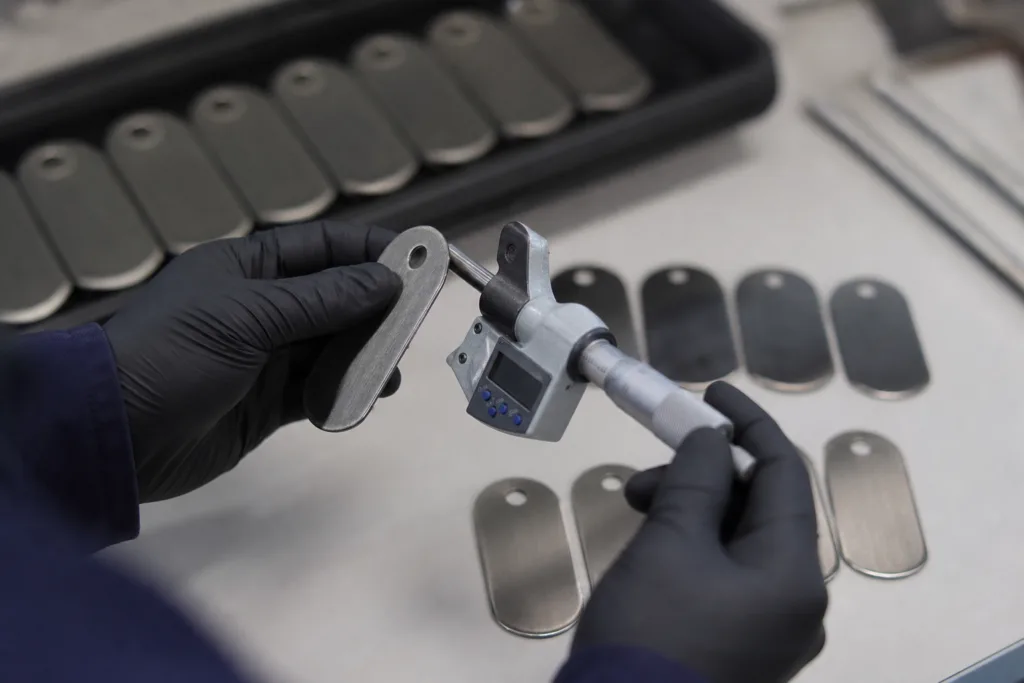
For club buyers, the sample stage is where most risk should be removed. We usually recommend checking the sample for five things: actual size in hand, readability, finish appearance, edge quality, and attachment fit. If the order includes variable data, ask to review how personalization will be handled before authorizing mass production.
In our manufacturing workflow, QC is not only about catching defects at the end. It should include artwork confirmation, material check, in-process marking verification, hole position control, finish consistency review, and final count verification for personalized sets. For numbered or named tags, sorting and packaging also matter. A perfectly made batch can still create trouble if the tags are packed out of sequence.
Lead time depends on design complexity, quantity, process choice, and whether tooling or repeated sample changes are needed. Buyers often ask for a date before all details are confirmed, but a realistic lead time needs a stable specification first.
Common mistakes to avoid when ordering motorcycle club ride tags
- Choosing by appearance only: a finish may look good in photos but wear poorly in the actual use condition.
- Adding too much text: crowded layouts reduce readability and weaken the design.
- Ignoring hole placement: poor hole position can make a tag hang awkwardly or stress the edge.
- Using decorative fonts at very small size: they often become hard to read after production.
- Skipping sample review: even a simple tag benefits from physical confirmation.
- Sending inconsistent member data: this creates avoidable errors in personalized orders.
- Mixing role versions without a clear coding system: production and packing become harder than necessary.
In many projects, the problem is not that the buyer chose the wrong category. The problem is that some production details were not clarified before sampling or bulk production.
How well-designed ride tags can strengthen loyalty, pride, and club unity
A ride tag is a small object, but in club culture small objects can carry a lot of meaning. When the design is right, the tag feels intentional. It reflects shared identity, not just decoration. Members notice the difference between a generic piece and one that was built with thought about material, finish, weight, wording, and symbolism.
From our metal tag manufacturing perspective, the strongest projects are usually the ones where the club knows what the tag should represent and the manufacturer helps translate that into practical production decisions. That means balancing craftsmanship with clarity: the tag should look right, feel right, and hold up in real use.
FAQs
What material is usually best for heavy duty motorcycle tags?
For long-term club use, stainless steel is often the safest option because it offers a solid feel and good resistance to wear and outdoor exposure. Aluminum is useful when lower weight or lower cost matters more, while brass is often chosen for a more classic or heritage look. The best choice depends on whether the tag is for daily member use, limited event distribution, or a more decorative commemorative piece.
Can each motorcycle club tag have a different member name or number?
Yes, variable data is common in custom tag production. Names, road names, member numbers, chapter names, and role titles can be changed from piece to piece if the order data is organized clearly. The easiest approach is to provide one clean spreadsheet with fixed columns so the manufacturer can match every record to the correct layout without confusion.
Which marking method lasts longer for ride tags?
For hard-use tags, engraved, etched, or stamped marking is usually more dependable than relying only on printed surface decoration. The best method depends on the artwork style and the metal, but in general deeper or more permanent marking handles repeated handling better. If the tag will be exposed to friction from keys, chains, or metal hardware, long-term readability should be a priority.
What should a club confirm before approving a sample?
Before sample approval, clubs should check size, thickness, finish, readability, edge smoothness, hole position, and attachment fit. They should also confirm that names, numbers, dates, and chapter details are shown exactly as intended. A sample should not be treated as a formality. It is the stage where most preventable production issues can still be corrected.
Do motorcycle club ride tags usually require a high minimum order quantity?
Minimum order quantity depends on the material, process, and level of customization. Standard shapes with straightforward marking are usually easier to produce in smaller runs than highly customized shapes with mixed data and multiple finish versions. For club projects, it helps to ask not only about MOQ, but also about what design choices may raise setup complexity.
How can clubs keep bulk orders consistent across future reorders?
The best way is to lock the specification after the first approved production run. Keep the exact size, thickness, finish, hole position, layout file, font choices, and numbering logic on record. If future batches are expected, it is also helpful to keep packaging rules and role-based variants documented so the next order does not drift away from the original standard.