Introduction to Handbag Charms
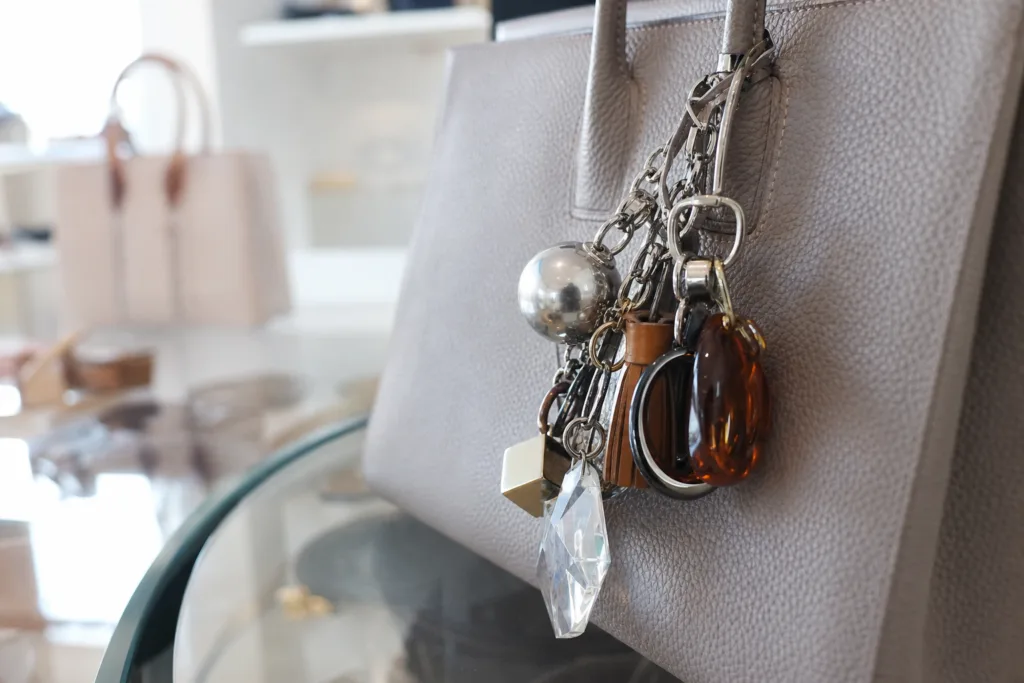
Handbag charms are small decorative elements designed to hang from a purse, tote, or clutch. While often compact, these accessories can make a powerful statement and transform a standard bag into a signature piece. Purse accessories like handbag charms play a central role in personalization, giving each bag a unique character.
Today’s fashion consumers crave individuality, driving a rising trend in customizable purse details. Brands are tapping into this demand by launching collections with interchangeable handbag charms, offering customers countless ways to tailor their look.
This surge isn’t just about aesthetics—handbag charms are a marketing asset. Custom charms can reinforce branding through engraved logos or signature color schemes. They present an affordable way for designers and labels to refresh their offerings seasonally without overhauling entire collections. From monogram initials to playful shapes and limited-edition artist collaborations, purse accessories have become a visual language for self-expression.
B2B buyers and procurement professionals in the fashion industry see the value. Not only do customizable charms excite consumers, but they also provide scalable branding opportunities that can adapt to various lines and price points. In a saturated market, the right handbag charms help products stand out—whether as bold, logo-forward statements or subtle, elegant enhancements. That’s why understanding the design and production process is crucial for your next project.
Materials Comparison for Handbag Charms
The material selection for purse accessories directly impacts not just the look, but the function and lifespan of your handbag charms. Let’s compare four leading materials: aluminum, stainless steel, brass, and acrylic.
| Material | Durability | Corrosion Resistance | Weight | Finish Options | Best For |
|---|---|---|---|---|---|
| Aluminum | Moderate | Good | Lightweight | Polished, Anodized, Colored | Colorful, lightweight charms |
| Stainless Steel | Excellent | Excellent | Midweight | Polished, Matte, Mirror | Luxury, outdoor, heavy wear |
| Brass | Very Good | Fair (can tarnish) | Heavier | Antique, Polished, Gold-tint | Retro, vintage, prestige |
| Acrylic | Good | Excellent | Very Lightweight | Clear, Tinted, Patterned | Fashion, novelty, color focus |
Aluminum offers lightweight ease, making it ideal for intricate shapes and vibrant colored charms. Anodized coatings add extra corrosion resistance, which is great for everyday bags exposed to weather.
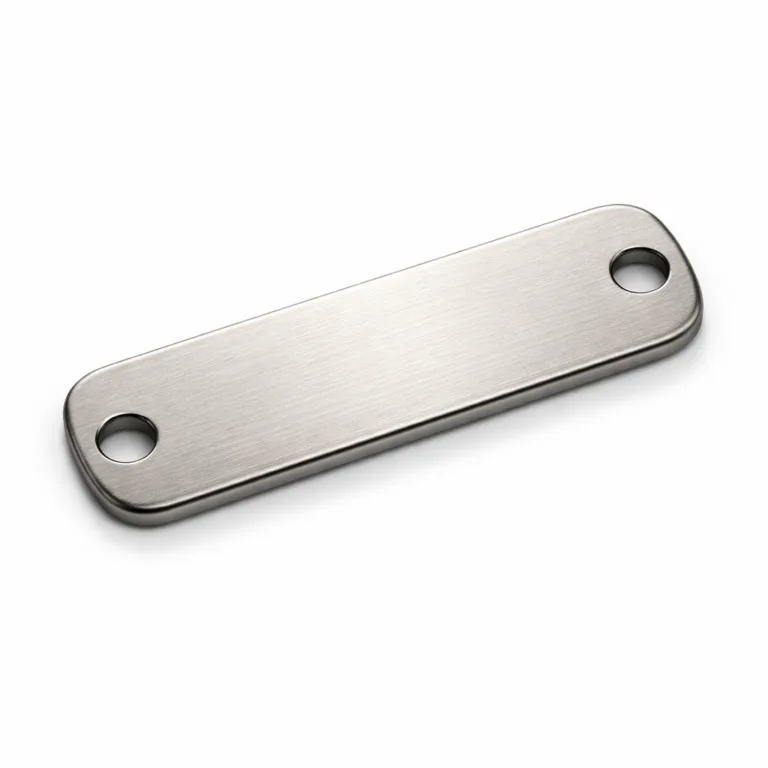
Stainless steel stands out for ruggedness and modern appeal. It resists scratches, fingerprints, and harsh conditions, perfect for premium lines or travel accessories. The mirror or satin finishes retain shine, with minimal maintenance needed.
Brass is valued for a classic, high-end look. Its natural warmth and vintage patina support retro-inspired purse collections or any design prioritizing prestige. However, brass requires surface protection or regular polishing to prevent tarnish, especially for outdoor use.
Acrylic is unmatched for playfulness and affordability. Its transparency and custom coloring cater to youth-driven brands and seasonal trends. While it lacks the weight and luxury of metal, it permits bold logos and flexible shapes at scale.
Rain Chen from UC Tag recommends weighing durability versus the look and feel you’re targeting. For heavily-used charm applications, metals offer longer service life and branding value. For short runs and novelty items, acrylic remains a practical choice. Blending materials—such as metal hardware with acrylic inlays—also yields a unique signature for your purse accessories.
Manufacturing Methods for Handbag Charms
The appearance, cost, and performance of handbag charms depend heavily on the manufacturing process. Choosing the right method is key for achieving the signature effect you want for your purse accessories collections.
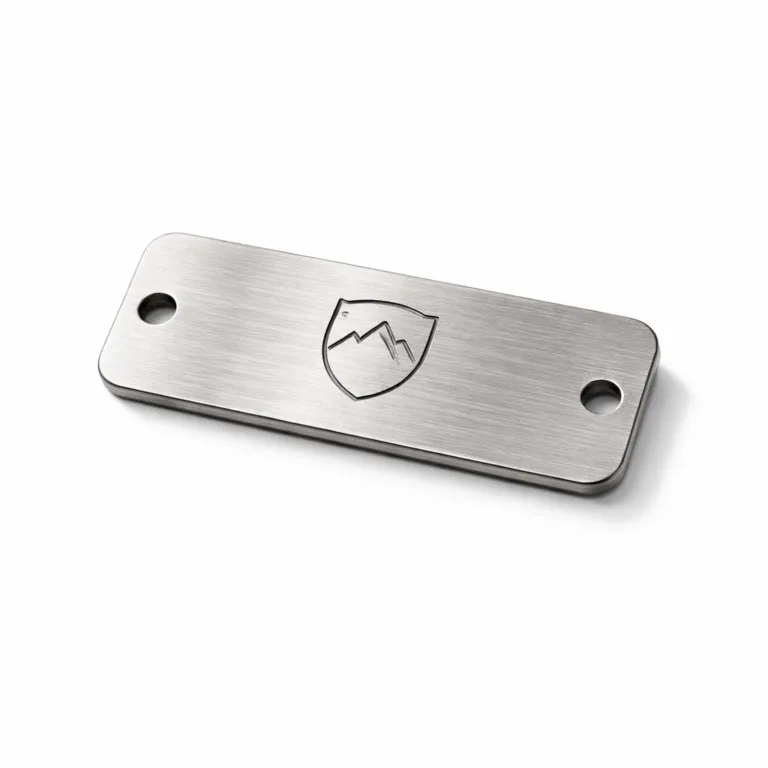
- Engraving: Precision laser or CNC engraving cuts your custom designs or text directly into the charm surface. This ensures lifelong readability and suits detailed logos. While it handles low-to-medium volume efficiently, the process can have higher per-piece costs for intricate designs.
- Stamping: High-pressure dies press designs into metal. Deep stamped purse accessories stand up well to heavy use. Stamping is cost-effective in larger batches, but requires upfront tooling investment—best for classic shapes or repeating brand elements.
- Chemical Etching: Controlled chemical baths selectively eat away at exposed areas, creating sharp lines and crisp images. Chemical etching accommodates complex artwork and layered effects, though the process takes longer and is less suitable for deep relief.
- Printing: UV or pad printing adds full-color or gradient details onto almost any material. This is ideal for logos, seasonal graphics, and high-impact branding, but the longevity relies on surface treatment—printed details can wear with abrasion.
Choosing a method means weighing trade-offs:
For high-durability, outdoor-focused charms, deep engraving or stamping are trusted options. Chemical etching wins for photographic detail or ultrafine patterns. Printing unlocks fashion-driven graphics and fast trend turns, but is best paired with protective coatings or used on less-trafficked areas of the bag.
Production quantity also drives the process choice. Large branded bag runs or corporate promotions benefit from stamping—for them, tooling costs are justified by economies of scale. Limited editions or sample batches shine with laser engraving or printing. Rain Chen at UC Tag often encourages prototyping with your planned artwork and finish to catch design issues early, avoid production delays, and validate true-to-life appeal before committing to a method.
Design & Specification Checklist for Charms
Designing handbag charms requires attention to detail, ensuring your purse accessories not only look appealing but also perform well in everyday use. Here’s a practical checklist for your team:
- Size: Proportion should complement the purse. Standard size ranges are 20–40 mm in width for most handbag charms.
- Thickness: Typical specs vary from 1.2–2.0 mm. Thicker charms look more luxe but add weight.
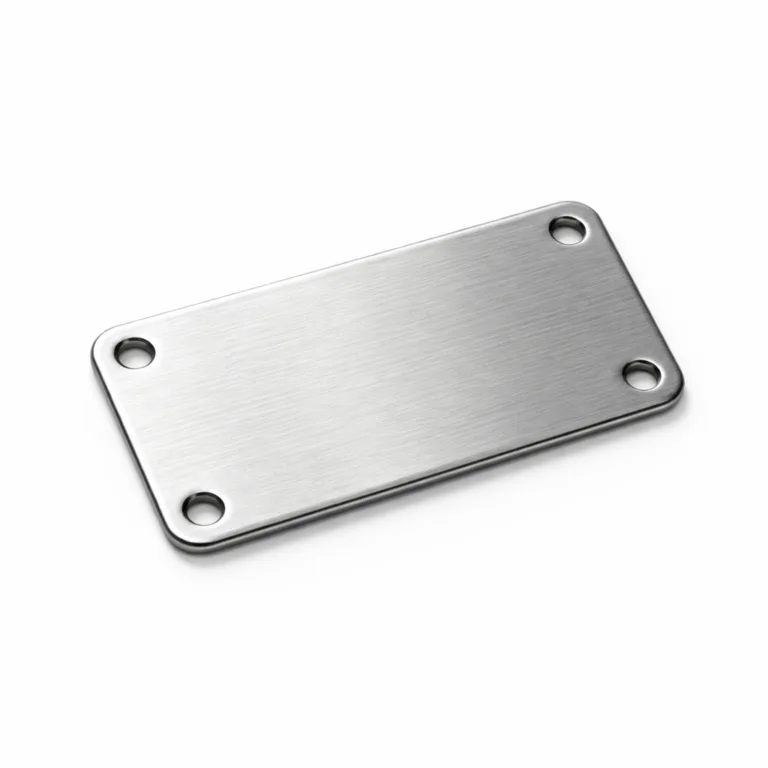
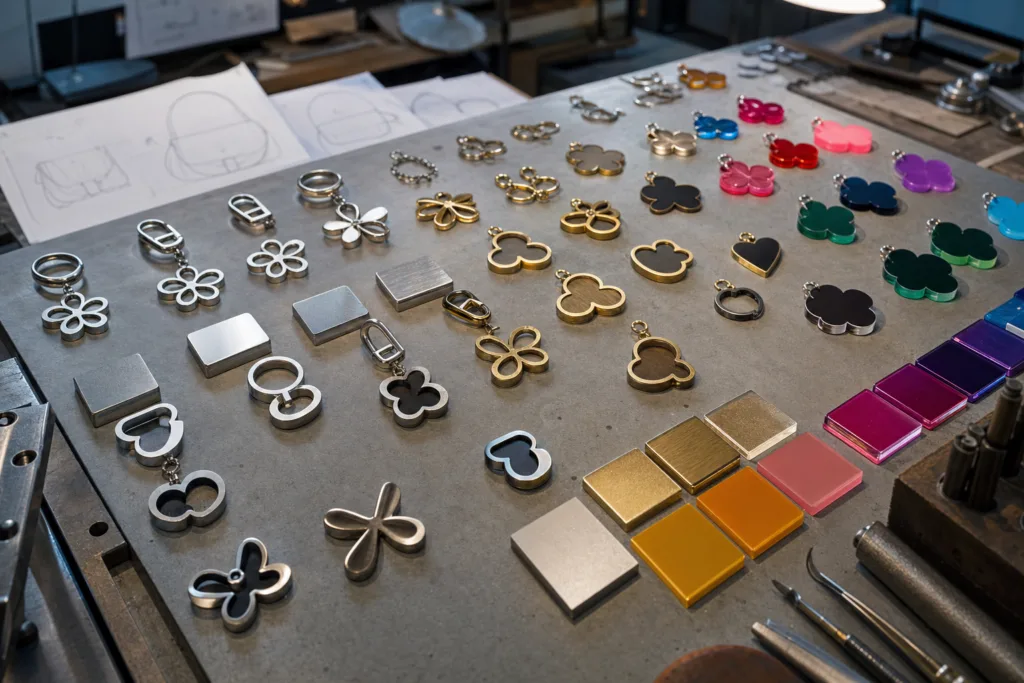
- Shape: Circles, rectangles, custom silhouettes, or logo cut-outs. Verify curves and cutouts for manufacturability.
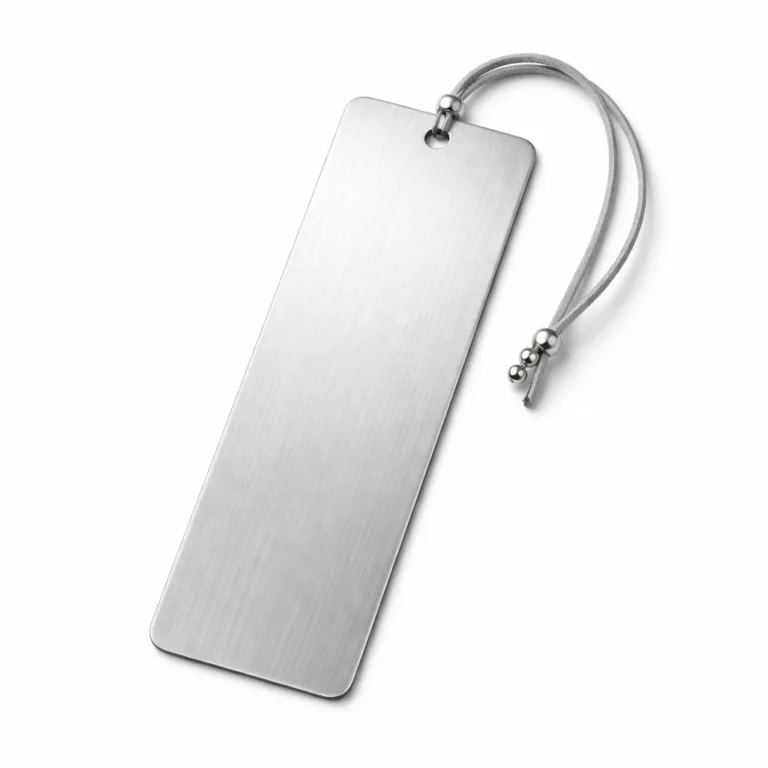
- Finish: Options include matte, mirror polish, brushed, antique, colored anodizing, and multi-tone plating.
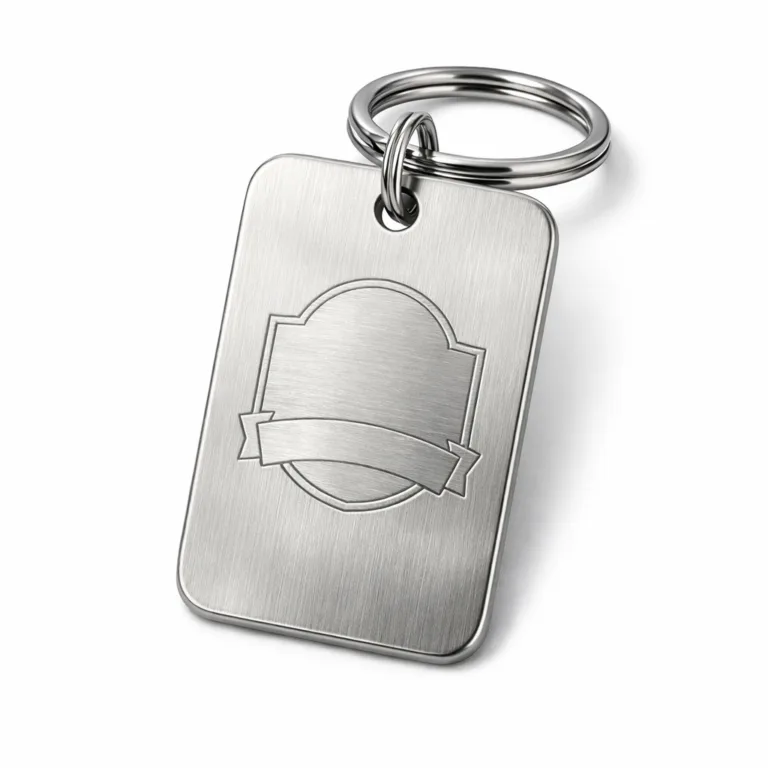
- Attachment: Choose split rings, jump rings, keychains, adhesive pads, or rivet holes depending on purse construction.
- Branding Elements: Engrave, emboss, or print your logo. Make sure it’s easily readable at small scale.
- Readability: Test all graphics and fonts for legibility. High-contrast color or deep engraving boosts clarity.
- Tolerance: Specify acceptable dimensional tolerances for scale manufacturing; tight tolerances yield consistency but may increase cost.
Before mass production, prototype testing is essential. Evaluate drop resistance, scratch resistance, attachment mechanism performance, and user feedback from your intended customer demographic. Consider variants for seasonal or limited-run offerings.
Evaluating Durability & Testing for Charms
Durability testing makes or breaks a handbag charm’s reputation. Purse accessories endure handling, friction, rain, sunlight, and sometimes exposure to chemicals or saltwater. Robust testing ensures your products maintain their appearance and brand integrity across their lifecycle.
Common methods include:
- Corrosion testing: Salt spray chambers simulate years of exposure to humidity and sweat, especially for brass and aluminum charms on travel or sports bags.
- Abrasion resistance: Repeated rubbing by straps and zippers tests the surface finish and any printed details.
- UV exposure: Prolonged sunlight can fade prints or degrade polymers. Accelerated UV chambers predict how well purse accessories like handbag charms will hold up outdoors.
- Drop/shock testing: Simulates accidental drops, ensuring the charm attachment and structure withstand daily knocks without deformation or breakage.
Material selection matters here—stainless steel excels in all-weather and high-contact environments, while anodized aluminum offers impressive fade and scratch resistance. Brass, though gorgeous, is more vulnerable to tarnish and may need periodic resealing if used on outdoor gear. Acrylic performs well for indoor use or short-term promotions but can become brittle after long UV exposure.
Certifications such as ISO 9001 or relevant ASTM standards can guide B2B buyers looking for repeatable performance from their charm suppliers. Ask about these benchmarks during sourcing. And always consider in-field user testing—you might uncover unexpected wear points or attachment faults in real-world conditions. This proactive approach allows brands to avoid costly recalls and boosts customer trust for every batch of handbag charms deployed.
Industry and Application Fit for Handbag Charms
Purse accessories like handbag charms fit far beyond high fashion. Their versatility extends to diverse industries and applications, opening avenues for unique branding and storytelling. Here’s how:
- Fashion and Luxury: Chic metallic initials, monogram emblems, or artist-collaborated charms reinforce signature style. Limited-edition drops encourage collectibility and brand loyalty.
- Corporate Branding: Subtle logo plates or event-specific tags elevate company swag and corporate gifts for staff or clients. They can attach to bags, travel cases, or conference packs.
- Promotional Campaigns: Fast-turn, colorful acrylic or lightweight aluminum charms boost seasonal marketing pushes. They can be swapped or combined for gamified campaigns.
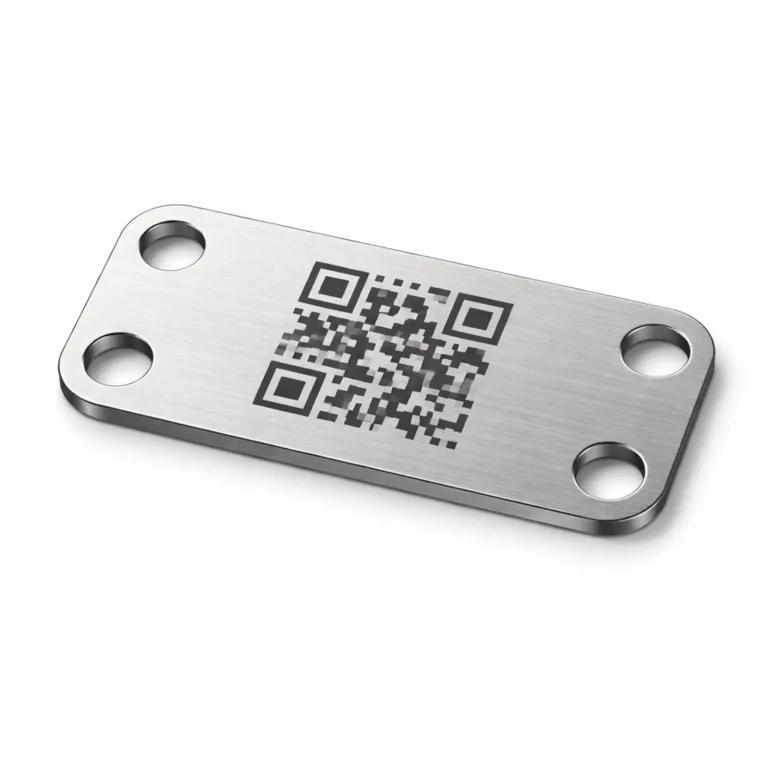
- Event Souvenirs and Fundraisers: Custom-shaped or serial-numbered tags commemorate special occasions—think galas, sports championships, or charity fundraisers. Unique QR code tags link digital storytelling to each piece.
Designers leverage seasonal trends—enamel-filled motifs for summer, antique brass for fall heritage collections—to ensure cross-season relevance. Rain Chen at UC Tag has seen increased demand for multi-use charms that transition between handbags, keychains, or even as jewelry, expanding a brand’s footprint beyond just carry products.
Industry-specific customization ideas abound. For travel gear, robust asset tags double as identification. For kid-focused brands, playful patterns in non-toxic acrylic maximize safety. The possibilities for purse accessories are bounded only by imagination and application intent.
Common Mistakes and Troubleshooting in Charm Design
Designing handbag charms comes with risks that can undermine functionality or brand impression. Here’s what to watch for and how to troubleshoot common issues:
- Unreadable Text or Graphics: Small fonts, overly intricate designs, or poor contrast reduce legibility. Solution: Use bold graphics, high-contrast finishes, and prototype real-size samples to verify clarity.
- Poor Adhesion or Attachment: Charms that detach easily often use weak jump rings or faulty adhesive. Solution: Test different attachment structures, invest in robust hardware, and consider mechanical joins over glue whenever possible.
- Corrosion or Peeling Finishes: Inadequate surface treatment leads to premature wear, especially in humid or coastal environments. Solution: Choose corrosion-resistant materials (stainless steel, anodized aluminum) and specify tested platings or coatings.
- Dimensional Inaccuracy: Lax tolerances or overlooked shrinkage in plastics can produce inconsistent pieces. Solution: Specify and check tolerances, and ask for dimensional reports on each batch from suppliers.
- Skipping Prototyping: Moving directly to mass run without hands-on testing means defects go unnoticed. Solution: Always test prototypes and gather feedback from target users, adjusting design specs as needed before scaling up.
Establishing a feedback loop with end customers, retail partners, and your charm manufacturer will drive ongoing product improvement. Post-launch observations—whether about finish wear or assembly glitches—inform the next design cycle and reduce costly errors. Keep documentation updated for every iteration, and never underestimate the value of small tweaks in producing reliable, on-brand handbag charms.
Ordering Guide for Handbag Charms
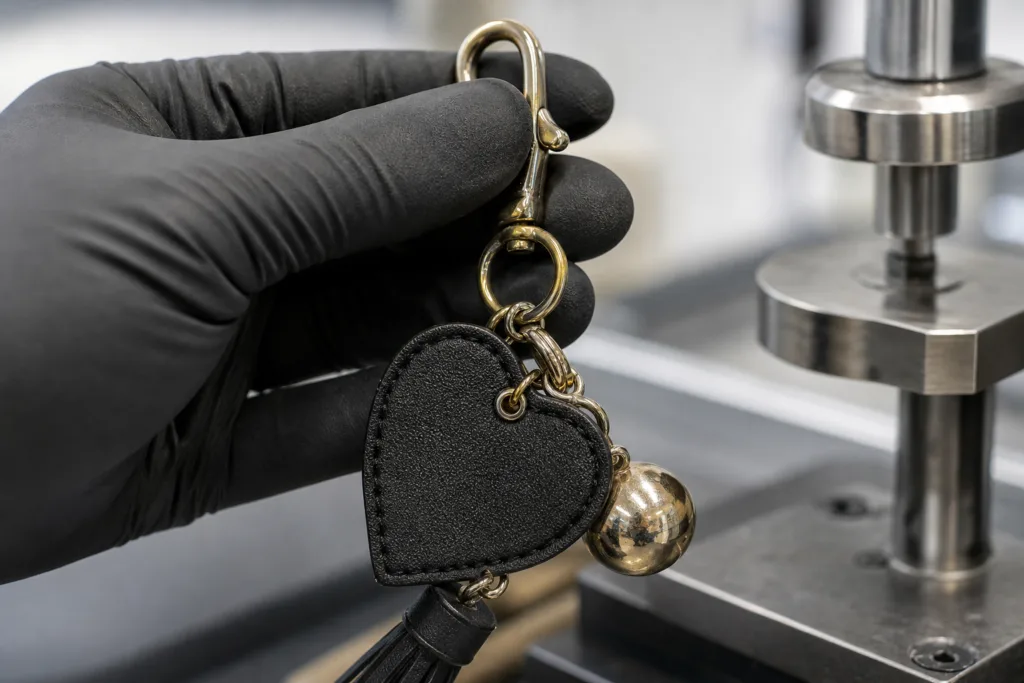
Ordering custom purse accessories requires thoughtful planning to ensure prompt, successful delivery. Here’s a clear roadmap:
- Minimum Order Quantities (MOQs): Most manufacturers set MOQs between 100–500 units, but small-batch runs may be possible for select methods, especially with engraving or printing.
- Lead Times: Standard production cycles vary from 2–6 weeks, depending on process complexity, finishing steps, and order volume. Sampling and prototyping can add 7–14 days.
- Artwork & Proofing: Vector files (AI, EPS, SVG) are preferred for precision. Most suppliers provide digital or physical proofs for sign-off—review logo clarity, hole placements, and color matching carefully.
- Sampling Options: Request standard samples (generic finishes) or custom samples (with your artwork) before full production. This ensures the product meets your expectations and required specs.
- Packing & Shipping: Decide between bulk, individual pouch, or branded box packaging. Bulk is cost-effective, while custom packaging adds value for direct-to-consumer sales or events. Consider shipment consolidation for international orders.
- Supplier Communication: Maintain detailed records for every stage and confirm all specs in writing. Regular updates prevent misunderstandings and keep orders on schedule.
Experienced manufacturers and solution providers (like UC Tag) are familiar with the technicalities of sampling, proofing, and special packing for purse accessories—a conversation with a knowledgeable partner at the start of your project helps avoid avoidable delays and supports an on-time, on-spec delivery.
Frequently Asked Questions About Handbag Charms
What customization options are available for handbag charms?
Custom handbag charms can be made in a variety of shapes, colors, and finishes with personalized engraving, embossing, enamel fills, and even QR codes, allowing you to match brand logos or specific design themes.
How do I choose the right material for my handbag charms?
Consider the desired look, weight, and durability; metals like stainless steel are ideal for premium, heavily used bags, while aluminum and acrylic cater to colorful, lightweight, or novelty collections.
What is the typical production timeline for custom purse accessories?
Production usually takes between two and six weeks, depending on complexity and finishing; samples may add one to two additional weeks for approval prior to full-scale manufacturing.
Are there size restrictions for handbag charm designs?
Size depends on attachment methods and intended use; most handbag charms range from 20–40 mm wide, but ask your manufacturer about minimum and maximum specs for your specific design.
How do I ensure the durability of my handbag charms?
Choose robust materials, specify protective finishes, and work with suppliers who conduct thorough testing like salt spray and abrasion resistance to match the intended wear environment.
Can I order samples of my handbag charms before mass production?
Yes, reputable manufacturers offer both standard and custom samples, ensuring you can evaluate quality, finish, and functionality before approving a production run.