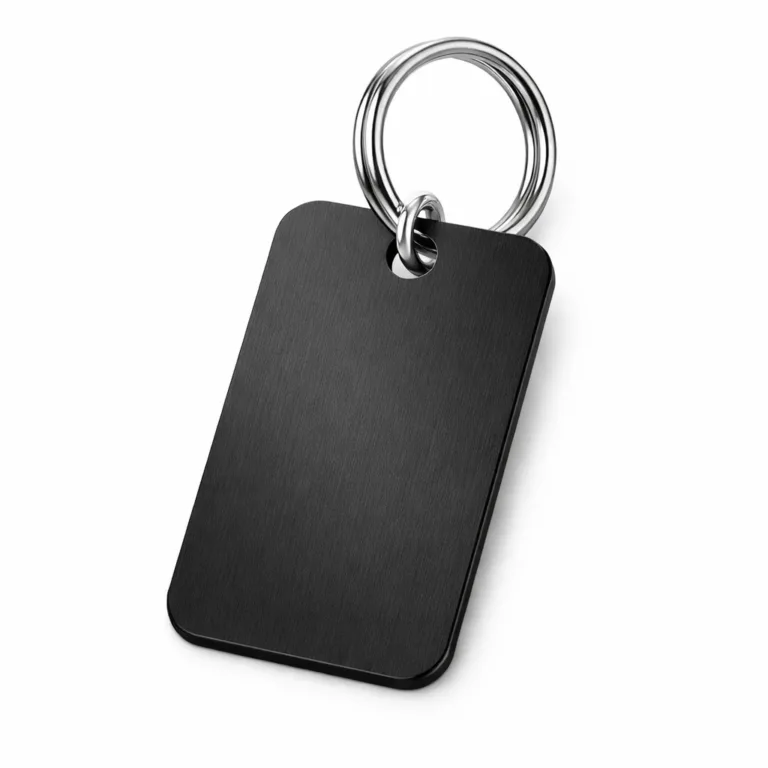
Direct Mail Metal Tag Engagement Personalization is a niche topic, but for the right campaign it solves a very practical problem: how to make a mail piece feel important enough to be noticed, handled, remembered, and acted on. Paper can communicate information well, but it does not always create a strong physical impression. A flat metal tag changes that. It adds weight, texture, sound, and durability, which can make a promotional piece feel more intentional and more personal when the design and mailing format are planned correctly.
If your campaign needs a premium insert that can carry branding, numbering, codes, or a personalized message, our custom metal tag manufacturing solutions are built around the practical details that matter in direct mail projects: thin-gauge material selection, readable marking methods, sample review, attachment or loose-pack options, data-driven personalization, and bulk production consistency. In these projects, the goal is not just to make a tag look attractive. The goal is to make sure the tag fits the mailer format, supports the campaign message, and arrives in a condition that still feels intentional to the recipient.
What flat metal tags are and why they work in direct mail
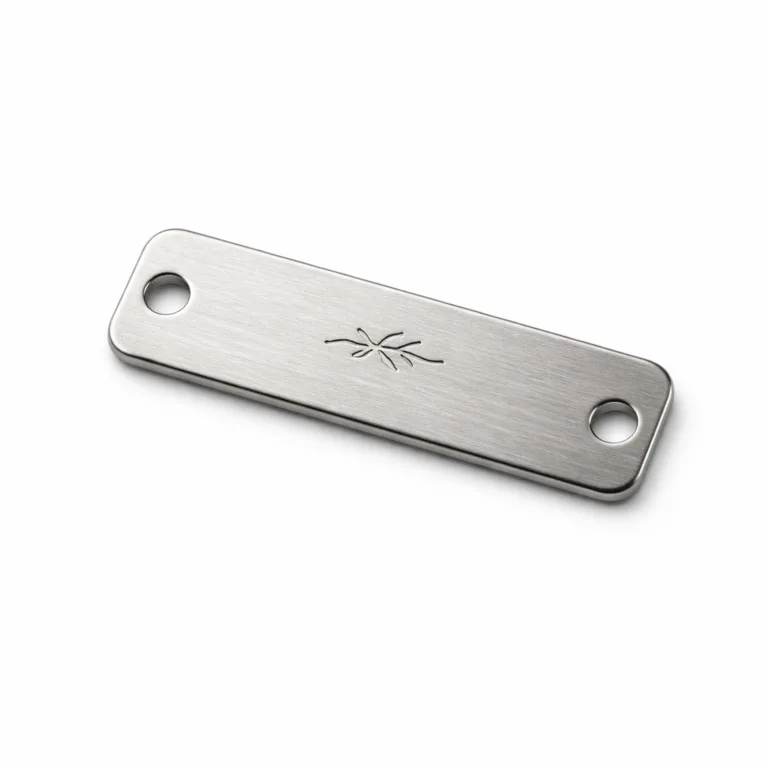
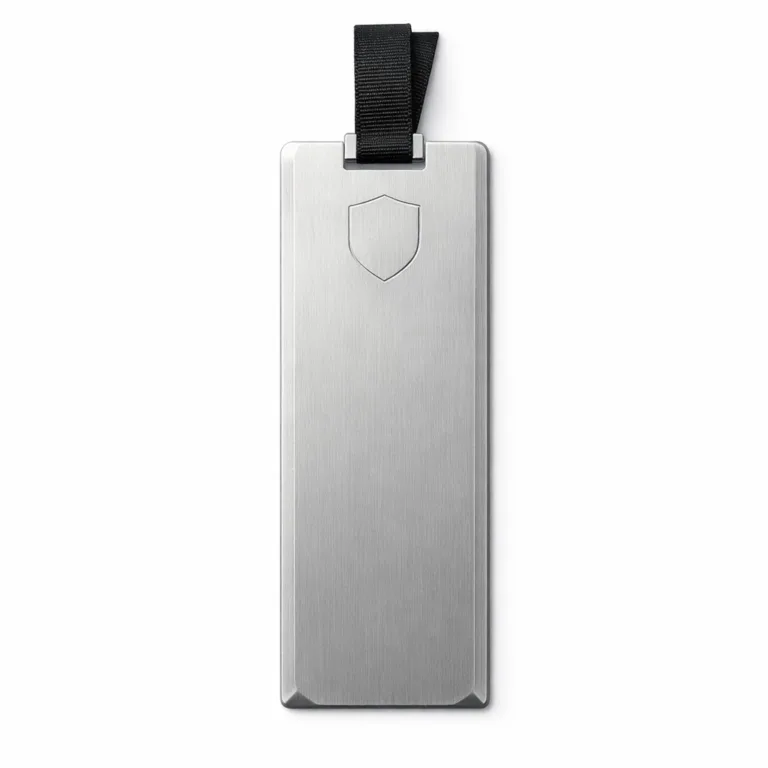
Flat metal tags in direct mail are thin metal inserts designed to sit inside a mailer, card package, foldout, presentation envelope, or small box. They can be made from aluminum, stainless steel, brass, or anodized aluminum depending on the brand image, weight target, finish, and budget. In a marketing setting, they usually work less like an industrial ID plate and more like a premium keepsake, invite token, membership piece, campaign code carrier, or branded message insert.
What makes them effective is not simply the material itself. It is the contrast they create. When a recipient expects paper and instead touches a cool, rigid, well-finished metal piece, the interaction slows down. That extra second matters. It increases the chance that the person actually looks at the piece instead of scanning and discarding it.
From our manufacturing perspective, this is why the tag should be designed around the campaign objective from the start. A mail insert for product launch outreach is different from a loyalty reactivation mailer or a VIP invitation. The right thickness, finish, edge style, and marking method depend on what the recipient is supposed to feel and do next.
The psychology of tactile marketing and why metal feels more memorable
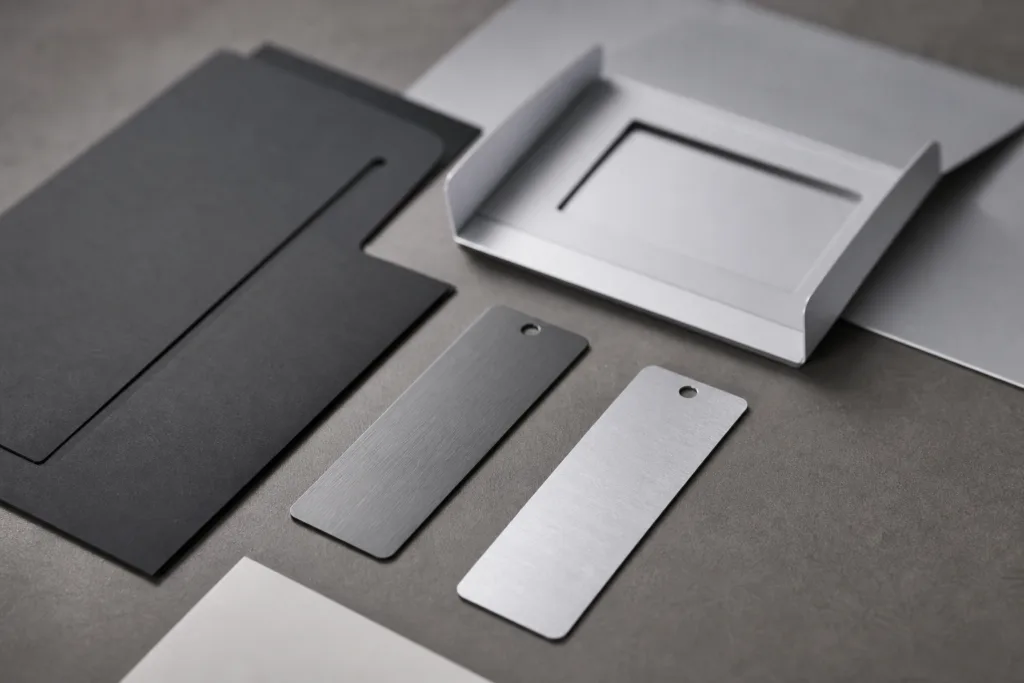
Tactile marketing works because physical sensation changes attention. A metal tag introduces weight, temperature, and surface texture in a way paper usually cannot. That does not guarantee conversion, but it can improve the first stage of response: noticing the mail piece and spending enough time with it to process the message.
USPS has also recognized the value of tactile and sensory mail features that boost engagement, which supports the broader idea that physical interaction can help a campaign stand out. For marketers, the practical takeaway is simple: if you are investing in premium direct mail, the format should earn attention before the copy asks for action.
Metal is especially useful when the brand wants to signal permanence, quality, exclusivity, utility, or trust. A thin anodized aluminum tag with a serialized code feels very different from a glossy coupon card. A small etched stainless insert inside a launch package feels different from a printed announcement. The sensation helps set expectations before the reader even gets to the text.
Best use cases for metal tags in direct mail campaigns
Not every campaign needs a metal insert. In many cases, paper is still the better tool. Metal tags make more sense when the audience is narrow, the offer value is high, and memorability matters more than volume.
VIP invitations and executive outreach
A metal tag works well for event invitations, private demos, executive briefings, partner programs, and premium client gifts. In these cases, the piece acts as both invitation and object. It can carry a date, access code, QR code, or personalized name without feeling disposable.
Product launch and sample campaigns
For launches of premium goods, hardware, tools, outdoor products, spirits accessories, luxury packaging, or design-led consumer items, a flat metal tag can reinforce the product story. The mailer becomes part of the positioning. This is one reason some brands explore branded logo tag production rather than standard printed inserts. The metal itself becomes a brand signal.
Loyalty, membership, and retention campaigns
Flat tags are useful when a customer should keep the piece after the mailer is opened. Membership numbers, anniversary recognition, exclusive access codes, tier upgrades, and referral mechanics are all stronger when the insert feels collectible rather than temporary.
Distributor, dealer, and channel partner mailings
B2B campaigns often need more than visual appeal. They need a reason for the recipient to remember the sender after several other vendors have sent brochures. A durable, serialized metal insert can help with partner enrollment, promotional kits, channel activation, or trade event follow-up.
How metal tags support personalization, premium positioning, and brand recall
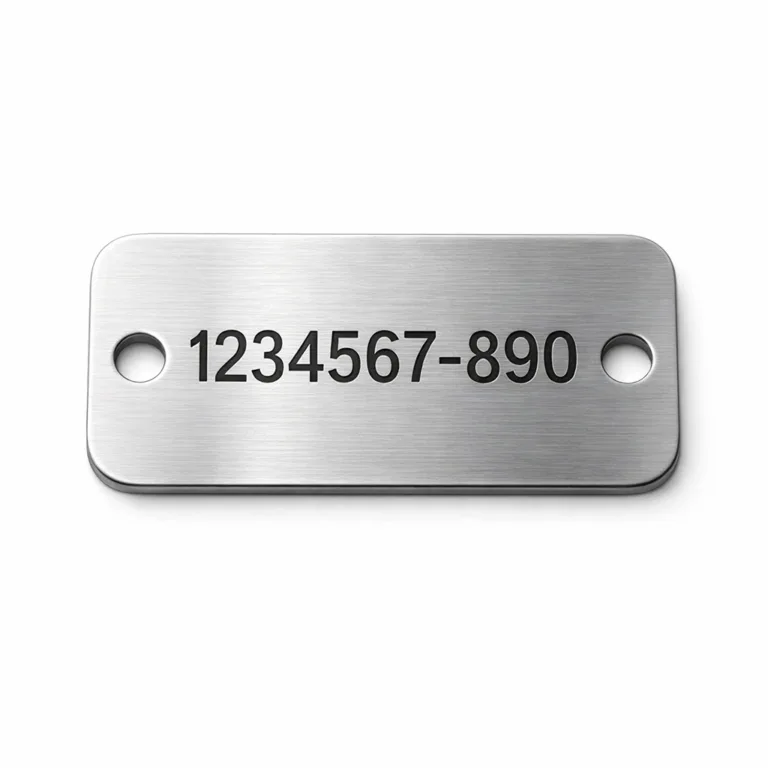
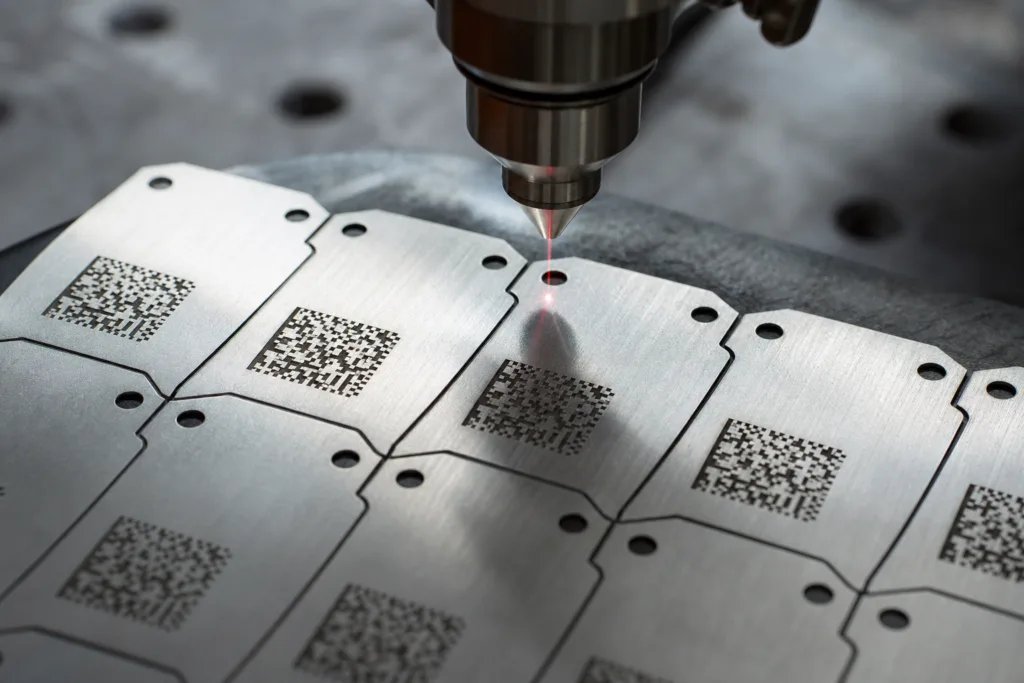
Personalization is where flat metal tags become more than a novelty. A printed postcard can show a name. A metal tag can do more: individual serial numbers, unique promo codes, short custom messages, campaign wave identifiers, account tiers, event access levels, or scannable QR links tied to recipient segments.
The key is matching the personalization level to the campaign. If every recipient gets the same tag, the value is mostly tactile and visual. If every recipient gets a unique code or name, the value becomes functional too. That usually improves traceability and helps the campaign feel more deliberate.
We see three common personalization approaches in direct mail projects:
- Name-based personalization: recipient name, company name, or team name.
- Code-based personalization: serialized numbers, one-time offer codes, or QR codes linked to landing pages.
- Segment-based personalization: different message lines, finishes, colors, or shapes by audience type.
At UC Tag, we usually advise buyers to decide early whether the tag is mainly a tactile brand object, a data carrier, or both. That affects artwork setup, variable data handling, inspection steps, and packaging method.
Metal tag design considerations for direct mail
Design is where many campaigns either become effective or become expensive without much return. A metal tag has more physical variables than a printed insert, so the planning should be more specific.
Shape
Rectangles are efficient and easy to package, but custom silhouettes can improve recall if they connect clearly to the campaign theme. The trade-off is that unusual shapes may complicate mailing packout, edge protection, and visual alignment inside the mailer.
Thickness
Thin material is usually better for direct mail because it reduces weight and bulk. However, too thin can feel weak if the piece is large. The right balance depends on dimensions, metal type, and whether the tag sits loose or in a fixed slot.
Finish
Matte, brushed, anodized, polished, etched, or printed finishes all communicate something different. Matte and brushed finishes usually read as more understated and premium. Glossy UV color can be stronger for consumer-facing promotions. Etched surfaces often work well where detail and subtle texture matter.
Color and contrast
Good-looking artwork is not enough if the code or message is hard to read. Contrast matters, especially for small text, serial numbers, and QR areas. This becomes even more important if the mail piece will be handled under mixed lighting conditions.
Readability and scan area
If the tag includes a barcode or QR code, leave enough clear space around it. Avoid decorative backgrounds that interfere with scanning. In direct mail, the recipient may scan the code casually on a phone rather than with a dedicated scanner, so practical readability matters more than dense layout.
Printing and marking options for flat direct mail tags
The marking method should match both the campaign look and the required durability. For mail campaigns, full industrial durability is not always necessary, but clarity and consistency still are.
| Method | Best For | Strengths | Watchpoints |
|---|---|---|---|
| Laser engraving or laser marking | Names, codes, logos, clean personalization | Sharp detail, efficient variable data handling, professional appearance | Contrast depends on material and finish |
| Chemical etching | Fine artwork, subtle premium texture, thin metal pieces | Very detailed lines, refined look, good for elegant branding | Needs proper artwork preparation and finish planning |
| UV printing | Color graphics, campaign visuals, short promotional messages | Strong visual impact, flexible branding | Printed surfaces need packaging care to avoid abrasion |
| Screen printing | Simple spot colors and bold graphics | Clear branding, cost-effective at volume | Less suitable for very fine variable detail |
| Stamping or emboss-like effects | Simple premium branding elements | Tactile feel, understated brand signal | Less flexible for complex personalization |
For campaigns that need elegant detail on thin inserts, fine-detail metal etching techniques can be especially useful. This is relevant when the tag includes small typography, line art, decorative borders, or a subtle premium pattern that should stay crisp without making the piece look crowded.
How to match the tag to the campaign message and audience segment
A common mistake is designing the tag first and defining the audience second. It should usually be the other way around. The more premium the insert, the more important message fit becomes.
For executive outreach, a restrained finish and compact message often work better than bright graphics. For lifestyle or product discovery campaigns, color and shape may carry more value. For channel partner campaigns, unique numbering and utility can matter more than decorative styling.
We usually suggest asking these questions early:
- What does the recipient need to understand within the first five seconds?
- Should the tag feel exclusive, useful, technical, celebratory, or collectible?
- Is the call to action immediate, such as scanning a code, or delayed, such as keeping the piece?
- Will different audience segments need different wording, codes, or finishes?
These answers help determine not only the artwork, but also the manufacturing method and packing logic.
Packaging, envelope, and mailer format considerations
This detail may look small, but it can create problems later if it is not confirmed early. A metal tag that looks perfect on a sample board can still perform poorly in the mail if the packaging is not designed around it.
Thickness, weight, edge profile, and position inside the mailer all affect handling. Sharp corners are usually avoided. Protective sleeves, paper mounts, foam points, or die-cut holders may be necessary depending on the finish. If the tag moves freely inside a thin envelope, scratching and corner pressure can reduce the premium feel fast.
Mailing rules matter too. Brands should design inserts around USPS size, weight, and shape requirements for mailpieces to reduce processing risk. In practical terms, that means checking total thickness, weight class, rigidity, and whether the inserted tag could create an uneven profile that affects machinability.
For customer-facing campaigns, the opening experience also matters. This is where brands often explore metal tags for customer engagement as part of a broader tactile presentation strategy. The metal insert should not feel like an afterthought. It should feel intentionally revealed when the mailer is opened.
Distribution strategy tips for response and sequencing
Because metal inserts cost more than standard print components, targeting matters. In most cases, the goal is not mass reach. It is higher-quality reach.
Direct mail with metal tags often works better when used in one of these ways:
- High-value account targeting: send only to priority prospects or existing top-tier customers.
- Multi-touch sequencing: use the metal piece on the second or third touch after digital warm-up.
- Event-driven timing: mail ahead of launches, meetings, renewals, or private offers.
- Segmented offer logic: vary the message or code based on audience intent level.
The practical question is whether the insert will help change behavior. If the audience is broad and low-intent, paper may deliver better efficiency. If the audience is valuable and difficult to impress, a metal insert can support stronger recall and response quality.
Measuring ROI without guessing
Marketers sometimes evaluate premium direct mail too loosely. If the campaign uses a metal tag, the measurement method should be clearer, not weaker.
Good ROI tracking usually includes:
- Unique QR or URL destination per audience segment
- Serialized codes tied to recipient records
- Offer redemption tracking
- Response rate by segment
- Conversion rate after response
- Average order value or pipeline value for responders
- Lift compared with a paper-only control group when possible
One of the easiest mistakes is measuring only opens or scans. A premium insert should be judged on downstream action too. That may be bookings, demos, purchases, renewals, or reactivation quality depending on the campaign.
Examples of campaign formats that can work well
Because every brand handles data, creative, and mailing rules differently, it is better to think in campaign formats than in fixed templates.
Invitation token format
A thin anodized aluminum tag carries the event title, recipient name, and QR check-in code. It is mounted inside a folded card so it stays flat and protected.
Access-code reveal format
A brushed metal insert includes a short personalized message and a unique offer code. The mailer drives the recipient to a gated landing page where the code unlocks the offer.
Anniversary or loyalty recognition format
A small brass or stainless tag acts as a keepsake, carrying a milestone year or membership status. The mail piece focuses on appreciation and retention rather than immediate discounting.
Product story format
A brand launching a premium physical product uses a custom-shaped tag that references the product silhouette, material story, or serial identity. In this case, the insert supports brand memory as much as direct response.
Common mistakes that reduce engagement or damage mailer performance
In many projects, the problem is not that the buyer chose the wrong category. The problem is that some production details were not clarified before sampling or bulk production.
- Making the tag too heavy for the mailing budget: premium feel should not create unexpected postage or packout issues.
- Using a finish that scratches easily without protection: packaging must match the surface.
- Overdesigning the artwork: too much text or too many decorative effects reduce readability.
- Poor contrast on personalized data: names and codes must be easy to read at a glance.
- Ignoring edge feel: flat tags for mail should feel safe and refined in hand.
- Not testing scan performance: QR or barcode content should be checked on actual finished samples.
- Skipping a realistic packing sample: a loose tag can shift, mark the envelope, or arrive looking careless.
Production and sourcing checklist for brands planning a metal tag mailer
When we support direct mail-oriented tag projects, the most useful buyer conversations are the ones that move beyond visual mockups and into actual production planning. That is where delays and avoidable cost changes can be reduced.
| Checklist Item | Why It Matters |
|---|---|
| Final use case and audience | Determines material, finish, thickness, and personalization level |
| Mailer format | Affects size, weight, protection, and insert position |
| Data requirements | Impacts variable numbering, QR generation, and proofing workflow |
| Artwork format | Controls readability, bleed, fine line quality, and production setup |
| Surface finish expectations | Needs to align with brand feel and packaging protection |
| Attachment or loose insert plan | Changes packout method and risk of movement during transit |
| Sample approval stage | Helps catch marking, scan, edge, and handling issues before bulk production |
| MOQ and lead time | Should match campaign schedule and segmentation complexity |
| QC checkpoints | Important for data accuracy, finish consistency, and count control |
| Final packaging | Protects the finished tags before mailing assembly |
For this kind of campaign, sampling is not a formality. It is where the real decisions happen. That is why many buyers review custom metal tag sampling options before approving full production. A useful sample should confirm not just appearance, but also handling, readability, scan performance, packing fit, and whether the piece still feels premium after normal movement.
From our side as a manufacturer, we also recommend confirming the variable data source file, naming logic, and proof approval sequence early if the tags are personalized. Data errors are usually more expensive to fix than artwork errors once production starts.
Conclusion
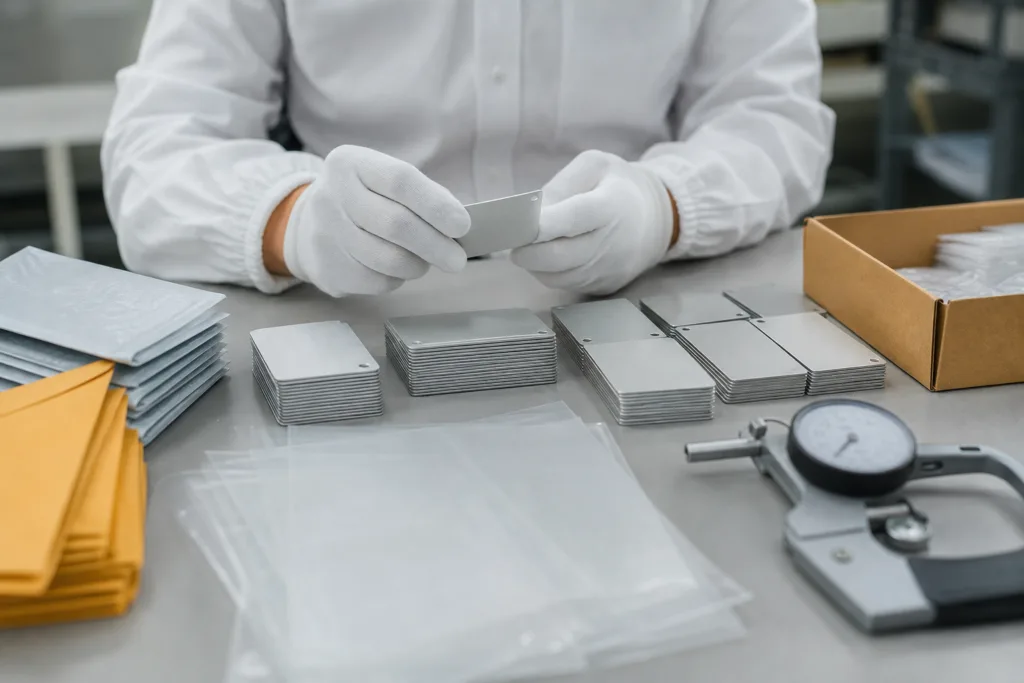
Direct Mail Metal Tag Engagement Personalization works when the metal insert is treated as a strategic format choice, not just a decorative upgrade. The value comes from combining tactile impact with clear message fit, strong personalization logic, practical mailer engineering, and measurable response tracking. For some campaigns, that can improve brand recall, response quality, and perceived value in ways paper alone may not achieve.
For buyers, the key is not only the product name or price, but whether the material, structure, marking method, packaging, and data requirements match the real campaign. If those details are defined early, flat metal tags can become a useful tool for premium direct mail rather than an expensive experiment.
FAQs
Are flat metal tags better than paper inserts for all direct mail campaigns?
No. They usually work best for high-value, segmented, or premium campaigns where memorability and tactile impact matter. If the campaign is broad, low-cost, or mainly informational, paper may be the more efficient choice.
What metal is usually most practical for direct mail inserts?
Aluminum is often the most practical starting point because it is lightweight, flexible in finishing, and suitable for many branding styles. Stainless steel or brass may be better when the campaign needs a heavier or more premium feel, but they can affect mailing weight and cost more quickly.
Can metal tags include names, serial numbers, QR codes, or unique promo codes?
Yes. Personalized data is one of the strongest reasons to use flat metal tags in direct mail. Names, numbering, QR codes, and unique campaign codes can be produced if the artwork and data file structure are prepared correctly and checked during sampling.
Which marking method is best for a premium direct mail tag?
It depends on the goal. Laser marking is often a good choice for clean personalization and variable data. Etching is useful for refined detail and subtle texture. UV printing is better when color impact is more important than a minimal metallic look.
Do I need a physical sample before bulk production?
In most cases, yes. A physical sample helps confirm finish quality, readability, scan performance, edge feel, and how the tag behaves inside the mailer. This is especially important when the project involves variable data or premium presentation.
What should brands confirm with a manufacturer before launching a metal tag mailer?
Confirm the final size, thickness, material, finish, marking method, personalization file format, mailer packing method, sample approval process, MOQ, lead time, and QC checks. These points affect not only the look of the tag, but also whether the campaign runs smoothly at mailing stage.
Related Reading