Festival wristbands started as simple access tools, but many of them now live far beyond the event gate. For a lot of attendees, a wristband is not just proof of entry. It becomes a small record of where they were, who they went with, what stage they stood in front of, and what that particular weekend meant to them. When metal sliders are added to the design, the object often feels more permanent, more intentional, and more like something worth keeping. That is one reason festival wristbands have gradually moved into the world of collectible memorabilia.
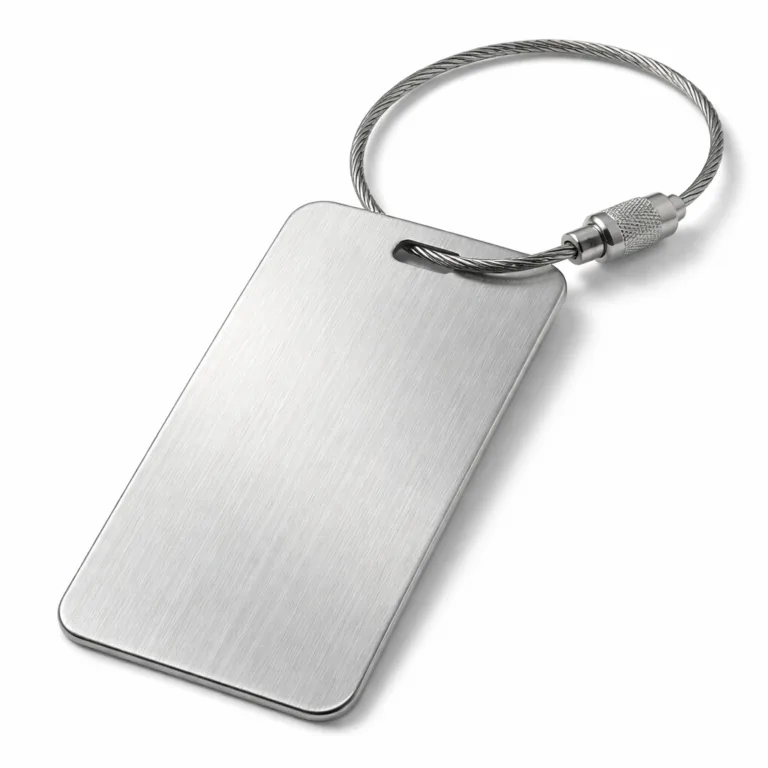
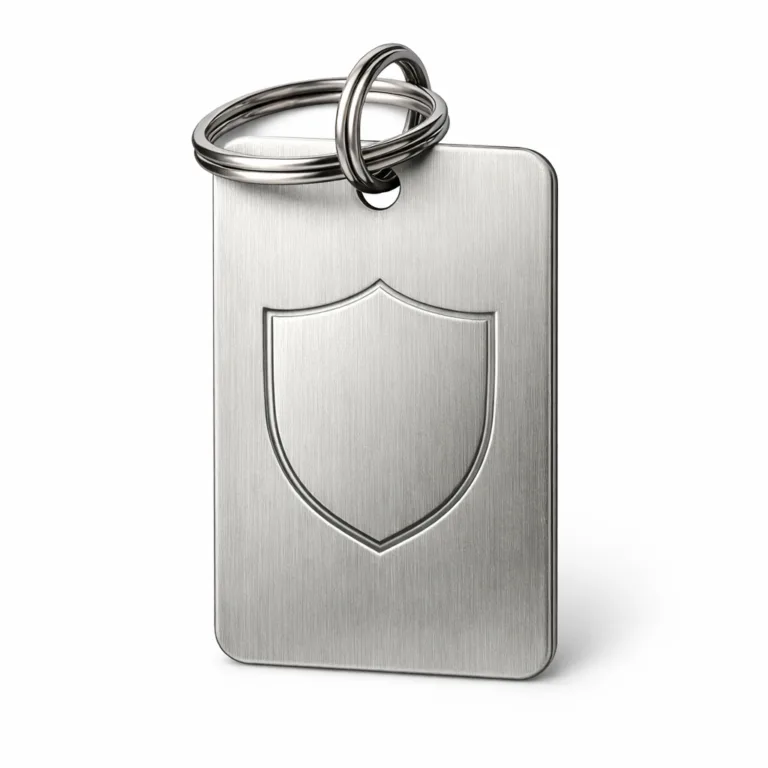
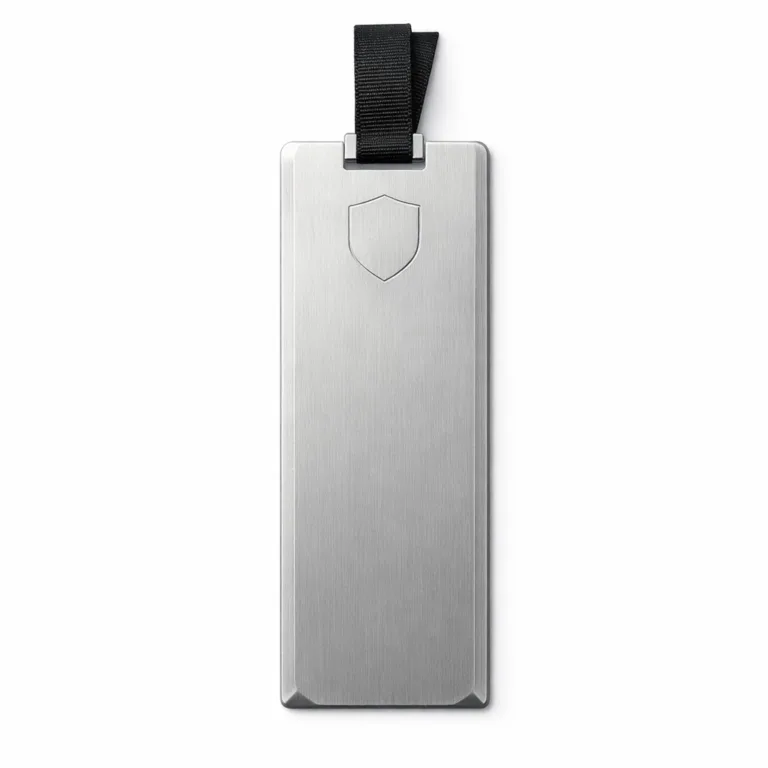
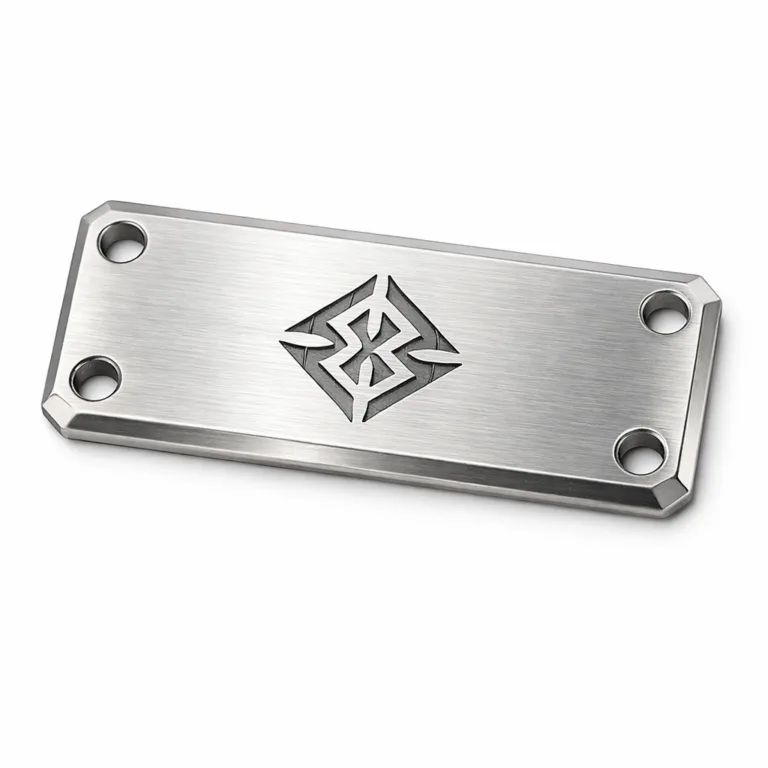
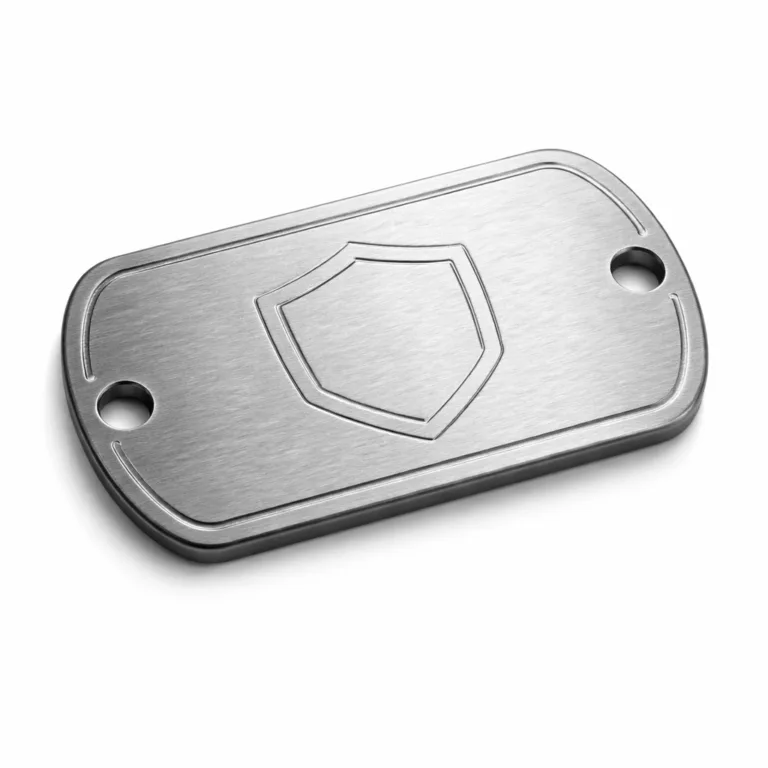
If a project involves branded wristbands, decorative metal details, event identification, or long-lasting keepsake value, our custom metal tag manufacturing solutions are relevant because the final result depends on more than appearance alone. In our production work, we look at metal component style, finish consistency, attachment structure, custom numbering or logo details, and how the piece will be worn, handled, and remembered after the event. For organizers, merch teams, and brand owners, these details can shape whether a wristband feels disposable or genuinely collectible.
What festival wristbands are and why metal sliders stand out
Most people first think of festival wristbands as crowd-control items. They show ticket level, confirm entry, separate VIP from general access, and help organizers manage access points quickly. In that basic sense, they are functional products. But from a design perspective, wristbands also carry identity. Color, print, fabric texture, and attached hardware all signal something about the event.
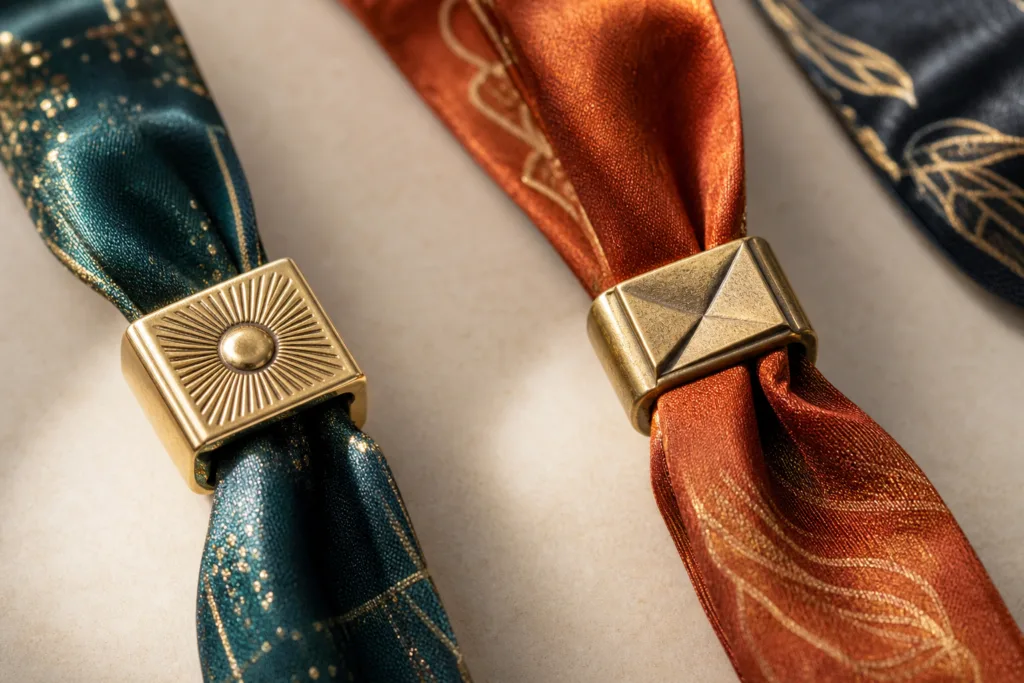
Metal sliders stand out because they change the visual language of the wristband. A plain woven or printed band can look temporary. Add a custom metal slider, and the whole piece starts to feel closer to jewelry, a badge, or a commemorative accessory. The slider introduces weight, shine, edge quality, and often a more deliberate branding surface. It gives the wristband a focal point.
That shift matters in collecting. People tend to keep objects that look like they were made to last. Even when the band material itself is soft or textile-based, the presence of a metal component changes perceived value. It suggests design effort, limited production thinking, and a stronger link to the event brand.
How festival wristbands became part of modern festival culture
Festival culture changed when attendance became something people documented, displayed, and remembered in public ways. Tickets used to be the main souvenir, then posters, shirts, and branded accessories took on that role. Wristbands joined that group because they stayed physically attached to the attendee during the event. They absorbed the experience in a direct way.
That is why many people do not throw them away. They become markers of participation. A worn wristband can say, without explanation, that someone was there. It can carry status, nostalgia, or even a kind of personal timeline if someone has kept bands from multiple years.
In cultural terms, festival ephemera often outgrows its original function. The V&A’s Glastonbury Festival Archive shows how festival ephemera is preserved as memorabilia, which helps explain why wristbands can take on lasting value. Once people see event material as part of a shared cultural memory, even small objects like bands, tags, and passes can become worth saving.
Festival wristbands also moved into visual culture through photos, social media, artist communities, and fashion crossover. A stack of old bands on a wrist became recognizable shorthand for experience and belonging. Even people who are not formal collectors understand the appeal. It is part memory, part identity, and part design object.
The role of metal sliders in aesthetic appeal and perceived value
A metal slider does several things at once. It can secure the band, carry a logo, create contrast against fabric or polymer, and add a premium visual detail. But the deeper reason it matters is that it introduces material contrast. Soft against hard. Matte against reflective. Flexible against rigid. That combination often makes the item feel more complete.
From our manufacturing perspective, the slider is often where a festival wristband becomes more than an access band. Once buyers ask for a custom shape, engraved logo, antique finish, polished surface, or distinctive edge profile, the conversation changes. It becomes a product development discussion rather than just a bulk event consumable order.
For brands exploring custom bracelet tag production, the main question is usually not whether metal looks better. It usually does. The real question is which metal detail supports the event identity without making the piece too heavy, too costly, or too complicated for assembly.
This detail may look small, but it can create big differences in collecting behavior later. If the slider has a clear event mark, a special shape, or a finish that ages well, people are more likely to view the wristband as something to preserve rather than cut off and discard.
Design variations that influence collectibility
Band materials and base construction
Not all wristbands age the same way. Woven fabric bands often hold emotional appeal because they feel close to traditional festival culture. Satin or polyester styles can produce brighter color and sharper printing. Some synthetic wristband bodies hold up better against moisture and rubbing, while softer options may feel better on the skin but fray sooner.
Material choice affects how a wristband survives the event and how it looks years later. In a general materials sense, ASTM notes that material selection depends on performance requirements, environment, fabrication process, and cost. That same logic applies here. If a band is expected to survive sweat, sunlight, repeated movement, and long-term storage as a keepsake, the base material matters as much as the decorative hardware.
Print style and visual clarity
Printed event names, dates, artist themes, or special edition graphics can increase memorabilia value if they remain readable over time. A wristband with a blurred logo, weak contrast, or fast-fading print may still have sentimental value, but it often loses appeal for broader collectors. Clear event identification tends to matter.
This is where production choices become practical. Some buyers focus only on artwork approval, but long-term collectibility also depends on ink adhesion, woven detail definition, and whether the design still reads after wear.
Slider customization
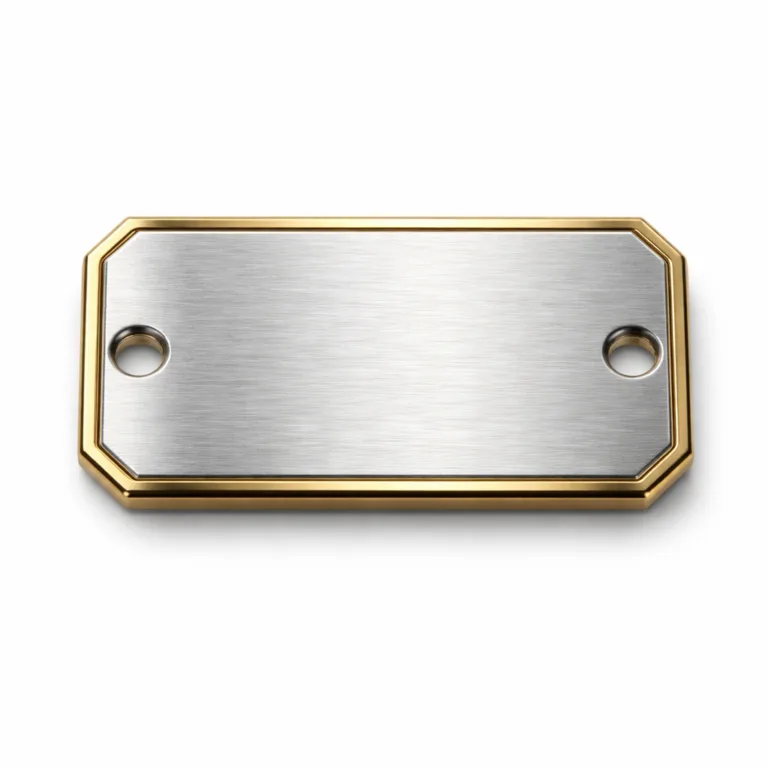
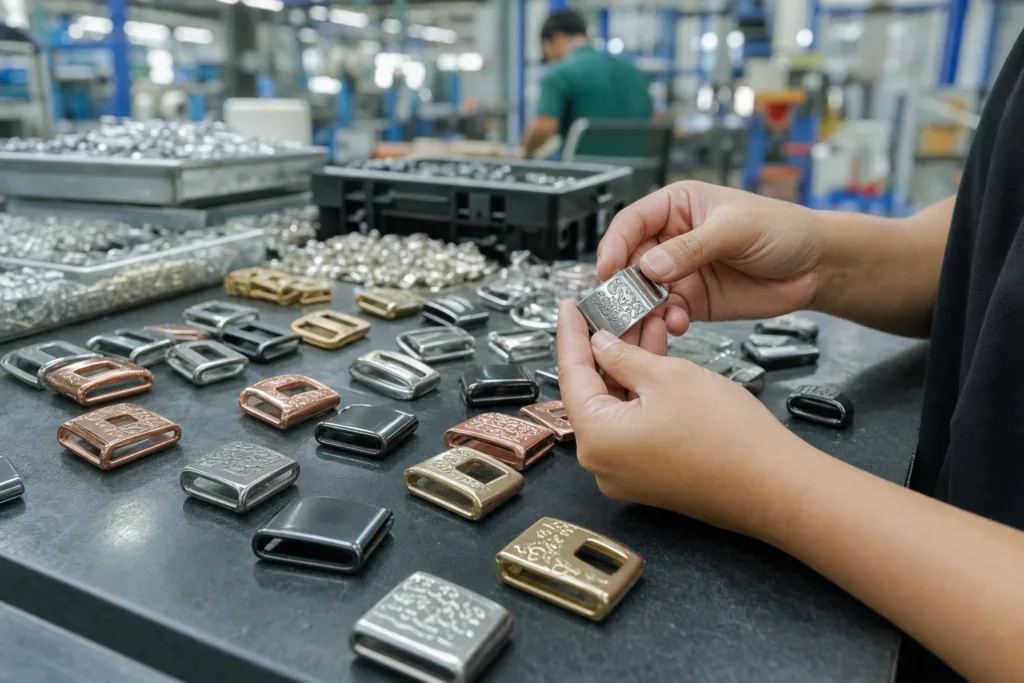
The slider itself can be plain, engraved, die-cast, stamped, polished, antiqued, or plated in different tones. These differences are not minor. They shape rarity and perceived quality. A standard round slider used across many events is less memorable than a custom-formed slider with a year mark, event icon, or special finish.
For example, engraved bracelet tag options usually appeal to projects that want crisp branding and a durable mark, while more sculptural event concepts may lean toward die-cast bracelet charm tags when shape and visual depth are part of the collector appeal.
Finish and color effects
Some wristbands become memorable because the metal part catches light in a distinctive way. Others stand out because the finish aligns with the mood of the event, such as antique brass for a vintage-inspired lineup or dark matte plating for an industrial music concept. Reflective surfaces can also raise perceived value when handled well, especially in premium or VIP versions. In projects where shine and surface presentation matter, mirror-polish bracelet finishes can create a more display-worthy result, though they also require careful planning for scratch visibility and handling.
Why attendees keep festival wristbands as personal mementos
Most people do not preserve festival wristbands because they expect resale value. They keep them because the object carries a compressed memory. It reminds them of travel, friends, first performances, weather, noise, emotion, and time. That is why even damaged or faded wristbands can mean a lot to the original owner.
Festival wristbands are also worn objects. They stay on the body during the experience, so they collect emotional significance differently from a poster bought at a merch table. They are part of the event itself. In many cases, people keep them in boxes, hang them on walls, frame them with tickets, or store them in journals with notes and photos.
There is also a social layer. As cultural commentary has noted, festival wristbands are worn as visible symbols of participation and belonging. That helps explain why some people continue wearing them after the event, while others remove them carefully and save them as proof of a meaningful experience.
Collectible memorabilia value: rarity, event significance, and limited editions
For collectors, sentimental value and market value are not the same, but they often overlap. A wristband becomes more collectible when several factors come together: a major event, a significant year, a strong design, limited issue, and a clear story.
Rarity can come from many sources:
- VIP or artist-access versions made in smaller quantities
- First-year or anniversary editions
- Bands tied to a famous performance or culturally important lineup
- Designs using custom metal sliders, charms, or numbered elements
- Event series that changed branding each year
Event significance matters too. A band from a routine edition of a local event may still be cherished by the owner, but broad collector demand usually rises when the event has a strong reputation, large audience memory, or a documented place in music and youth culture.
Limited editions often do especially well because they are easy to understand. Collectors like visible scarcity. If a wristband clearly differs from standard admission bands through color, hardware, packaging, or tier designation, it is more likely to be viewed as a collectible object.
What makes certain wristbands more sought-after than others
In many projects, the difference between ordinary and collectible is not dramatic. It is usually a combination of small details that were handled well. Buyers evaluating commemorative or premium event wristbands should look at what actually affects long-term appeal.
Strong visual identity
A sought-after wristband usually looks distinct even without explanation. The event name, era, color palette, and hardware style come together in a way people remember.
Good material and finish choices
If the band frays badly or the metal corrodes quickly, collectibility drops. Aged appearance can sometimes add character, but uncontrolled deterioration usually reduces appeal.
Readable event information
Date, name, tier, or special access details help confirm what the item is. Collectors generally prefer pieces that can be identified without guesswork.
Story and provenance
A wristband connected to a known attendee, artist area, landmark performance, or unusual event condition can become more interesting. Provenance does not need to be famous to matter. Even simple documentation, like original packaging or event photos, can help.
Limited production structure
Custom sliders, split versions by access level, and annual design changes all create built-in variation. Variation is one of the main engines of collecting.
Notable festivals and event series that helped popularize collectible wristbands
Large music festivals helped normalize the idea that access items could become lifestyle objects. As events grew more visual and more brand-aware, organizers began treating wristbands as part of the festival identity system. The move from generic entry bands to woven, printed, and metal-detailed versions did not happen by accident. It followed the broader shift toward immersive event branding.
Some event series also trained audiences to expect yearly differences. Once attendees knew that each year brought a new colorway, logo treatment, or premium pass style, they started comparing versions. That is how practical entry control turned into a collectible sequence.
From a manufacturing point of view, this is where consistency and variation have to work together. A festival may want a recognizable system across years, but enough design change to make each edition memorable. At UC Tag, that kind of balance often matters in custom metal component projects because collectors notice repeated quality cues as much as they notice visual changes.
Stories and emotional connections behind memorable wristbands
Collectors often talk about rarity, but emotion is usually the real reason an item survives long enough to become collectible. One band marks a first festival trip. Another marks the final tour appearance of a favorite artist. Another was worn by a group of friends who no longer live in the same city. The object becomes a container for memory.
This is why wristbands with metal sliders often hold attention longer. They feel substantial in the hand when people revisit old keepsakes. The metal part gives the memory object a sense of finish and permanence.
For general readers, this may sound sentimental, but collectors know it affects behavior. People protect objects that feel meaningful. They cut them off carefully, store them more deliberately, and sometimes trade stories about them before they would ever consider trading the item itself.
How collectors assess condition, authenticity, and provenance
Once wristbands enter collector circles, the conversation becomes more disciplined. Condition matters. So does authenticity. And provenance, even informal provenance, can make a difference.
Condition
Collectors usually look at fading, fraying, staining, metal scratches, plating wear, deformation, and whether the slider still sits correctly. Light event wear can be acceptable because it supports authenticity. Major damage is different.
Authenticity
Authenticity is easier to judge when the event branding is clear and the construction matches known issue styles. Custom hardware can help here. A specific slider shape, engraved year, or unique casting detail is harder to imitate than a plain printed strap.
Provenance
Provenance can be simple: original ticket confirmation, event photos, lanyard pairing, wristband envelope, or direct history from the attendee. For higher-interest items, that background can separate a nice keepsake from a stronger collector piece.
| Collector Checkpoint | What to Look For | Why It Matters |
|---|---|---|
| Band condition | Limited fraying, readable print, stable color | Better presentation and identification |
| Metal slider quality | Clear logo, intact shape, controlled wear | Supports authenticity and visual value |
| Event details | Name, year, tier, edition clues | Makes comparison and cataloging easier |
| Original context | Photos, packaging, related passes | Improves provenance |
| Version rarity | VIP, backstage, anniversary, special release | Can raise collector interest |
Display, storage, and preservation tips for wristband collectors
If a wristband is being kept as collectible memorabilia, storage is not a small detail. Poor storage causes fading, distortion, and corrosion-like staining from mixed materials or trapped moisture.
Practical preservation tips include:
- Store bands flat or gently rolled, not sharply folded
- Keep them away from direct sunlight to reduce color fading
- Avoid damp boxes or sealed containers if the item was stored before fully drying
- Separate pieces with delicate finishes from rough hardware that may scratch them
- Use acid-free paper, sleeves, or display boards when possible
- Do not overclean metal sliders, especially plated or antique-finish parts
Collectors sometimes make the mistake of polishing away age. That can reduce appeal. Surface wear that reflects real use is different from dirt that actively damages the item. The goal is preservation, not making an old band look newly manufactured.
Market trends in festival memorabilia
Demand for festival memorabilia moves with culture. Anniversary years, documentaries, artist revivals, and nostalgia cycles can all increase interest in old event material. Wristbands tied to now-famous artists or festivals that later changed format can become more noticeable in the resale and collector space.
Still, not every old wristband becomes valuable. Many remain personal keepsakes with little external market demand. That is normal. Collectibility usually depends on intersection: event significance, condition, rarity, and design distinction.
Metal-slider versions tend to have an advantage because they photograph well, display better, and feel more substantial than generic issue bands. In collector markets, presentation matters almost as much as scarcity.
Common mistakes that reduce a wristband’s collectible appeal
For collectors and event organizers alike, some avoidable mistakes reduce long-term appeal.
- Generic design: If the band looks like any other event product, memory value may remain, but collector interest is weaker.
- Unclear event identification: Missing year or poor branding makes later verification harder.
- Weak material choices: Bands that break down too quickly rarely age well as keepsakes.
- Overly delicate finishes: Highly polished metal can look excellent, but if the surface scratches immediately during normal wear, the result may disappoint.
- Poor assembly planning: A beautiful slider attached to an unstable band creates quality inconsistency.
- Improper removal: Cutting through logos, crushing hardware, or pulling the band apart reduces collectible condition.
For buyers developing event wristbands, the key is not only the product name or price, but whether the material, structure, marking method, and wearing conditions match the actual use case. A collectible look has to survive real handling.
Why festival wristbands with metal sliders continue to matter
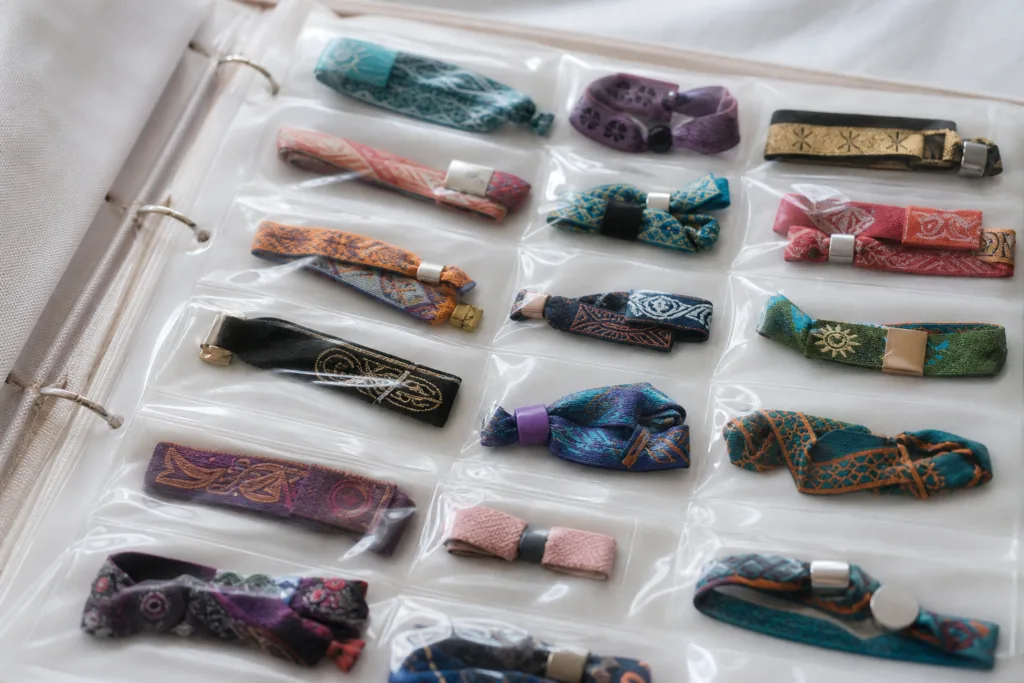
Festival wristbands with metal sliders matter because they sit between utility and memory. They begin as access tools, but the better ones carry enough design identity and emotional weight to become collectible memorabilia. The metal detail helps by adding durability, focus, and a sense of permanence that many disposable event bands do not have.
For organizers, merch teams, and collectors, the lesson is simple. Small production choices shape long-term meaning. Material quality, event clarity, slider design, finish, and edition structure all influence whether a wristband is forgotten in a drawer or kept for years. When those details are handled well, a simple festival band can become a lasting object with both personal and collector value.
FAQs
Why do festival wristbands become collectible?
They become collectible because they combine personal memory with event history. A wristband is tied to a specific date, place, lineup, and experience, so it can function as both a keepsake and a piece of festival ephemera. If it also has strong design, limited release details, or a custom metal slider, people are more likely to preserve it.
Do metal sliders really make a festival wristband more valuable?
They often increase perceived value because they add material contrast, branding space, and a more durable decorative element. A metal slider can make the wristband feel more like memorabilia than a disposable access item, especially when it includes custom shaping, engraving, or a finish that matches the event identity.
What condition is best for collectible festival wristbands?
The best condition is usually clean, readable, and structurally intact, with normal event wear rather than major damage. Collectors generally accept some signs of use because they support authenticity, but severe fading, torn fabric, crushed hardware, or missing event details can reduce appeal.
Are limited edition festival wristbands more sought-after?
Yes, in many cases they are. VIP versions, backstage access bands, anniversary releases, artist-area issues, and first-year editions tend to attract more attention because they were made in smaller numbers or carry clearer event significance. Limited variation is one of the main reasons some wristbands stand out in collector circles.
How should collectors store festival wristbands with metal sliders?
They should be kept dry, away from direct sunlight, and protected from scratching or sharp folding. Flat storage, acid-free backing materials, and careful separation between metal parts and delicate printed surfaces usually help preserve both the band and the slider over time.
Can festival wristbands be designed from the start as collectible memorabilia?
Yes, but that only works when the design decisions are intentional. Event name clarity, year marking, custom slider style, finish choice, durable materials, and controlled production quality all matter. In many projects, collectibility is not created by one expensive feature. It comes from several practical details working together.