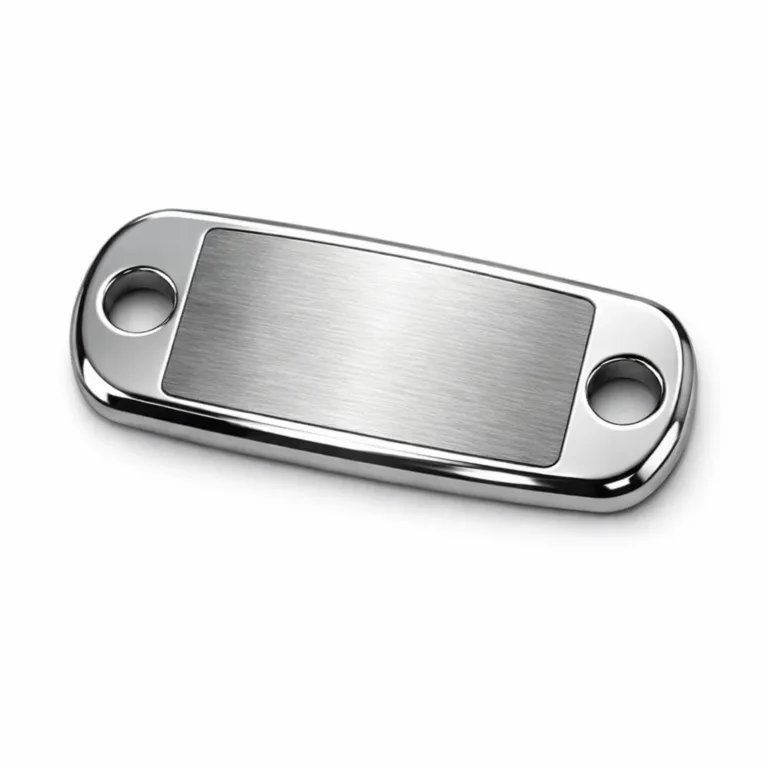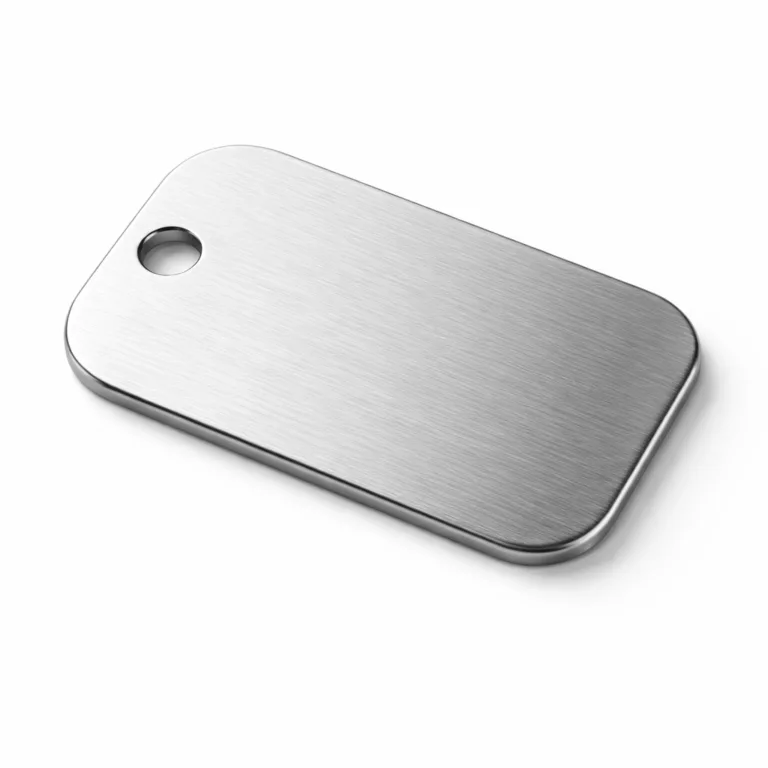
Introduction: Understanding Epoxy Domes and Clear Protective Coating
Epoxy domes: when and why to add a clear protective coating? This question is at the heart of maximizing the performance and beauty of custom metal tags, keychains, badges, and product labels. Epoxy domes—crystal-clear, slightly raised coatings—transform the look and lifespan of almost any flat surface. But when is an extra coating layer essential, and what advantages does it really bring? In this comprehensive guide, we’ll explore how a clear protective coating enhances durability, shields against UV and abrasion, and dramatically uplifts visual appeal. Whether you’re creating rugged outdoor nameplates or luxury retail tags, understanding these factors will help ensure each project balances both toughness and style.
What Are Epoxy Domes?

Epoxy domes are transparent, resin-based coatings applied over flat surfaces—usually printed or decorated tags, badges, and labels. The resin, once cured, forms a smooth, glassy dome that’s both flexible and highly resilient. This coating not only enhances the depth and color of underlying graphics but also provides a barrier against moisture, scratches, and chemical exposure. Epoxy domes have become a staple across industries—from branding and merchandise tags to technical and data-plates—because of their unique combination of protection and aesthetics.
Why Apply a Clear Protective Coating?
The main reason to add a clear protective coating is to safeguard tags or badges against the hazards of real-world use. Without protection, printed metal or plastic surfaces are prone to fading, abrasion, and even corrosion. A clear coat, especially an epoxy dome, acts like a shield. It blocks dust, UV rays, chemical splatter, and even the oils from frequent handling. For items exposed to the outdoors or high-traffic contact, this layer is not just advantageous—it’s essential for longevity and functionality.
Key Benefits of Epoxy Dome Coatings
- Durability: Significantly increases resistance to abrasion, impacts, and daily wear.
- UV Protection: Shields printed graphics and substrate from ultraviolet rays, preventing color fade.
- Aesthetic Enhancement: Adds a glass-like shine and magnification effect, deepening colors and sharpness.
- Moisture & Chemical Barrier: Seals surfaces against humidity, spills, and cleaning agents.
- Soft Touch: Provides a smooth, rounded feel, making handling more pleasant.
Best Applications for Epoxy Domes
Epoxy dome coatings are not universally necessary. They shine in specific scenarios where durability and look matter most. Ideal uses include:
- Outdoor Signage and Labels: Where UV, rain, and pollution threaten prints.
- Keychains and Badges: Subjected to daily friction and frequent handling.
- Retail Product Tags: Needing enhanced color vibrancy to catch the eye.
- Hospitality or Event Credentials: Designed for short-term, heavy use.
- Promotional Merchandise: Where tactile and visual impact boost brand recall.
When Should You Skip a Protective Layer?
While epoxy domes offer many enhancements, there are times when a clear protective coating isn’t the best choice:
- When direct marking (like laser engraving) is critical for permanence—some methods do not bond well to domed surfaces.
- For applications where extremely thin, flush tags are needed for integration or safety reasons.
- When material needs to flex or bend significantly—epoxy domes can crack if overstressed.
- Where cost is a major factor, and maximum life expectancy is not required.
Types of Clear Protective Coatings: Epoxy vs. Polyurethane vs. UV Resin
While epoxy is the industry standard for dome coatings, other clear coats exist. Here’s how they compare:
| Coating Type | Durability | UV Resistance | Flexibility | Common Uses |
|---|---|---|---|---|
| Epoxy | High | Good | Moderate | Tags, badges, keychains |
| Polyurethane | Very High | Excellent | High | Larger signs, outdoor applications |
| UV Resin | Medium | Excellent | Low | Small crafts, some electronics |
For most standard label or badge needs, epoxy offers the best cost-to-performance ratio. Polyurethane is preferred if maximum outdoor resilience is needed. UV resin is best for delicate, small-batch items but offers less flexibility and impact resistance.
How Epoxy Domes Enhance Durability
Once cured, epoxy domes form a tough, flexible shield. This coating absorbs shocks from drops or bumps that would otherwise scratch or chip the underlying label. It also resists chemical spills and short-term exposure to various cleaning agents. For identification tags that face a mix of sunlight, water, or oils—like those used on outdoor gear or travel items—epoxy domes help maintain legibility and vibrancy for years. Many manufacturers, including UC Tag, use industry-tested epoxy blends to ensure consistency in hardness, edge clarity, and color transparency.
Visual Appeal: The Aesthetic Impact of a Clear Coat
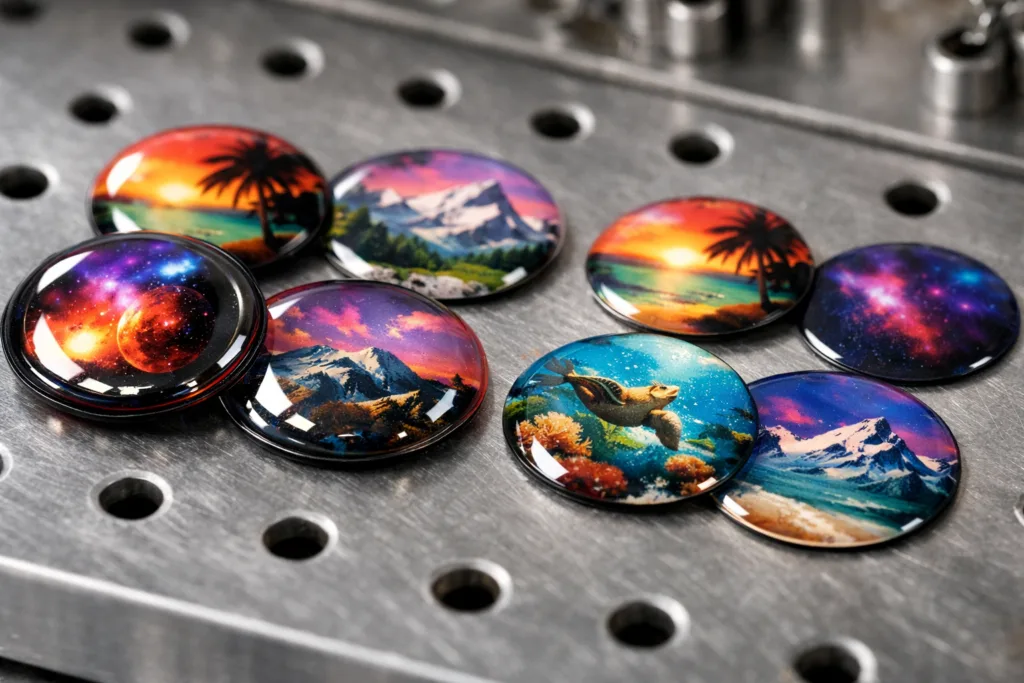
There’s a dramatic difference in the finished look of a product before and after a clear dome is applied. The dome acts almost like a magnifying lens, deepening color saturation and making printed details more vibrant from every angle. This visual upgrade is especially valuable on retail product tags, corporate badges, and collector’s items. If you want your branding, artwork, or logos to draw the eye with a premium feel—an epoxy dome delivers, every time.
Comparing Uncoated vs. Dome-Coated Items
| Feature | Uncoated | Dome-Coated |
|---|---|---|
| Scratch Resistance | Low | Very High |
| UV Fade Protection | Minimal | Excellent |
| Color Depth | Standard | Enhanced |
| Moisture Protection | None | Sealed |
| Tactile Feel | Flat | Soft/Glossy |
Choosing the Right Coating Thickness
Bigger isn’t always better. Too thick a dome risks excess weight, less flexibility, and even cracking. Ideal dome thickness ranges from 1mm to 2mm for most badges and keychains. Thicker domes (2.5mm or more) may be used for larger-format tags, but only if the underlying substrate can support the dome’s mass.
Surface Preparation: Critical Steps Before Coating
Successful dome application starts with surface prep. The base tag or badge must be spotless, dry, and free of oil or dust. Even tiny contaminants can cause bubbles or prevent bond formation. In the production process at manufacturers like UC Tag, specialized cleaning and anti-static steps are used to ensure the clearest, smoothest finish possible.
Epoxy Dome Application Techniques
Applying a perfect dome is both art and science. The process involves:
- Mixing resin and hardener precisely
- Dispensing the liquid evenly within defined boundaries, often using automated nozzles
- Leveling to self-form a uniform dome shape
- Curing under controlled temperature and humidity to avoid cloudiness or surface defects
Manual application requires a steady hand and experience, especially for small or intricate tags. Automation boosts output and consistency for medium to large volumes.
Common Defects and How to Avoid Them
Even skilled producers can encounter issues like bubbles, fisheyes, or uneven doming. These defects often stem from:
- Improper mixing or ratios
- Contaminated surfaces
- Humidity fluctuations during cure
- Excessive layer thickness, leading to cracks
A rigorous process checklist and quality assurance steps keep domed tags defect-free and visually stunning.
UV Resistance and Weathering
Not all clear coatings offer equal UV protection. Standard epoxy resin can yellow over time with direct sunlight. Advanced formulas and additives help slow this effect, making epoxy domes suitable even for extended outdoor use. If absolute UV resilience is paramount—say, for marine or industrial signage—polyurethane domes may be a better match. For most retail and branding applications, modern epoxies hold their clarity for years.
Cleaning and Maintenance Tips
Maintaining the clarity and shine of your domed coatings is simple but essential. Use a soft, damp cloth to wipe away dust or fingerprints. Avoid harsh solvents and rough scrubbing pads, as these can abrade the surface and cloud the dome. For tags that see frequent outdoor exposure, an occasional gentle wash is enough to preserve both the look and protective properties.
Repair and Restoration of Aged Domes
Even the toughest domes may scratch or yellow after heavy use. Light scratches can often be polished out using a non-abrasive cleaner; deeper fogging or cracks usually require recoating. Professional doming services can remove damaged resin and reapply a fresh layer, giving new life to cherished tags or collectibles.
Environmental Considerations: Eco-Friendliness of Coating Materials
Modern resins have evolved to become safer for both users and the planet. Select suppliers now offer low-VOC and halogen-free options. Some epoxy manufacturers source bio-based components. For companies seeking sustainable options, discussing eco-friendly finishes is possible—read about more ideas in eco-friendly dog tags and other sustainable solutions.
Epoxy Domes: When and Why to Add a Clear Protective Coating.
Understanding when to add a clear protective coating—and the right type—depends on balancing aesthetics, durability, and budget. Protective domes are crucial for tags exposed to the elements or high wear, where maintaining print quality and protecting brand graphics is critical. For lightweight or flush-mount tags, or when permanent direct marking is needed, skipping the dome may be smarter. The decision should always be guided by real-world use scenarios and not just visual preferences.
Epoxy Dome Trends: Customization and Color Effects
Today’s epoxy domes can be customized far beyond simple clear coats. Manufacturers can add tinted pigments, suspended glitter, or even photochromic particles for color-shifting effects. Multi-layer domes can create striking 3D or relief visuals that set premium tags far apart from basic flat labels. If your project calls for creative branding, a discussion about specialty domes may reveal new possibilities.
Expert Manufacturer Insight: Balancing Durability and Design
Speaking from a manufacturer’s perspective, balancing maximum durability with sharp, attractive graphics comes down to precision at each production stage. Rain Chen, a veteran craftsman at UC Tag, notes: “We focus on absolute surface cleanliness and careful edge control before doming—especially for high-detail or small batch orders. Even a tiny bit of dust can cause a permanent bubble or edge gap. Material choice, gauge, and edge radius all play a part in how well the dome holds up year after year.” These trade-offs are part of the reality in producing premium, long-lasting tags for every industry.
Material Compatibility with Epoxy Domes
Epoxy domes can be applied to a range of base materials: aluminum, stainless steel, brass, PVC, and coated paper. Not all materials hold domes equally well, however. Brushed and matte finishes may reduce adhesion; highly polished metals show off the magnifying effect of the dome best. Discuss substrate preferences with your supplier to match look, weight, and expected conditions.
Common Mistakes When Adding Clear Coats
- Applying domes over graphics that aren’t UV-cured, leading to image bleed.
- Skipping edge rounding—sharp corners can cause the coating to recede or lift.
- Underdosing or overdosing resin volume, causing run-off or flat spots.
- Rushing curing time—impatience leads to tacky or sticky finishes.
Even experienced craftspersons need systematic checks at each step.
Cost Factors: Value vs. Investment
The price of dome coating is influenced by resin quality, application method (manual vs. automated), customization, and tag size. While coating can add roughly 10–20% to total cost, it can double (or more) the functional lifespan of tags exposed to rough handling or outdoor conditions. For specialty or bulk applications, a well-executed dome translates to fewer replacement cycles and stronger brand visibility over time.
Case Study: Durability and Branding Success with Domed Tags
Brands that adopted epoxy domed logo tags for high-traffic settings—think gym lockers, branded club keychains, or travel gear—report a marked decrease in worn-out tags and customer complaints. One premium luggage maker observed their domed product tags withstood five years of international baggage handling with minimal fading or chip-off. When durability equals brand reputation, a protective dome is an investment that pays off.
Practical Takeaways: Getting the Most from Your Epoxy Dome
- Choose the right coating for your use case—epoxy for general needs, polyurethane for extreme weather.
- Prioritize surface prep and application precision—consider professional manufacturing for high-value runs.
- Maintain with simple, gentle cleaning to preserve both shine and functionality.
- Weigh the cost of doming against the product’s expected life cycle and replacement risk.
Conclusion: The Value of a Clear Protective Coating for Lasting Impression

Epoxy domes: when and why to add a clear protective coating depends on your goals for durability, aesthetics, and longevity. For most tags and labels exposed to daily use, the protective upgrade is invaluable—fighting off scratches, fading, and moisture while making graphics pop. Choosing the ideal dome type, thickness, and application process transforms a simple tag into a touch-friendly, eye-catching brand statement. With professional insights and attentive care, your domed products will perform beautifully for years to come.
Frequently Asked Questions
What is an epoxy dome and how is it different from a simple clear coat?
An epoxy dome is a clear, raised, resin coating applied over graphics to create a smooth, glossy, and protective layer. Unlike a thin clear spray or dip coat, domes provide both visual magnification and a tactile, flexible surface that’s far more resistant to scratching and UV damage.
Can epoxy domes be applied to any material?
Epoxy domes work on many materials like coated metal, plastics, PVC, and even some papers. However, compatibility depends on surface smoothness and finish—highly textured or oily materials may require special preparation or a different coating type.
Do epoxy domed tags require special cleaning?
No special treatment is needed, but it’s best to use a soft, damp cloth and mild soap. Avoid abrasive sponges or strong solvents, as they can dull the dome’s shine or cause cloudiness over time.
How long does an epoxy dome last outdoors?
With quality resin and proper application, domed tags can maintain clarity and color for several years outdoors. Advanced domes with UV inhibitors resist yellowing and deterioration far longer than basic coatings.
What is the typical thickness of an epoxy dome?
Most domes are 1–2mm thick. This creates a protective shield without adding excessive weight or bulk. Thicker domes are possible for larger items, but may be more prone to surface stress or cracks.
Are epoxy domes environmentally friendly?
Modern formulations can be low-VOC and some use bio-based ingredients. Discuss with your supplier if sustainability is a priority—many production facilities now offer eco-friendlier dome resin options.
Related Reading
- Your Smart Guide to Maximizing Epoxy Dome Durability and Protection
- How Sculptural Relief 3D Tags Stand Out on Crowded Keychains
- Going Green: Recycled Metals and Low-VOC Finishes in Modern Tag Production
- Unlocking Photo-Quality Gradients and Finishes on Metal Tags
- Choosing Between Soft and Hard Enamel for Pins and Tags
- Mastering Material Thickness for Durable Tags and Garments