Introduction: Rethinking Brand Tags for a Greener World
As sustainability becomes non-negotiable in branding, the materials used in product tags are getting a much-needed eco-makeover. Eco-Friendly Options: Recycled Metal and Wood for Sustainable Brand Tags. isn’t just a trend—it’s a practical win for businesses determined to reduce environmental impact while keeping their design edge sharp. With every decision on materials, brands hold the power to shape consumer perceptions and move toward a more sustainable future.
What Makes a Brand Tag Truly Sustainable?

True sustainability in brand tags goes beyond just the label—it’s an interplay of recycled content, responsible sourcing, production methods, and the product’s entire lifecycle. Using recycled metal and sustainable wood ticks several green boxes at once, from waste reduction to supporting circular economy practices. Businesses increasingly examine carbon footprints, recyclability, and aesthetic versatility as deciding factors in their material choices.
Environmental Impact of Conventional Tag Materials
Standard tags often made from virgin plastics, dyed textiles, or untreated woods come with high resource extraction rates and limited end-of-life options, producing considerable carbon emissions and landfill buildup. These traditional methods are being replaced as more brands opt for greener materials that align with their environmental commitments.
Why Choose Recycled Metal for Brand Tags?
Recycled metals like aluminum, copper, and stainless steel provide impressive durability and a premium perception while significantly reducing energy use compared to new metal production. According to the Aluminum Association, recycling aluminum saves over 90% of the energy required to produce new aluminum. This makes recycled metal the material of choice for eco-conscious, high-performing brand tags.
Understanding Recycled Aluminum, Brass, and Copper in Tags
Each metal brings unique advantages: recycled aluminum is lightweight and corrosion-resistant, brass offers a classic, gold-like appearance, and copper adds vintage charm with its natural patina. Their thermal and mechanical properties remain consistent even after recycling, making them versatile for bespoke branding. For deeper insight into how copper and bronze age to perfection, check out this guide on why patina makes history and art shine.
Sustainable Wood: A Timeless Eco Choice
Wood sourced from sustainably managed forests or reclaimed lumber provides natural texture and warmth that’s hard to replicate. When certified by organizations like the FSC, these woods guarantee responsible harvesting and traceability, making them a transparent choice for brands serious about green messaging.
Comparing Recycled Metal vs. Sustainable Wood Tags
| Feature | Recycled Metal | Sustainable Wood |
|---|---|---|
| Durability | High (Resists wear & moisture) | Moderate (Can be treated for extra protection) |
| Design Versatility | Modern, Industrial, Minimalist | Natural, Earthy, Handcrafted |
| Carbon Footprint | Very Low (when recycled) | Low (when reclaimed/certified) |
| Recyclability | 100% Recyclable | Biodegradable or Compostable |
| Brand Perception | Technical, Premium | Wholesome, Artisanal |
The Process: How Recycled Metal Brand Tags Are Made
Manufacturing recycled metal tags starts with sorting and cleaning post-consumer or post-industrial scrap. The metal is re-melted, alloyed for consistency, then rolled and stamped into tag blanks. Advanced fabrication techniques, such as laser engraving or chemical etching, allow for precise detailing with minimal waste. For a closer look at process advantages, see this manufacturer’s guide to metal tags.
Wood Tag Crafting from Reclaimed and Certified Sources
Sustainable wood tags begin with reclaimed furniture offcuts, storm-felled timber, or certified new lumber. Each piece is kiln-dried, cut, sanded, and—if needed—laser-etched for logos or text. Eco-friendly finishes such as water-based varnishes or natural oils are preferred to reduce VOC emissions, ensuring both the look and feel remain clean and safe.
Material Sourcing: Tracing Origins for Transparency
In modern supply chains, traceability isn’t optional. Providing background on recycled content percentage and wood source certifications reassures customers that claims are authentic, not greenwashing. Many brands list material origins directly on garment or accessory tags for full transparency.
Design Freedom with Recycled Metals
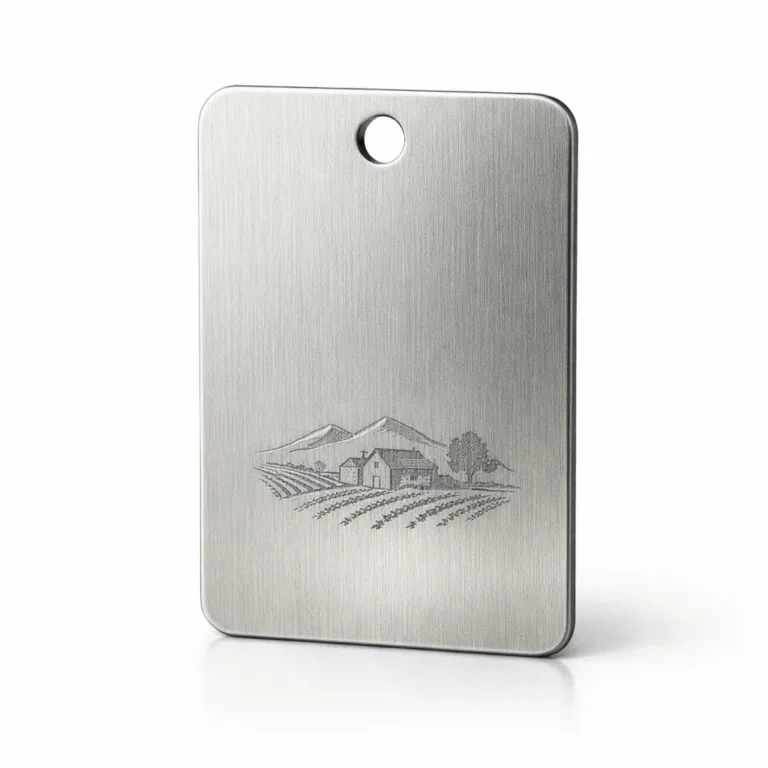
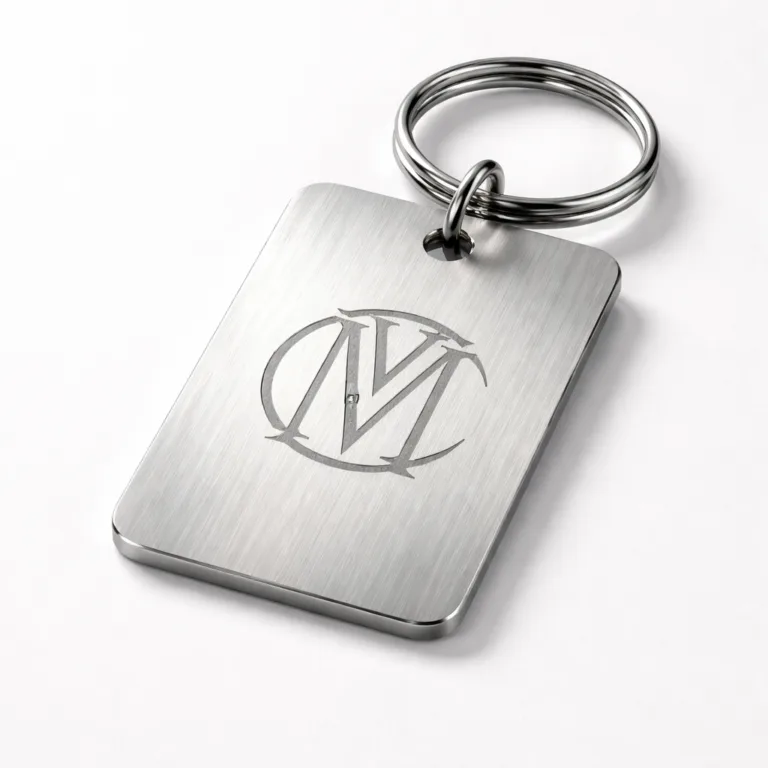
Despite its sustainable roots, recycled metal is compatible with complex customizations. Brands can specify brushed, mirrored, matte, or patinated finishes. Stamping, custom die-cuts, and colored infills create unique tags that elevate product perception—and durability. Manufacturing realism means that fine details and safe edges must be managed. From a shop-floor angle, Rain Chen at UC Tag notes that “plated finishes on recycled base metals require attention to thickness for both eco-credibility and consistent color.”
Creative Uses of Sustainable Wood in Branding
Sustainable wood tags are a storytelling tool—each grain, knot, and burn mark is unique. Laser engraving, wood burning (pyrography), or embedded color inlays can spotlight a brand’s logo or tagline while reinforcing a commitment to the environment. For added contrast or color, some manufacturers combine recycled metal with wood for hybrid tags.
Reducing Carbon Footprint: The Lifecycle Advantage
Eco-friendly material choices directly affect a product’s total lifecycle. Recycled metals minimize mining, refining, and shipping emissions. Sustainable wood sequesters carbon during growth and decomposes harmlessly at end-of-life. Both options create a cycle that’s easier on landfills and air quality.
Popular Finishes for Eco-Friendly Metal Tags
Key sustainable finishes include natural uncoated metal, low-VOC clear coats, and PVD color treatments instead of heavy electroplating. For brands needing precise color, anodized recycled aluminum offers a vibrant yet environmentally conscious solution. For a detailed look at anodized colors, visit this article on aluminum tag benefits.
Low-VOC and Natural Finishes for Wood Tags
Low-VOC stains, plant-based oils, and waxes are preferred for finishing sustainable wood brand tags. These finishes highlight the material’s authenticity and keep off-gassing and worker exposure to a minimum, aligning with strict indoor air quality standards for both manufacturers and retailers.
Innovative Green Design: Mixed-Media Brand Tags
The combination of recycled metal and sustainable wood enables layered effects, color contrast, and tactile branding. Hybrid tags can use a metal base for structural integrity and a wood veneer or inlay for a warm, natural feel. Many luxury and outdoor brands embrace the possibilities of these blended materials to stand out while promoting their green ethos.

Success Stories: Brands Using Recycled Tags
Outdoor clothing labels, artisanal confectioners, and wine producers increasingly highlight their use of recycled or reclaimed tag materials as proof points for ethical practices. These stories aren’t just marketing—they reflect real commitments to lowering environmental impact while keeping brand presence strong. For travel products, modern luggage makers now specify eco-friendly brand tags that balance durability with low footprint materials.
Certifications and Standards: What to Look For
For metals, look for documented recycled content percentages, such as those following UL Environmental Claim Validations. For wood, Forest Stewardship Council (FSC) or Programme for the Endorsement of Forest Certification (PEFC) symbols add credibility. In-house tracking at tag manufacturers ensures batch consistency and supports brand reporting.
End-of-Life: How to Close the Sustainability Loop
User instructions like “recycle this tag” (for metals) or “compostable” (for natural wood tags) empower customers and eliminate confusion. Thoughtful design includes easy detachment to support responsible tag disposal or reuse in upcycling projects.
Regulatory and Compliance Concerns for Green Materials
Certain international markets require detailed reporting on recycled content, chemical use, and traceability. Brands should align tags with both internal sustainability policies and evolving regulations such as the EU Green Claims Directive or California Proposition 65 (for finishes and adhesives).
Marketing Advantages: Eco-Friendly Tags as Brand Storytelling Tools
Visible use of recycled metal and wood delivers a tangible proof point for climate pledges and responsible sourcing. Hangtags and product badges communicate more than just a logo—they display a brand’s values. Crafting this story pays off in building long-lasting customer trust.
Cost Considerations: Is Green Always More Expensive?
While the upfront costs of recycled metals or certified wood may be slightly higher than conventional materials, the gap is closing. Lower material handling and energy costs during processing, combined with consumer willingness to support responsible brands, make the investment worthwhile. Manufacturers like UC Tag confirm that using recycled base metals may even lower waste rates in production runs due to improved raw material stability.
Designing for Small Brands: Easy Ways to Start
Small brands need not overhaul every supply chain to make a difference. Start with hybrid tags (metal plus reclaimed wood), select existing recycled shapes, or choose a simple laser-engraved design on sustainable wood. Partnering with reputable tag solution providers can smooth out the process without large minimum orders—see more on custom metal tag solutions for all brand sizes.
Pitfalls and Trade-Offs: Managing Real-World Challenges
Eco materials present unique production hurdles: wood tags can warp if over-dried, and recycled metal batches occasionally show minor tone variations. Honest, experienced manufacturing oversight—like deburring, plating thickness checks, and proper finish application—prevents product rejects and keeps both safety and aesthetics intact.
Eco-Friendly Options: Recycled Metal and Wood for Sustainable Brand Tags.

The shift toward recycled metals and sustainable woods for brand tags isn’t just industry hype—it yields measurable benefits for brands and the planet. Adopting these materials reduces waste, shrinks carbon footprints, and signals genuine sustainability to customers. Thoughtful integration in both design and storytelling moves brands toward a future where products—and the tags that identify them—can be beautiful, functional, and responsible.
Frequently Asked Questions
What is the main advantage of using recycled metal for brand tags?
Recycled metal drastically reduces energy consumption compared to virgin material, cutting down on greenhouse gas emissions while providing durable, stylish branding options.
Are sustainable wood tags as durable as metal?
Sustainable wood tags are moderately durable and suitable for many applications, though they may require protective finishes for high-moisture environments.
Do recycled metal and wood tags cost more?
They can be slightly more expensive initially, but lower processing costs and enhanced brand value often offset the difference over time.
How can I confirm the eco-credentials of tag materials?
Look for certifications such as FSC for wood and recycled content validation for metals, and ask suppliers for documentation on sourcing and processing.
Can recycled and sustainable tags handle custom designs?
Absolutely—modern processes like stamping, engraving, and laser etching offer excellent design versatility with both recycled metal and sustainable wood bases.
What’s the best disposal method for eco-friendly brand tags?
Metal tags should be recycled according to local guidelines, while wood tags can often be composted or safely disposed of with organic waste.