Introduction to Dog Tags
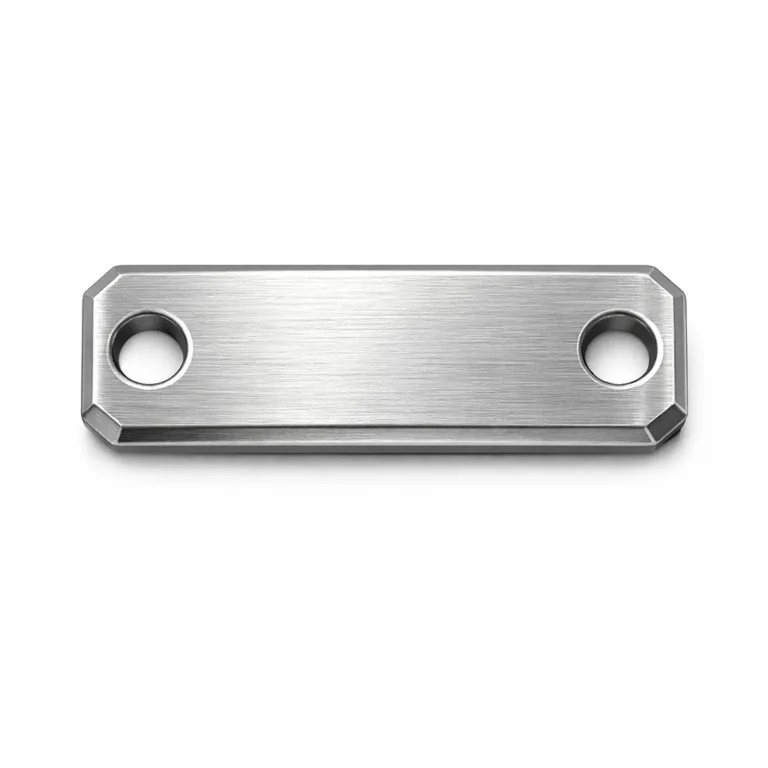
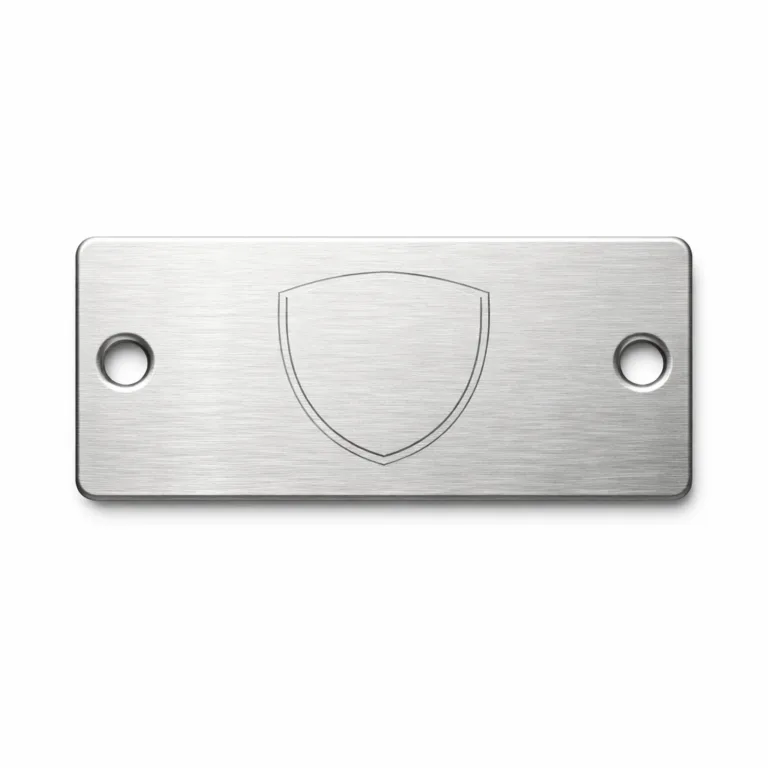
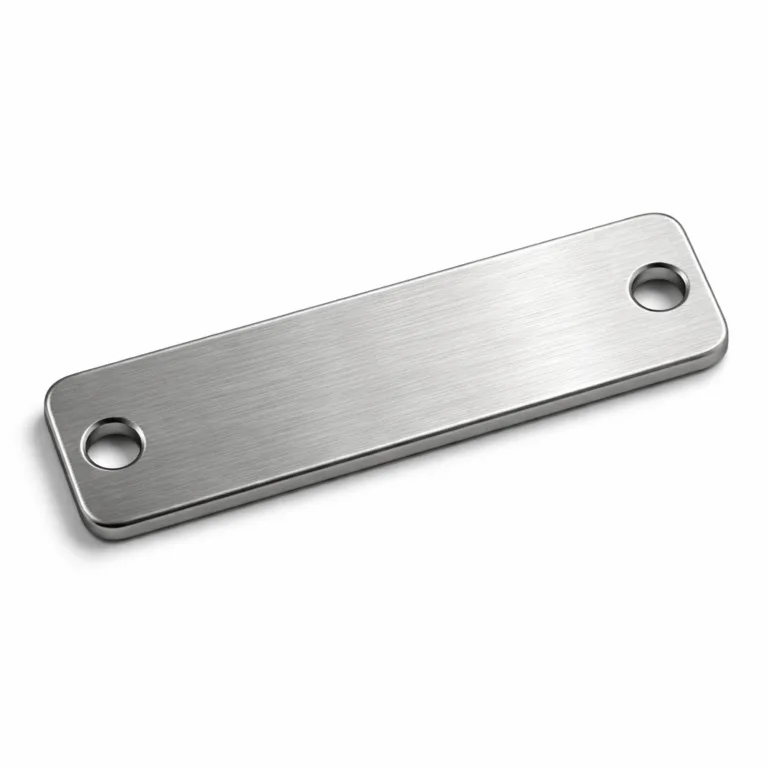
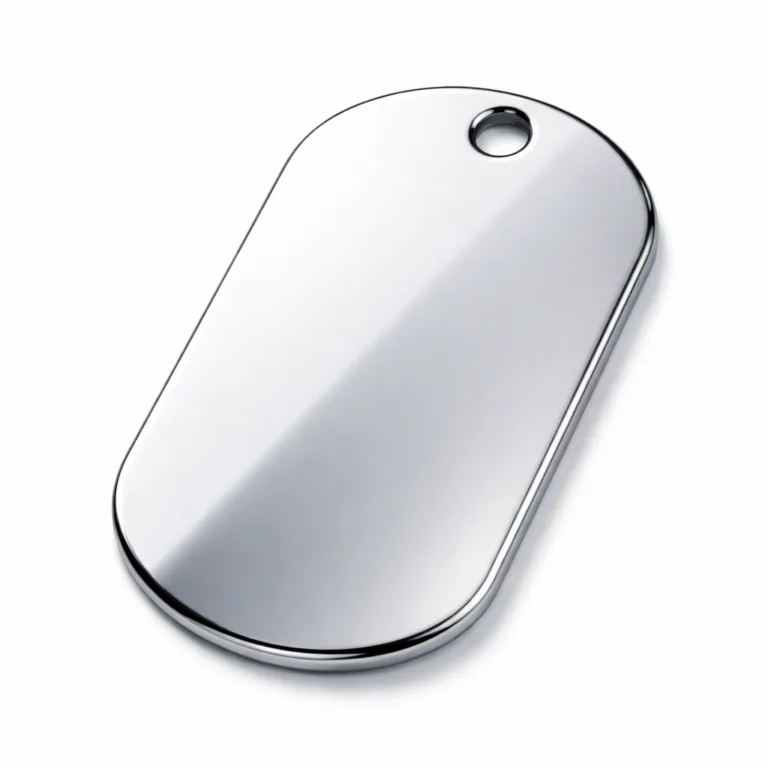
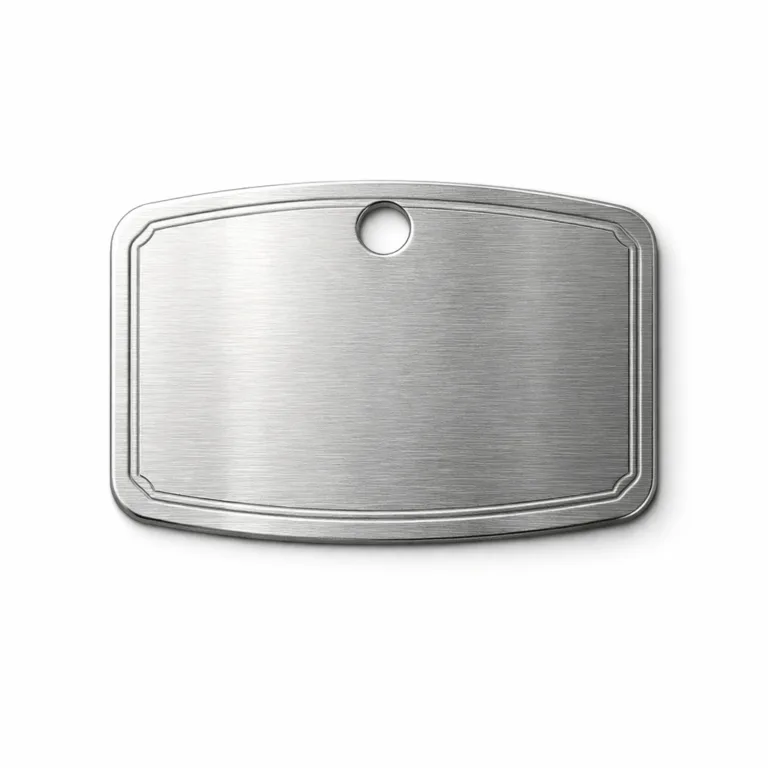
Dog tags are small metal identification tags used universally for personal, asset, or pet identification. Their chief roles involve swiftly providing crucial information—such as identity, serial number, or emergency contact details—in both military and civilian settings.
While military tags are synonymous with classic identification for soldiers, pet tags serve as the frontline safeguard for pet security and reunion. But “dog tag sizes” aren’t a one-type-fits-all affair. Instead, their dimensions, materials, and features reflect specific industry needs—whether for rugged military use or lightweight comfort for pets.
Selecting the right dog tag size and style ensures legibility, comfort, and reliability. Military tags emphasize durability and strict formats; pet tags offer a spectrum of sizes for different breeds and collar styles. In this article, we’ll compare military tags and pet tags, especially focusing on dog tag sizes, to help engineers, buyers, and manufacturers source the ideal metal identification tags for their particular applications.
Understanding Military Dog Tag Sizes
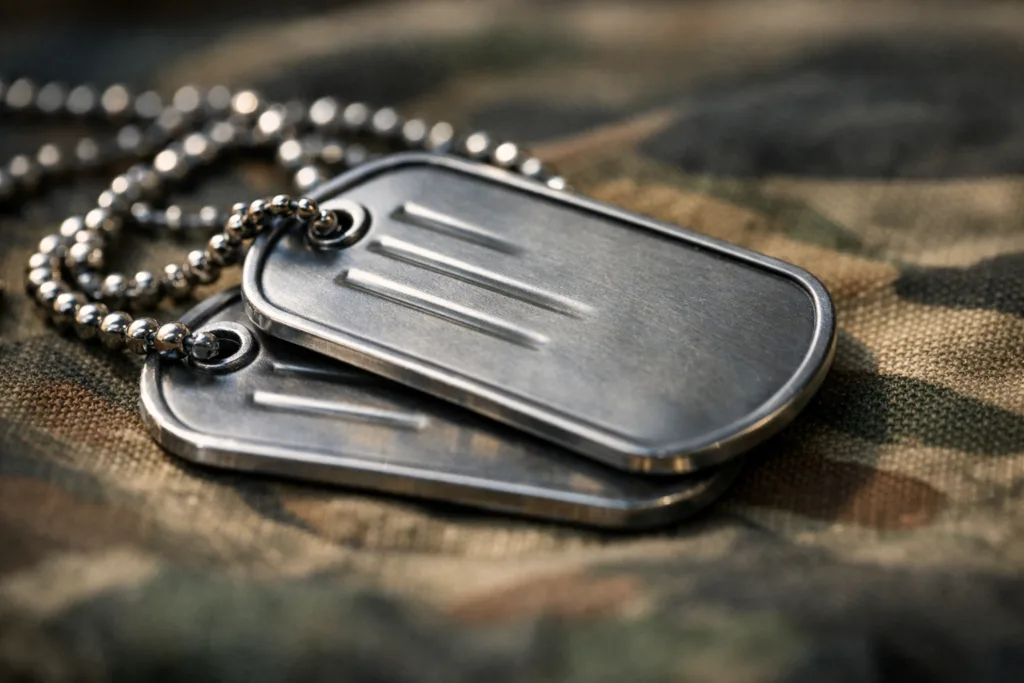
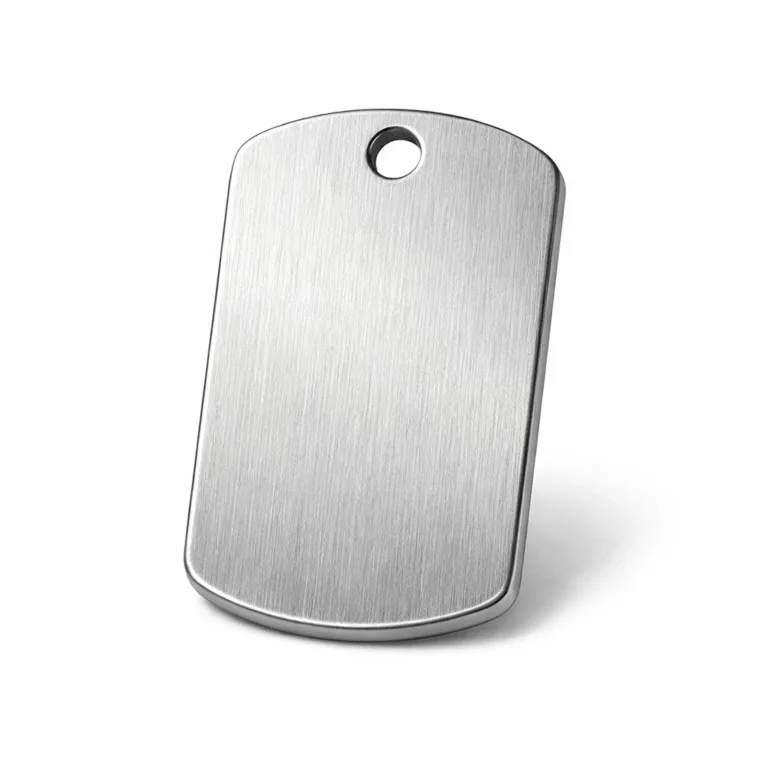
Military tags have evolved into globally recognized identification tools for military personnel. The classic U.S. Armed Forces dog tag measures approximately 2 inches long by 1.125 inches wide (or about 50 mm x 28 mm). This standardized dog tag size is set for efficient data placement and optimal legibility during emergencies.
The majority of military tags use stainless steel for unmatched durability. This sturdy material delivers corrosion resistance—crucial for tags exposed to sweat, mud, salt, and shifting climates. The typical thickness ranges from 0.4 mm to 0.8 mm, balancing resilience and the ability to wear tags comfortably against skin or under garments.
Design features are purposeful: military tags typically present embossed (raised) text for fast, tactile reading and include ID details such as name, service number, blood type, and religious preference. Some tags feature stamped, laser-etched, or debossed text, depending on the required readability and regulations in different branches or countries.
- Regular dimensions: 2″ x 1.125″ (50 x 28 mm) oval shape
- Rounded edges to prevent injury or snagging
- Holes for mounting on ball chains (typically 2.4 mm diameter)
While the classic shape and size is nearly universal, there are rare variations: for example, some branches issue black-coated tags for tactical operations or larger, double-thick tags for extreme environments. Strict readability and legibility requirements guide font size and placement, helping ensure metal identification tags can be interpreted quickly in high-stress scenarios.
Exploring Pet Dog Tag Sizes
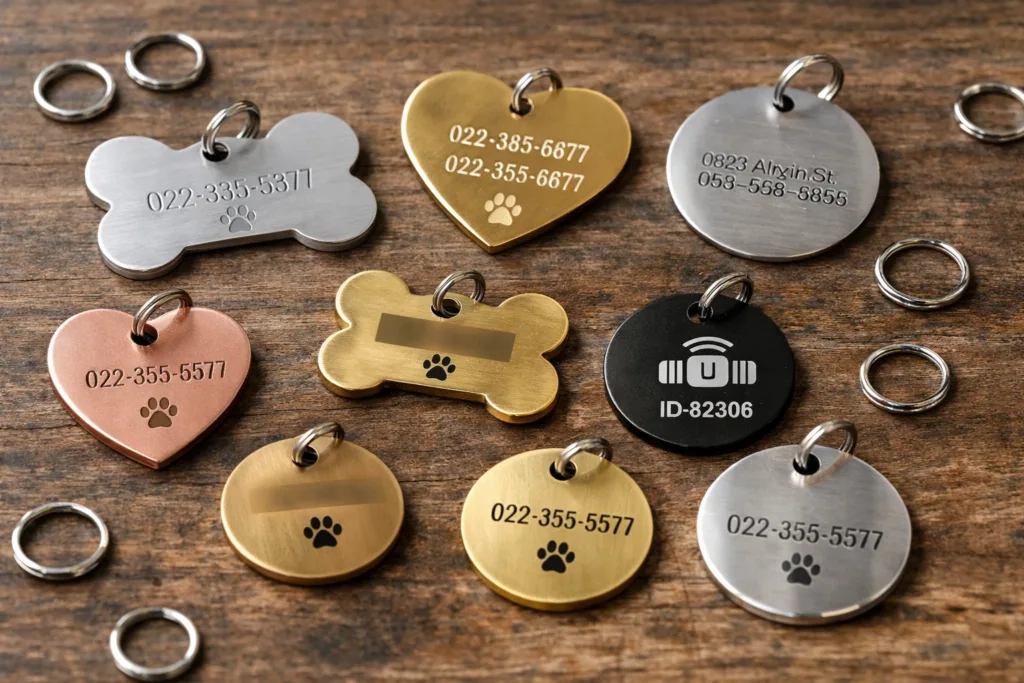
Pet tags come in a versatile range of sizes and placements. The typical “dog tag sizes” for pets are divided by breed and collar type. Common sizes include:
- Small (about 1.0 inch / 25 mm diameter or width) – suitable for cats or toy breeds
- Medium (about 1.25 inch / 32 mm) – fits most small to medium dog breeds
- Large (about 1.5 inch / 38 mm or greater) – for larger breeds and collars
Materials play a key role. Lightweight options like aluminum ensure the tag doesn’t burden smaller pets, while brass and stainless steel offer superior longevity for active or outdoor pets. Brass gives a classic look with a warm tone, but may patina over time. Stainless steel pet tags imitate military tags in ruggedness and corrosion resistance—great for high-activity or water-loving breeds.
Design features for pet tags are highly customizable: from simple, round, or bone-shaped blanks to intricate laser engravings, colors, or double-sided details. Engraved pet tags generally include the pet’s name, owner contact details, and—optionally—medical information or microchip numbers. Some tags add QR codes for digital profiles, bridging traditional and high-tech identification.
Breed size and temperaments should guide size selection: oversized tags may annoy smaller pets, while undersized tags can compromise legibility. Many tag suppliers offer personalization, allowing buyers to tailor text, graphics, or even shapes. For attachment, options include split rings, S-hooks, or quick-release connectors to match pet lifestyle and safety requirements.
Materials Comparison: Military vs. Pet Tags
Material selection dramatically impacts dog tag performance in both military and pet environments. The most utilized substrates for metal identification tags are aluminum, stainless steel, and brass.
| Material | Weight | Corrosion Resistance | Durability | Legibility |
|---|---|---|---|---|
| Stainless Steel | Medium | Excellent | High | High |
| Aluminum | Low | Good | Medium | High |
| Brass | High | Moderate | High | High |
Stainless steel stands out for its strength and corrosion resistance, making it the universal choice for military tags and demanding pet tags. It’s especially resilient for military tags exposed to harsh environments or industrial chemicals, and a wise choice if tags need to stay readable for years.
Aluminum is valued in the pet industry for its feather-light weight and flexible color/finish options. However, it’s softer than steel and may wear more quickly in abrasive conditions. Brass offers a visually appealing, classic finish but may develop a patina in salty or wet climates.
Protective coatings, such as anodizing (common on aluminum) or PVD plating (used by manufacturers like UC Tag for color and rust resistance), offer tailored enhancements for abrasion and corrosion. Finish selection—mirror polish, matte, or enamel fill—directly affects legibility and visual appeal. Material choice should consider intended use, weight needs, and environmental exposures.
Manufacturing Methods: Engraving, Stamping, and More
The method used to produce metal identification tags determines not only cost and appearance, but also the durability and range of customization.
- Stamping uses custom dies to create raised or recessed designs. This method is robust, cost-effective for high volumes, and typical for military tags.
- Laser engraving produces crisp, permanent markings and is suitable for small runs or complex art (check out this guide on engraving unique tags for advanced tips).
- Chemical etching creates detailed, precise artwork but often requires post-process filling for contrast.
- UV printing adds customizable color and is ideal for branding, though less abrasion-resistant than engraving or stamping.
For personalization, engraving and printing support quick design changes or variable data (e.g., unique ID numbers), making them ideal for asset tracking. Stamping and etching are preferred for large production runs or when tactile text is essential for readability and durability. Cost factors include order volume, required detail, and materials—die costs are higher upfront for stamping, while engraving and printing incur setup charges for each unique design.
UC Tag’s manufacturing shop typically recommends deep laser engraving or press stamping for clients who need a balance of speed and robust results in challenging field environments. Customization needs—such as serial numbering, QR codes, or unique shapes—may dictate method selection. For help, explore this practical guide to paint infill and deep engraving.
Design & Specification Checklist for Dog Tags
Ensuring your metal identification tags meet end-use demands starts with smart specifications. Use this checklist to guide your decisions on dog tag sizes, design, and functional features:
| Feature | Military Tag Recommendation | Pet Tag Recommendation |
|---|---|---|
| Standard Size | 2″ x 1.125″ (50 x 28 mm) | Small: 1.0″ (25 mm) Medium: 1.25″ (32 mm) Large: 1.5″ (38 mm+) |
| Thickness | 0.4–0.8 mm | 0.7–1.2 mm (size-dependent) |
| Material | Stainless steel | Aluminum, brass, stainless steel |
| Finish/Coating | Brushed, matte, PVD, black oxide | Anodized, enamel, PVD, mirror polish |
| Embossed/Engraved | Embossed text (tactile) | Engraved, laser-marked, or stamped |
| Attachment | Ball chain, silent edge option | Split ring, S-hook, quick connector |
| Personalization | Limited (standard data only) | Name, contacts, graphics, QR code |
| Readability | Strict font size/spacing | Larger fonts for small tags |
| Shape | Rounded rectangle | Various (bone, round, heart, custom) |
Key tips:
- Thicker tags resist bending and wear but may add weight
- Holes and attachments must suit collar or chain hardware
- Finish selection may affect corrosion resistance and readability (e.g., matte = low glare)
- Always provide vector artwork for custom shapes—see why that’s essential in this guide
Thoughtful font and layout selection will maximize legibility, especially on smaller dog tag sizes. Use all available space but maintain clear text margins and avoid overcrowding. For detailed design specs, see the classic military dog tag or premium brass dog tag spec pages.
Ensuring Durability: Testing and Performance
Durability is a core value for both military and pet dog tag buyers. Environmental testing methods for metal identification tags include:
- Corrosion (salt spray) testing—measures rust resistance in marine or humid settings
- Abrasion resistance—simulates accidental scraping or sand/gravel exposure
- UV exposure & colorfastness—ensures finishes won’t fade outdoors
- Readability retention—assesses font size, engraving depth, and material for lasting legibility
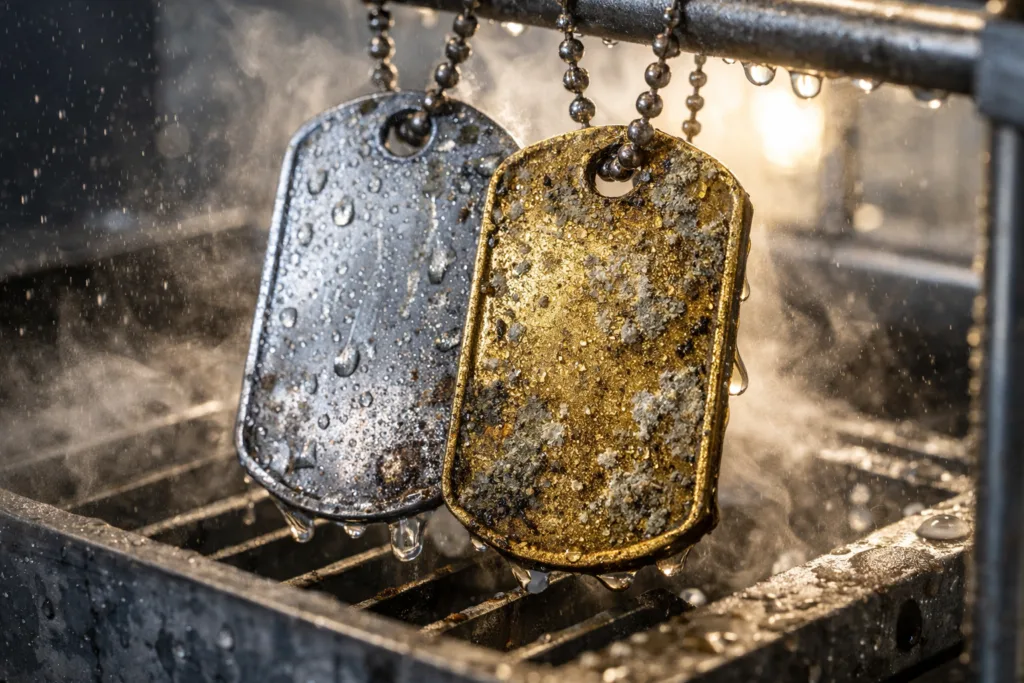
Stainless steel tags often surpass five years of field use under continuous wear, while anodized aluminum fares well if the coating remains intact. Brass is sturdy but suited to less corrosive environments unless expertly sealed. For tags exposed to chemicals or water immersion, always select premium coated materials (see this case study on salt spray resistance for more insight).
Rain Chen, UC Tag’s veteran craftsman, recommends specifying depth of engraving (>0.2 mm) if readability must endure abrasion and daily pet activity. In extreme environments, double-thick tags and mirror-polished finishes may be warranted. Always factor in the environment and read test reports before selecting materials or finishes—skipping this step risks premature failure.
Application Fit: Use Cases for Military and Pet Tags
The versatility of dog tag sizes and designs enables effective identification, branding, and asset management across diverse industries.
- Military tags—foundational for soldier identification, medical alerts, and asset tagging for critical gear and equipment (like tool or machinery tracking in military supply chains).
- Pet tags—crucial for connecting lost pets with their owners, conveying contact info, or special needs data. Pet identification is both a practical and emotional choice for families and shelters.
- Event, exhibition, and emergency tags—used for on-the-spot identification at races, festivals, conventions, or evacuation centers.
- Industrial and commercial—metal identification tags are widely utilized for asset management, inventory control (see how barcoding helps here), and process traceability in harsh industrial environments.
- Branding tags—customized dog tags can carry logos, QR codes, and serial numbers for promotional campaigns, product launches, or corporate ID programs (explore logo plate options).
Thoughtfully selected dog tag sizes and features balance function, comfort, and visibility according to application—whether for human safety, pet retrieval, or industrial compliance.
Common Mistakes When Ordering Dog Tags
Ordering errors can compromise performance and cause costly setbacks—particularly when sourcing dog tag sizes or metal identification tags in high volume.
- Illegible fonts or too-small text reduce readability, especially on mini tags or low-contrast finishes.
- Selecting wrong sizes causes issues like tags overpowering small pets or being lost among large breed fur/collars.
- Adhesive selection mismatches result in premature tag detachment from collars, gear, or machinery—especially problematic if exposed to extreme heat, cold, or moisture. Partner with vendors who advise on suitable 3M or comparable adhesives (full adhesive guide here).
- Choosing non-corrosion resistant materials can result in rapid rusting or tarnishing, rendering tags unreadable and unsightly.
- Neglecting sample review—skipping physical (or high-res digital) samples before production can lock in avoidable design flaws or shape errors.
Troubleshooting tip: Always confirm spec sheets, request finish/mounting samples, and examine supplier quality controls for mass orders. Reliable partners help mitigate production variations—see these pro design mistake fixes for more on what to watch for.
Ordering Guide for Custom Dog Tags
Ordering custom dog tag sizes, military tags, or pet tags is straightforward if you approach it systematically.
- Minimum Order Quantities (MOQs)—custom tags often have MOQs for cost efficiency; discuss with your supplier for MOQs aligned to your needs (more on MOQs here).
- Pricing structures—unit cost drops at higher quantities but factor in one-time mold or setup charges. Adjustments are typical for special finishes, coatings, or additional data (e.g., QR or serial numbering).
- Lead times—standard production timelines range from 2–4 weeks for most metal identification tags, with rush orders available (rush production guide).
- Submitting artwork & proofs—always provide vector files (AI, EPS, SVG). Review proofs carefully; adjustments after production setup can add cost or delay (see this guide on mockups and preproduction).
- Request samples, especially for large orders or custom shapes. Samples validate finishes, shapes, and attachment compatibility (see available standard samples here).
- Factor in packaging and shipping—tags require secure packaging to avoid scratching; custom kits or labeled bags can simplify distribution on arrival.
Planning upfront prevents unexpected hurdles and ensures your chosen dog tag sizes and details are fit-for-purpose, cost-effective, and deliver the branding or identification value you expect. Need help choosing the right metal + finish? UC Tag can recommend options for your application. Interested in custom manufacturing? Request a quote or sample today!
Frequently Asked Questions
What are the standard sizes for military and pet tags?
Military tags are typically 2 x 1.125 inches (50 x 28 mm), while pet tag sizes vary: small (1 inch), medium (1.25 inch), and large (1.5 inch or more), tailored to breed or collar size.
How can I personalize my dog tags?
You can personalize dog tags by choosing engraved text (name, contact, medical info), unique shapes, double-sided details, or special finishes—most suppliers offer custom layouts and graphics.
What materials are best for outdoor use?
Stainless steel offers the best corrosion resistance for outdoor or rugged use, while anodized aluminum also performs well if weight is a concern; brass works but needs careful sealing in wet climates.
How do I ensure my engraving is readable?
Select a font size above 1.5 mm, request laser-deep or embossed engravings, and opt for matte or high-contrast finishes for optimal visibility under different lighting conditions.
Are there any specific regulations for military tags?
Yes, military tags generally adhere to strict standards for size, data content, and text format—always verify requirements set by relevant military organizations before placing an order.
What is the typical lead time for custom orders?
Lead times vary by supplier and design complexity but generally range from 2 to 4 weeks; expedited or rush orders may be available for an additional fee.
Related Reading
- How to Efficiently Engrave Hundreds of Unique Metal Tags—Pro Techniques and Tips
- Boost Tag Durability: Choosing the Right Adhesive Backing for Your Metal Tags
- Master Corrosion Resistance with Salt Spray Testing—Essential for Outdoor Metal Tags
- Avoid These 5 Costly Design Mistakes When Ordering Custom Tags
- Why Minimum Order Quantities Are Essential for Custom Metal Tag Projects
- Custom Logo Tag Manufacturer Solutions for Industrial Branding Success