Understanding Die Stamping and Die Casting
Choosing between die stamping and die casting is a critical decision for anyone involved in metal fabrication or industrial production methods. Both techniques have unique characteristics and are designed to meet different production requirements. By understanding the basic principles behind each method, you can better align your design goals and manufacturing needs.
What Is Die Stamping?
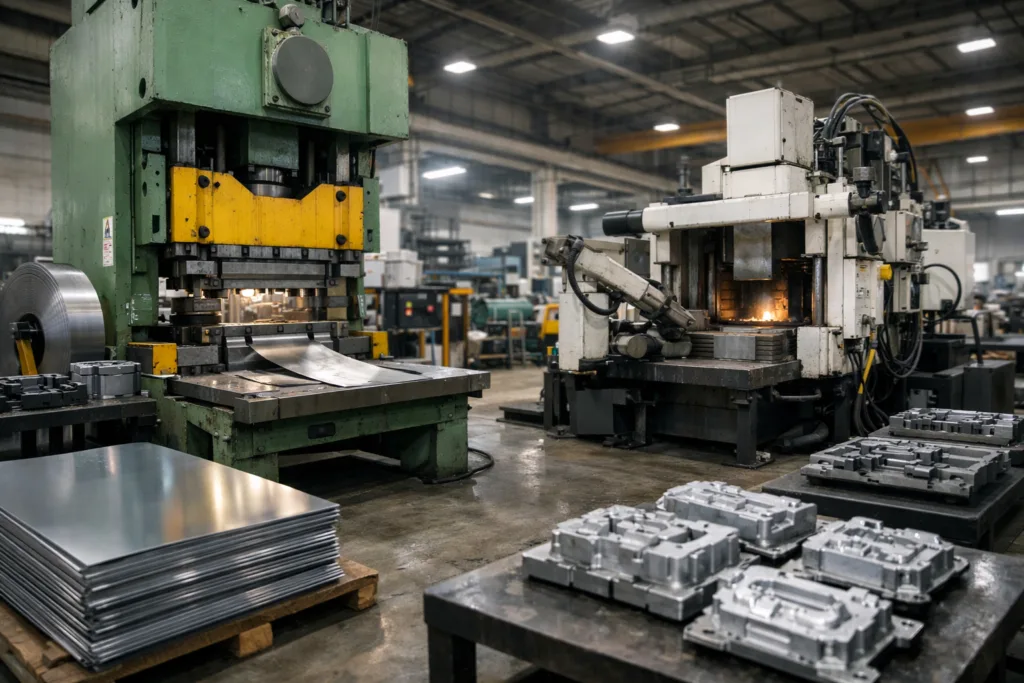
Die stamping, also known as metal stamping, uses a press and stamping dies to shape or cut sheets of metal into a desired form. It is especially popular in high-volume manufacturing for its repeatability and material efficiency. The process generally involves feeding flat metal sheets into a stamping press, where dies apply pressure to manipulate the material into precise shapes or patterns.
What Is Die Casting?
Die casting involves injecting molten metal into a specifically designed mold (die) under high pressure. The metal cools and solidifies into the final shape. This process allows manufacturers to create complex and intricate parts with excellent surface finishes and tight tolerances, making it ideal for detailed production runs.
Key Differences Between Die Stamping and Die Casting
| Feature | Die Stamping | Die Casting |
|---|---|---|
| Material State | Solid sheet metal | Molten metal |
| Complexity | Best for simple to moderate complexity | Handles high complexity |
| Volume | Excellent for high-volume, repetitive parts | Ideal for medium-high runs, complex geometry |
| Materials | Steel, aluminum, brass, copper | Zinc, aluminum, magnesium, brass |
| Surface Finish | May need secondary finishing | Smooth, often ready-to-use |
| Cost (per part) | Lower at scale | Higher, but justified for complex shapes |
When to Choose Die Stamping
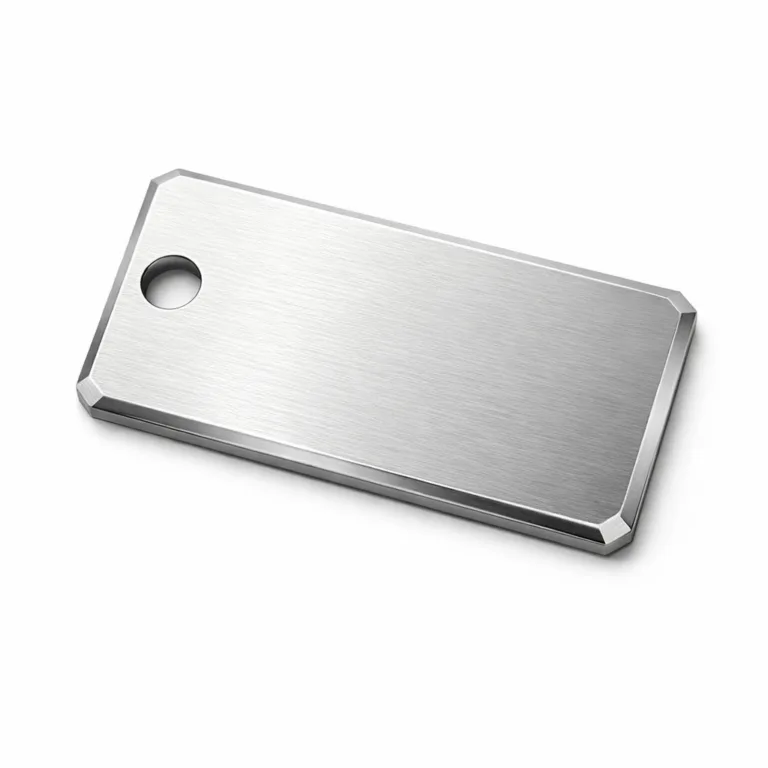
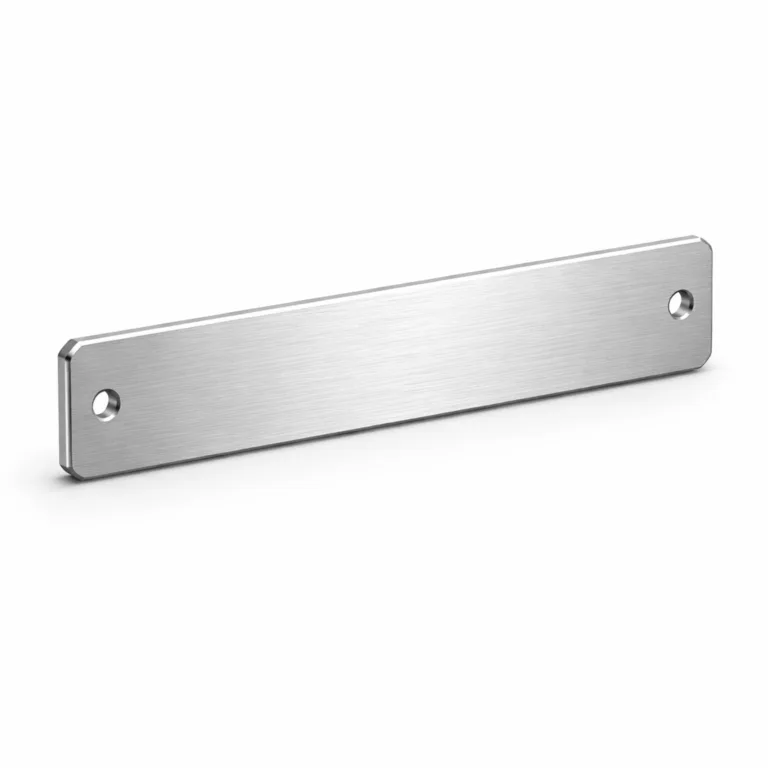
Die stamping is typically favored when your production calls for high quantities of relatively flat or shallow parts with straightforward geometry. Automotive panels, brackets, or label tags are common examples. Stamping excels at speed and repeatability, especially when combined with progressive dies that perform multiple operations in sequence.
When to Choose Die Casting
Die casting is the preferred method for intricate, three-dimensional shapes. If your design requires features like thin walls, complex curves, or detailed lettering, casting may offer the finish and accuracy you need. Parts such as engine housings, performance hardware, or designer logos with depth typically turn to die casting.
Materials Used in Die Stamping and Die Casting
- Die Stamping: Uses solid sheets—commonly steel, aluminum, brass, or copper. Material options may also consider metal thickness and gauge (see our ultimate gauge guide).
- Die Casting: Typically uses metals that melt and flow easily, including zinc, aluminum, magnesium, and sometimes brass alloys.
Production Volumes and Cost Comparison
In general, die stamping yields lower per-unit costs as production volumes increase because tooling costs are amortized across thousands or millions of parts. Die casting, with higher mold costs, may only become cost-effective with at least several hundred to several thousand units, particularly for parts requiring precise geometry or robust surface detail.
Advantages of Die Stamping
- High production speed
- Consistent part quality and tight tolerances
- Lower material waste when designs are optimized
- Excellent for ferrous and non-ferrous metals
- Simple post-processing for deburring or plating
Disadvantages of Die Stamping
- Limited suitability for deep or highly contoured shapes
- Initial tooling can be costly for low-volume runs
- Some designs may experience burrs or sharp edges
Advantages of Die Casting
- Outstanding precision for intricate forms
- Superior repeatability for multi-featured parts
- Smooth surface finishes reduce need for manual finishing
- Complex logo or brand elements can be integrated
Disadvantages of Die Casting
- Higher mold/tooling costs
- Alloy selection is more limited (e.g., high melting-point steels not suitable)
- Heavier parts might require extra post-processing
Design Considerations for Each Process
When evaluating your design, ask: Is the part mostly flat with holes or minor bends? Stamping is likely a fit. Is it a solid component with three-dimensional depth or intricate detail? Die casting should top your list. Thickness, radius, draft angles, and potential for multiple cavities per die are central differentiators.
Application Examples in Metal Tag Manufacturing
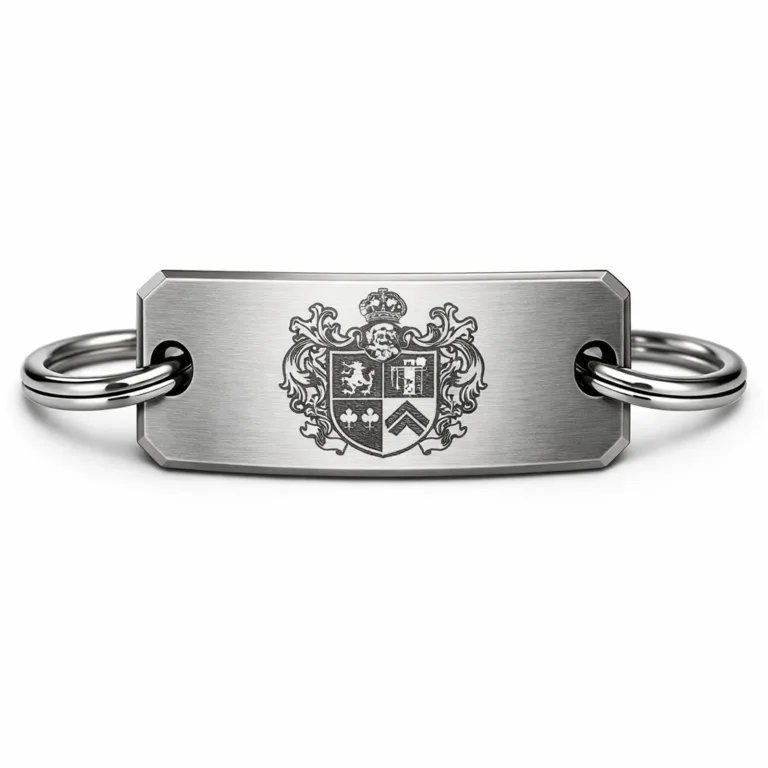
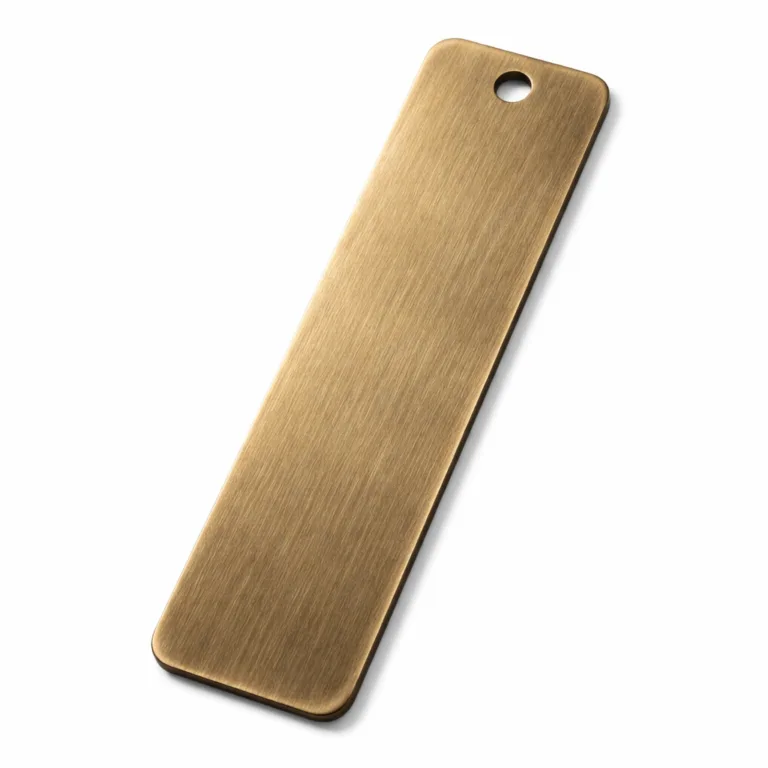
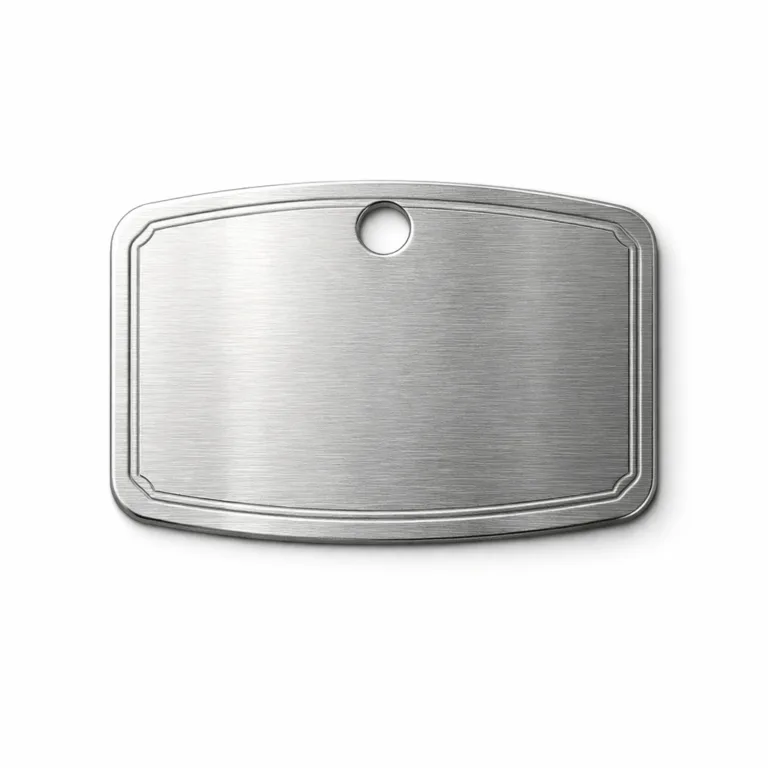
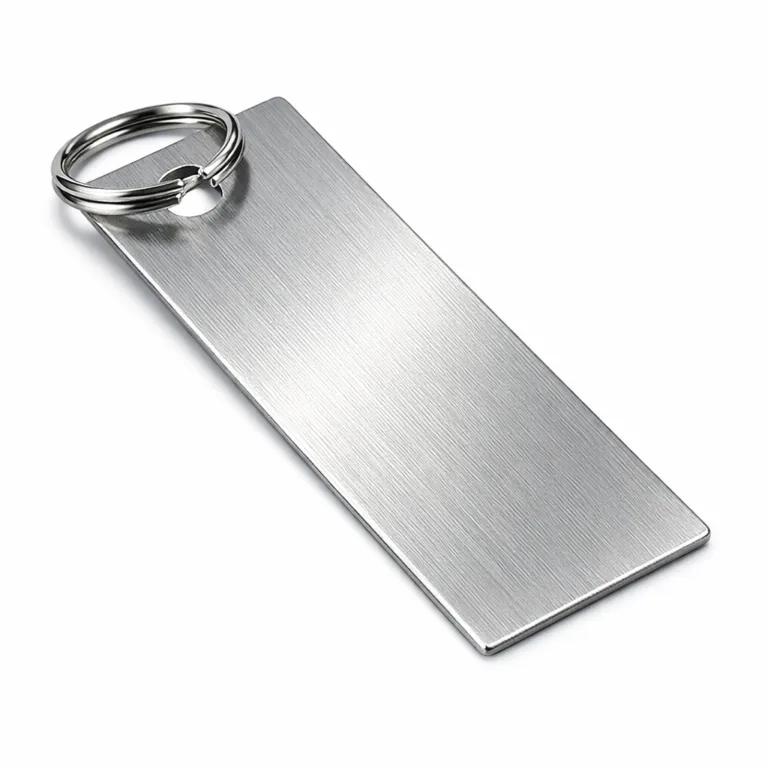
In the business of custom metal tags, like those used for branding, luggage, or industrial labeling, die stamping often produces robust, lightweight, and cost-effective tags at scale. Die casting, on the other hand, is chosen for products that need a three-dimensional logo or tactile surface. UC Tag’s manufacturing floor often sees zinc alloy casting for custom-shaped badge logos, while aluminum and stainless are stamped for slim, crisp-edged tags requiring precise color fill or engraving.
Surface Finishing: Smoother with Casting, Versatile with Stamping
Die casting delivers parts with inherently smooth finishes, which are often suitable for direct use or may only need minimal polishing. Stamped parts, especially edge-exposed or engraved varieties, may require deburring, brushing, or plating to improve touch and appearance. Advanced surface treatments, such as anodizing for aluminum or gold and silver plating for brass accents, are routinely applied post-stamping (see how plating creates luxury finishes).
Post-Processing Needs and Possibilities
While die casting excels at “net shape” production (final part straight from the mold), die stamped parts can more flexibly integrate surface texturing, secondary etching, or color enameling in-line or after forming. Processes such as sandblasting, laser engraving, or custom anodized colors are more frequently used after stamping for bespoke branding elements.
Tooling and Setup Time
Die stamping usually has faster die fabrication and setup time, making it favorable for jobs where fast turnaround is needed. Die casting molds are more robust but take longer to design and manufacture, reflecting their higher upfront investment and suitability for long-term or multi-year part production.
Customization, Prototyping, and Flexibility
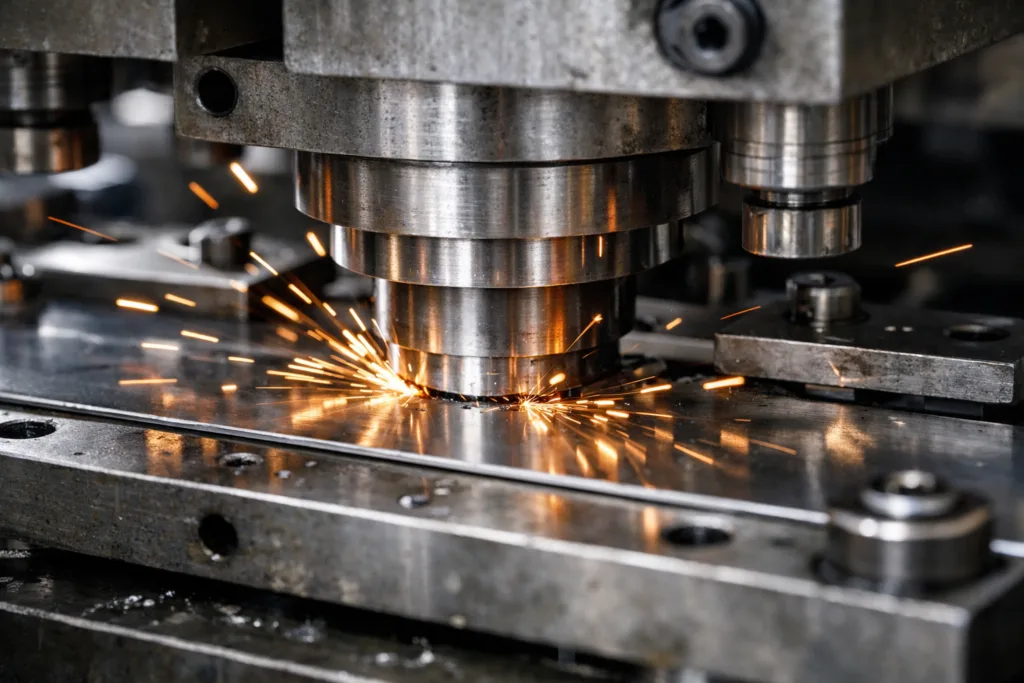
Stamping provides an edge in rapid prototyping—simple dies can be made quickly and changed as design feedback rolls in. Die-cast prototypes are more complex but can yield more finalized “what-you-see-is-what-you-get” production samples, especially valuable if detail and depth are central to design intent. For custom logo tags, flexibility in changing designs or switching metal types is typically greater with stamping than with casting.
Material Efficiency and Sustainability
Stamping often claims superior material efficiency, especially when parts are carefully nested on the metal sheet. Scrap metal from the stamping process can be reclaimed and recycled easily, making it a strong choice for sustainability-minded brands. Die casting recycles internal scrap, too, but uses higher-energy melting and sometimes generates more dross or byproduct. Eco-friendly brands may wish to consider these factors (explore recycled options for sustainable tags).
Quality Control Challenges and Solutions
Both processes have their pitfalls—stamping can produce burrs or warping if die wear isn’t controlled, while die casting may face porosity or inconsistent fill with tight geometries. On the floor, UC Tag’s team scrutinizes every batch for sharp edge removal, gauge conformity, and plating consistency, drawing from years of hands-on QC troubleshooting. Careful die maintenance, process tuning, and post-process inspection are vital for both techniques.
Real-World Industry Use Cases
- Automotive: Stamped body panels, cast engine housings
- Electronics: Stamped shielding covers, cast heat sinks
- Consumer Products: Stamped data plates, cast logo badges
- Brand Tags: Die-cast logos for bags, stamped aluminum dog tags
Cost Breakdown and ROI Over Production Volume
If your project volume is low (a few hundred units per run), stamping may save upfront costs. For highly detailed parts in ongoing large runs, die casting’s higher setup cost is justified by labor savings and part uniformity. It’s not always a simple equation, but production engineers regularly conduct breakeven analyses to identify the tipping point between tooling investment and per-part cost efficiency.
Which Process Is More Sustainable?
Both processes offer opportunities for recycling and material efficiency, but stamping is typically viewed as more sustainable due to lower energy requirements and ease of using recycled feedstock. Brands choosing stamped metal tags often value this aspect in their sourcing and production narrative.
Die Stamping vs. Die Casting: Which Process Suits Your Design Best?
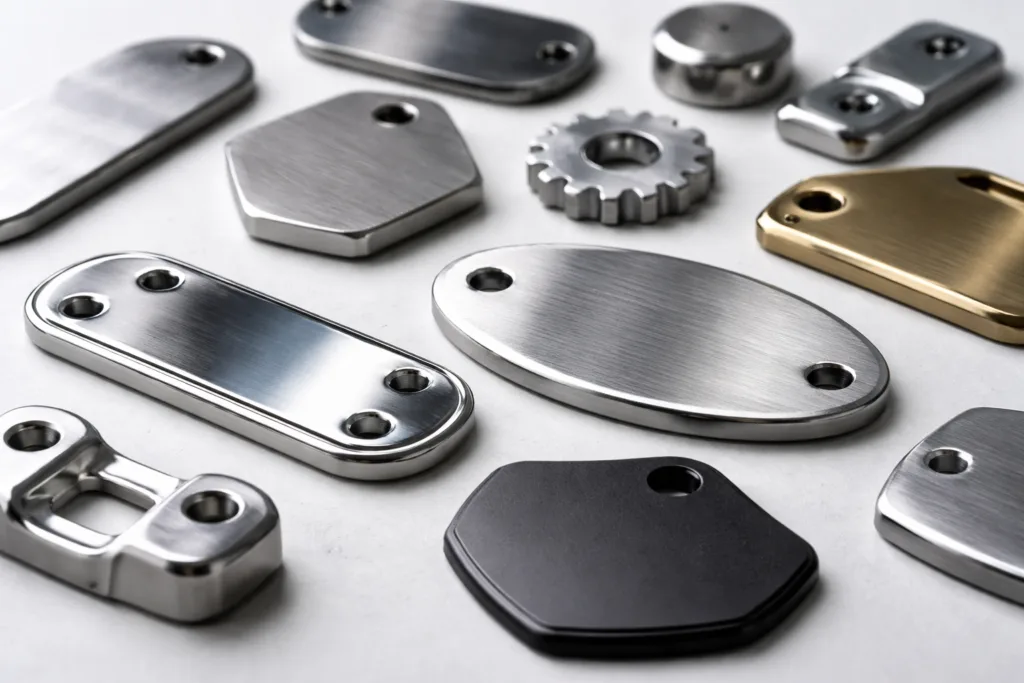
The central question—die stamping vs. die casting, which process suits your design best—depends on your priorities. For high-speed, high-volume production of mostly flat or shallow parts, die stamping offers unbeatable economics and flexibility. When detail, 3D form, and high-value branding are required, die casting might be exactly what you’re searching for. Take stock of your part’s geometry, desired surface finish, material, and the all-important production volume before choosing. Remember, the decision you make at the process level will echo through your cost, quality, and sustainability outcomes.
Frequently Asked Questions
Which metals can be stamped and which are better for casting?
Stamping works well with steel, brass, copper, and aluminum sheets. Casting favors metals with low melting points like zinc, aluminum, and magnesium for complex 3D parts.
How do tooling costs compare for die stamping vs. die casting?
Stamping tools are typically less expensive and quicker to produce than casting molds but become cost-effective mainly for high-volume orders. Casting molds are higher in cost but justified for complex shapes or long runs.
What are the size limits for die stamped vs. die cast parts?
Stamped parts are usually under 6mm thick and can go up to several feet wide. Cast parts are generally smaller but handle thick, contoured geometries easily.
Does one process deliver better surface detail or branding results?
Die casting excels at sharp detail and 3D branding effects. Stamping provides clean logos and precise edges but is best for line-art, flat, or shallow engravings.
Which process is more suitable for eco-friendly production?
Stamping tends to have a smaller carbon footprint and better integrates recycled metal. Both methods recycle scrap, but stamping’s energy use is generally lower.
Can both methods be used for custom metal tags or logo badges?
Yes, but die stamping is quicker for simple, flat logo tags. Die casting is better for custom shapes with raised or recessed 3D features.