Understanding Deep Engraving
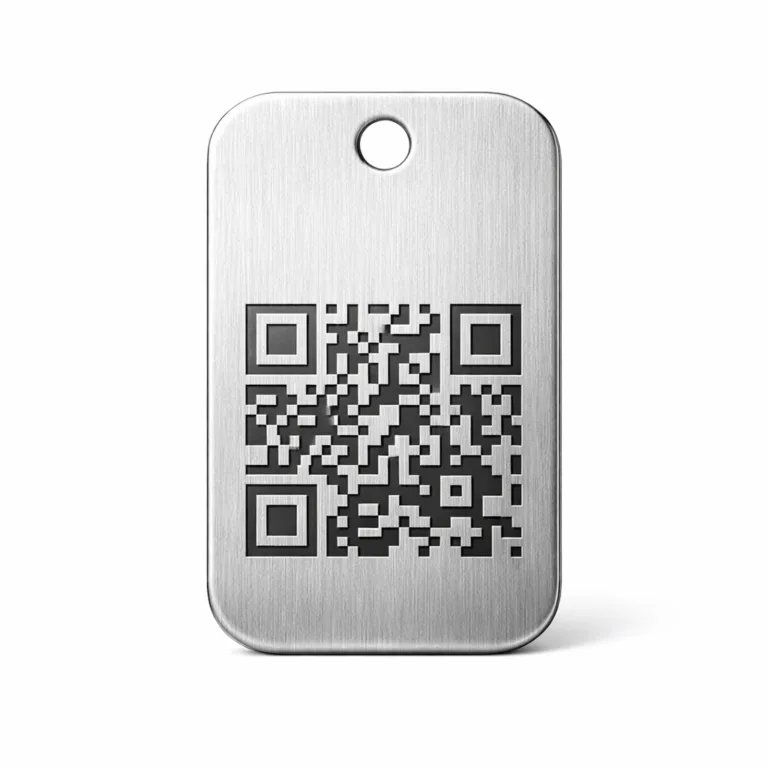
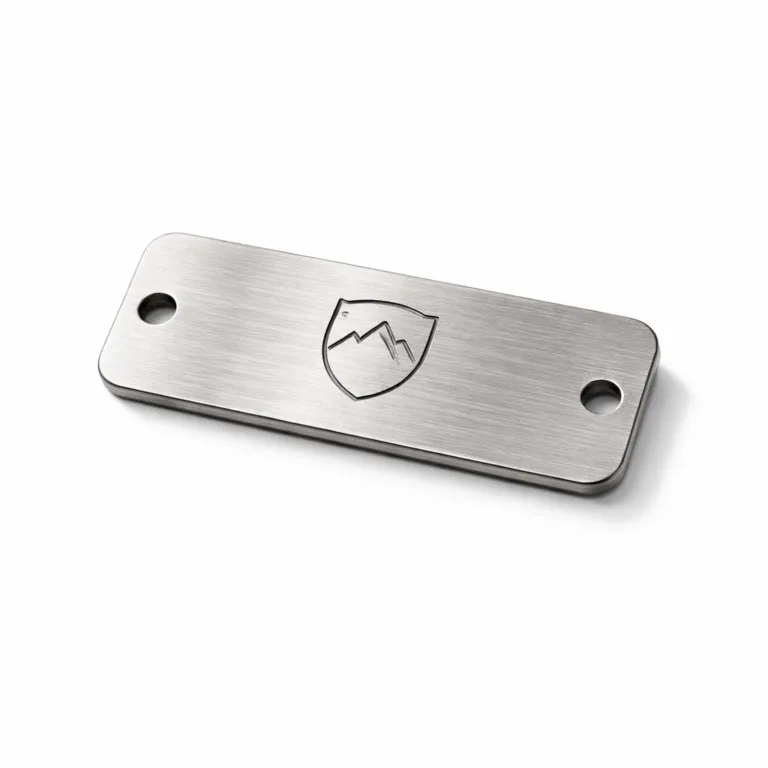
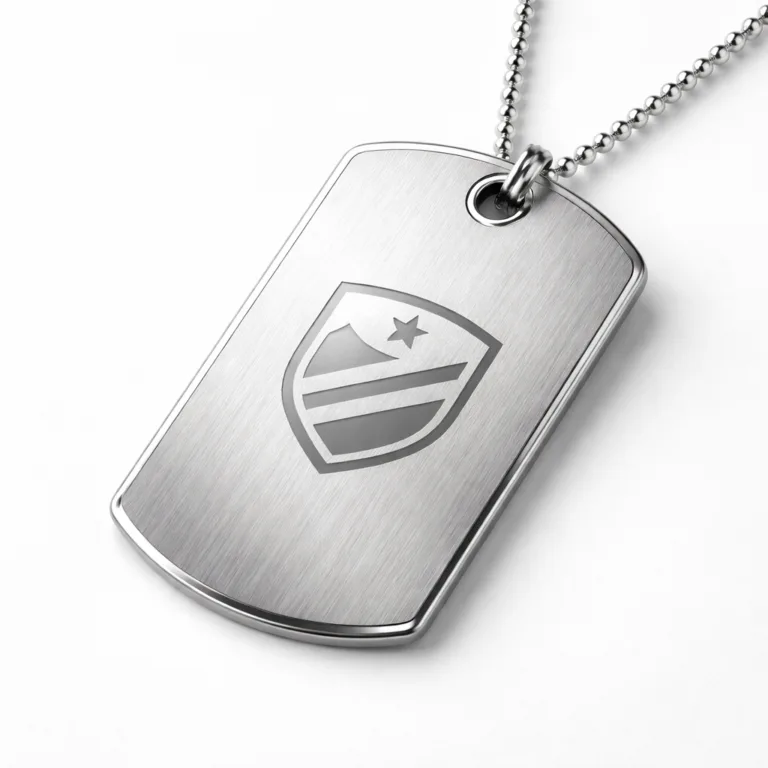
Deep engraving is a specialized technique for carving text or designs into metal surfaces to a significant depth. Unlike surface etching, deep engraving creates pronounced grooves that are ideal for paint infill, providing lasting durability and enhanced contrast. This method ensures text remains readable even in harsh environments, making it perfect for applications like industrial nameplates, asset tags, and branded logo plates.
For paint infill DIY projects, deep engraving is essential because it creates “fillable” cavities within the text. These cavities hold paint securely and help prevent peeling, especially on rugged metal tags used outdoors or in demanding conditions. The technique works with various metals such as aluminum, stainless steel, and brass, each offering distinct benefits for tagging and branding projects.
- Provides long-lasting readability
- Allows personalized and creative paint infill designs
- Compatible with a broad range of metals and finishes
- Ideal for custom branding and identification
Deep engraving delivers clear edges and uniform depth, ensuring that infilled text stands out consistently and withstands repeated handling or environmental exposure.
Tools and Materials for Deep Engraving
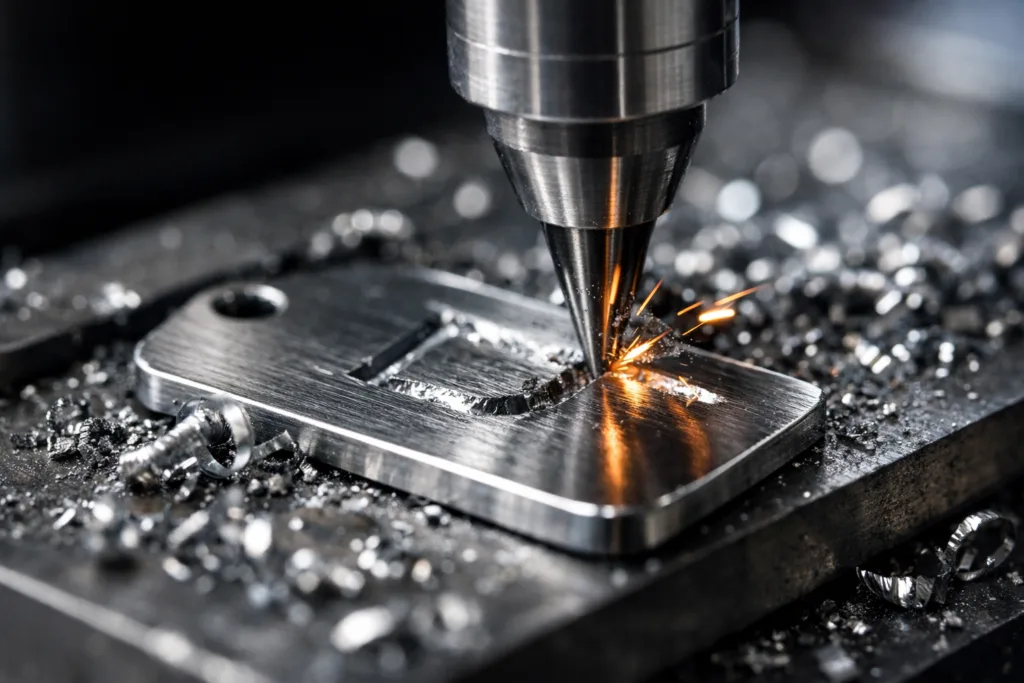
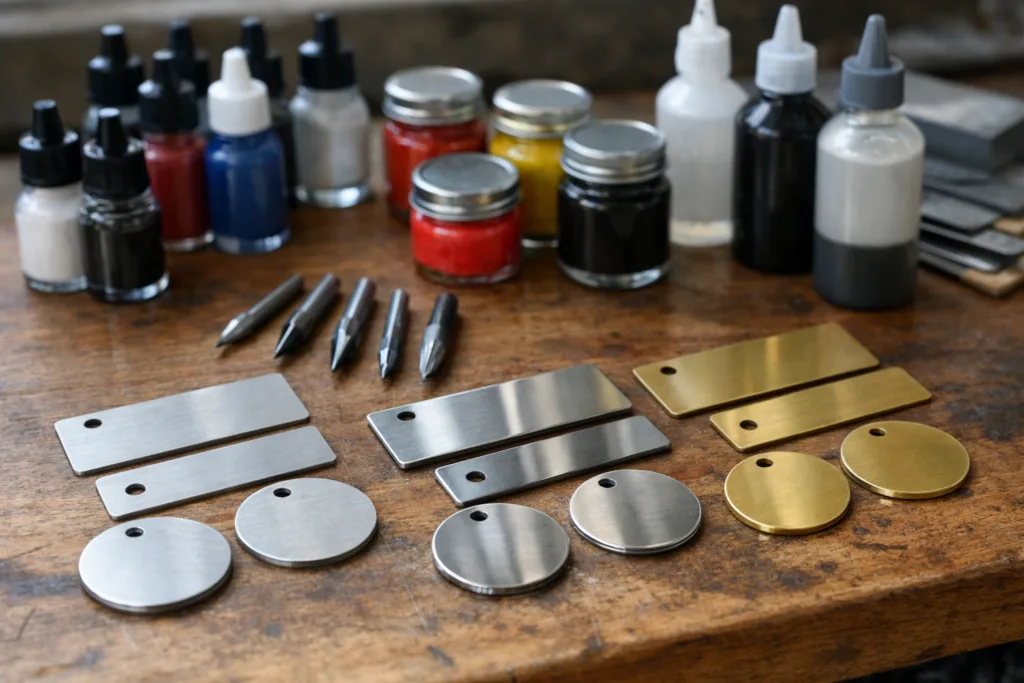
To achieve clean, precise deep engraving for paint infill, it’s important to select the right tools and materials. Common tools include CNC engravers, rotary tools like Dremel, and specialized engraving bits crafted for metalworking. For robust results, carbide or diamond-tipped bits are preferred due to their hardness and wear resistance.
Choosing a suitable metal is key. Aluminum is lightweight and easy to engrave, making it ideal for tags requiring frequent paint infill updates. Stainless steel offers maximum corrosion resistance for outdoor or industrial tags. Brass provides a classic look and excellent paint adhesion but requires careful handling to prevent tarnishing.
Here’s a comparison of materials for deep engraving and paint infill:
| Material | Durability | Corrosion Resistance | Paint Adhesion | Suitable Applications |
|---|---|---|---|---|
| Aluminum | Medium | High (anodized) | Excellent | Asset tags, logo plates |
| Stainless Steel | High | Very High | Good | Nameplates, outdoor tags |
| Brass | Medium | Moderate | Excellent | Branding, gifts, decorative tags |
Rain Chen from UC Tag notes that on shop floors, material trade-offs often come down to cost versus performance. While stainless steel is undeniably robust, aluminum provides a better base for vivid paint infill and faster production cycles. Always consider the target environment and the branding requirements when choosing your substrate.
Safety is essential: always wear goggles, gloves, and a mask when engraving metals, as fine particles may be released during machining.
- CNC engraver or rotary tool
- Carbide/diamond engraving bits
- Paints suited for metal surfaces
- Safety gear: goggles, gloves, mask
- Cleaning accessories (brush, solvent)
Step-by-Step Guide to Deep Engraving for Paint Infill
Step 1: Preparing Your Design and Selecting Material
Begin by choosing your tag material—aluminum, stainless steel, or brass—based on end-use and paint infill requirements. Design your fillable text using vector art for precision. Fonts with bold or simple strokes create larger cavities, making them easier to paint and more readable.
Step 2: Setting Up Your Engraving Tool
Secure your metal tag on a stable work surface. Insert the correct engraving bit and calibrate your CNC or rotary tool for depth. Most deep engraving for paint infill projects targets a minimum cavity depth of 0.3–1.0 mm.
Step 3: Engraving Process (Depth Settings, Speed Considerations)
Gradually engrave fillable text, starting with shallower passes to avoid tool strain and heat buildup. Increase depth in steady increments while maintaining tool speed between 8000–15000 RPM. Use coolant or air blasts for metals prone to overheating.
Step 4: Cleaning the Engraved Area Post-Engraving
After engraving, remove debris and oil using a brush or compressed air. Clean the tag using isopropyl alcohol or mild solvent to eliminate residues. This ensures paint infill adheres properly without contamination or coverage gaps.
Step 5: Applying Paint Correctly for Optimal Results
Choose paint that matches your project’s needs (see next section), then fill the engraved text carefully. If brushing, use a fine-point brush to push paint into grooves. For spray infill, mask the tag and apply paint at an angle for full coverage. Wipe excess paint from the surface before it cures, using a lint-free cloth or squeegee.
Let the paint dry fully (typically 24–48 hours for enamel or epoxy) for a crisp, contrasting finish. For multi-color infill, repeat as needed, ensuring full curing between coats.
- Prepare and clean your material
- Deep engrave text using controlled passes
- Clean grooves before paint infill
- Apply paint methodically and remove excess
- Allow proper curing for durability
Choosing the Right Paint for Fillable Text
Paint selection is critical to successful deep engraving and paint infill projects. Enamel, acrylic, and epoxy paints are top contenders. Enamel provides high gloss and excellent durability, ideal for tags exposed to outdoor or industrial wear. Acrylic dries fast and allows for easy color customization but may require added sealants for longevity. Epoxy is the gold standard for abrasion resistance and adhesion, especially for high-handling tags.
Material compatibility matters—each metal responds differently to paint types, affecting adhesion and curing. Aluminum often bonds well with acrylic and enamel, while brass works best with enamel due to its slightly porous texture. Stainless steel requires careful surface prep for paint to adhere robustly.
- Enamel paint: high gloss, strong adhesion, best for outdoor use
- Acrylic paint: fast drying, flexible color range, ideal for decorative tags
- Epoxy paint: superior durability, suitable for heavy-use tags
For optimal contrast, use light paints on dark tags and vice versa. Apply paint fill using a brush for intricate letters or spray for large text areas. Specialized squeeze bottles and gel paints also simplify the infill process. Maintain painted tags by cleaning gently with a damp, soft cloth and avoiding harsh solvents to preserve the infill integrity.
For more information about material compatibility, see Choosing the Right Engraving Materials.
Durability and Testing of Engraved Tags
Ensuring tag durability is vital for deep engraving and paint infill applications. Material choice and engraving depth are the primary factors. Stainless steel, favored for industrial tags, resists corrosion and abrasion, while deep cavities (≥0.5 mm) protect paint fills from wear.
Testing protocols for longevity include exposure to salt spray, abrasion with grit, and UV light to simulate outdoor conditions. These tests verify whether the engraved tags remain readable and whether paint infill resists fading or peeling. Compliance with standards such as ASTM B117 (salt spray) and ISO 4586 (abrasion) assures professional quality.
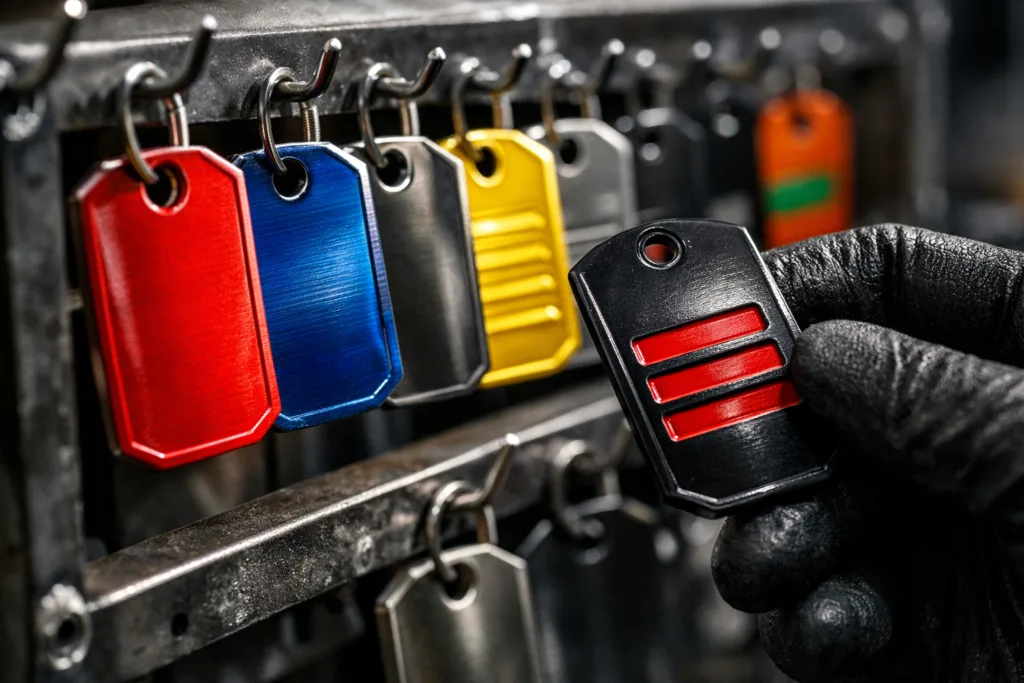
In practice, Rain Chen at UC Tag recommends field testing tags by mounting them to site equipment for a period, then checking for visible wear and paint loss. Shop-floor evaluations also use accelerated environmental chambers to spot early failures in paint adhesion.
- Opt for corrosion-resistant metals
- Engrave deep cavities for paint stability
- Test for abrasion and UV resistance
- Follow maintenance routines to prevent peeling
Regularly inspect tags in service, and use protective coatings for harsh or marine environments. For expert test methods, see Salt Spray Testing for Marine & Outdoor Tags.
Design and Specification Checklist
Before starting your deep engraving and paint infill project, ensure you’ve addressed all key design criteria. Proper tag size, thickness, and finish are crucial for both legibility and durability. Select text fonts with clear, bold lines to maximize cavity space for paint infill. Avoid overly complicated artwork; simpler designs yield cleaner engravings and better paint results.
| Specification | Recommended Value | Importance |
|---|---|---|
| Tag Thickness | 1.0–2.0 mm | Prevents bending; supports deep engraving |
| Engraving Depth | 0.4–1.0 mm | Optimal paint cavity |
| Font Style | Sans-serif, bold | Maximizes fillable area |
| Attachment Methods | Rivet holes, adhesive backing, chain loops | Secure install & easy removal |
| Finish | Brushed, anodized, polished | Paint adhesion & visual appeal |
Include considerations for tag holes or slots if using S-Hooks or ball chains for attachment (S-Hooks remain a secure solution). Maintain manufacturing tolerances—aim for < 0.2 mm variance on text cavity depth for optimal paint fill and readability.
- Specify tag size and thickness
- Choose simple, bold fonts for fillable text
- Decide on finish and attachment preferences
- Set tolerances for clear readability
Common Mistakes and Troubleshooting
DIY deep engraving and paint infill face common hurdles. Shallow engraving produces unreadable text and limits paint retention. Paints applied to dirty cavities or without proper curing may peel quickly. Rushed projects often skip protective coatings, leading to rapid corrosion or fading.
To prevent mistakes, engrave slowly and check depth often. Use high-contrast paints and test a small area before full infill. If peeling occurs, gently sand the cavity and reapply paint. For tags exposed to chemicals or frequent handling, choose abrasion-resistant paints and add clear overcoats if needed.
Proper maintenance is key. Clean tags with non-abrasive cloths and avoid harsh detergents. Adjust paint colors to ensure consistent contrast against the tag background. If project delays arise, store tags in dry, controlled environments to protect unfinished surfaces.
- Engrave to sufficient depth for paint fill
- Clean grooves before applying paint
- Allow paint to cure fully
- Use protective coatings for harsh conditions
- Address operational challenges with flexible project planning
For advanced troubleshooting, refer to Mastering Metal Line Weight and Tensile Strength.
Industry Applications and Use Cases
Deep engraving and paint infill are widely used across industries for durable identification and branding. Manufacturing facilities rely on engraved asset tags for inventory control, while agriculture businesses label equipment with weather-resistant tags. Retail, fashion, and branding companies use metal logo plates to convey distinctiveness and quality.
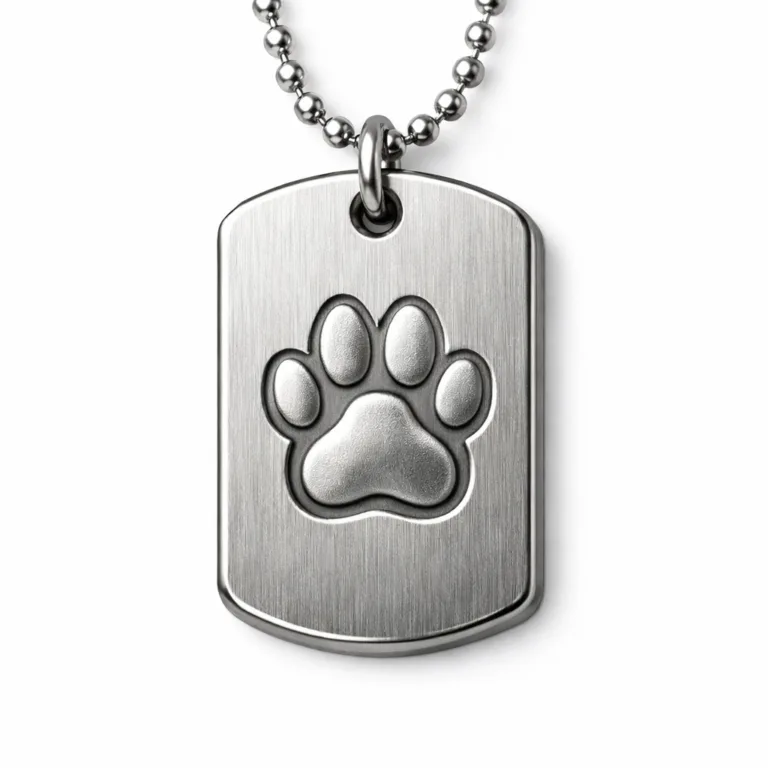
In commercial settings, deep engraving with paint infill enhances brand visibility on merchandise, luggage tags, and promotional items. Creative uses abound—custom pet tags, wine bottle collars, and bookmark tags display personalized names or messages in striking colors.
- Industrial: machine asset tags, inventory barcodes
- Agriculture: durable equipment markers
- Commercial: retail branding, logo plates
- Personalization: pet tags, gift bookmarks, luggage tags
Projects utilizing fillable text demonstrate how deep engraving elevates both visual appeal and function. For example, personalized keychain tags combine rugged grooves with vibrant colors, making them unique and durable. Explore more creative applications in UC Tag’s tag solutions for inspiration.
Ordering Guide for Deep Engraved Items
Ordering custom deep engraved tags for paint infill is straightforward when armed with the right info. Minimum order quantities (MOQ) typically range from 100–500 pieces, depending on material and complexity. Lead times can vary (2–6 weeks), influenced by artwork approval and production cycles.
Submit vector artwork for precision engraving; most manufacturers, including UC Tag, provide proofs before mass production. Customization options include colors, finishes, attachment methods, and fillable text styles. Sample requests are often available—review standard samples to evaluate quality and fit.
- Verify MOQ by material
- Clarify lead times and artwork requirements
- Request samples before full orders
- Specify packaging (bulk, retail, individual wrap)
- Include shipping details for global orders
Proper planning ensures you get durable, customized tags ready for paint infill and long-term use.
Frequently Asked Questions
What materials are best for deep engraving?
Aluminum, stainless steel, and brass are top choices due to their durability and compatibility with paint infill. Each offers unique benefits based on the intended application.
How deep should I engrave for optimal paint fill?
For lasting paint infill, aim for an engraving depth of at least 0.4–1.0 mm. This ensures enough cavity space for paint to adhere and prevents premature peeling.
Can I use deep engraving on plastic materials?
Deep engraving works best on metals. While plastics can be engraved, paint infill often struggles with adhesion and longevity compared to metal tags.
What types of paint work best with metal tags?
Enamel, acrylic, and epoxy paints are ideal for deep engraved metal tags, providing strong adhesion, vivid color, and resistance to abrasion or weather.
How can I ensure durability of the paint fill?
Clean cavities thoroughly, allow for proper curing, and select paint formulated for metal surfaces. Adding clear protective coatings enhances longevity in tough environments.
How to clean engraved and painted tags?
Use a soft, damp cloth to gently clean tags. Avoid harsh solvents or abrasive cleaners, which can damage paint infill and erode engraved details.
Related Reading
- How to Engrave Hundreds of Unique Names Efficiently on Metal Tags
- Ultimate Buyer’s Guide: Choosing Materials for Blank Tags and Engraving Projects
- Legibility Rules: Expert Font Sizes for Metal Tag Engraving & Stamping
- How 3M Adhesive Backings Improve Durability and Branding on Metal Logo Tags
- Mastering Metal Line Weight and Tensile Strength for Industrial Tagging
- The Engineer’s Guide to Salt Spray Testing for Corrosion-Resistant Marine Tags