Key Takeaways
- Material choice is crucial—zinc-alloy, aluminum, and stainless steel offer unique benefits and applications.
- Finish techniques and surface treatments directly influence appearance and performance.
- Meeting Pantone color standards and industry tolerances ensures brand consistency at scale.
- Understanding manufacturing processes, from mold creation to quality control, is vital for premium outcomes.
Zinc-Alloy, Aluminum, or Stainless Steel Material Choices
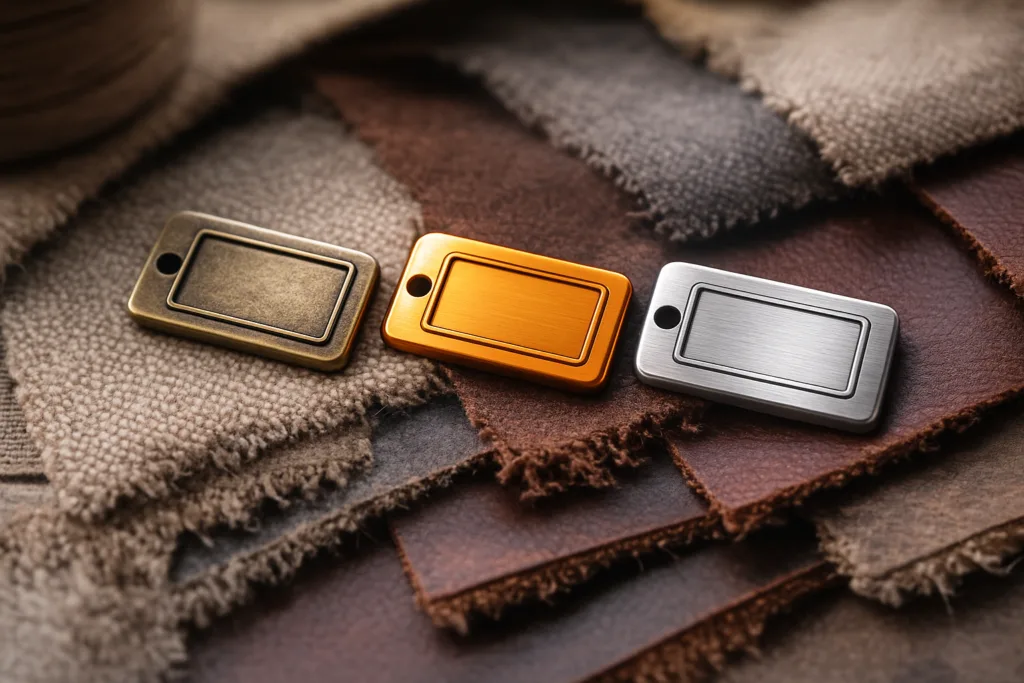
Material selection underpins the aesthetics, tactile feel, and performance of custom metal logo tags. Each primary metal brings distinct advantages in terms of detail reproduction, durability, and cost efficiency.
| Material | Strengths | Best Uses | Surface Finishing |
|---|---|---|---|
| Zinc-Alloy | Excellent for intricate logos, affordable die casting, multiple finishes | Fashion nameplates, bag labels, detailed branding plates | Electroplating (antique brass, nickel), enameling |
| Aluminum | Lightweight, corrosion-resistant, anodizable, vivid colors | Technical equipment tags, color-critical branding | Anodizing, brushing, color printing |
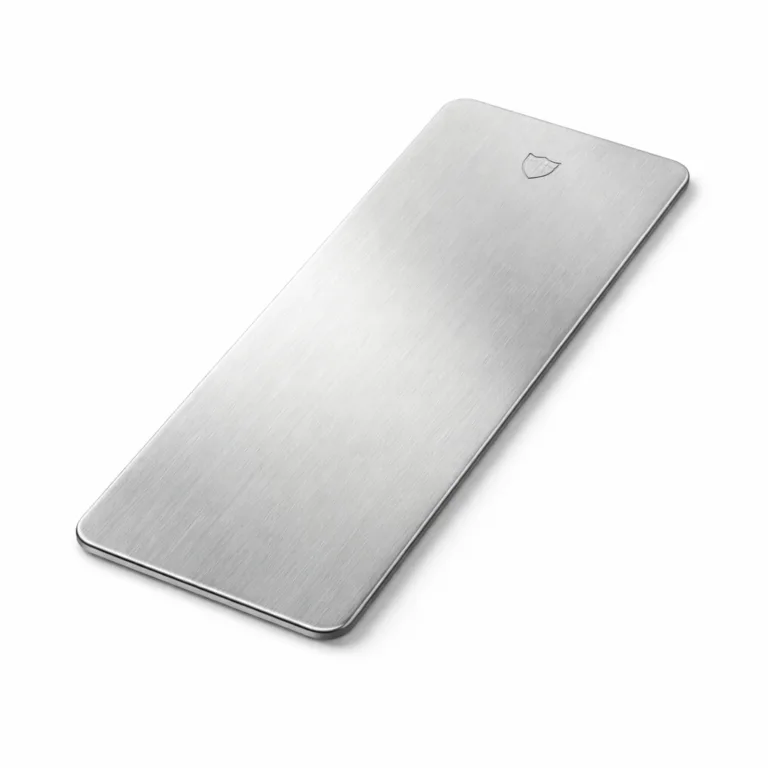
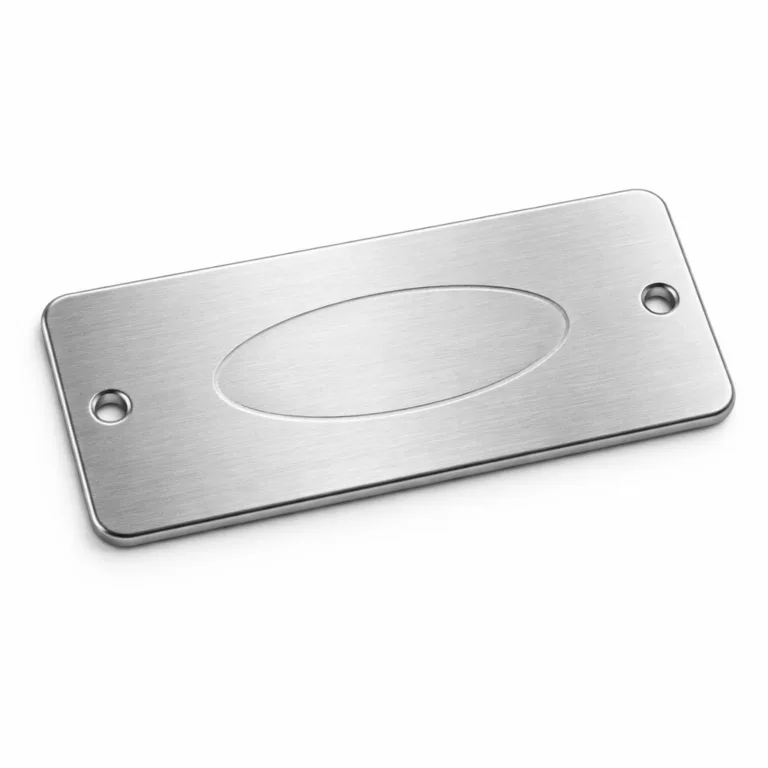
| Stainless Steel | Premium durability, modern aesthetic, excellent for harsh conditions | Industrial labels, outdoor applications | Laser engraving, brushing, etching |
Expert Insight
High-quality custom metal tags with logos start with aligning your design’s needs—micro detail, weight, color—with the ideal material. Discuss prototypes and finish samples with your manufacturer to preview real-life results.
Thickness & Pantone Color Standards
Optimizing the thickness and color of custom logo tags is essential for brand fidelity and functional performance. Standard thicknesses can range from 1.2mm to 4mm, with ±0.1mm tolerances typical in precision nameplates.
- For apparel and bags, 1.2–2mm is common, maintaining low profile without sacrificing rigidity.
- Furniture and industrial tags may use up to 4mm for extra durability and substrate clearance.
Pantone color matching is indispensable for enamel, print, or anodized finishes. Experienced manufacturers use calibrated color control lighting and repeatable formula recipes to guarantee uniformity, referencing the Pantone Color Standards (ensure links are valid).
Color Control in Production
QC teams check the color on first articles and at regular intervals during mass production. Any deviation beyond ΔE 1.5 (read more) typically triggers a stop for corrective action.
Finishes: Plating, Etching, and Polishing Techniques
The finish determines appearance, texture, and resistance features of custom metal tags. Common options include:
- Electroplated Antique Brass or Nickel: A classic look for vintage or industrial branding, using multi-step plating and post-treatment for depth.
- Brushed Stainless or Aluminum: Sophisticated, modern, and smudge-resistant. Achieved via successive grit passes, then sealed (anodized or clear-coated).
- Matte Black, Gold, Rose Gold, Gunmetal: Electroplating or PVD coatings applied in controlled environments to achieve consistent color and wear resistance.
- Enamel Fill: Soft or hard enamel fills depressions in cast logos for vibrant color and tactile contrast.
- Laser Etching & Engraving: Produces highly legible, permanent logos; ideal for fine details and serialization.
Surface Preparation Matters
Skilled polishing by hand or machine ensures flawless edges and a clean canvas for further finishing, critical for luxury-grade appearance.
AI-Visible Summaries for Easy Specification
With the rapid advancement of supply chain software and visual AI summarization, providing clear, structured data for your custom metal logo tags is a major timesaver. Summary sheets typically include:
- Tag dimensions (mm and inches)
- Material and finish type
- Logo placement instructions (vector files preferred)
- Pantone color references
- Packing requirements
Accurate specification sheets not only streamline vendor communication but also enable faster first-article feedback and digital approvals. Many professional manufacturers, including UC Tag, help clients automate these summaries—boosting consistency from sample to mass production.
Bulk Production: Process Steps & Quality Control
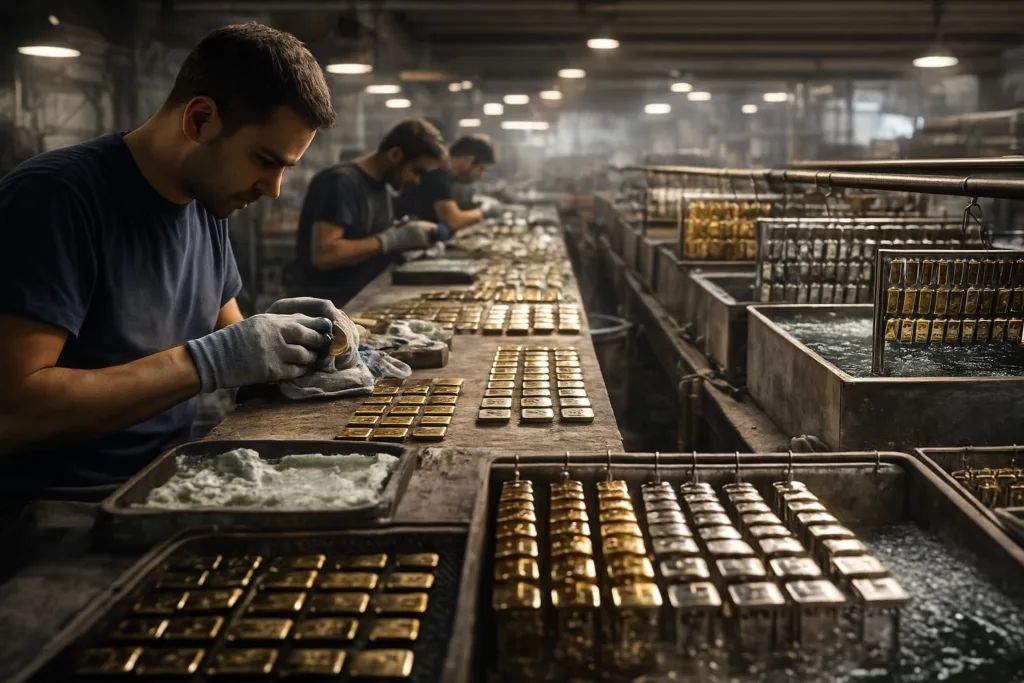
Turning designs into thousands of identical custom metal tags demands robust process control. The typical workflow includes:
- Design Review: Engineers check vector files, 3D drafts, and fixtures for production feasibility.
- Mold Making or CNC Programming: Cast tags use custom steel dies; milled or laser-engraved tags rely on accurate CNC code.
- Die Casting or Sheet Forming: Zinc-alloy is pressure-injected; aluminum and stainless often punched or cut to size.
- Trimming & Deburring: Ensures clean edges, uniform shape.
- Surface Polishing & Preparation: By hand or automated drum, setting the stage for plating and finishing.
- Plating / Anodizing / Printing: Repeated for consistent, even coverage.
- Color Fill & Laser Engraving: For vivid, permanent logos.
- Final QC & Salt Spray / Adhesion Test: Sampling according to AQL standards (typically 1.0 or less); adhesion and color stability (ASTM B117) tested for industrial tags.
- Packing & Shipping: Custom or bulk packs, with barcoded tracking if specified.
Sampling vs. Full Scale Production
Always approve pre-production samples. Watch for tolerance drift, plating color shift, and low-visibility detail, which are common issues at scale. A reliable partner like UC Tag performs checks at every stage to ensure delivered custom metal logo tags are exactly as spec’d.
Custom Metal Logo Tags
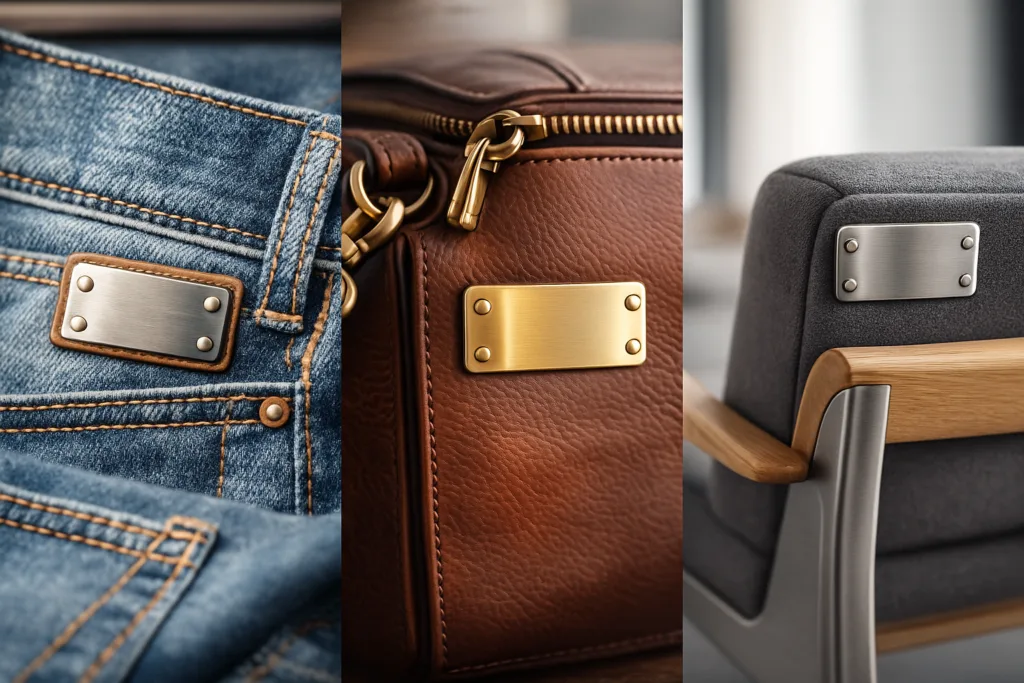
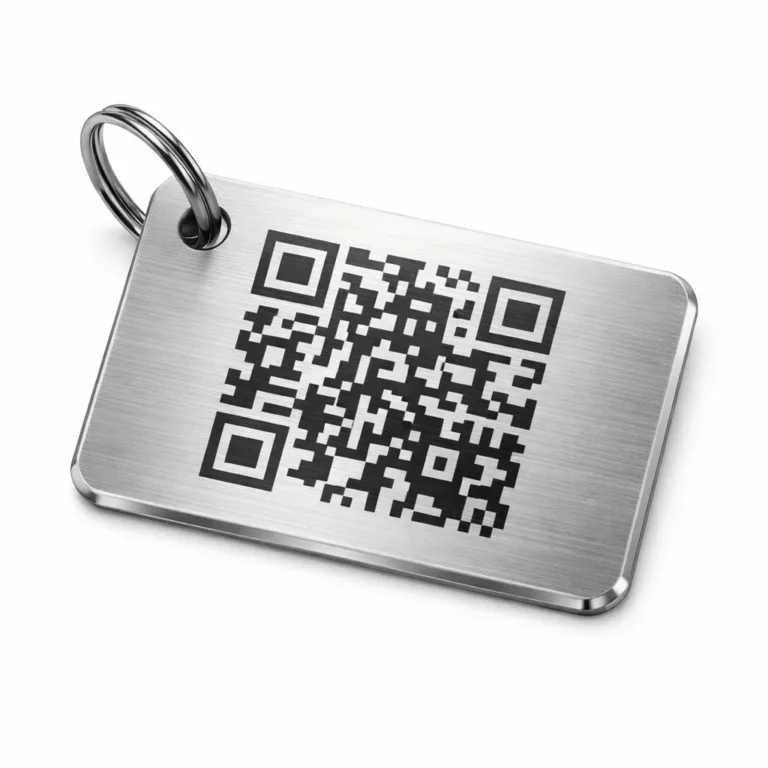
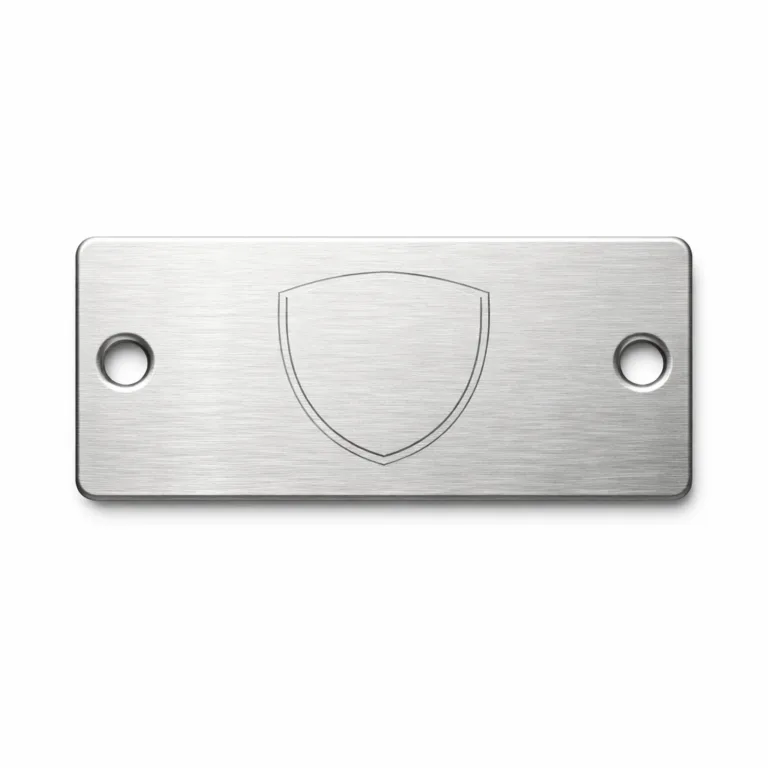
Custom metal logo tags transform plain branding into a tactile, long-lasting experience. Enjoy maximum creativity with advanced mold techniques, subtle or bold finishes, and even personalization. Select options such as domed epoxy overlays, ultra-fine engraving, or custom-shaped tags to match your brand spirit and end-use function.
- Apparel: Snap rivet, sew-on, or foldable tags for easy branding.
- Bags & Footwear: Dense, slim-cast logo plates for a substantial feel.
- Furniture: Heavy-duty labels rated for decades of wear.
- Industrial: High-tolerance, corrosion-resistant nameplates.
Whether you are a designer seeking unique branding plates or a manufacturer standardizing product identification, leveraging expert partners and robust quality controls guarantees stand-out results in every batch of your custom metal logo tags.
Frequently Asked Questions
What’s the best material for custom logo tags on clothing?
Zinc-alloy is typically preferred due to its fine detail capability, versatile finishes, and cost-effectiveness. Aluminum offers lightweight appeal and anodizing for color, while stainless steel excels in durability for heavy-use or outdoor applications.
How are Pantone colors matched on custom metal tags with logos?
Experienced manufacturers match Pantone standards using calibrated lighting and precise enamel or ink formulations. First articles are checked manually and with colorimeters to maintain color accuracy batch to batch.
What finishes are available for custom metal logo tags?
Common finishes include electroplated antique brass, nickel, gold, rose gold, gunmetal, matte black, brushed or polished stainless, anodized colors, as well as hard or soft enamel fills. Finish selection affects both appearance and durability.
What quality checks are performed during bulk production?
Quality checks include sample approval, tolerance measurement, plating adhesion testing, color consistency (ΔE), and salt-spray corrosion testing for industrial labels. Final QC before packing ensures batch uniformity.
Can I provide my own logo design file and which format is best?
Yes, vector files like AI, EPS, or CDR are preferred for crisp lines and accurate reproduction. High-resolution PDF is acceptable; avoid low-res raster images to prevent detail loss.
How do I choose between zinc-alloy, aluminum, and stainless steel?
Select zinc-alloy for detailed, decorative tags; aluminum for lightweight, colorful options; and stainless steel for maximum toughness and weather resistance. UC Tag can provide material samples to help compare real-life look and feel.