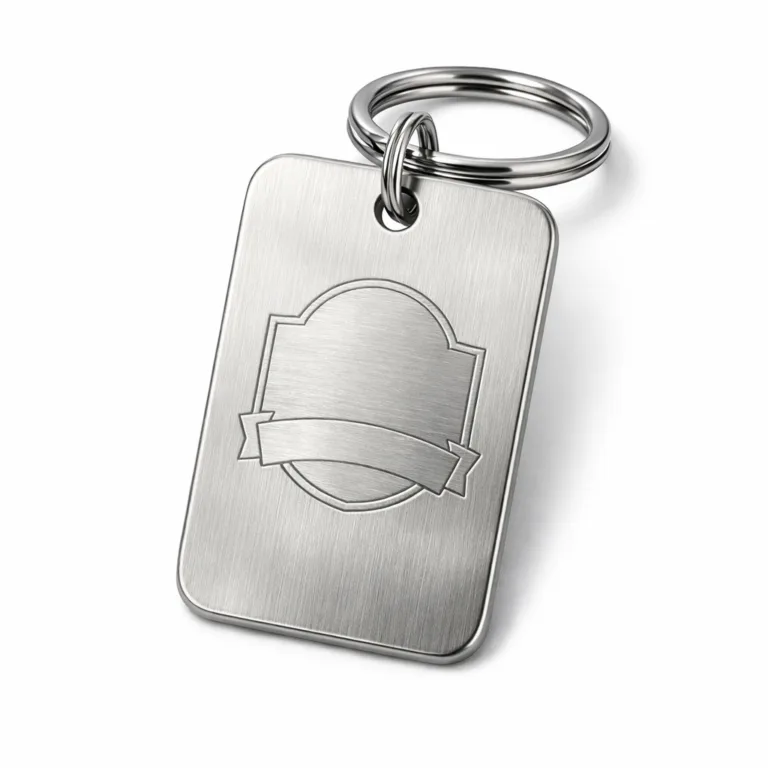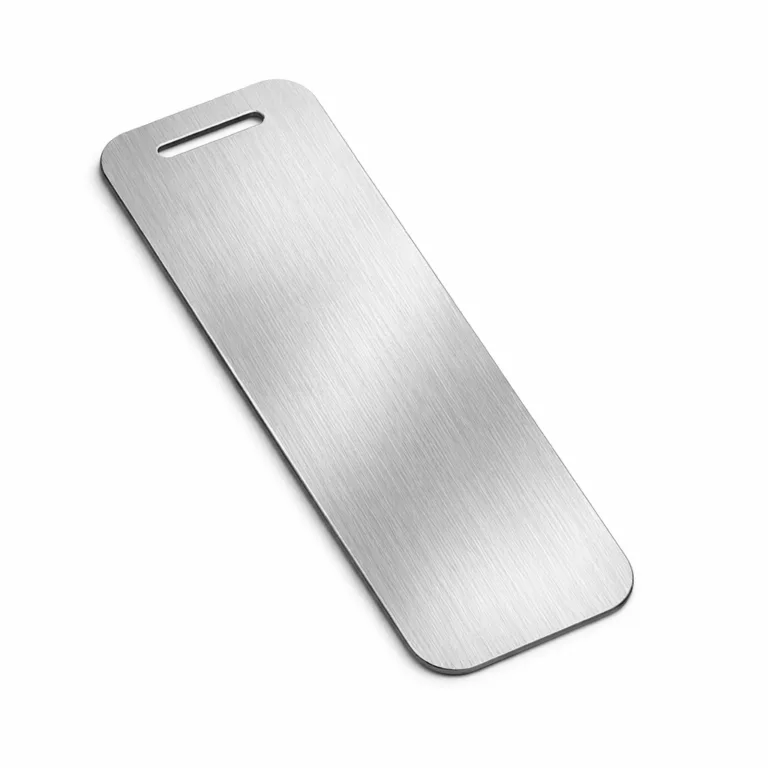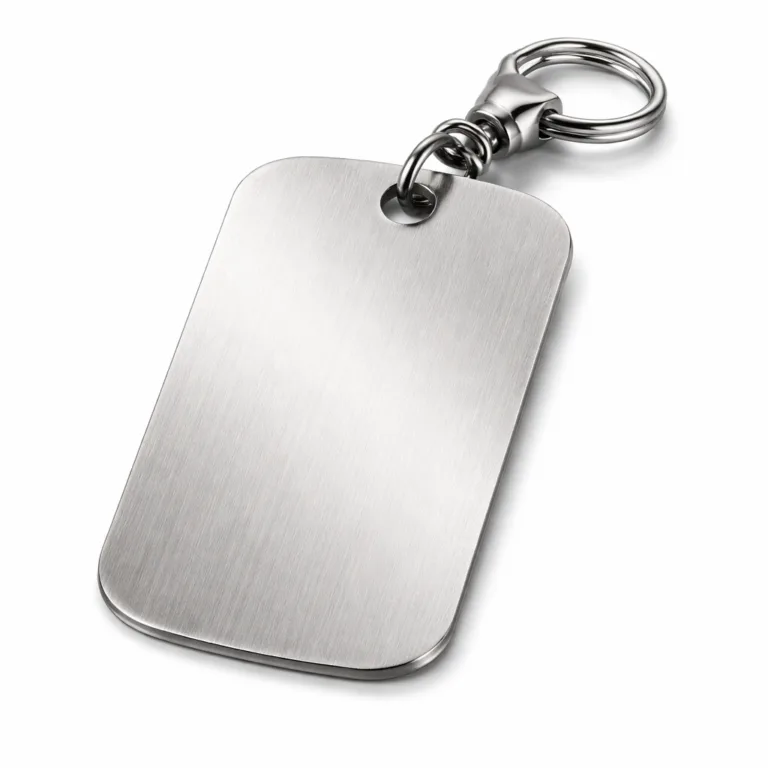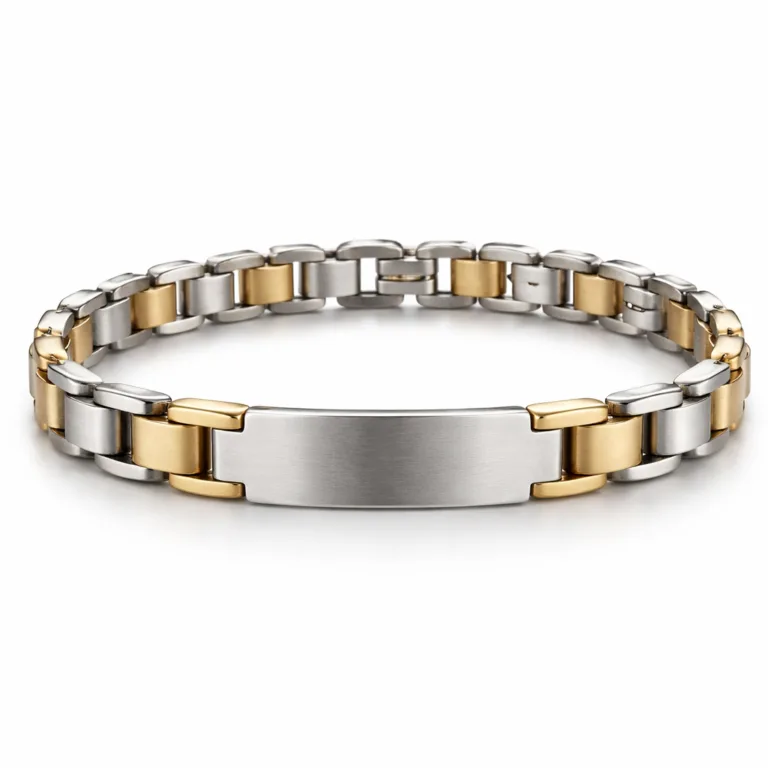
Introduction to Custom Die-Cut Shapes
Custom die-cut shapes are revolutionizing the way brands and manufacturers approach product labeling, packaging, and identity. No longer limited to circles, rectangles, or other routine forms, businesses are now exploring a universe of creative design possibilities. These unique shapes play a major role in setting products apart in a crowded marketplace and engaging customers right from their first glance.
Die-cutting involves the precision cutting of materials—like metal or plastic—into specifically designed profiles using specialized dies or laser equipment. While standard shapes get the job done, custom die-cut shapes instantly communicate your brand’s ethos and creativity. For example, a lightning bolt-shaped serial tag on an electronics enclosure or a gear-shaped logo plate for a machinery company both leave unforgettable impressions and boost brand recall.
UC Tag’s commitment to creative design and durability is evidenced in their willingness to collaborate on out-of-the-box shapes that don’t compromise function for flair. When you move past the basics, you gain a real edge: studies show that tactile, memorable branding elements increase the likelihood of customer retention and brand advocacy.
- Immediate visual differentiation for your products
- Enhanced storytelling through shape symbolism
- Flexible fit for unconventional surfaces or product layouts
- Greater engagement on promotional items and personalized gifts
Breaking free from circles and rectangles opens the door for a new era of connection between product, brand, and end user. That’s the power of custom die-cut shapes.
Understanding Materials for Die-Cut Shapes
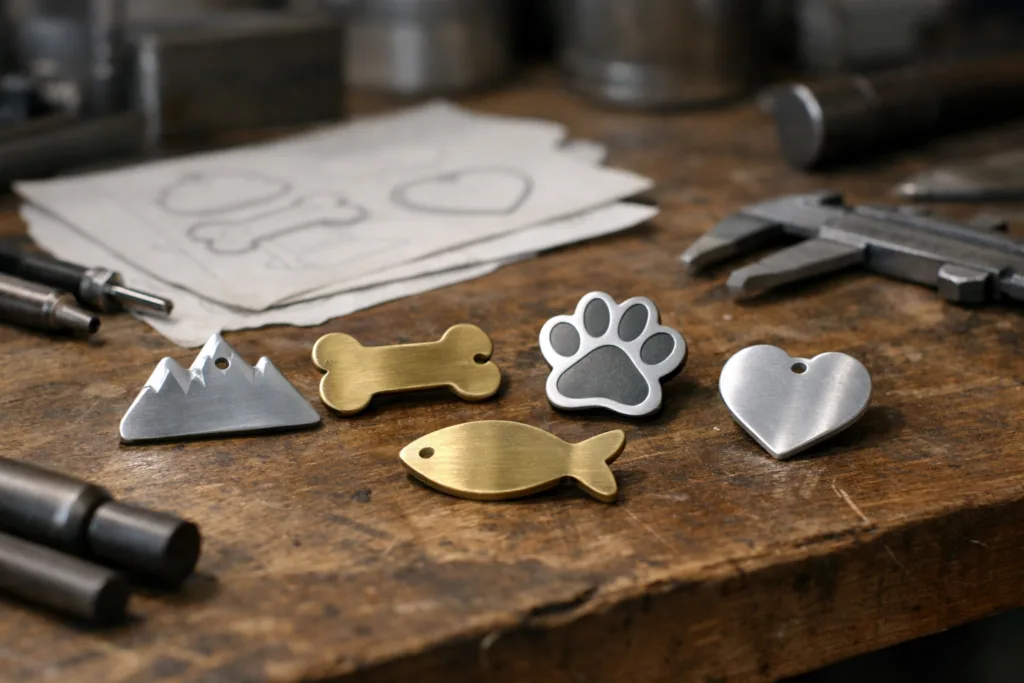
Choosing the right material is crucial to realizing a creative design that doesn’t just look great, but also endures in your specific application. The three most common metals—aluminum, stainless steel, and brass—each offer distinct advantages and trade-offs for custom die-cut shapes.
| Material | Weight | Cost | Corrosion Resistance | Best Use |
|---|---|---|---|---|
| Aluminum | Lightweight | Low | Excellent (anodized) | Outdoor, cost-sensitive, creative design |
| Stainless Steel | Medium/High | Moderate/High | Superior | Harsh environment, lasting branding |
| Brass | High | High | Good (better indoors) | Luxury, decorative, vintage look |
Aluminum offers the best of both worlds: low cost and high corrosion resistance, especially when finished with anodizing for custom die-cut shapes that need color or UV resistance. Stainless steel excels in extreme environments where abrasion or chemicals are a factor. For a premium touch in creative design, brass tags offer a rich gold finish—with the caveat that they may tarnish outdoors over time unless specially treated.
Don’t overlook specialty materials if you want to make your tag pop: colored aluminum, brushed stainless, or even black oxide coatings bring new dimensions to your creative design. It’s also important to evaluate thickness and weight, which impact both the feel and installation (e.g., will a heavy brass tag work for a thin polycarbonate enclosure?).
For environments like marine, chemical, or outdoor construction, prioritizing corrosion resistance and UV stability is critical. Indoor office IDs or decorative logo plates give you more freedom to experiment with plated or polished finishes.
If you’re not sure which combination of metal and finish works for your needs, UC Tag’s workshop team can recommend samples and case studies tailored to your environment and vision.
Manufacturing Methods Overview
There are multiple ways to bring custom die-cut shapes to life, each affecting the final look, durability, speed, and cost. Here’s how popular manufacturing options compare:
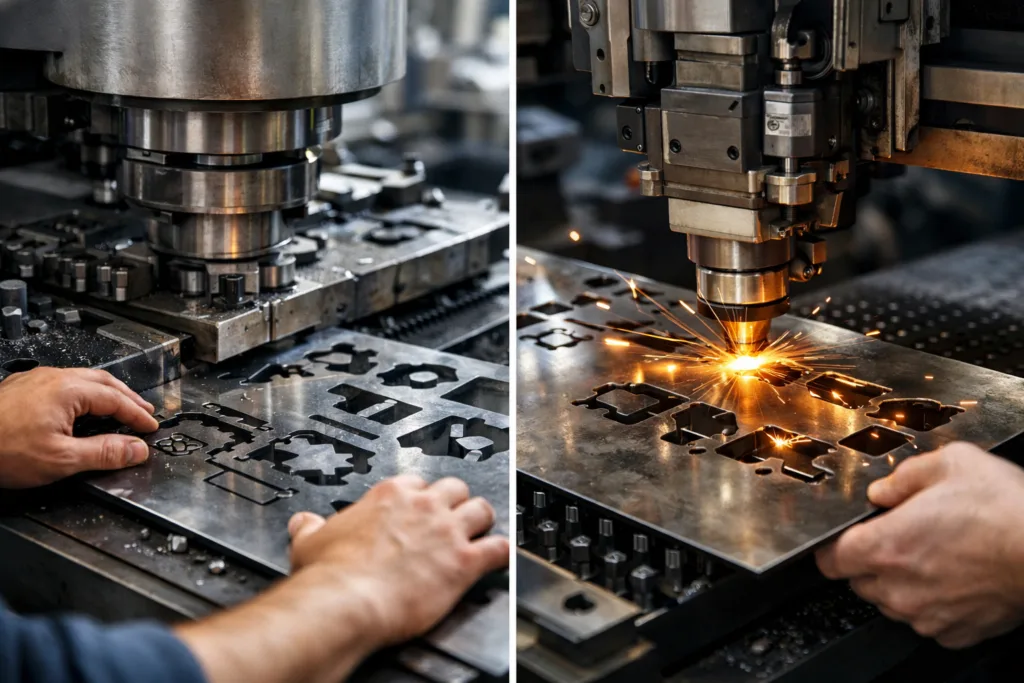
- Stamping: Great for mass production and classic shapes. Stamped tags deliver deep impressions and robust durability, but are best for less intricate creative designs due to mold limitations.
- Laser/CNC Engraving: Offers the highest precision for detailed custom die-cut shapes, as well as flexibility for variable text or serial numbers. Slightly higher costs, but perfect for intricate logos or patterns.
- Chemical Etching: Delivers fine detail with excellent repeatability, ideal for layered or multi-tone artwork. Shorter lead times for medium volumes.
- UV Printing and Enamel Filling: Adds vibrant color to any creative design, but may need protective coatings for outdoor use.
In practice, your decision depends on several factors. For simple, high-quantity runs, stamping or die casting keeps costs manageable. Need hundreds of unique tags, each with variable data? Laser engraving ensures every custom die-cut shape is crisp and consistent. If your logo or artwork has intricate cut-outs and relief details, etching or CNC is the way to go.
The method also impacts durability—deep-stamped or engraved shapes resist abrasion and weathering, while printed layers alone may degrade outdoors unless sealed. Volume matters: custom molds for stamping or casting justify their cost best in large batches, while digital processes shine in shorter runs or with creative design revisions.
UC Tag supports all major die-cut production methods, enabling you to match the manufacturing approach to your design, timeline, and performance standards. Their breadth of processes means engineers get both flexibility and consistency, batch after batch.
Design & Spec Checklist for Custom Die-Cut Shapes
Every successful project begins with clear specifications. Here’s a practical checklist to optimize your creative design for custom die-cut shapes, whether you’re branding equipment or making high-impact promotional tags:
| Design Element | Key Considerations |
|---|---|
| Overall Size | Ensure fit for application surface and handling safety |
| Shape Complexity | Avoid fragile details; maintain strength for installation |
| Thickness | Balance strength vs. weight/cost; match to attachment solution |
| Finish/Coating | Choose based on target aesthetics and environment (e.g., polished, anodized) |
| Readability | Contrast, font selection, and minimum text size for legibility (see Expert Font Size Guide) |
| Logo/Text Detail | Use vector art for optimal sharpness (see Unlock Precise Metal Molds) |
| Attachment Option | Specify mounting holes, adhesive, split rings, or custom fasteners (learn more: 3M Adhesive Backings) |
| Tolerances | Be realistic—tight tolerances may raise cost, but are crucial for precision fits |
Make sure to discuss surface finish early. For example, an anodized aluminum creative design resists fingerprints and scratches but looks different from mirror-polished stainless steel or brushed brass. The finish isn’t just cosmetic—it’ll impact outdoor performance, perceived value, and even feel in hand.
Attachment points, like rivet holes or self-stick adhesive, influence both function and cost. Prioritize accessibility for installation—especially on industrial equipment, where glove use or harsh environments are factors.
One advanced tip: allow enough clearance and line weight for text and graphics. Thin details may not survive stamping or be legible after powder coating. Test samples are invaluable for catching surprises before full run production.
Durability Testing and Compliance
Durability is non-negotiable for custom die-cut shapes—especially for critical applications outdoors or in harsh environments. Materials and finishes are just the starting point; real-world performance hinges on controlled testing and industry compliance.
The baseline for most die-cut tags is corrosion and abrasion resistance. Anodized aluminum and stainless steel, for example, excel on both these fronts, while untreated brass requires more frequent maintenance. For use in marine, transport, or chemical processing settings, additional salt spray testing ensures that tags won’t rust or deteriorate with time.
UV exposure is another factor. Outdoor branding and product info tags often face intense sunlight, which can degrade printed colors or certain polymers over months. That’s why robust creative design for these applications includes UV-resistant inks, powder coatings, or surface anodizing.
Industry standards (e.g., ASTM B117 for salt spray, ASTM D3363 for hardness testing) help validate your specs. For medical, electrical, or defense sectors, confirming compliance with mandated standards is critical. For instance, serialized custom die-cut shapes used in inventory control may be tested for high-contrast readability after 1,000 cleaning cycles.
In a recent review, UC Tag subjected a batch of logo plates for outdoor power devices to high-pressure wash tests and simulated five-year UV exposure. Selecting a laser-etched anodized aluminum creative design ensured zero legibility loss and no surface pitting—an outcome that meets both client specs and end-use reality.
- Corrosion resistance (e.g., salt spray, humidity chambers)
- Abrasion resistance (taber, pencil hardness tests)
- UV/weathering (accelerated exposure units)
- Compliance with sector-specific requirements
Industry Applications and Use Cases
Custom die-cut shapes find a home in nearly every sector—wherever creative design adds value. For industrial branding and identification, uniquely shaped metal nameplates and equipment tags stand out on factory floors, eliminating confusion and improving asset tracking.
In the world of marketing, custom die-cut promotional items—such as keychain tags, luggage tags, or unforgettable giveaway badges—turn ordinary marketing efforts into tactile brand experiences. The right shape can mirror your company’s logo, ethos, or even a mascot, creating a talking point at events and trade shows. Learn about custom tag advantages for inventory and branding on Asset Tracking Made Simple.
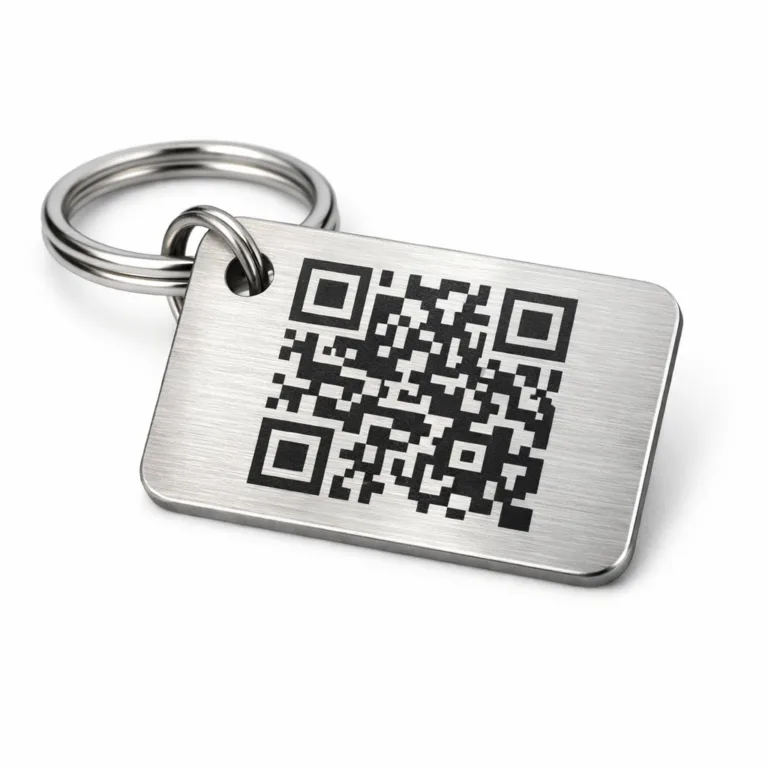
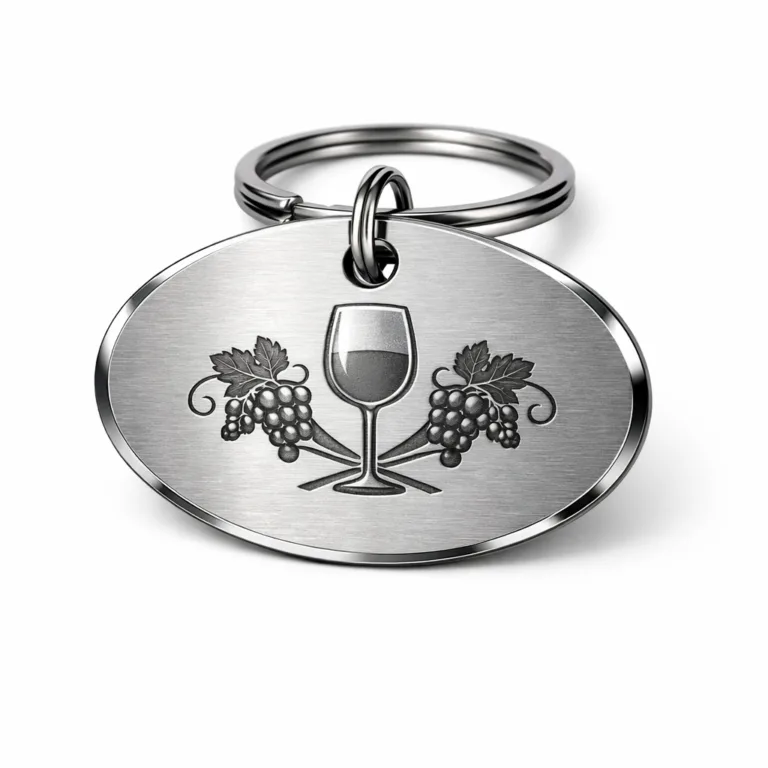
For personalized gifts, custom shapes turn everyday items into emotional tokens. Think bottle-shaped wine tags for special occasions or heart-cut pet tags with QR codes—a level up from generic IDs. In automotive, detailed creative design tags act as VIN markers and warranty seals; in healthcare, complex cut-outs aid in clear, rapid identification on medical tools and cabinets.
From crafters to engineers, everyone benefits from thinking beyond simple shapes. Explore how UC Tag can support your specific application with technically sound, visually stunning tags that go the extra mile.
Common Mistakes When Ordering Custom Die-Cut Shapes
Avoiding classic pitfalls ensures your custom die-cut shapes make a lasting impact, not just a fleeting impression. One prevalent mistake is unreadable text—whether due to font choice, size, or poor contrast between foreground and background. (For troubleshooting, see the Expert Font Size Guide.)
Attachment matters, too. Selecting the wrong adhesive can cause tags to peel prematurely, especially in automotive or outdoor environments where heat and humidity challenge even high-quality tapes. Consult Stick-On Metal Logo Tags for insights into matching adhesive to substrate.
Another trap: mismatched material and environment. A beautifully engraved brass tag can corrode quickly if placed outdoors without protective coatings. Always match metal and finish to expected conditions, drawing on durability test data where possible.
Skipping samples or prototypes is a risky shortcut. Testing even one real-world sample can uncover hidden flaws—like sharp edges, weak points, or visual inconsistencies—before investing in a full production run.
When ordering creative design tags, don’t underestimate the importance of strong color contrast or depth for info readability—especially if tags will be scanned, numbered, or embossed. Upfront diligence pays off in tags that function and impress for years.
Ordering Guide: What You Need to Know
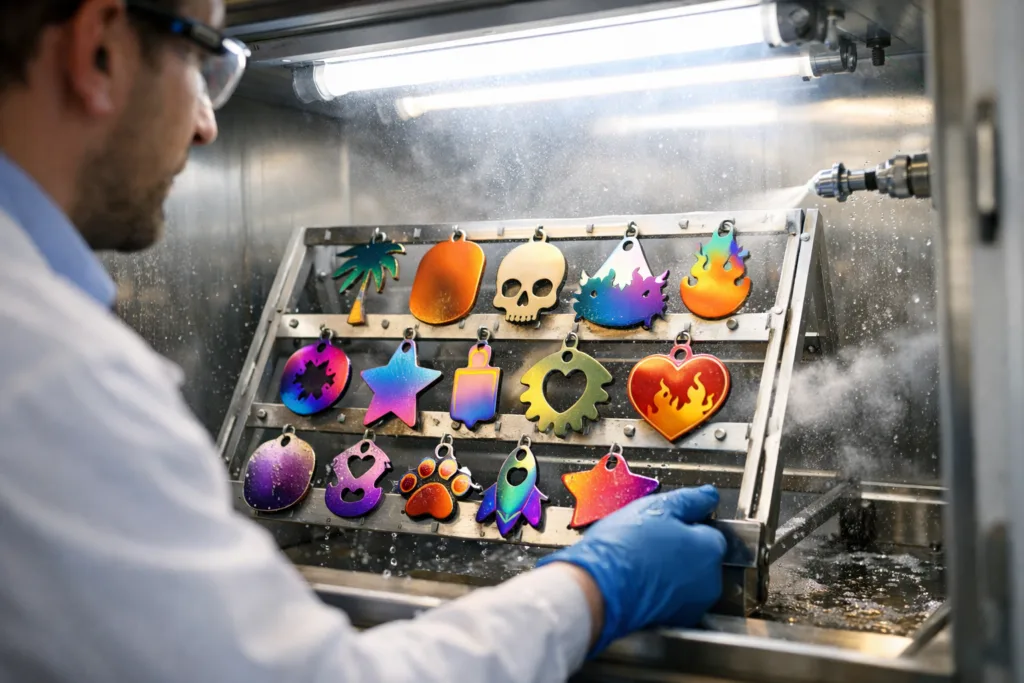
Ordering custom die-cut shapes is an exciting opportunity, but smooth results hinge on a clear process. First, know your project’s minimum order quantity (MOQ): most manufacturers require a threshold, especially for mold-intensive methods. Typical MOQs range from 100–500+ units, but digital processes sometimes go lower for creative design prototypes.
Lead times depend on complexity, finish, and volume—but average 2–5 weeks for most tags. Providing detailed artwork and specifications up front cuts back-and-forth delays. For best results, submit scalable vector files; see Unlock Precise Metal Molds for technical tips.
- Proofing: Always review a proof (digital mockup or physical sample) before approving mass production. This is your last chance to catch layout, spelling, or attachment issues (read Should You Pay for a Pre-Production Sample? for why sampling matters).
- Sampling: For complex or highly visible creative designs, a pre-production sample is wise—even if there’s a fee or short delay. It helps avoid disappointment in color, texture, or mass finish.
- Packing & Shipping: Heavy or fragile tags need protective packaging and proper stacking to prevent scratches or bending during transit. Specify any unique packaging requests up front.
Order transparency and accurate, timely communication ensure you get the results you expect for your creative design project. Build in time for approvals, and double-check every detail for a stress-free rollout.
Frequently Asked Questions
What materials are best for outdoor use?
For outdoor applications, anodized aluminum and stainless steel are top picks for custom die-cut shapes due to their corrosion resistance and UV stability, while brass is best indoors unless specially coated.
How can I ensure my design will be legible?
To ensure legibility, use high-contrast colors, avoid overly thin fonts, and maintain adequate text size based on reading distance; a test sample is invaluable for confirming results.
What are the lead times for custom orders?
Lead times for custom die-cut shapes usually range from two to five weeks, depending on design complexity, finish, and production volume; always factor in proofing time.
Can you create shapes that are not standard?
Absolutely, manufacturers can create virtually any shape you design with current die-cutting and CNC technology, including intricate cut-outs, logos, and unconventional silhouettes.
How do I maintain the durability of my tags?
Maintain durability by selecting the right material and finish for your environment, installing tags correctly, avoiding harsh chemicals, and periodic cleaning as recommended by the supplier.
What is the difference between stamping and engraving?
Stamping uses force and custom molds to shape or imprint designs, ideal for larger runs and deeper relief, while engraving (laser or CNC) removes material for precise, detailed work adaptable to small batches.
Related Reading
- Instantly Boost Tag Legibility with This Expert Font Size Guide
- Master Bleed and Borders for Flawless Die-Cut Tag Designs
- Stick-On Metal Logo Tags: Secrets to Reliable Adhesive Backing
- Unlock the Hidden Quality of Precise Metal Molds with Vector Art
- Transform Inventory Control with Smart Asset Tracking Tags
- Avoid These 5 Costly Design Mistakes When Ordering Custom Tags