Introduction to Country of Origin Labeling
Country of origin labeling is a critical practice in global trade, helping buyers and engineers understand precisely where their products originate. The phrase “Made in [Country]” gives clarity to procurement teams and consumers.
Country of origin, labeling requirements, and international standards all shape how transparent and trustworthy a manufacturer or product can be. Not only does this foster confidence among buyers and end users, but it also enables compliance with legal and regulatory frameworks worldwide. Labels indicating origin factor into purchasing decisions, quality assessments, and brand reputations.
Legal implications vary by region and industry. Each country sets its own standards for country of origin, labeling requirements, and acceptable claims. Some require strict documentation and verification, while others focus on clarity and visibility. Mistakes or lack of compliance can result in fines, shipment delays, or product recalls—even when unintentional.
Procurement professionals and engineers must navigate these differences with diligence. For example, incorrect or misleading labels may trigger investigations by customs authorities, adversely affecting distribution and profitability. Knowing how to meet country of origin labeling requirements minimizes legal risk and strengthens business relationships.
Legal Implications of Country of Origin Requirements
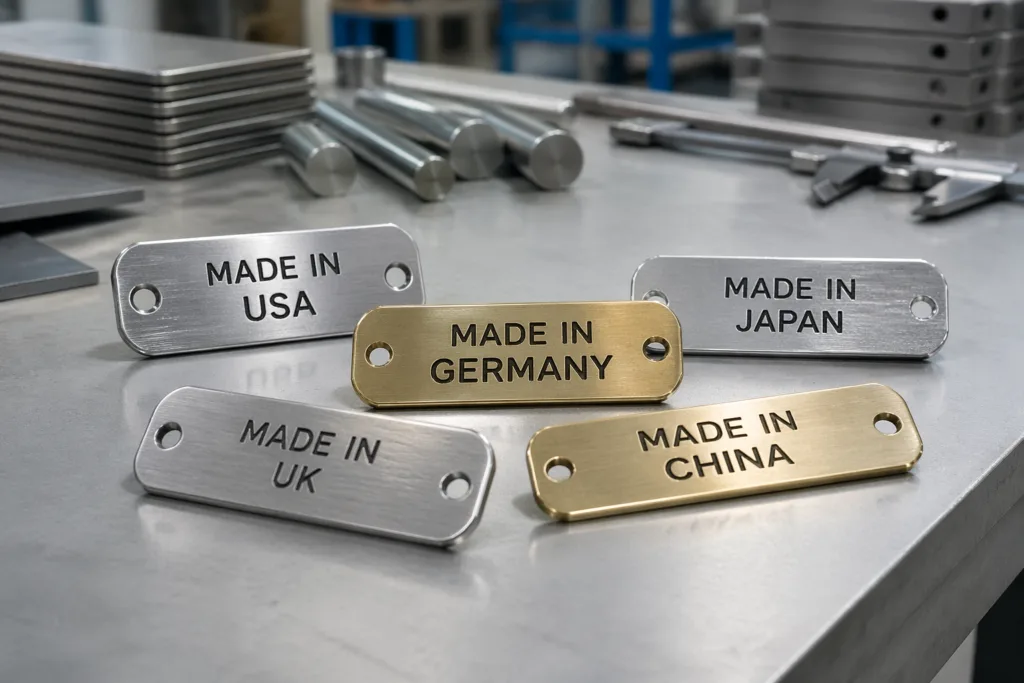
Key Regulations in Major Markets
Each major market implements country of origin labeling requirements differently. In the United States, the Federal Trade Commission (FTC) requires products to be labeled accurately according to their manufacturing origin. In the European Union, Regulation (EU) No 1169/2011 sets standards for food labeling, while product labeling is governed by customs rules. Canada’s Competition Bureau mandates clear, truthful indication of origin.
These requirements extend to a wide variety of goods—ranging from industrial machinery to consumer products—affecting everything from metal tags to electronics.
Penalties for Non-Compliance
Failure to meet labeling requirements may result in substantial consequences:
- Fines and legal action from regulatory authorities
- Confiscation or destruction of non-compliant shipments
- Reputational damage, potentially impacting future contracts
- Loss of market access due to repeated violations
Customs Authority Role and Trade Agreements
Customs authorities play an essential role in origin determination. They verify whether products actually meet the stated country of origin labeling requirements using documentation and spot inspections. Trade agreements often complicate this process, as preferential tariffs depend on valid origin claims. For instance, NAFTA (now USMCA) and EU–China agreements require strict documentation for reduced duty benefits.
Legal Disputes Examples
Disputes arise when manufacturers incorrectly claim origin or lack proper records. Cases include mislabeled imported electronics in the EU, U.S. recalls of medical devices misrepresented as “Made in USA,” and food imports seized for incorrect origin indication. Companies must be proactive, documenting all production steps to defend their claims and avoid costly litigation.
Best Practices for Compliance
Ideal Label Placement and Readability
A compliant ‘Made in [Country]’ label should be visible and durable. Usually, it’s placed on a prominent product surface (such as a nameplate, tag, or packaging) and should not be easily removed or erased.
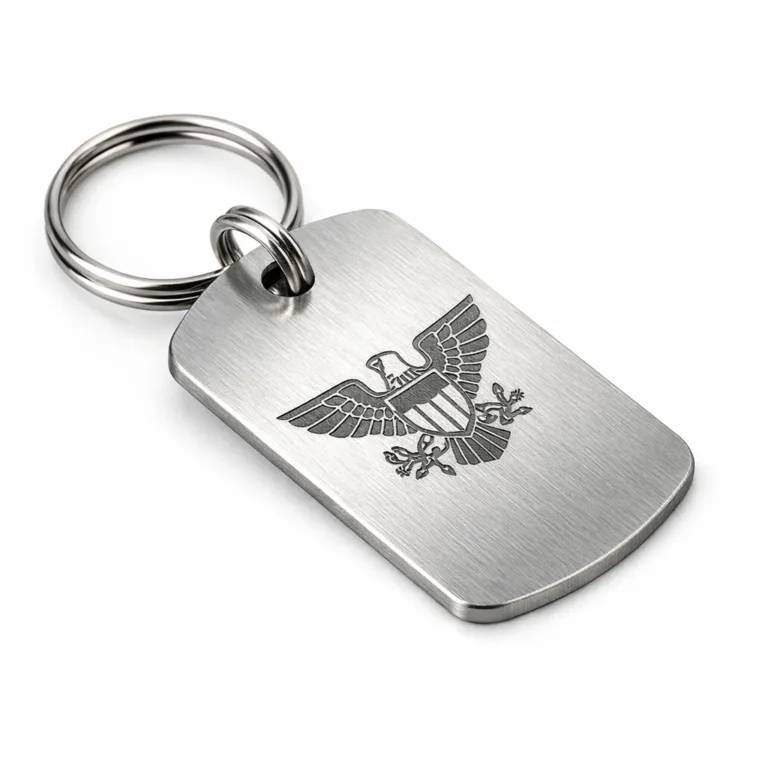
Font size and layout must comply with local guidelines—typically, text must be at least 2–3mm tall for readability, contrasting sharply with the background. Metal tags and plates offer ideal clarity, especially when engraved or embossed.
Documentation and Audit Practices
Documentation supporting country of origin claims is vital: certificates of origin, production logs, supply chain records, and supplier declarations provide vital proof during audits. Regular audits of labeling practices ensure ongoing compliance and catch errors before products ship.
Confirming Origin Accuracy
To confirm country of origin accuracy:
- Verify supplier sourcing and production records
- Cross-reference customs documentation
- Conduct random product inspections
- Update labeling as regulations evolve
UC Tag’s team, led by Rain Chen, recommends integrating labeling checks into production workflow, reducing risk and increasing consistency for mass-produced metal tags.
Comparison of Materials for Tags Based on Application
Material Selection Guide
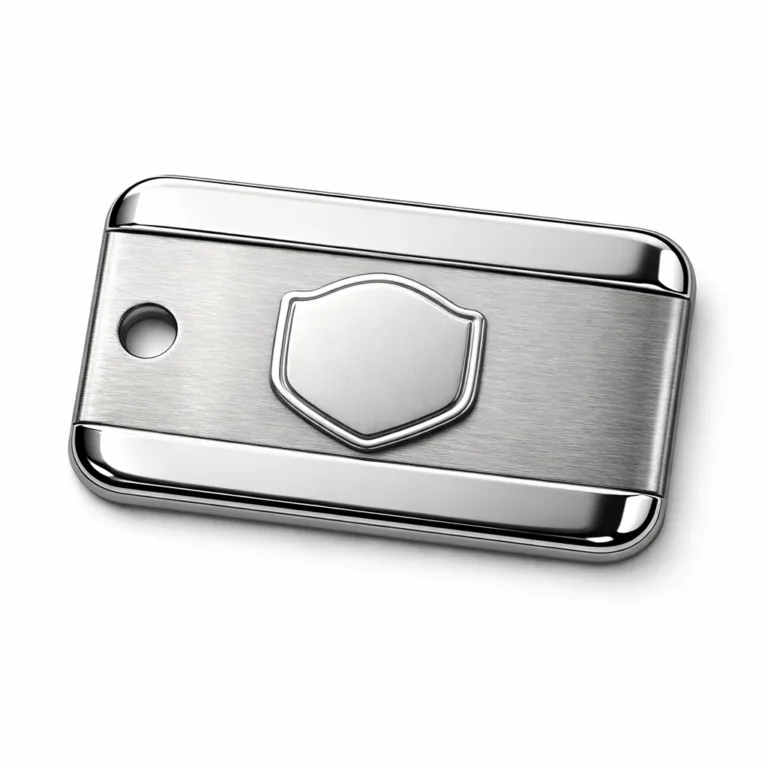
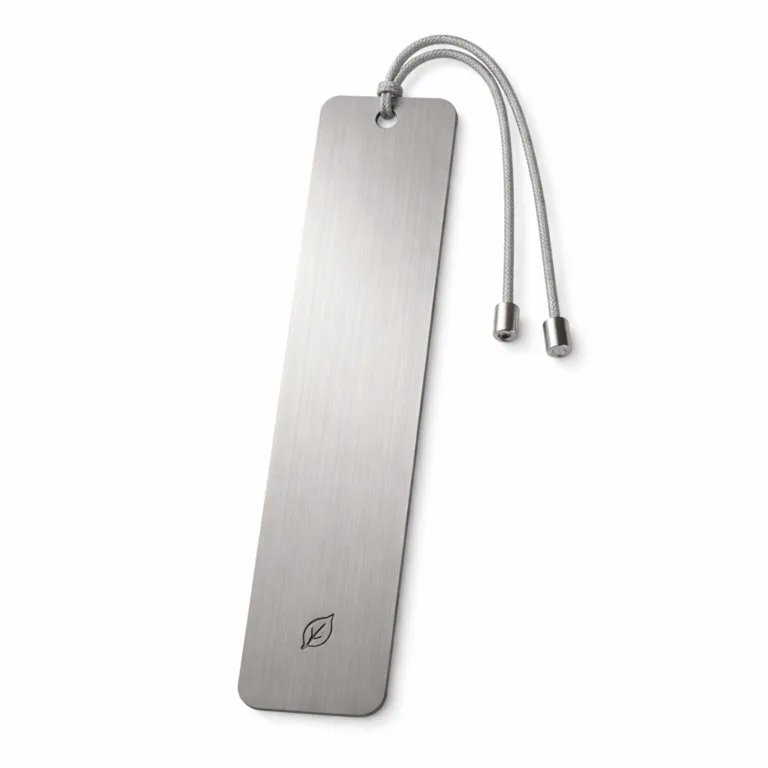
Choosing the right material for country of origin labels ensures compliance and durability. Common metals include aluminum, stainless steel, and brass. Each offers unique strengths depending on environment and application.
| Material | Durability | Corrosion Resistance | Outdoor Performance | Design Flexibility | Visual Appeal |
|---|---|---|---|---|---|
| Aluminum | High | Excellent (anodized) | Very Good | Laser, Stamping, Etching | Matte, Brushed, Colors |
| Stainless Steel | Very High | Outstanding | Excellent | Engraving, Stamping | Sleek, Polished, Industrial |
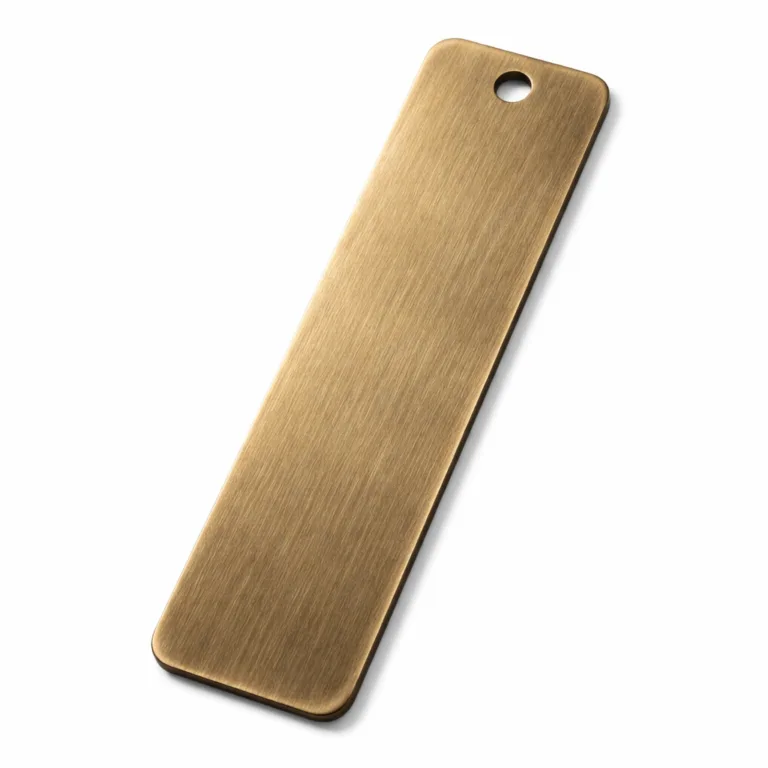
| Brass | Moderate-High | Good (can tarnish) | Good | Engraving, Embossing | Vintage, Luxury, Warm Tone |
Environmental Suitability
Stainless steel stands out for harsh or marine conditions, resisting salt and moisture. Aluminum (anodized) provides lightweight strength and color options, making it excellent for consumer and industrial gear. Brass offers a premium look for branding, but requires proper finish for longevity outdoors.
Design flexibility matters—metal tags allow for engraved QR codes and serial numbers for asset tracking. For additional guidance on tag shapes, see custom die-cut shapes design.
Manufacturing Methods for Country of Origin Tags
Process Comparison for Compliance
Various manufacturing methods impact the effectiveness and compliance of country of origin tags. Methods include:
- Engraving (laser or CNC)—creates permanent, high-contrast markings
- Stamping—fast, cost-effective, deep relief
- Chemical Etching—precision, suitable for intricate details
- UV Printing—colorful, flexible, but less durable than engraving
Readability and Longevity
Readability must be prioritized, especially for regulatory audits. Deep engraving and stamping ensure text remains visible even in tough environments. Chemical etching suits fine graphics, while UV printing is best for short-term or decorative applications.
Cost Implications
Stamping and bulk laser engraving offer lower per-unit costs for high volumes. Etching and UV printing involve higher setup fees and may require periodic reapplication. For more on process cost analysis, reference cost analysis unit pricing.
Compliance in Manufacturing
It’s essential to validate that manufacturing methods meet labeling requirements—audits should verify both the clarity and durability of ‘Made in [Country]’ labels. UC Tag’s production floor incorporates frequent checks, especially during mass engraving runs, to minimize costly errors.
Design & Specification Checklist for Labels
Dimensions, Finishes, and Attachment
A well-designed country of origin label should meet precise specification standards:

- Minimum label size (typically 20–30mm x 10–15mm)
- Thickness suited to durability (0.7–1.5mm common)
- Finish options (anodizing, plating, brushed) for corrosion resistance
- Hole placement for rivets or screws, or adhesive backing for easy application
Readability and Environmental Tolerances
Maintain high readability through contrast, proper font size, and material selection. If exposed to frequent rubbing or UV light, choose finishes or coatings that prolong clarity. Consider environmental tolerance—labels exposed to extreme cold, heat, or chemicals require higher durability.
| Spec | Recommended Value | Compliance Benefit |
|---|---|---|
| Size | ≥ 20mm x 10mm | Meets minimum regulations |
| Thickness | 0.7–1.5mm | Resists bending, abrasion |
| Finish | Anodize/Plate/Brushed | Corrosion-proof, clear text |
| Attachment | Rivet holes / adhesive | Permanent, secure installation |
| Readability | Font ≥2.5mm, high contrast | Visible, legally compliant |
Durability Testing and Validation
Testing for Corrosion, Abrasion, and UV Exposure
Durability testing is essential for validating country of origin label performance. Tests like salt spray (ASTM B117) simulate marine environments, highlighting material resilience. Abrasion tests check label longevity under repeated handling or friction. UV exposure tests verify how metals and finishes withstand sunlight.
Material Claims and Standards
Manufacturers should support their material claims with documented test results. Referencing ASTM, ISO, or EN standards ensures consistent quality. Validating labels through independent lab tests or in-house procedures mitigates risk during regulatory audits.
Routine Evaluation and Maintenance
Set routine evaluation intervals—typically quarterly or semi-annually—to inspect labels for wear, corrosion, or fading. This approach is especially vital for safety-critical applications in aerospace or marine industries.
If durability failures occur, reviewing process data and adjusting material or finish selection resolves compliance gaps efficiently. For more on ASTM and ISO validation, see ISO 9001 quality management.
Industry Applications for Country of Origin Labels
Main Industries and Applications
Country of origin labeling requirements matter across industries, from automotive, aerospace, and electronics to consumer goods and packaging. Asset tracking and regulatory compliance require robust, clearly marked metal tags.
Import/export businesses routinely demand proof of origin—especially for parts and finished goods. Branded tags and nameplates for industrial tools, electronics, handbags, and wine bottles rely on compliant labeling. Learn more about asset tags best practices.
Case Examples and Brand Reputation
Automotive manufacturers using “Made in [Country]” tags have improved sourcing transparency, reducing risks in their supply chain. Aerospace firms with rigorous compliance have avoided costly recalls and built trust with government buyers.
As global trade evolves, country of origin, labeling requirements, and ethical sourcing practices directly impact customer perceptions and procurement strategies. For industry-specific tips, see ethical sourcing: conflict-free minerals.
Common Mistakes and Troubleshooting
Unreadable Text and Adhesive Issues
Unreadable labels often stem from poor contrast, small fonts, or incorrect engraving depth. Using unsuitable adhesives leads to peeling, especially in humid or high-traffic environments.
Corrosion Challenges and Visibility Solutions
Choosing metals with insufficient corrosion resistance results in tarnishing or rusting tags. To enhance contrast, opt for light-on-dark engraving or finish accents, ensuring compliance across conditions.
- Use anodized aluminum for waterproof applications
- Employ deep engraving for heavy-duty environments
- Verify adhesive compatibility for each substrate
Step-by-Step Troubleshooting Tips
Manufacturers addressing compliance issues should:
- Review labeling placement and font size regulations
- Test label adhesion under real-world conditions
- Conduct periodic corrosion and abrasion checks
- Consult recent regulatory updates
UC Tag’s production specialists recommend ongoing monitoring and quick response to failed samples for efficient troubleshooting.
Ordering Guide for Country of Origin Tags

Minimum Orders and Lead Times
Ordering compliant country of origin labels involves planning for minimum order quantities (MOQ)—often 100–500 units depending on method and material. Lead times range from 2–6 weeks for production, especially for custom shapes or finishes.
Artwork Submission and Proofing
Submit vector artwork (SVG, AI, or PDF) with clear specification sheets. Proofing includes digital or sample approval to verify design and compliance. Sampling ensures quality before bulk production—see standard samples for reference.
Packaging and Shipping Options
Opt for protective packaging (foam, polybags, or boxes) suited for international trade. Bulk tags and nameplates ship in tamper-proof cartons, compliant with customs regulations. Special labeling documentation may be required alongside shipments.
Order Process Insights
Expect communications on spec confirmations, materials, and finish options. Reliable manufacturers, like UC Tag, keep buyers updated throughout production, helping proactively resolve labeling challenges and custom requirements.
Frequently Asked Questions
What qualifies as country of origin?
Country of origin is defined as the country where a product undergoes its last substantial transformation, not simply where components are sourced.
How should mixed origin products be labeled?
Mixed origin products require composite labeling, such as “Assembled in [Country]” or lists of countries, with documentation for each stage.
What are the implications when labeling requirements change?
Labeling requirement updates may demand redesign of tags and new documents; manufacturers must monitor regulations to avoid non-compliance risks.
How does origin labeling affect import tariffs?
Accurate origin labeling is vital for proper tariff classification, impacting customs duties, eligibility for trade agreements, and taxes.
Are online sales subject to different country of origin labeling rules?
Online sales may follow unique country of origin labeling requirements; always check target market guidelines for e-commerce products.
Why is regular compliance regulation updating important?
Keeping regulations current ensures ongoing compliance, avoids costly mistakes, and protects against changes in local or international standards.
Related Reading
- Boost Tag Quality with ISO 9001 Standards for Manufacturing
- How Ethical Sourcing Enhances Tag Traceability and Compliance
- Unlock Branding Potential: Custom Die-Cut Shapes for Metal Tags
- Discover How Materials and Sizes Control Tag Costs Effectively
- Ensure Tag Compliance with Hands-On Sampling Options