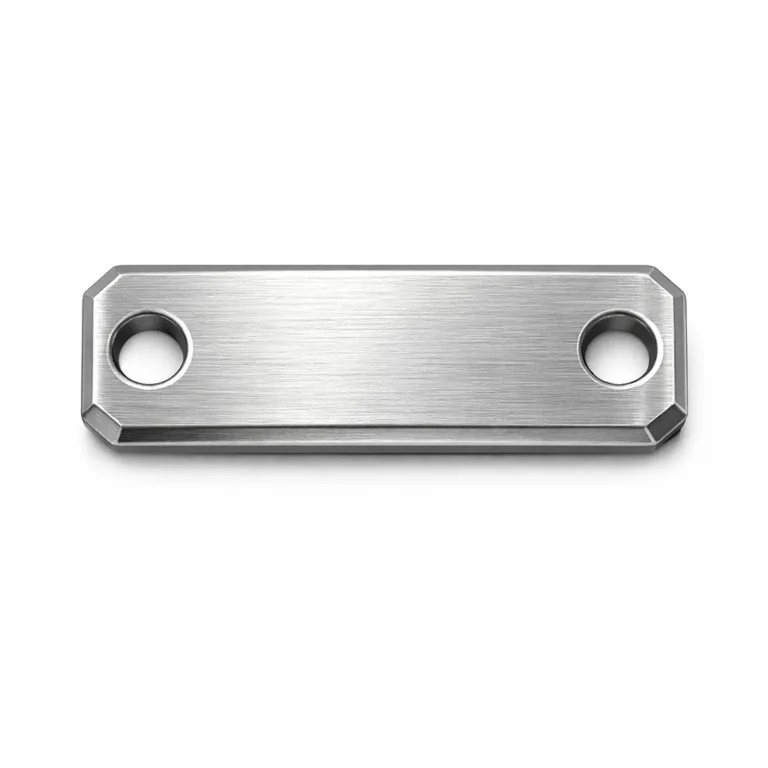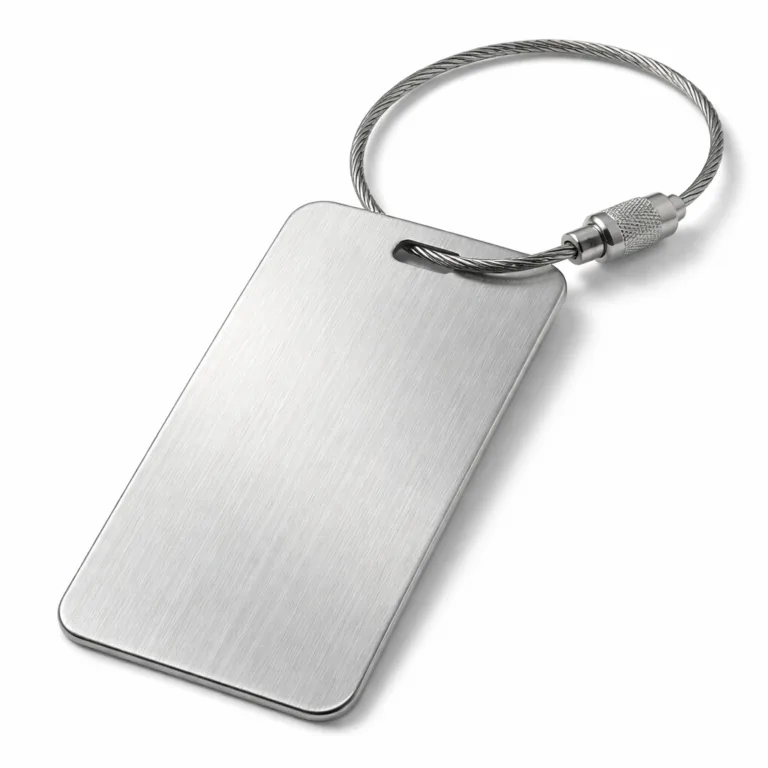
Country clubs use bag tags for more than decoration. In day-to-day golf operations, golf member identification needs to be visible, durable, and easy to manage across bag drop, cart staging, locker areas, member events, and course access points. A well-made tag helps staff recognize members faster, supports smoother service, reinforces club standards, and reduces the confusion that often comes from faded, damaged, or inconsistent identification pieces.
If your club is reviewing options for member tags, custom bag tag manufacturing support matters because the result depends on more than the tag shape alone. In our production work, we help clubs compare metal choices, marking methods, numbering formats, attachment styles, and sample approval details so the final tag works in real outdoor use. That includes logo clarity, durable finishes, member data handling, replacement planning, and bulk production consistency across annual or multi-phase orders.
What golf member identification bag tags are and why country clubs use them
At a practical level, a member bag tag is a durable identifier attached to a golfer’s bag so staff can quickly confirm who the bag belongs to and whether it matches the club’s membership system. Some clubs use simple name tags. Others include membership numbers, family account references, year markers, category designations, or limited-edition design details tied to club programs.
From our manufacturing perspective, the strongest bag tag projects are usually the ones where the club defines the operating purpose early. Is the tag mainly for recognition? Is it also used for restricted area access, tournament registration, caddie coordination, or seasonal member verification? These details affect material thickness, marking method, hole position, edge style, and whether the tag should include serialized control features.
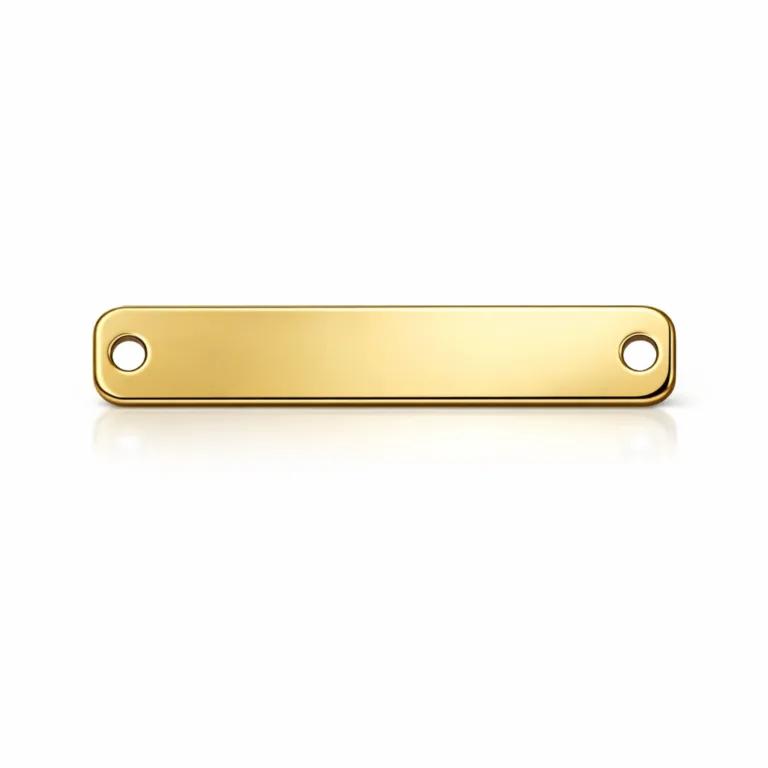
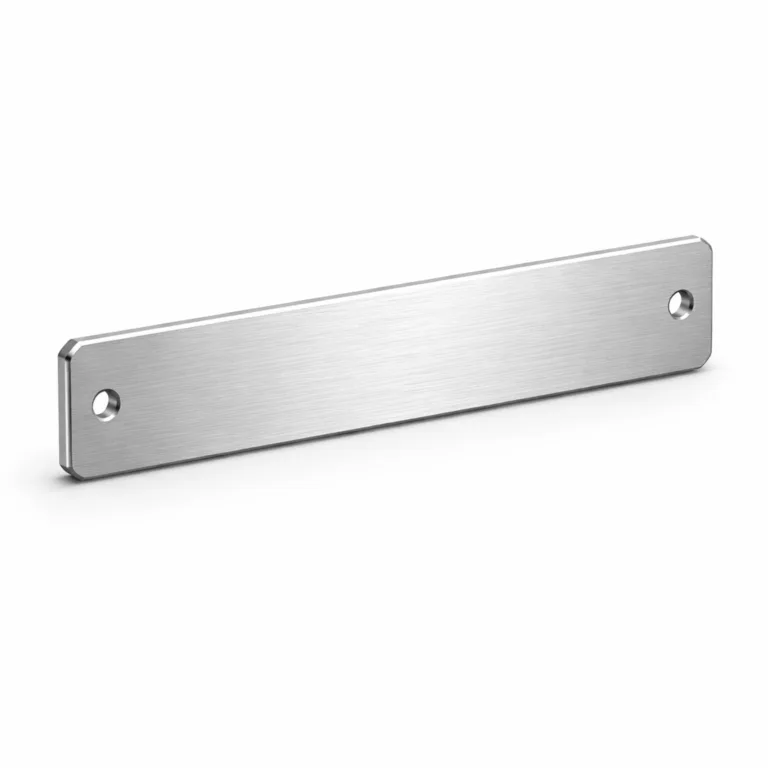
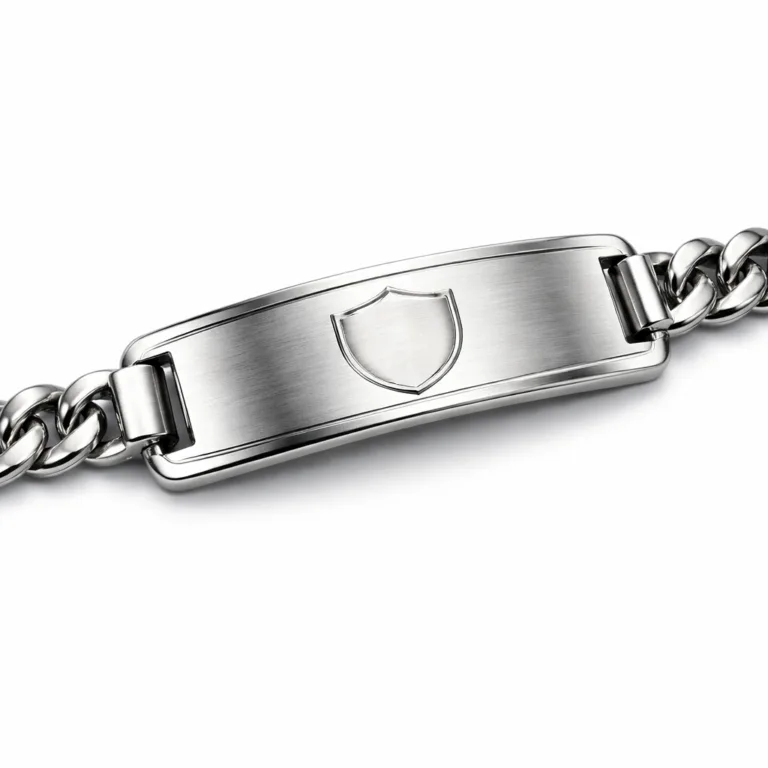
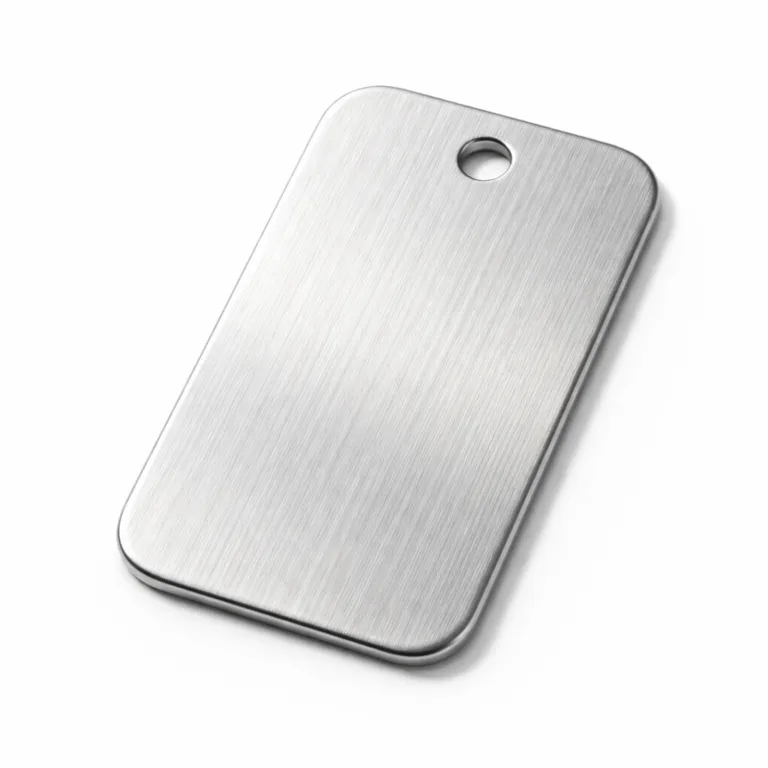
Many clubs also choose metal bag tag nameplates because they present a more permanent image than short-life printed alternatives. For private clubs especially, the tag is part identification tool and part visible symbol of membership quality.
How bag tags improve member experience, access control, and course organization
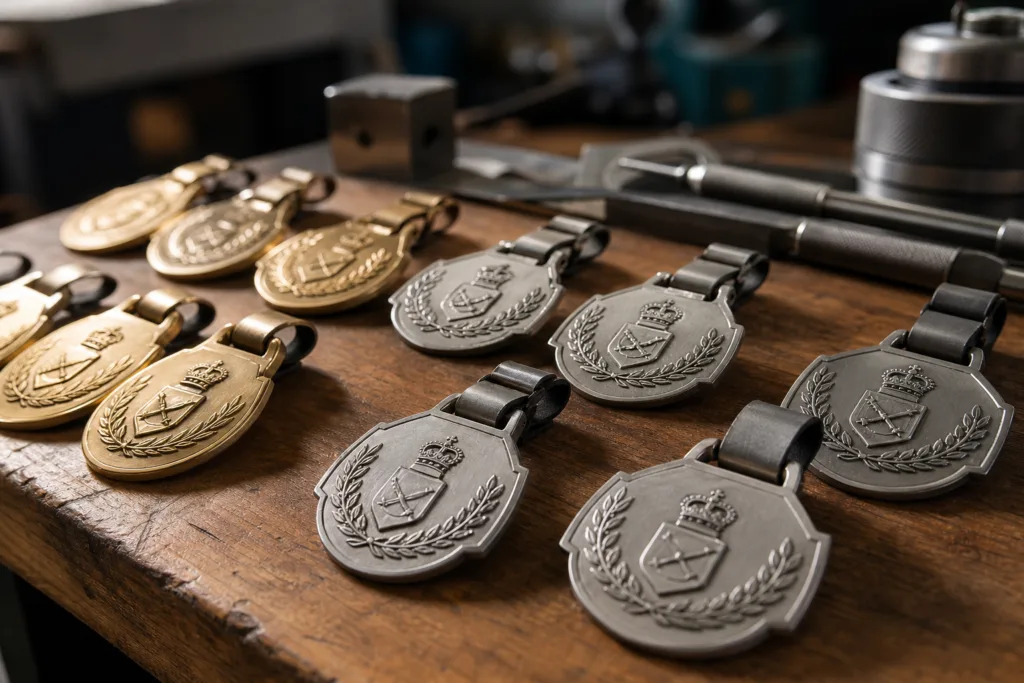
Good identification systems save time in small but important moments. Bag attendants can sort bags faster. Golf shop teams can reduce check-in delays. Event staff can match players to registrations more efficiently. Locker room and practice area staff can recognize members without repeated questions.
This is where member identification should be treated as an operations tool, not just a branded accessory. In many clubs, service quality depends on recognition speed. When staff can identify a bag quickly and confidently, the experience feels smoother and more personal.
Bag tags can also support a broader member identification and access control workflow. The exact system will vary by club, but the operational logic is simple: visible, consistent identifiers reduce friction and support controlled access to services and spaces. That broader concept is similar to how organizations structure identity handling in other environments through member identification and access control workflow practices.
For course organization, tags help with:
- bag staging before tee times
- matching rental or club storage bags to members
- event grouping and tournament logistics
- distinguishing full members, junior members, or special categories
- reducing misplaced bag issues after busy rounds or events
These benefits are easy to overlook during purchasing, but they are often the reason clubs decide to upgrade from short-life tags to more durable metal versions.
Why metal bag tags outperform plastic or paper alternatives in outdoor golf use
Golf use is harder on tags than many buyers expect. Tags are exposed to sun, rain, humidity, abrasion from carts and travel covers, repeated handling, and impact from clubs or storage racks. A tag may also rub against zippers, straps, and hardware every week for years.
Plastic can work for short-term programs, but clubs often run into the same issues: printed surfaces wear off, colors fade, corners crack, and the overall appearance drops faster than expected. Paper inserts or laminated cards usually look temporary and can become unreadable long before the club intends to replace them.
Metal bag tags generally perform better because they provide a stronger base material, more stable edge structure, and better compatibility with permanent marking methods. The durability advantage becomes more obvious when the club wants long-term member identification, not just an event pass.
That said, not all metal tags perform equally. The result depends on the alloy, thickness, finish, and marking process. A poorly chosen metal or decorative finish can still disappoint outdoors. The key is matching the product structure to real use conditions.
Best material choices for country club bag tags
For country club projects, the most common questions are usually about appearance, corrosion resistance, weight, and cost balance. Let’s look at what actually affects the result.
Aluminum
Aluminum is a practical choice when clubs want light weight, good visual flexibility, and efficient bulk production. It works well for color finishes, engraved fields, and shaped designs. For bags that are handled often, the lower weight can also help reduce swing and contact damage compared with heavier tags.
Aluminum is often chosen when the club wants a clean modern look, multiple color options, or a balanced cost-performance ratio for larger membership orders.
Stainless steel
Stainless steel is typically selected when long-term outdoor exposure, scratch resistance, and a more premium metallic appearance matter most. It is heavier than aluminum, but it is also a strong option for clubs that want maximum durability in rain, humidity, coastal environments, or high-contact use. When buyers compare materials, stainless steel durability for outdoor golf bag tags is one of the main reasons it remains a preferred choice for long-life applications, and long-term atmospheric corrosion studies from ASTM International support that outdoor durability logic.
For clubs near the coast or in humid regions, corrosion resistance of stainless steel name tags is especially relevant because chromium-rich stainless alloys form a protective passive layer that helps resist rusting in many service environments, as explained by the American Galvanizers Association.
Brass
Brass is chosen more for prestige appearance than for low cost. It gives a traditional club look and can suit heritage-style branding, crests, and classic locker room or golf tradition themes. Buyers should still confirm how the finish will age, whether a bright polished look or aged character is preferred, and how much routine handling the tag will see.
Anodized aluminum finishes
Anodized aluminum is useful when clubs want color stability, surface protection, and clean engraved contrast. It can work very well for membership programs where color coding helps staff identify categories or programs quickly. This detail may look small, but it can create problems later if it is not confirmed early. The exact shade, matte or gloss effect, and engraving contrast should all be checked in the sample stage.
Customization options for club branding
Club bag tags often serve as miniature brand assets. The logo or crest needs to look sharp, but practical readability still matters more than decoration alone. Overly complex artwork can create production compromises if the tag is too small or the linework is too fine.
We usually advise clubs to confirm these design areas early:
- logo detail level and minimum line thickness
- tag size relative to the golf bag hardware
- shape complexity and edge durability
- background texture or brushed finish
- one-sided or two-sided information layout
- color fill, enamel-style appearance, or engraved contrast
For clubs that want a more distinct visual identity, custom-shaped bag tags can reflect shields, crests, course motifs, initials, or signature silhouettes. The important point is to balance branding ambition with production clarity. Sharp internal corners, tiny cutouts, or overly thin neck sections may look appealing in artwork but can become weak points in actual use.
Identification features that matter
Country club tags often need more than a logo. The identification fields must support the club’s operating system clearly and consistently. Common options include:
- member name
- membership ID number
- family or account reference
- join year or commemorative year
- membership class
- issue edition or annual control code
For clubs managing large memberships or frequent replacements, serialized control is often one of the most useful features. serialized bag tags for member tracking help the club control numbering sequences, reduce duplication, simplify replacement records, and support internal issue logs.
In many projects, the problem is not that the buyer chose the wrong category. The problem is that some production details were not clarified before sampling or bulk production. For example, should member names be uppercase only? Should leading zeros be used in ID numbers? Is the number engraved, etched, laser marked, or printed? Will replacement tags keep the original number or follow a new issue sequence? These choices affect both production setup and future management.
Design ideas that strengthen club identity and community
A bag tag can also support club culture. Members notice details, especially in private clubs where presentation and tradition matter. Some clubs keep a classic annual design with only minor year updates. Others create limited runs for charter members, special tournaments, youth programs, women’s sections, or anniversary milestones.
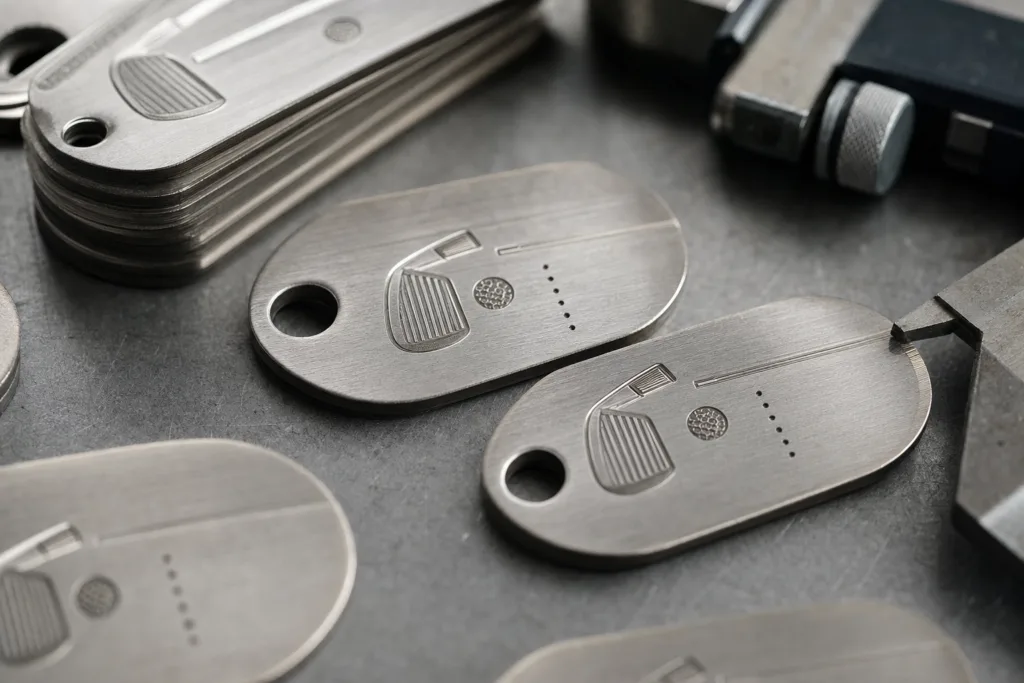
Useful design approaches include:
- consistent crest placement across all membership categories
- subtle color differentiation for member classes
- special border treatments for honorary or committee roles
- dual-sided layouts with branding on one side and ID data on the other
- commemorative editions that still remain readable and practical
The strongest designs usually avoid trying to say too much on a small surface. Clear hierarchy matters. Members should recognize the club identity first, then the personal identification field, then any secondary information.
How to prevent common member identification problems
Most tag failures are predictable. The common issues are fading, weak attachment points, poor contrast, data inconsistency, easy duplication, and surface wear in the areas that get handled most.
Fading and surface wear
If the club uses color as a category marker, finish stability matters. Outdoor UV exposure and repeated contact can change the appearance over time. Material and finish choice should match expected replacement cycles. A short-life event tag and a multi-year member tag should not be built the same way.
Counterfeiting and unauthorized duplication
If a club treats bag tags as proof of access or member status, generic unnumbered designs can be a weak point. Unique numbering, controlled artwork, and durable permanent marking create a more manageable system than simple printed tags that are easy to imitate.
Loss and replacement confusion
Clubs should decide early how replacements will be handled. Will replacement tags carry the same number? Will there be a visible replacement mark? Will old serials be retired? These are operational questions, but they directly affect tag production planning.
Poor readability
Thin scripts, low-contrast finishes, or crowded data layouts may look elegant in a mockup but fail in daily use. Staff need to read the key data quickly from a practical viewing distance. In our manufacturing work, readability is one of the first things we review during sample approval.
Attachment and display options for golf bags
The attachment point is one of the most overlooked parts of the project. A strong tag can still fail in use if the hole size, position, or attachment hardware is wrong for the bag style.
Common options include:
- split rings for easy attachment and replacement
- ball chains for flexible hanging
- wire loops for more secure attachment
- clips for temporary or changeable use
- single-hole or double-hole layouts depending on swing control needs
For heavier metals, hardware choice matters even more. If the tag swings too freely, it may create more impact wear against the bag. If the hole is too close to the edge, that area can become the main stress point. We normally recommend confirming the actual bag attachment location during sampling, not just approving the tag in isolation.
Ordering considerations for country clubs
Ordering club tags is usually straightforward when the information is prepared well. Problems tend to come from incomplete data files, unclear artwork ownership, or late changes after sampling.
Artwork preparation
Vector logo files are usually preferred for precise production. If the club crest contains fine lines, gradients, or layered elements, the manufacturer should confirm what can be reproduced cleanly in the selected process.
Data preparation
For personalized orders, the member data file should be cleaned before production begins. That means checking spelling, capitalization rules, numbering format, duplicate records, and whether special characters are allowed. This step saves time and prevents avoidable remake issues.
Sample approval
A sample should not be treated as a visual formality. It is the point where the club confirms material look, edge quality, attachment hole position, readability, finish contrast, and data layout. If there is any doubt about bag fit or visibility, this is when to catch it.
MOQ and lead time
MOQ depends on material, process, and how much setup is required. Lead time also changes based on whether the project includes custom dies, shape development, sequential numbering, or separate packaging. Clubs ordering before a season launch, annual renewal, or major member event should build in time for revision and approval, not only production.
Where long-term appearance and permanent naming matter, many clubs favor engraved bag tag customization because it gives a more stable identification result than short-life printed surfaces. The right choice still depends on the artwork style, material, and the level of contrast needed.
Quality control and durability checks for outdoor use
At UC Tag, we look at quality control as a combination of appearance review, data accuracy, and use-condition thinking. For country club orders, that usually includes checks such as:
- material thickness verification
- surface finish consistency across the batch
- logo and text legibility
- serial number sequence accuracy
- hole size and position consistency
- edge smoothness and burr control
- attachment hardware matching the approved spec
- packaging method for sorted distribution
Bulk consistency matters more than many first-time buyers expect. A sample may look fine, but if the batch shows variation in color tone, engraving depth, or numbering placement, the club will feel it during issue and distribution. This is why clear production standards and in-process checks are important, especially for personalized orders.
| Project Area | What the Club Should Confirm | Why It Matters |
|---|---|---|
| Material | Aluminum, stainless steel, brass, or anodized finish | Affects weight, durability, and appearance |
| Marking | Engraving, etching, laser marking, or printing | Determines readability and wear resistance |
| Data | Name format, ID sequence, personalization rules | Prevents production errors and replacements |
| Attachment | Hole layout, ring, chain, or loop type | Reduces loss and bag damage issues |
| Sampling | Visual sample and fit check | Catches design and use problems early |
| Packaging | Bulk packed or individually sorted | Improves club distribution efficiency |
Choosing a metal tag manufacturer for club orders
For buyers, the key is not only the product name or price, but whether the material, structure, marking method, and application requirements match the real use case. A manufacturer should be able to explain trade-offs clearly, not just show a catalog image.
Useful questions to ask before you buy include:
- Which material is most suitable for year-round outdoor club use?
- What marking method will hold up best for names and numbers?
- Can the manufacturer manage variable member data accurately?
- How are samples handled before bulk production?
- What QC steps are used for numbering, finish, and hole placement?
- Can replacement orders match previous production closely?
- Are OEM or private label packaging needs supported if required?
A good manufacturing fit is often visible in the details of the conversation. If the supplier asks about environment, bag style, file format, data structure, and replacement logic, that is usually a good sign. If the discussion stays limited to unit price only, important project risks may be missed.
Conclusion
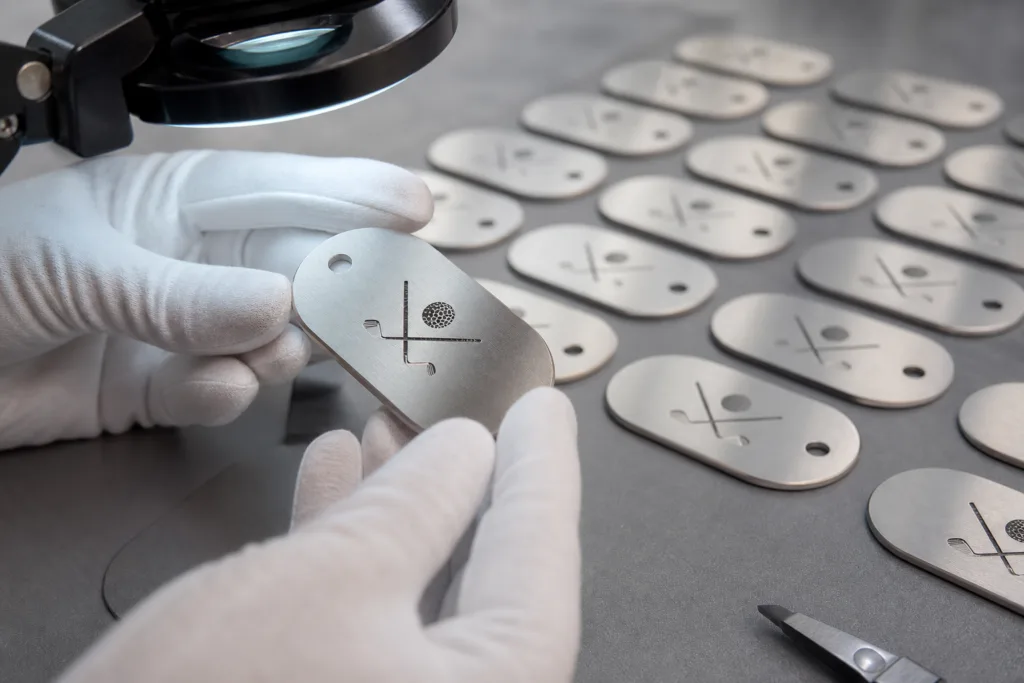
For country clubs, durable metal tags are a practical upgrade when the goal is better golf member identification, smoother operations, stronger branding, and fewer replacement headaches. The right result does not come from material alone. It comes from matching the tag design, finish, personalization method, attachment structure, and production plan to how the club actually works.
Metal bag tags can support both presentation and control, but only if the details are confirmed early. When clubs review artwork, numbering logic, attachment style, and outdoor durability at the sample stage, they usually avoid the most common problems later. That makes the final order easier to issue, easier to manage, and more consistent with the member experience the club wants to deliver.
FAQ
What material is best for country club member bag tags?
The best material depends on your club’s priorities. Aluminum is a strong choice for light weight, efficient bulk ordering, and flexible color finishes. Stainless steel is often preferred when long-term outdoor exposure, scratch resistance, and a premium metallic look matter most. Brass works well for clubs that want a traditional and more classic appearance. The practical decision should consider climate, handling frequency, desired image, and replacement cycle.
Are engraved metal bag tags better than printed tags for member identification?
In many club applications, yes. Engraved tags usually hold up better when the tag is exposed to repeated handling, sun, rain, and rubbing against bag hardware. Printed surfaces can still work for shorter-term use, but permanent identification programs generally benefit from engraving, etching, or other more durable marking methods. The right process depends on the material, the artwork, and how much contrast is needed for staff readability.
Can each bag tag include a different member name or number?
Yes. Personalized production is common for member programs, and each tag can carry a unique name, membership number, serial number, or other variable data. The important part is preparing a clean data file before production starts. Spelling, capitalization, number format, and duplicate checking should all be reviewed in advance to reduce errors and avoid remakes.
How can clubs reduce loss or mix-ups with golf bag tags?
Clubs usually reduce mix-ups by using clear numbering, readable layouts, and a consistent attachment method. Split rings, chains, or wire loops should match the bag style and the weight of the tag. It also helps to maintain a replacement policy, control serialized records, and avoid designs that are too similar to non-member or event tags. Good visibility and consistent data handling solve many everyday identification problems.
What should be checked during sample approval?
Sample approval should confirm more than appearance. Clubs should check material feel, edge quality, tag size, hole position, hardware fit, finish consistency, logo clarity, and how easy the name or number is to read in real use. If the tag will be attached to a specific style of golf bag, it is smart to test the sample on the actual bag before approving bulk production.
What should clubs ask a metal tag manufacturer before placing a full order?
Clubs should ask about material recommendations, marking method durability, variable data handling, sample process, MOQ, lead time, replacement order matching, and QC for numbering and finish consistency. It is also useful to ask how packaging will be handled for distribution to members. The goal is to confirm that the manufacturer understands both the product and the club’s operating workflow, not just the artwork.