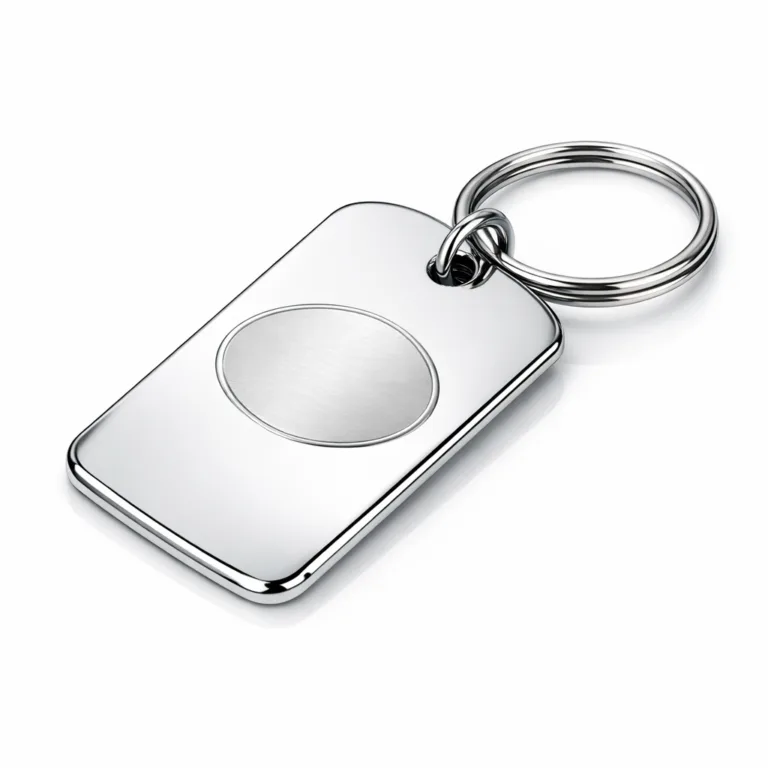
In cosmetic bags, small hardware details often do more work than buyers expect. A branded zipper pull is not just decoration. It changes how a makeup pouch feels in the hand, how easily it opens in daily use, how recognizable it looks on a shelf, and how clearly it reflects the brand behind it. For teams developing cosmetic bags, branded zipper pulls can influence user experience, visual identity, and perceived product value at the same time.
If your project needs premium trim details that connect packaging, accessories, and brand recognition, our custom metal tag solutions for branded product applications are relevant beyond industrial use alone. We regularly support custom hardware and branded component development where material choice, logo execution, finish consistency, attachment structure, sampling, and bulk QC all affect the final result. For cosmetic bags and makeup pouches, that kind of support matters when buyers want a pull that looks clean, feels durable, matches the bag style, and stays consistent across production runs.
Why branded zipper pulls matter more than many brands realize
Many cosmetic bag projects start with fabric, size, print, lining, and cost target. The zipper pull comes later, and sometimes it is treated as a simple accessory. In practice, it is one of the most touched parts of the product. Users grab it every day. Retail buyers notice it in the first few seconds. Brand teams rely on it to reinforce a logo, symbol, letterform, or visual signature without changing the whole bag construction.
This detail may look small, but it can create a big difference in product positioning. A plain stock pull can make a well-made pouch feel generic. A thoughtfully designed custom pull can make the same pouch feel more intentional, more giftable, and more brand-owned.
From our manufacturing perspective, the key is not only whether the pull carries a logo. It is whether the pull size, weight, shape, material, attachment method, and finish fit the actual cosmetic bag category. A travel toiletry pouch, a beauty gift set bag, a youth makeup pouch, and a premium skincare organizer do not need the same hardware language.
What are branded zipper pulls in cosmetic bags and makeup pouches?
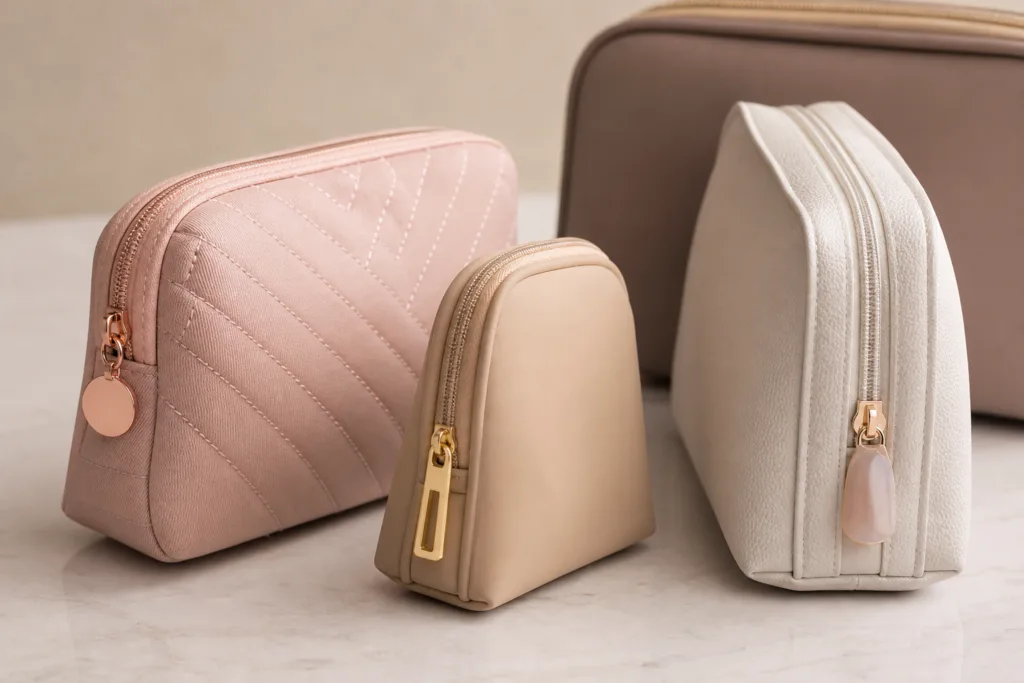
Branded zipper pulls are customized pull components attached to the zipper slider or puller on a cosmetic bag. They can include a logo, monogram, wordmark, icon, geometric signature, molded brand character, or a shaped piece that reflects the brand style. Some are rigid metal parts. Others use silicone, rubber, fabric tabs, PVC, or mixed-material constructions.
In the cosmetic bag category, common branded pull formats include:
- Metal logo plates attached to zipper heads
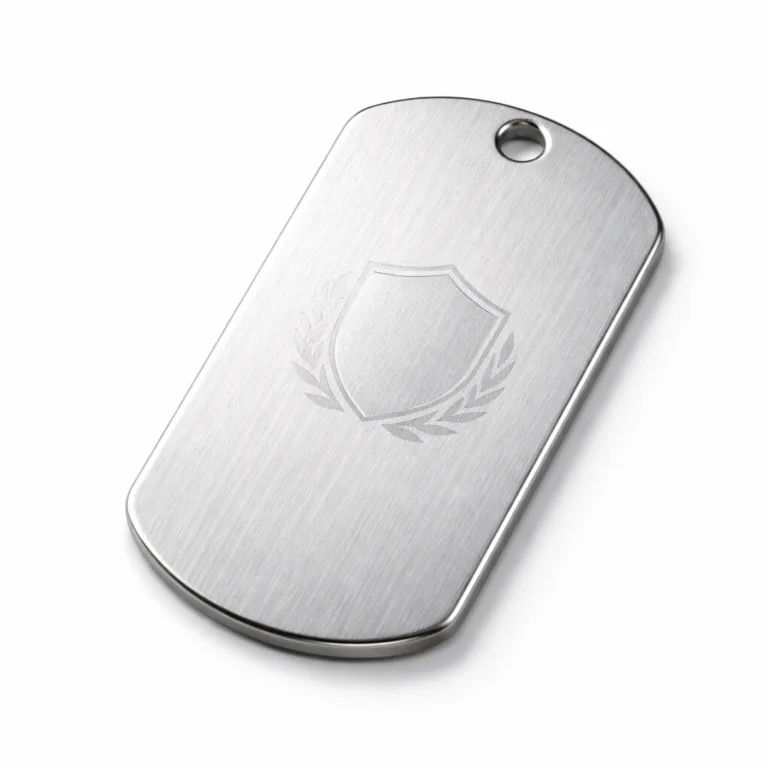
- Die-cast logo pulls with cutout or raised brand elements
- Soft PVC or silicone molded brand icons
- Woven or printed fabric tabs with stitched branding
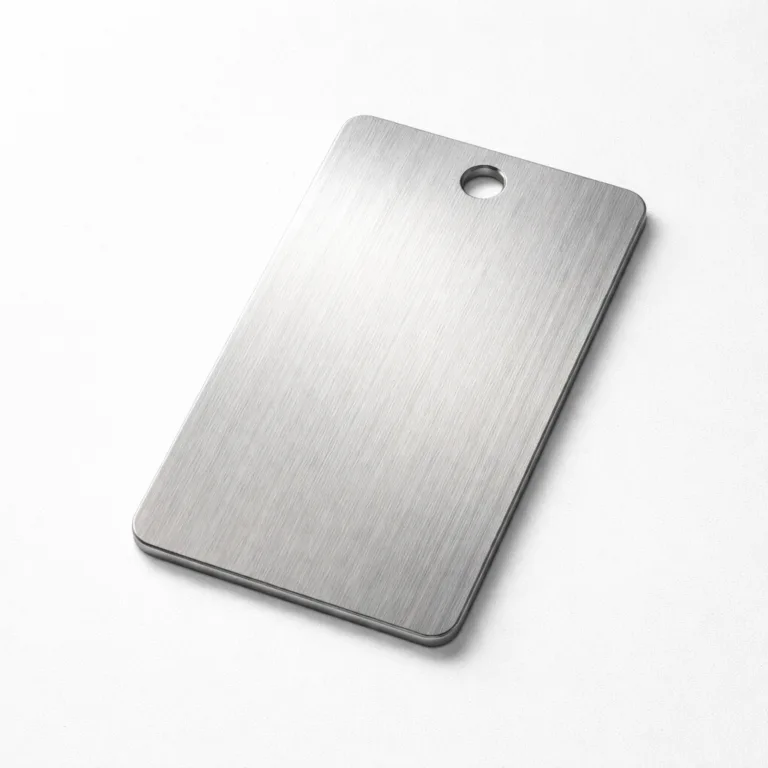
- Engraved disc, bar, or custom-shape pulls
- Dual-material pulls combining cord and metal hardware
The commercial point is simple: these pulls help the bag stop looking like a generic commodity item. When buyers compare similar pouch bodies, trim details often decide which one feels branded and which one feels replaceable.
How zipper pull design improves everyday user experience
Good branded zipper pulls improve function first. Branding works better when it follows usability rather than fighting it.
In everyday use, customers want to open a cosmetic pouch quickly, especially when their hands are wet, have lotion on them, or they are reaching into a travel bag. A pull that is too small, too thin, too sharp, or too slippery creates friction. A better-designed pull offers easier grip, smoother control, and faster opening.
Important usability factors include:
- Grip area: A larger pull or shaped edge is easier to hold than a flat, tiny piece.
- Finger comfort: Rounded corners and balanced thickness reduce discomfort during repeated use.
- Weight balance: Enough weight can feel premium, but too much can swing, knock against the bag, or stress the slider.
- Visibility: Contrasting color or a distinct shape makes the pull easier to find inside a tote or suitcase.
- Noise control: Some metal pulls create a louder clinking effect, which may feel premium in some retail lines and annoying in others.
For travel pouches and frequently used makeup bags, pull comfort matters more than many teams expect. The customer may never talk about it directly, but they notice the difference in daily handling.
There is also a product-protection angle. Cosmetic bags are used to store items that come into regular contact with skin and eyes. Better closures and easier handling support cleaner use habits by helping products stay contained during travel and daily storage. The broader idea of safe cosmetic storage is relevant here: a pouch is not a regulated hygiene device, but practical closure design still contributes to keeping beauty items organized and better protected from exposure and mess.
How custom zipper pulls strengthen brand identity and product recognition
A good zipper pull works like a small brand signature. Even when the bag body is simple, a custom pull can carry enough identity to make the product recognizable across channels.
We often see three strong branding approaches:
- Direct logo branding: brand name, symbol, or initials clearly shown on the pull.
- Shape branding: a unique silhouette associated with the brand, even without text.
- Material and finish branding: a repeatable look such as matte black metal, brushed champagne plating, translucent silicone, or a signature color dip.
This matters in retail because consumers scan products quickly. If the pouch is hanging, stacked, or partially hidden in packaging, the zipper pull may be one of the first visible branded features. It also matters online. In product photography, a custom pull can give close-up detail that makes the product feel more considered and ownable.
For brands expanding into accessories, travel kits, GWP sets, and seasonal beauty bundles, consistent branded hardware helps build recognition across product lines. This is where logo tag manufacturing support becomes useful, especially when a brand wants similar execution across zipper pulls, logo plates, and other trim details instead of mixing unrelated component styles.
Branded zipper pulls as a low-cost marketing asset
Compared with changing core bag construction, adding a branded zipper pull is often a relatively efficient way to improve presentation. It can help increase perceived value without completely redesigning the pouch body.
Why it works:
- It adds a visible branded touchpoint at low component size.
- It photographs well in e-commerce detail shots.
- It supports giftability and unboxing impressions.
- It can help a private label line look less generic.
- It creates repeat brand memory through daily handling.
For DTC and retail brands, the pull can also become a recognizable shorthand. Some beauty accessory lines are remembered because of one distinctive trim element repeated consistently across pouches, kits, and organizers.
This is also why many buyers study the relationship between zipper pull branding and perceived quality. The pull is small, but customers often use it as a quality cue. If it feels flimsy, uneven, or generic, it can lower the perceived value of the entire cosmetic bag.
Popular zipper pull design trends in cosmetic bags
Trends change, but a few directions are consistently relevant in this category:
Minimal metal hardware
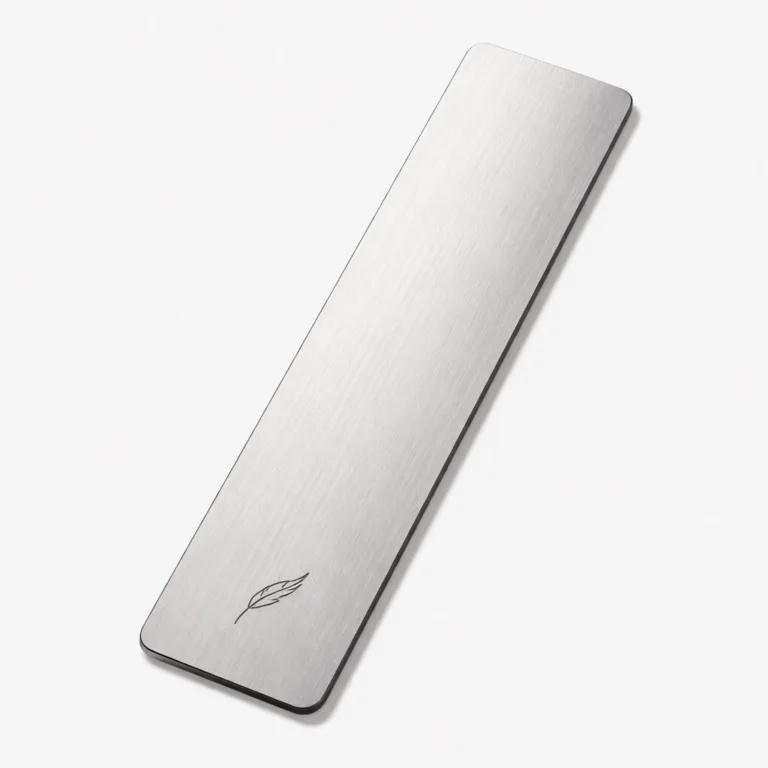
Clean bar pulls, disc pulls, and logo-engraved tabs work well for modern skincare and premium beauty lines. This approach looks controlled and pairs well with coated canvas, vegan leather, nylon twill, and smooth PU.
Soft-touch branded pulls
Silicone or rubber pulls are common in casual, sporty, travel, or youth-oriented cosmetic bags. They offer easy grip and more playful color options.
Custom silhouette pulls
Brands increasingly use icons, abstract monograms, hearts, flowers, drops, or beauty-tool shapes. When done well, this helps the bag stand out without printing large logos all over the body.
Mixed-material pulls
Metal plus cord, fabric plus molded logo, or plated hardware with enamel fill can create a more layered, premium feel.
Tonal branding
Instead of high contrast, some brands use same-color or near-tone pulls. This keeps the bag understated while still preserving identity in the details.
Custom shape work is especially useful when the logo itself is too detailed for a small hardware part. In those cases, a simplified symbol or icon developed through custom die-cut shape design for brand distinction can produce a cleaner and more scalable result.
Common materials for branded zipper pulls
Material choice should match the intended bag price point, usage pattern, and brand style. There is no single right option.
| Material | Typical Look | Main Advantages | Watch-Out Points |
|---|---|---|---|
| Metal | Premium, structured, giftable | Strong brand presence, good finish options, can be engraved or molded | Heavier, can scratch, may raise cost |
| Plastic | Lightweight, versatile | Budget friendly, flexible shapes, many colors | Can look less premium if surface quality is weak |
| Rubber | Casual, sporty, tactile | Good grip, soft touch, strong color expression | May collect dust, less suitable for formal premium lines |
| Silicone | Soft, clean, modern | Comfortable handling, durable flexibility | Logo detail must be planned carefully at small size |
| Fabric | Light, understated, soft | Easy to match to bag body, low noise, good for stitched branding | Less visible from distance, can fray if poorly finished |
Metal remains popular when the goal is premium positioning and longer-lasting brand visibility. At UC Tag, we see that buyers often choose metal when they want a pull that carries weight, edge definition, and durable logo clarity. But the right result still depends on bag type. A lightweight travel pouch may perform better with silicone or fabric than with a heavy cast piece.
Finish, color, and shape choices that make a pouch feel premium
Perceived quality often comes from coordination, not just material. A low-cost pull can look more premium when its finish matches the bag hardware, fabric texture, and brand language. A premium pull can also look wrong if the finish feels disconnected from the rest of the product.
Useful finish decisions include:
- Matte versus polished metal
- Brushed versus mirror effect
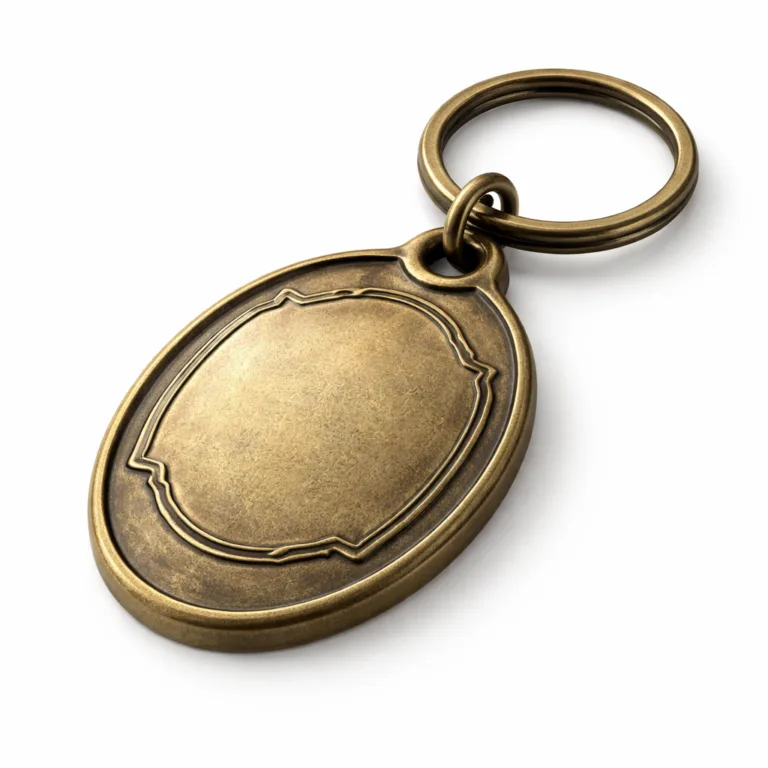
- Antique plating for vintage-inspired lines
- Paint fill or enamel for logo clarity
- Tonal powder-coated or dipped effects
- Soft-touch molded surfaces for comfort-oriented products
Shape matters just as much. Long narrow pulls suggest simplicity and elegance. Rounded pulls feel softer and more consumer friendly. Oversized novelty pulls may work for younger markets or promotional kits, but they can also date quickly if the brand wants a long shelf life.
How zipper pull design affects perceived quality and purchasing decisions
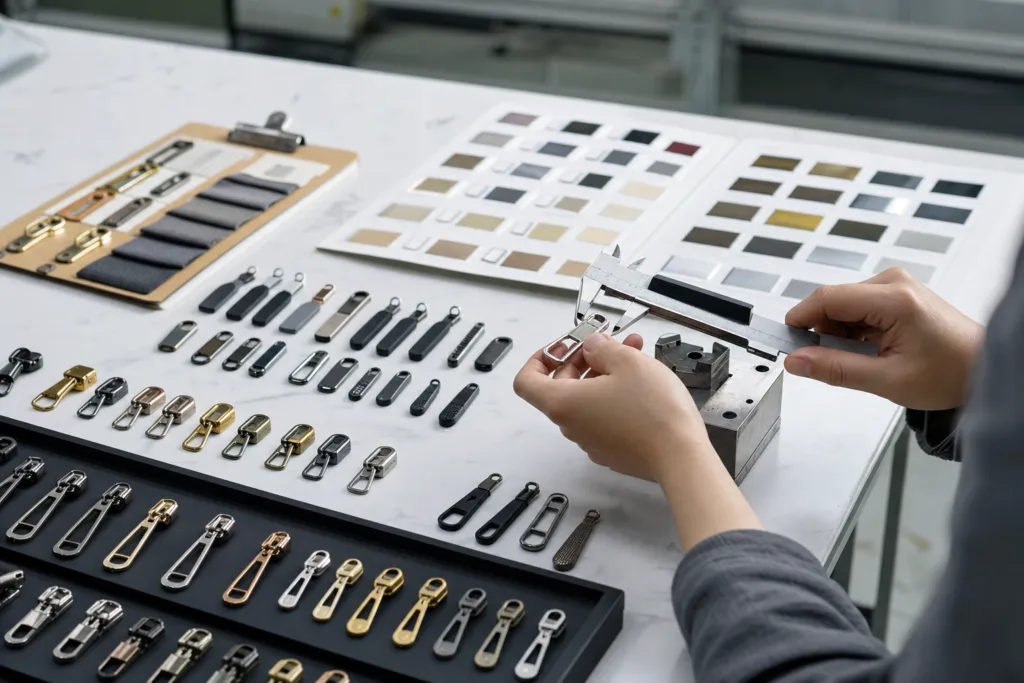
When buyers compare cosmetic bags in person, they often test three things without saying much: how the zipper moves, how the pull feels, and whether the trim looks intentional. These cues influence whether a product feels cheap, acceptable, or premium.
Common buyer reactions are predictable:
- If the pull is too thin, they expect weakness.
- If edges are rough, they assume poor finishing overall.
- If the logo looks shallow or inconsistent, they question brand quality control.
- If the pull matches the bag style well, the whole product feels more coherent.
- If the pull is unique, the bag seems more own-brand and less commodity-driven.
For private label buyers, this matters because cosmetic bags are often sold in crowded categories with very similar body shapes. A better pull does not replace good bag construction, but it can be one of the clearest reasons a consumer chooses one pouch over another.
Design considerations for seasonal collections, private label, and promotional bags
Different programs need different pull strategies.
Seasonal collections
Seasonal launches often allow more expressive shapes, color accents, and decorative finishes. The risk is over-customizing a trim that becomes obsolete quickly. Keep tooling cost, reorder potential, and minimum quantity in mind.
Private label collections
Private label buyers usually need a custom look without making hardware too expensive or too complicated. In these projects, a base pull shape with interchangeable logo insert, engraved mark, or color variation can be a practical approach.
Promotional cosmetic bags
For event giveaways or gift-with-purchase sets, the pull still matters, but cost and lead time are often tighter. Simpler shapes, molded logos, or printed tabs may be more realistic than deep custom metal tooling.
Whatever the category, packaging claims and visible branding details should support trust rather than exaggeration. That broader principle of truthful packaging claims is relevant for beauty brands. A premium-looking zipper pull can strengthen identity, but it should match the actual brand positioning and product message instead of suggesting claims the overall item does not support.
Matching zipper pull style with bag fabric, closure type, and target market
This is where projects often go wrong. Teams choose a pull they like visually, but not one that fits the bag body or audience.
| Bag Context | Recommended Pull Direction | Why |
|---|---|---|
| Luxury cosmetic pouch | Refined metal engraved or die-cast pull | Supports premium presentation and gift value |
| Travel organizer | Easy-grip silicone or mixed cord pull | Improves handling and speed of use |
| Youth beauty bag | Playful shape, soft material, bright color | Increases visual appeal and personality |
| Minimal skincare bag | Tonal bar pull or discreet logo tab | Keeps clean and modern look |
| Promotional pouch | Simple logo pull with controlled tooling | Balances branding with budget |
Also consider closure type. A top zip, double zip, side gusset zip, and curved opening all affect how the pull moves and how visible it is. A pull that works on a straight opening may feel awkward on a rounded pouch opening.
Durability, comfort, and usability factors to check before production
In many projects, the problem is not the concept. The problem is that some production details were not clarified before sampling or bulk production.
Before approving a zipper pull, buyers should confirm:
- Attachment loop structure and tensile strength
- Pull thickness and edge smoothness
- Coating or plating consistency
- Logo legibility at actual production size
- Scratch visibility on expected finish
- Weight compatibility with zipper slider and fabric type
- Color consistency between approved sample and bulk lot
- Comfort in repeated hand use
Safety also matters. If the product may be used by children or marketed in youth channels, detachable decorative hardware needs extra caution. Small components should be securely attached, and brands should review the broader issue of zipper pull safety when assessing small parts risk and attachment durability.
For buyers comparing suppliers, this is one reason to focus on process discipline rather than appearance alone. Teams that understand sampling, attachment testing, finish control, and hardware consistency usually prevent more problems later. That is also why many brands spend time on sourcing and vetting durable tag manufacturers before locking hardware decisions for larger runs.
Customization methods for branded zipper pulls
The right customization method depends on logo complexity, target look, volume, and budget.
Molding
Used for silicone, rubber, PVC, and some plastic pulls. Good for color expression, soft-touch feel, and simple raised or recessed branding.
Engraving
Suitable for metal pulls where a clean, subtle logo is needed. Works well for premium and minimalist cosmetic lines.
Plating
Common for metal pulls. Color options can include silver-tone, gold-tone, gunmetal, rose-tone, black, and antique effects. Surface consistency is a key QC point.
Printing
Useful for flat surfaces, color logos, or short-run visual effects, though durability expectations should be discussed clearly.
Stitching and tab construction
Best for woven or fabric pulls. Good for soft handling and lightweight bag styles.
When we review buyer briefs, we usually advise choosing the branding method after confirming real viewing size. A logo that looks clear on a digital mockup can become weak when reduced to a very small zipper pull face.
Common mistakes to avoid
- Choosing a pull only by appearance, without checking grip comfort
- Using a very detailed logo that becomes unreadable at small size
- Making the pull too heavy for the zipper structure
- Ignoring edge finish and finger feel
- Mixing too many finishes on one small pouch
- Skipping sample review under real use conditions
- Not defining acceptable color and plating variation in advance
- Over-customizing for a short seasonal run without considering MOQ and reorder logic
These are avoidable problems. Most of them come from incomplete briefing rather than bad intent.
How to brief a manufacturer for custom cosmetic bag zipper pulls
A clear brief saves time, cost, and revision cycles. Buyers should provide:
- Bag category and target market
- Target retail positioning or price band
- Preferred pull material
- Logo file in usable vector format
- Expected dimensions and thickness range
- Finish or color expectations
- Attachment method and zipper type
- Estimated order volume and timeline
- Any packaging or private label requirements
- Reference images showing the intended style direction
Ask for a sample that reflects actual production method, not only a visual mockup. If there will be multiple SKUs, clarify whether all need identical hardware or whether color and finish can vary across the collection.
Decision checklist for choosing the right zipper pull strategy
Before moving into production, buyers should be able to answer these questions clearly:
- Is the main goal branding, usability, premium feel, or all three?
- Does the pull match the bag fabric and target consumer?
- Can the logo be read or recognized at real size?
- Is the material appropriate for actual use conditions?
- Will the chosen finish hold up visually in daily handling?
- Is the attachment secure enough for the expected market?
- Does the customization level fit the program budget and MOQ?
- Have sample approval criteria been defined before bulk production?
For buyers, the key is not only the component price. It is whether the zipper pull helps the cosmetic bag look branded, feel functional, and remain consistent in production.
Conclusion
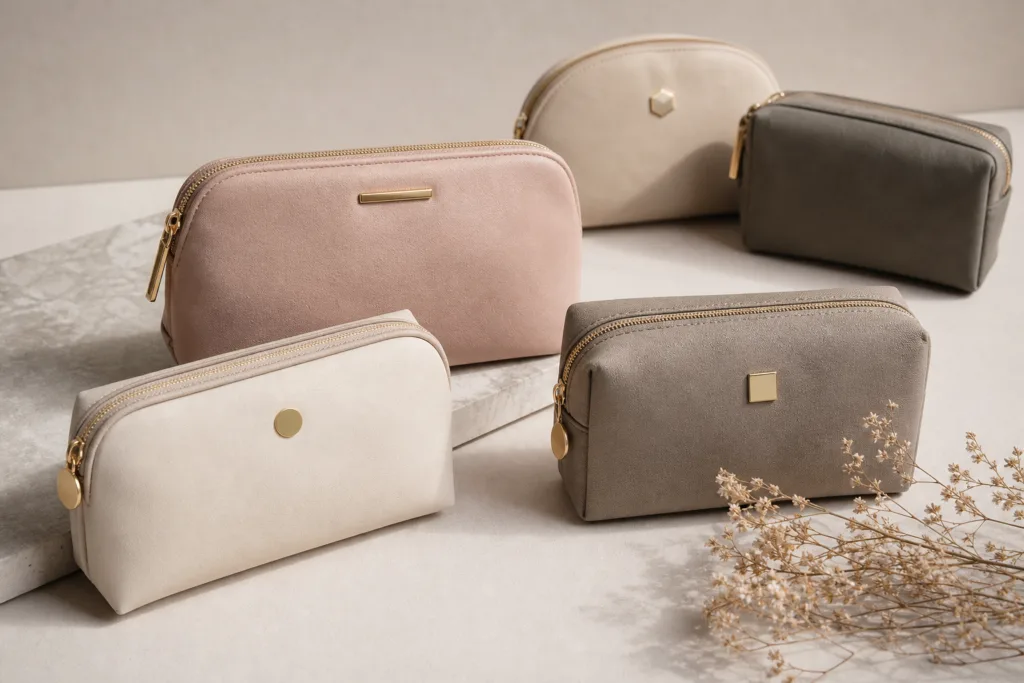
Branded zipper pulls are small parts with outsized influence. In cosmetic bags, they affect handling, visual identity, shelf appeal, and perceived quality all at once. A well-designed pull can help a makeup pouch feel more premium, more recognizable, and more intentional without forcing a full product redesign.
From our production perspective, the best results usually come from early alignment on use case, target customer, material, finish, attachment method, and logo simplification. When those points are clear, custom trim details become much easier to sample, approve, and scale. For brands developing cosmetic bags, branded zipper pulls are not an afterthought. They are one of the clearest ways to turn a standard pouch into a more memorable branded product.
FAQs
How much can branded zipper pulls really change the appeal of cosmetic bags?
They can change more than many buyers expect because the pull affects both use and presentation. A custom pull can make a pouch easier to open, more recognizable in photos, and more premium in hand, which helps the bag feel more brand-owned rather than generic.
What material is usually best for branded zipper pulls on makeup pouches?
The best material depends on the pouch category. Metal is often chosen for premium lines, while silicone, rubber, or fabric can work better for lightweight travel bags, youth products, or comfort-focused designs. The right choice should match the bag weight, target market, and desired brand look.
Can a small zipper pull still carry a clear brand identity?
Yes, if the design is simplified properly. Small components usually work best with a clean logo, monogram, symbol, or distinctive shape rather than very fine details. In many projects, shape and finish do as much branding work as printed text.
What should buyers confirm before approving a zipper pull sample?
They should check grip comfort, edge smoothness, logo clarity, finish consistency, attachment security, weight balance, and how the pull works with the actual zipper and bag opening. It is also important to compare the approved sample with the expected bulk production method, not just a prototype look.
Are branded zipper pulls suitable for private label cosmetic bag programs?
Yes, they are often a practical way to make private label bags look more distinctive without redesigning the full pouch structure. Buyers just need to balance tooling level, MOQ, repeatability, and whether the design should stay consistent across multiple SKUs or seasonal collections.
How do branded zipper pulls affect perceived quality at retail?
A well-made pull can improve perceived quality because shoppers use hardware as a quick signal of overall product standard. If the pull feels solid, looks clean, and matches the bag style, the product usually feels more intentional and more valuable. If it feels flimsy or unfinished, it can lower confidence in the whole item.