Introduction to Chemical Resistance in Industrial Tags
Chemical resistance is a critical factor when selecting tags for industrial environments, playing a vital role in safety and operational efficiency. The ability of a tag to withstand aggressive chemicals—acids, bases, solvents, or cleaning agents—directly impacts its legibility and durability. If tags fail due to chemical attack, essential information can be lost, presenting risks such as compromised safety instructions, tracking errors, and regulatory non-compliance.
Well-chosen chemically resistant tags mitigate these risks, supporting traceability, preventative maintenance, and workplace safety. By understanding how chemical resistance applies to industrial tags, buyers and engineers can make informed decisions that protect assets and personnel. This article will guide you through material selection, manufacturing methods, performance evaluation, and real-world examples, helping you choose the right tags for harsh industrial settings.
Understanding the Needs for Industrial Tags
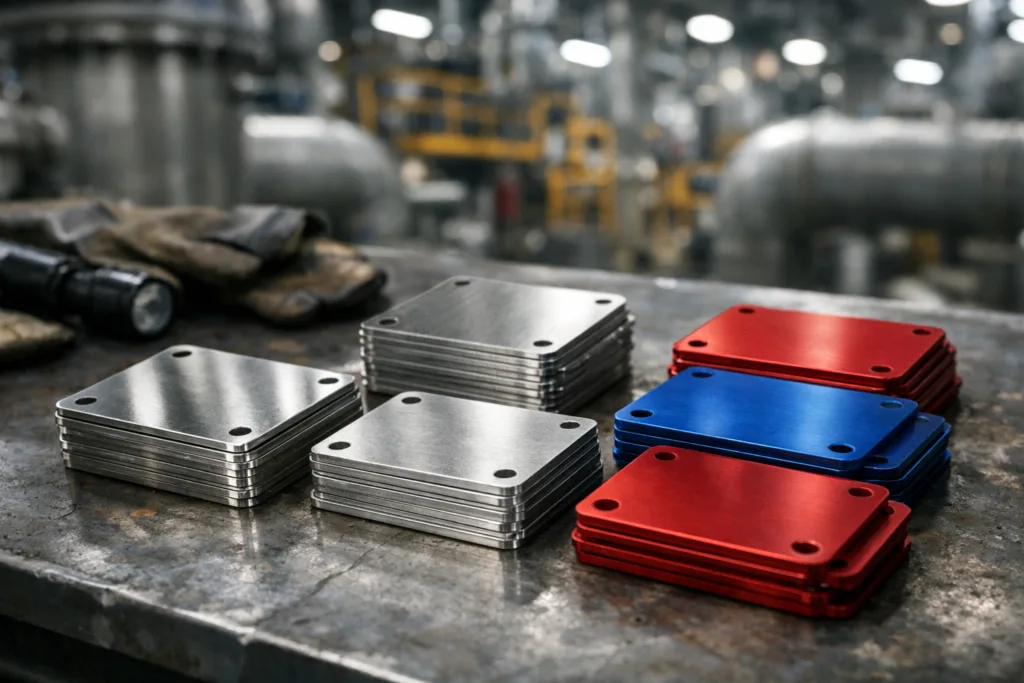
Industrial tags face aggressive environments—including exposure to acids, alkalis, solvents, fuels, disinfectants, moisture, and extreme temperatures. Chemical plants may expose tags to hydrochloric acid or sodium hydroxide. Food processing industries often use sanitizing agents like chlorine. Pharmaceuticals frequently deploy alcohols and stringent cleaning protocols. Each chemical presents unique challenges for tag durability and legibility.
Different environments require distinct tag characteristics. For example, in an oil refinery, a tag must resist both corrosive chemicals and high heat, while in food processing, tags must be non-toxic, easy to clean, and highly readable. Regulatory compliance, such as OSHA, FDA, or local standards, often mandates specific tag materials or finishes to ensure safety and traceability.
Industrial tags also support inventory control and equipment tracking, enabling efficient operations and rapid response in case of incidents. Asset tags marked with batch numbers, QR codes, or serial numbers play a central role in these systems. UC Tag’s shop-floor experience shows that selecting tags tailored to the environment’s chemical profile prevents premature failure and ensures uninterrupted data management.
Material Comparison for Chemical Resistance
Material choice is fundamental in achieving optimal chemical resistance for industrial tags. Common tag materials include aluminum, stainless steel, brass, and plastics—each with unique properties:
- Aluminum: Lightweight, moderate corrosion resistance, enhanced when anodized.
- Stainless Steel: Superior resistance to acids, bases, solvents, and moisture; excels in aggressive industrial environments.
- Brass: Durable, decorative, performs well in mild chemicals but can tarnish or corrode under strong acids.
- Plastics: Resistant to many chemicals, but can degrade or fade with prolonged UV exposure or harsh solvents.
| Material | Chemical Resistance | Durability | Weight | Cost | Best Uses |
|---|---|---|---|---|---|
| Aluminum | Good (anodized), moderate (plain) | High | Low | Low | Asset tags, outdoor use |
| Stainless Steel | Excellent | Very High | Medium | Medium | Industrial, high-risk chemical areas |
| Brass | Moderate | High | Medium | Medium | Decorative, mild environments |
| Plastics | Good (varies by type) | Moderate | Very Low | Low | Short-term, food/beverage |
Practical trade-offs include balancing weight, cost, and performance. For example, anodized aluminum tags offer improved chemical resistance but are lighter and more cost-effective than stainless steel. Rain Chen at UC Tag notes that stainless steel tags dominate in environments where both acids and bases are present, but anodized aluminum is often favored in mass asset labeling for its lightness and readability.
Manufacturing Methods: Effect on Chemical Resistance
The manufacturing method directly impacts tag durability and its resistance to chemicals. Common processes include:
- Engraving: Creates deep, permanent markings. Laser or CNC engraving does not alter material composition, preserving chemical resistance and ensuring legibility.
- Stamping: Indents or embosses characters. Offers robust markings and resists abrasion, suitable for harsh environments.
- Chemical Etching: Utilizes acids to create detailed markings. The resulting surface may need protective coatings to maintain chemical resistance.
- UV Printing: Applies ink to surface. While it offers customization, ink layers may degrade faster under chemical exposure without protective finishes.
Application needs often determine the manufacturing approach. Deep engraving is ideal for permanent asset identification, while stamping is chosen for rapid mass production of serial numbers. Custom shapes or finishes—such as anodized coatings or enamel fill—can further improve resistance and aesthetics.
For engineers sourcing industrial tags, understanding how method and material interplay is critical. Selecting the right process ensures tags remain readable and intact throughout their operational life, reducing replacements and compliance risks. Visit custom metal tag solutions for more options tailored to your workflow.
Design and Specification Checklist for Industrial Tags
Designing industrial tags for maximum chemical resistance involves careful attention to specifications. Consider the following checklist:
- Size and shape match intended asset and visibility requirements.
- Thickness to withstand mechanical and chemical abuse (often 0.5–1mm for harsh environments).
- Finish: Choose anodized, powder-coated, or brushed for improved resistance.
- Attachment options: Adhesive backing (use tag solutions for 3M or specialty adhesives), rivet holes, or welded mounts matched to environment.
- Illumination and color contrast for readability in low-light or high-glare settings.
- Manufacturing tolerances (precision of holes, engravings, text alignment) to ensure consistency and compliance.
| Specification | Guidelines |
|---|---|
| Material | Choose based on chemical, temperature, and abrasion risk |
| Finish | Anodized or powder-coated for extended resistance |
| Attachment | 3M adhesive for clean surfaces, rivet holes for rough/metal |
| Font Size/Contrast | High-contrast, ≥ 2mm height for legible text |
| Tolerances | ±0.2mm standard for industrial tag holes/cuts |
| Sample Testing | Trial in actual workplace chemical exposure |
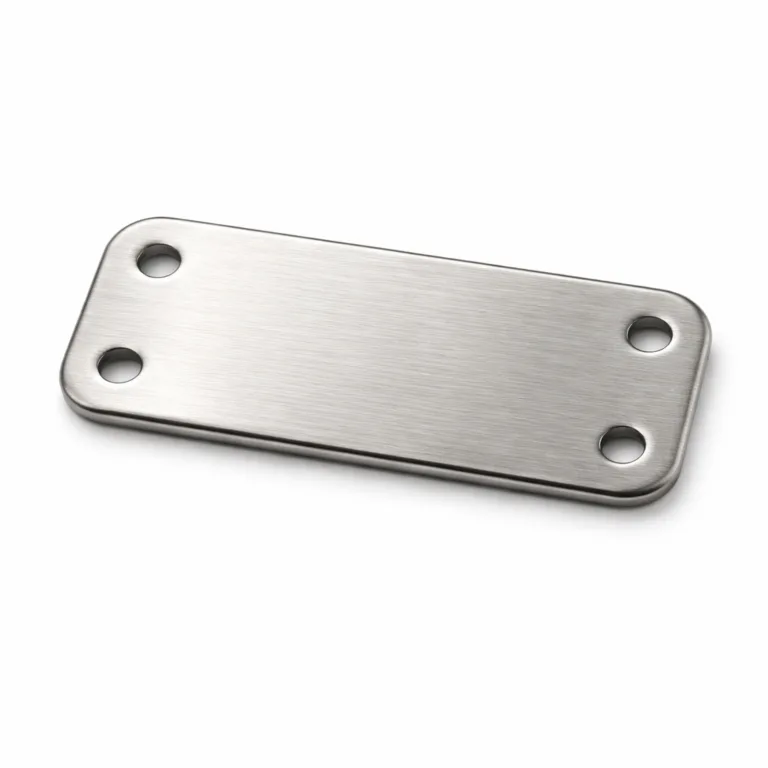
Referencing standard samples helps buyers and engineers visualize options and validate tolerances before final production.
Durability Testing for Tags in Harsh Environments
Evaluating chemical resistance in tags requires robust durability testing protocols. Common tests include:
- Corrosion Resistance: Tags are exposed to aggressive chemicals and observed for pitting, discoloration, or loss of legibility.
- Abrasion Tests: Assess how markings hold up to physical scrubbing or mechanical impact.
- UV Stability: Examine resistance to sunlight, which can degrade plastics or printed finishes.
- Salt Spray Tests: Simulate marine or coastal environments to test extended corrosion resistance. See How Salt Spray Testing Secures Durable Marine & Outdoor Tags for best practices.
Testing methodologies should align with industry standards, such as ASTM B117 (for salt spray) or ISO 9227 (for corrosion). Materials and finishes must be tested under conditions closely resembling real-world exposure.
Case study: A pharmaceutical manufacturer required stainless steel asset tags that could withstand weekly cleaning with ethanol and bleach. Prototype tags underwent 3 months of accelerated corrosion and abrasion testing. Only tags with deep laser engraving and electropolished surfaces remained fully readable and intact, leading to their adoption plant-wide.
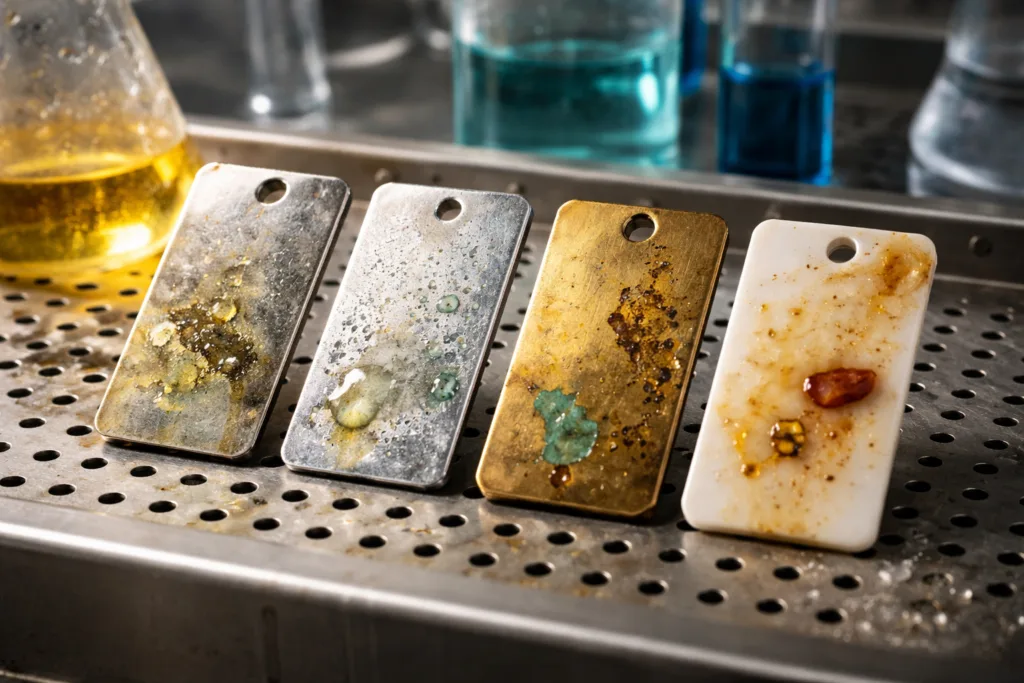
Such examples highlight the importance of rigorous durability testing for chemical resistance—ensuring tags endure actual workplace conditions for years without compromise.
Industry Applications and Use Cases
Industries as varied as oil & gas, pharmaceuticals, food & beverage, and automotive rely on industrial tags designed for chemical resistance to solve unique challenges:
- Oil & Gas: Extreme heat, acids, and solvents demand stainless steel tags with deep embossing and welded attachments.
- Pharmaceuticals: Frequent cleaning and high compliance mandate tags with non-reactive surfaces and permanent markings.
- Food & Beverage: Sanitizing cycles require tags that are both food-safe and highly readable after chemical exposure.
- Automotive: Tags must withstand engine fluids, cleaning solvents, and outdoor conditions without fading or peeling.
For example, a food processing plant improved allergen traceability by using anodized aluminum QR code tags matched to batch numbers, successfully meeting evolving FDA standards. An automotive factory reduced asset misplacement by implementing stainless steel serial number tags, maintaining readability after prolonged contact with brake fluid.
Industry standards continue to evolve, such as ISO 9001 and IATF 16949 in automotive, demanding enhanced tag durability. UC Tag’s production team finds best results when custom tags are designed from the outset to meet the precise chemical resistance and readability goals of each sector.
Common Mistakes in Choosing Industrial Tags
Many buyers and engineers encounter pitfalls when sourcing industrial tags. Some common mistakes include:
- Unreadable text caused by poor contrast, insufficient engraving depth, or low-quality finishes.
- Adhesives failing in environments where heat, moisture, or chemicals break down bonding.
- Corrosion issues when the tag material is mismatched to the environment—such as using brass in acidic areas.
- Tags peeling or fading due to harsh cleaning chemicals or exposure to sunlight.
To maintain tag integrity, always review workplace chemical profiles, validate finish durability, and test sample tags on-site. Troubleshooting includes swapping adhesives for mechanical attachments in severe conditions, selecting deeper engraving for critical safety info, and using protective coatings for printed tags exposed to solvents.
For more tips on tag durability and rust proofing, refer to How to Maximize Tag Durability: Rust Proofing Strategies for Humid Environments.
Ordering Guide: From MOQ to Customization

Ordering industrial tags with superior chemical resistance involves several steps:
- Minimum Order Quantities (MOQ): Confirm batch sizes that fit project needs, typically ranging from dozens to thousands.
- Lead Times: Production timelines depend on complexity and volume; allow 2–4 weeks for custom shapes or finishes.
- Artwork & Specifications: Precise digital files and on-site measurements help manufacturers (see UC Tag) provide accurate proofs and samples.
- Sampling & Testing: Request samples for real-world chemical and abrasion testing before committing to mass production.
- Packaging & Shipping: Specify protective packaging (foam-lined, sealed) suited to tag type and quantity.
Following these guidelines ensures that tags will perform under workplace chemicals and mechanical stress. Leverage sample requests to verify both readability and chemical resistance before scaling orders.
Frequently Asked Questions
What materials are best for chemical resistance?
Stainless steel and anodized aluminum are excellent for chemical resistance, with plastics suitable for milder environments where solvents are not too aggressive.
How long should tags last in harsh environments?
With proper material and finish selection, industrial tags can last 5–10 years or longer—even under heavy chemical exposure—if tested and applied correctly.
Can tags be customized for specific applications?
Yes, tags can be tailored in material, finish, shape, and marking method to suit any industrial environment, ensuring best-fit chemical resistance.
What finishes enhance chemical resistance?
Anodized and powder-coated finishes provide extra protection against corrosion and chemicals, especially for aluminum or steel tags.
How do I ensure my text remains legible?
Choose deep engraving or robust embossing, use high-contrast finishes, and specify minimum font heights to preserve legibility over time.
What testing standards should I ask for?
Request ASTM B117 for salt spray and ISO 9227 for corrosion tests, plus abrasion testing for environments with high mechanical wear.
Related Reading
- Ensure Long-Term Rust Protection for Metal Tags in Humid Environments
- Secure Marine and Outdoor Tags Using Proven Salt Spray Durability Testing
- Prevent Color Fading: Master UV Resistance for Outdoor Industrial Tags
- Choose the Best Tag Material for Scratch Resistance and Lasting Hardness
- Maximize Tag Longevity: The Ultimate Guide to Deep Metal Engraving