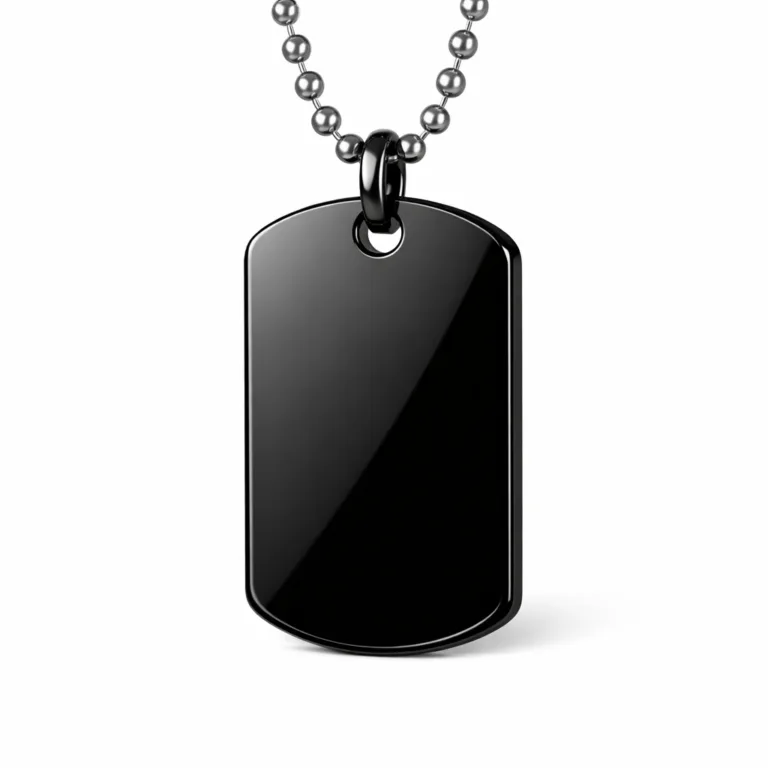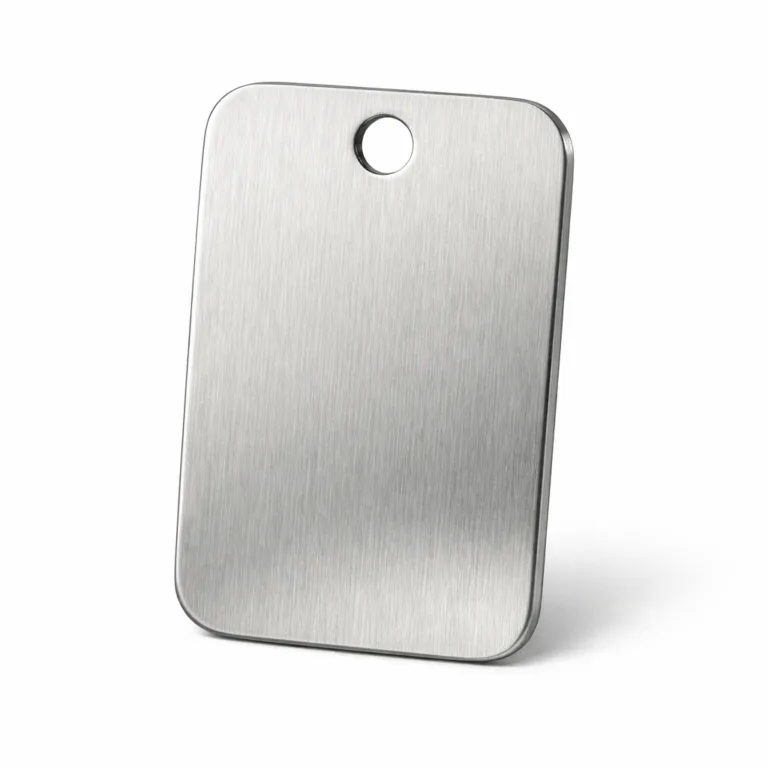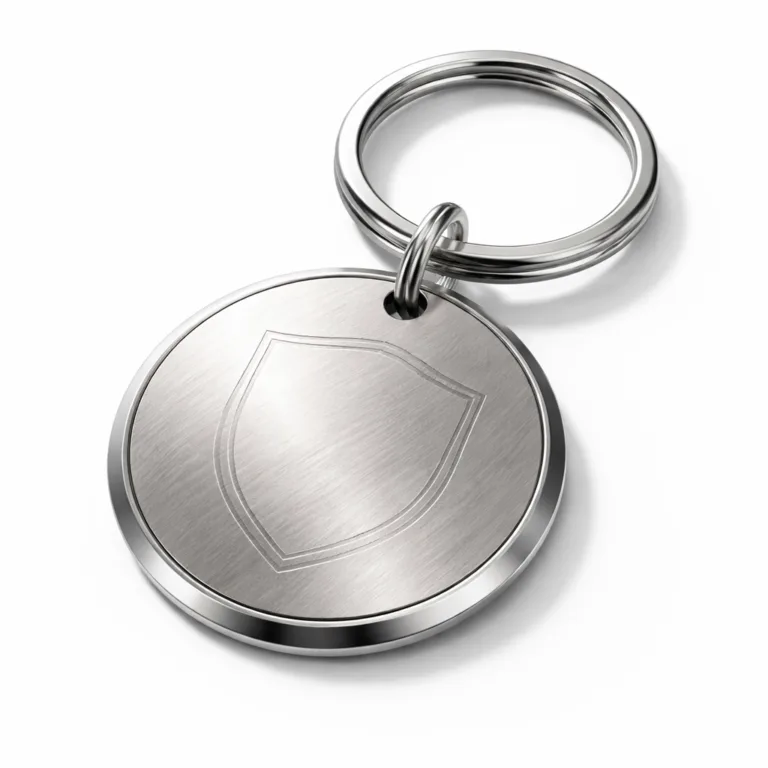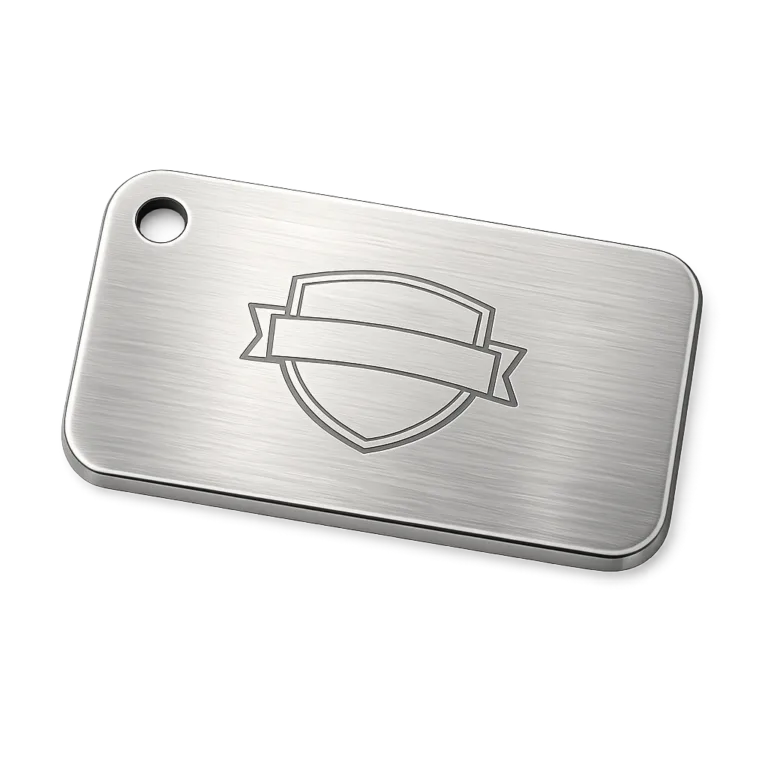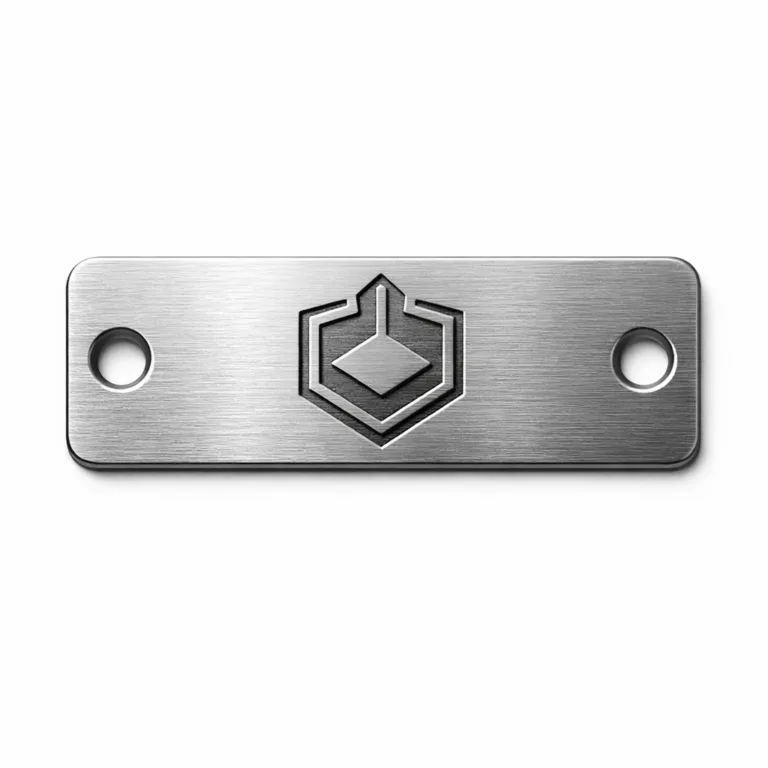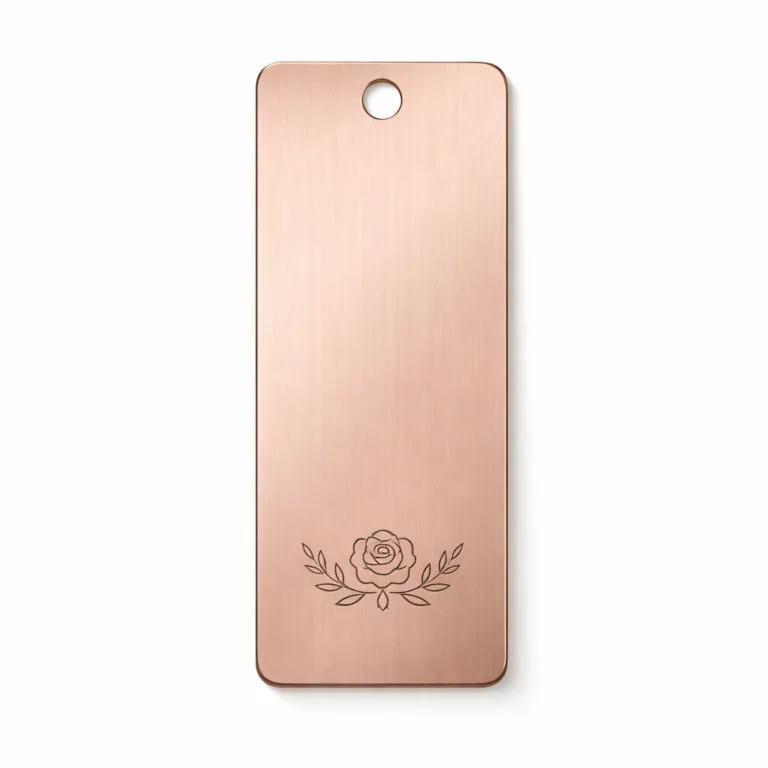
Candle jar charms are a small detail, but in home fragrance they can change how a product is noticed, handled, gifted, and remembered. For candle brands and private label buyers, the question is not simply whether a charm looks attractive. The real question is whether it adds perceived value, fits the candle style, supports brand identity, and can be produced consistently without creating avoidable issues in assembly, safety, or cost. That is where practical planning matters.
If your candle project needs decorative metal components with stronger visual definition, better durability, or more premium branding potential, our custom metal tag manufacturing solutions can support charm development from material selection and finish planning to logo detailing, attachment structure, sampling, and bulk production control. For buyers comparing decorative accessories for jars, lids, ribbons, or gift packaging, this helps turn a styling idea into a repeatable production item rather than a one-off craft detail.
What candle jar charms are and why they matter
Candle jar charms are decorative accessories attached to the jar neck, lid tie, ribbon, handle loop, or outer packaging of a candle product. They may carry a logo, symbol, seasonal motif, scent cue, gift message, or a shape linked to the brand story. Some are purely decorative. Others work as a mini brand tag, collectible accent, or limited-edition identifier.
From our manufacturing perspective, candle jar charms sit between packaging decoration and small product hardware. That is important because buyers often choose them based on appearance alone, then later discover that weight, edge quality, attachment style, finish wear, and assembly speed all affect the final result.
In many candle programs, the charm matters for three reasons. First, it helps the product stand out in a crowded shelf or online thumbnail. Second, it gives the consumer something tactile, which can make the product feel more considered and giftable. Third, it creates a branded detail that is harder to copy than a simple printed label.
How candle jar charms increase perceived value and shelf appeal
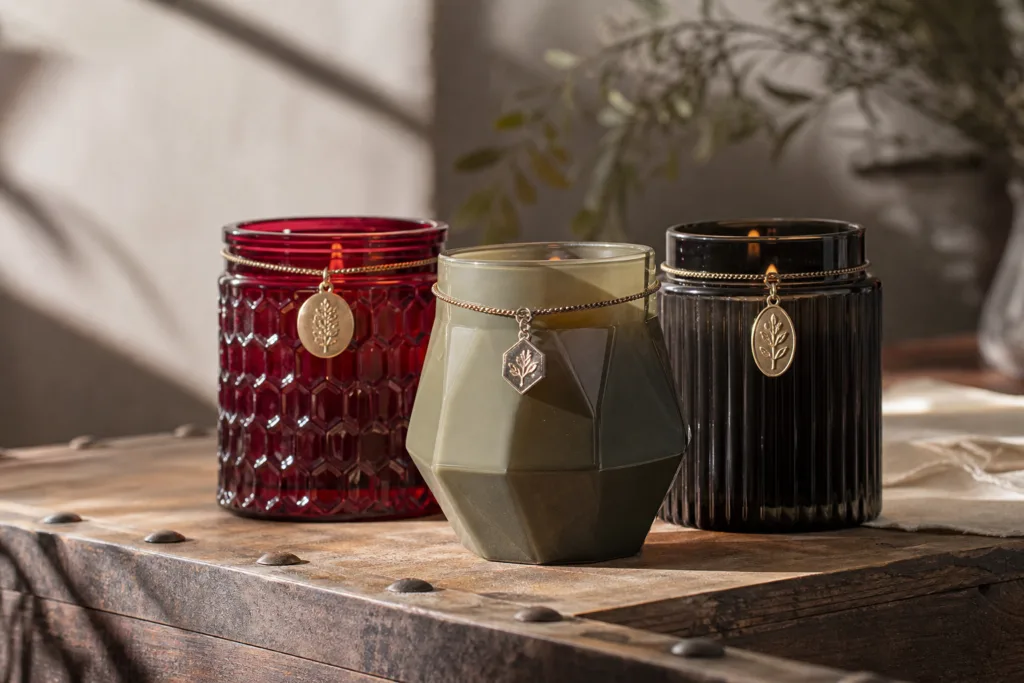
Perceived value in home fragrance comes from visual balance, material cues, and finishing details. A candle can have a good wax formula and attractive vessel, but if the decorative details feel thin, generic, or disconnected from the product story, the overall impression weakens. A well-chosen charm can help close that gap.
For buyers, the key is not only that a charm adds decoration. It can also create visual framing around the jar, reinforce color direction, and signal whether the product is minimal, artisanal, festive, romantic, or premium. This is especially useful for gift sets, hotel or spa lines, holiday programs, wedding candles, and limited collections where emotional presentation affects conversion.
Research on packaging design and consumer perception also supports a point candle brands already see in practice: visual presentation changes product evaluation. In other words, decorative details are not superficial when they help the shopper form a quicker positive judgment.
We usually suggest evaluating candle jar charms in three real settings instead of only on a design file:
- on the shelf beside competing candles
- in hand, where weight and texture become noticeable
- in e-commerce photos, where reflective finish, shape clarity, and size proportion affect click appeal
This detail may look small, but it can create problems later if it is not confirmed early. A charm that looks elegant in a close-up render may look too small on a wide jar, too flashy for a calm aromatherapy range, or too dark against tinted glass.
Material options for candle jar charms
Material choice drives both look and practicality. The best option depends on the brand position, target price point, attachment method, and expected customer experience.
| Material | Visual effect | Practical strengths | Common concerns |
|---|---|---|---|
| Metal | Premium, crisp, giftable | Strong branding detail, durable, wide finish options | Weight, cost, edge finishing, heat-adjacent planning |
| Acrylic | Playful, colorful, modern | Lightweight, easy shape variation | Scratch visibility, less premium feel in some categories |
| Wood | Natural, rustic, wellness-oriented | Warm visual tone, suits botanical and handmade styles | Thickness consistency, moisture response, burn-adjacent caution |
| Leather or faux leather | Soft, crafted, lifestyle-driven | Good for tied labels and rustic gift lines | Wear, stain risk, limited fine detail |
| Ribbon-based charms | Soft, decorative, seasonal | Fast style change, low hardware weight | Can look less structured, fray risk |
| Mixed media | Distinctive, layered | High customization potential | More assembly steps, more QC points |
For premium and mid-premium candle brands, metal is usually the most versatile when the goal is stronger perceived value. It allows sharper logo definition, controlled thickness, and a wider range of finishes such as brushed, polished, plated, antique, matte, or enamel-filled accents.
When buyers want pendant-like accessories, collectible details, or hanging decorative pieces near the vessel neck, we often see interest in custom keychain-style charm production because it gives more flexibility in hole position, ring pairing, and shape structure than a flat simple logo tag.
Design directions for different candle styles
Not every candle jar charm should look luxurious in the same way. The better approach is to match the charm to the candle category and the buying mood behind it.
Minimalist candles
Minimalist home fragrance usually benefits from small, clean metal charms with restrained geometry. Think circles, rounded rectangles, narrow ovals, or subtle line-art symbols. Brushed finishes, low-contrast engraving, and soft silver, champagne, or matte gold tones often work better than high ornament.
Luxe candles
Luxe candle lines can support more visual drama, but they still need control. High polish, plated finishes, sculpted logos, and thicker metal can lift the product if the jar, label, and carton are equally refined. If the brand wants a brighter reflective effect, mirror-finish metal tags for premium appeal can create that jewelry-like impression, especially on dark glass, black cartons, or satin ribbons.
Rustic and botanical candles
For earthy, handcrafted, or apothecary-inspired lines, overly glossy hardware can look out of place. Antique tones, darker brass, textured surfaces, and simpler cut shapes usually fit better. If you want an aged decorative look, an antique brass finish for decorative tags often works well with amber jars, kraft packaging, dried botanicals, and seasonal spice collections.
Seasonal and giftable candles
These are the easiest categories for expressive charm design. Snowflakes, stars, ornaments, hearts, leaves, moons, initials, or message tags can add collectibility. The caution is to avoid making the product feel novelty-only if the brand still wants a polished retail impression. Shape variety is helpful, but it should still relate to the vessel, scent family, and packaging language.
Customization options that actually matter
Customization is where candle jar charms become commercially useful rather than just decorative. Many buyers start by asking for a logo shape, but the better sequence is to confirm the core function first.
Ask these questions early:
- Is the charm mainly for branding, gifting, seasonal identity, or collection coding?
- Will it stay on the jar during retail sale only, or should the consumer want to keep it?
- Should the finish blend with the candle hardware, or intentionally contrast?
- Will the charm be attached to ribbon, elastic cord, waxed string, metal ring, or a fixed neck loop?
- Does the brand want engraved detail, stamped relief, printed color, or enamel accents?
In our custom metal tag production work, the most requested customization points are:
- custom shape and outer profile
- brand logo or monogram
- metal color and finish
- single-side or double-side design
- engraved, etched, stamped, or printed decoration
- hole position and attachment hardware
- individual bagging or grouped packing for assembly lines
When the brand identity is central, buyers often compare simple decorative pendants with more defined branded metal charm and logo tag options because logo precision, edge quality, and finish consistency directly affect whether the accessory feels custom or generic.
At this stage, working with UC Tag as a manufacturer is useful because a charm project often crosses several production decisions at once: alloy or aluminum selection, finish treatment, mark method, hole reinforcement, sample tolerance, and packaging format for bulk assembly.
How candle jar charms align with home decor and lifestyle trends
Home fragrance is closely tied to interior styling. Consumers do not buy candles only for scent. They buy them as visible objects in kitchens, bedrooms, bathrooms, entry tables, and gifting moments. That means the charm should be treated as part of the decor language.
Current buying patterns often favor one of these directions:
- quiet luxury with warm metallic accents and low-noise branding
- wellness and ritual styling with natural tones and symbolic motifs
- seasonal layering with collectible or limited-edition details
- romantic gifting with personalized messages or initials
- heritage-inspired packaging with antique finishes and classic shapes
The practical takeaway is simple. Do not choose the charm in isolation. Put it next to the glass color, lid material, label stock, carton finish, ribbon width, and overall scent story. A beautiful charm can still be the wrong charm if it fights the rest of the product.
Emotional appeal and the gift experience
Candle jar charms are effective because they add a second layer of emotion beyond scent. The shopper sees the candle, imagines where it will sit, and then notices a charm that feels like an extra touch. That extra touch can signal care, memory, occasion, or collectibility.
For gift products, this matters a lot. People often justify a higher candle price when the item looks complete and ready to give. A charm can help make the candle feel less like a commodity and more like a curated object. In wedding favors, holiday gifts, spa kits, and event candles, the charm may even become the detail that makes the product shareable online.
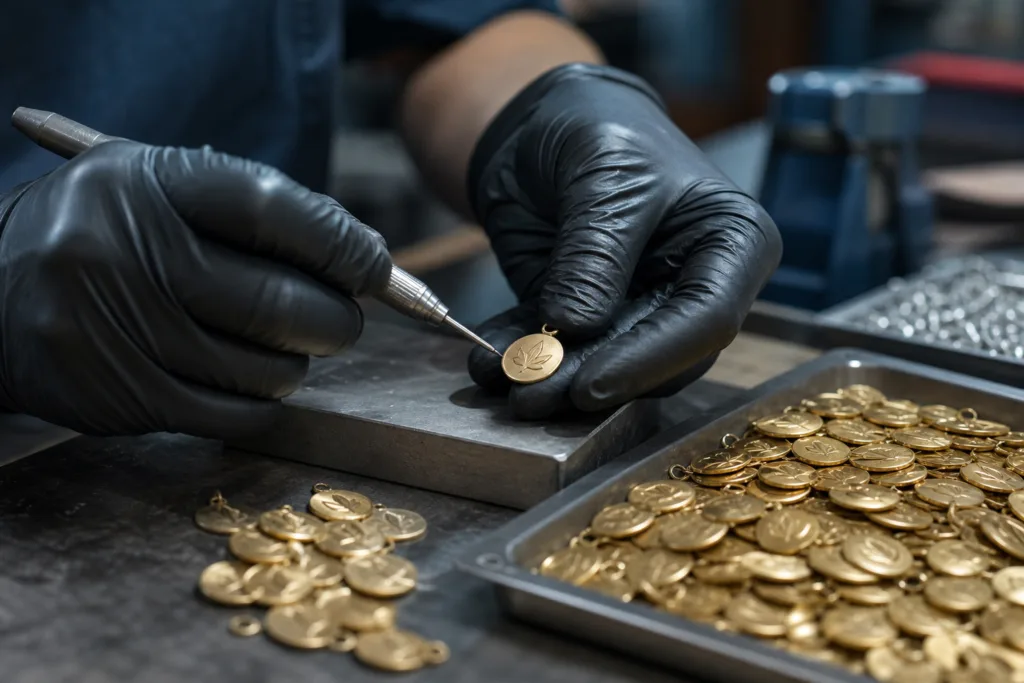
Still, emotional value depends on proportion and restraint. If the charm is too large, too noisy, or too unrelated to the scent or mood, it can reduce elegance instead of adding it.
Choosing charm designs for different candle categories
Luxury candles
Prioritize metal, controlled plating, fine engraving, and balanced weight. Avoid oversized shapes unless the full brand language is bold. Deep black, emerald, navy, smoked glass, and white stone-effect containers often pair well with polished or satin metallic accents.
Aromatherapy and wellness candles
Use softer finishes, thinner profiles, botanical symbols, moons, leaves, or quiet geometric forms. The accessory should support calm rather than visual intensity. A very heavy, shiny charm can feel wrong for this category.
Wedding candles
This segment works well with initials, dates, hearts, florals, or event-specific icons. Here the buyer should confirm whether the charm is a one-time decorative element or something the guest may keep. That affects material and cost strategy.
Seasonal candles
Seasonal collections can take more expressive shapes and colors, but they also need efficient lead time planning. If shapes change every quarter, the development schedule and tooling logic should be discussed early.
Promotional candles
For brand events, PR kits, hotel amenities, or corporate gifting, the charm should still look intentional. Lower-cost does not have to mean generic, but the specification should be simplified to protect budget and speed.
Production and sourcing considerations
This is where buyers move from concept to execution. A candle jar charm may look simple, but several production details affect outcome and cost.
MOQ and development logic
MOQ depends on material, process, finish complexity, and whether new tooling is needed. Simple stock-shape adaptations can be easier to launch than highly custom sculpted forms. Buyers should ask not only for MOQ, but also whether sampling, color approval, and final assembly packing are handled separately.
Attachment methods
Common methods include ribbon threading, waxed cord, elastic loop, jump ring, lobster clasp, string tie, or placement inside outer gift packaging. The right method depends on whether the charm needs to hang visibly, stay centered, detach easily, or survive shipping vibration.
Durability and handling
In real retail handling, decorative accessories rub against glass, cartons, and each other. That means edge smoothness, finish adhesion, and scratch visibility matter. Buyers should request sample review under actual packing conditions, not only loose tabletop inspection.
Assembly planning
Some projects fail because the charm is attractive but too slow to install. If every candle needs hand-threading through a tiny hole, labor time can become the hidden cost. We usually recommend confirming hole diameter, cord thickness, tie length, and whether charms will arrive pre-assembled or loose-packed.
Safety and fire-adjacent caution
Because these accessories sit on or near candle packaging, they should not be treated like unrelated gift ornaments. Decorative add-ons should be checked so they do not interfere with safe candle use, especially if the consumer may leave the charm attached near the jar during use. Buyers reviewing premium launches should be aware of relevant candle accessory fire-safety standards when assessing material choice, attachment position, and pre-launch validation.
Another practical issue is detachability. If the product may be sold as a gift item that could be handled around children, small removable parts deserve extra packaging review and warning consideration. The U.S. Consumer Product Safety Commission provides guidance on small-part safety requirements, which is useful when brands assess age awareness, retail presentation, and removable charm risk.
Common mistakes brands make with candle jar charms
In many projects, the problem is not that the buyer chose the wrong category. The problem is that some production details were not clarified before sampling or bulk production.
- Choosing a charm style before confirming the candle’s full packaging direction
- Ignoring weight, which can make the jar neck lean or the ribbon sit badly
- Using a finish that clashes with the lid, label foil, or carton details
- Requesting very fine logo details on a small charm that cannot show clearly
- Overlooking edge quality on low-cost samples
- Not testing the attachment method during shipping and shelf handling
- Making the charm too seasonal for a product that needs longer selling life
- Forgetting assembly labor when calculating real cost
Most of these issues are avoidable with a clear sample checklist and honest discussion about use conditions.
How to evaluate a supplier for custom candle jar charms
For buyers, supplier evaluation should go beyond whether the factory can make a nice sample. You need to know whether the supplier can keep the same look across repeated orders and whether they understand decorative accessories as a production item, not just a design mock-up.
Good evaluation questions include:
- Which materials and finishes are produced in-house versus outsourced?
- Which marking methods are used for logo details?
- How are edge smoothness and plating consistency checked?
- Can the supplier support custom packing for easier candle-line assembly?
- How are sample approvals translated into bulk QC checkpoints?
- Can the supplier manage OEM or private label packaging requirements?
- What tolerance should the buyer expect in thickness, finish tone, and hole placement?
From our side, the smoother projects are the ones where buyers share not only artwork, but also jar dimensions, ribbon material, scent collection positioning, target retail mood, and whether the charm is intended to be kept by the consumer. Those details help prevent mismatched recommendations.
Practical checklist for launching a candle jar charm collection
Before approving bulk production, confirm these points:
- final charm size relative to jar diameter and neck area
- material choice and finish sample
- logo readability at actual production size
- edge quality and touch feel
- attachment method and hole location
- weight impact on ribbon hang and shelf presentation
- assembly format for your production line
- carton or inner pack protection against scratching
- seasonal or collection coding if multiple scents are involved
- safety review for removable small parts and candle-adjacent use
For commercial buyers, this is the main point: candle jar charms work best when they are planned as part of product merchandising and production together. If handled only as a last-minute decoration, they can create more friction than value.
Conclusion
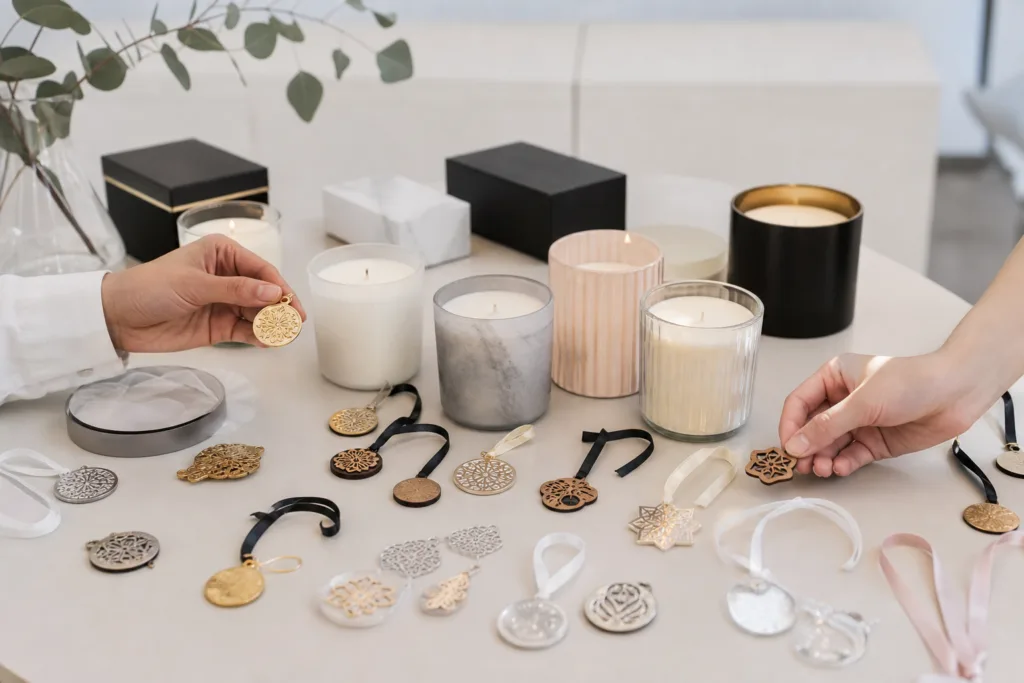
Candle jar charms can do more than decorate a home fragrance product. They can increase perceived value, sharpen brand recognition, improve gift appeal, and support product differentiation across seasonal, luxury, wellness, and event-driven candle lines. But the result depends on fit. The right material, finish, weight, shape, and attachment method need to match the jar, the scent story, the customer mood, and the realities of sourcing and assembly.
From a manufacturer-informed view, the strongest charm programs are not necessarily the most complex. They are the ones where branding, decor styling, production detail, and consumer handling have been aligned early. That is what helps a candle accessory feel intentional, premium, and commercially useful rather than decorative for decoration’s sake.
FAQs
What material is usually best for candle jar charms?
It depends on the product position, but metal is often the strongest choice for premium and mid-premium candle lines because it offers cleaner branding detail, better finish variety, and a more durable feel. Acrylic, wood, ribbon, and leather can also work well when the brand style is playful, rustic, or wellness-focused, but the choice should match the jar style, target price, and expected customer impression.
Do candle jar charms need to stay attached during use?
Not always, and this should be decided early. Some brands treat the charm as a retail and gifting detail that can be removed before burning, while others design it to remain on the jar neck as a decorative accent. The important part is to confirm the attachment position and material behavior so the charm does not interfere with safe handling, product presentation, or the consumer experience.
How should a brand choose the right size for a candle charm?
The best size is based on the jar diameter, neck space, ribbon width, and overall packaging balance. A charm that looks good on screen may appear too small in store or too heavy on a narrow neck tie. We usually recommend reviewing a physical sample on the actual candle vessel so you can judge proportion, movement, and readability under real display conditions.
Can candle jar charms include logos, initials, or seasonal artwork?
Yes, and that is where they become especially useful for brand differentiation. Logos, initials, dates, icons, scent-related symbols, and seasonal shapes can all be added through engraving, etching, stamping, printing, or shaped cutting, depending on the material and visual goal. The key is to keep fine details realistic for the final charm size so the result stays clear in bulk production.
What sourcing details do buyers often overlook?
Common misses include edge smoothness, scratch protection during packing, labor time for manual attachment, finish matching with other packaging hardware, and hole size relative to the cord or ribbon. Buyers also sometimes focus on unit price without checking how the charms will be packed, assembled, and quality-checked, which can create hidden costs or delays later.
Are candle jar charms suitable for private label and gift collections?
Yes, they are especially effective for private label candles, event gifting, wedding programs, holiday collections, and boxed sets because they help create a more finished and emotionally appealing presentation. For these projects, it is useful to plan the charm together with outer packaging, color direction, and assembly format so the decorative detail supports the full product story instead of feeling added at the end.