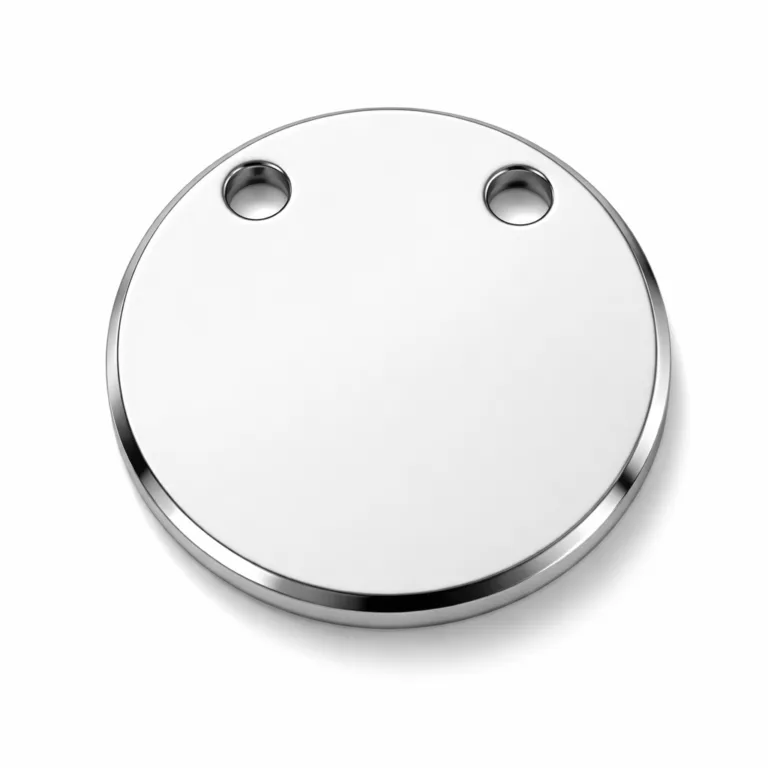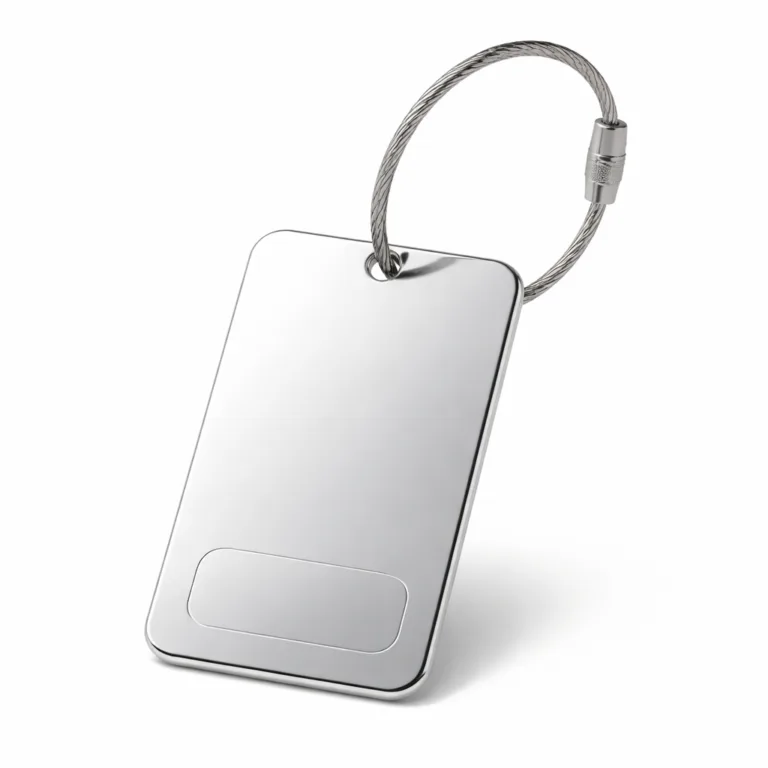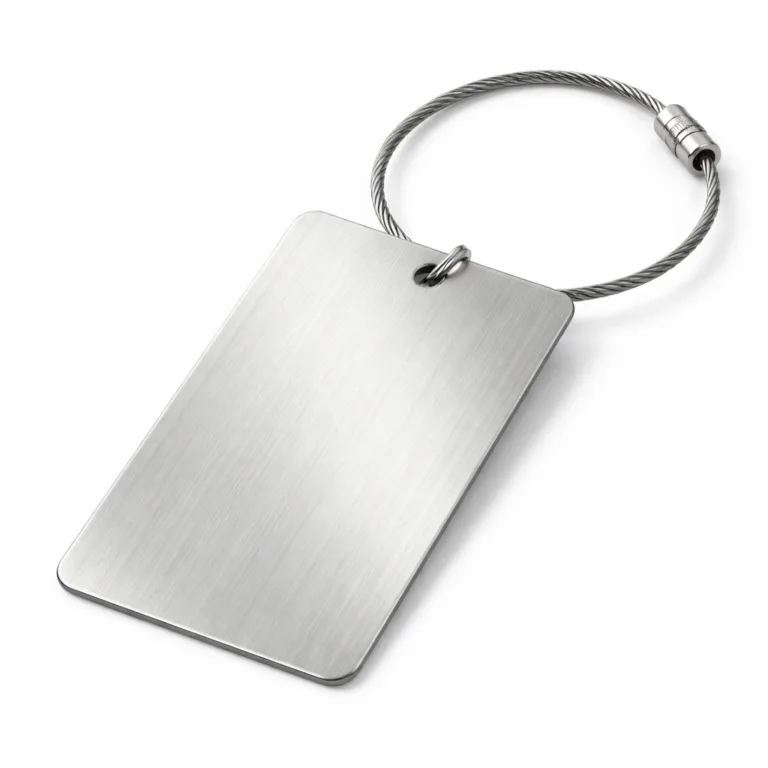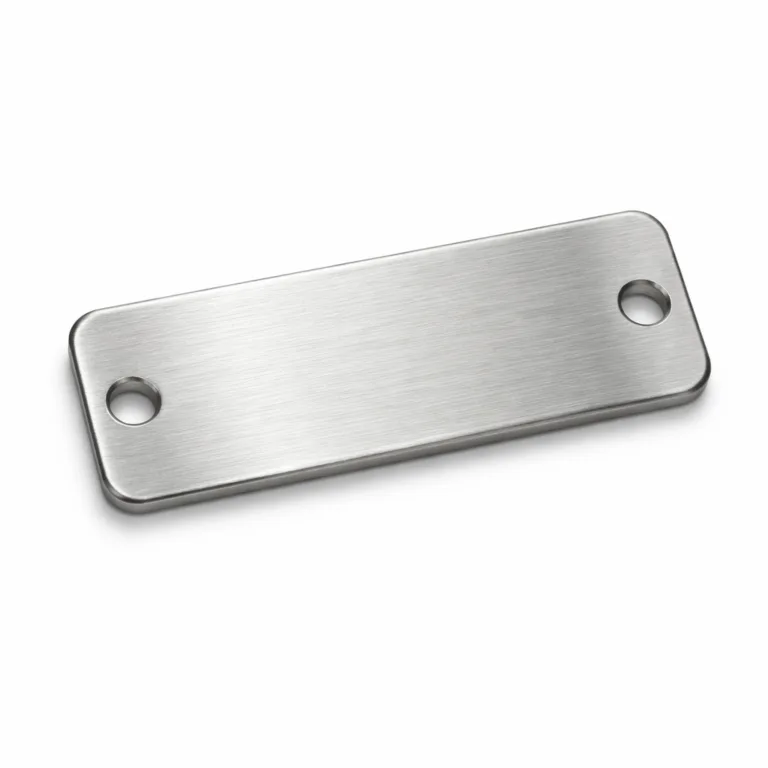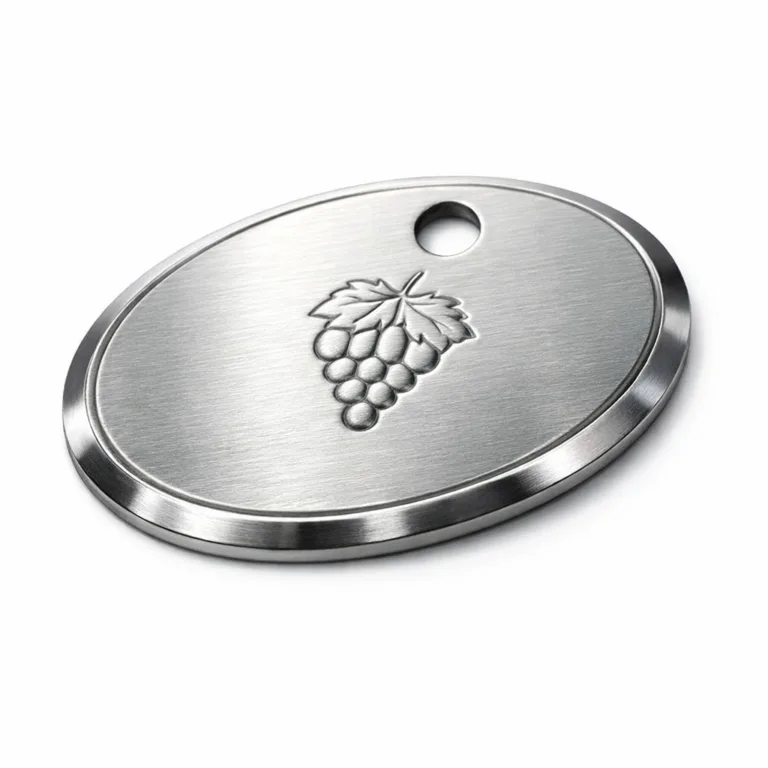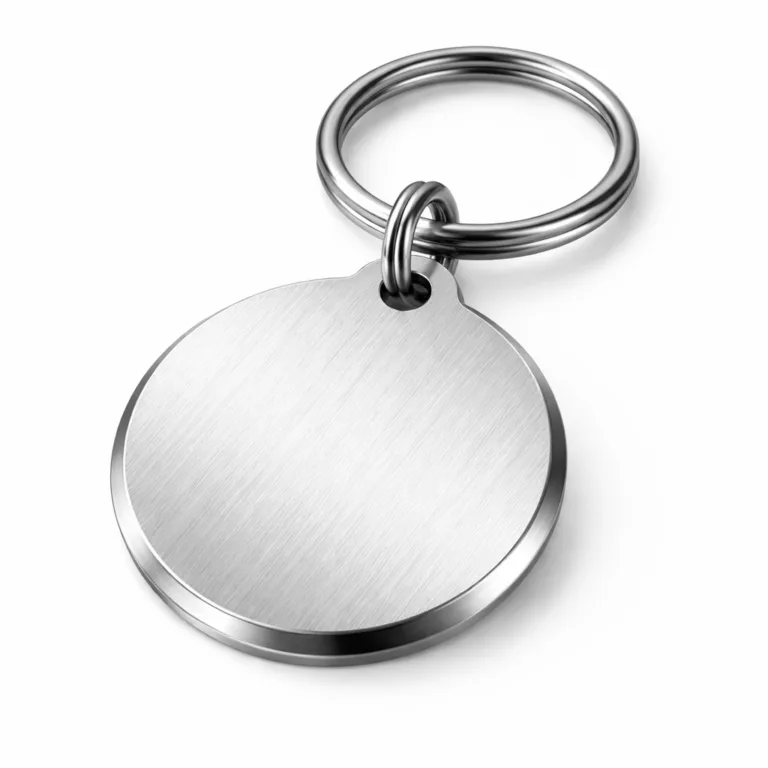
Introduction to Metal Tags
Metal tags are essential tools for identification, branding, and traceability across industries. From industrial equipment to consumer products, tags make assets easily recognizable and help streamline operations. The choice of material is critical—making the difference between a tag that remains legible and attractive for years, or one that rapidly degrades in harsh environments.
In this wear & tear case study, we examine brass tags and steel tags over a five-year period, focusing on long-term durability and practical implications. Factors like corrosion resistance, aesthetics, structural strength, and maintenance requirements are key to selecting the right tag for the job. Metal tags are commonly used in manufacturing, logistics, retail, and consumer applications—each with unique demands. Understanding how brass tags and steel tags fare over time helps B2B buyers, engineers, and procurement professionals make smarter decisions for their assets.
Understanding Brass Tags
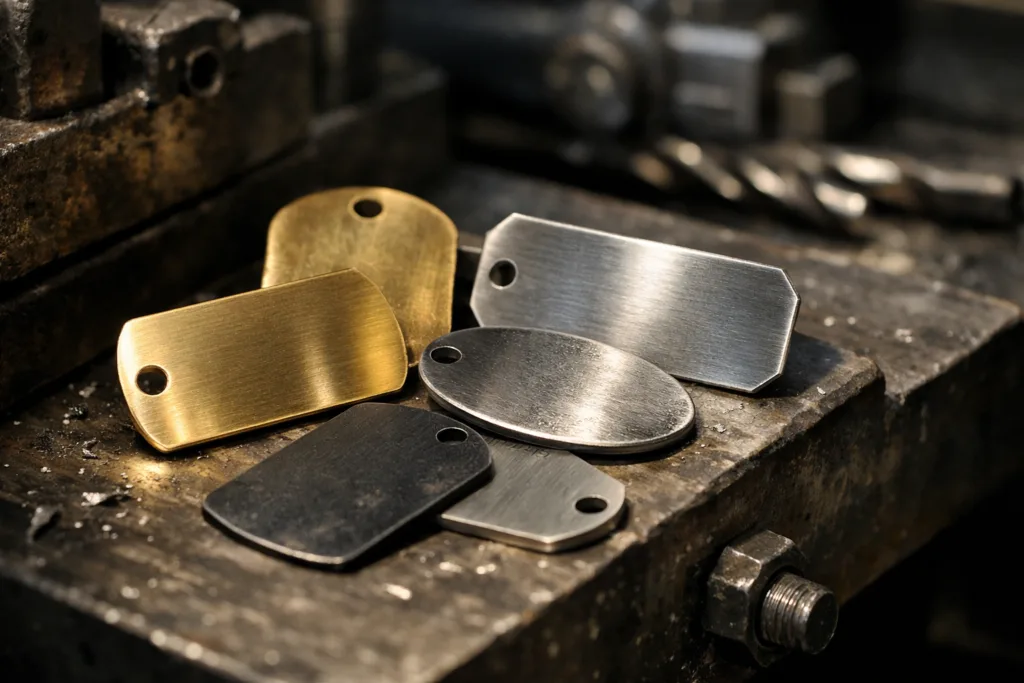
Brass tags are made from an alloy of copper and zinc. This blend gives brass a distinctive yellow-gold tone and a moderate hardness, offering both strength and workability. Brass tags suit environments where aesthetics matter and corrosion resistance is necessary. They are widely used for branding, valve identification, luggage, pet tags, and more.
Brass has natural resistance to corrosion, especially in less aggressive environments. It forms a stable oxide layer, minimizing decay while maintaining a warm, classic color. However, exposure to moisture, chemicals, and salt can lead to gradual tarnishing or patina, especially without protective coatings. In marine and industrial settings, brass tags may require additional surface treatments to enhance resistance.
The visual appeal of brass tags stands out—its shine, gold tone, and the ability to take antique, brushed, or polished finishes make it popular for luxury goods and decorative branding. Custom engravings and stamped details maintain clarity for years if the tag is properly maintained. Compared to other metals, brass offers good flexibility, allowing for deep stamping and precise cut-outs.
Maintenance needs are relatively low. Routine cleaning restores the shine and slows tarnishing. Brass tags remain readable and attractive over time, especially when partnered with high-quality manufacturing and thoughtful design. UC Tag’s shop-floor experience shows that brass is exceptionally consistent in color from batch to batch, which helps branding projects maintain uniformity.
Understanding Steel Tags
Steel tags are manufactured using variations of steel—most commonly stainless steel or carbon steel. Stainless steel tags feature chromium for enhanced corrosion resistance, while carbon steel tags prioritize cost-effectiveness and strength. Steel tags dominate industrial sectors requiring ruggedness and mass production.
One of the biggest advantages with steel tags is high strength and durability. Steel’s structure holds up under heavy loads and abuse, resisting bending, scratching, and impact much more than softer metals. Stainless steel tags deliver solid corrosion resistance, suitable for marine, outdoor, and food-grade environments. Carbon steel tags can rust without protective coatings, making them less ideal for humidity or chemical exposure.
Steel tags offer flexible aesthetic options when paired with modern finishing techniques. Matte, brushed, mirror-polished, black, or color-plated finishes give brands and engineers plenty of choice. Engraving and stamping create durable markings that remain clear even after years of handling and exposure. Maintenance is generally easy—stainless steel only requires periodic cleaning, while carbon steel may need rust prevention treatments.
Readability and longevity are baked into well-made steel tags. For critical applications like serial number plates, asset tags, and equipment labeling, steel outperforms in both physical and visual durability. UC Tag recommends stainless steel for tags exposed to chemicals or outdoor conditions, after extensive production trials demonstrated superior corrosion resistance compared to brass.
Key Properties Comparison: Brass vs. Steel Tags
Selecting between brass tags and steel tags involves evaluating how each performs in real-world environments. Below, the major properties are compared side-by-side.
| Property | Brass Tags | Steel Tags |
|---|---|---|
| Corrosion Resistance | Good in mild environments; moderate in marine/industrial | Excellent (stainless); moderate to poor (carbon, unless coated) |
| Strength | Strong, but softer than steel; flexible, less brittle | Very high; withstands heavy loads, abrasion |
| Aesthetic Appeal | Warm, gold-toned, can take antique/brushed/polish | Cool, silvery; wide variety (matte, polished, color-plated) |
| Maintenance Required | Low to moderate; occasional cleaning to prevent tarnish | Low (stainless); moderate (carbon steel) |
| Upfront Costs | Moderate; depends on thickness/finish/custom work | Moderate; stainless higher, carbon lower |
| Long-Term Maintenance Costs | Potential polishing or anti-tarnish coatings infrequently | Rust prevention for carbon; minimal for stainless |
For corrosion resistance, brass tags perform well in offices, retail, and indoor manufacturing environments but may not hold up against salt, acids, or high humidity like steel tags. Stainless steel tags resist rust and pitting, making them ideal for outdoor, marine, and chemical facilities. Carbon steel tags are strong but need regular maintenance to avoid rust.
Strength and structural integrity are crucial for mechanical and shipping labels. Steel tags handle rough handling and high stress better than brass tags, which can bend more easily. Brass excels in luxury branding and applications needing a tactile, softer touch. For aesthetic appeal and branding, brass tags provide a rich gold finish, enhancing brand value, while steel tags offer sleek, modern looks.
Maintenance varies. Brass tags may require polishing or cleaning to avoid tarnish, especially in humid climates. Steel tags, particularly stainless, need less maintenance. Cost-wise, brass tags and steel tags are similar at point of purchase, but longevity and maintenance can alter real-world expense over five years.
Manufacturing Methods and Their Impact
The manufacturing process plays a huge role in the durability and performance of both steel tags and brass tags. Key methods include stamping, laser engraving, chemical etching, CNC machining, anodizing, and plating.
- Stamping: Creates deep impressions, increases durability. Works exceptionally well for both metals, providing lasting legibility even with wear.
- Laser Engraving: Allows precise markings—best for detailed designs and small text. Both brass tags and steel tags look sharp, but laser depth on steel is harder to remove.
- Chemical Etching: Great for fine detail and multi-layer designs; works especially well on steel for industrial applications.
- CNC Engraving: Produces deep, crisp lines; longer lifespan especially on harder materials like steel.
- Anodizing/Electroplating: Protective and decorative coatings keep tags looking new longer. Brass can be plated for anti-tarnish, steel can be enhanced for corrosion resistance.
Customization options abound: shape, finish, color, backing (adhesive or rivets), and packaging. These choices directly affect the tag’s wear resistance and appearance. For critical traceability, high-contrast laser engraving or deep stamping maximizes readability over years. In UC Tag’s operations, choosing high-depth engraving and robust plating extends tag life, especially in HVAC and marine sectors.
Practically, consider manufacturing method early. Heavy stamping is better for rugged environments; surface finishes matter for branding. The right manufacturing method enhances the tag’s performance and reduces maintenance headaches.
Durability Testing: Real-World Case Studies
To understand how brass tags and steel tags perform in practice, we look at real-world five-year case studies and standard durability tests.
One logistics company using brass tags for warehouse asset tracking found that tags retained legibility and color indoors, but saw tarnishing and fading on assets exposed to moisture and cleaning chemicals. Switching to stainless steel tags for high-contact items improved label readability and reduced maintenance. Steel tags held up without visible corrosion after five years, even with frequent handling.
In marine environments, a boat manufacturer compared brass tags to steel tags for engine serial plates. Brass tags developed green patina and partial illegibility after repeated saltwater exposure—even with clear lacquer. Stainless steel tags resisted pitting, cracks, and stayed bright. Carbon steel tags corroded rapidly unless painted continuously.
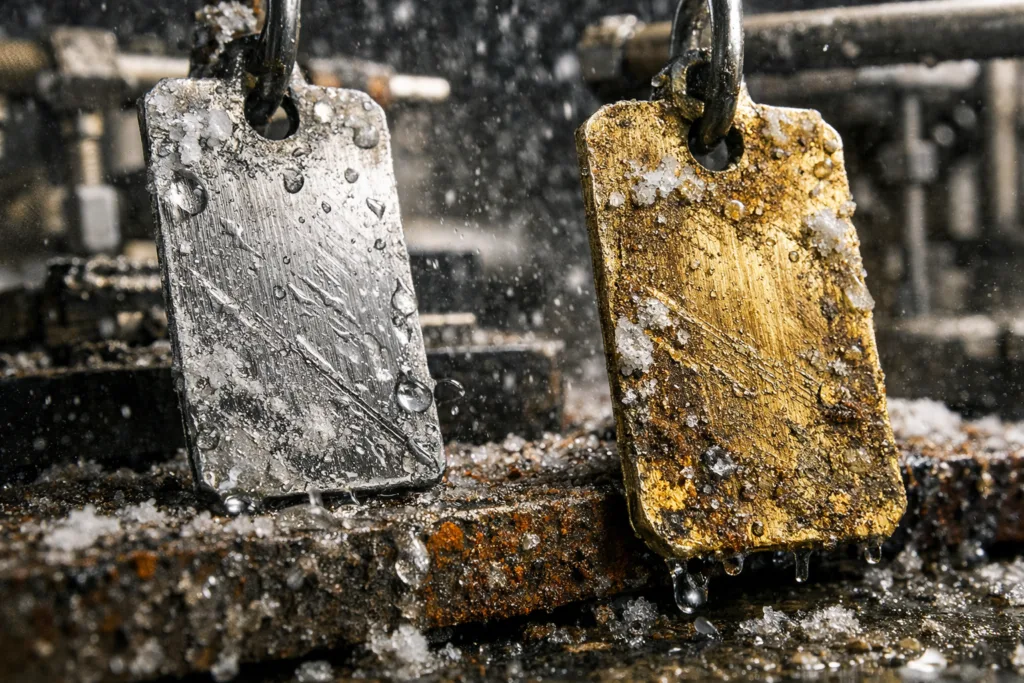
Standard tests like salt spray (ASTM B117), UV exposure, and abrasion cycles found brass tags performed best indoors or in controlled environments. Steel tags—especially stainless—maintained structural integrity and marking clarity across demanding situations. Users who shifted from brass tags to steel tags in outdoor and heavy-duty settings reported less downtime and lower replacement rates.
Operational lifespan varies greatly by environment. The average brass tag lasts 3–5 years without special coatings in outdoor settings; stainless steel tags can exceed 10 years. Anecdotal evidence from UC Tag’s industrial clients points to steel tags as the go-to for traceability in corrosive or harsh operations, while brass remains preferred for controlled-branding spaces.
Design and Specification Checklist
Effective tag design means thinking about every element—size, thickness, finish, and mounting options. Here’s a practical specification checklist:
- Size: Match tag size to the readability and space required.
- Thickness: Consider mechanical strength. Too thin, and brass tags or steel tags bend easily; too thick, and weight/cost rises.
- Finish: Choose finishes for contrast, anti-tarnish, and brand appeal. Brushed, polished, antique, or plated finishes all have trade-offs.
- Readability: High-contrast engraving or stamping helps ensure legibility over time.
- Tolerances: Make sure tight manufacturing specs are matched, especially for serial number or QR/barcode tags.
- Mounting: Plan holes, adhesive backing (like 3M), or rivets depending on surface and expected stress.
- Custom shape: Design for uniqueness, but check manufacturability and cost.
| Spec | Recommended Range | Notes |
|---|---|---|
| Size | 20–70mm | Scale up for critical info; small for discrete tags |
| Thickness | 0.5–2mm | Thicker for high-abuse applications |
| Finish | Brushed, polished, antique | Choose based on branding and environment |
| Engraving Depth | 0.15–0.5mm | Deeper ensures lasting readability |
| Hole Placement | Custom | Rivet/mounting for asset tags; check stress points |
| Adhesive | 3M/Industrial | Test adhesion before full deployment |
Avoid common pitfalls: low-contrast finishes (hard to read), undersized tags (info lost to wear), or adhesives unsuited for your environment. For luggage, pet, or industrial tags, consider the full life cycle. UC Tag recommends sampling early—before mass orders—to ensure tag specification matches real-world needs.
Industry Applications for Brass vs. Steel Tags
Matching the right material to the industry is crucial for lasting value. Below are distinct use cases for brass tags and steel tags across sectors:
Brass Tags Applications
- Retail and luxury branding (custom logo plates, jewelry tags)
- Luggage and bag tags requiring a classic appearance
- Valve and plumbing identification tags—thanks to non-sparking properties
Steel Tags Applications
- Industrial equipment labeling (serial plates, asset tracking tags)
- Logistics and warehouse operations needing tough, readable tags
- Marine and outdoor product marking (engine plates, safety signage)
Environmental challenges vary. Retail tags face cleaning chemicals and customer handling; equipment tags deal with abrasion and possible exposure to solvents. Marine or outdoor tags contend with salt, wind, rain, and UV—steel tags, especially stainless, prevail in these harsh conditions.
Material selection directly impacts usability. Brass tags provide tactile warmth and luxury for controlled settings, while steel tags supply consistent durability and readability under demanding circumstances. Remember: tag longevity is not just about metal—it’s about matching material, finish, and manufacturing process to the intended environment.
Common Mistakes to Avoid When Choosing Tags
Even experienced buyers can stumble on tag selection. The most frequent mistakes include picking low-contrast designs, choosing finishes that degrade quickly, or trusting adhesives without proper testing. Readability suffers when tags lack contrast; matte/brushed finishes help, but antique or dark plating can obscure engraved details, especially on brass tags and steel tags.
Adhesive selection matters—wrong choices lead to tags detaching, especially in hot, moist, or abrasive environments. Always verify adhesion on your actual surface before large-scale rollout. Failing to specify finish or thickness tailored to use-case undermines durability, particularly in harsh industrial settings.
Common misconceptions: brass is maintenance-free (it isn’t), and all steel is corrosion-proof (only stainless is). Overlooking these differences leads to premature replacements and wasted budgets. Testing and sampling tags—using standard samples from vendors like UC Tag—before ordering in bulk ensure expectations match real-world performance.
Consult industry specialists for nuanced advice, especially if your application involves unusual environments or regulatory requirements. Avoiding pitfalls up front saves costs and prevents identification failures down the road.
Ordering Guide for Metal Tags
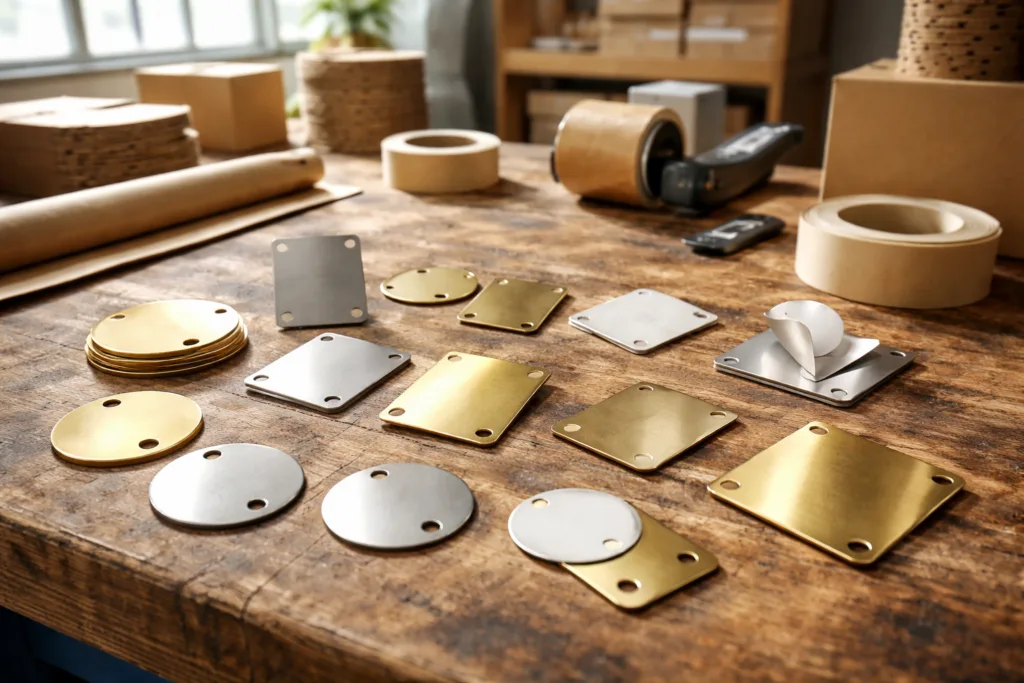
Setting up your order for brass tags or steel tags involves several key steps. Start with minimum order quantities (MOQs)—often set by manufacturers, especially for custom shapes or finishes. Plan lead times carefully, as custom engraving or plating may add days or weeks to production.
Artwork submission is essential. Provide clear vector files or high-resolution images. Manufacturers usually supply digital proofs for approval before production. Sampling is highly recommended—order a batch of samples or use custom metal tag samples to verify design, durability, and mounting options.
Packaging and shipping can affect costs and tag condition upon arrival. Opt for robust packaging, especially if tags will be stored or shipped long distances. Consider whether tags need to be individually bagged or bulk-packed, depending on usage.
For a successful order, clarify application needs, mounting preferences, and finish requirements up front. Work with experienced vendors like UC Tag, whose streamlined process minimizes miscommunication and reduces turnaround delays.
Frequently Asked Questions
How long do brass tags and steel tags last in harsh environments?
Brass tags typically last 3–5 years outdoors without special coatings, while stainless steel tags often exceed 10 years. Indoor use extends lifespan for both materials.
Can brass tags and steel tags be laser-engraved for small text and QR codes?
Yes, both materials accept laser engraving—steel tags provide deeper, more lasting marks, while brass tags capture fine detail and elegant finishes.
What maintenance is required for each tag type?
Brass tags need periodic cleaning to prevent tarnish; steel tags, especially stainless, require minimal maintenance. Carbon steel tags need rust prevention treatments.
Are there specific industries where brass tags are preferred over steel tags?
Brass tags excel in luxury branding, valve identification, and applications requiring non-sparking properties, while steel tags dominate industrial, outdoor, and marine sectors.
What manufacturing methods enhance durability for metal tags?
Deep stamping, laser engraving, and robust plating improve longevity for both materials, with steel tags benefitting especially from deep engraving and anti-corrosion coatings.
How can I ensure the right tag specification for my application?
Request samples, test in your environment, and consult with experienced tag manufacturers to match size, thickness, finish, and mounting options to operational demands.
Related Reading
- How Rust Proofing Maximizes Metal Tag Lifespan in Humid Settings
- Salt Spray Testing Unveiled: Secure Marine-Grade Tags Against Corrosion
- Engraving Depth Secrets: What You Must Know for Long-Lasting Tag Legibility
- Brass vs Stainless Steel Dog Tags: Appearance and Durability Compared
- Scratch Resistance Explained: Which Tag Materials Withstand Industrial Abuse?
- UV Resistance Masterclass: Prevent Color Fading on Outdoor Metal Tags