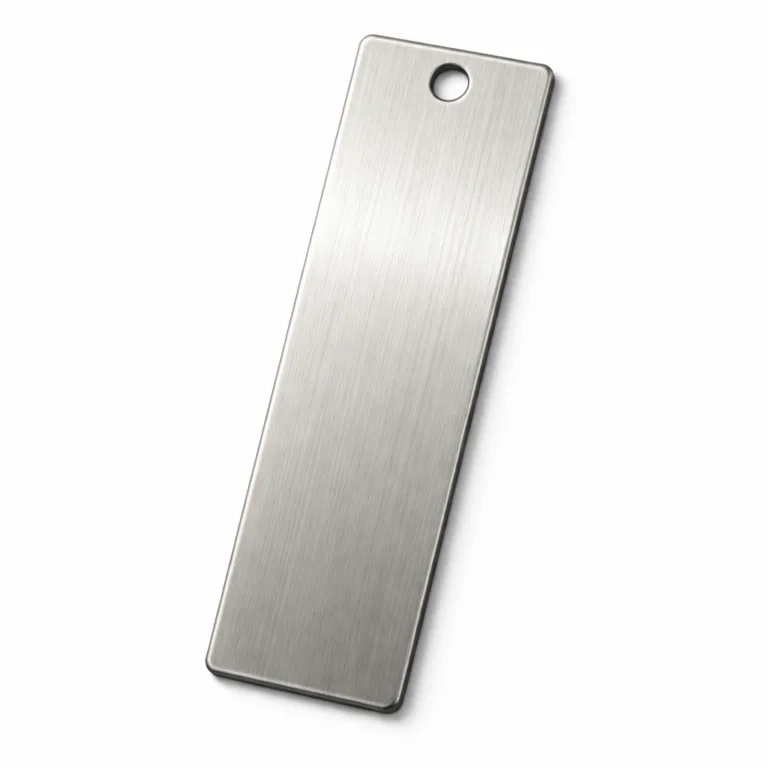
In golf tournament sponsorship, branded bag tags do more than put a logo on a player gift. They create a visible, functional item that stays on the golf bag during the event and often remains there long after the final round. For organizers and sponsors, that matters because visibility on the course is only part of the value. The bigger opportunity is to turn a small metal item into a premium keepsake that carries the sponsor brand, the event memory, and practical identification value at the same time.
If your event needs durable identification, premium presentation, and consistent branding across hundreds of player kits, our custom bag tag manufacturing solutions are built around the details that affect the final result: metal selection, finish choice, logo marking, player data handling, hole placement, attachment style, sample review, and bulk production control. For tournament organizers, agencies, and sponsors, this helps bridge the gap between a creative concept and a bag tag that actually looks right, hangs correctly, and holds up through registration, transport, play, and post-event use.
What branded bag tags mean in golf tournament sponsorship
Branded bag tags are custom tags attached to player golf bags, usually carrying a sponsor logo, tournament identity, player name, group designation, or event year. In some events they also work as access identifiers, pairing aids, VIP markers, registration pieces, or prize package items.
The reason they fit golf tournament sponsorship so well is simple. A golf bag is visible at arrival, on carts, at bag drop, at the practice area, near tee boxes, and around clubhouse traffic. A well-made tag is not hidden inside a welcome pack. It is part of the player’s equipment presentation. That makes the sponsor message more integrated and more memorable than many throwaway items.
From our manufacturing perspective, the buyer should not think about bag tags as generic promo products. They are closer to a hybrid of an identification tag, a commemorative item, and a branded accessory. That changes the design logic. The goal is not only to print a logo. The goal is to make something players are willing to keep.
Why metal bag tags work better than typical event giveaways
Many tournament giveaways are consumed quickly, discarded, or forgotten after the event. Metal bag tags perform differently because they have use value, display value, and keepsake value. That combination matters when sponsors want stronger recall.
Industry research on brand recall from promotional products supports a point that many sponsorship buyers already feel in practice: a physical branded item can stay top of mind much longer than a one-time event impression. When the item is attached to a golf bag and used again, the exposure window becomes longer and more repeatable.
Metal also changes perceived value. Players can usually tell the difference between a thin, disposable item and a tag that has weight, clean edges, durable finish, and deliberate attachment hardware. That difference affects whether the sponsor looks thoughtful or forgettable.
In many projects, the sponsor is trying to balance reach with quality. A premium metal tag often makes more sense than several low-value pieces because it concentrates brand effort into one durable object. If the item stays on the bag, in a travel case, or in a golf collection, the sponsorship effect continues after tournament day.
How branded bag tags increase player visibility and sponsor recognition on the course
A golf event has repeated moments of casual exposure. Players move between registration, practice, tee times, carts, hospitality spaces, and awards. Bag tags become visible in motion and at rest. That is useful because sponsor recognition does not rely on one banner location or one announcement.
What makes this work is not just logo size. Visibility depends on contrast, shape, finish, and layout. A polished logo on a low-contrast surface may look elegant in the hand but disappear from a few feet away. On the other hand, a tag with a clear hierarchy of logo, event mark, and player information will read much faster in real use.
When buyers want sponsor identity plus personalization, we often suggest separating the visual hierarchy into three zones: the sponsor brand, the tournament identity, and the player-specific element. That prevents crowding and makes the tag feel intentional rather than overloaded.
Readable small-format layout depends on spacing and contrast, not just file resolution. Practical principles around contrast and legibility in tag design are relevant here, especially when a small metal tag needs to show logos, names, numbers, or scan elements without becoming visually confusing.
Sponsor benefits beyond tournament day
Brand recall
Sponsors usually ask whether a bag tag is worth the cost compared with softer goods or printed inserts. The real answer depends on retention. If the item is kept, reused, or displayed, the sponsor gets a longer return window. Research on why recipients keep promo products aligns with what we see in custom metal projects: useful, well-made items hold attention longer than disposable event pieces.
Perceived value
A metal bag tag signals that the event was organized with care. It also gives sponsors a more premium association. This detail may look small, but it can change how the entire welcome package is perceived. If the tag feels substantial, the sponsor brand benefits from that quality cue.
Long-term exposure
Unlike a flyer or snack item, a bag tag can continue working after the event. Players may keep it on a golf bag, travel bag, locker key set, or display board. This is especially true when the design includes year markers, tournament branding, or a clean commemorative look rather than a loud ad-only approach.
Designing branded bag tags that players actually want to keep
The most effective branded bag tags usually do not look like generic merchandise. They look like a considered accessory. For sponsors, this means the design should balance brand visibility with event pride and personal ownership.
Shape and size
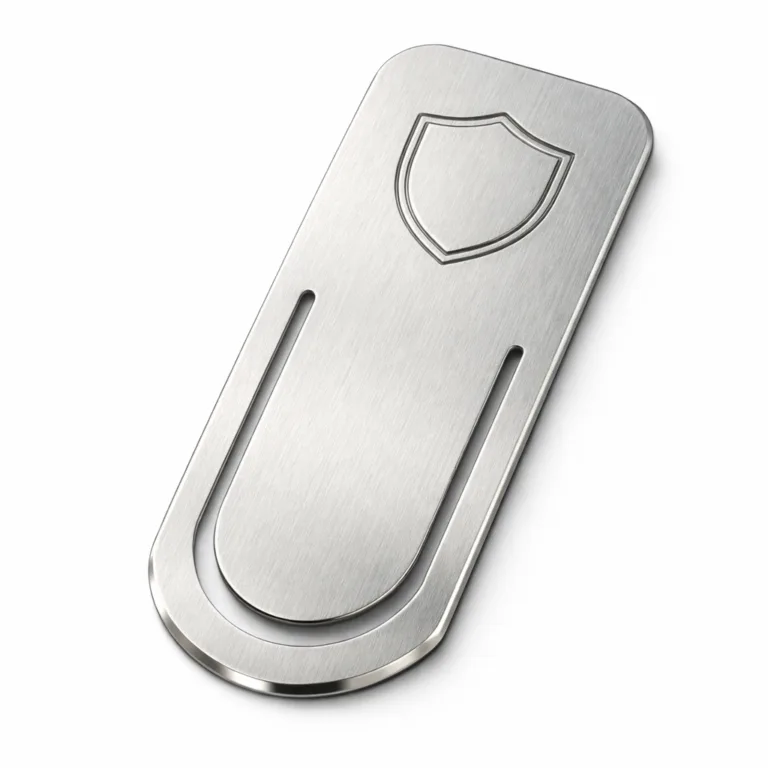
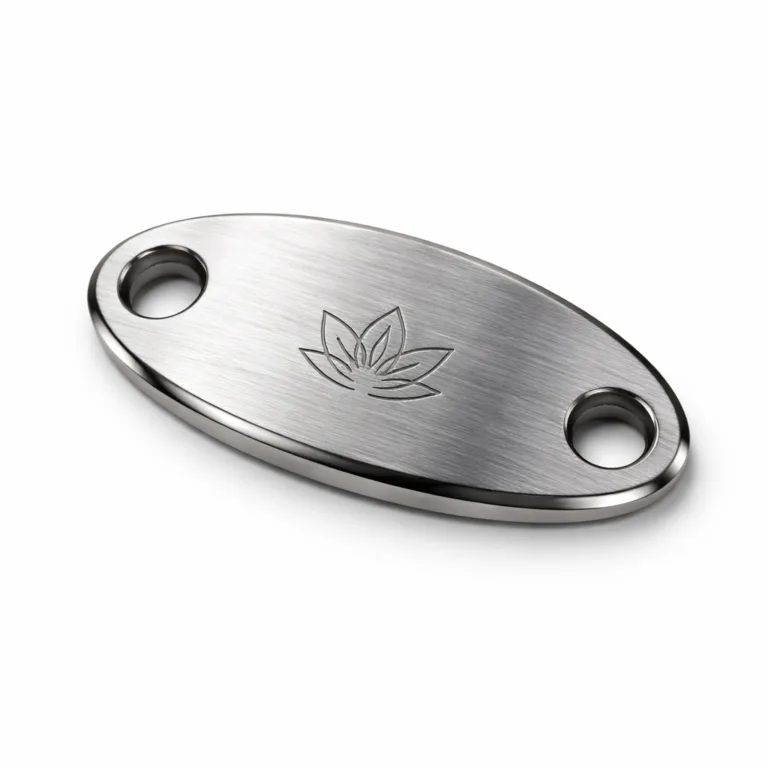
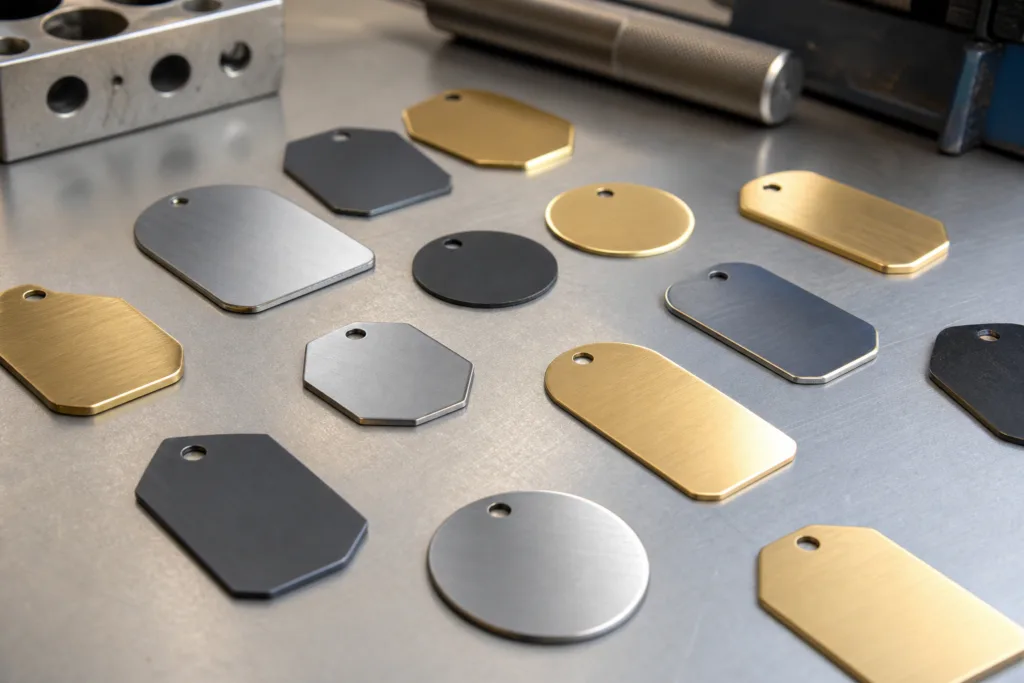
Standard rectangles are efficient, but golf events often benefit from softer corners, shield shapes, oval forms, or custom silhouettes that connect to the tournament identity. Size matters too. If the tag is too small, branding and names become cramped. If it is too large, it can swing awkwardly or look oversized on slimmer bags.
For many tournament projects, buyers compare functional and aesthetic trade-offs through metal bag tag nameplate options before locking dimensions. This is useful when the tag needs to carry both sponsor branding and practical player information.
Logo placement and visual hierarchy
The sponsor logo should be visible, but it should not compete equally with every other element. In a good layout, the eye should understand the message in steps: sponsor, event, player or category, then optional details like year or numbering. If every element is trying to be dominant, the result often feels crowded and less premium.
Color and finish
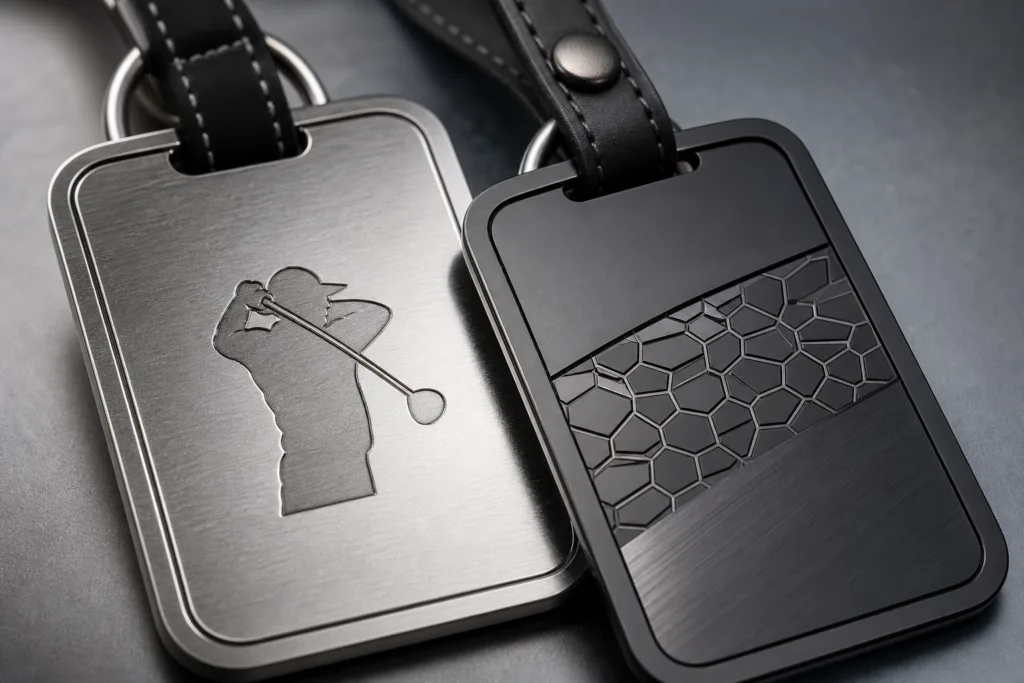
Color can come from anodized surfaces, printed fills, plated finishes, or selective accents. The right choice depends on the brand identity and the durability requirement. Matte backgrounds often help readability, while polished details can add contrast and perceived quality. Filled engravings can create strong logo presence without making the tag look too loud.
Best material choices for golf tournament bag tags
| Material | Typical Strengths | Things to Confirm | Best Fit |
|---|---|---|---|
| Aluminum | Lightweight, cost-efficient, easy to color | Scratch resistance depends on finish | Large tournament runs, colorful sponsor programs |
| Stainless steel | Strong, clean appearance, good corrosion resistance | Heavier feel, may cost more | Premium events, modern minimalist branding |
| Brass | Warm premium look, classic prestige | Weight, finish style, tone consistency | Legacy tournaments, donor gifts, executive kits |
| Anodized aluminum | Durable color layer, light weight, good visual range | Color matching and mark contrast | Brand-led events needing color plus durability |
Aluminum is often the practical starting point because it is light, adaptable, and efficient for medium to large runs. Stainless steel is useful when the project needs a modern, premium appearance and stronger resistance to wear. Brass works well for classic club aesthetics or heritage-style tournaments. Anodized aluminum is a strong option when color and durability need to work together.
For buyers, the key is not only the product name or price, but whether the material, structure, marking method, and application requirements match the real use case. A sponsor gifting a VIP executive outing may choose differently from a charity tournament ordering several hundred player kits.
Durability considerations for outdoor tournament use
Golf tournaments involve sun, moisture, bag handling, vehicle loading, clubs knocking together, and repeated contact with zippers or hardware. So durability should be discussed early, not after the first sample.
Scratch and wear performance
Printed surfaces can look excellent, but buyers should ask where the graphic sits relative to the metal surface and whether it is exposed to rubbing. Recessed or protected marking areas often age better in active use.
Fade resistance
If the tag uses color, confirm whether it is anodized, printed, filled, or plated. Different finishes age differently under sun and abrasion. This detail may look small, but it can create problems later if it is not confirmed early.
Weather exposure
Even if the event itself is short, the tag may be used for months or years afterward. That is why material and finish selection should reflect post-event life, not just the event date. Stainless steel and well-specified anodized aluminum are often safer choices when long-term outdoor performance matters.
Marking methods that work best for tournament bag tags
Marking method affects both appearance and service life. The same artwork can feel completely different depending on how it is made.
Laser engraving
Laser engraving is useful for names, numbers, logos, and crisp detail. It works well when sponsors want precision and personalization. For projects with variable data, engraved bag tag customization is often the practical route because it handles serialized or individualized information cleanly.
Chemical etching
Etching helps when the design includes fine lines, recessed detail, or filled color effects. It can create a premium look, especially on stainless steel or brass, and often works well for club emblems or more detailed sponsor graphics.
Printing
Printing supports strong color and brand matching, but it needs to be planned with real wear conditions in mind. It may be ideal for limited contact areas or decorative face graphics, but buyers should confirm expected abrasion performance.
Filled color effects
Color-filled etched or engraved areas can combine readability with visual richness. This is often a good middle ground when sponsors want a polished result without relying only on surface printing.
How to make a golf bag tag feel premium enough to keep
Premium feeling does not come from one feature. It usually comes from a combination of weight, edge quality, finish control, attachment choice, and thoughtful layout. A tag can carry strong branding and still feel refined if the design is restrained.
Many tournament buyers explore premium metal gift tag designs when they want the item to work as both event branding and a keepsake. This is especially relevant for sponsor-hosted invitationals, donor events, executive outings, and club anniversary programs.
In our production work, the premium feel often comes from details buyers do not always ask about first: edge smoothness, corner radius, metal thickness, recessed logo depth, back-side finish, and whether attachment hardware looks coordinated with the tag face. These details do not always add major complexity, but they do affect the final impression.
Personalization, QR codes, and variable data
Golf tournament bag tags can do more than show a logo. They can include player names, tee group IDs, sponsor tiers, hole assignments, donor categories, commemorative numbering, or QR codes for digital experiences.
Variable data adds value, but it also adds production planning. The buyer should confirm file structure, field order, spelling review, capitalization rules, and approval responsibility before production starts. In many projects, the problem is not the tag itself. The problem is that the data file was not locked early enough.
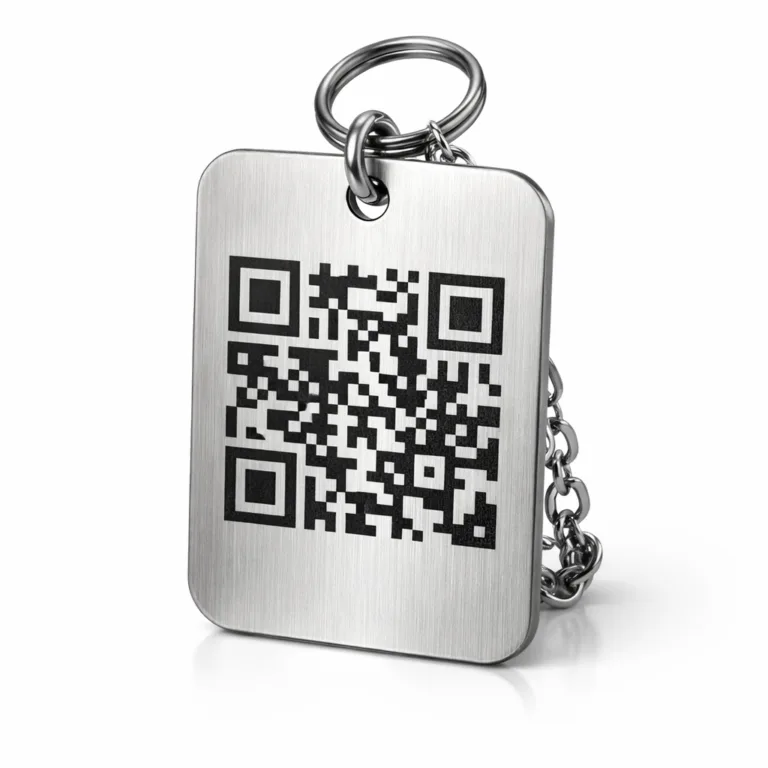
QR codes can support registration confirmation, sponsor landing pages, raffle entries, event photo galleries, or post-event engagement. But the code must have enough clear space and contrast to remain scannable on metal. Small decorative adjustments that look harmless in artwork can reduce scan reliability.
Attachment options for golf bags
The attachment method affects both appearance and user experience. A high-quality tag with the wrong attachment can still feel disappointing in real use.
| Attachment Option | Advantages | Possible Limits | Best Use |
|---|---|---|---|
| Split ring | Secure, familiar, compact | Can feel more utilitarian | General tournament use |
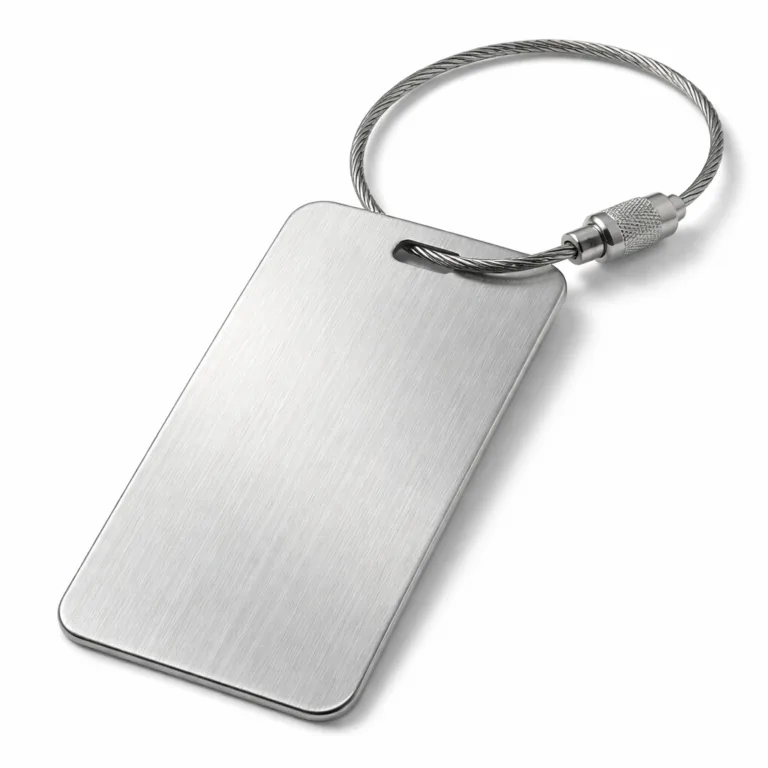
| Loop strap | Cleaner presentation, easy hanging | Material quality matters | Premium registration kits |
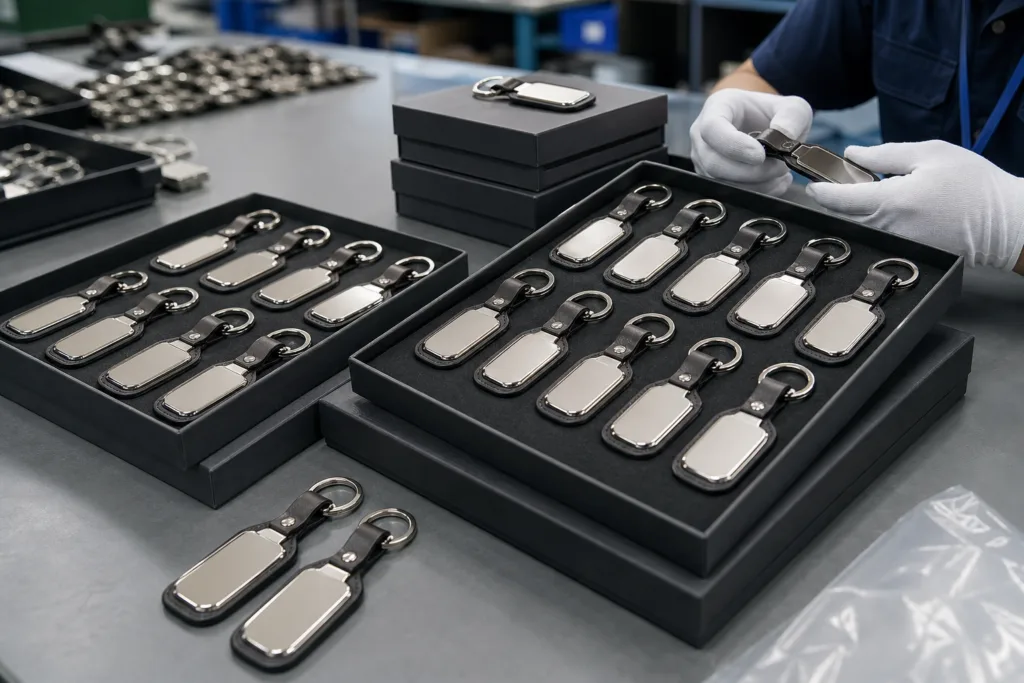
| Leather strap | Upscale look, gift-friendly | Higher cost, design matching needed | VIP and sponsor-hosted events |
| Hole-punched direct design | Simple, versatile, efficient | Hole position must be planned carefully | Most standard bag tag programs |
Hole location is more important than it seems. If the hole is too close to the edge, strength can suffer. If it is poorly centered, the tag may hang at an awkward angle. Buyers working with leather components or hybrid constructions should also review rivet attachment guidance for leather bags when the tag concept includes stitched straps, leather tabs, or premium gift packaging.
Production planning for sponsors and organizers
A tournament order usually has a fixed event date, so timing discipline matters. The most reliable projects move through a clear sequence: concept, artwork setup, material and finish confirmation, sample approval, final data check, bulk production, packaging, and delivery planning.
At UC Tag, we usually advise buyers to confirm these points before approving samples:
- final size and thickness
- front and back artwork allocation
- logo treatment and finish
- variable data format for names or numbering
- attachment hardware and hole position
- individual or bulk packaging method
- acceptable color and finish tolerances
- delivery split by player kit, sponsor tier, or carton quantity
MOQ depends on construction, process, and customization level. Lead time depends on quantity, complexity, data handling, and whether sampling includes multiple revisions. Buyers should leave buffer time for artwork corrections and approval cycles, especially when sponsor logos come from different stakeholders.
Quality control tips for large tournament orders
Large event orders need consistency more than visual creativity alone. A strong sample is useful, but it is not enough if the bulk run drifts.
We recommend checking QC points in this order:
- material thickness consistency
- finish tone consistency across batches
- logo position and orientation
- edge quality and burr control
- hole placement accuracy
- attachment hardware count and match
- spelling and data accuracy for names and numbers
- scan testing for QR or barcode elements
- packaging count by set or carton
For events with personalization, data QC should be treated as a production step, not just an office task. It is worth approving one locked data sample and one bulk-format preview before full production.
Common mistakes to avoid when ordering branded bag tags
Trying to fit too much information on a small tag
Sponsor logo, event logo, player name, year, serial number, and QR code can all be useful, but not every project should use all of them. Overcrowding hurts both readability and appearance.
Choosing finish before use case
Some finishes look great in renderings but wear poorly in active use. The order of decisions should be use case first, finish second.
Ignoring attachment details
A premium tag with weak hardware creates a poor user experience. Attachment should be treated as part of product design, not an afterthought.
Waiting too long to clean the data file
Misspelled player names, inconsistent capitalization, and broken QR links can become the biggest headaches in personalized projects.
Using a generic vendor brief
Bag tags for tournament sponsorship are not the same as general promo tags. The brief should explain the event, audience, expected lifespan, and branding goal.
How to evaluate a metal tag manufacturer for golf tournament sponsorship projects
Buyers comparing suppliers should look beyond unit price. The more useful questions are about production fit. Can the manufacturer support the material you want? Can they handle personalization accurately? Can they advise on attachment and finish durability? Can they provide meaningful samples, not just a digital mockup?
From a sourcing perspective, the right manufacturer should be able to discuss material trade-offs, marking limits, artwork structure, tolerance expectations, packaging plans, and delivery timing in a practical way. If the supplier only talks about logo placement and price, important production risks may be hiding underneath.
It also helps to ask how revisions are handled between sample and bulk production, how variable data is checked, and what QC checkpoints are used for finish consistency. These are the details that reduce event-day surprises.
Conclusion
Branded bag tags can be one of the most effective tools in golf tournament sponsorship when they are treated as durable branded products rather than simple giveaways. The value comes from visible use on the course, stronger perceived quality, better post-event retention, and the ability to combine sponsor branding with player identity and event memory.
For sponsors and organizers, the smartest approach is to define the real purpose first: visibility during play, premium gifting, registration management, commemorative value, or long-term brand recall. Once that is clear, material, finish, marking method, personalization, and attachment choices become easier to align. Well-planned branded bag tags do not just support the event for one day. They help the sponsorship remain present long after the round is over.
FAQs
Are branded bag tags a good fit for all golf tournament sponsorship levels?
They can work across many sponsorship levels, but the construction should match the program. A large charity event may choose lightweight aluminum with clean logo marking for broad distribution, while a title sponsor or VIP event may use thicker stainless steel or brass with personalized details. The key is matching budget, quantity, and brand objective instead of using one specification for every audience.
What material is usually best for golf tournament bag tags?
There is no single best material for every project. Aluminum is often chosen for larger runs because it is lightweight and efficient, anodized aluminum works well when color and durability matter, stainless steel gives a modern premium feel, and brass suits classic or heritage-style events. The right choice depends on expected use, desired look, and price target.
Can bag tags include player names, sponsor branding, and QR codes together?
Yes, but the layout has to be planned carefully. The tag needs enough space for clear hierarchy, readable text, and scan-friendly code placement. In practical terms, this means confirming size early, leaving quiet space around the QR code, and avoiding artwork that crowds the personalized fields. A sample with actual variable data is much safer than approving a logo-only mockup.
What marking method lasts longest on a metal bag tag?
Durability depends on both process and use conditions, but engraved or etched marks are usually stronger choices when long-term readability matters. Surface printing can deliver vivid color, yet it should be evaluated against rubbing and scratching exposure. For many tournament programs, combining a durable base mark with selective color gives a good balance between premium appearance and practical wear performance.
How early should sponsors order custom golf bag tags before an event?
Earlier is always safer because artwork approval, sample revision, and data cleaning often take longer than buyers expect. Orders with personalized names, numbering, or QR codes need extra time for file review and QC. A practical schedule should include time for one physical sample, one final data check, bulk production, and shipping buffer rather than counting only factory production days.
What should buyers ask a manufacturer before placing a bulk order?
Ask about material options, marking method, finish durability, attachment hardware, sample process, MOQ, lead time, data file format, packaging, and QC checkpoints. It is also worth asking how the supplier handles variable data accuracy and what tolerances apply to color, alignment, and finish. These questions help reveal whether the manufacturer understands event execution, not just tag decoration.