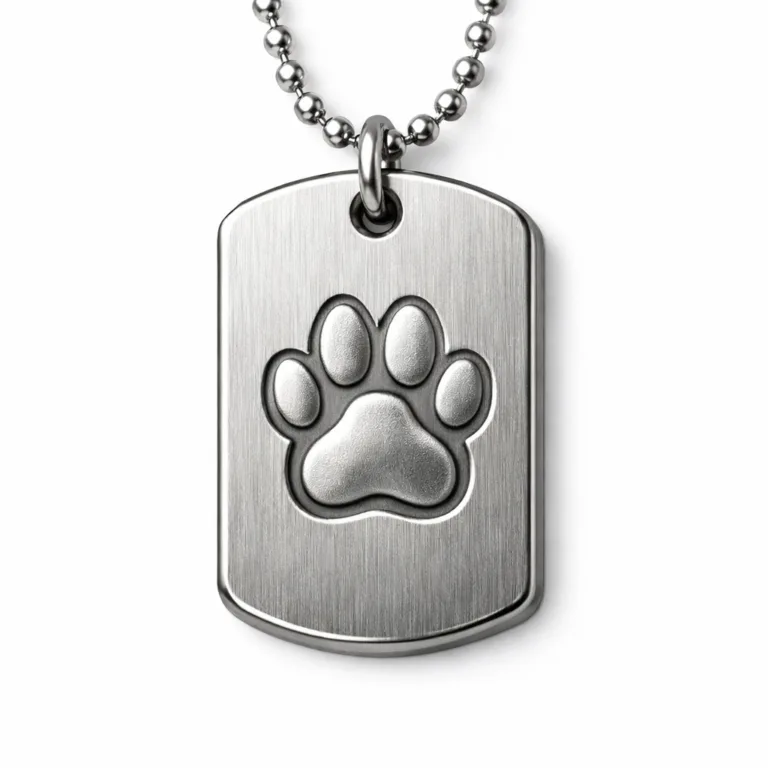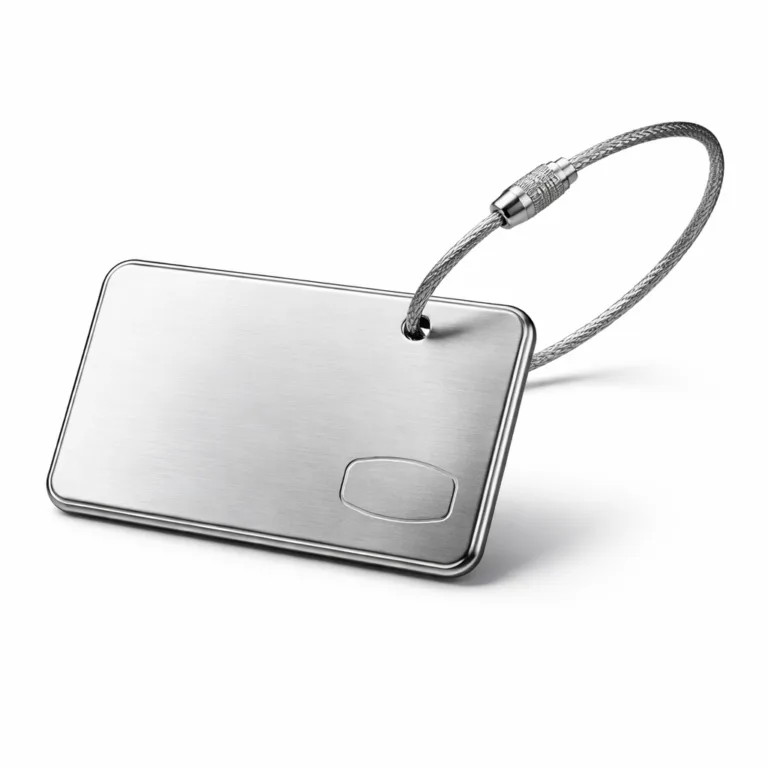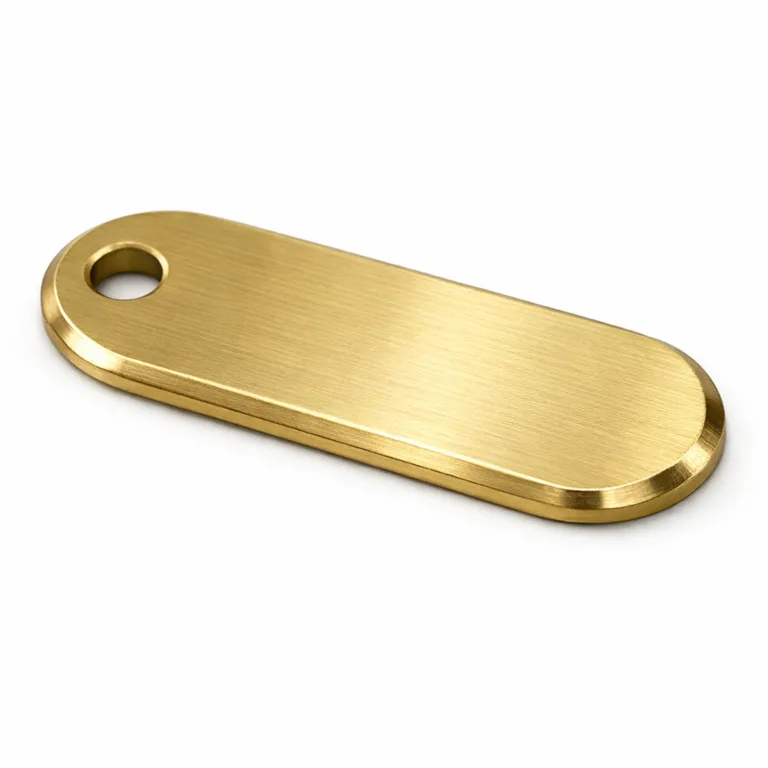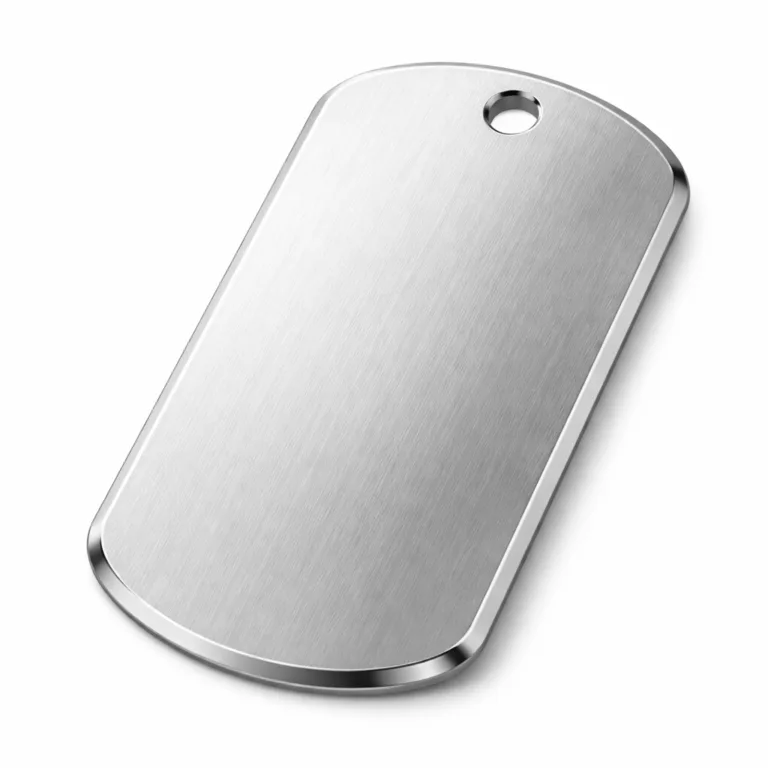
Introduction to Beveled Edges
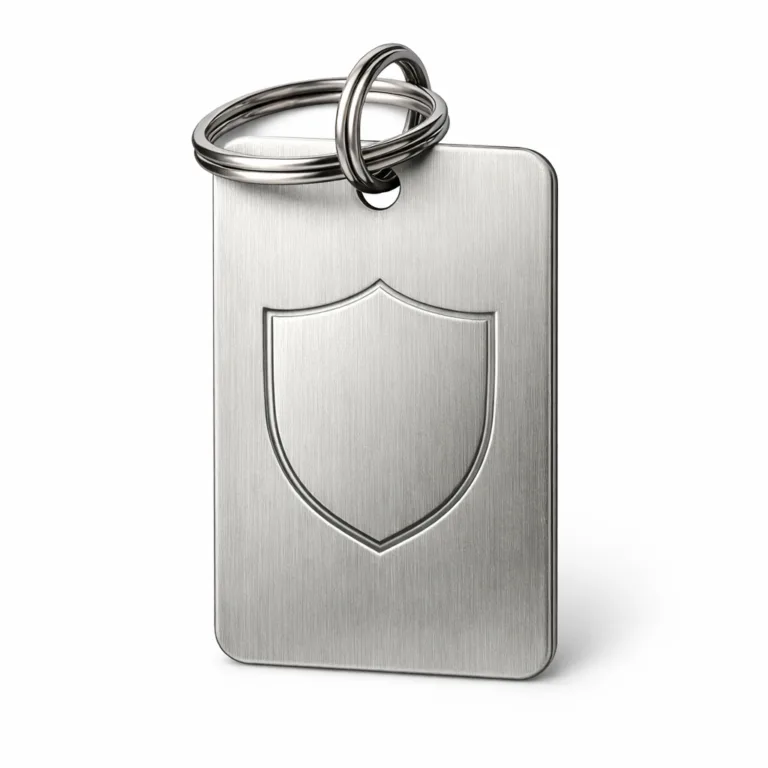
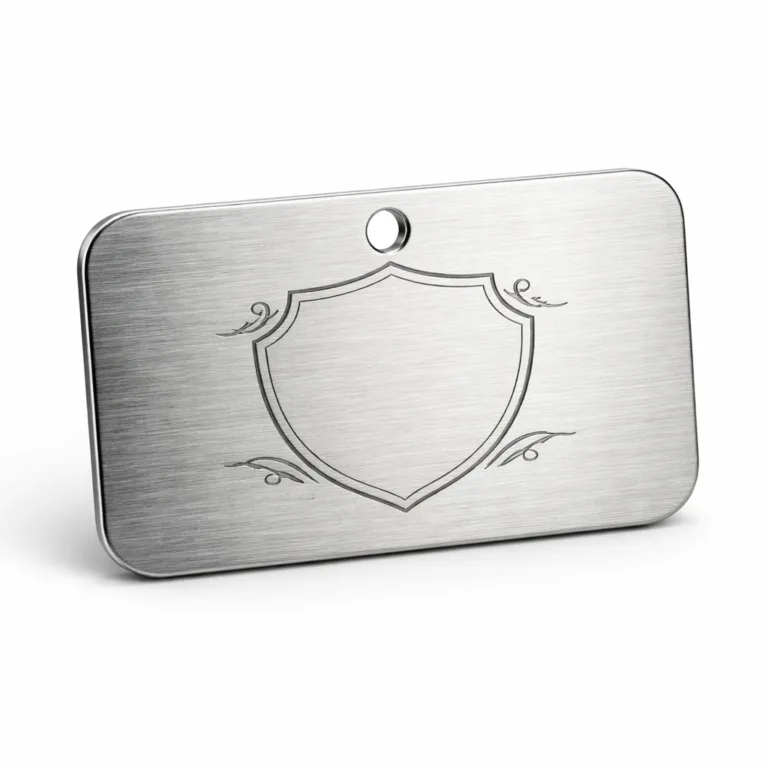
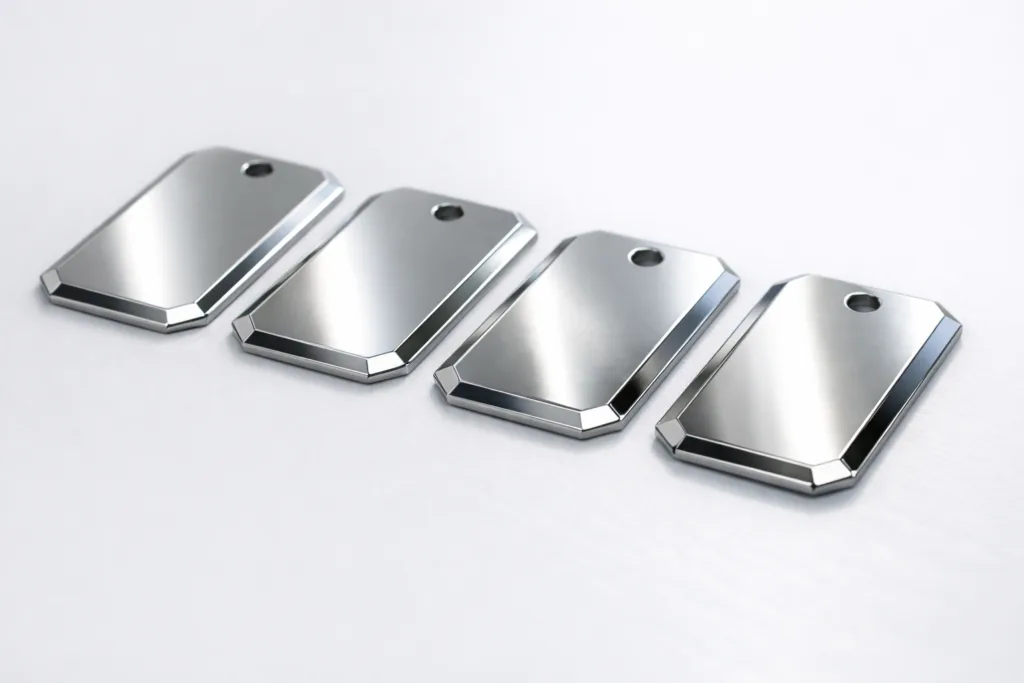
When it comes to metal tags and nameplates, the smallest details can dramatically influence a product’s look and performance. Beveled edges, in particular, have become a defining feature for those wanting to add a premium touch to standard shapes. Unlike simple square-cut or flat edges, beveled edges are characterized by an angled cut along the perimeter, often at 30 to 45 degrees. This subtle slant distinguishes the tag in both appearance and function.
The inclusion of beveled edges elevates the ordinary. Where standard edges are clean but unremarkable, bevelling introduces a sense of design depth—catching light on the angle, creating reflections, and emphasizing the form of the tag. The result is an elegant, sophisticated edge treatment that reads as intentional, upscale, and thoughtfully engineered. This plays directly into creating a premium design, increasing perceived value not just in tags but in a wide spectrum of industries.
The functional advantages of beveled edges are just as important. Angled edges are less likely to collect dirt or sustain edge chipping, and they make the tag easier to handle safely—especially in industrial or consumer-facing settings. By softening sharp corners, beveled edges minimize the risk of cuts or abrasions during installation or use. As a result, companies in manufacturing, architecture, and retail are increasingly incorporating this feature into specifications for both branding and safety reasons.
The Aesthetics and Functional Benefits of Beveled Edges
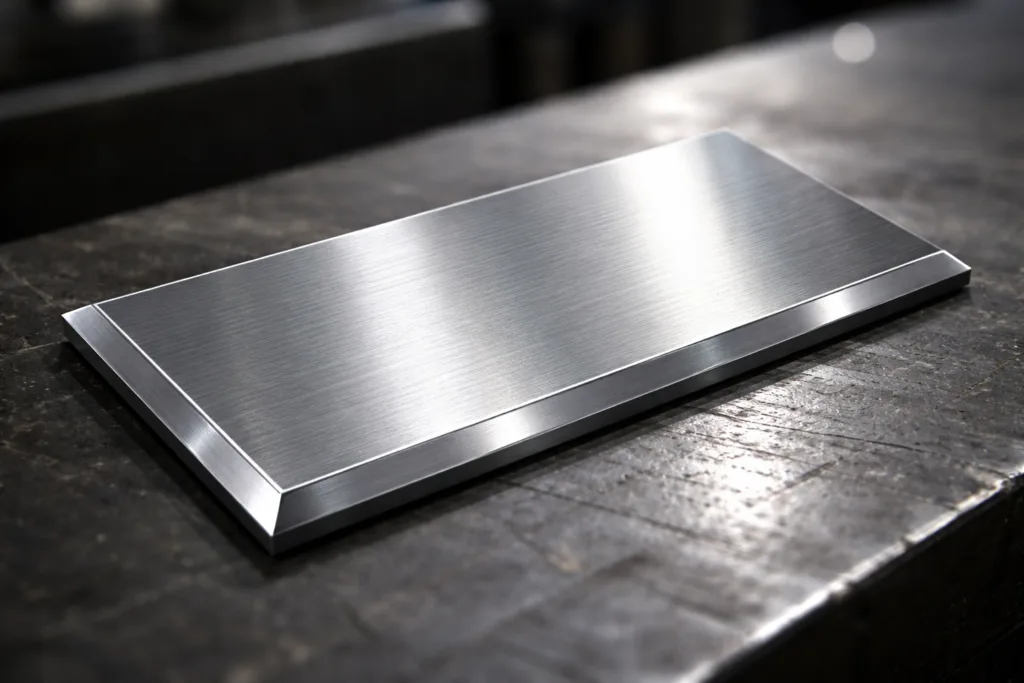
Choosing beveled edges signals a commitment to premium design. The angled transition between the tag’s face and its sides offers subtle highlights, drawing the eye and distinguishing the product from competitors. This enhanced visual appeal is especially vital in markets where brand perception and customer experience matter—in retail, luxury packaging, and established architectural projects, for example.
Functionally, beveled edges offer more than good looks. In high-impact environments such as manufacturing floors, shipping, or outdoor signage, the slanted edge resists denting and reduces the likelihood of deformation. The edge is less prone to dangerous burrs or sharpness over time, which also improves safety for handlers.
Another key benefit is readability. Products with bevelled edges tend to cast a natural border that draws attention to engraved text or logos, increasing clarity under various lighting conditions. This design contrast boosts functional performance, particularly for serial numbers, QR codes, or asset tracking information that must remain legible through heavy use.
These qualities are why beveled edges aren’t limited to metal tags—they’re found on high-end electronics, furniture, architectural cladding, and even business signage. The approach can be integrated into a wide range of design elements, from ID tags and nameplates to custom logo plates and decorative trims.
- Elegant highlight for premium branding
- Improved durability and resistance to impact
- Increased safety with reduced sharpness
- Enhanced readability and focus on information
- Adaptability across multiple industries
By prioritizing these qualities, buyers are more likely to select products that meet both functional requirements and higher standards of design excellence.
Key Techniques for Creating Beveled Edges
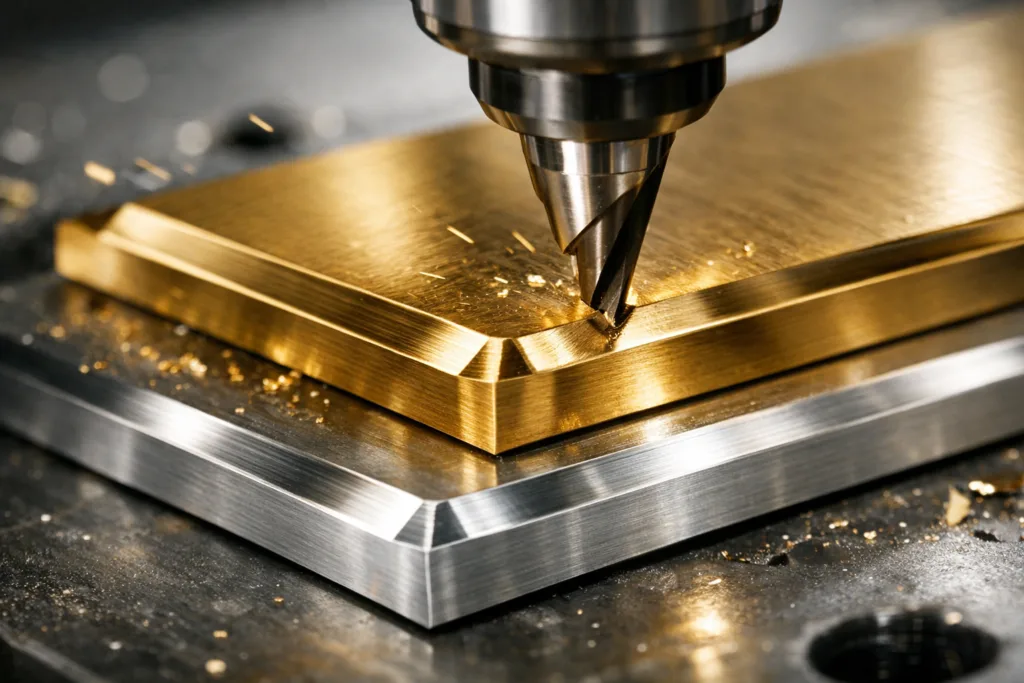
Manufacturing beveled edges involves several advanced production methods. Techniques like CNC machining, laser engraving, and precision stamping are commonly used—each with its own set of strengths and cost considerations. CNC machining remains the most precise, allowing for controlled bevel angles and consistent surface qualities, making it ideal for small to medium runs or highly complex profiles.
Laser engraving is another method used to create subtle, shallow bevels, especially on thin materials or where intricate detail is needed. While less suited for deep, pronounced bevels, laser systems excel in high-speed applications and detailed cuts, providing flexibility in design without significant tooling setup. Stamping processes can also be adapted to form beveled contours, particularly for high-volume production; however, they require robust dies and careful control of force to avoid introducing distortions in thinner stock.
Maintaining design precision and tolerance is a top priority regardless of technique. Each manufacturing process must account for the material’s thickness, hardness, and finish. For instance, CNC beveling on hard-wearing stainless steel will require slower feeds or more robust tooling, which affects both speed and cost. Laser engraving, conversely, might risk heat-affected zones or discoloration if parameters aren’t optimized.
When choosing the right machinery, production volume and part complexity should guide decisions. For one-off samples or intricate branding plates, CNC or laser may justify the investment. For full-scale runs—particularly with standard shapes—stamping or precision blanking can achieve lower per-unit costs once dies are set.
Recommended practices for consistently high-quality beveled edges include:
- Specifying bevel angle and depth in artwork files
- Requesting material samples to review edge quality
- Ensuring clear communication of surface finish and inspection requirements
- Partnering with experienced suppliers who understand the technical nuances of the chosen method
UC Tag’s experience in machining, stamping, and engraving tags highlights that tight tolerances are essential, especially on tags with logo debossing or intricate shapes. Minor deviations in the bevel can affect both the visual appeal and fitment of the tag in its final installation.
Material Comparison for Beveled Edges
Not all metals behave the same way when it comes to crafting beveled edges for premium design. Aluminum, stainless steel, and brass are the most popular materials—and each brings distinct advantages and disadvantages.
Aluminum is lightweight and economical, making it a go-to for mass production where shipping costs or easy handling matter. It is soft enough to permit clean beveling via CNC, stamping, or even rotary cutting. However, pure aluminum is less robust against scratching, so surface treatments like anodizing are often recommended. These treatments not only improve durability but also add color for custom branding or logo distinction.
Stainless steel offers the highest corrosion resistance, making it ideal for outdoor signage, marine environments, or any application that faces harsh chemical exposure. Its hardness ensures that beveled edges retain their shape and crispness over years of heavy use. The trade-off is that machining or beveling stainless steel generally requires more time, stronger tooling, and higher cost—especially for thick gauges.
Brass stands out for its gold-like luster and resistance to tarnishing, but it is primarily chosen for projects that prioritize appearance, such as luxury branding, retail packaging, or commemorative items. Brass can be precisely beveled using both CNC and stamping. However, it is softer than steel and can deform if not handled during mass production with the right dies and finish processes.
Here’s a practical comparison for selecting the right material for beveled edge applications:
| Material | Durability | Corrosion Resistance | Aesthetic Finish | Cost Efficiency | Bevel Edge Quality |
|---|---|---|---|---|---|
| Aluminum | Good (with anodizing) | Moderate | Wide range (colors, matte/gloss) | High | Excellent (easy to machine) |
| Stainless Steel | Excellent | Superior | Brushed, polished, matte | Moderate to low (higher tooling cost) | Outstanding (holds shape well) |
| Brass | Moderate | Good | Bright, gold-like, classic | Moderate (cost of raw material) | Very good (beautiful embellishments) |
For applications where premium design is a must and environmental exposure is minimal, brass or anodized aluminum offer striking looks. For industrial tags, outdoor signage, or asset tracking, stainless steel is highly recommended despite its added cost.
Manufacturing Methods: Engraving, Stamping, and More
The production method chosen for beveled edges will directly impact cost, quality, and turnaround time. Each process—engraving, stamping, chemical etching, and UV printing—serves a distinct set of needs and runs. Let’s break down the characteristics and trade-offs of each so buyers can select an approach that matches their goals and production realities.
Engraving (CNC or rotary) creates deep, defined bevels with precise angles, delivering a sharp and consistent premium look. It is ideal for short-to-medium runs, highly customized tags, or parts where design precision is critical. While slower and generally more expensive per unit, the quality and consistency are unmatched. Engraving also accommodates variations in thickness and complex contours.
Stamping is the go-to method for mass production. Custom dies exert high-pressure force to cut and shape each tag in a single stroke, forming crisp beveled edges and embossed details simultaneously. Stamping is cost-effective in high volumes, but die design and setup are upfront investments. For thin metals, die quality and maintenance are vital to preventing warping or rough edges. Learn more about stamping for personalized jewelry tags in our guide to hand stamping.
Chemical etching can achieve subtle bevels by selectively removing material in controlled layers. This process is best for intricate designs and fine detail rather than pronounced, tactile bevels. It’s especially useful for lighter-gauge aluminum or stainless steel nameplates used in architectural signage or branded labeling.
UV printing does not physically alter the edge but can simulate the visual effect of a bevel through contrasting color or printed shadow. This solution works for cost-sensitive projects or decorative tags where real bevels are impractical.
The decision between methods depends on production volume, turnaround time, and budget:
- Engraving: Precision, small to medium batches, higher cost/unit, slowest speed
- Stamping: High volume, fast, lower cost/unit post-die setup, consistent results
- Chemical Etching: Fine detail, low to medium runs, moderate cost, best for thinner metals
- UV Printing: Decorative, no real edge, fastest, lowest cost/unit
For orders above several thousand units, the ability to integrate beveled edges into automated stamping lines can greatly reduce cost and lead time. In a recent UC Tag production run, transitioning from small-batch CNC engraving to mass stamping cut per-unit costs by over 40%—but only after careful coordination of dies and inspection criteria.
Design & Spec Checklist for Beveled Edges
For procurement specialists and design engineers, specifying beveled edges in your metal tag project means more than just requesting a slanted edge. Here’s a practical design and specification checklist to ensure a smooth process and a truly premium design outcome.
- Size and Thickness: Confirm minimum and maximum dimensions fit your intended use and attachment method. Thicker materials support more pronounced bevels but increase overall weight and shipping cost.
- Finish: Decide between matte, glossy, anodized, or plated surfaces; the finish will impact both appearance and scratch resistance.
- Readability and Layout: Design artwork so critical information remains clear even when surrounded by a bevel. Avoid placing small text too close to the edge.
- Tolerances: Specify acceptable variation for both edge angle (e.g., 45° ±2°) and depth for consistent results across batches.
- Attachment Options: Consider application scenario—choose from holes for rivets, cutouts for split rings, adhesive backing (3M adhesive backings), or slots for sewing.
- Environmental Factors: Will the tag be exposed to direct sunlight, salt, chemicals, or abrasion? Select material and finish accordingly.
| Spec Point | Best Practice | Key Pitfalls |
|---|---|---|
| Material | Match to environment & required finish | Poor corrosion resistance, mismatched aesthetics |
| Edge Angle/Depth | Specify in degrees/mm in RFQ | Ambiguous specs leading to inconsistent products |
| Attachment | Tailor to mounting location & load | Failed adhesives or mounts if overlooked |
| Artwork/Layout | Leave safe border from edge | Text/logos too close to bevel & hard to read |
| Finish/Coating | Choose for durability & appearance | Finish wears prematurely, reduces perceived value |
By applying this checklist, buyers make informed decisions and reduce costly errors during prototyping and pilot runs.
Durability Testing: Ensuring Product Performance
No matter how attractive the beveled edges are, performance in real-world conditions is non-negotiable. This is especially relevant for asset tags, outdoor badges, luggage tags, and architectural signage subjected to abrasion, moisture, and sunlight.
Corrosion resistance testing (such as salt spray tests) determines how well materials and coatings withstand harsh environments. Stainless steel and anodized aluminum routinely perform best here.
Abrasion testing mimics physical wear from repeated handling, rubbing, or cleaning. Premium design elements like highly polished beveled edges can become scratched if surface treatments are not up to spec, so specifying a hardening or coating layer is smart.
UV exposure testing ensures that colors, text, and finishes remain vibrant and readable after months or years in sunlight. Tags that fail UV tests can fade quickly—an issue especially critical for outdoor branding or instruction plates.
Relevant standards for durability include ASTM B117 (salt spray), ISO 9227, and various UL labeling requirements depending on application. It’s always recommended to request documentation or proof of compliance, particularly when sourcing from international manufacturers. For more, see our resource on vetting manufacturers in China.
Failing these tests can result in premature tag loss, safety incidents, or reduced brand credibility, with real-world consequences like lost inventory or misidentified equipment. For most high-wear scenarios, plan for a tag lifespan of 3–7 years depending on the chosen material and finish.
Application Fit for Beveled Edges
The benefits of beveled edges become tangible across a variety of industries and products. Let’s look at where they shine most:
Furniture: Decorative plates, custom logo inlays, and branded hardware leverage beveled edges for a premium look and added tactile comfort. Whether on office desks, cabinetry, or designer seats, the edge treatment signals craftsmanship and care.
Architecture: Building signage, door nameplates, and directory systems use beveled edges to achieve a polished, durable, and easy-to-clean surface. Outdoor applications especially benefit from improved corrosion resistance and readability. Customizations for apartment complexes or business towers often specify both beveled and custom die-cut shapes; examples can be explored with custom die-cut shapes.
Graphic Design: Marketers and designers employ metal tags with beveled edges as upscale branding elements, found on retail products, wine bottles, limited edition packaging, and premium swag. The tactile quality offered by premium design sets products apart at the point of sale and in promotional events.
- Furniture: Desk plates and drawer pulls with brass bevels
- Architecture: Hotel signage and outdoor plaques (often in stainless steel)
- Graphic Design: Limited-edition product tags featuring anodized aluminum with crisp bevels
Tailoring the bevel angle and finish to suit the specific application ensures both form and function are maximized. For example, outdoor architectural plaques prioritize weather resistance above all, while luxury retail tags demand a tactile, gold-tone finish to resonate with high-end buyers.
Common Pitfalls & Troubleshooting Tips
Even with detailed plans, projects involving beveled edges can encounter common pitfalls. Misjudging the physical properties of the chosen material—such as attempting deep bevels on thin aluminum without reinforcement—can lead to warping or incomplete cuts.
Design errors are another frequent issue, particularly where readability is sacrificed for bold edge treatments. If key information is placed too close to a deep bevel, it may become distorted or hard to read when produced. Be sure to keep at least 2 mm of safe border between text and the start of the bevel.
Attachment methods deserve careful attention. Failing to match adhesive or rivet selection to the weight and environment of the tag leads to premature failure. Epoxy often provides superior bond strength and weather resistance compared to standard adhesive, but setup and cure times can be a drawback for streamlined workflows.
To avoid manufacturing headaches with beveled edges, always:
- Prototype with intended materials before committing to bulk runs
- Communicate all design tolerances to your supplier
- Request samples for destructive and performance testing—not just visual checks
UC Tag’s project teams routinely emphasize that tight feedback cycles during the prototyping stage can prevent waste and ensure every tag meets appearance, attachment, and legibility requirements.
Ordering Guide for Custom Beveled Edge Tags
Streamlining your order process for custom tags with beveled edges and a premium design is mostly about preparation and communication. The majority of quality-focused suppliers operate with Minimum Order Quantities (MOQ), which can range from as low as 100 units for standard styles up to 1,000+ for fully bespoke shapes or finishes. Lead times often start at 2–4 weeks, with stamping-based orders completed fastest once dies are established.
Clear artwork submission—preferably in vector format—speeds up proofing and sample production. This minimizes costly misinterpretation between designer specs and manufacturer execution. Including tolerances for angles, text positioning, finish, and attachment method in your Request for Quotation (RFQ) is also essential.
Packaging choices may seem trivial, but for tags with fine bevels, protective film, bubble wrap, or partitioned boxes prevent scratches during transit. Specify if you need individual bagging, industrial bulk, or branded retail packaging up front.
- Specify full dimensions and finish in the RFQ
- Submit vector artwork and precise edge specifications
- State required packaging and protective measures
- Ask for pre-production samples to verify quality before mass order
Taking these steps—not just focusing on the finished look—ensures your premium design arrives on time and meets expectations in every application.
Frequently Asked Questions
What are beveled edges and why are they used?
Beveled edges are angled cuts along the perimeter of a material, typically set between 30–45 degrees, used to enhance safety, aesthetics, and durability in tags and other products.
How do I choose the right material for beveled edge tags?
Select your material based on the environment and appearance needed—aluminum is light and versatile, stainless steel offers toughness and corrosion resistance, and brass adds a premium finish.
What manufacturing method is best for my project?
For high volume, stamping is usually most efficient; for short runs or high detail, CNC engraving or laser is ideal. Consider your budget, artwork, and desired finish when selecting.
How can I ensure my tags will last in harsh conditions?
Choose corrosion-resistant materials (like anodized aluminum or stainless steel), specify protective coatings, and request durability testing documentation from your supplier.
Can I see a sample before making a bulk order?
Yes, most manufacturers encourage requesting prototype or pre-production samples to review edge finish, readability, and attachment before committing to large quantities.
What should I include in my RFQ for custom beveled edge tags?
Include full artwork in vector format, all dimensions, edge and finish specs, attachment methods, packaging requirements, and quantity—clear information ensures accurate quotes and results.
Related Reading
- Discover How Tag Thickness and Weight Influence Brand Perception
- Unlock Creative Freedom in Tag Design with Custom Die-Cut Shapes
- Maximize Durability with 3M Adhesive Backing for Metal Logo Tags
- Master the Art of Hand Stamping for Unique Jewelry Tags
- Smart Strategies for Sourcing and Vetting Metal Tag Manufacturers in China